

Top 11 Best Ways To Boost Immunity (2026)
Fewer sick days, faster recovery — the immune supplements with genuine human evidence, ranked by how much they actually move the needle.
Nothing equipped yet. Add parts from the cards — the free levers first.
Ranked Solutions
Ranked by how much each one actually moves the needle — our SAC Efficacy Score™. Supplements, protocols and gear compete in ONE ranking.
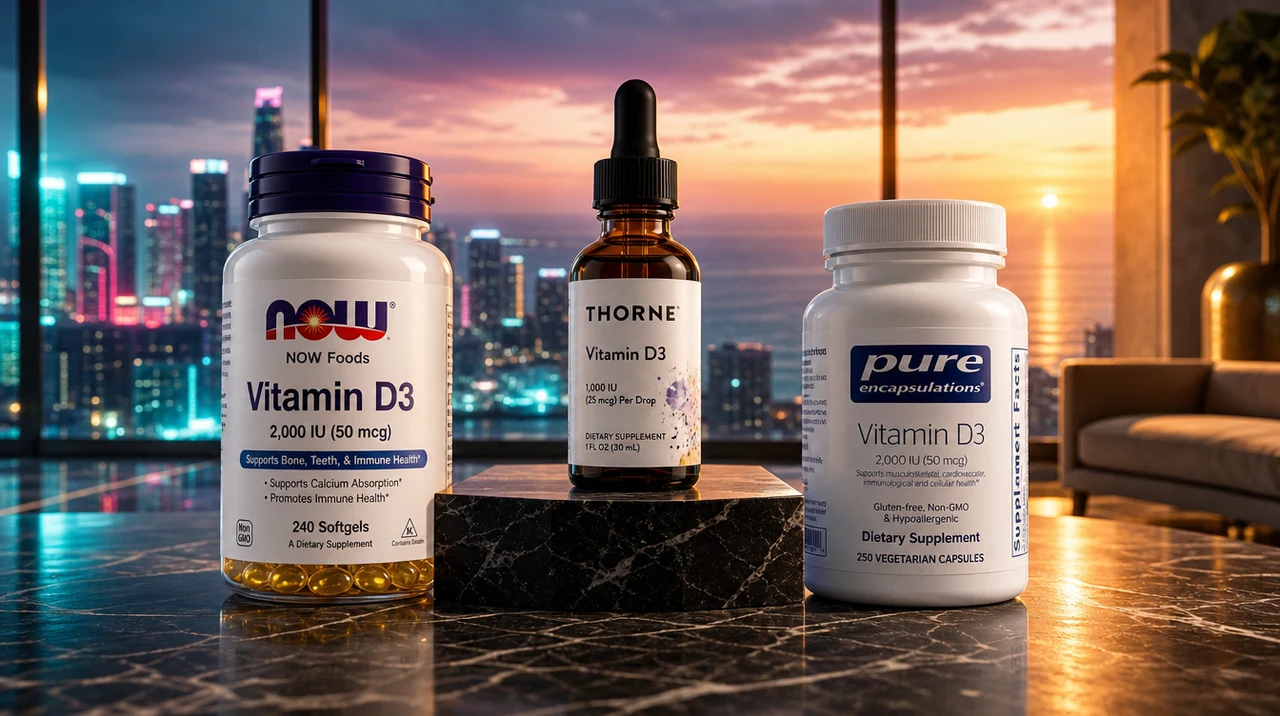
Vitamin D3
Supplementlowers respiratory-infection risk when a deficiency is corrected
⚑ biggest if deficient7.3/10SAC Efficacy Score™- Effect size45%Moderate
- Evidence40%Strong
- Reliability15%Works for many
Why these numbers?
Effect size: Daily or weekly vitamin D cut acute respiratory infections in a 25-trial individual-patient meta-analysis, most in the deficient (Martineau 2017); the 2021 update found a smaller but still protective effect (Jolliffe 2021). 6.2/10.
Evidence: Two large meta-analyses of randomised trials: 8.4/10.
Reliability: Deficit-dependent: the low-D majority of indoor, northern adults respond, the replete don't. 7.4/10.
The immune system's master switch — if you're low.
daily/weeklyvitamin D−12%acute respiratory infections25 RCTs, 11,321 people — meta-analysisBMJ 2017 ↓Test 25(OH)D, aim for 40–60 ng/mL, 1,000–4,000 IU with fat, K2 alongside.Fix this first.Correcting a deficiency is the clearest immune win on the shelf.
Vitamin D3 · 7.3Zinc
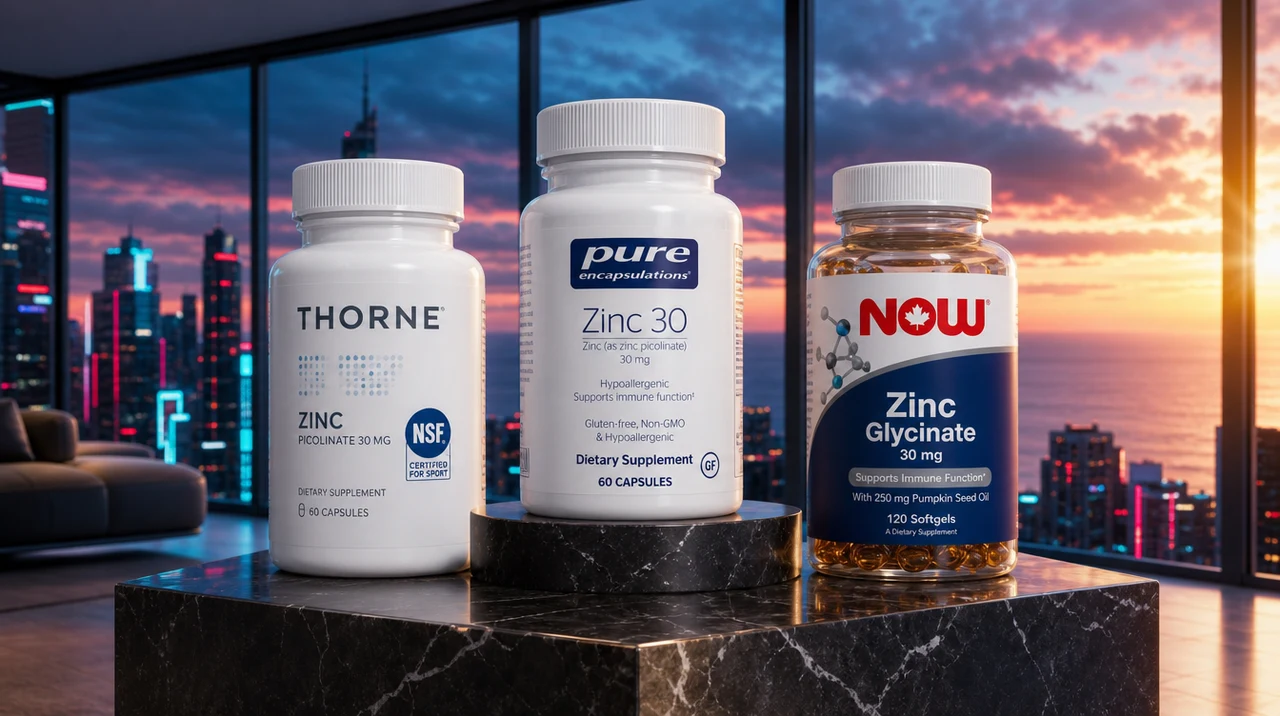
Supplementshortens cold duration by ~1 day when started early
- Effect size45%Moderate
- Evidence40%Strong
- Reliability15%Works for many
Why these numbers?
Effect size: Zinc lozenges started within 24 hours shortened colds by roughly a day in meta-analysis, acetate and gluconate alike (Hemilä 2017; Science 2012). Real, modest, timing-dependent — 6.0/10.
Evidence: Multiple RCTs pooled twice: 8.2/10.
Reliability: Works when started early at ≥75 mg/day elemental as lozenges; capsules and late starts don't. 7.0/10.
About a day shorter — if you start on day one.
≥75 mgzinc lozenges, within 24 h−33%cold durationRCTs pooled — meta-analysisMeta 2017 ↓Lozenges every 2–3 h while awake, for the first 3–5 days — then stop; 15–30 mg daily is maintenance, not treatment.Keep lozenges in the drawer; the first day decides.
Zinc · 7.0Vitamin C
Supplementmodestly shortens colds; bigger effect in the physically stressed
6.4/10SAC Efficacy Score™- Effect size45%Modest
- Evidence40%Strong
- Reliability15%Works for many
Why these numbers?
Effect size: Regular vitamin C doesn't prevent colds for most people but shortens them by ~8% in adults, and halved cold incidence in marathoners and soldiers under heavy physical stress (Hemilä 2013). 4.8/10.
Evidence: A Cochrane review of 29 trials: 8.0/10.
Reliability: The physically stressed gain most; everyone else gets a slightly shorter cold. 7.2/10.
Won't stop the cold, shortens it a little.
≥200 mgdaily, regular−8%cold duration, adults−50%incidence under heavy exertion29 trials — Cochrane reviewCochrane 2013 ↓200–1,000 mg daily, starting at symptom onset does far less than taking it regularly.For the marathoner and the sleep-deprived; modest for the rest.
Vitamin C · 6.4Elderberry
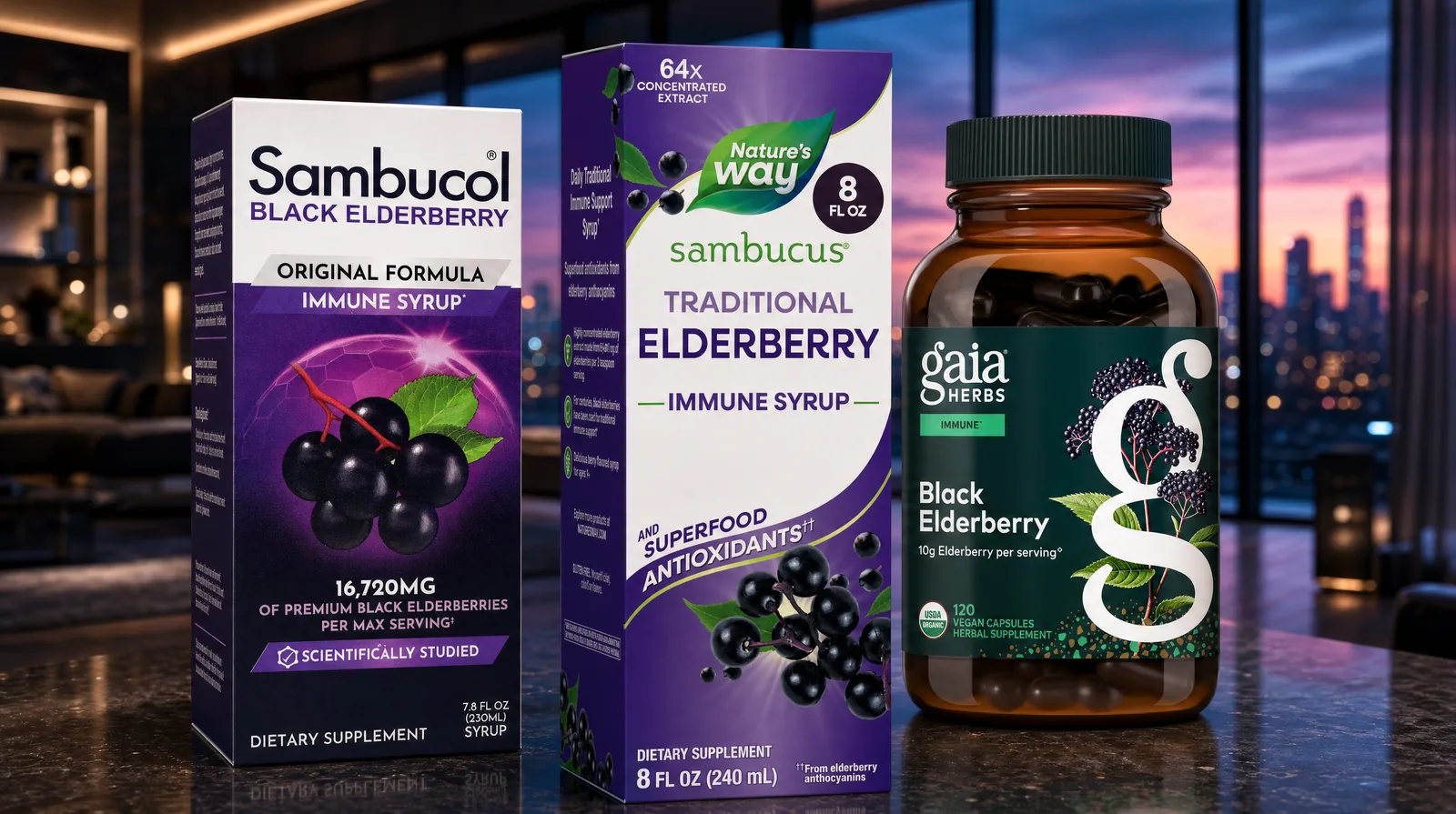
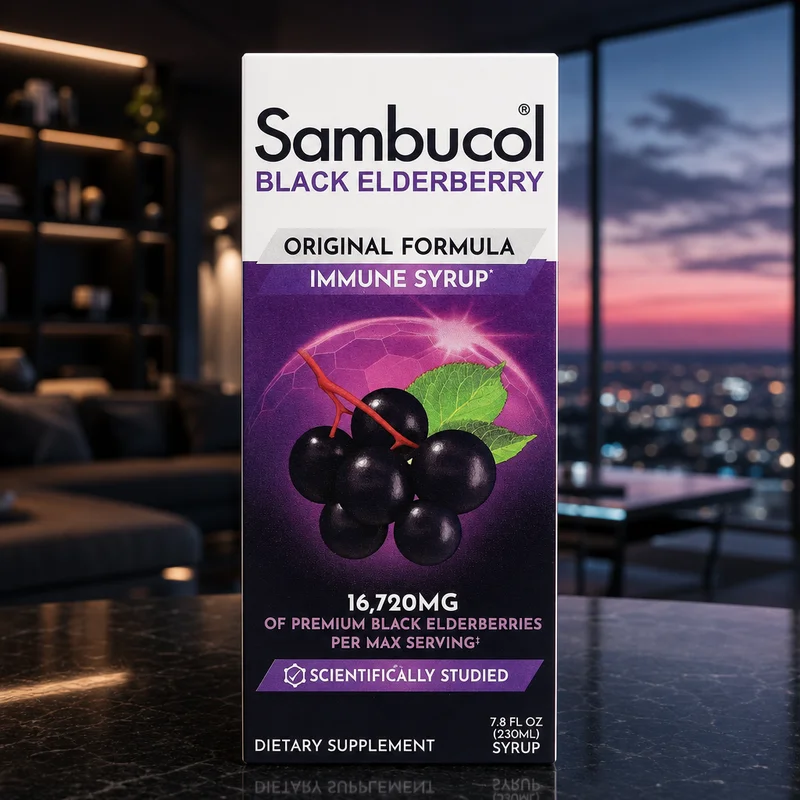
Supplementshorter, milder colds + flu in small trials when started early
- Effect size45%Modest
- Evidence40%Moderate
- Reliability15%Works for many
Why these numbers?
Effect size: Standardised elderberry shortened cold duration and severity in a 312-traveller RCT (Tiralongo 2016) and substantially reduced upper-respiratory symptoms in a meta-analysis of four trials (Hawkins 2019). 5.0/10.
Evidence: Small trials pooled, consistent direction: 7.0/10.
Reliability: Standardised extract started at first symptoms; raw berries are toxic. 6.4/10.
Shorter, milder — started early.
600–900 mgextract, from day 1−2 dayscold duration in travellers312 air travellers — RCTRCT 2016 ↓Standardised extract at the first tickle, for 5–10 days — never raw berries, bark or leaves.Symptom-shortener, not a shield.
Elderberry · 6.0Quercetin
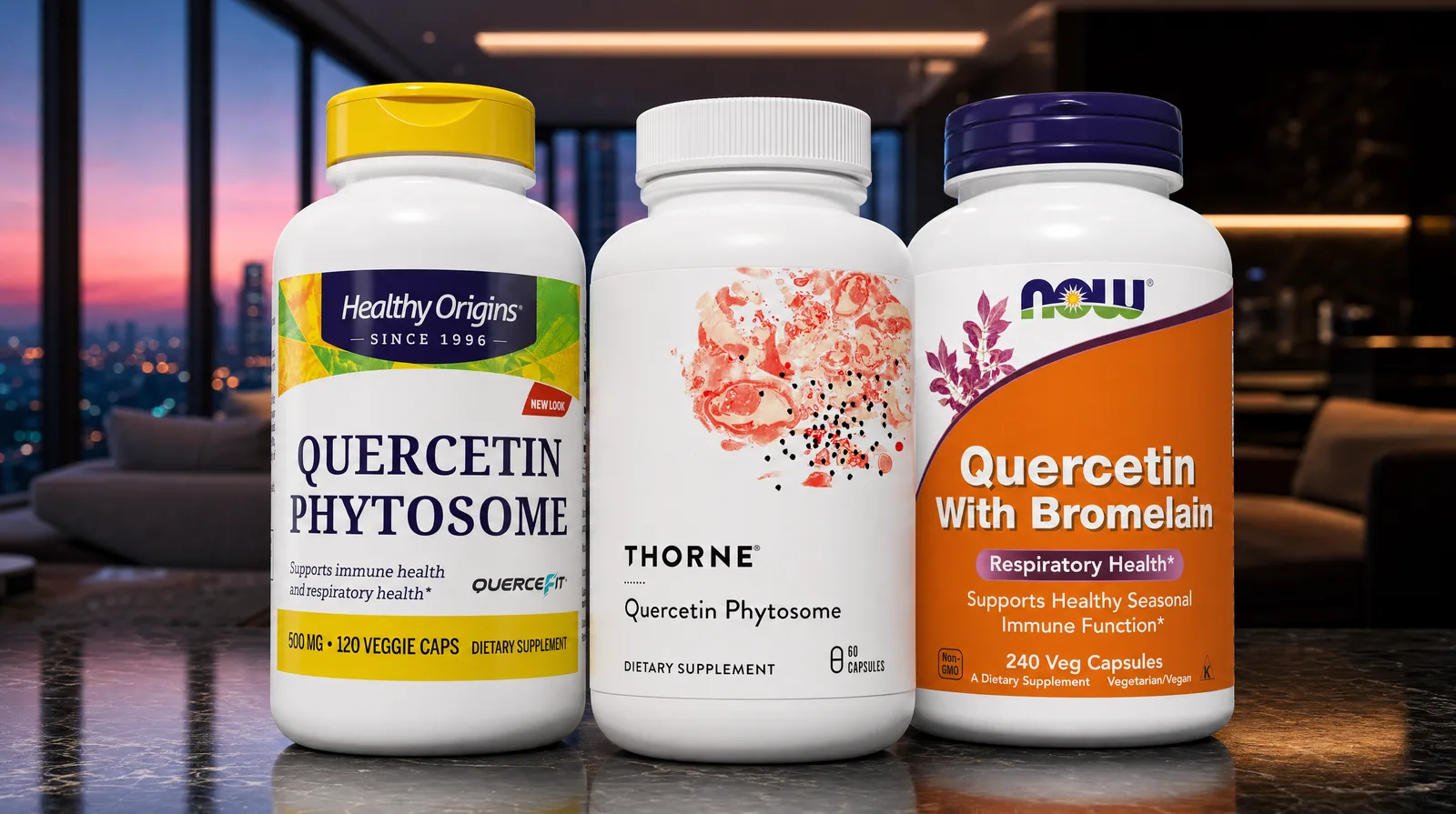
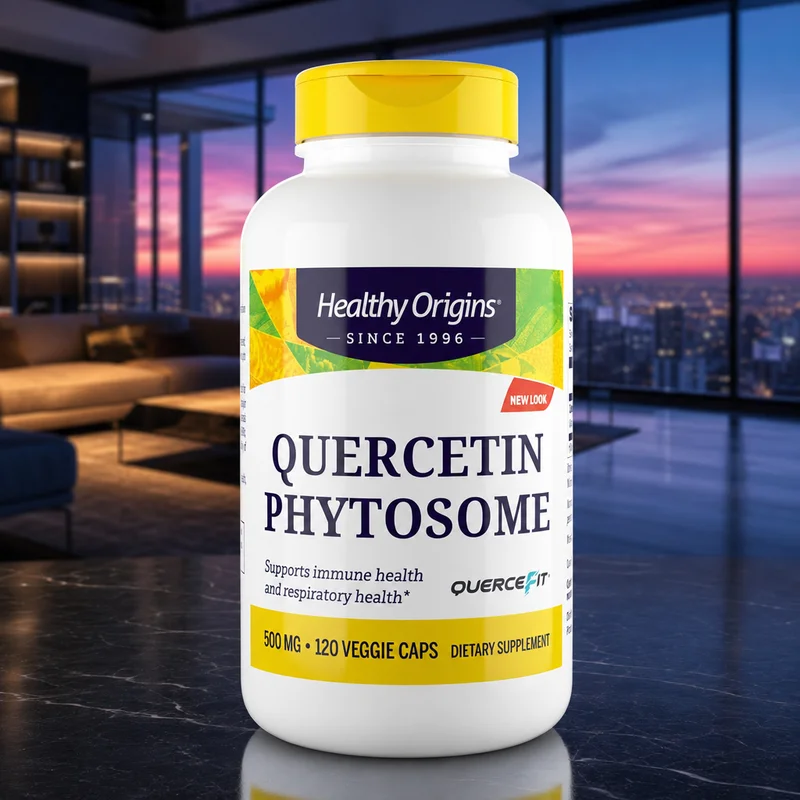
Supplementantiviral + anti-inflammatory signal; thinner human evidence
5.6/10SAC Efficacy Score™- Effect size45%Modest
- Evidence40%Moderate
- Reliability15%Specific cases
Why these numbers?
Effect size: 1,000 mg/day for 12 weeks cut upper-respiratory sick days in fitter, older adults but not overall (Heinz 2010). Antiviral in the dish, thin in people — 4.6/10.
Evidence: One large community RCT with a subgroup effect: 6.6/10.
Reliability: Poorly absorbed unless paired with fat or bromelain; the responders were the active over-40s. 6.0/10.
Antiviral in the dish, subgroup in people.
1,000 mgdaily × 12 weeks↓ sick daysfitter adults over 40 only1,002 adults — community RCTRCT 2010 ↓500–1,000 mg with fat or bromelain, paired with zinc and C if you're the active over-40 the trial describes.A supporting actor, not the lead.
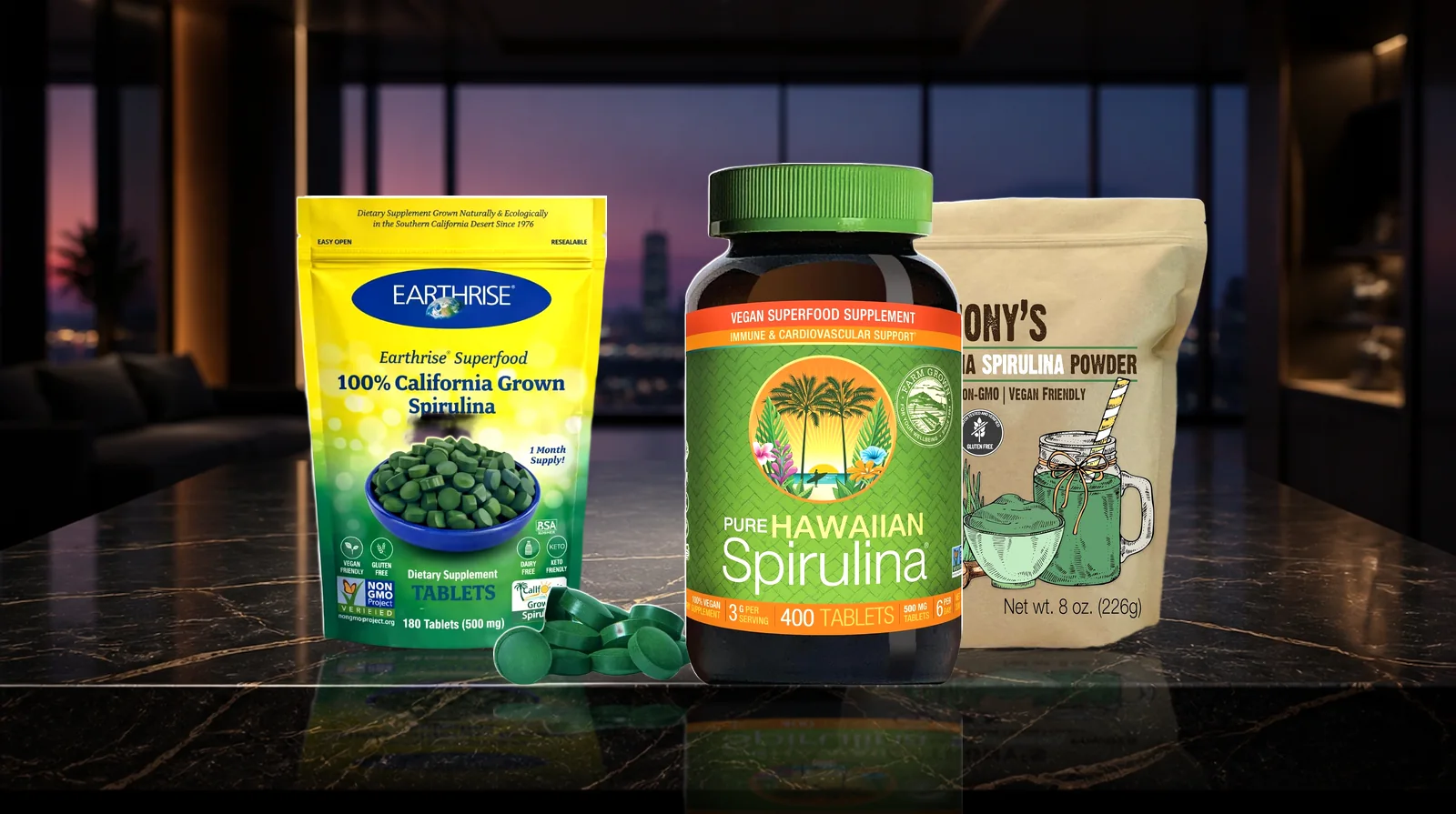
Quercetin · 5.6Spirulina
Supplementfewer allergic-rhinitis symptoms in RCTs (Cingi 2008, Mao 2005) + modest immune-marker shifts
⚑ strongest evidence is for allergy symptoms, not broad 'immunity'5.4/10SAC Efficacy Score™- Effect size45%Modest
- Evidence40%Limited
- Reliability15%Specific cases
Why these numbers?
Effect size: In allergic rhinitis, 2 g/day of spirulina cut sneezing, congestion and itching versus placebo over 6 months (Cingi 2008), and it shifted cytokine output in an earlier trial (Mao 2005). That is allergy relief, not fewer colds — 5.0/10.
Evidence: Two RCTs in one condition, small samples: 5.8/10.
Reliability: Allergy sufferers respond; for general immunity there is nothing measured. Heavy-metal testing matters for algae. 5.5/10.
Real data — for allergies, not for colds.
2 gspirulina × 6 months↓ symptomssneezing, congestion, itchingallergic rhinitis — RCTRCT 2008 ↓2 g/day with a meal, third-party tested for heavy metals — judge it in allergy season.For the hay-fever sufferer, not for immunity in general.
Spirulina · 5.4 Founder's Pickdaily
My immune workhorse. I barely get sick anymore, and my allergy symptoms dropped hard once I made it a daily thing.
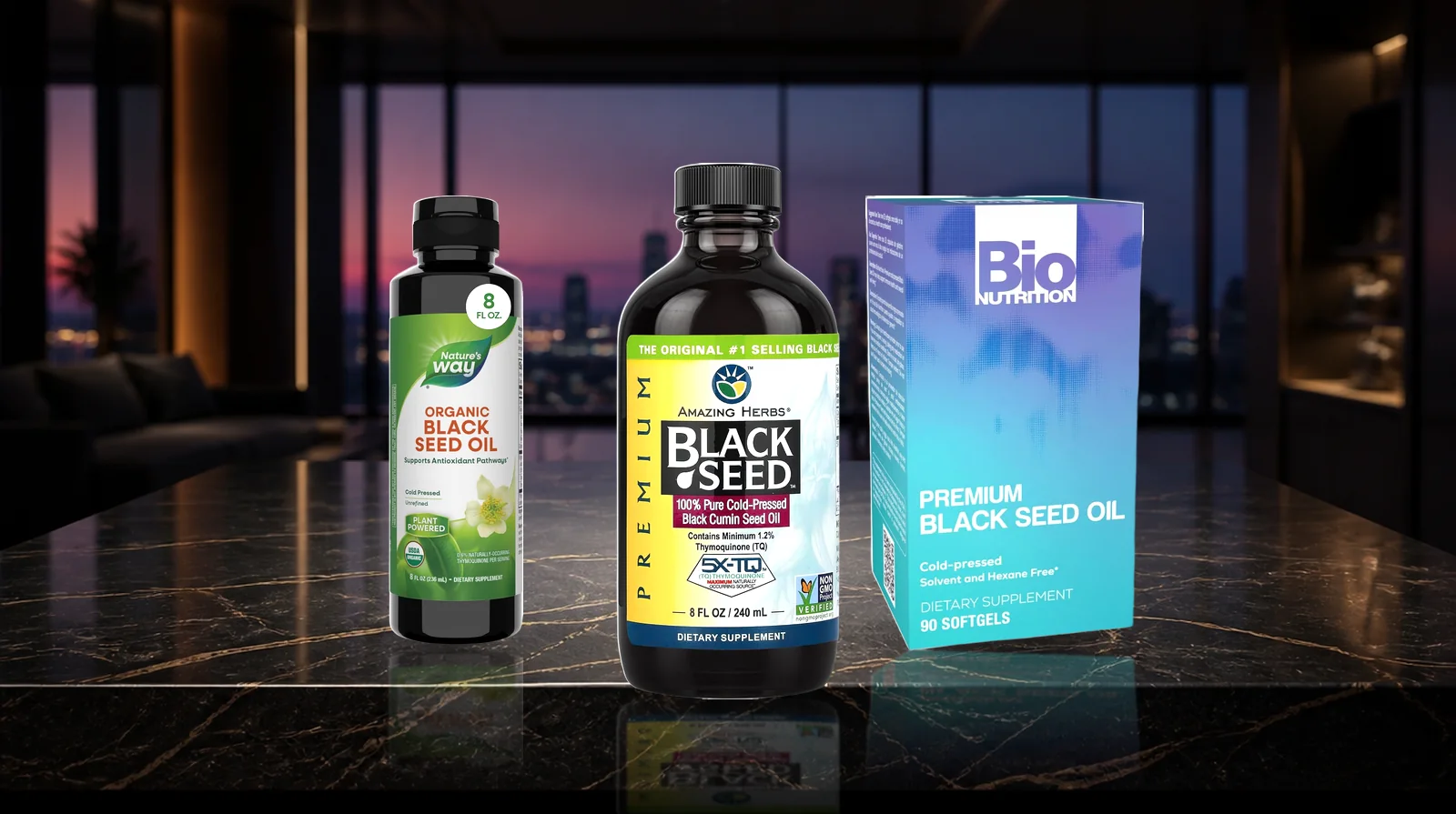
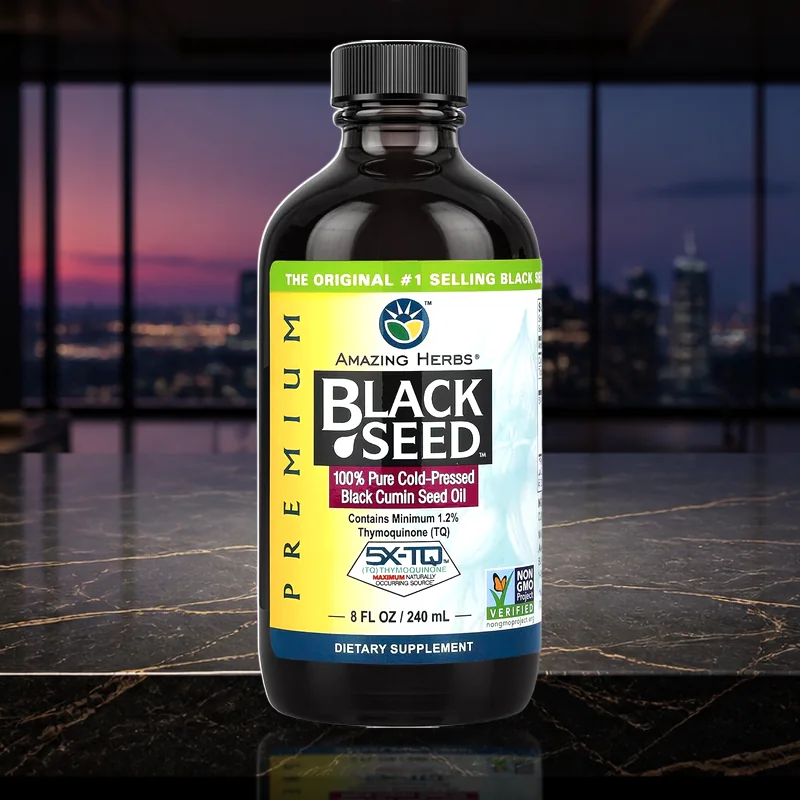
FelixFounder, Super Achiever Club Black Seed Oil (Nigella Sativa)
SupplementNigella sativa oil reduced allergic-rhinitis + asthma symptoms across several RCTs; thymoquinone is anti-inflammatory
⚑ strongest for allergy + airway symptoms5.1/10SAC Efficacy Score™- Effect size45%Modest
- Evidence40%Limited
- Reliability15%Specific cases
Why these numbers?
Effect size: Nigella sativa oil reduced allergic-rhinitis symptoms in a 66-patient trial (Nikakhlagh 2011) and improved asthma control in a 12-week RCT (Koshak 2017); thymoquinone is genuinely anti-inflammatory. Airway allergy, not infection — 4.8/10.
Evidence: Several small RCTs, one well-run: 5.5/10.
Reliability: Oil quality and thymoquinone content vary; GI upset at high doses. 5.2/10.
Surprisingly solid — for the airways.
1 goil × 4 weeks↓ symptomsallergic rhinitis66 patients — controlled trialAJO 2011 ↓500–1,000 mg cold-pressed oil with food, look for a stated thymoquinone percentage.Allergy and asthma support, not cold prevention.
Black Seed Oil (Nigella Sativa) · 5.1Founder's Pickpersonal experienceBlack seed noticeably cut my allergy symptoms too — same story as the spirulina.
FelixFounder, Super Achiever Club Multivitamin
Supplementtops up immune-relevant nutrients (D, zinc, C) to ~100% of needs; broad outcome benefit is modest
⚑ fills gaps; not a stand-alone immune drug- Effect size45%Small
- Evidence40%Limited
- Reliability15%Specific cases
Why these numbers?
Effect size: A daily multivitamin-mineral cut self-reported infections over a year, mostly in the diabetic subgroup with more nutrient gaps (Barringer 2003). Insurance for shortfalls in D, zinc and C — 4.0/10.
Evidence: One randomised year-long trial with a subgroup effect: 5.8/10.
Reliability: Responders are the people with gaps; well-fed adults see little. 5.8/10.
Insurance for gaps, nothing more.
1 yeardaily multivitamin-mineral↓ infectionsmostly in diabeticsrandomised, 130 adultsRCT 2003 ↓With breakfast, iron-free unless you're deficient — D, zinc and C are the lines that matter here.If your diet has gaps, this closes them. If not, it does nothing.
Multivitamin · 5.0Manuka Honey
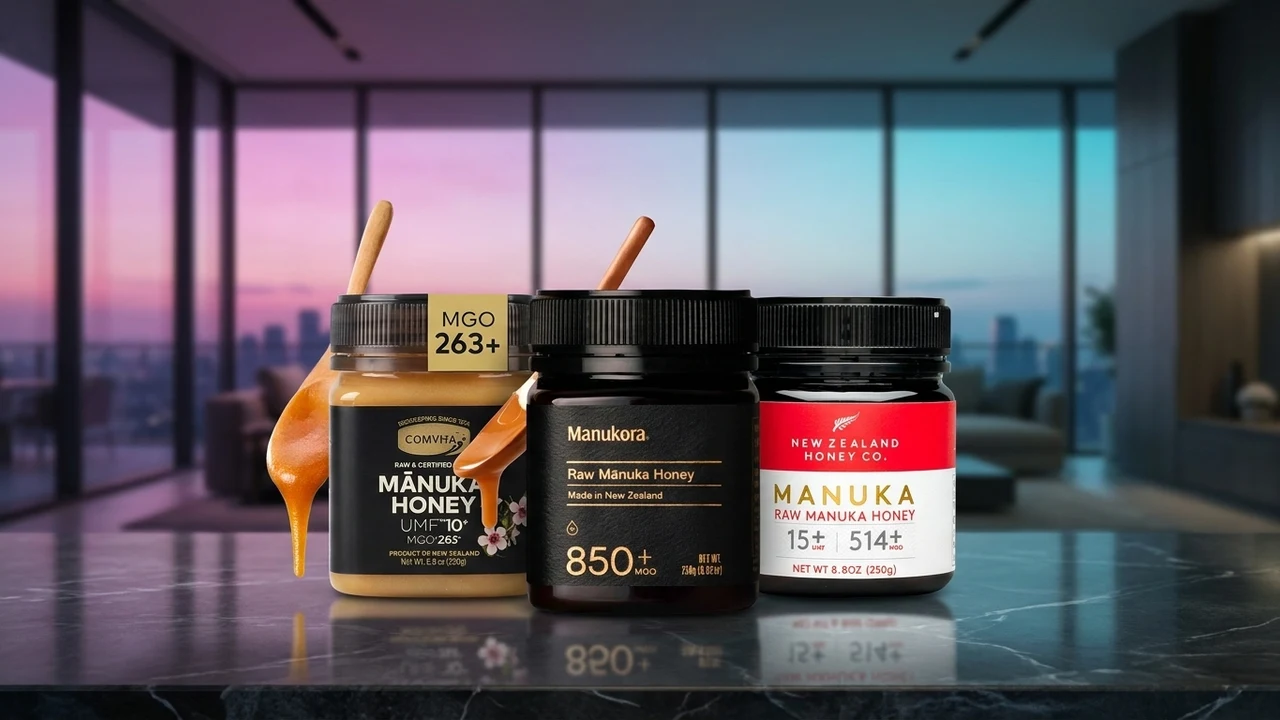
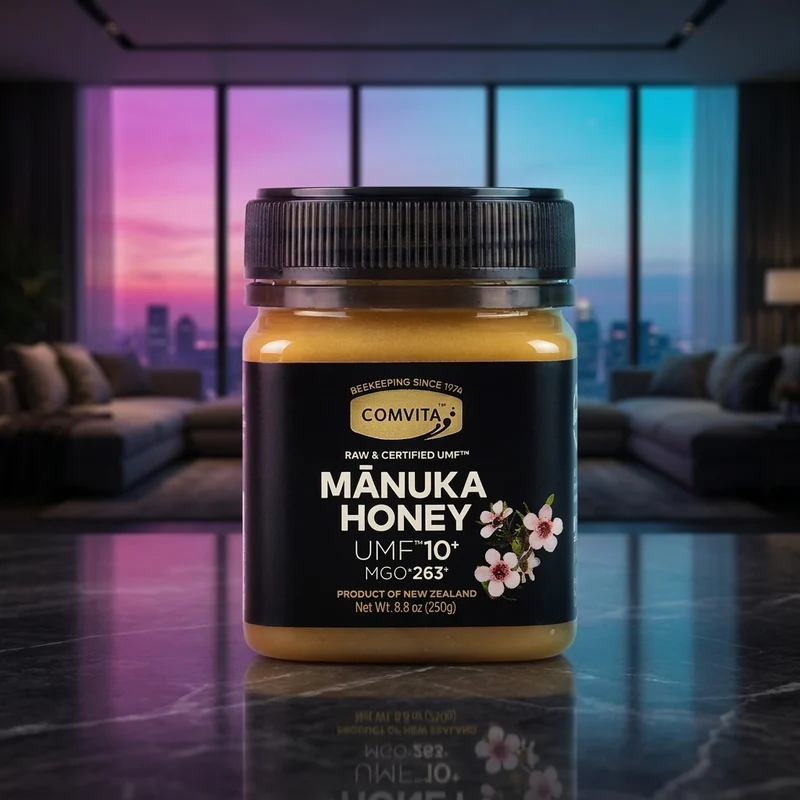
Supplementrobust in-vitro and topical antibacterial action (MGO); oral immune benefit is traditional and supportive
⚑ buy certified UMF/MGO; mostly soothing and ritual value4.3/10SAC Efficacy Score™- Effect size45%Small
- Evidence40%Preliminary
- Reliability15%Narrow
Why these numbers?
Effect size: Honey beat no treatment for children's night cough (Paul 2007), and manuka's MGO activity is robust against bacteria on skin and in wounds (Carter 2016). Throat-soothing and topical — the oral 'immune boost' is traditional. 4.0/10.
Evidence: A cough trial plus in-vitro and wound data: 4.6/10.
Reliability: UMF/MGO grade decides the antibacterial activity; it is still sugar. 4.4/10.
Antibacterial on the surface, sugar inside.
1 dosehoney at bedtime↓ night coughchildren, vs no treatmentrandomised, 105 childrenAPAM 2007 ↓A teaspoon for a sore throat or cough, UMF 10+/MGO 250+ for topical use — not a daily immune ritual.For throat and skin, not for immunity.
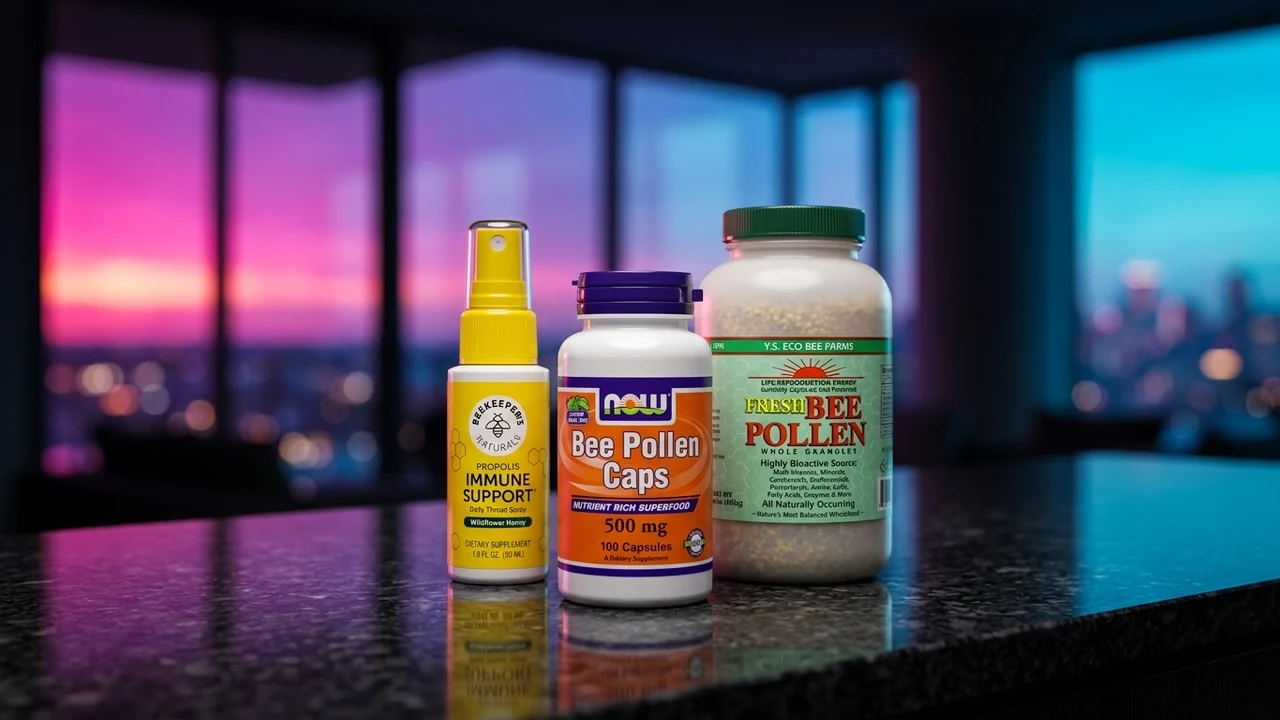
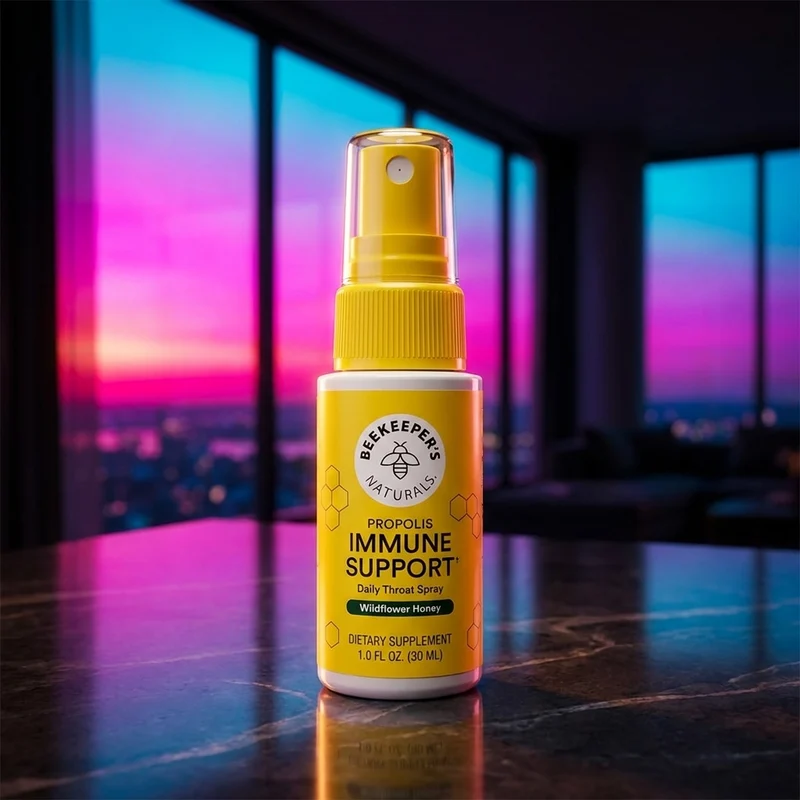
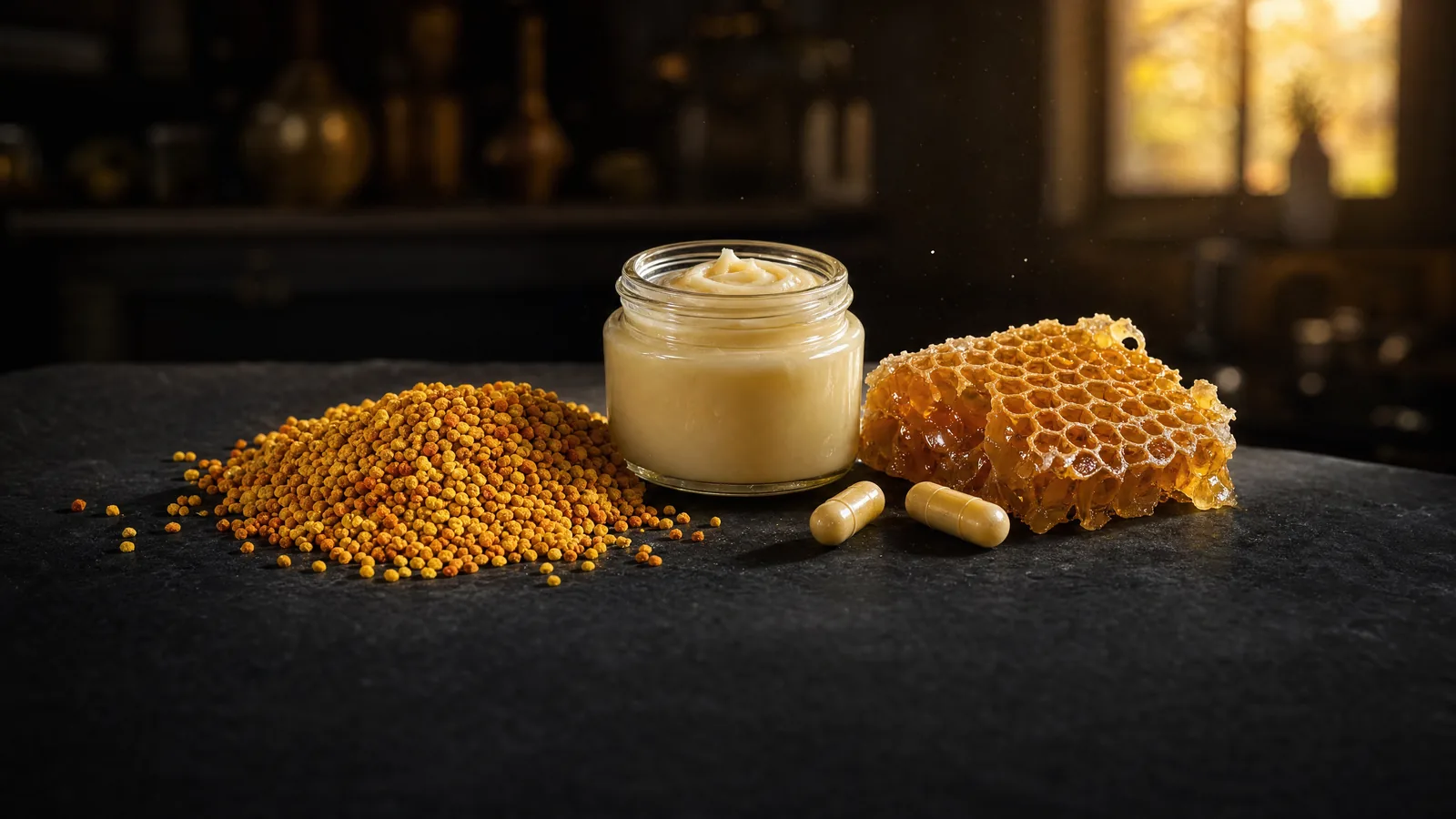
Manuka Honey · 4.3Bee Pearl / Propolis
Supplementnarrow RCT signal for propolis (oral mucositis); general immune claims are preliminary
⚑ bee/pollen allergen; benefit is endpoint-specific3.7/10SAC Efficacy Score™- Effect size45%Small
- Evidence40%Preliminary
- Reliability15%Narrow
Why these numbers?
Effect size: Propolis has one credible human signal — a mouthwash that reduced chemotherapy oral mucositis in meta-analysis (Kuo 2018). The broad 'immunity' claims for bee products are traditional. 3.4/10.
Evidence: A narrow meta-analysis in cancer patients; nothing on colds: 4.0/10.
Reliability: Composition varies by hive; bee-product allergy is real. 4.0/10.
One narrow signal, borrowed for a broad claim.
propolismouthwash in chemo↓ mucositisoral, meta-analysis0cold or flu trialscancer patients — meta-analysisMeta 2018 ↓As a throat spray or mouthwash it has a case; as an immune capsule it doesn't.Ranked, not recommended.
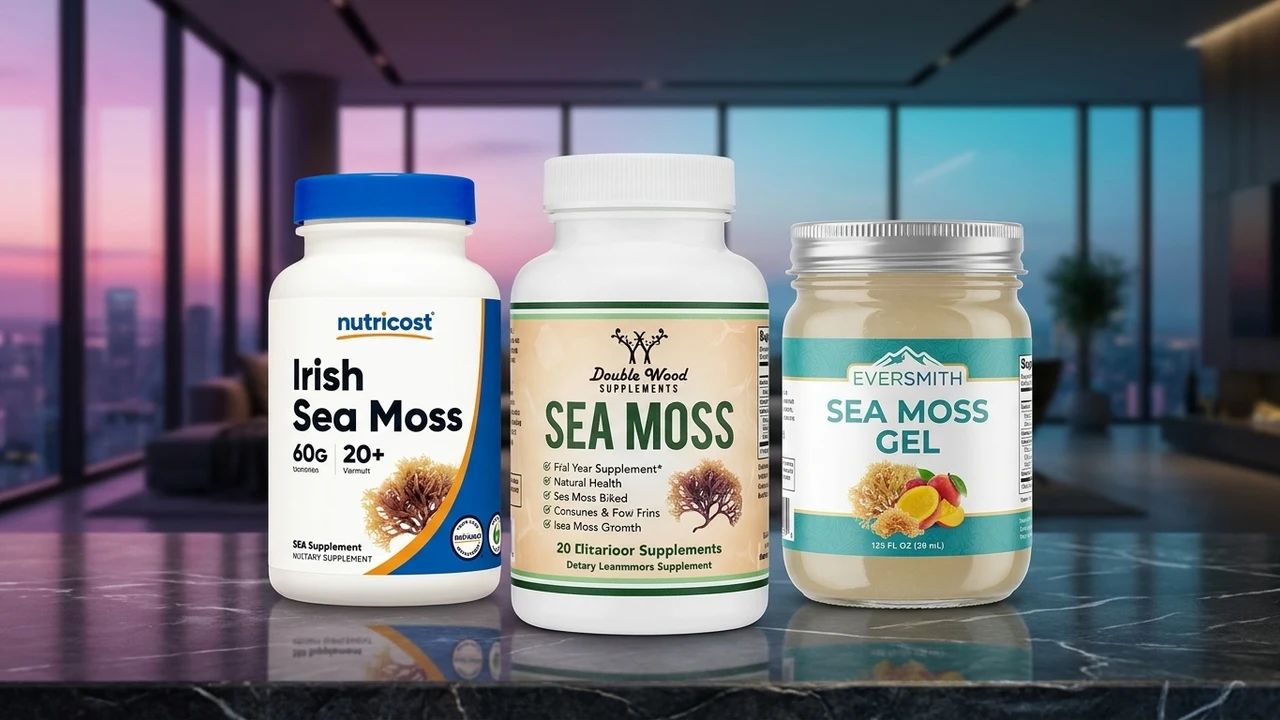
Bee Pearl / Propolis · 3.7Sea Moss
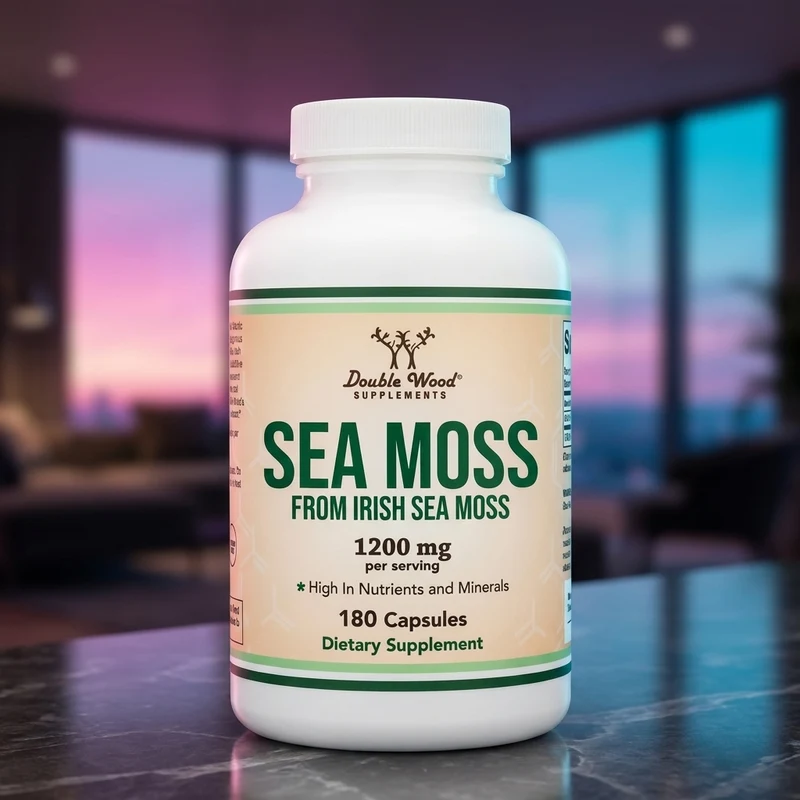
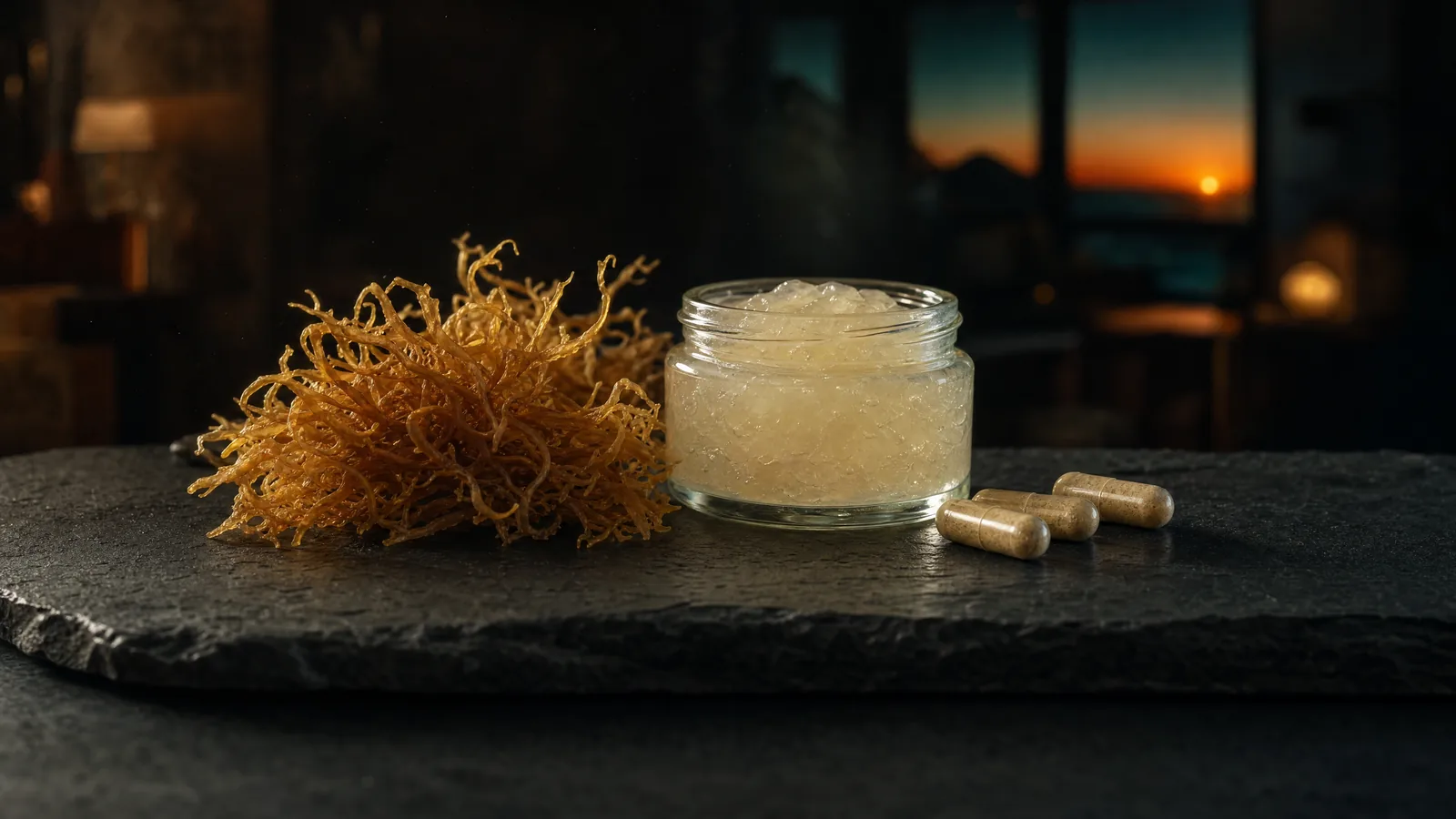
Supplementmineral/immune claims are traditional/anecdotal; no clinical support
⚑ unproven; watch the iodine load3.1/10SAC Efficacy Score™- Effect size45%Small
- Evidence40%Preliminary
- Reliability15%Narrow
Why these numbers?
Effect size: Mineral and immune claims are traditional and anecdotal; no clinical trial supports them. Its variable iodine load is the one measurable thing about it — and that is a thyroid risk, not a benefit. 2.8/10.
Evidence: No human trials: 3.2/10.
Reliability: Iodine content swings by batch and species: 3.4/10.
Trending, untested, iodine-loaded.
If you use it, small amounts, not daily — the iodine varies by batch and a thyroid does not like surprises.Ranked, not recommended.No trial supports the immune claim; the iodine risk is real.
Sea Moss · 3.1
My Stack
The picks from the ranking as a protocol: dose, timing, cost, cautions and our top pick for each — nothing invented, nothing added up. The full sheet opens as a layer.
Nothing equipped yet — use “+ Add to my stack” on the cards above. The sheet fills in dose, timing, cost and cautions for whatever you pick.
Our Methodology
How every score on this page is calculated — transparent and free to cite.
Research & Sources
The key human trials behind the rankings above — every PMID verified against its primary source.
- Vitamin D3Holick 2007 — Vitamin D deficiency · New England Journal of Medicine · PMID 17634462
- Vitamin D3Pludowski 2018 — Vitamin D supplementation guidelines · Journal of Steroid Biochemistry and Molecular Biology · PMID 28216084
- ZincPrasad 1996 (testosterone) — Zinc status and serum testosterone levels of healthy adults · Nutrition · PMID 8875519
- ZincHemilä 2017 (cold meta-analysis) — Zinc lozenges and the common cold: a meta-analysis comparing zinc acetate and zinc gluconate, and the role of zinc dosage · JRSM Open · PMID 28515951
- SpirulinaCingi C, et al. Eur Arch Otorhinolaryngol. 2008;265(10):1219-23. — The effects of spirulina on allergic rhinitis · European Archives of Oto-Rhino-Laryngology · PMID 18343939
- SpirulinaMao TK, Van de Water J, Gershwin ME. J Med Food. 2005;8(1):27-30. — Effects of a Spirulina-based dietary supplement on cytokine production from allergic rhinitis patients · Journal of Medicinal Food · PMID 15857205
- Black Seed Oil (Nigella Sativa)Koshak A, et al. Phytother Res. 2017;31(3):403-409. — Nigella sativa Supplementation Improves Asthma Control and Biomarkers: A Randomized, Double-Blind, Placebo-Controlled Trial · Phytotherapy Research · PMID 28093815
- Black Seed Oil (Nigella Sativa)Nikakhlagh S, et al. Am J Otolaryngol. 2011;32(5):402-7. — Herbal treatment of allergic rhinitis: the use of Nigella sativa · American Journal of Otolaryngology · PMID 20947211
- MultivitaminGaziano 2012 (PHS II — cancer) — Multivitamins in the prevention of cancer in men: the Physicians' Health Study II randomized controlled trial · JAMA · PMID 23162860
- MultivitaminSesso 2012 (PHS II — cardiovascular) — Multivitamins in the prevention of cardiovascular disease in men: the Physicians' Health Study II randomized controlled trial · JAMA · PMID 23117775
- PropolisKuo et al. 2018 — Meta-analysis of randomized controlled trials of the efficacy of propolis mouthwash in cancer therapy-induced oral mucositis · Support Care Cancer · PMID 30022350
- MultivitaminBarringer et al. 2003 — Effect of a multivitamin and mineral supplement on infection and quality of life. A randomized, double-blind, placebo-controlled trial · Ann Intern Med · PMID 12614088
- Vitamin D3Martineau et al. 2017 — Vitamin D supplementation to prevent acute respiratory tract infections: systematic review and meta-analysis of individual participant data · BMJ · PMID 28202713
- Vitamin D3Jolliffe et al. 2021 — Vitamin D supplementation to prevent acute respiratory infections: a systematic review and meta-analysis of aggregate data from randomised controlled trials · Lancet Diabetes Endocrinol · PMID 33798465
- ZincScience et al. 2012 — Zinc for the treatment of the common cold: a systematic review and meta-analysis of randomized controlled trials · CMAJ · PMID 22566526
- Vitamin CHemilä & Chalker 2013 — Vitamin C for preventing and treating the common cold · Cochrane Database Syst Rev · PMID 23440782
- ElderberryHawkins et al. 2019 — Black elderberry (Sambucus nigra) supplementation effectively treats upper respiratory symptoms: A meta-analysis of randomized, controlled clinical trials · Complement Ther Med · PMID 30670267
- ElderberryTiralongo et al. 2016 — Elderberry Supplementation Reduces Cold Duration and Symptoms in Air-Travellers: A Randomized, Double-Blind Placebo-Controlled Clinical Trial · Nutrients · PMID 27023596
- QuercetinHeinz et al. 2010 — Quercetin supplementation and upper respiratory tract infection: A randomized community clinical trial · Pharmacol Res · PMID 20478383
- Manuka HoneyPaul et al. 2007 — Effect of honey, dextromethorphan, and no treatment on nocturnal cough and sleep quality for coughing children and their parents · Arch Pediatr Adolesc Med · PMID 18056558
- Manuka HoneyCarter et al. 2016 — Therapeutic Manuka Honey: No Longer So Alternative · Front Microbiol · PMID 27148246