
Top 10 Best Ways To Boost Endurance & Performance (2026)
Stack for explosive output and longer sets without fatigue — beta-alanine, beetroot, caffeine, and the pre-workout science.
Nothing equipped yet. Add parts from the cards — the free levers first.
Ranked Solutions
Ranked by how much each one actually moves the needle — our SAC Efficacy Score™. Supplements, protocols and gear compete in ONE ranking.
Creatine Monohydrate
Supplementmore power for repeated high-intensity efforts (less for steady-state)
7.6/10SAC Efficacy Score™- Effect size45%Moderate
- Evidence40%Very strong
- Reliability15%Works for most
Why these numbers?
Effect size: Creatine adds power to repeated high-intensity efforts — surges, hills, sprints — and improves body composition (Branch 2003); steady-state endurance barely moves and a kilogram of water weight can cost a runner. 6.0/10.
Evidence: The best-studied sports supplement; ISSN position stand on safety and efficacy (Kreider 2017): 9.0/10.
Reliability: Works in most people; the water weight is the trade-off for pure endurance athletes. 8.4/10.
Power for the surges, not the cruise.
5 gmonohydrate daily↑ powerrepeated high-intensity efforts~+1 kgwater weightmeta-analysis of 100 studiesMeta 2003 ↓5 g daily with a meal, no loading — accept the kilogram, or skip it if you race uphill on the clock.For cyclists, rowers, team sports — a trade-off for pure runners.
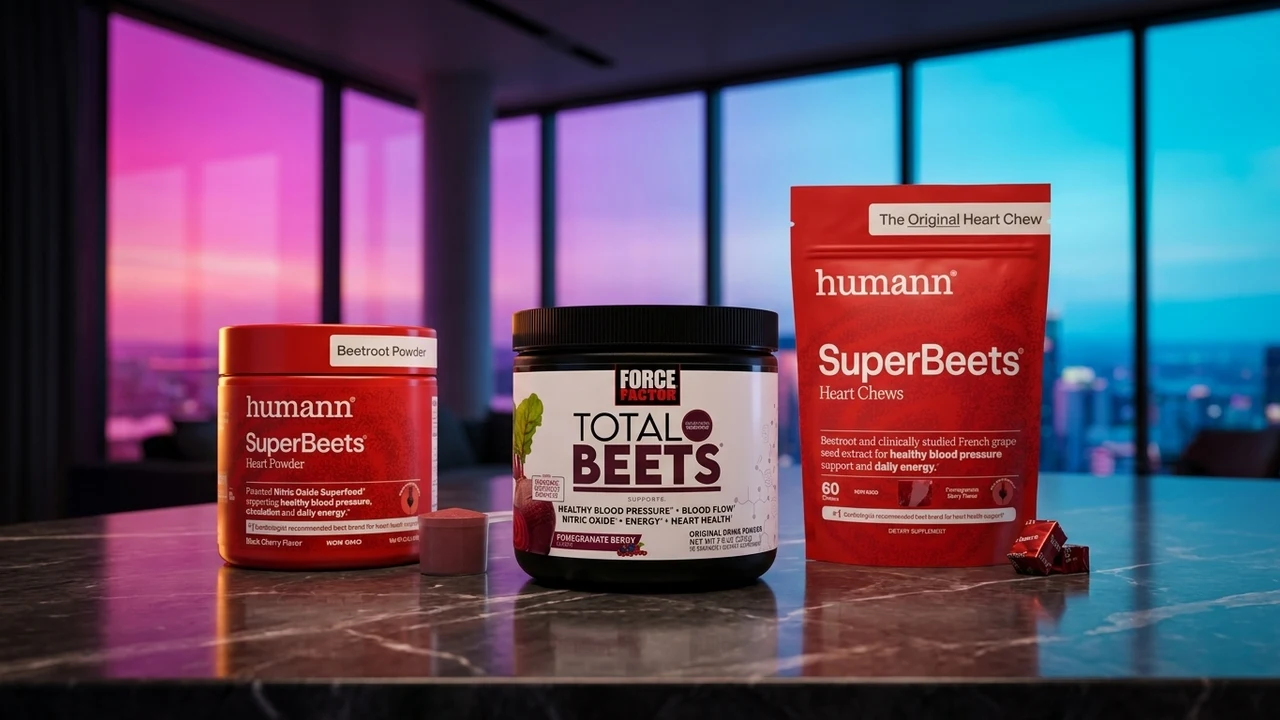
Creatine Monohydrate · 7.6Beetroot (Dietary Nitrate)
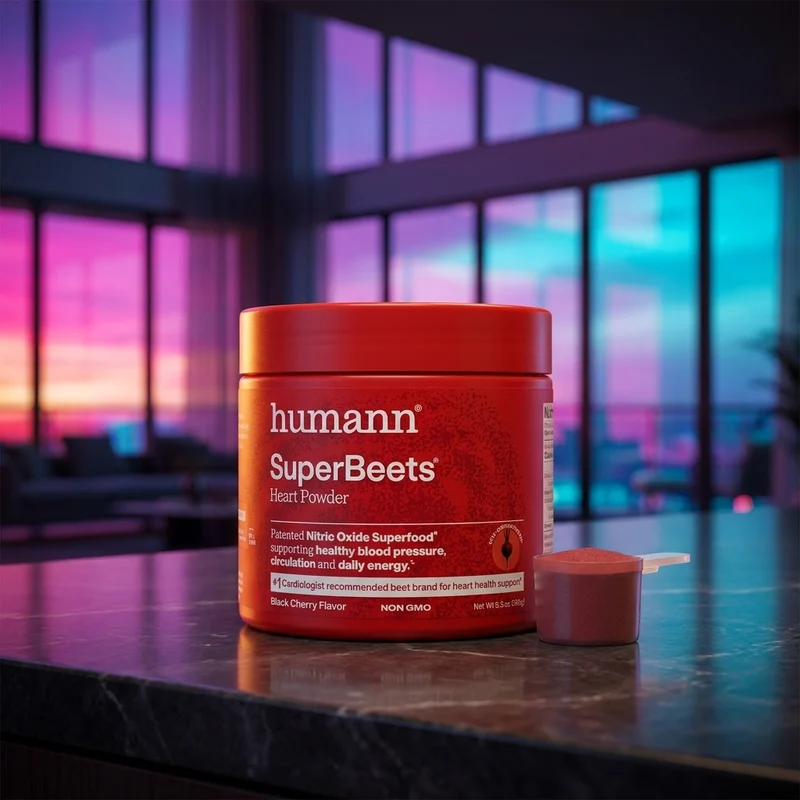
Supplementimproved time-trial performance + time-to-exhaustion via the nitrate to NO pathway (Lansley 2011)
⚑ depends on actual nitrate dose, which most labels do not disclose6.9/10SAC Efficacy Score™- Effect size45%Moderate
- Evidence40%Strong
- Reliability15%Works for many
Why these numbers?
Effect size: 500 ml of beetroot juice improved 4-km and 16-km cycling time-trial performance by ~2.8% via the nitrate-to-nitric-oxide pathway (Lansley 2011); a 2017 meta-analysis confirms a small but real endurance benefit (McMahon 2017). 6.0/10.
Evidence: Dozens of controlled trials pooled, effect consistent in recreational athletes: 8.0/10.
Reliability: Recreational and sub-elite athletes respond; highly trained endurance athletes gain less, and mouthwash kills the effect. 6.4/10.
Nitric oxide from a vegetable, with time-trial data.
500 mlbeetroot juice, 2.5 h before+2.8%4 km + 16 km time trialstrained cyclists — crossoverMSSE 2011 ↓6–8 mmol nitrate 2–3 h before, 3–6 days loading for events — and skip antibacterial mouthwash, it kills the pathway.The most proven endurance supplement for the non-elite.
Beetroot (Dietary Nitrate) · 6.9Pre-Workout
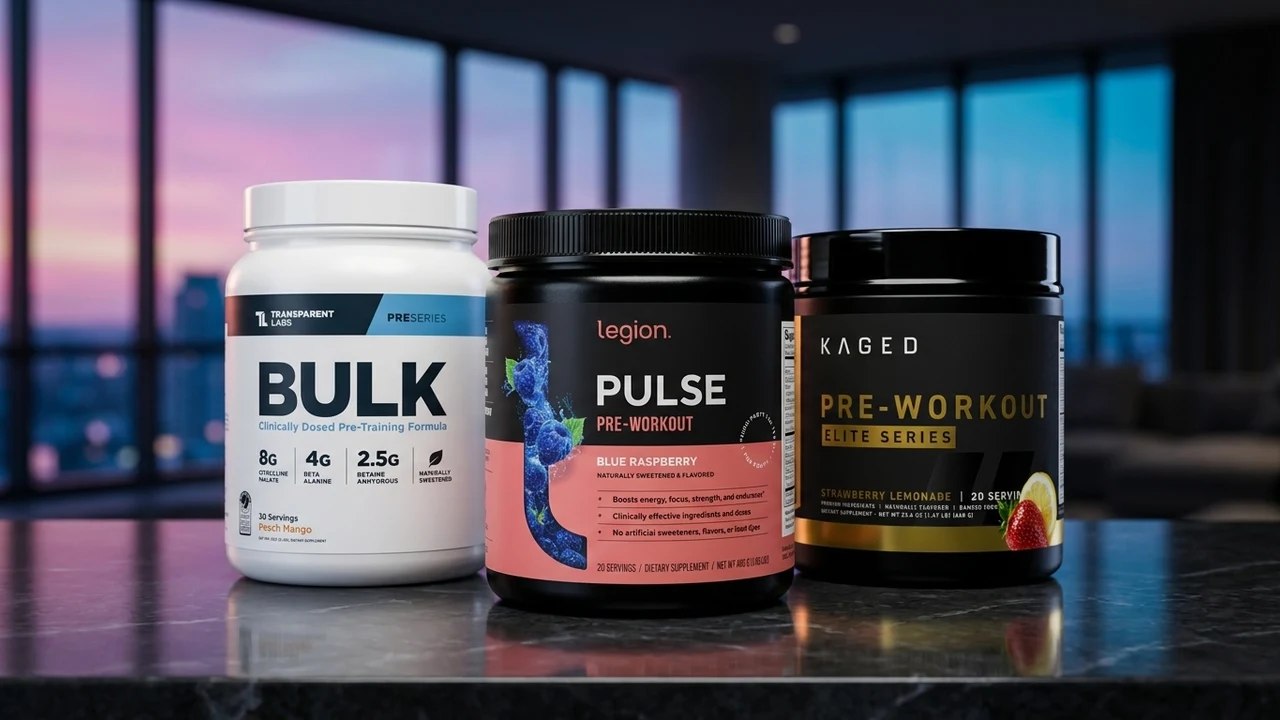
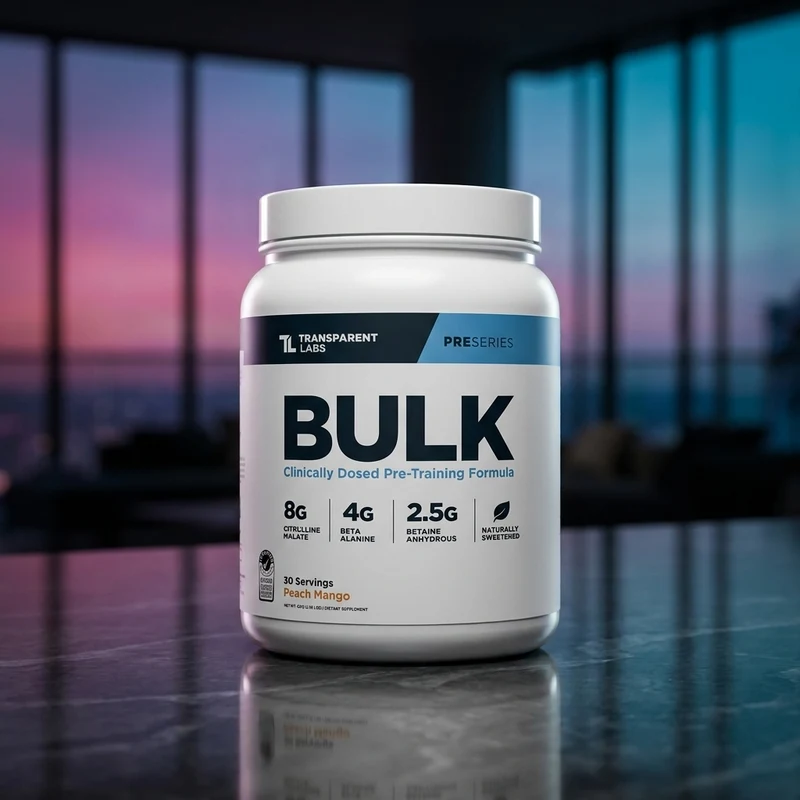
Supplementbeta-alanine + citrulline + caffeine improve high-intensity endurance + output
⚑ at clinical doses, not proprietary blends6.9/10SAC Efficacy Score™- Effect size45%Moderate
- Evidence40%Strong
- Reliability15%Works for many
Why these numbers?
Effect size: Caffeine improved endurance performance by ~2–4% across 46 studies (Southward 2018); beta-alanine and citrulline add high-intensity capacity and blood flow when dosed honestly. 5.8/10.
Evidence: Caffeine's endurance effect is meta-analysed; the blend is judged on disclosed doses: 8.0/10.
Reliability: Tolerance, GI upset on the run and hidden doses in proprietary blends: 7.0/10.
Caffeine does the heavy lifting — the rest must be dosed.
3–6 mg/kgcaffeine+2–4%endurance performance46 studies — meta-analysisSports Med 2018 ↓45–60 min before, test the GI tolerance in training, never first on race day.Transparent label or plain caffeine — never a proprietary blend.
Pre-Workout · 6.9Beta-Alanine
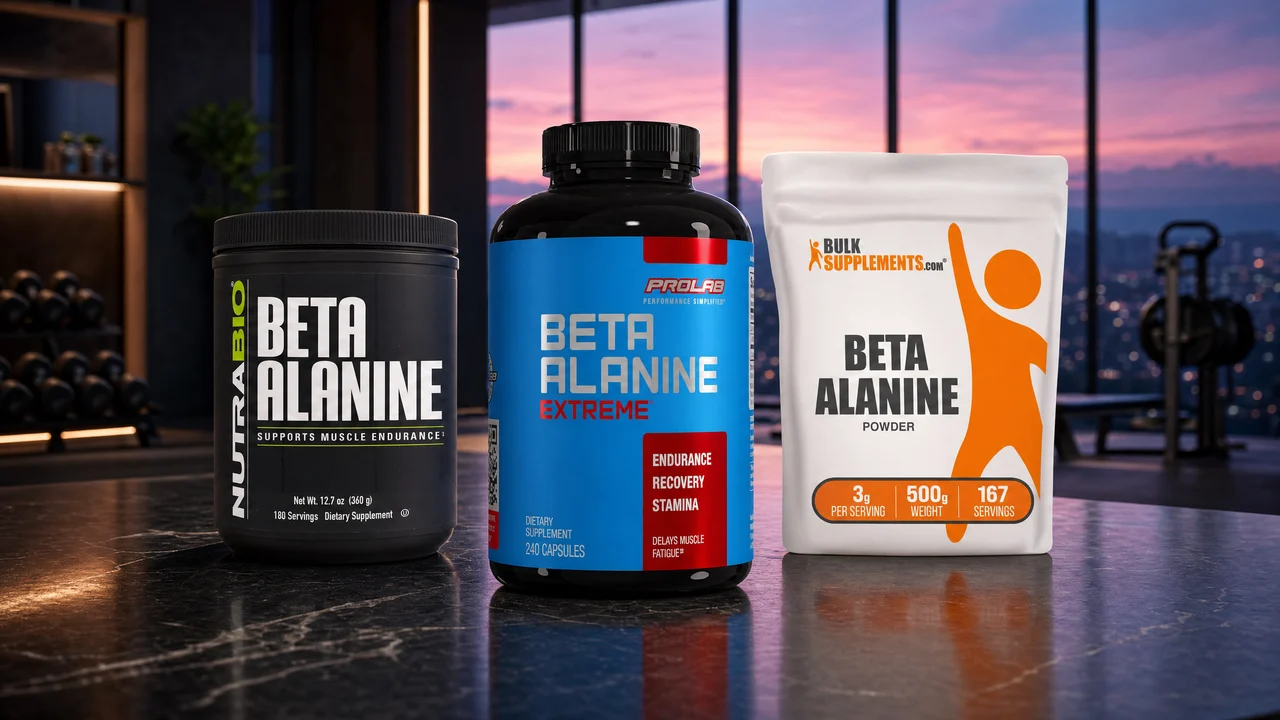
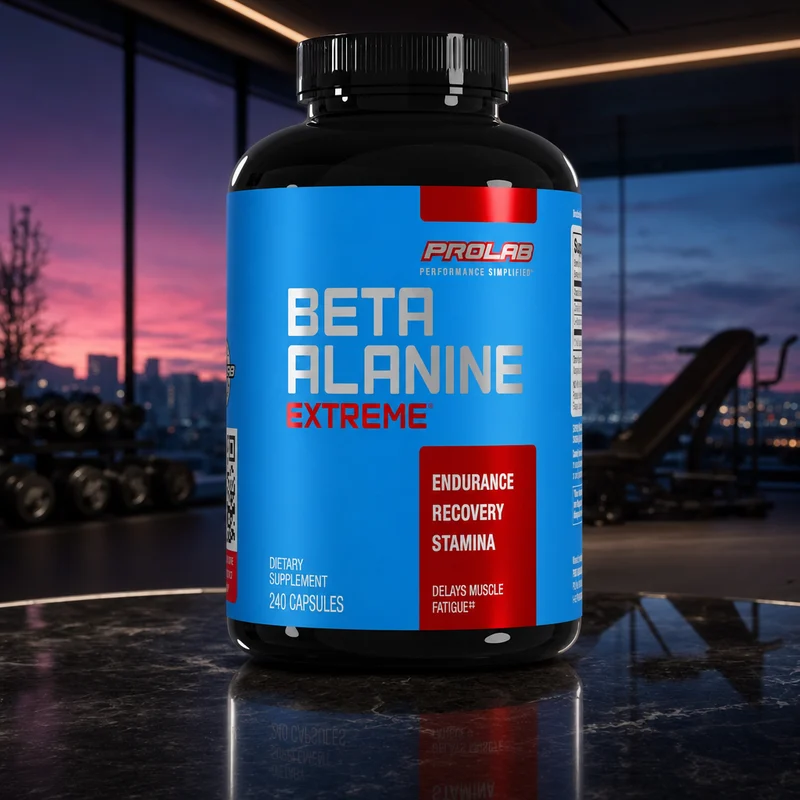
Supplementmore output in the 30–180 s effort window (carnosine buffer)
⚑ the 30–180 s effort window only6.6/10SAC Efficacy Score™- Effect size45%Moderate
- Evidence40%Strong
- Reliability15%Specific cases
Why these numbers?
Effect size: Chronic beta-alanine raises muscle carnosine and improves exercise capacity in the 30-second-to-10-minute window across 40 studies (Saunders 2017) — the buffer for the final surge. 5.8/10.
Evidence: A large meta-analysis: 7.8/10.
Reliability: Helps high-intensity intervals and finishing kicks; little for 3-hour steady efforts. 5.6/10.
The buffer for the final kick.
3.2–6.4 gdaily × 4+ weeks↑ capacity30 s – 10 min efforts40 studies — meta-analysisBJSM 2017 ↓Split 1.6 g doses daily for 4 weeks, the tingle is harmless — judge it on your interval times.For 800 m to 10 k intensity, not for the marathon cruise.
Beta-Alanine · 6.6Electrolyte Powder
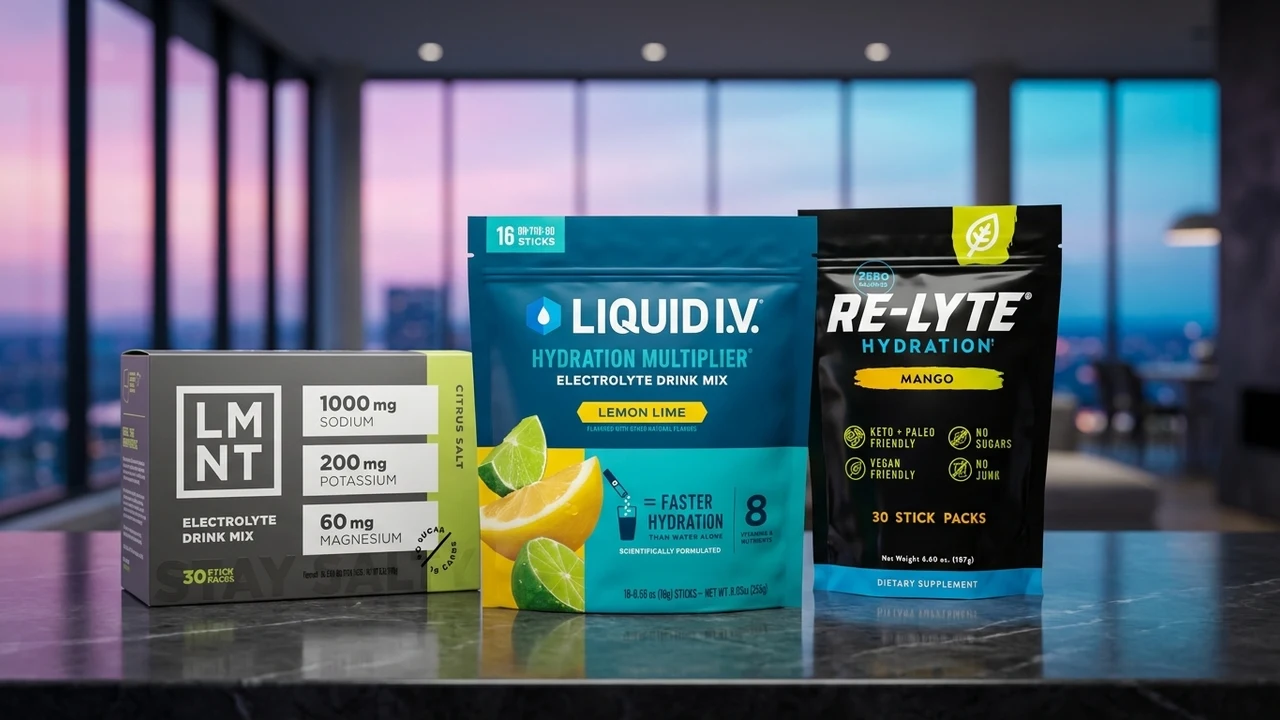
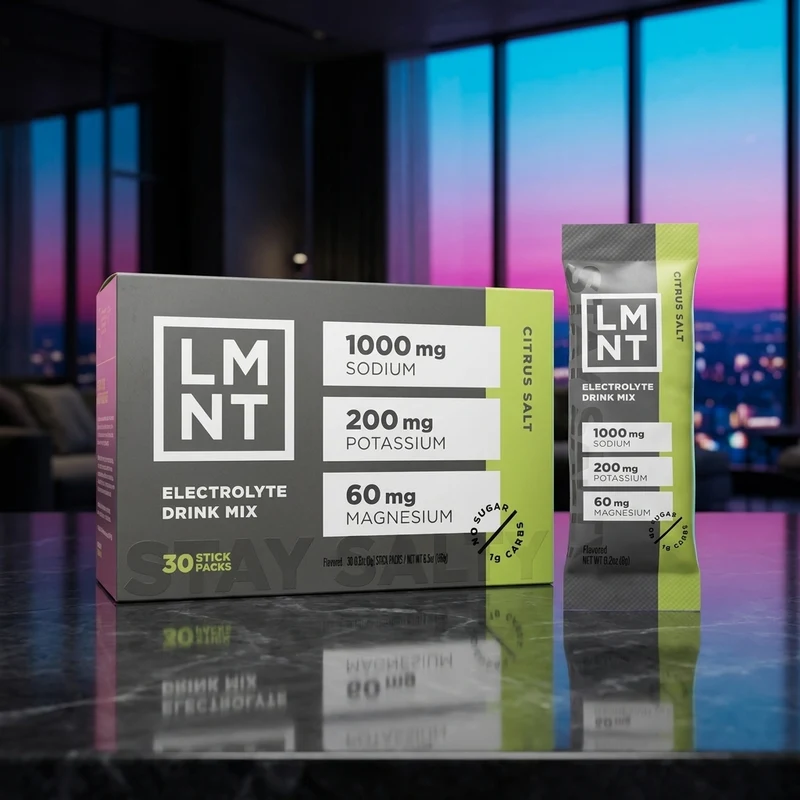
Supplementsustains performance + prevents cramping under heavy sweat / heat / long duration
⚑ matters for heavy sweaters, long/hot sessions, keto/fasting6.5/10SAC Efficacy Score™- Effect size45%Moderate
- Evidence40%Strong
- Reliability15%Specific cases
Why these numbers?
Effect size: A 2% bodyweight fluid loss measurably impairs aerobic performance, more so in heat (Sawka 2007); sodium replacement sustains plasma volume on long, hot sessions. 5.5/10.
Evidence: The ACSM position stand and heat-stress physiology: 7.8/10.
Reliability: Pays on efforts over ~90 minutes, in heat, or for heavy sweaters; adds nothing to a cool 45-minute run. 6.0/10.
Two percent lighter, measurably slower.
−2%bodyweight in fluid↓ aerobic performanceworse in heatACSM position standACSM 2007 ↓500–1,000 mg sodium per litre, sipped from the start on efforts over 90 minutes or in heat — weigh yourself before and after to learn your rate.For long, hot, sweaty — not for a cool 5 k.
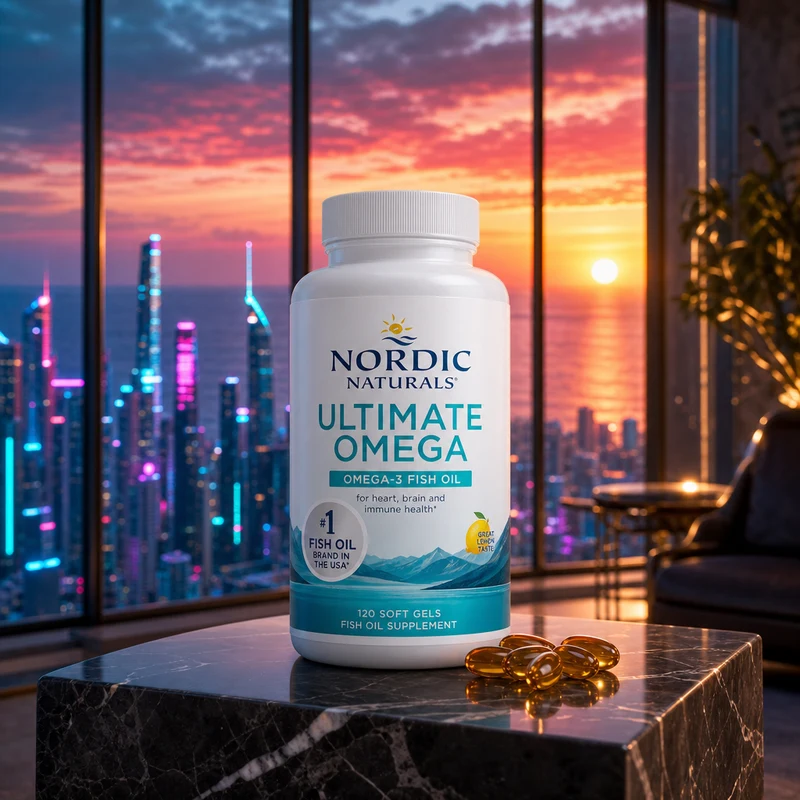
Electrolyte Powder · 6.5Omega-3 (EPA/DHA)
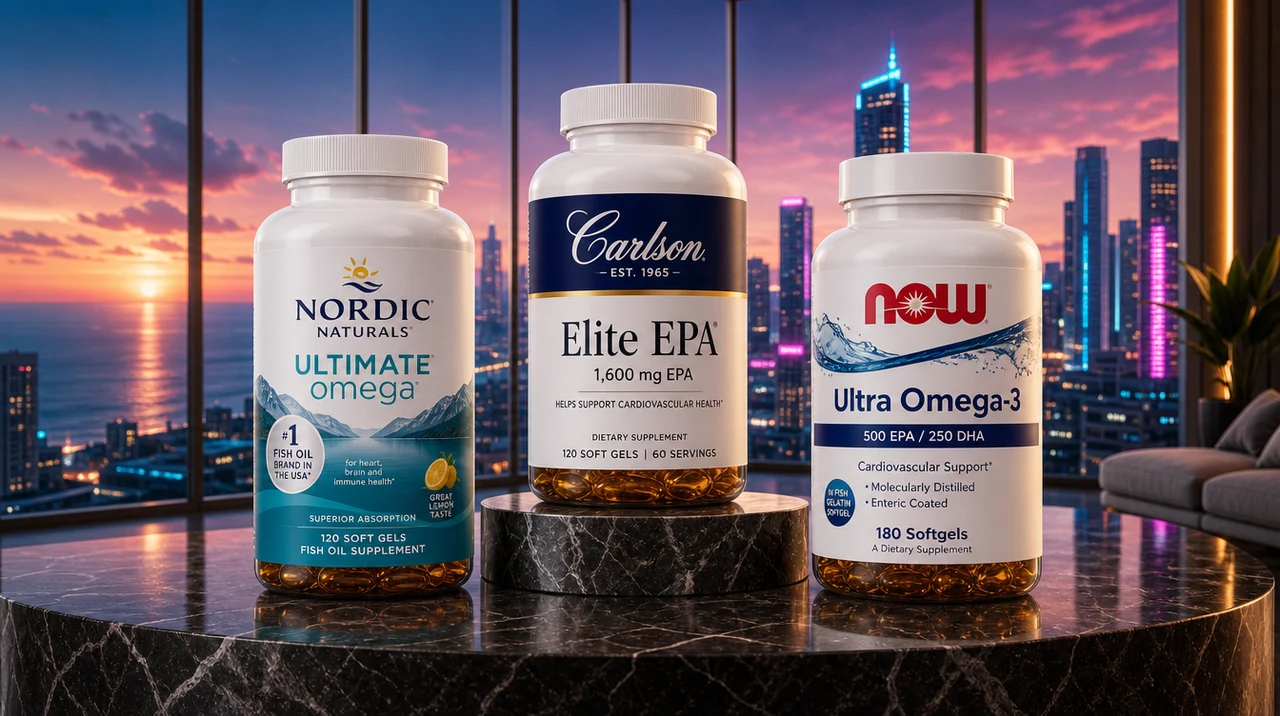
Supplementless exercise-induced inflammation; sustains training volume
6.3/10SAC Efficacy Score™- Effect size45%Modest
- Evidence40%Moderate
- Reliability15%Works for many
Why these numbers?
Effect size: Omega-3 reduced the inflammatory response to eccentric exercise (Jouris 2011) and has consistent, modest effects on recovery and training tolerance in athletes (Philpott 2019). Volume, not speed — 4.8/10.
Evidence: Small trials and a 2019 review: 7.6/10.
Reliability: Reliable in athletes with low fish intake; 1–2 g/day for 6+ weeks. 7.0/10.
Less inflammation, more volume.
3 gEPA/DHA × 7 days↓ inflammationafter eccentric exercisehealthy adults — controlled trialJSSM 2011 ↓1–2 g EPA/DHA daily with food, triglyceride form, 6+ weeks — judge it on how the next session feels.The recovery tier, not a race-day boost.
Omega-3 (EPA/DHA) · 6.3Magnesium Glycinate
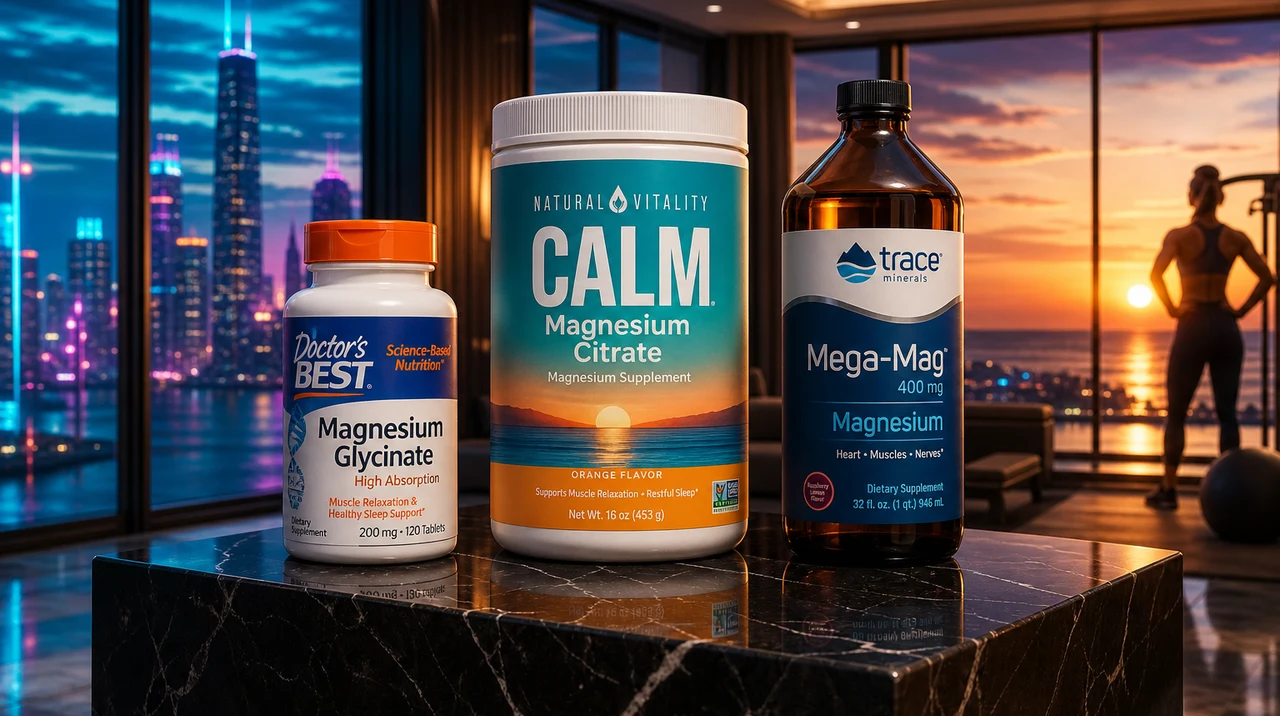
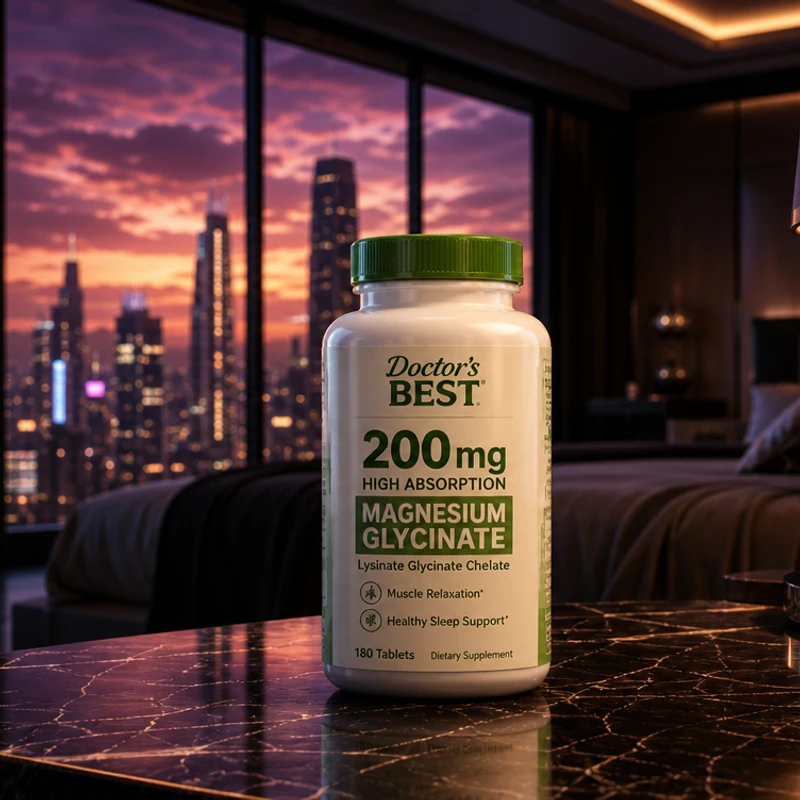
Supplementfewer exercise cramps + better recovery (replaces sweat losses)
⚑ mainly if depleted / cramping5.9/10SAC Efficacy Score™- Effect size45%Modest
- Evidence40%Moderate
- Reliability15%Specific cases
Why these numbers?
Effect size: Magnesium status affects muscle function and exercise recovery (Nielsen 2006), but the Cochrane review found no clear benefit of magnesium for exercise cramps in the general population (Garrison 2020). Replacing sweat losses is the honest case — 4.6/10.
Evidence: Good physiology review against a cautious Cochrane null: 7.6/10.
Reliability: Low-magnesium athletes respond; the cramp claim does not hold for the replete. 5.4/10.
Replaces what you sweat out — cramps are another story.
magnesiumfor exercise crampsno clear benefitin the general populationCochrane reviewCochrane 2020 ↓200–400 mg glycinate in the evening, if your intake is low — recovery and sleep respond before cramps do.Fill the gap, don't expect a cramp cure.
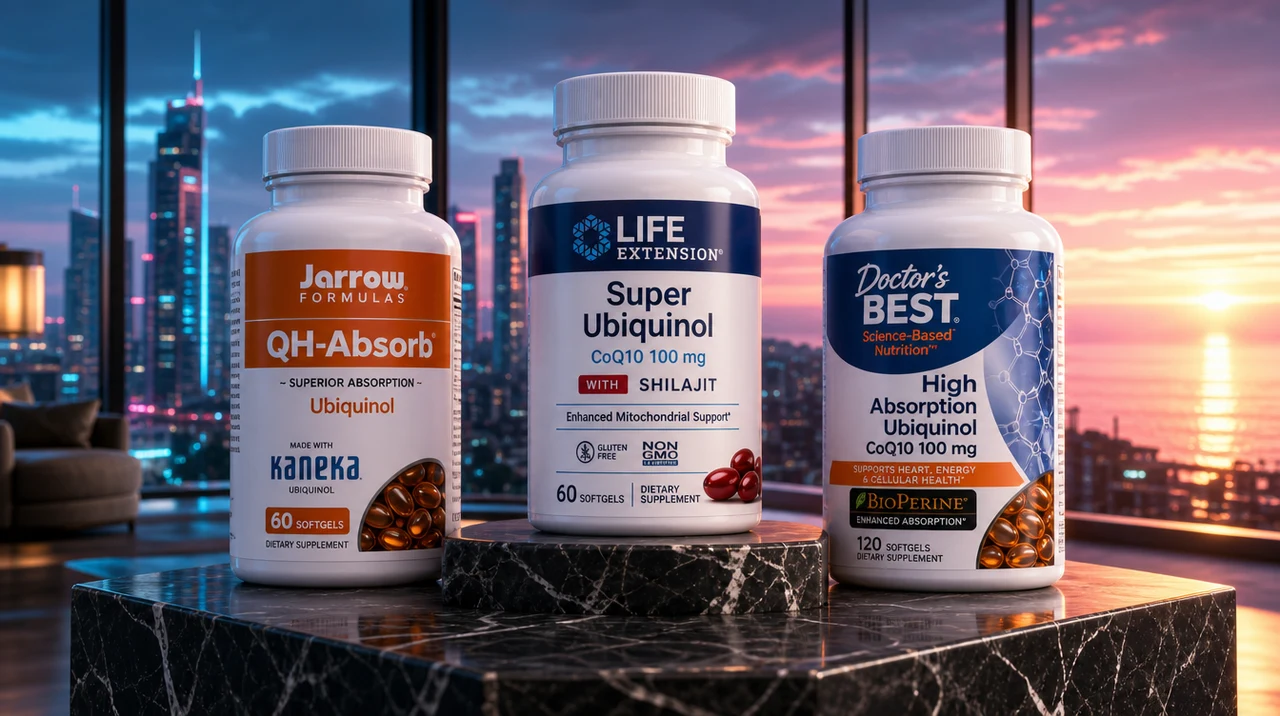
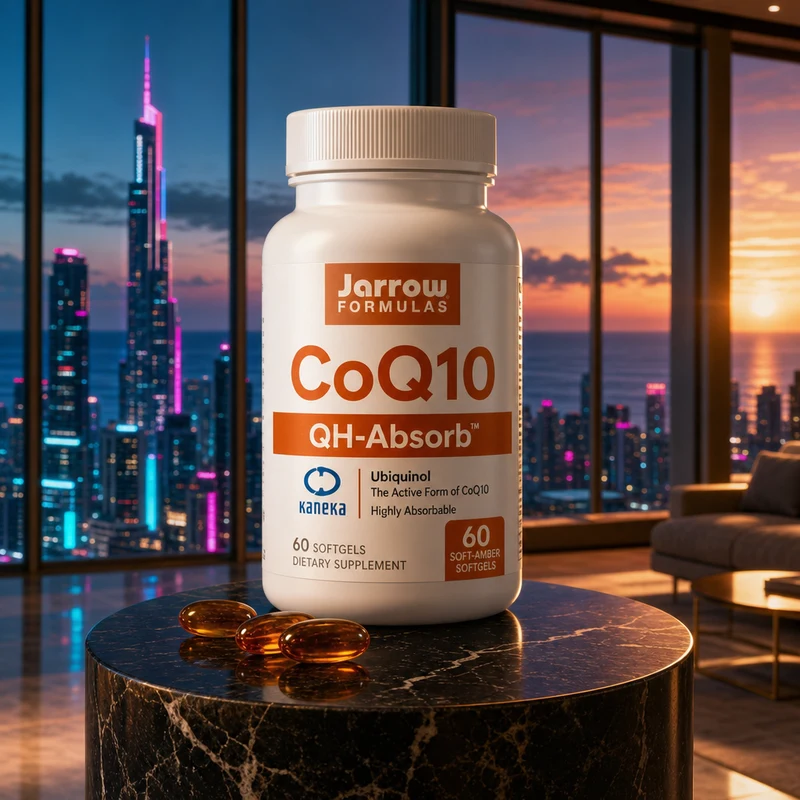
Magnesium Glycinate · 5.9CoQ10 (Ubiquinol)
Supplementmodest aerobic-capacity + recovery benefit in trained athletes
5.6/10SAC Efficacy Score™- Effect size45%Modest
- Evidence40%Moderate
- Reliability15%Specific cases
Why these numbers?
Effect size: Two weeks of CoQ10 raised muscle CoQ10 and modestly improved time to exhaustion in trained and untrained subjects (Cooke 2008); the anti-fatigue crossover agrees (Mizuno 2008). Small — 4.4/10.
Evidence: Small trials, mixed results elsewhere: 7.0/10.
Reliability: Older and statin-treated athletes respond most; young athletes barely. 5.2/10.
Mitochondrial cofactor with a modest exercise record.
200 mgCoQ10 × 14 days↑ time to exhaustionmodesttrained + untrained — RCTJISSN 2008 ↓Ubiquinol 100–200 mg with a fat-containing meal, clearest over 40 or on a statin.For the older or statin-taking athlete.
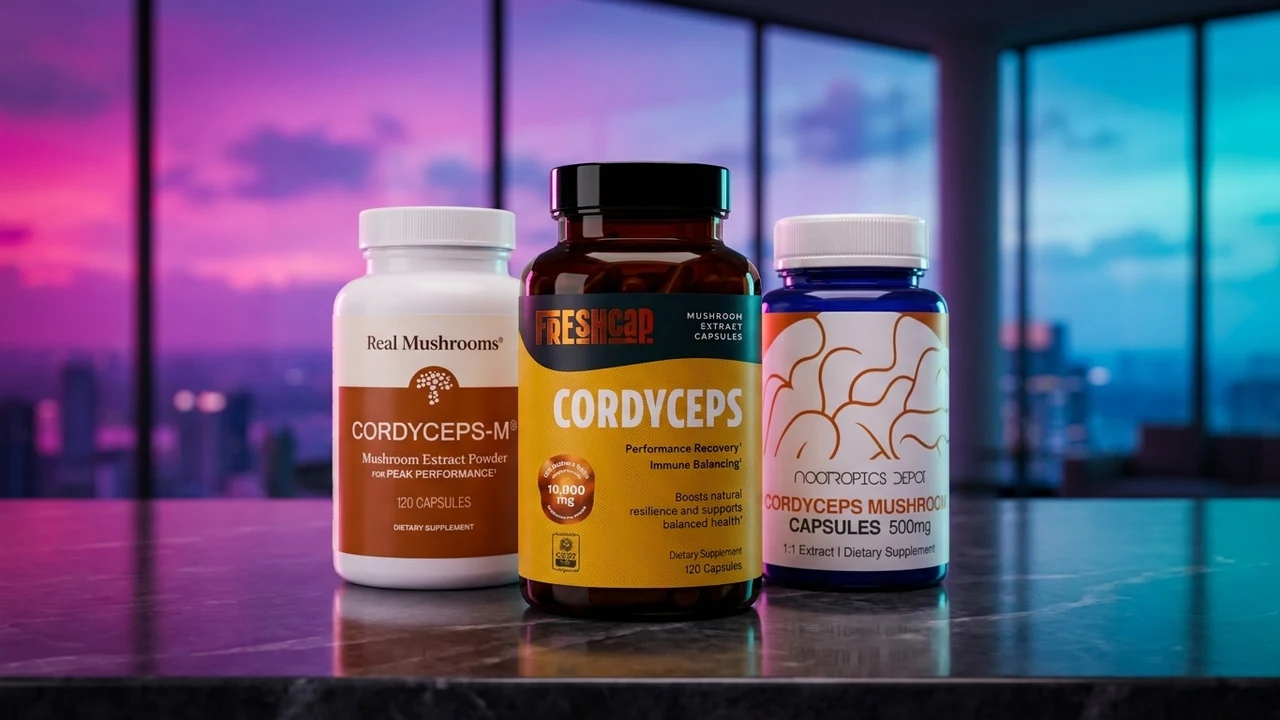
CoQ10 (Ubiquinol) · 5.6Cordyceps (C. militaris)
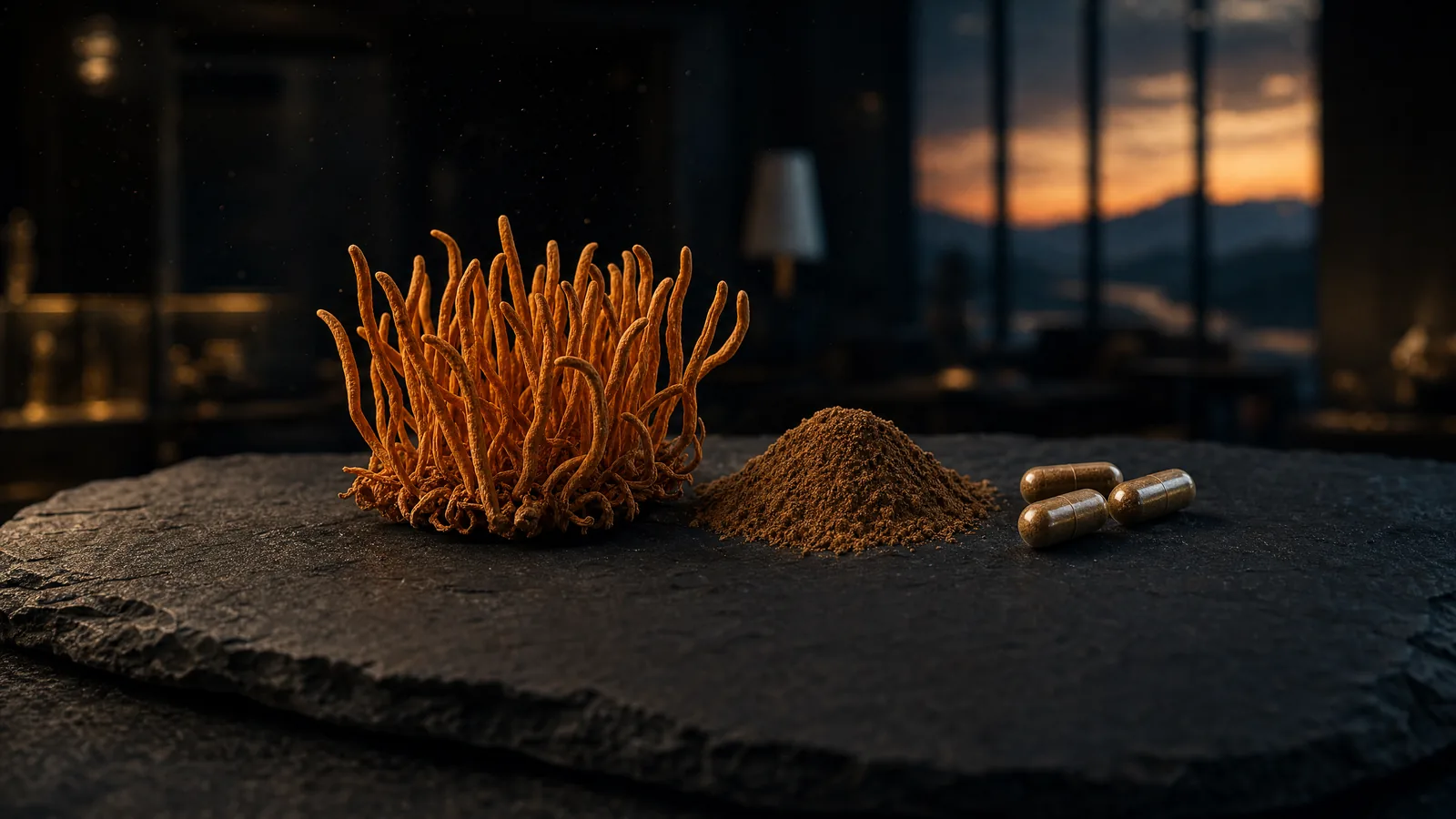
Supplementsmall VO2max + time-to-exhaustion gains (Hirsch 2017); mixed elsewhere (Chen 2010), no large replicated RCT
⚑ only militaris fruiting body with disclosed beta-glucan is worth buying4.4/10SAC Efficacy Score™- Effect size45%Modest
- Evidence40%Preliminary
- Reliability15%Narrow
Why these numbers?
Effect size: Three weeks of C. militaris improved VO₂max and time to exhaustion in a small crossover (Hirsch 2017); Cs-4 improved metabolic threshold in older adults (Chen 2010). Small, unreplicated — 4.2/10.
Evidence: Two small trials, mixed elsewhere: 4.6/10.
Reliability: Species and beta-glucan content vary wildly between products: 4.4/10.
Small gains, small trials.
4 gC. militaris × 3 weeks↑ VO₂max+ time to exhaustionhealthy adults — small crossoverJDS 2017 ↓Fruiting-body extract for 3+ weeks, judge on interval sessions — expect little on race day.For the curious, after the proven levers.
Cordyceps (C. militaris) · 4.4BCAAs
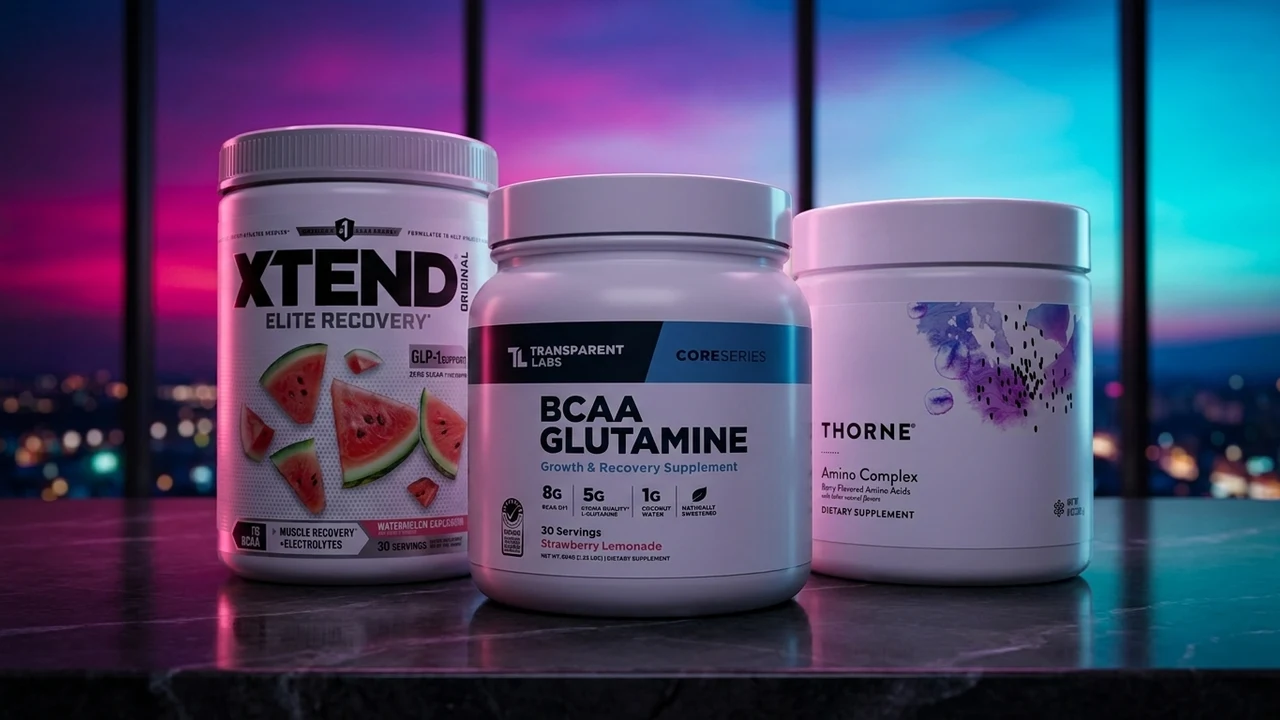
Supplementmay blunt central fatigue + support recovery on long/fasted sessions (Blomstrand 2006); effect is modest
⚑ mostly an intra-workout convenience for fasted/endurance/low-protein cases4.1/10SAC Efficacy Score™- Effect size45%Small
- Evidence40%Limited
- Reliability15%Narrow
Why these numbers?
Effect size: The central-fatigue hypothesis — BCAAs compete with tryptophan at the blood-brain barrier and may delay the 'I'm done' signal on long, fasted sessions (Blomstrand 2006) — is coherent but has never produced a reliable performance gain in trained athletes. 3.4/10.
Evidence: Mechanistic and small-trial support, no meta-analysis showing faster times: 5.0/10.
Reliability: Only plausible when protein intake is low or the session is fasted; redundant on top of whey. 4.0/10.
A coherent theory without a stopwatch to back it.
BCAAsvs tryptophan uptake↓ central fatigue?hypothesisreview of the central-fatigue hypothesisJ Nutr 2006 ↓If you sip anything on a long fasted session, make it complete protein or EAAs — BCAAs are the expensive subset.Ranked, not recommended.The protein you already eat does this job.
BCAAs · 4.1
My Stack
The picks from the ranking as a protocol: dose, timing, cost, cautions and our top pick for each — nothing invented, nothing added up. The full sheet opens as a layer.
Nothing equipped yet — use “+ Add to my stack” on the cards above. The sheet fills in dose, timing, cost and cautions for whatever you pick.
Our Methodology
How every score on this page is calculated — transparent and free to cite.
Research & Sources
The key human trials behind the rankings above — every PMID verified against its primary source.
- Creatine MonohydrateKreider 2017 (ISSN Position Statement) — International Society of Sports Nutrition position stand: safety and efficacy of creatine supplementation in exercise, sport, and medicine · Journal of the International Society of Sports Nutrition · PMID 28615996
- Creatine MonohydrateChilibeck 2017 — Effect of creatine supplementation during resistance training on lean tissue mass and muscular strength in older adults: a meta-analysis · Open Access Journal of Sports Medicine · PMID 29138605
- Beetroot (Dietary Nitrate)Wylie 2013 (dose-response) — Beetroot juice and exercise: pharmacodynamic and dose-response relationships · Journal of Applied Physiology · PMID 23640589
- Beetroot (Dietary Nitrate)Lansley 2011 (O2 cost) — Dietary nitrate supplementation reduces the O2 cost of walking and running: a placebo-controlled study · Journal of Applied Physiology · PMID 21071588
- Pre-WorkoutPérez-Guisado 2010 — Citrulline malate enhances athletic anaerobic performance and relieves muscle soreness · Journal of Strength and Conditioning Research · PMID 20386132
- Pre-WorkoutHobson 2012 — Effects of β-alanine supplementation on exercise performance: a meta-analysis · Amino Acids · PMID 22270875
- Electrolyte PowderSawka 2007 — American College of Sports Medicine position stand. Exercise and fluid replacement · Medicine & Science in Sports & Exercise · PMID 17277604
- Electrolyte PowderBaker 2017 — Sweating Rate and Sweat Sodium Concentration in Athletes: A Review of Methodology and Intra/Interindividual Variability · Sports Medicine · PMID 28332116
- Omega-3 (EPA/DHA)Bhatt 2019 (REDUCE-IT) — Cardiovascular Risk Reduction with Icosapent Ethyl for Hypertriglyceridemia · New England Journal of Medicine · PMID 30415628
- Omega-3 (EPA/DHA)Mozaffarian 2011 — Omega-3 fatty acids and cardiovascular disease: effects on risk factors, molecular pathways, and clinical events · Journal of the American College of Cardiology · PMID 22051327
- BCAAsBlomstrand 2006 — A role for branched-chain amino acids in reducing central fatigue · J Nutr · PMID 16424144
- BeetrootLansley et al. 2011 — Acute dietary nitrate supplementation improves cycling time trial performance · Med Sci Sports Exerc · PMID 21471821
- BeetrootMcMahon et al. 2017 — The Effect of Dietary Nitrate Supplementation on Endurance Exercise Performance in Healthy Adults: A Systematic Review and Meta-Analysis · Sports Med · PMID 27600147
- CordycepsHirsch et al. 2017 — Cordyceps militaris Improves Tolerance to High-Intensity Exercise After Acute and Chronic Supplementation · J Diet Suppl · PMID 27408987
- CordycepsChen et al. 2010 — Effect of Cs-4 (Cordyceps sinensis) on exercise performance in healthy older subjects: a double-blind, placebo-controlled trial · J Altern Complement Med · PMID 20804368
- Pre-WorkoutSouthward et al. 2018 — The Effect of Acute Caffeine Ingestion on Endurance Performance: A Systematic Review and Meta-Analysis · Sports Med · PMID 29876876
- CreatineBranch 2003 — Effect of creatine supplementation on body composition and performance: a meta-analysis · Int J Sport Nutr Exerc Metab · PMID 12945830
- Beta-AlanineSaunders et al. 2017 — β-alanine supplementation to improve exercise capacity and performance: a systematic review and meta-analysis · Br J Sports Med · PMID 27797728
- MagnesiumGarrison et al. 2020 — Magnesium for skeletal muscle cramps · Cochrane Database Syst Rev · PMID 32956536
- MagnesiumNielsen & Lukaski 2006 — Update on the relationship between magnesium and exercise · Magnes Res · PMID 17172008
- Omega-3Jouris et al. 2011 — The Effect of Omega-3 Fatty Acid Supplementation on the Inflammatory Response to eccentric strength exercise · J Sports Sci Med · PMID 24150614
- Omega-3Philpott et al. 2019 — Applications of omega-3 polyunsaturated fatty acid supplementation for sport performance · Res Sports Med · PMID 30484702
- CoQ10Cooke et al. 2008 — Effects of acute and 14-day coenzyme Q10 supplementation on exercise performance in both trained and untrained individuals · J Int Soc Sports Nutr · PMID 18318910
- CoQ10Mizuno et al. 2008 — Antifatigue effects of coenzyme Q10 during physical fatigue · Nutrition · PMID 18272335