
Top 15 Best Ways To Improve Sleep & Recovery (2026)
Deeper sleep, faster recovery — magnesium glycinate, glycine, ashwagandha, and protocols that actually move sleep architecture.
Nothing equipped yet. Add parts from the cards — the free levers first.
Ranked Solutions
Ranked by how much each one actually moves the needle — our SAC Efficacy Score™. Supplements, protocols and gear compete in ONE ranking.
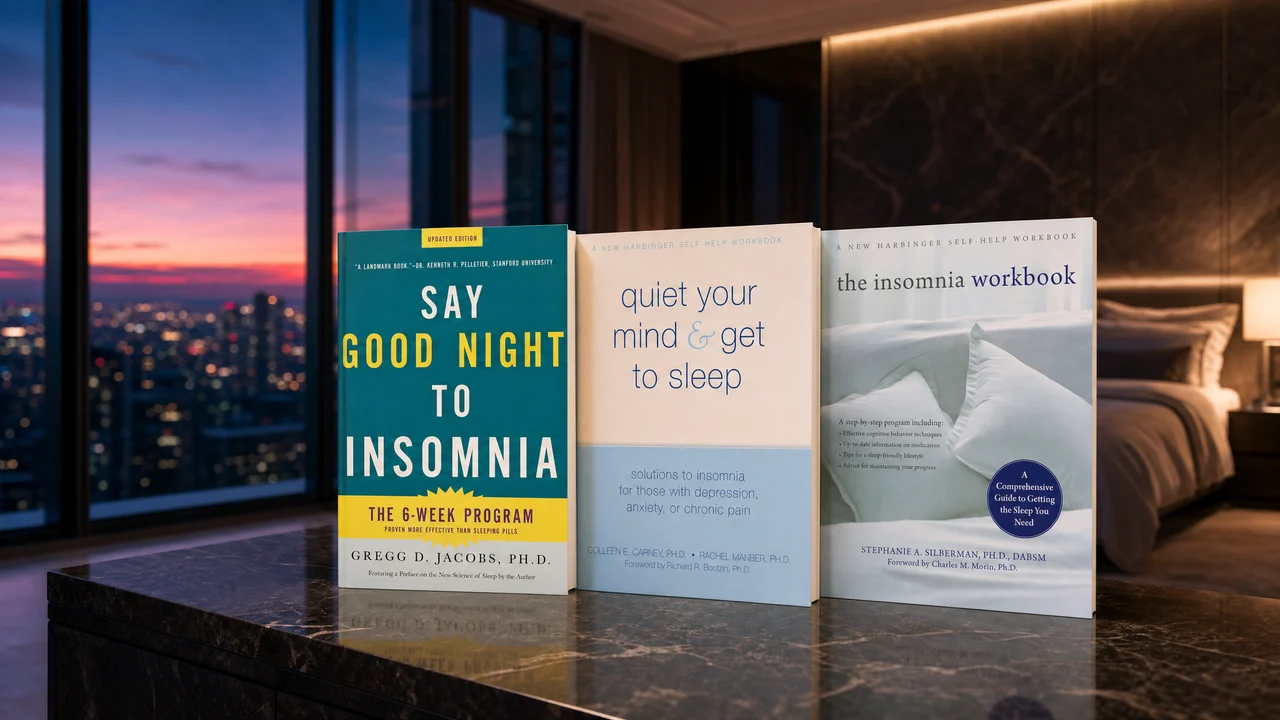
CBT-i Wind-Down
Protocolfirst-line treatment for chronic insomnia — matches sleeping pills short-term and beats them long-term
8.5/10SAC Efficacy Score™- Effect size45%Large
- Evidence40%Very strong
- Reliability15%Works for many
Why these numbers?
Effect size: CBT-i cuts time to fall asleep by ~19 min and time awake at night by ~26 min in chronic insomnia (Trauer 2015) — and the gains hold after the sessions stop, which sleeping pills cannot say. 8.0/10; not higher because it needs 4–6 weeks of actual practice.
Evidence: Two meta-analyses of randomised trials, first-line in every major guideline. 9.2/10 — the strongest evidence on this page.
Reliability: Works for most who do the protocol; the failure mode is not doing it. A fixed wake time and getting out of bed when awake are not optional. 7.8/10.
The lever that outlasts every pill.
4–6 weeksCBT-i protocol−19 minto fall asleep−26 minawake at nightchronic insomnia — meta-analysisMeta 2015 ↓Fixed wake time first, then bed only when sleepy, out of bed when not — the wind-down routine is the part you keep.Fix this first.Every gadget and capsule below works inside the schedule you set.
CBT-i Wind-Down · 8.5Magnesium Glycinate
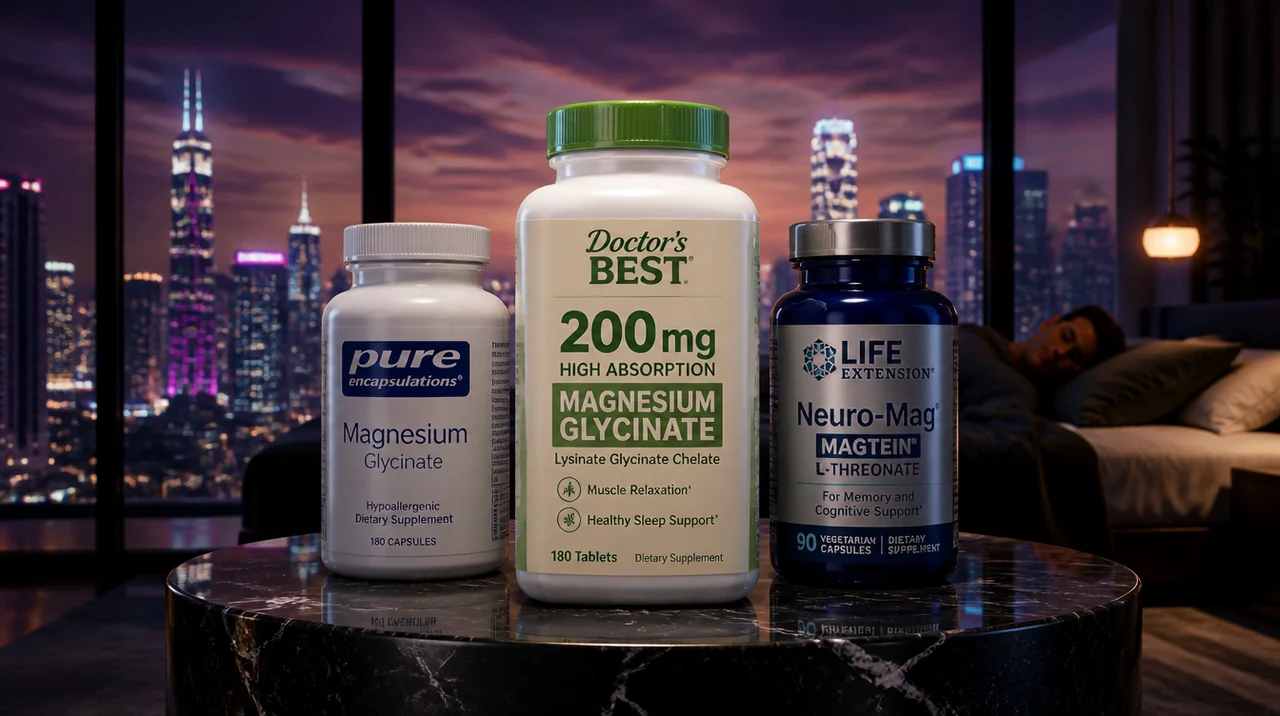
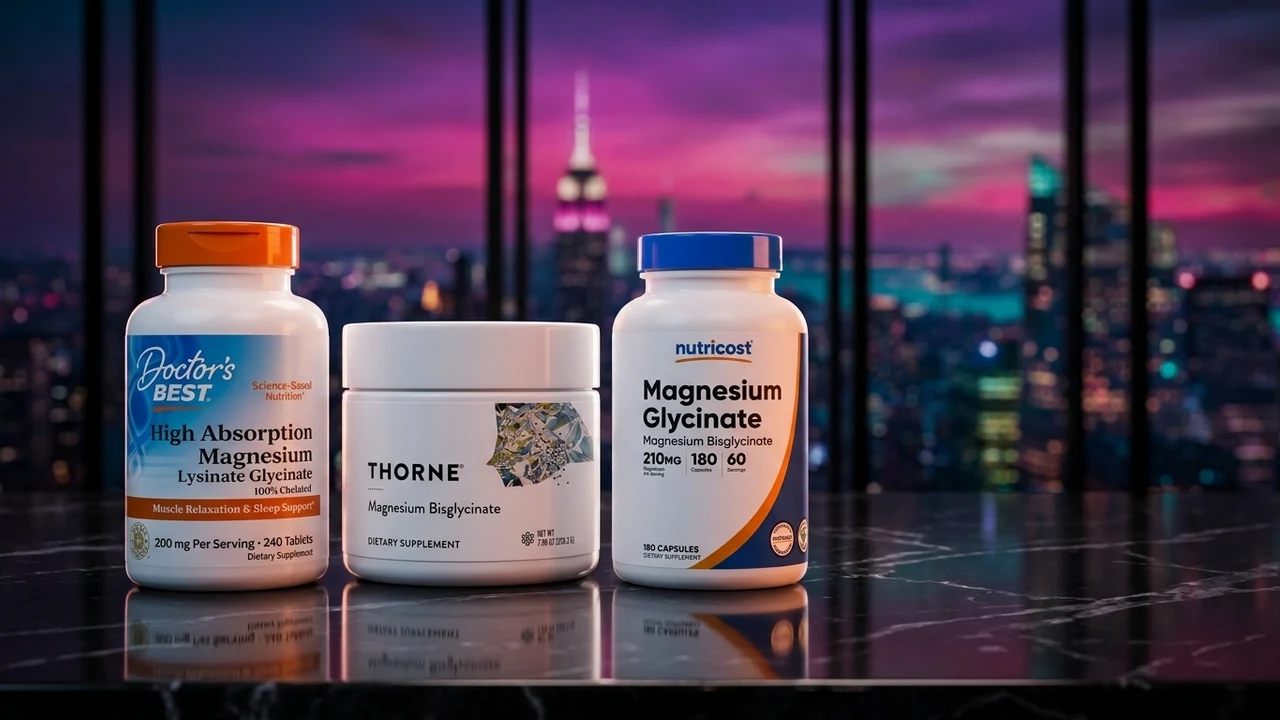
Supplementdeeper, more restorative sleep within 1–2 weeks (8+ RCTs)
⚑ strongest if magnesium-deficient7.2/10SAC Efficacy Score™- Effect size45%Moderate
- Evidence40%Strong
- Reliability15%Works for many
Why these numbers?
Effect size: In elderly insomniacs, 500 mg/day for 8 weeks improved sleep efficiency, sleep time and early waking (Abbasi 2012); a 2021 meta-analysis found sleep onset ~17 minutes faster across trials (Mah 2021). Real but moderate — 6.0/10.
Evidence: Eight-plus randomised trials and a meta-analysis — the best-supported supplement on this page. 8.6/10.
Reliability: Most adults run low on magnesium; glycinate is the form that doesn't send you to the bathroom. Severe kidney disease is the exception. 7.2/10.
The one sleep supplement with 8+ RCTs.
500 mgdaily × 8 weeks↑ efficiencymore sleep, less early waking−17 minto fall asleep (meta)older adults with insomniaRCT 2012 ↓200–400 mg elemental, glycinate, 1–2 h before bed — depth improves inside two weeks.Start here if you take one thing.
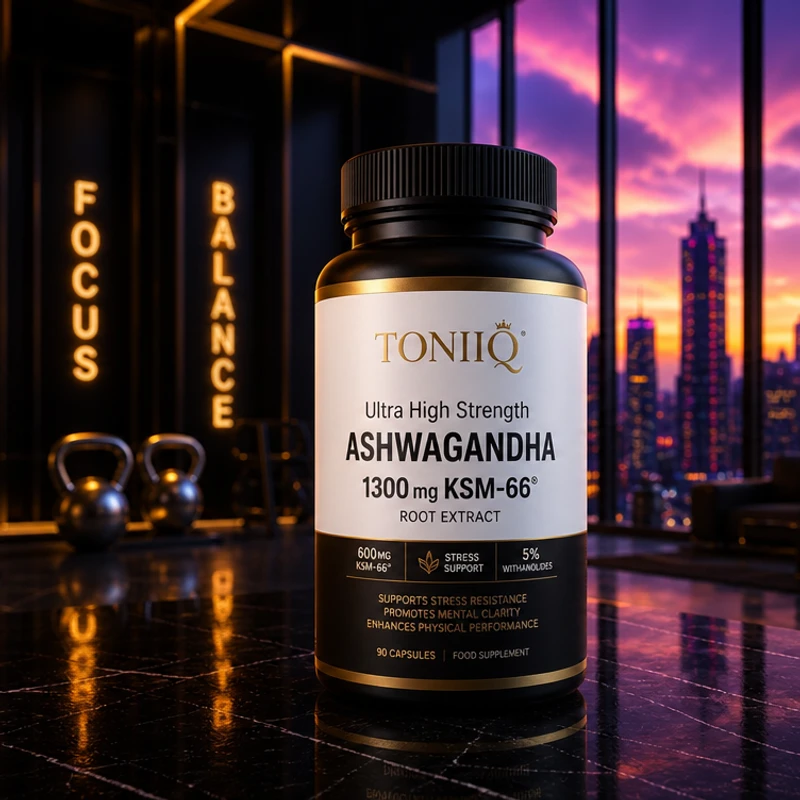
Magnesium Glycinate · 7.2Ashwagandha (KSM-66)
Supplementbetter sleep onset + fewer 3 AM wakings via lower cortisol
⚑ best for stress-driven sleep loss6.9/10SAC Efficacy Score™- Effect size45%Moderate
- Evidence40%Strong
- Reliability15%Works for many
Why these numbers?
Effect size: 600 mg/day of root extract for 10 weeks shortened sleep-onset latency and improved sleep quality in insomniacs (Langade 2019); a 2021 meta-analysis of five RCTs confirmed a small-to-moderate effect, larger in people with insomnia (Cheah 2021). 5.8/10.
Evidence: Five randomised trials pooled, consistent direction: 8.4/10.
Reliability: Runs through cortisol — stressed, wired sleepers respond, relaxed sleepers barely notice. Thyroid and autoimmune conditions rule it out. 6.4/10.
A cortisol brake for the 3 AM wake-up.
600 mgroot extract × 10 weeks↓ latencyfaster onset, better qualityadults with insomnia — RCTRCT 2019 ↓Evening dose, KSM-66 300–600 mg — give it 2–3 weeks, cycle 8 on / 2 off.Choose this when stress is the loudest symptom.
Ashwagandha (KSM-66) · 6.9L-Theanine
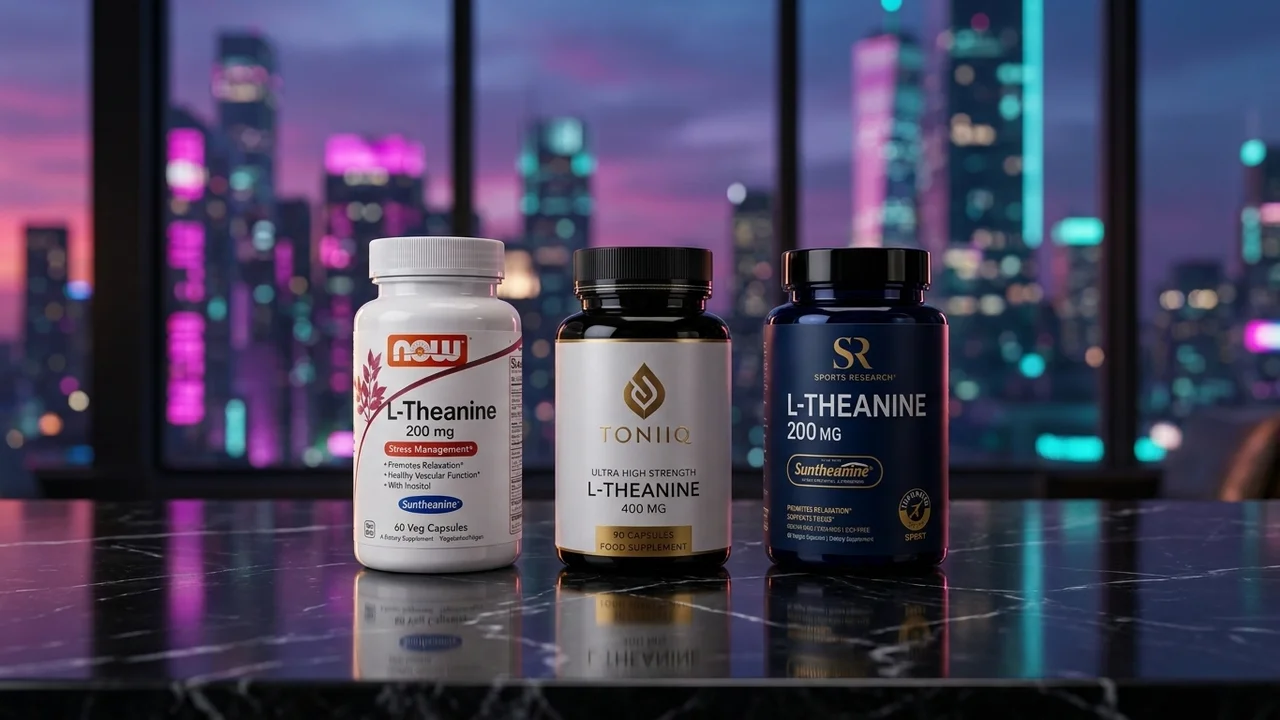
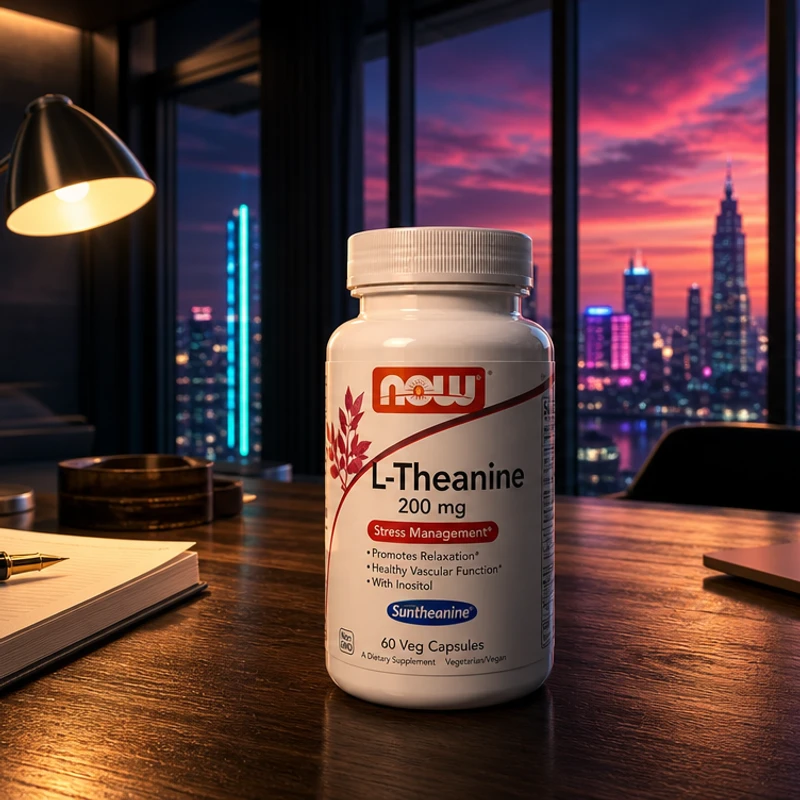
Supplementcalmer, non-sedating wind-down for a racing pre-sleep mind
6.6/10SAC Efficacy Score™- Effect size45%Modest
- Evidence40%Strong
- Reliability15%Works for many
Why these numbers?
Effect size: 200 mg/day for 4 weeks reduced stress-related symptoms and improved sleep-quality scores in healthy adults (Hidese 2019); it calms without sedating. A wind-down aid, not a sleep drug — 5.0/10.
Evidence: Multiple randomised trials and a 2015 review agree on the calming, sleep-quality effect (Rao 2015): 8.2/10.
Reliability: Clean safety, no tolerance, works for most who have a racing mind at bedtime. 7.4/10.
Calm without the hangover.
200 mgdaily × 4 weeks↑ sleep quality↓ stress symptomshealthy adults — RCTNutrients 2019 ↓200 mg 30–60 min before bed, or with your morning coffee (2:1 to caffeine) — no cycling needed.For the racing mind, not the restless body.
L-Theanine · 6.6Glycine
Supplementfaster sleep onset + better next-day alertness at 3 g pre-bed
6.1/10SAC Efficacy Score™- Effect size45%Modest
- Evidence40%Moderate
- Reliability15%Works for many
Why these numbers?
Effect size: 3 g before bed improved next-day alertness and reduced fatigue after restricted sleep (Bannai 2012); in animals the mechanism is a body-temperature drop via NMDA receptors in the clock (Kawai 2015). Faster onset, modest depth — 4.8/10.
Evidence: Small human crossover trials plus a clean mechanism: 7.2/10.
Reliability: Cheap, well tolerated, works in most who take it pre-bed; subtle if you already fall asleep fast. 7.0/10.
Three grams that cool you down.
3 gbefore bed↑ alertnessnext day, less fatiguesleep-restricted healthy volunteersFront Neurol 2012 ↓3 g powder in water, 30–60 min before bed — pairs well with magnesium.The cheap pre-bed add-on.
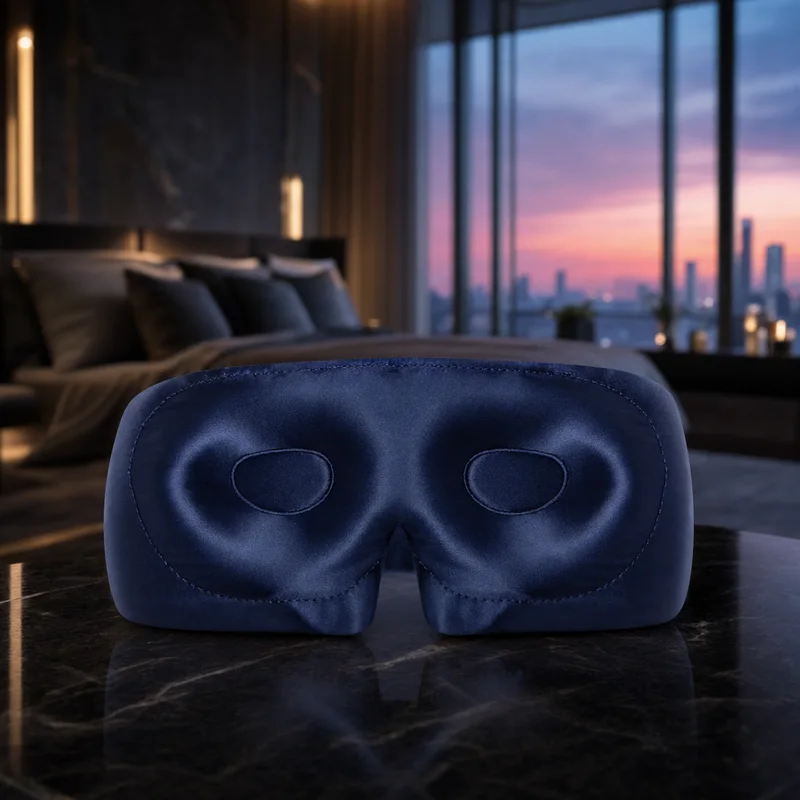
Glycine · 6.1Sleep Mask + Blackout
Gearfaster sleep onset + deeper sleep when the room isn't truly dark (ICU + simulated-light RCTs)
⚑ biggest gains if light leaks into your room- Effect size45%Moderate
- Evidence40%Limited
- Reliability15%Works for many
Why these numbers?
Effect size: A week of sleeping with an eye mask improved next-day learning and alertness in two counterbalanced experiments (Greco 2023); in a simulated ICU, mask + earplugs restored melatonin and REM (Hu 2010). Light is a real disruptor — 5.5/10 because the effect scales with how bright your room is.
Evidence: Small crossover trials and lab models rather than large RCTs: 6.2/10.
Reliability: Cheap, passive, no habituation — it works every night you wear it. If your room is already black it has nothing to fix. 7.0/10.
Darkness is a dose.
1 weekeye mask at night↑ learning+ alertness next dayhealthy adults — crossover trialSleep 2023 ↓Contoured mask, zero pressure on the lids, blackout curtain for the streetlight — then stop checking the phone.The cheapest fix on the list.
Sleep Mask + Blackout · 6.0 Founder's Pick3 years running
Three years on a sleep mask now — in a bright room it's the difference between tossing for an hour and dropping straight off.
FelixFounder, Super Achiever Club Cooling Mattress Topper
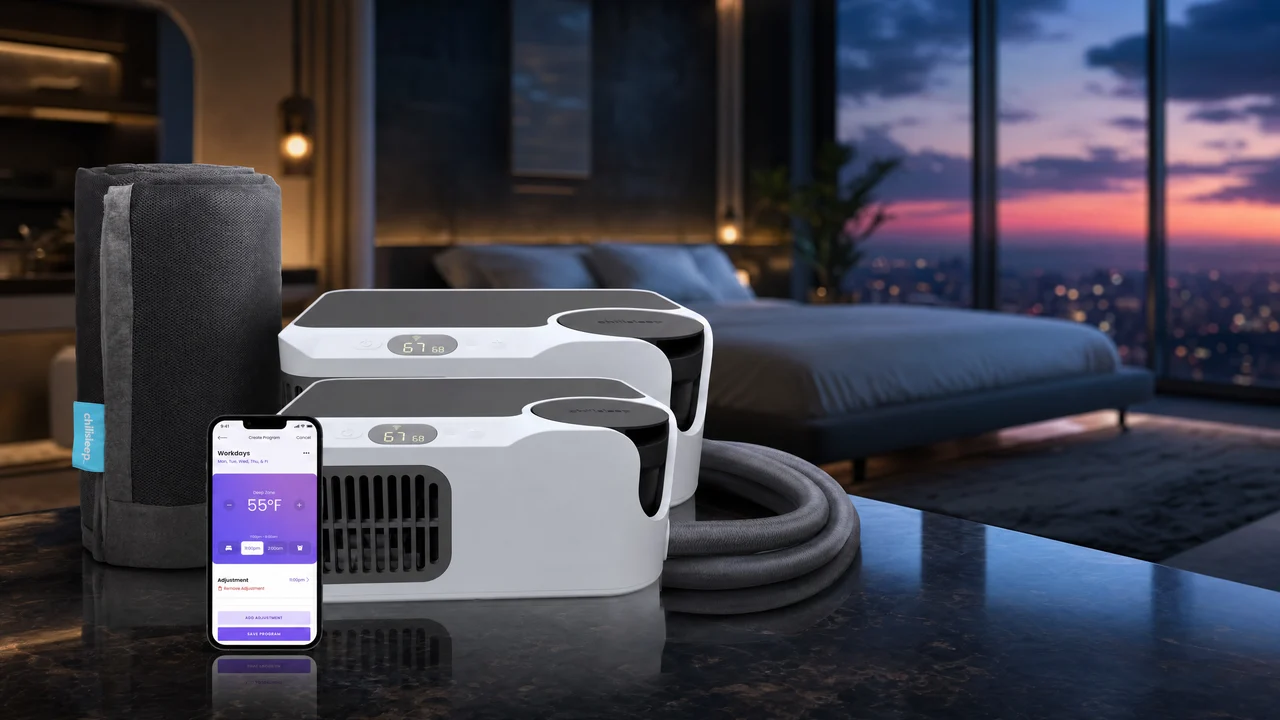
Geara cooler sleep surface deepens slow-wave sleep — a core-temperature drop is a primary sleep trigger
5.7/10SAC Efficacy Score™- Effect size45%Moderate
- Evidence40%Limited
- Reliability15%Specific cases
Why these numbers?
Effect size: A high-heat-capacity mattress that draws heat from the body increased slow-wave sleep and conductive heat loss in healthy men (Kräuchi 2018; Herberger 2020). A core-temperature drop is a primary sleep trigger — 5.5/10 because the measured gains are modest and lab-based.
Evidence: Two small polysomnography-confirmed crossover studies from one research group: 5.8/10.
Reliability: Hot sleepers and warm bedrooms gain most; a cool room already does part of the job. 6.2/10.
Deep sleep starts with a cooler core.
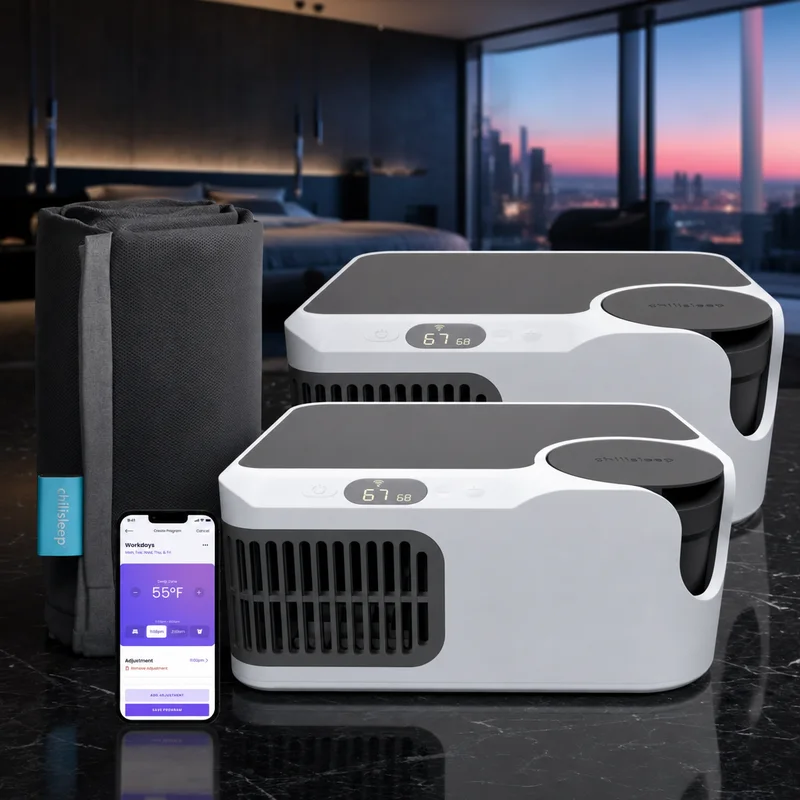
1 nighthigh-heat-capacity surface↑ SWSslow-wave sleephealthy men — polysomnographySleep 2020 ↓Room at 18–20 °C, topper or active cooler on top — warm hands and feet before bed speed the heat loss.Pick this if you wake up hot.
Cooling Mattress Topper · 5.7Weighted Blanket
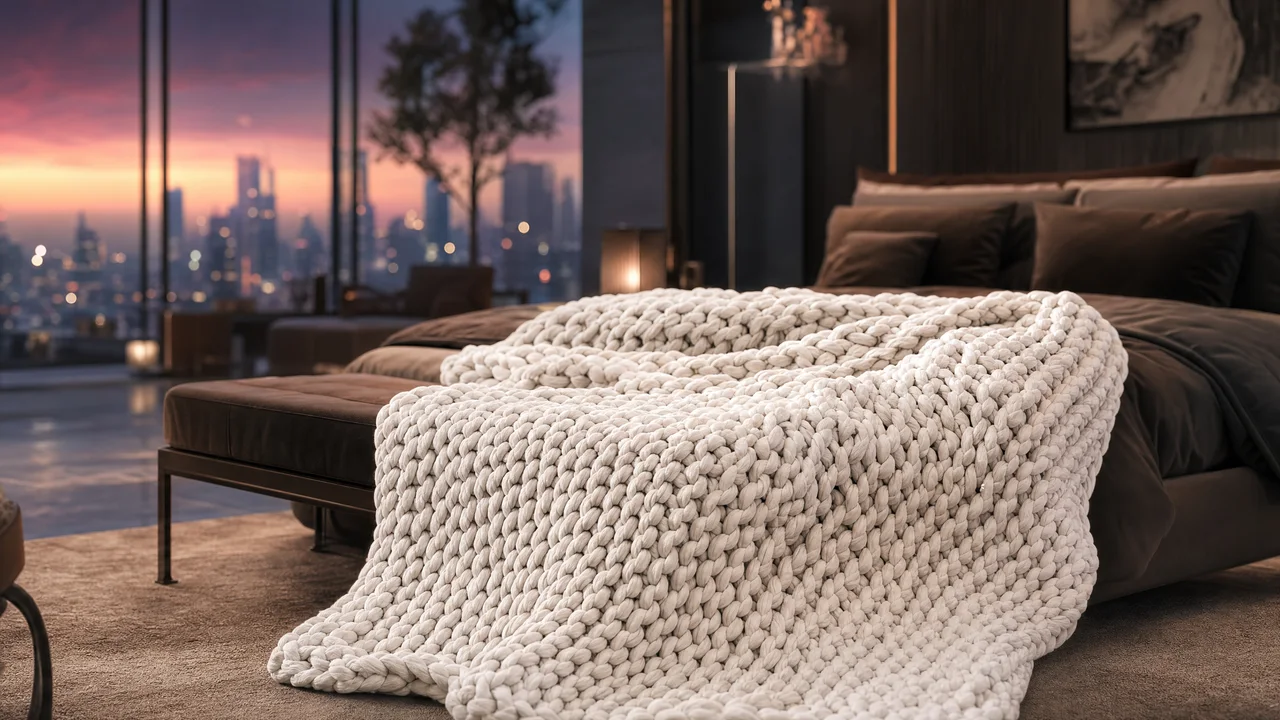
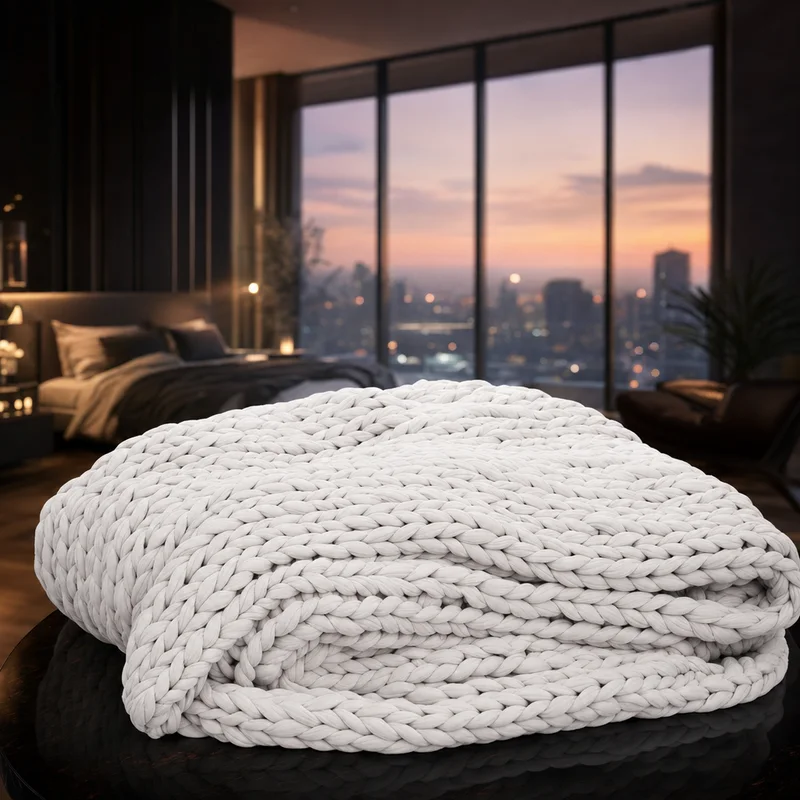
Gearlower pre-sleep anxiety + better sleep maintenance, strongest in anxious + insomnia groups
⚑ strongest if anxiety keeps you up5.2/10SAC Efficacy Score™- Effect size45%Modest
- Evidence40%Limited
- Reliability15%Specific cases
Why these numbers?
Effect size: In a 4-week RCT in insomnia with psychiatric disorders, a weighted chain blanket cut insomnia severity and daytime fatigue versus a light blanket (Ekholm 2020). Strongest where anxiety drives the wakefulness — 4.8/10 for the average sleeper.
Evidence: One good RCT plus smaller studies in anxious groups: 5.5/10.
Reliability: Anxious and restless sleepers respond; hot sleepers may lose more than they gain. 5.8/10.
Pressure that quiets a racing body.
4 weeks6–8 kg chain blanket↓ insomniaseverity + daytime fatigueinsomnia with psychiatric disorder — RCTRCT 2020 ↓~10% of bodyweight, breathable cover — skip it if you sleep hot or share a bed with someone who does.For the anxious sleeper, not the hot one.
Weighted Blanket · 5.2Sunrise Alarm (Wake Light)
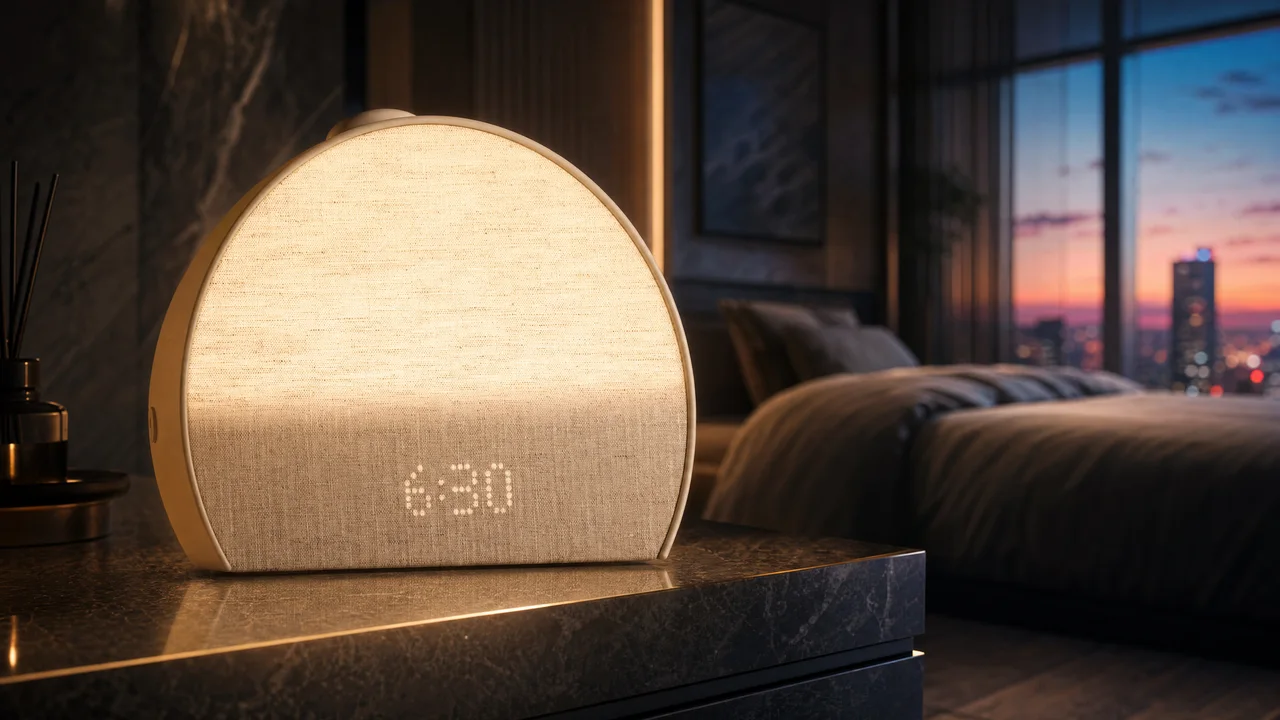
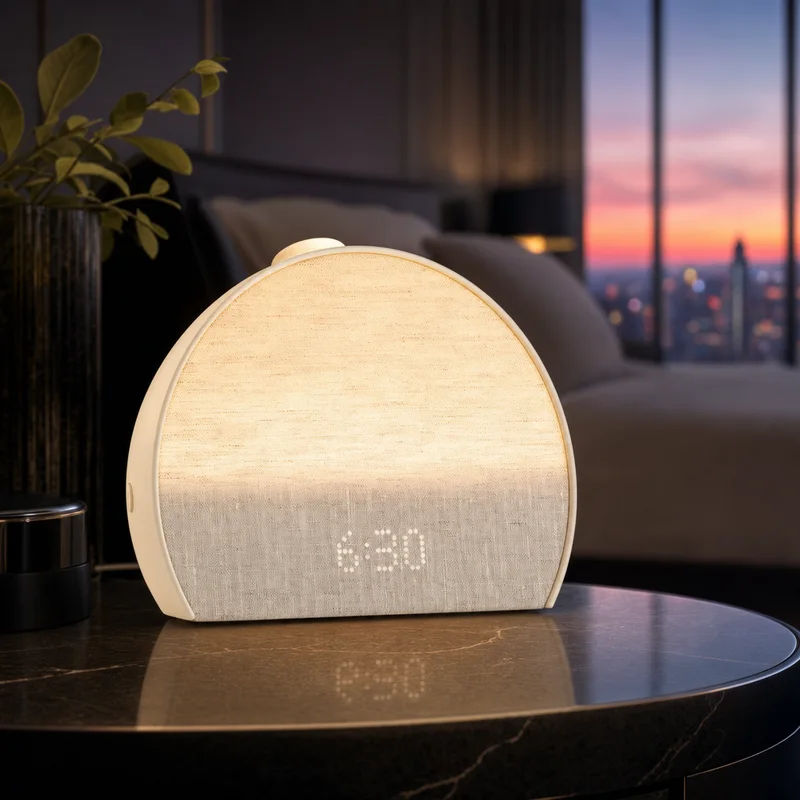
Deviceeasier waking + better morning alertness via a simulated dawn; supports circadian timing
4.9/10SAC Efficacy Score™- Effect size45%Modest
- Evidence40%Limited
- Reliability15%Specific cases
Why these numbers?
Effect size: Dawn simulation before the alarm sharpened the cortisol awakening response and made waking feel easier (Thorn 2004); artificial dawn also improved morning alertness and mood (Gabel 2013). It fixes the waking end, not sleep itself — 4.5/10.
Evidence: Small controlled lab studies, consistent direction, no large trials: 5.0/10.
Reliability: Most useful on dark winter mornings and shift-adjacent schedules; little to add on bright summer mornings. 6.0/10.
Wake to light, not to noise.
30 minsimulated dawn↑ alertnesseasier waking, sharper cortisol risehealthy adults — lab studiesPNEC 2004 ↓Set it to peak at wake time, same time every day — it anchors the clock more than it lengthens sleep.Best in winter, best with a fixed wake time.
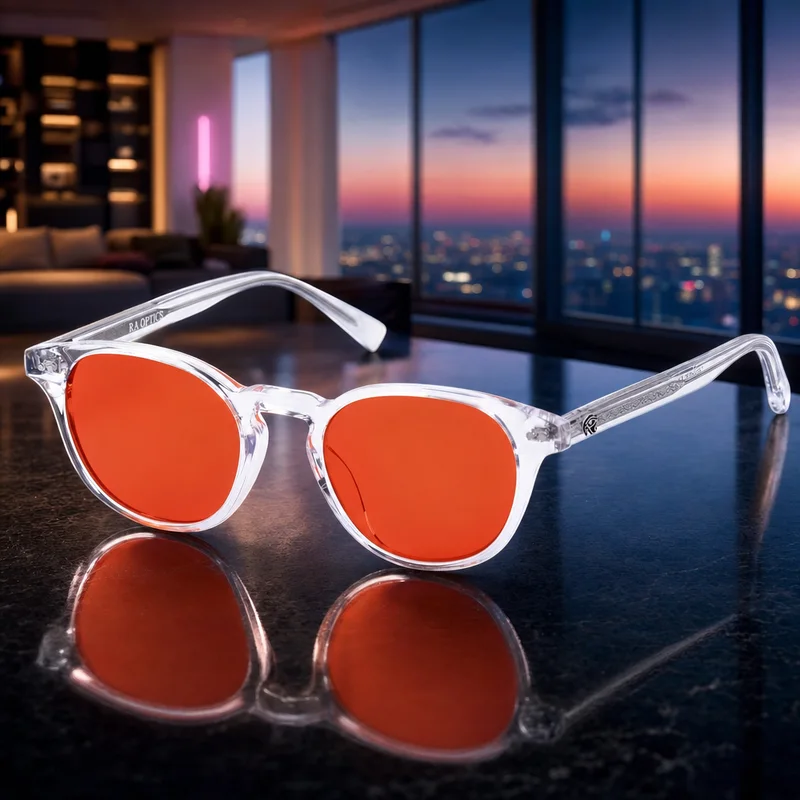
Sunrise Alarm (Wake Light) · 4.9Blue-Light Blockers
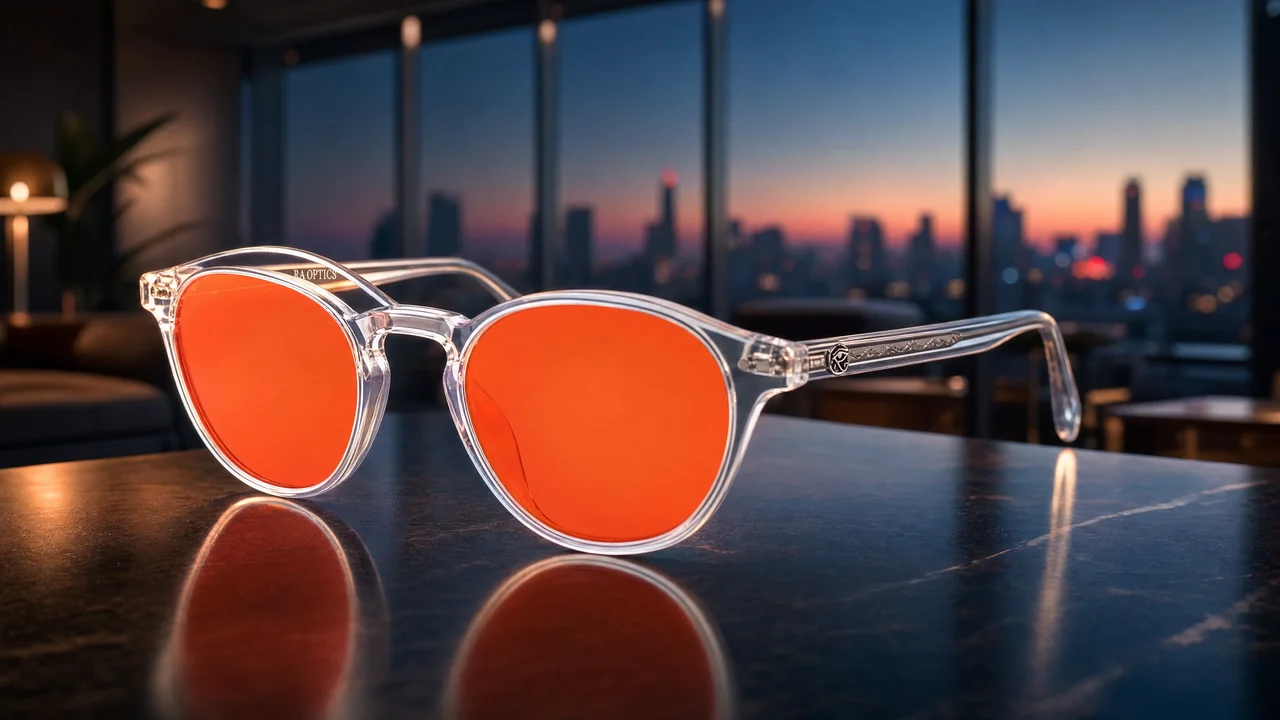
Gearevening amber lenses protect melatonin onset; small RCTs show earlier, better sleep
⚑ only the evening, amber-tinted ones matter4.8/10SAC Efficacy Score™- Effect size45%Modest
- Evidence40%Limited
- Reliability15%Specific cases
Why these numbers?
Effect size: Amber lenses for the hours before bed improved sleep in two small RCTs (Burkhart 2009; Shechter 2018 in insomnia). The effect is on melatonin timing, so it shows up as earlier, slightly better sleep — 4.2/10.
Evidence: Two small randomised trials, one of them in 14 insomniacs: 5.2/10.
Reliability: Only helps if screens and bright light are part of your evening; dim the lights and the glasses become redundant. 5.5/10.
Protect melatonin onset, cheaply.
2 hamber lenses pre-bed↑ sleepquality + durationinsomnia — RCT, 14 adultsRCT 2018 ↓Amber, not clear, worn from 2 h before bed — and dim the room lights, which does half the job for free.The glasses are a workaround for lights you could turn off.
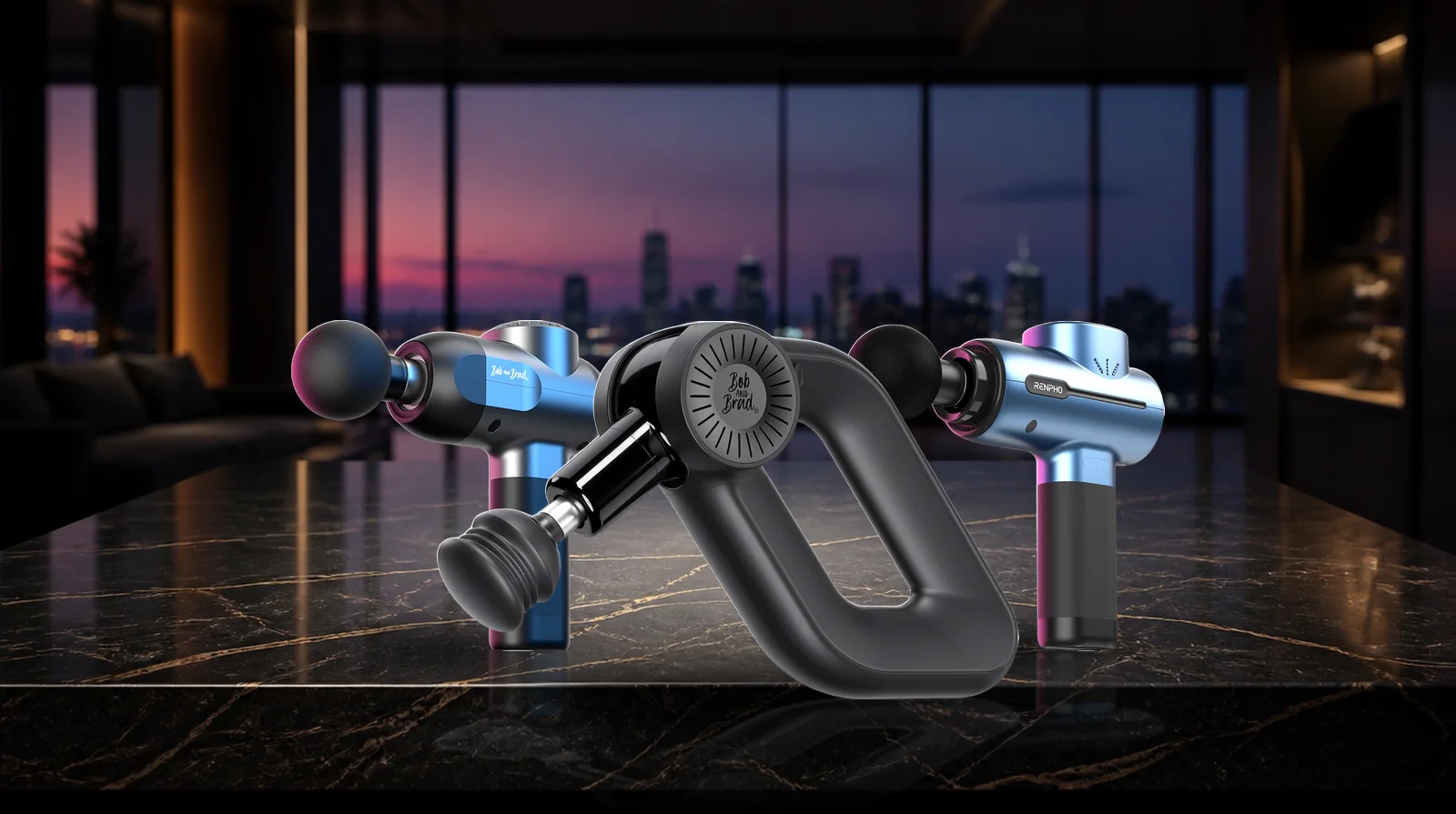
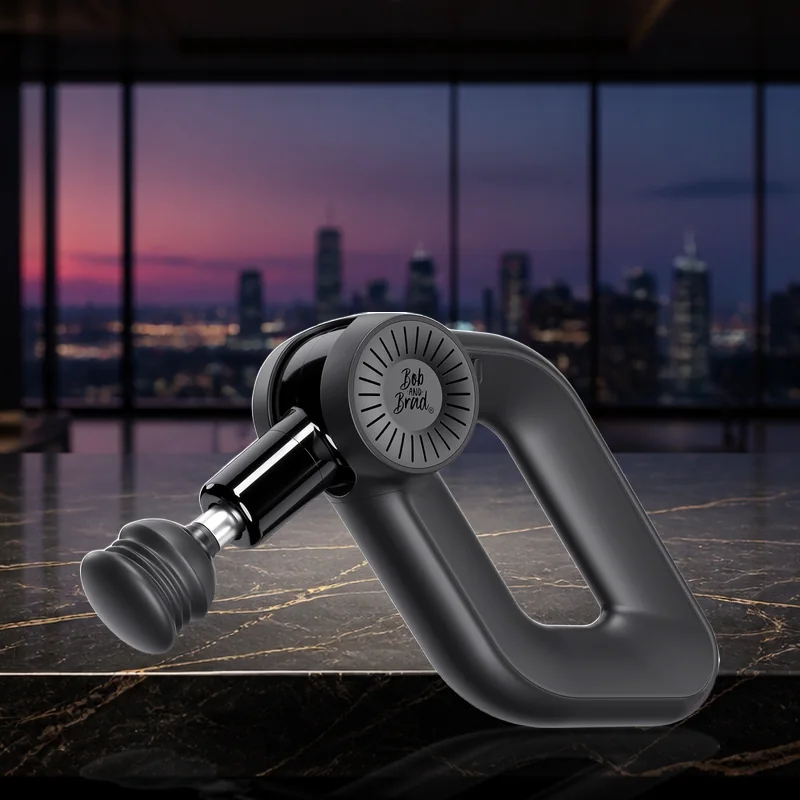
Blue-Light Blockers · 4.8Massage Gun
Deviceshort-term range of motion up (+18% ankle dorsiflexion after 5 min) and stiffness down; strength unchanged (Konrad 2020; Ferreira 2023)
⚑ use before training or when stiff; keep it off bone, the front of the neck and injuries4.7/10SAC Efficacy Score™- Effect size45%Small
- Evidence40%Limited
- Reliability15%Specific cases
Why these numbers?
Effect size: Five minutes on the calves raised ankle range of motion by 18% without changing strength (Konrad 2020); two minutes lowered muscle stiffness, with or without heat (Nakamura 2024). A recovery aid, not a sleep aid — 4.0/10.
Evidence: A systematic review of 11 small studies, most at moderate risk of bias (Ferreira 2023). 5.0/10.
Reliability: The short-term range-of-motion gain shows up across studies; it fades after the session and does nothing for strength. 6.0/10.
Five minutes buys range of motion, not strength.
5 min percussioncalf muscles+18%ankle range of motionn = 16, strength unchangedJSSM 2020 ↓Two to five minutes per muscle group — before training or when stiff; keep it off bone, the front of the neck and any injury.A warm-up tool.It loosens a muscle for a while; sleep and training still do the recovering.
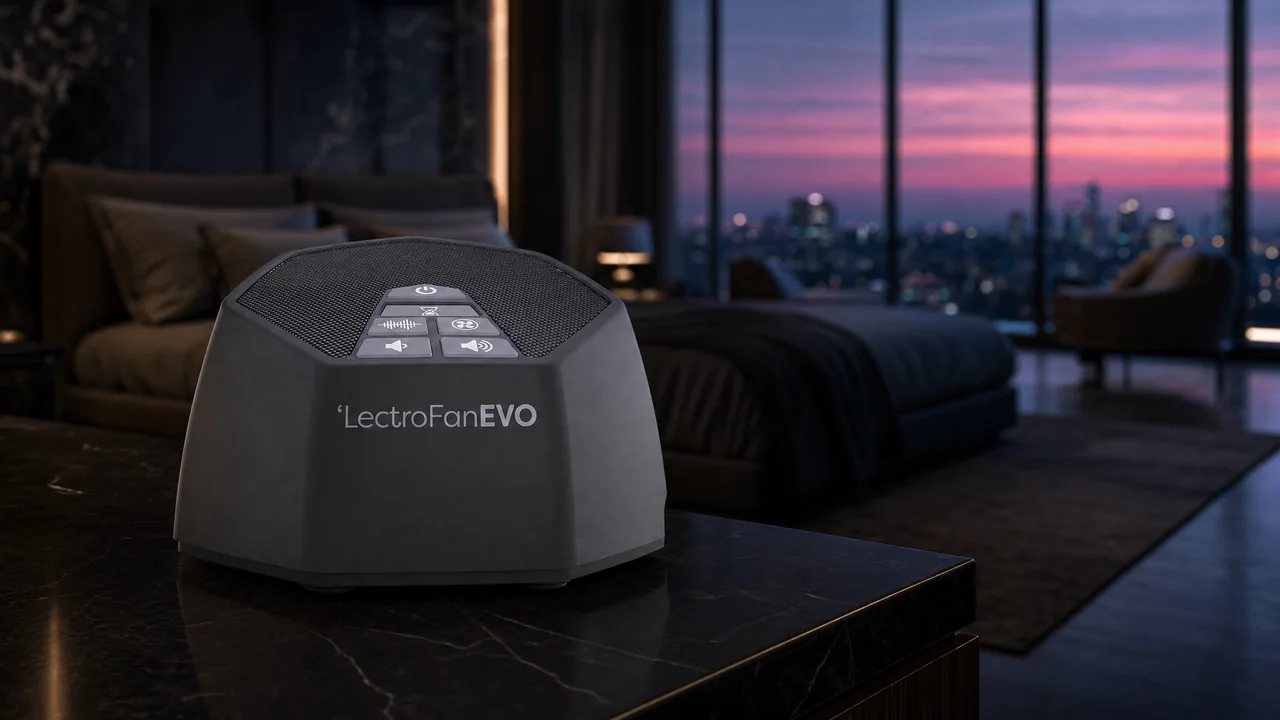
Massage Gun · 4.7White Noise
Devicemodestly faster sleep onset by masking disruptive noise — the evidence is genuinely mixed
⚑ best if noise is your main disruptor4.6/10SAC Efficacy Score™- Effect size45%Modest
- Evidence40%Limited
- Reliability15%Specific cases
Why these numbers?
Effect size: Broadband sound shortened time to fall asleep in a model of transient insomnia (Messineo 2017), but a 2021 systematic review found the overall evidence mixed and low quality (Riedy 2021). Masking works when noise is the problem — 4.2/10.
Evidence: One small controlled study against a cautious systematic review: 4.8/10.
Reliability: Noisy street or thin walls: helps. Quiet bedroom: nothing to mask. 5.5/10.
Masks the noise — if noise is the problem.
broadbandsound at bedtimefastersleep onsethealthy adults in a transient-insomnia modelFront Neurol 2017 ↓Steady, not looping, at a volume just above the disturbance — and keep it running all night so a sudden stop doesn't wake you.For noisy rooms only.The review calls the evidence mixed; we rank it that way.
White Noise · 4.6Founder's Pickdaily, + our own channelI run it almost every night. We liked it enough that we built our own channel for it — Sleep Sounds Club.
FelixFounder, Super Achiever Club 5-HTP
Supplementmay ease sleep onset via the serotonin to melatonin pathway; trials are old, small and mostly for mood/appetite
⚑ mechanistic for sleep only; never combine with SSRIs/SNRIs/MAOIs (serotonin-syndrome risk)4.1/10SAC Efficacy Score™- Effect size45%Small
- Evidence40%Preliminary
- Reliability15%Narrow
Why these numbers?
Effect size: 5-HTP feeds the serotonin-to-melatonin pathway and reduced sleep terrors in children in a small trial (Bruni 2004) — but there is no strong adult RCT for insomnia, and the Cochrane review found only 2 of 108 studies on it high quality (Shaw 2002). 4.0/10.
Evidence: Mechanism plus old, small, mostly mood- and appetite-focused trials: 4.2/10.
Reliability: Response varies, nausea is common, and it is dangerous with SSRIs and other serotonergic drugs. 4.4/10.
A serotonin precursor with paediatric data and adult hope.
108 studiesscreened by Cochrane2of high qualitytryptophan + 5-HTP trials, mostly for moodCochrane 2002 ↓100 mg with food, an hour before bed — never alongside an SSRI, SNRI, MAOI or triptan.Ranked, not recommended.Glycine and magnesium do the job with a cleaner record.
5-HTP · 4.1Mouth Tape
Gearmay cut mouth-breathing + light snoring in mild cases — the evidence is thin and early
⚑ not for sleep apnea — see a doctor first3.8/10SAC Efficacy Score™- Effect size45%Small
- Evidence40%Preliminary
- Reliability15%Narrow
Why these numbers?
Effect size: In 20 mouth-breathers with mild sleep apnea, porous tape roughly halved the apnea index and snoring in a small pilot (Lee 2022). Outside that narrow group there is no evidence — 3.8/10.
Evidence: One 20-person preliminary study; no RCT. 3.5/10.
Reliability: Only for confirmed mouth-breathers with clear nasal passages; risky with a blocked nose or untreated apnea. 4.5/10.
A 20-person pilot carries the whole trend.
porous tapemouth-breathers, mild OSA↓ AHIapnea index + snoringn = 20, preliminary studyPilot 2022 ↓Only if you breathe freely through your nose — test it awake for 10 minutes first, use porous tape, and rule out apnea with a clinician if you snore loudly.Ranked, not recommended.Fix the nose or the apnea first; tape treats neither.
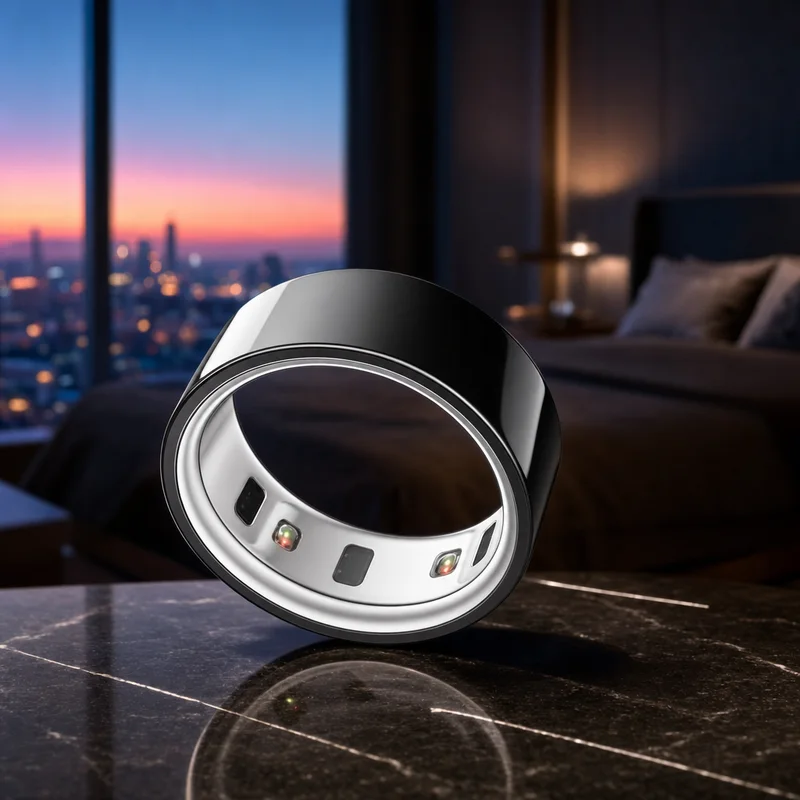
Mouth Tape · 3.8Sleep Tracker (Ring / App)
Devicea measurement tool — it surfaces patterns but doesn't treat anything on its own
⚑ don't let the score stress you out3.7/10SAC Efficacy Score™- Effect size45%Small
- Evidence40%Preliminary
- Reliability15%Specific cases
Why these numbers?
Effect size: A tracker measures; it treats nothing. Against polysomnography, seven consumer devices detected sleep well but misjudged stages and wake (Chinoy 2021). It earns 3.0/10 for making patterns visible — the change still has to come from you.
Evidence: Validation studies show good sleep/wake detection and weak staging; no trial shows trackers alone improve sleep. 4.0/10.
Reliability: Useful for people who act on data; a source of anxiety for people who don't. 5.0/10.
A measuring tape, not a treatment.
7 devicesvs polysomnographygoodsleep/wake detectionweakstage accuracyhealthy adults — validation studySleep 2021 ↓Track the trend, not the night: bedtime consistency and total time asleep across weeks — ignore the nightly 'deep sleep' score.Buy it to run experiments, not to worry.
Sleep Tracker (Ring / App) · 3.7
My Stack
The picks from the ranking as a protocol: dose, timing, cost, cautions and our top pick for each — nothing invented, nothing added up. The full sheet opens as a layer.
Nothing equipped yet — use “+ Add to my stack” on the cards above. The sheet fills in dose, timing, cost and cautions for whatever you pick.
Our Methodology
How every score on this page is calculated — transparent and free to cite.
Research & Sources
The key human trials behind the rankings above — every PMID verified against its primary source.
- Magnesium GlycinateHeld 2002 — Oral Mg(2+) supplementation reverses age-related neuroendocrine and sleep EEG changes in humans · Pharmacopsychiatry · PMID 12163983
- Magnesium GlycinateAbbasi 2012 — The effect of magnesium supplementation on primary insomnia in elderly: A double-blind placebo-controlled clinical trial · Journal of Research in Medical Sciences · PMID 23853635
- Ashwagandha (KSM-66)Lopresti 2019 (testosterone) — A randomized, double-blind, placebo-controlled, crossover study examining the hormonal and vitality effects of ashwagandha (Withania somnifera) in aging, overweight males · American Journal of Men's Health · PMID 30854916
- Ashwagandha (KSM-66)Lopresti 2019 (stress) — An investigation into the stress-relieving and pharmacological actions of an ashwagandha (Withania somnifera) extract: a randomized, double-blind, placebo-controlled study · Medicine (Baltimore) · PMID 31517876
- L-TheanineNobre 2008 — L-theanine, a natural constituent in tea, and its effect on mental state · Asia Pacific Journal of Clinical Nutrition · PMID 18296328
- L-TheanineOwen 2008 — The combined effects of L-theanine and caffeine on cognitive performance and mood · Nutritional Neuroscience · PMID 18681988
- 5-HTPShaw 2002 (Cochrane — mood) — Tryptophan and 5-hydroxytryptophan for depression · Cochrane Database of Systematic Reviews · PMID 12169147
- 5-HTPCangiano 1992 (appetite/weight) — Eating behavior and adherence to dietary prescriptions in obese adult subjects treated with 5-hydroxytryptophan · The American Journal of Clinical Nutrition · PMID 1384305
- CBT-iTrauer et al. 2015 — Cognitive Behavioral Therapy for Chronic Insomnia: A Systematic Review and Meta-analysis · Ann Intern Med · PMID 26054060
- CBT-ivan Straten et al. 2018 — Cognitive and behavioral therapies in the treatment of insomnia: A meta-analysis · Sleep Med Rev · PMID 28392168
- Sleep MaskGreco et al. 2023 — Wearing an eye mask during overnight sleep improves episodic learning and alertness · Sleep · PMID 36521010
- Sleep MaskHu et al. 2010 — Effects of earplugs and eye masks on nocturnal sleep, melatonin and cortisol in a simulated intensive care unit environment · Crit Care · PMID 20398302
- Cooling TopperKräuchi et al. 2018 — Sleep on a high heat capacity mattress increases conductive body heat loss and slow wave sleep · Physiol Behav · PMID 29247670
- Cooling TopperHerberger et al. 2020 — Effects of sleep on a high-heat capacity mattress on sleep stages, EEG power spectra, cardiac interbeat intervals and body temperatures in healthy middle-aged men · Sleep · PMID 31679018
- Weighted BlanketEkholm et al. 2020 — A randomized controlled study of weighted chain blankets for insomnia in psychiatric disorders · J Clin Sleep Med · PMID 32536366
- Sunrise AlarmThorn et al. 2004 — The effect of dawn simulation on the cortisol response to awakening in healthy participants · Psychoneuroendocrinology · PMID 15177708
- Sunrise AlarmGabel et al. 2013 — Effects of artificial dawn and morning blue light on daytime cognitive performance, well-being, cortisol and melatonin levels · Chronobiol Int · PMID 23841684
- Blue-Light BlockersShechter et al. 2018 — Blocking nocturnal blue light for insomnia: A randomized controlled trial · J Psychiatr Res · PMID 29101797
- Blue-Light BlockersBurkhart & Phelps 2009 — Amber lenses to block blue light and improve sleep: a randomized trial · Chronobiol Int · PMID 20030543
- White NoiseRiedy et al. 2021 — Noise as a sleep aid: A systematic review · Sleep Med Rev · PMID 33007706
- White NoiseMessineo et al. 2017 — Broadband Sound Administration Improves Sleep Onset Latency in Healthy Subjects in a Model of Transient Insomnia · Front Neurol · PMID 29312136
- Sleep TrackerChinoy et al. 2021 — Performance of seven consumer sleep-tracking devices compared with polysomnography · Sleep · PMID 33378539
- Mouth TapeLee et al. 2022 — The Impact of Mouth-Taping in Mouth-Breathers with Mild Obstructive Sleep Apnea: A Preliminary Study · Healthcare (Basel) · PMID 36141367
- Massage GunKonrad et al. 2020 — The Acute Effects of a Percussive Massage Treatment with a Hypervolt Device on Plantar Flexor Muscles' Range of Motion and Performance · J Sports Sci Med · PMID 33239942
- Massage GunFerreira et al. 2023 — The Effects of Massage Guns on Performance and Recovery: A Systematic Review · J Funct Morphol Kinesiol · PMID 37754971
- 5-HTPShaw et al. 2002 — Tryptophan and 5-hydroxytryptophan for depression · Cochrane Database Syst Rev · PMID 11869656
- 5-HTPBruni et al. 2004 — L-5-Hydroxytryptophan treatment of sleep terrors in children · Eur J Pediatr · PMID 15146330
- MagnesiumMah & Pitre 2021 — Oral magnesium supplementation for insomnia in older adults: a Systematic Review & Meta-Analysis · BMC Complement Med Ther · PMID 33865376
- AshwagandhaLangade et al. 2019 — Efficacy and Safety of Ashwagandha (Withania somnifera) Root Extract in Insomnia and Anxiety: A Double-blind, Randomized, Placebo-controlled Study · Cureus · PMID 31728244
- AshwagandhaCheah et al. 2021 — Effect of Ashwagandha (Withania somnifera) extract on sleep: A systematic review and meta-analysis · PLoS One · PMID 34559859
- L-TheanineHidese et al. 2019 — Effects of L-Theanine Administration on Stress-Related Symptoms and Cognitive Functions in Healthy Adults: A Randomized Controlled Trial · Nutrients · PMID 31623400
- L-TheanineRao et al. 2015 — In Search of a Safe Natural Sleep Aid · J Am Coll Nutr · PMID 25759004
- GlycineBannai et al. 2012 — The effects of glycine on subjective daytime performance in partially sleep-restricted healthy volunteers · Front Neurol · PMID 22529837
- GlycineKawai et al. 2015 — The sleep-promoting and hypothermic effects of glycine are mediated by NMDA receptors in the suprachiasmatic nucleus · Neuropsychopharmacology · PMID 25533534
- SAC News2026 — Sleepmaxxing Is Mostly Placebo Theater — the One Fix With 20 Trials Behind It Is Free · Mouth tape, magnesium and $300 sleep rings are everywhere. But the only first-line fix with strong, lasting evidence is CBT-I: a 20-trial meta-analysis found people fell asleep ~19 minutes faster and kept the benefit for years. Magnesium's near-identical number rests on just 3 tiny, very-low-quality trials — and some of the hyped gear can backfire.
- SAC News2026 — Your Melatonin Is Up to 33× Too Strong — and the Label Might Be Wrong Too · The effective dose is about 0.3 mg; shelf pills are 5–10 mg. Even done right, melatonin adds roughly 8 minutes of sleep — it's a clock, not a sedative. One analysis found actual content from 83% under to 478% over the label.