
Top 8 Best Sunrise Alarm Clock for Sleep & Recovery (2026)
 01 · Best overall✓ Product photos checked Sep 7, 2026
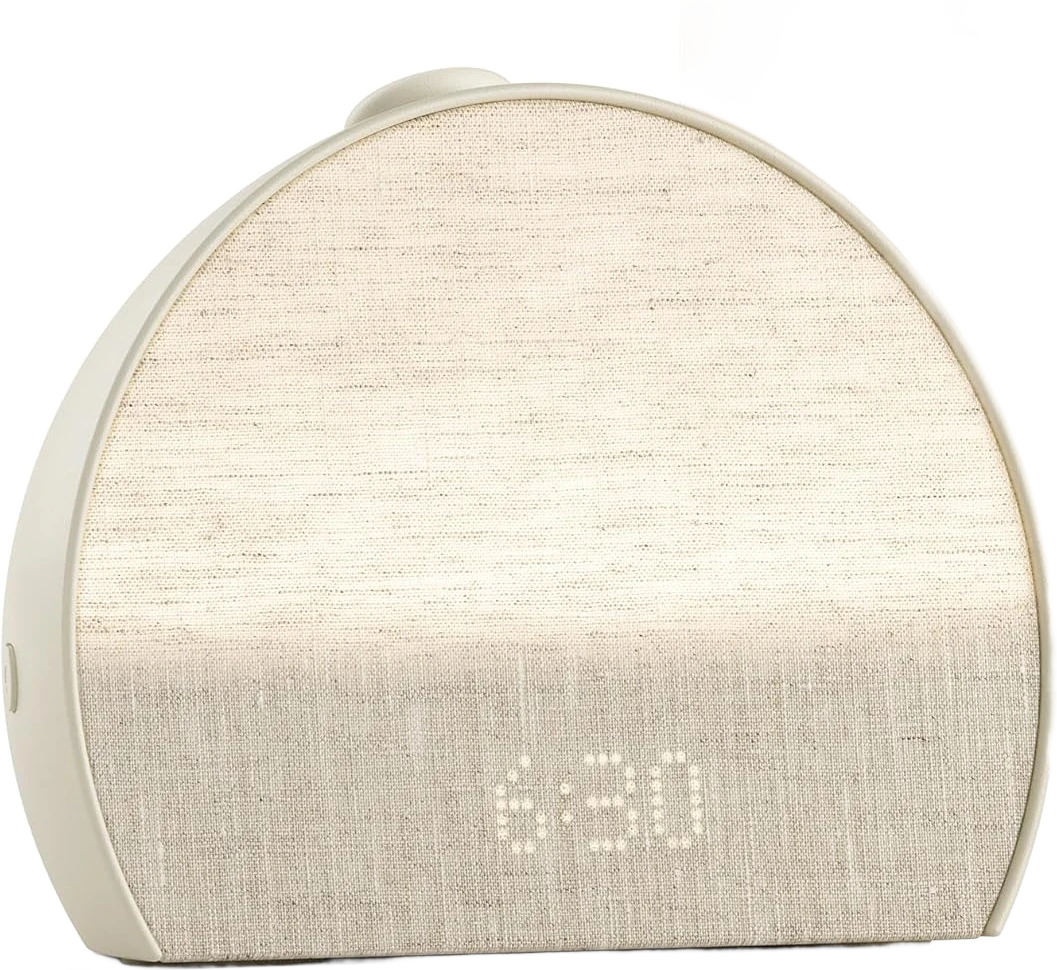
Best overall: Hatch Restore 3 Sunrise Alarm
The most polished all-in-one wind-down + sunrise system, with genuinely usable phone-free physical controls — the best-rounded wake-up experience in the category.
$170
Why it wins: all five scores, pros & cons, full label
- The most polished all-in-one: sunrise, sound machine, sunset wind-down and smart reading light in one unit
- Day-to-day control runs on three real physical buttons — no reaching for your phone at the bedside
- Forward-facing speaker and a genuinely premium, nightstand-friendly design
- Deep, customizable wind-down and wake routines for people who want a full sleep system
- Its best guided content (meditations, sleep sounds, extra routines) sits behind a paid Hatch membership
- Pure light quality is excellent but not quite the clinical-benchmark peak of the Philips lights
- Light
- Gradual sunrise + dimmable smart light
- Controls
- 3 phone-free physical buttons + forward speaker
- Sound
- Sound machine + sunset wind-down
- App / sub
- App for full content; premium content is a paid membership

Our take — This is the best-rounded sunrise clock you can buy: a gradual sunrise, a real sound machine, a sunset wind-down and a smart reading light, all controlled day-to-day from three physical buttons so you're not fishing for your phone at 6 a.m. The honest caveat is the membership — Hatch's richest guided content renews as a paid subscription, and on pure light alone the Philips lights edge it. But as a complete, polished wake-up-and-wind-down system with real physical control, nothing here matches it. If you want one device to own the whole bedside routine, this is it.
 02
02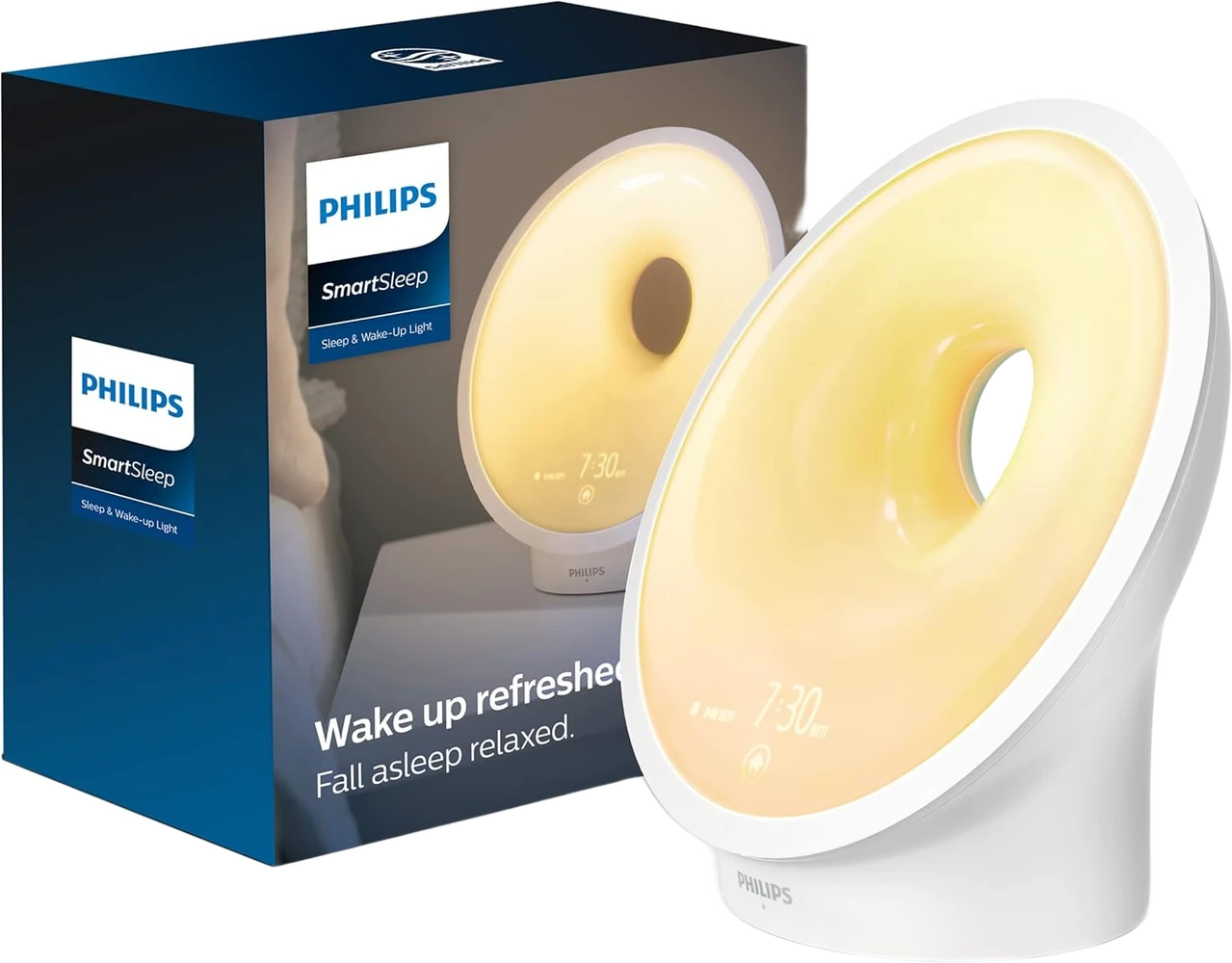 03
03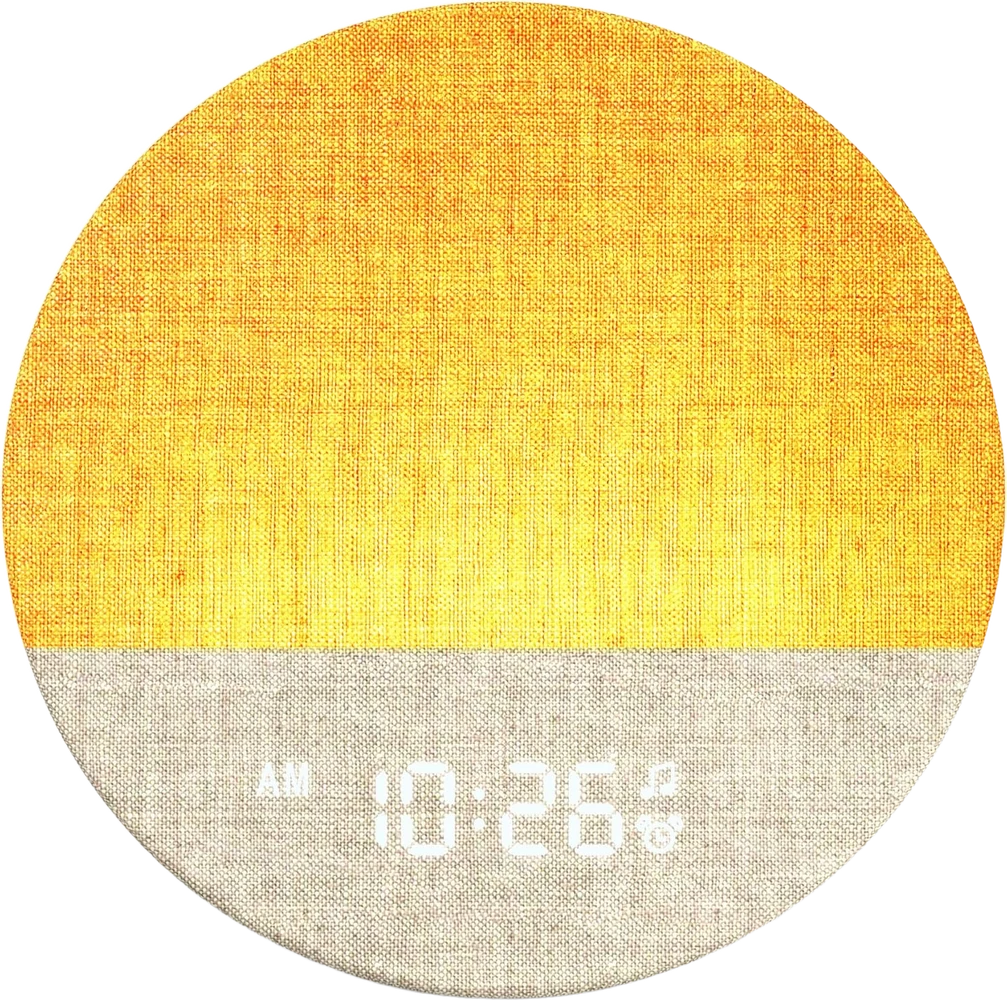 04
04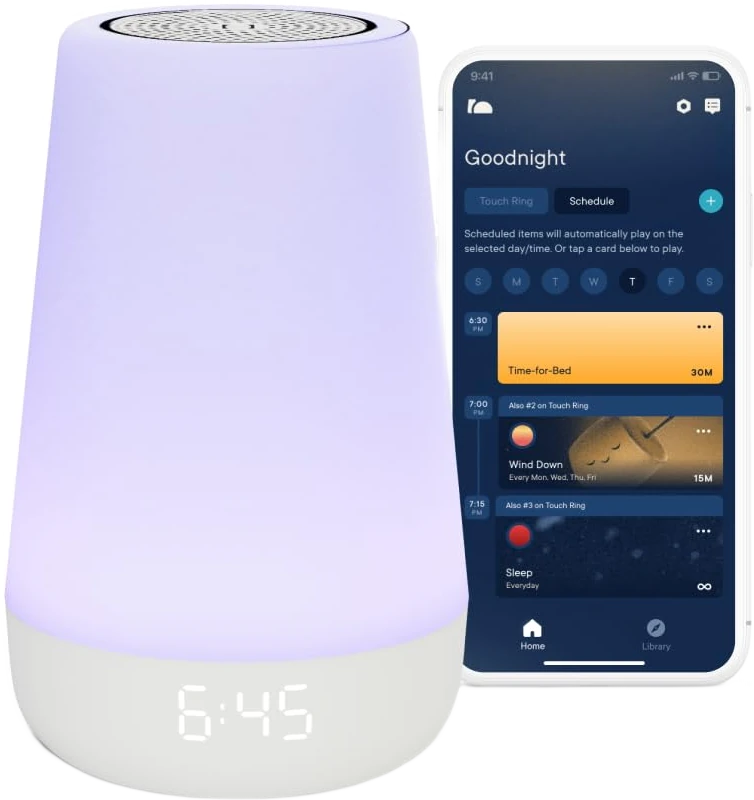 05
05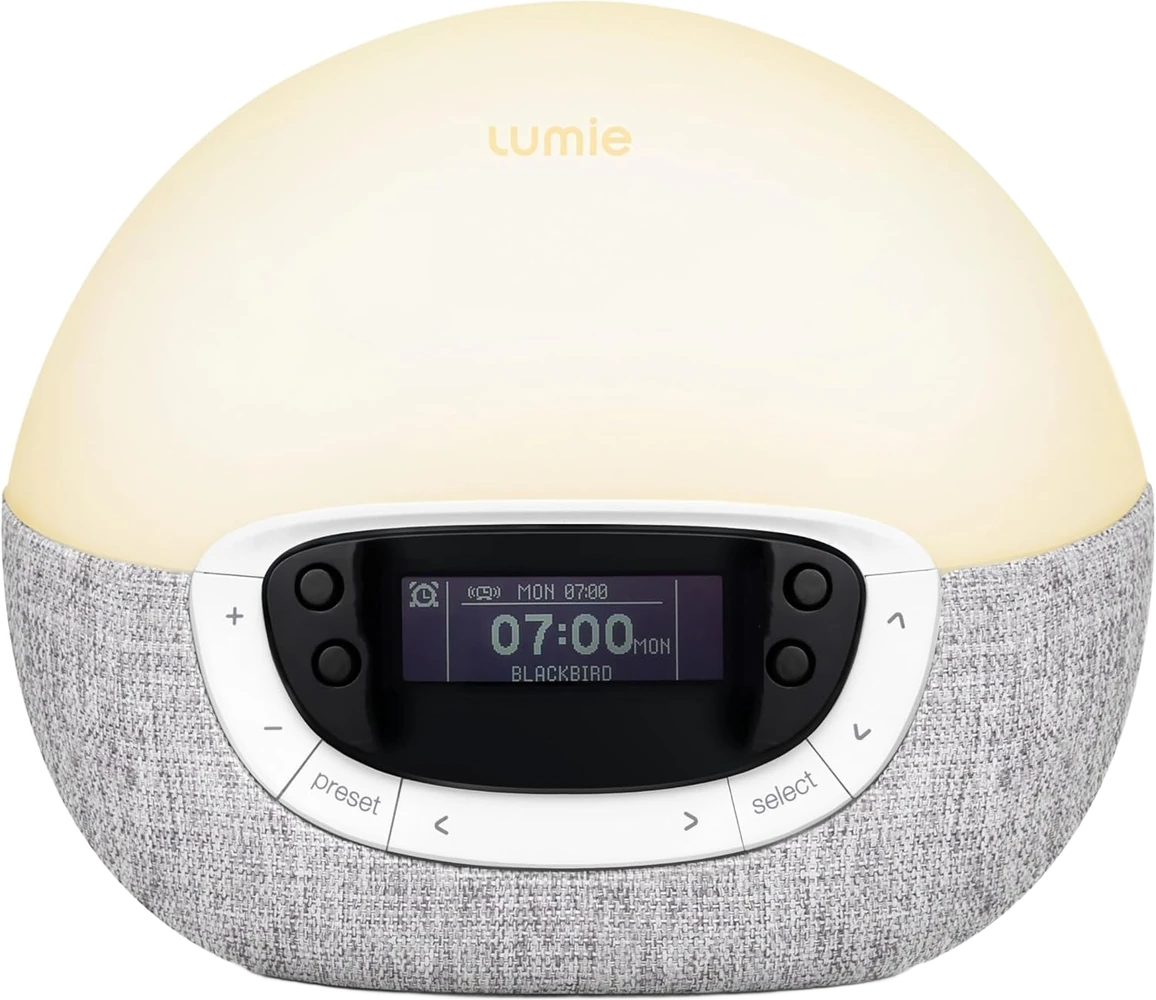 06
06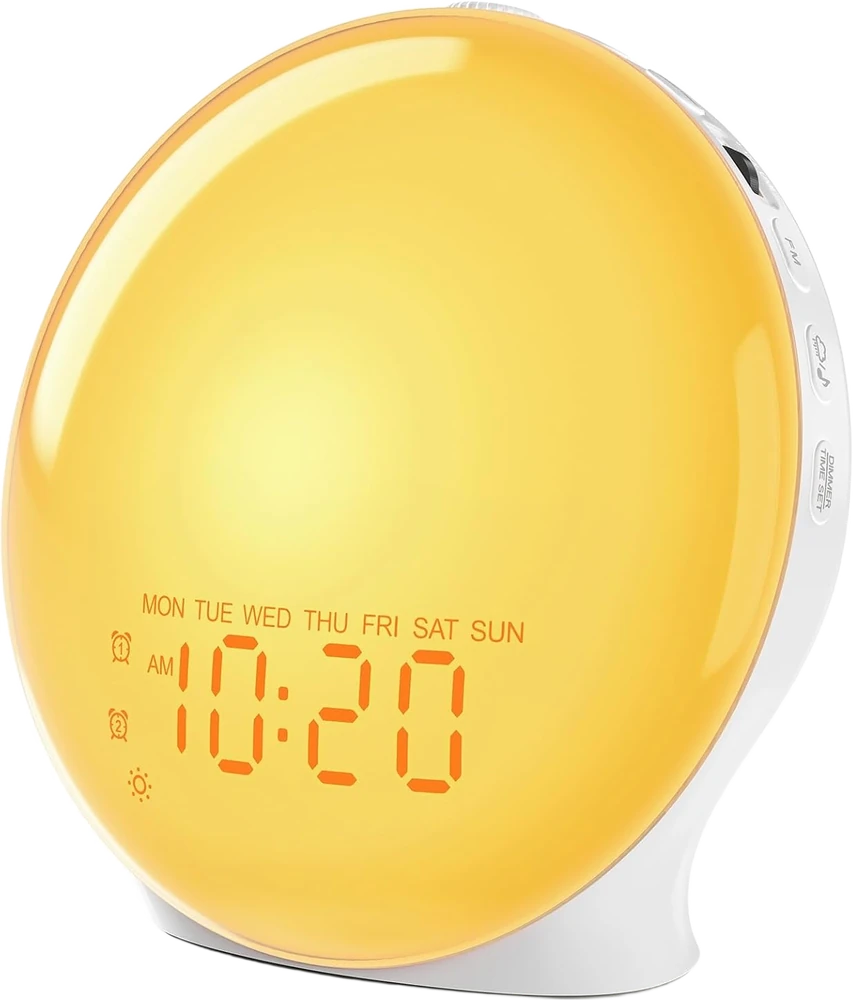 07
07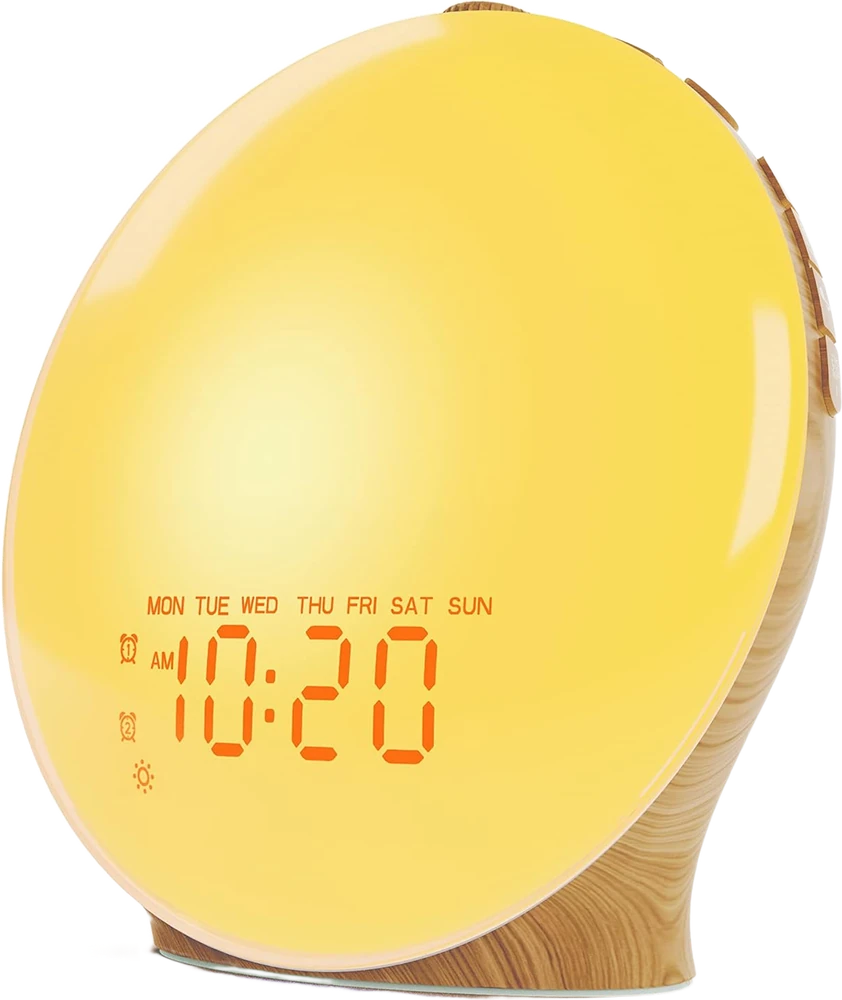 08
08Who Wins Which Aspect
Sorted by overall SAC Product Score™ — the official ranking.
| # | Pick | Score | Light quality30% | Wake reliability20% | Features20% | Controls & usability20% | Value10% | Buy |
|---|---|---|---|---|---|---|---|---|
| 01 | | 8.8 | 8.83 | 8.62 | 9.81 | 9.21 | 6.4 | Check price |
| The most polished all-in-one: sunrise, sound machine, sunset wind-down and smart reading light in one unitIts best guided content (meditations, sleep sounds, extra routines) sits behind a paid Hatch membership | ||||||||
| 02 | | 8.6 | 9.61 | 8.23 | 8.0 | 8.83 | 7.6 | Check price |
| The clinical-light benchmark: a validated sunrise up to ~300 lux at the pillow with a natural red→amber→white rampNo loud escalating backup beeper like the HF3650 — heavy sleepers should size up to that model | ||||||||
| 03 | | 8.5 | 9.32 | 9.41 | 8.0 | 7.8 | 6.2 | Check price |
| Backup beeper failsafe is the strongest anti-oversleep feature on this list for deep sleepersThe most expensive pick here — you're paying for the failsafe and sunset on top of the sunrise | ||||||||
| 04 | | 8.3 | 8.2 | 7.8 | 9.03 | 8.6 | 8.03 | Check price |
| A genuine sound machine: true white, pink AND brown noise plus nature, fan and lullaby sounds, all on-deviceSunrise light is good but not as bright or clinically tuned as the Philips peak | ||||||||
| 05 | | 8.3 | 8.0 | 7.5 | 9.52 | 8.0 | 9.02 | Check price |
| Time-to-Rise color cue is the trust-tested kids standard for training a consistent wake timeSetup and scheduling lean on the companion app — less of a grab-and-go physical-button device | ||||||||
| 06 | | 8.2 | 8.83 | 7.6 | 7.8 | 9.02 | 6.4 | Check price |
| Fully button-operated — no app, no Wi-Fi, no account, nothing that can break with a server outageReviewers note the multi-function menu can feel a bit fiddly to program at first | ||||||||
| 07 | | 7.8 | 7.4 | 7.6 | 8.2 | 7.8 | 9.02 | Check price |
| Two genuinely independent alarms, each settable for every-day, weekday or weekend — ideal for two schedulesThe room-filling sunrise reaches both partners, so the earlier riser's light wakes the later one too | ||||||||
| 08 | | 7.6 | 7.2 | 7.4 | 7.2 | 7.8 | 9.41 | Check price |
| Genuine 10-100% sunrise ramp at the category's lowest price — the honest value entry pointLight output and color quality are basic — nowhere near the Philips clinical peak | ||||||||
The Other 7, Ranked
- 02
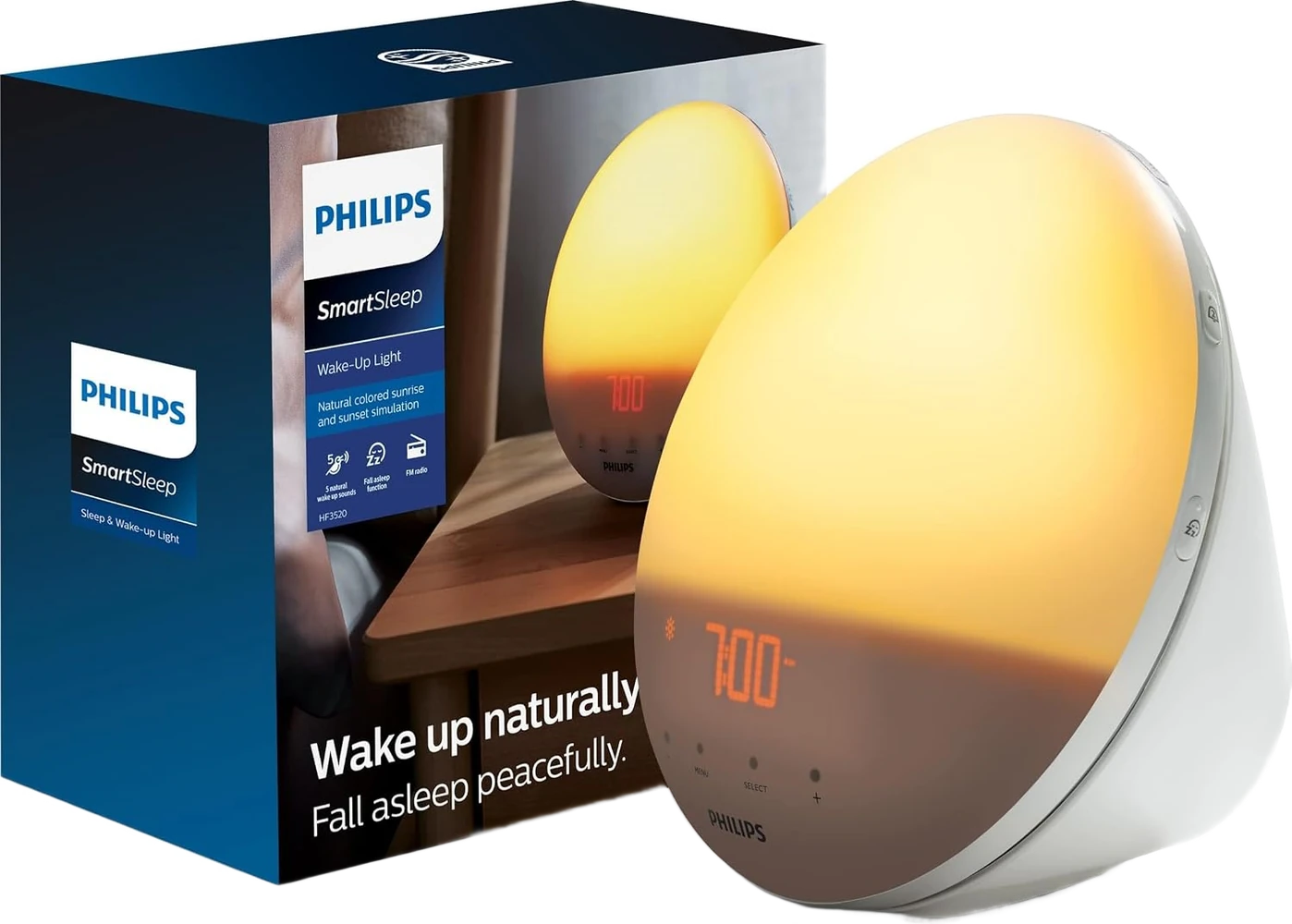
Best premium / clinical light: Philips SmartSleep Wake-Up Light HF3520
8.6SAC Score™The clinical-light benchmark — a validated ~300-lux sunrise with a natural color ramp, and not a hint of an app or subscription anywhere.
StrongestLight quality9.61WeakestValue7.6- Light
- Sunrise/sunset, ~1-300 lux, 20 intensities
- Ramp
- ~30 min, red→amber→bright white
- Sound
- 5 natural sounds + FM radio
All five scores, pros & cons, full label
What We Like- The clinical-light benchmark: a validated sunrise up to ~300 lux at the pillow with a natural red→amber→white ramp
- Zero app and zero subscription — everything is set and run from on-device buttons
- Colored sunrise AND sunset simulation, 5 natural sounds, FM radio and a tap-snooze
- 20 light intensities let you tune the peak and the bedside reading-light brightness
What You Live With- No loud escalating backup beeper like the HF3650 — heavy sleepers should size up to that model
- Fewer sounds and no dedicated noise-color library versus a true sound-machine clock
- App / sub
- None — fully button-operated
Our take — If light quality and a clean ownership experience are what you care about, this is the pick — and it's the one we point app-averse buyers to first. The HF3520 is the category's clinical-light reference: a validated ~300-lux sunrise with a genuinely natural color ramp, sunset simulation, FM radio and five natural sounds, all run from physical buttons with no app and no subscription ever. It loses the overall crown only because the Hatch is a more complete system and it lacks the HF3650's heavy-sleeper beeper. For pure, reliable, no-strings sunrise light, it's superb.
- 03
Best for heavy sleepers: Philips SmartSleep Sleep & Wake-Up Light HF3650
8.5SAC Score™The clinical Philips sunrise plus the best anti-oversleep feature here — a loud backup beeper failsafe for people light alone can't budge.
StrongestWake reliability9.41WeakestValue6.2- Light
- Sunrise + sunset simulation, ~300 lux peak
- Failsafe
- Backup beeper / escalating audible alarm
- Extras
- Multiple lights & sounds, RelaxBreathe, FM
All five scores, pros & cons, full label
What We Like- Backup beeper failsafe is the strongest anti-oversleep feature on this list for deep sleepers
- Same clinical ~300-lux Philips sunrise, plus a sunset wind-down and a RelaxBreathe guide
- No app and no subscription — full control from physical buttons
- Auto-dimming bedside display and a wave-activated red night light are genuinely useful touches
What You Live With- The most expensive pick here — you're paying for the failsafe and sunset on top of the sunrise
- More menu-driven to set up than the simpler HF3520
- App / sub
- None — fully button-operated
Our take — Most people don't need to spend up to the HF3650 — but if alarms have historically failed you, this is the one to buy. It keeps the clinical ~300-lux Philips sunrise and adds the feature that matters most for heavy sleepers: a loud backup beeper failsafe that guarantees you wake even on the mornings the light alone doesn't do it. Add the sunset wind-down, RelaxBreathe and no-app/no-subscription operation, and it's the most reliable wake-up on the list. Buy it for the failsafe, not as a default.
- 04
Best with sound machine: Dreamegg Sunrise 1
8.3SAC Score™Pairs a real sunrise with a legit sound-machine library — genuine white, pink AND brown noise — and runs the whole show from on-device buttons, no app required.
StrongestFeatures9.03WeakestWake reliability7.8- Sound
- 29 sounds incl. true white, pink & brown noise
- Light
- Sunrise simulation + dimmable color night light
- Setup
- Phone-free — no device connection needed
All five scores, pros & cons, full label
What We Like- A genuine sound machine: true white, pink AND brown noise plus nature, fan and lullaby sounds, all on-device
- Phone-free setup — sets the sunrise alarm and sound functions directly from the unit, no subscription
- Independent dimmable color night light is a real bonus for nurseries and dark hallways
- Strong value: a real sunrise plus a legit noise-color library well under the premium picks
What You Live With- Sunrise light is good but not as bright or clinically tuned as the Philips peak
- No loud escalating beeper failsafe, so very heavy sleepers may still need the HF3650
- App / sub
- Optional app; works fully without one, no subscription
Our take — If you want a sunrise clock that doubles as a real sound machine, this is the pick — and it earns that label honestly, carrying true white, pink and brown noise rather than a few looped nature tracks. Everything runs from on-device buttons with no subscription, the color night light is a genuine extra, and it's priced well below the premium options. The sunrise isn't quite Philips-bright and there's no beeper failsafe, but for combining a decent dawn with a legitimate noise library at a fair price, nothing else here competes.
- 05
Best for kids: Hatch Rest (2nd Gen) + Time-to-Rise
8.3SAC Score™The trust-tested kids standard — its Time-to-Rise OK-to-wake color cue, night light and sound machine train a young child's wake time, not a no-name clone.
StrongestFeatures9.52WeakestWake reliability7.5- Kids feature
- Time-to-Rise OK-to-wake color cue
- Light
- Adjustable color night light
- Sound
- Sound machine — 11 sounds + 3 lullabies
All five scores, pros & cons, full label
What We Like- Time-to-Rise color cue is the trust-tested kids standard for training a consistent wake time
- Doubles as a night light and a sound machine for the whole nursery-to-toddler span
- Grows with the child — feeding-time light and white noise for babies, color cue for older kids
- Backed by a well-supported app and a brand parents already rely on, not a generic clone
What You Live With- Setup and scheduling lean on the companion app — less of a grab-and-go physical-button device
- Its dawn ramp and peak brightness aren't built to wake an adult like the Philips lights
- App / sub
- App-controlled setup; core works without a paid membership
Our take — Judged as an adult wake-up light on a performance-first scale, this lands last — its sunrise isn't built to wake a grown-up and it leans on an app to set up. But that's the wrong test, because it's a different product for a different job: getting a young child to stay in bed until a set time. At that it's the standard, thanks to the Time-to-Rise OK-to-wake color cue, the night light and the sound machine, all from a brand parents trust rather than a no-name clone. If you're buying for a child, this is the pick; if you're buying for yourself, choose one of the adult lights above.
- 06
Best simple / no app: Lumie Bodyclock Shine 300
8.2SAC Score™Runs entirely from on-device buttons — no app, no Wi-Fi, nothing to break online — with an adjustable 15-90 minute sunrise and sunset and warm LEDs.
StrongestControls & usability9.02WeakestValue6.4- Light
- Sunrise + sunset, warm LEDs, adjustable intensity
- Ramp
- Adjustable 15-90 minute duration
- Sound
- 15 sleep/wake sounds + FM radio, tap-snooze
All five scores, pros & cons, full label
What We Like- Fully button-operated — no app, no Wi-Fi, no account, nothing that can break with a server outage
- Adjustable 15-90 minute sunrise and sunset lets you tune the ramp to how you wake
- Choice of 15 sleep/wake sounds or FM radio, with up to five station presets and a tap-snooze
- Lumie is a long-established wake-light specialist with a 3-year warranty
What You Live With- Reviewers note the multi-function menu can feel a bit fiddly to program at first
- Premium price for a no-frills, offline-only feature set
- App / sub
- None — button-operated, no Wi-Fi
Our take — For buyers who want a serious wake-up light and refuse anything that needs an app, Wi-Fi or a login, the Lumie Bodyclock Shine 300 is the cleanest answer. The warm-LED sunrise is genuinely good, the 15-90 minute ramp is adjustable, and the FM radio, sound options and tap-snooze are all there — operated entirely from physical buttons with nothing online to fail. It's pricier than the Philips HF3520 and the controls take a moment to learn, but if 'no app, ever' is your hard requirement, this is the specialist's pick.
- 07
Best for couples / dual alarm: JALL Full-Screen Wake Up Light
7.8SAC Score™Two truly independent alarm profiles let partners on different shifts share one clock, behind a generous full-screen sunrise — at an easy price.
StrongestValue9.02WeakestLight quality7.4- Alarms
- 2 independent (every-day / weekday / weekend each)
- Light
- Full-screen sunrise, 10-60 min, 17 colors
- Sound
- 25 nature sounds + white noise, FM, 5W Bluetooth
All five scores, pros & cons, full label
What We Like- Two genuinely independent alarms, each settable for every-day, weekday or weekend — ideal for two schedules
- Generous full-screen light panel gives broad, even coverage to wake deep sleepers
- 25 nature sounds plus white noise, FM radio and a 5W Bluetooth speaker — and no subscription
- Excellent value: dual-alarm flexibility and a big light for well under $50
What You Live With- The room-filling sunrise reaches both partners, so the earlier riser's light wakes the later one too
- Light quality and color accuracy aren't in the Philips clinical tier
- App / sub
- None — on-device buttons, no subscription
Our take — The reason to buy this one is the dual-alarm flexibility: two truly independent profiles let a couple on different shifts share a single clock without reprogramming it every night, and the big full-screen panel throws a broad, even sunrise. Add 25 sounds, white noise, FM and Bluetooth with no subscription, and the value is hard to beat under $50. The honest limits are that the light isn't Philips-clinical and that one room-filling sunrise reaches both sleepers — couples with very different wake times may still want a small clock each. For shared bedrooms on a budget, it's the pick.
- 08
Best budget: JALL Wake Up Light (wood grain)
7.6SAC Score™Covers the real sunrise basics honestly for about $35 — a 10-100% dawn ramp, dual alarms and FM radio — with no app and no subscription.
StrongestValue9.41WeakestLight quality7.2- Light
- Sunrise ramp 10% → 100% before alarm
- Alarms
- Dual alarms (all-day / weekday / weekend)
- Sound
- 7 natural sounds + FM radio
All five scores, pros & cons, full label
What We Like- Genuine 10-100% sunrise ramp at the category's lowest price — the honest value entry point
- Dual alarms with all-day, weekday and weekend modes for flexible scheduling
- Seven natural sounds plus FM radio, all from on-device buttons with no subscription
- Tidy wood-grain finish that looks better on a nightstand than its price suggests
What You Live With- Light output and color quality are basic — nowhere near the Philips clinical peak
- No loud escalating beeper failsafe, so it's not the answer for the heaviest sleepers
- App / sub
- None — button-operated, no subscription
Our take — If you just want to try a sunrise wake-up without spending much, this is the right starting point — and it does the basics honestly. You get a real 10-100% dawn ramp, dual alarms, seven sounds and FM radio, all run from buttons with no app and no subscription, for around $35. It won't match the Philips light and there's no failsafe beeper, so heavy sleepers and light purists should spend up. But as an inexpensive, no-strings introduction to waking by light, it's the value pick — affordability earns it this badge, not the #1 slot.
The Guide In Four Short Lessons
What the numbers actually are
- ~300 lux
- Peak sunrise brightness at the pillow on the Philips SmartSleep lights — the clinical-light benchmark
- ~30 min
- Typical gradual sunrise ramp before alarm time, red→amber→white
- No app
- The two Philips picks (and the Lumie) run entirely from on-device buttons — no login, no subscription
- ≠ 10,000 lux
- A wake light is NOT a SAD light-therapy lamp — that's a different, far brighter daytime device
Sources: Philips SmartSleep Wake-Up Light HF3520/60 and HF3650/60 published specifications (Philips, usa.philips.com) — light output ~1-300 lux at 45 cm; sunrise ramps over ~30 minutes.
Judge the light ramp first.
A sunrise works through a smooth ramp of 20-30 minutes or more, a red to amber to white progression and a bright peak. A clock that jumps from dark to white in seconds is a lamp on a timer.
Make sure there is a sound backup.
Heavy sleepers can sleep straight through a dawn ramp. The best clocks back the light with a loud, escalating beeper.
Avoid clocks that need an account or a subscription.
Several lock settings or sounds behind an app or a paid membership. A wake light peaks at a few hundred lux; it is not a 10,000-lux therapy lamp.
Dawn-simulation evidence: Gabel 2013 (PMID 23841684) and Giménez 2010 (PMID 20653451); every product spec verified against manufacturer listings, June 2026 — full weighting in the methodology below.
Each pick was scored 0-10 across five criteria, then weighted to a final composite. Because a sunrise alarm clock is an electronic device, material is NOT a factor — we rank purely on performance. Light quality carries the most weight at 30%, because it is the core function: a smooth gradual sunrise ramp, a natural red→amber→white color progression, and a genuinely bright peak. The Philips SmartSleep lights, validated to roughly 300 lux at the pillow, are our clinical-light reference point. Next is wake reliability at 20% — does it actually get you up? A backup beeper or escalating-alarm failsafe that defeats oversleeping scores highest, because light alone doesn't wake every sleeper. Features is also 20%: a real sound machine with genuine noise colors, a sunset wind-down, dual independent alarms, FM radio, and — weighted deliberately — whether the clock does its whole job with NO app and NO subscription, since paywalled or login-gated alarm clocks are penalized. Controls and usability is the fourth 20%: real, reachable physical buttons and a tap-snooze beat an app-locked unit on the nightstand. Value (price) is the final 10% tie-breaker — the best clock wins regardless of cost, and affordability is recognized with a 'best budget' badge rather than by ranking a cheap unit first. We do not invent numbers; the headline hard figures we cite are the published Philips ~300-lux sunrise and ~30-minute ramp.
Light quality · 30%
The most important factor and the core function. Peak brightness (lux) at the pillow, a smooth gradual sunrise ramp (20-30+ minutes, ideally adjustable), and a natural red→amber→white color progression all score highest. The Philips SmartSleep lights (validated ~300 lux) are the benchmark; a clock that jumps from dark to full white in seconds is penalized as 'just a lamp on a timer'.
Wake reliability · 20%
Does it actually wake you? A loud, escalating backup beeper / failsafe alarm that defeats oversleeping scores highest, because light alone doesn't wake every sleeper. Anti-oversleep design (the Philips HF3650's backup beeper is the standout) is rewarded; a light-only clock with a weak or easily-slept-through tone scores lower for heavy sleepers.
Features · 20%
A real sound machine with genuine white/pink/brown noise, a sunset wind-down, dual independent alarms, FM radio — and, weighted deliberately, whether the clock does its whole job with NO app and NO subscription. App-free, subscription-free operation is a plus; paywalling sounds or routines behind a monthly membership, or requiring an app to set anything, is penalized.
Controls & usability · 20%
Real, reachable physical buttons and a tap-snooze you can hit half-asleep, versus an app-locked unit you can only fully control from your phone. Nightstand-friendly, intuitive on-device control scores highest; fiddly menus or phone-only control score lower.
Value · 10%
Price for the light quality, reliability and features delivered. Tie-breaker only — the first four criteria do the ranking. The best clock wins even if it's the priciest; a strong-value unit can edge a rival with no performance advantage, and affordability earns a 'best budget' badge rather than the #1 slot.
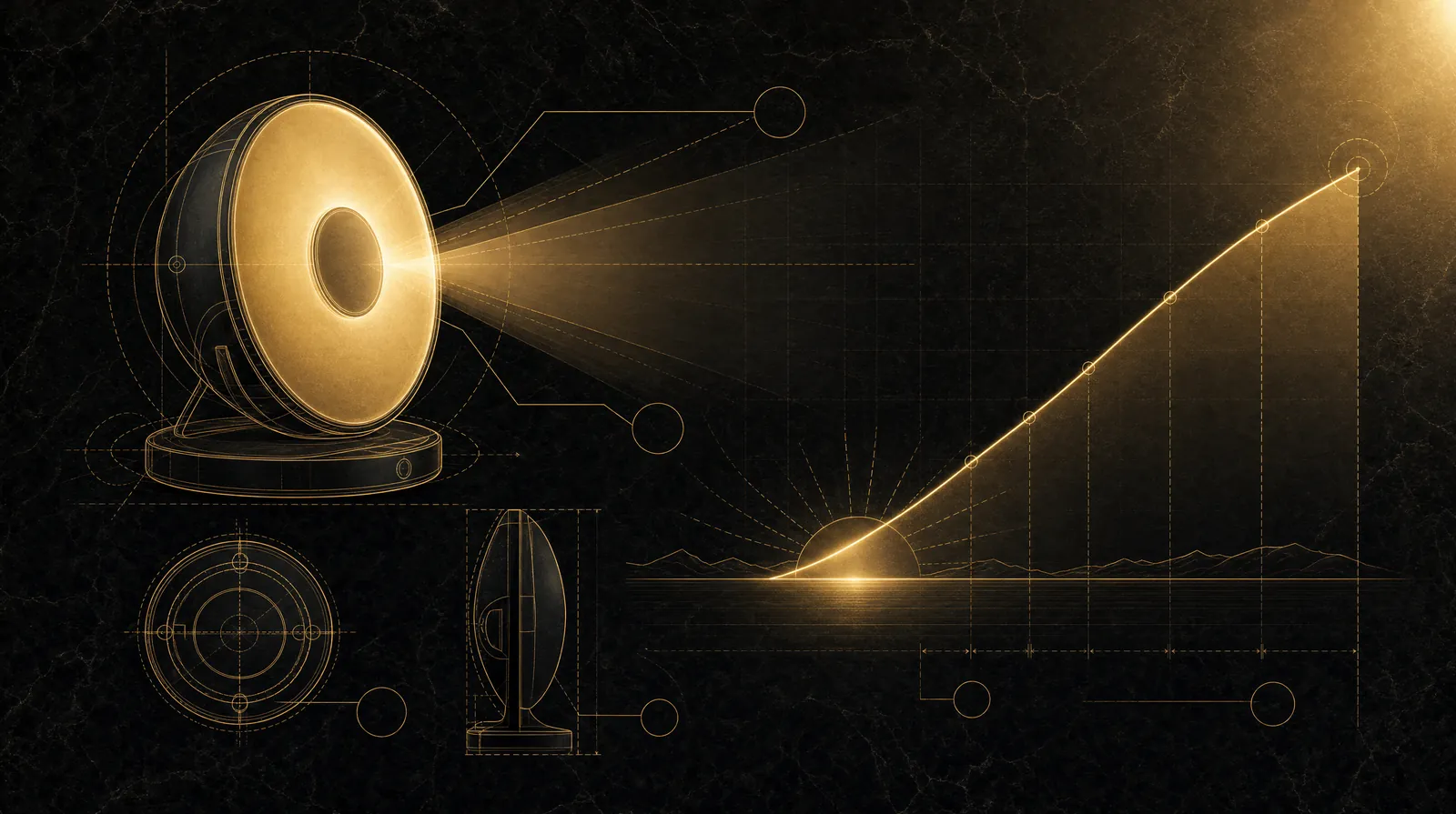
How a sunrise ramp wakes you more gently
- 1
A gradual ramp instead of a jolt
The light builds slowly over 20-30+ minutes from a dim red through amber to bright white. That slow rise reaches your eyes through closed lids late in your sleep cycle, easing you toward waking instead of yanking you out of deep sleep the way a sudden buzzer does.
- 2
Morning light nudges your body clock
Bright light in the morning is the main signal your circadian system uses to anchor its timing. A consistent dawn at the same time each day reinforces a regular wake rhythm — which is why placement near your pillow and a dark room matter so the ramp actually registers.
- 3
Sound as the reliability backstop
Light alone wakes many people but not everyone, so the best clocks finish the job with sound — a chosen natural tone for light sleepers, or a loud escalating backup beeper for heavy sleepers. The light is the gentle lead-in; the audible alarm is the failsafe that guarantees you're up.
What to expect in the first couple of weeks
Dial in placement and ramp
Get the clock near your head, set a 20-30 minute ramp, and confirm the backup sound is loud enough. The first mornings are about tuning brightness and ramp length to your room and your sleep.
Gentler, less groggy wake-ups
Once placement is right, many people notice they're already surfacing toward waking when the alarm sound arrives — so the buzzer feels like a nudge rather than a shock.
A steadier morning rhythm
With a consistent wake time and daily dawn signal, getting up tends to feel a little more automatic. If light alone still isn't enough on tough mornings, lean on the backup beeper or step up to the HF3650.
The bottom line
The Hatch Restore 3 (#1) is the buy for most people.
It is the most polished sunrise + sound machine + smart-light system in the category, and it runs day-to-day on three real physical buttons — no phone at the bedside. The honest caveat: its richest guided content sits behind a paid membership, and on pure light the Philips lights edge it. As a complete wake-up-and-wind-down system, nothing here matches it.
If #1 doesn't fit you, the list has a precise alternative.
Want the purest light with zero app or subscription: the Philips HF3520 (#2) is the clinical-light benchmark at ~300 lux. Sleep through alarms: the Philips HF3650 (#3) adds a loud backup-beeper failsafe, the best anti-oversleep feature on the list. On the tightest budget, the JALL Wake Up Light (#8) does the basics honestly for about $35; for a young child, the Hatch Rest 2nd Gen (#5) with its Time-to-Rise color cue is the right tool.
Three decisions matter more than the brand: light, failsafe, subscription.
Demand a smooth 20-30+ minute ramp to a genuinely bright, natural-toned peak — a clock that snaps from dark to white in seconds is just a lamp on a timer. If you sleep through alarms, insist on a backup-beeper failsafe, and settle the app/subscription question before you buy. Then place it near your pillow, dim the room, and keep a consistent wake time.
Quick Answers
Do sunrise alarm clocks actually work?
For a lot of people, yes — a gradual light ramp before your alarm time eases you out of deep sleep so you wake less groggy than to a sudden buzzer, and morning light exposure helps anchor your body clock. The catch is reliability: light alone doesn't wake everyone, especially heavy sleepers. That's why the best clocks back the sunrise with an audible alarm, and why we score a backup-beeper failsafe (like the Philips HF3650's) so heavy sleepers don't oversleep. Treat the light as a gentler way to wake, with sound as the safety net.
Is a sunrise alarm clock the same as a SAD light-therapy lamp?
No, and this trips people up. A sunrise alarm clock eases you out of sleep with a dawn ramp that peaks at a few hundred lux right next to your pillow — the Philips SmartSleep lights are validated to about 300 lux. A SAD / light-therapy lamp is a separate device that puts out around 10,000 lux and is used for a set period during the day to treat seasonal low mood. They overlap in spirit but are not interchangeable: don't buy a wake light expecting 10,000-lux therapy, and don't try to wake up to a therapy box on a timer. If you need both, buy both.
How bright (how many lux) should a sunrise clock be?
For waking, what matters is a smooth gradual ramp and a genuinely bright, natural-toned peak — not a single headline number. The clinical-light benchmark in this category is the Philips SmartSleep lights at roughly 300 lux at about 45 cm (arm's length), ramping over ~30 minutes from a soft red through amber to bright white. That's plenty to wake to. Because lux drops off quickly with distance, placement matters as much as the rating: keep the clock near your head on the nightstand, not across the room.
Do I need a sunrise clock that uses an app?
No — and for many buyers, app-free is better. An app can add nice extras (guided wind-downs, more sounds, scheduling), but it can also mean you can't change a setting without your phone, and some ecosystems paywall their best content behind a monthly subscription. If you just want an alarm clock that works offline forever, choose a fully button-operated unit with no subscription — the Philips HF3520 and HF3650 and the Lumie Bodyclock Shine 300 all qualify. If you specifically want a connected wind-down ecosystem and don't mind a membership, the Hatch Restore 3 is the one built for that (its core alarm still runs from three physical buttons).
Which sunrise alarm clock is best for heavy sleepers?
The Philips SmartSleep HF3650 (#3 on this list). Its whole design assumption is that light alone may not be enough, so it pairs the clinical ~300-lux sunrise with a loud backup beeper failsafe — an escalating audible alarm that guarantees you wake even on the mornings the light doesn't do it. If a buzzer has historically been the only thing that gets you out of bed, that audible safety net is exactly the feature you're paying for. The JALL Full-Screen (#7) is a cheaper full-screen option also marketed at deep sleepers, but the Philips light and failsafe are in another tier.
Can a sunrise clock work for a couple on different schedules?
Yes, if it has two truly independent alarms. The JALL Full-Screen Wake Up Light (#7) supports two separate alarm profiles, each settable for every-day, weekday, or weekend — so a partner on an early shift and one on a later start can share one clock without reprogramming it each night. Just remember the light fills the whole room, so the earlier riser's sunrise will reach both of you; couples with very different wake times sometimes still prefer two small clocks on each nightstand.
Are sunrise alarm clocks good for kids?
They can be, but a kid's clock is a different product from an adult wake light. For young children the useful feature isn't peak lux — it's an OK-to-wake color cue that turns a set color when it's allowed to get up, plus a night light and soothing sounds. The Hatch Rest 2nd Gen (#5) is the trust-tested standard here with its Time-to-Rise color trainer, sound machine and night light. It leans on an app for setup and its dawn ramp isn't as strong as the adult lights, which is why it ranks last on a performance-first adult scale — but for the kids' job it's doing, it's the right tool.
Does the sunrise replace coffee or a regular sleep schedule?
No. A sunrise clock is a gentler way to wake and a nudge to your body clock — it is not a substitute for getting enough sleep or for a consistent wake time. The light works best when you reinforce it: get up at the same time daily, keep the room dark so the dawn ramp registers, and get real daylight after waking. Think of it as one helpful input into a good morning routine, not a fix for chronic sleep debt.
Every Claim Ranked Above Traces Back To One Of These
3 sources — studies link to PubMed, product specs to the manufacturer
- [1] Gabel 2013 PMID 23841684 — Effects of artificial dawn and morning blue light on daytime cognitive performance, well-being, cortisol and melatonin levels. Lab study, 17 sleep-restricted participants: a morning dawn-simulation light (gradually rising to 250 lux) improved cognitive performance, mood and well-being and raised wake-time cortisol vs dim and blue light — with minimal shift in circadian phase. The core evidence that a simulated dawn helps you wake.
- [2] Giménez 2010 PMID 20653451 — Effects of artificial dawn on subjective ratings of sleep inertia and dim light melatonin onset. Field study with a wake-up light: artificial dawn significantly reduced self-reported sleep inertia (easier, more-alert waking; strongest at 250 lux) — but did NOT shift dim-light melatonin onset. The benefit is on how you wake, not on re-timing your body clock. We state that plainly.
- [3] Manufacturer specs 2026 — Sunrise alarm / wake-up light manufacturer specifications, verified against current Amazon listings. Every product fact on this page — peak lux and sunrise ramp times (Philips ~300 lux clinically-validated; Lumie 15-90 min ramp), the backup-beeper failsafe (Philips HF3650), real on-device noise colours (Dreamegg), dual independent alarms (JALL Full-Screen), and which units require an app/subscription (Hatch membership) — was verified against the manufacturers' own listings in June 2026. No clinical figures are invented.
Affiliate disclosure: every Amazon link uses our Associates tag (superachieverclub-20). We earn a small commission at no cost to you; it funds independent reviews. We never accept payment to change a ranking.