
Discover What’s Trending
Ranked by what people open most.
Top Buyer’s Guides
1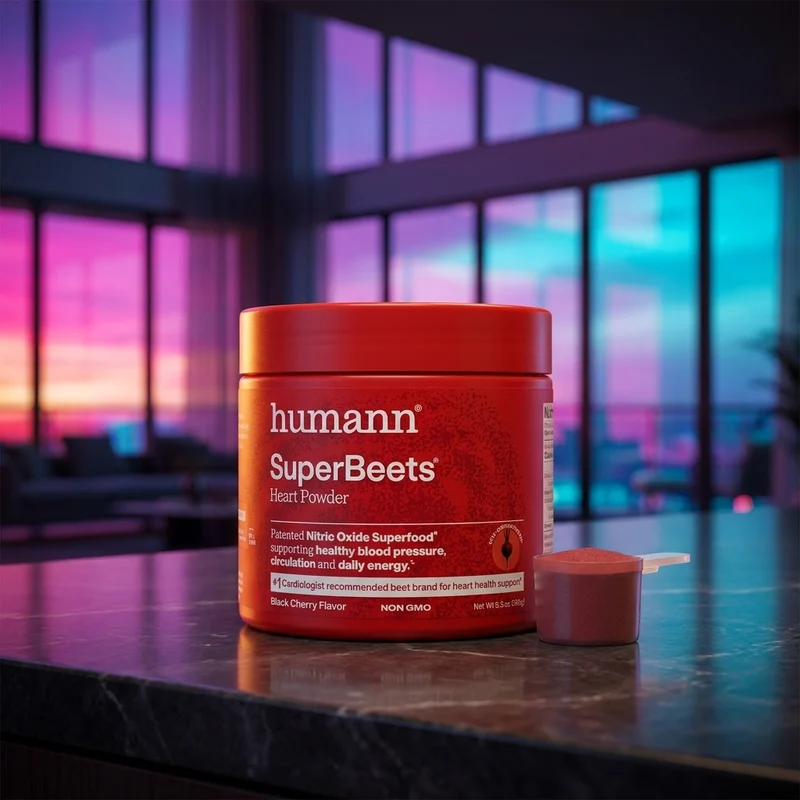 Best Beetroot SupplementsTop pick: HumanN SuperBeets Black Cherry8.82
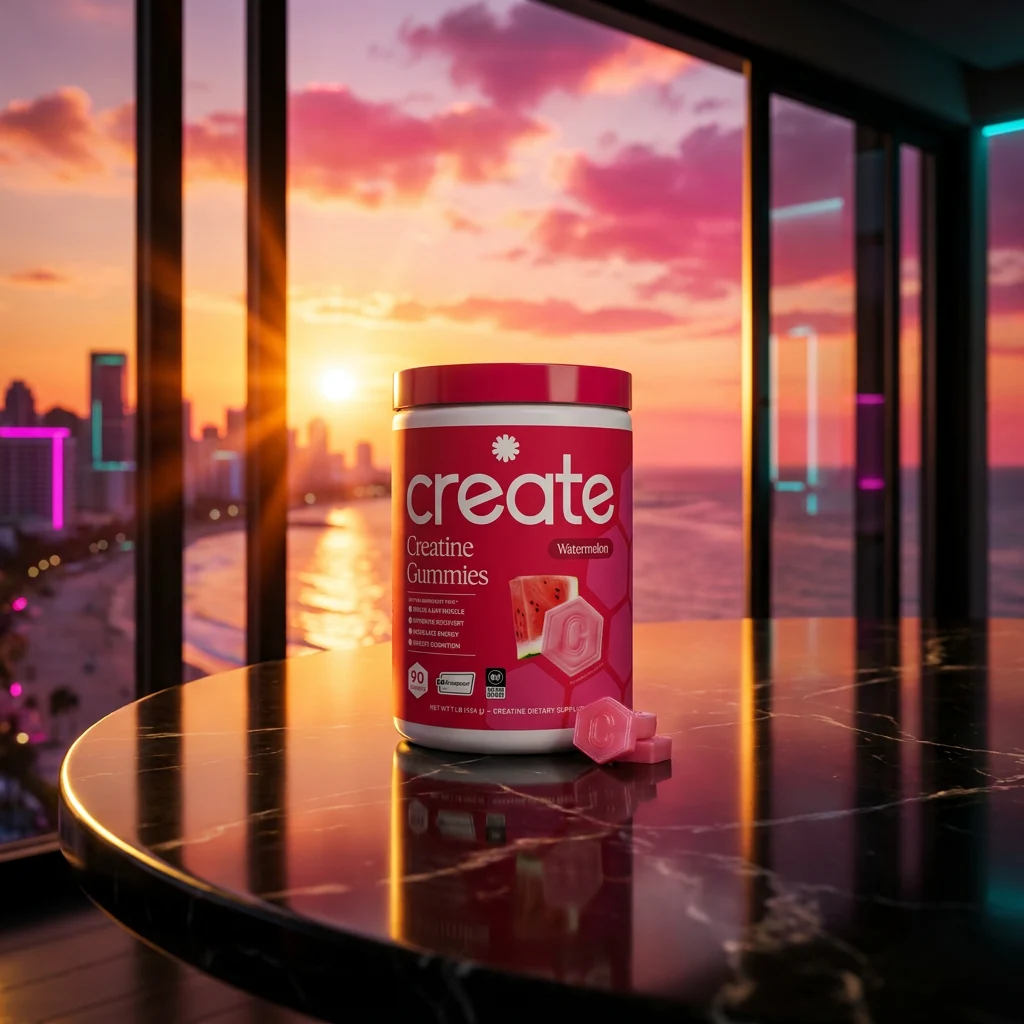 Best Creatine GummiesTop pick: Create Wellness Creatine Monohydrate Gummies7.33
 Best Tongkat Ali SupplementsTop pick: Double Wood LJ100 Tongkat Ali9.34
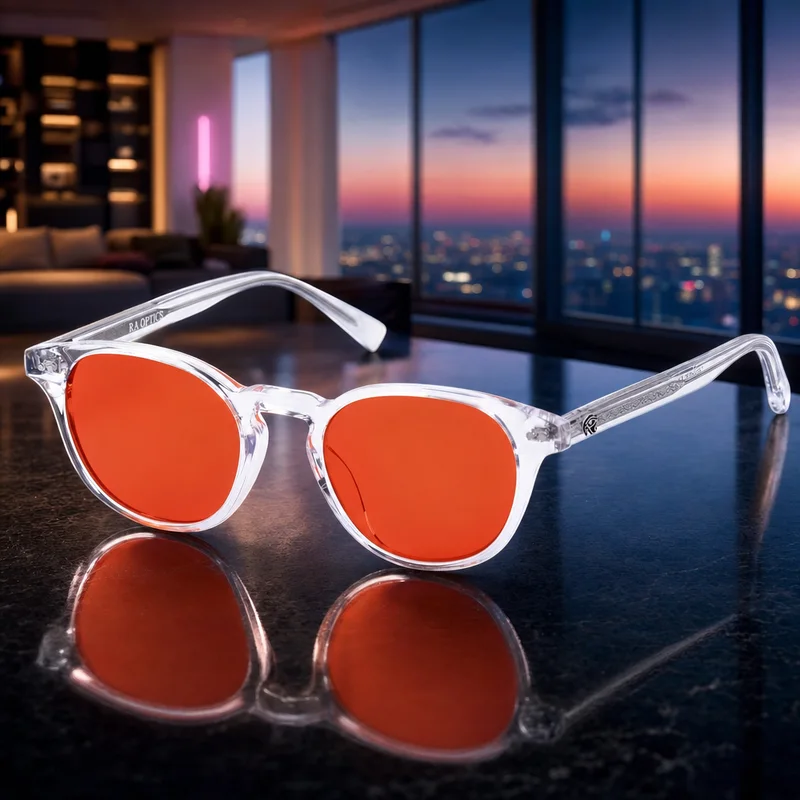 Best Blue Light Blocking GlassesTop pick: Ra Optics Clyde Frame + Sunset Lenses8.95
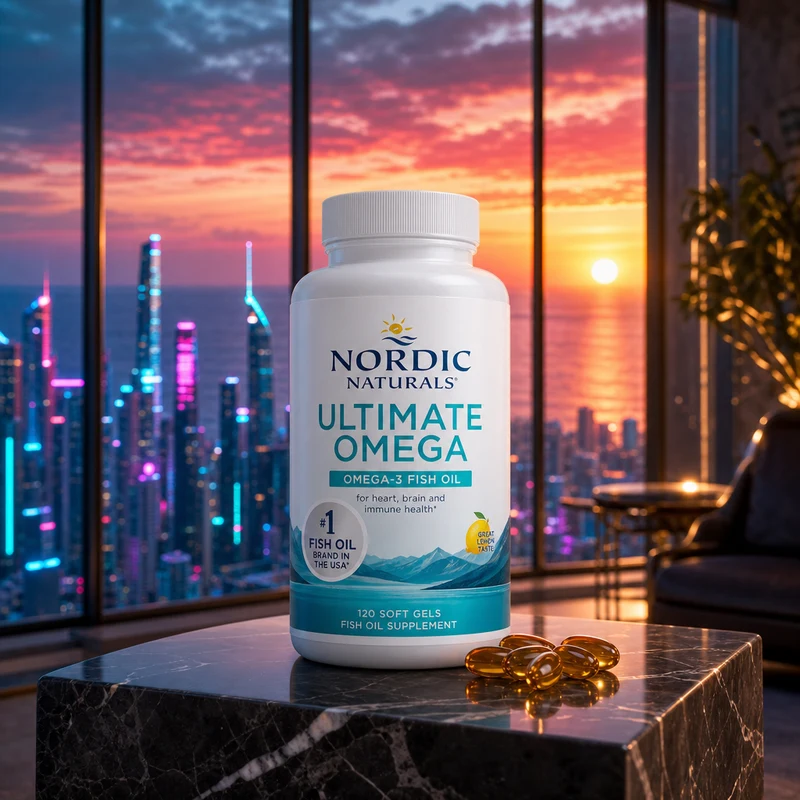 Best Omega-3 Fish OilTop pick: Nordic Naturals Ultimate Omega 1280 mg9.06
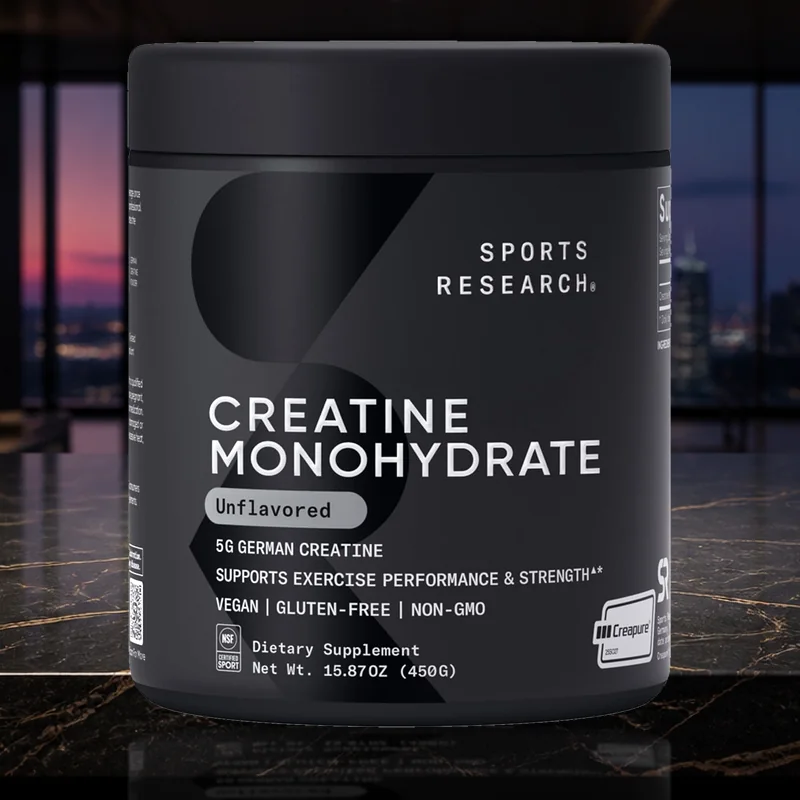 Best Creatine MonohydrateTop pick: Sports Research Creatine Monohydrate (Creapure)9.17Best Supplements for Muscle GrowthTop pick: Creatine Monohydrate8.98
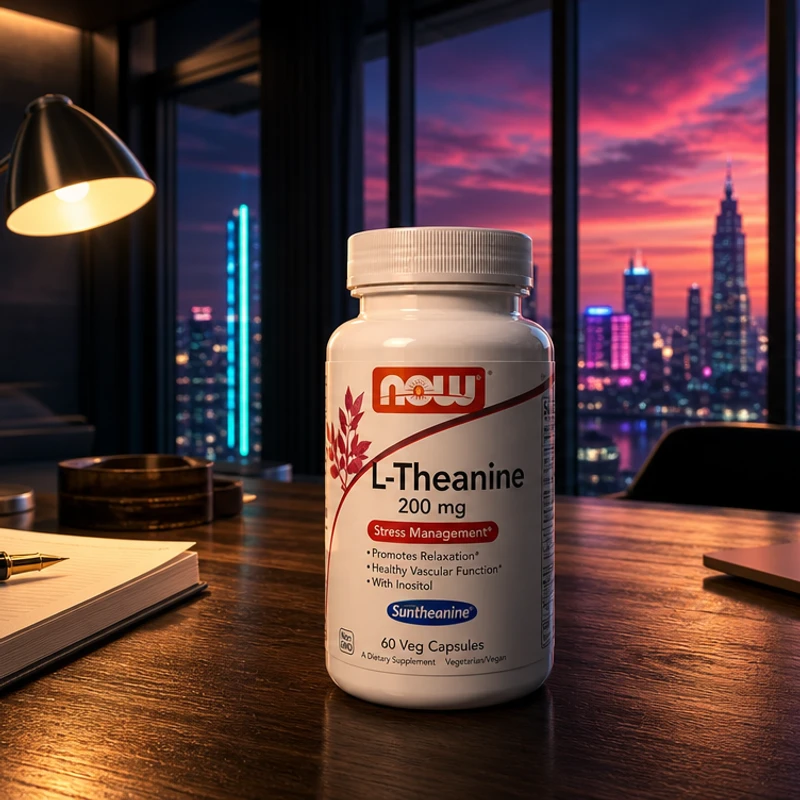 Best L-Theanine SupplementsTop pick: NOW Foods L-Theanine 200 mg (Suntheanine)8.99
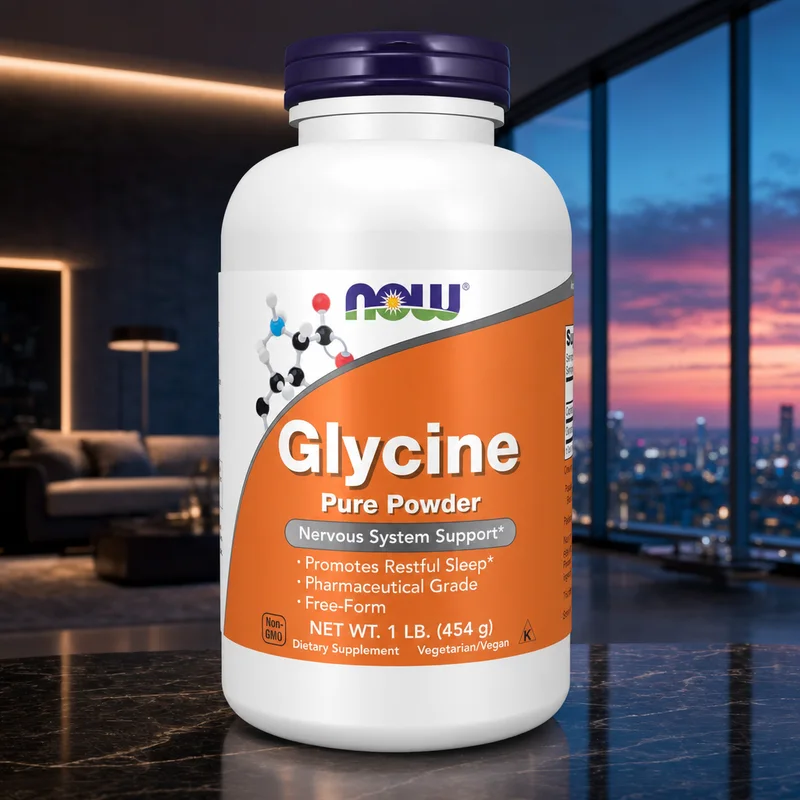 Best Glycine SupplementsTop pick: NOW Foods Glycine Pure Powder9.010
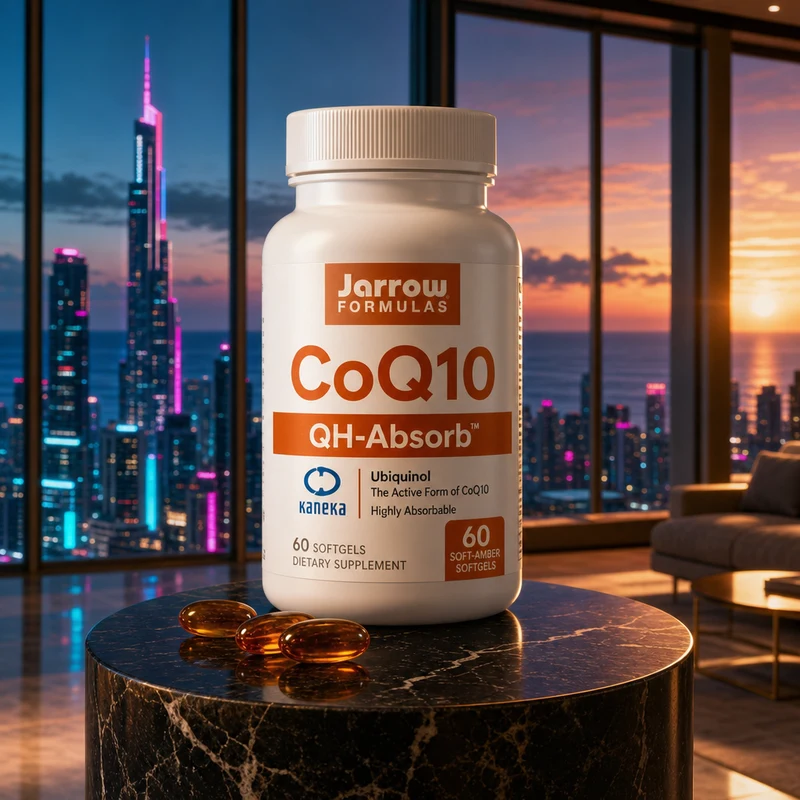 Best Form of CoQ10: Ubiquinol vs UbiquinoneTop pick: Ubiquinol (Kaneka QH) — represented by Jarrow Formulas Ubiquinol QH-Absorb9.2
Best Beetroot SupplementsTop pick: HumanN SuperBeets Black Cherry8.82Best Creatine GummiesTop pick: Create Wellness Creatine Monohydrate Gummies7.33Best Tongkat Ali SupplementsTop pick: Double Wood LJ100 Tongkat Ali9.34Best Blue Light Blocking GlassesTop pick: Ra Optics Clyde Frame + Sunset Lenses8.95Best Omega-3 Fish OilTop pick: Nordic Naturals Ultimate Omega 1280 mg9.06Best Creatine MonohydrateTop pick: Sports Research Creatine Monohydrate (Creapure)9.17Best Supplements for Muscle GrowthTop pick: Creatine Monohydrate8.98Best L-Theanine SupplementsTop pick: NOW Foods L-Theanine 200 mg (Suntheanine)8.99Best Glycine SupplementsTop pick: NOW Foods Glycine Pure Powder9.010Best Form of CoQ10: Ubiquinol vs UbiquinoneTop pick: Ubiquinol (Kaneka QH) — represented by Jarrow Formulas Ubiquinol QH-Absorb9.2Most Read Reviews
1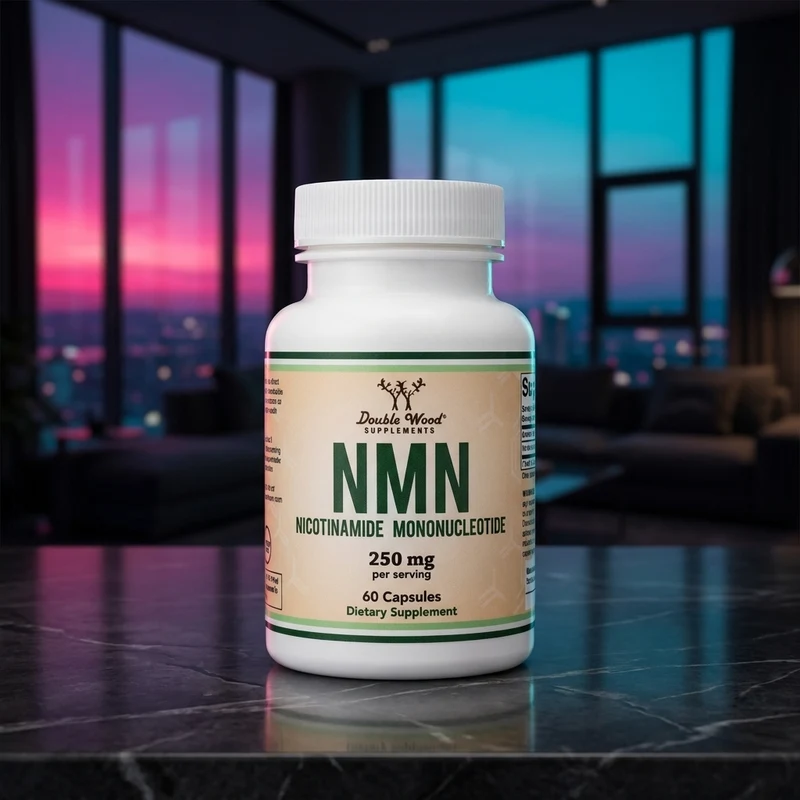 Double Wood NMN 99% Purity TestedReview7.52Sports Research Creatine Monohydrate (Creapure)Review9.13
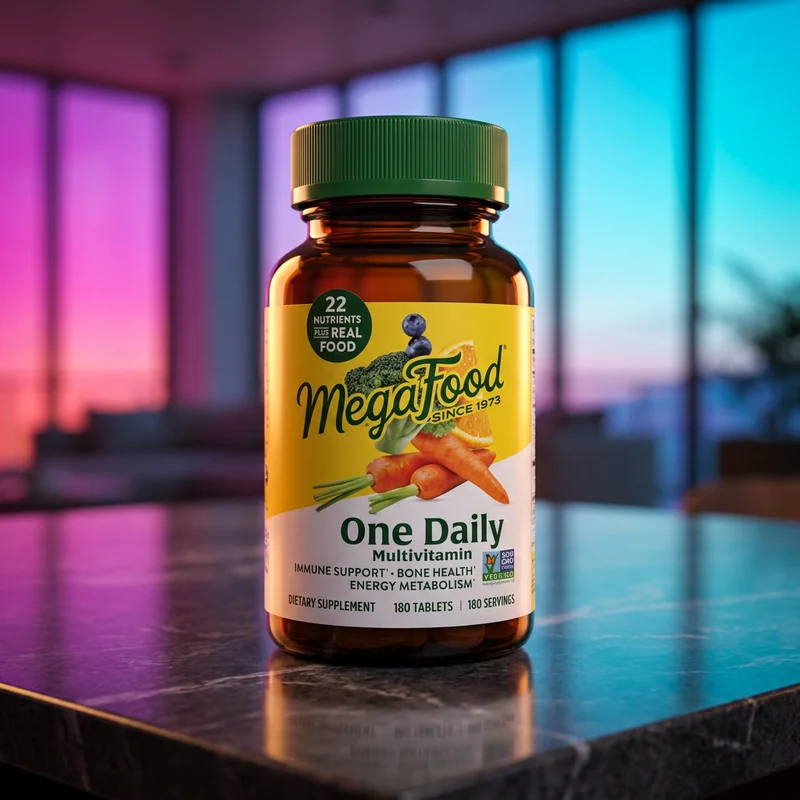 MegaFood One Daily MultivitaminReview5.94Nordic Naturals Ultimate Omega 1280 mgReview9.05
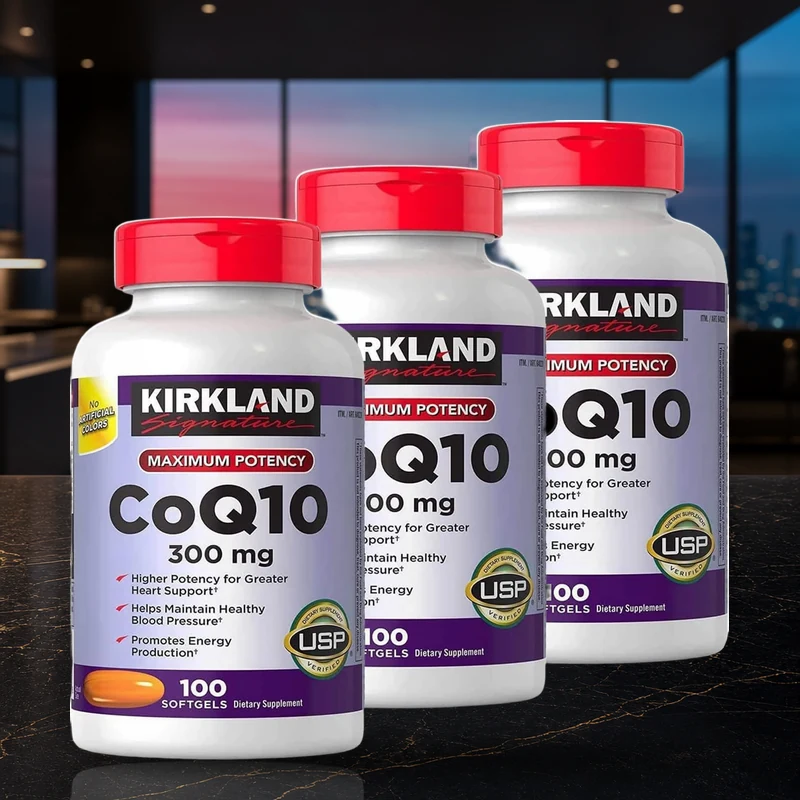 Kirkland Signature CoQ10 300 mgReview7.86
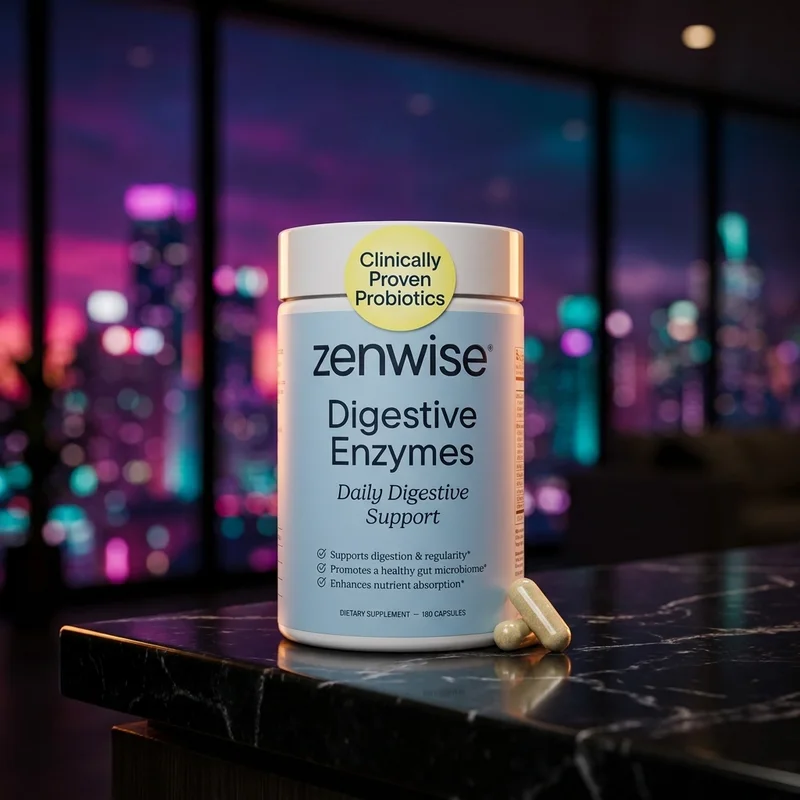 Zenwise Digestive Enzymes + Probiotics & PrebioticsReview7.77
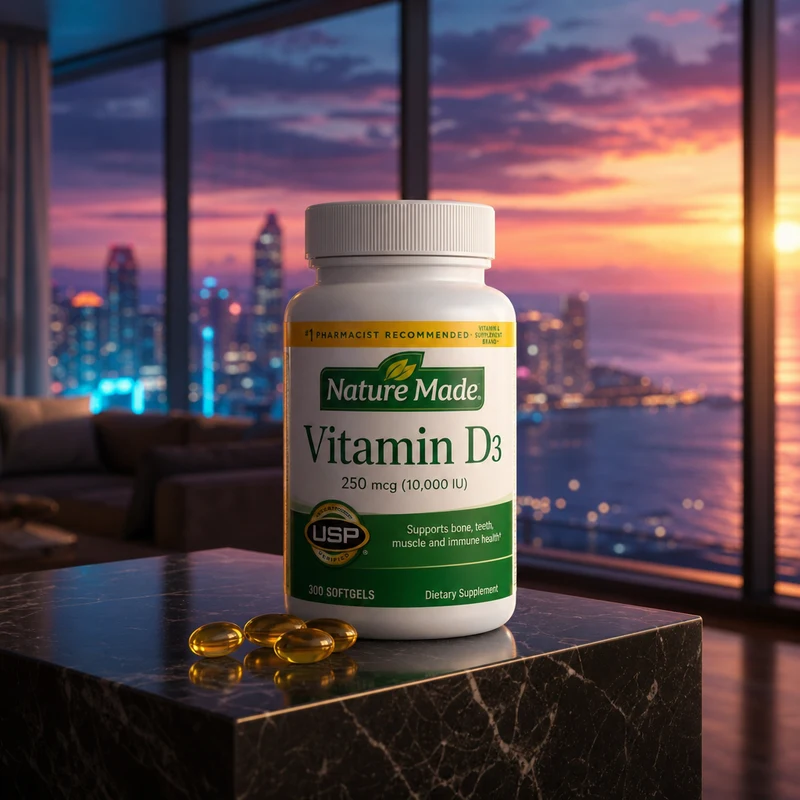 Nature Made Vitamin D3 2,000 IUReview8.08
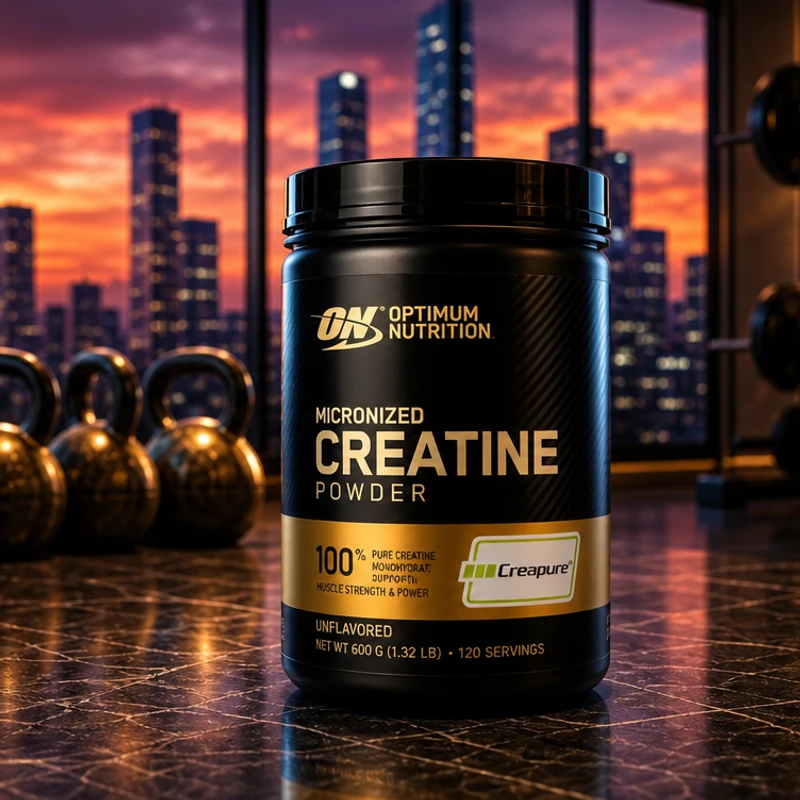 Optimum Nutrition Micronized Creatine PowderReview8.99
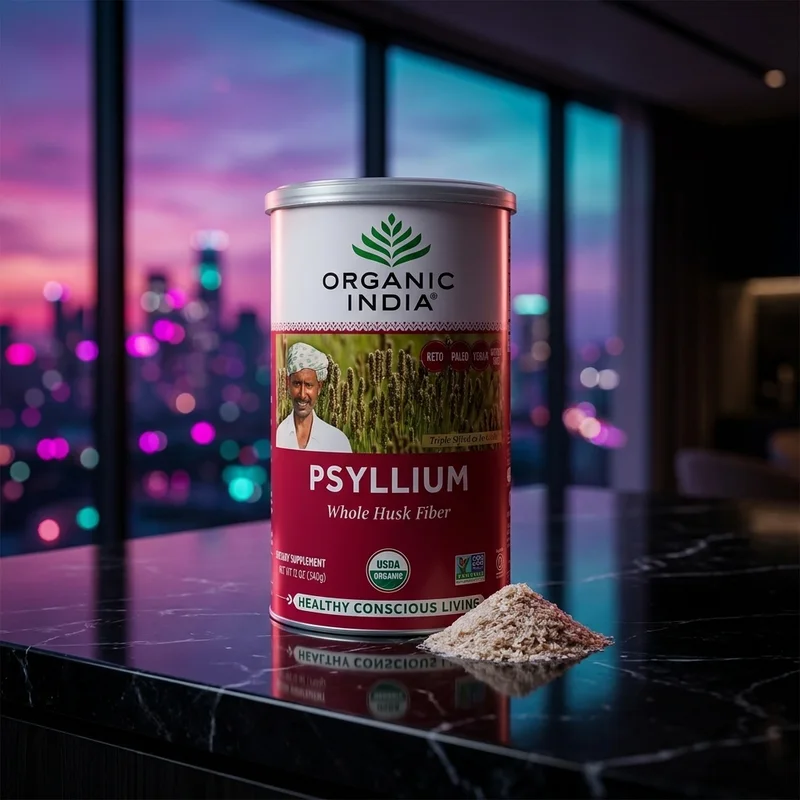 Organic India Whole Husk Psyllium Powder, USDA OrganicReview8.510
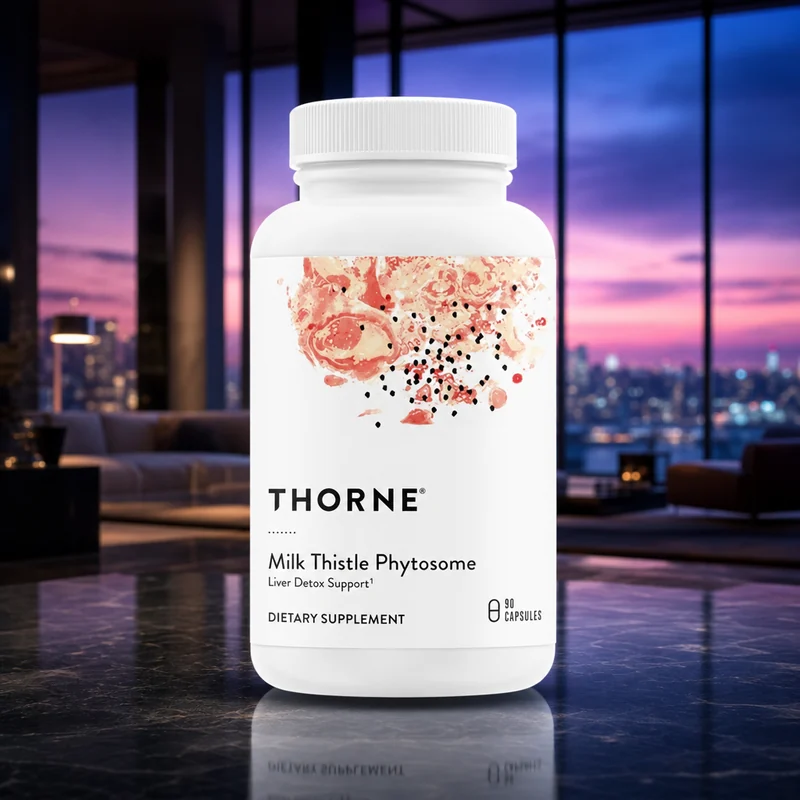 Thorne Milk Thistle Phytosome (Formerly Siliphos), 90 CapsulesReview8.6
Double Wood NMN 99% Purity TestedReview7.52Sports Research Creatine Monohydrate (Creapure)Review9.13MegaFood One Daily MultivitaminReview5.94Nordic Naturals Ultimate Omega 1280 mgReview9.05Kirkland Signature CoQ10 300 mgReview7.86Zenwise Digestive Enzymes + Probiotics & PrebioticsReview7.77Nature Made Vitamin D3 2,000 IUReview8.08Optimum Nutrition Micronized Creatine PowderReview8.99Organic India Whole Husk Psyllium Powder, USDA OrganicReview8.510Thorne Milk Thistle Phytosome (Formerly Siliphos), 90 CapsulesReview8.6More Trending Goals
 6Cognition & FocusBodyTop ranked: L-Theanine + Caffeine7.6
 7TestosteroneBodyTop ranked: Sleep (7–9 h, consistent)8.5
 8ImmunityBodyTop ranked: Vitamin D37.3
 9LooksmaxxingBodyTop ranked: Mineral sunscreen (daily SPF)8.6
 10Stress & AnxietyBodyTop ranked: Ashwagandha (KSM-66)8.3
 11WeightBodyTop ranked: Calorie Deficit + Protein + Training9.6
 12Heart HealthBodyTop ranked: Omega-3 (EPA/DHA)8.1
 13Gut HealthBodyTop ranked: Magnesium (for constipation)7.1
 14Liver HealthBodyTop ranked: NAC (N-Acetylcysteine)6.8
 15Joint HealthBodyTop ranked: Curcumin7.1
 16Libido & Sexual HealthBodyTop ranked: Tongkat Ali8.0
 17Metabolic HealthBodyTop ranked: Berberine8.4
 18WomenBodyTop ranked: Berberine (for PCOS)7.7
 19MenBodyTop ranked: Creatine Monohydrate (for men)8.2
 20Hair GrowthBodyTop ranked: Saw Palmetto6.4
Top Head-to-Heads
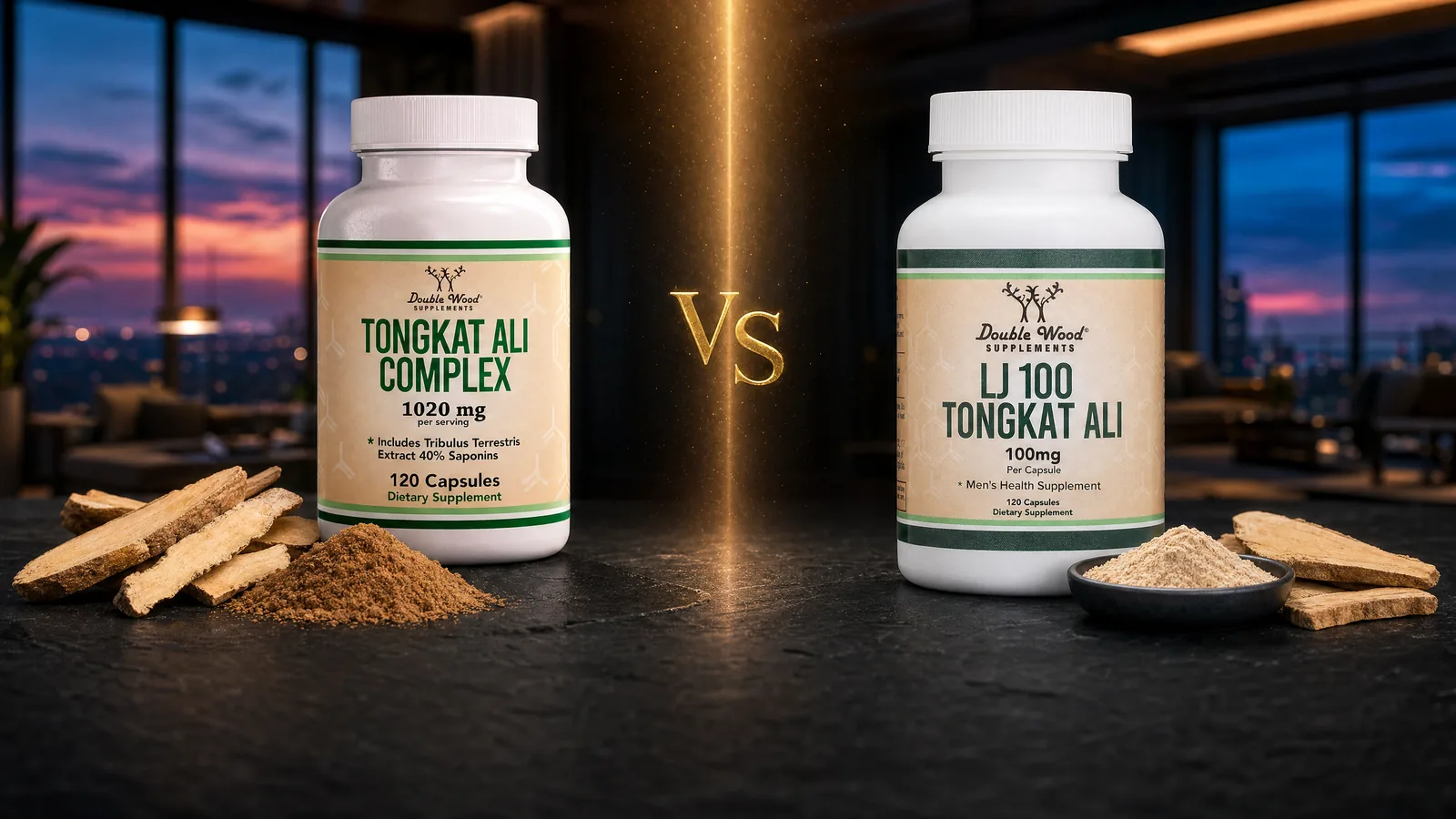 1Tongkat Ali vs LJ100Winner: LJ100
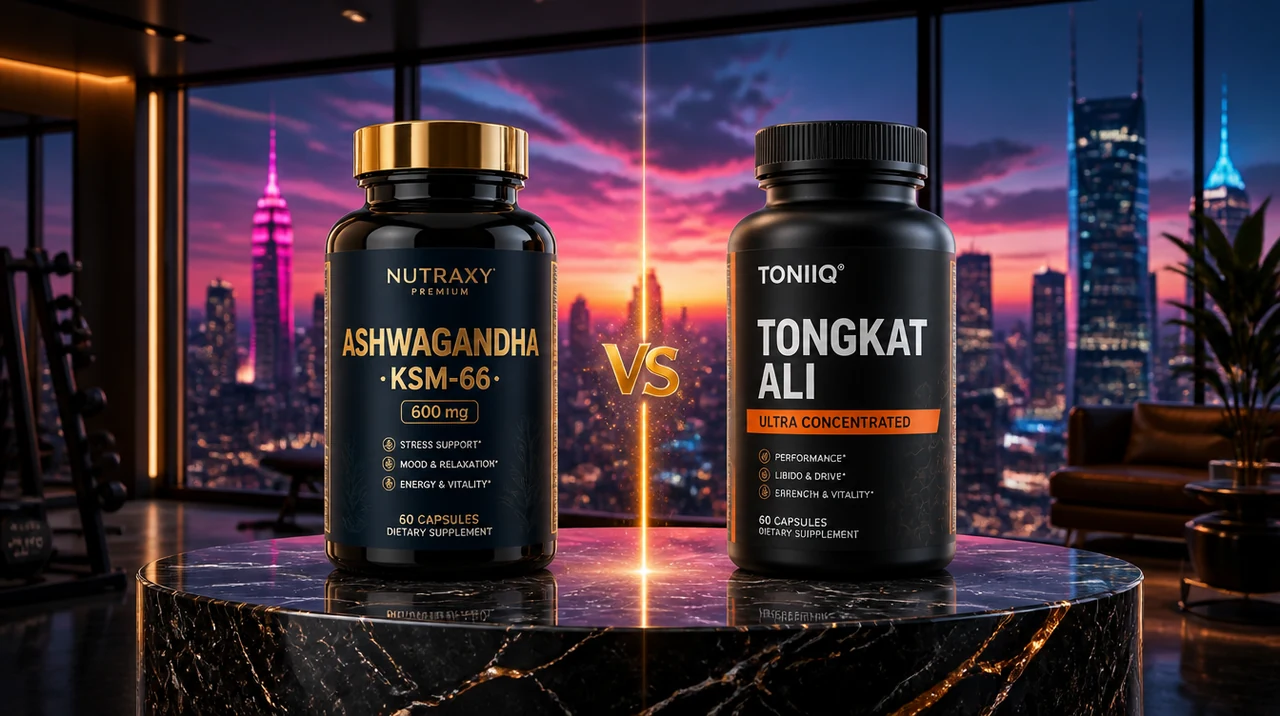 2Ashwagandha vs Tongkat AliTied
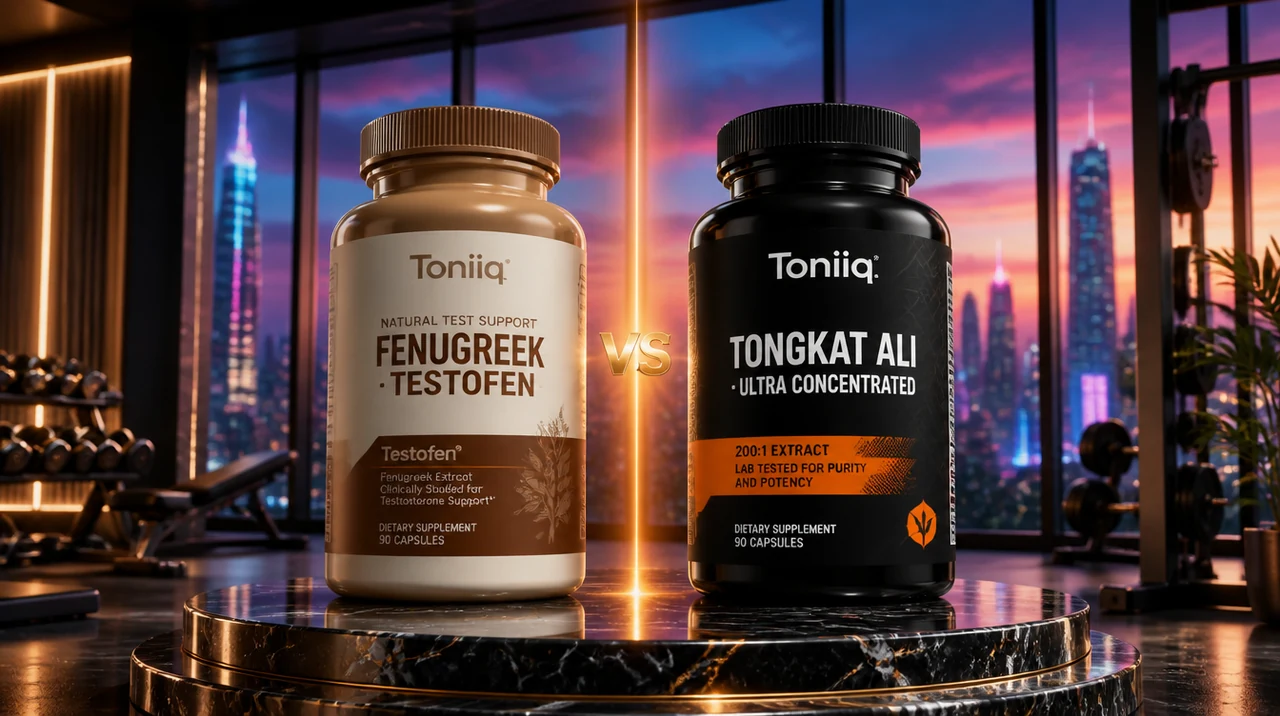 3Tongkat Ali vs FenugreekWinner: Tongkat Ali
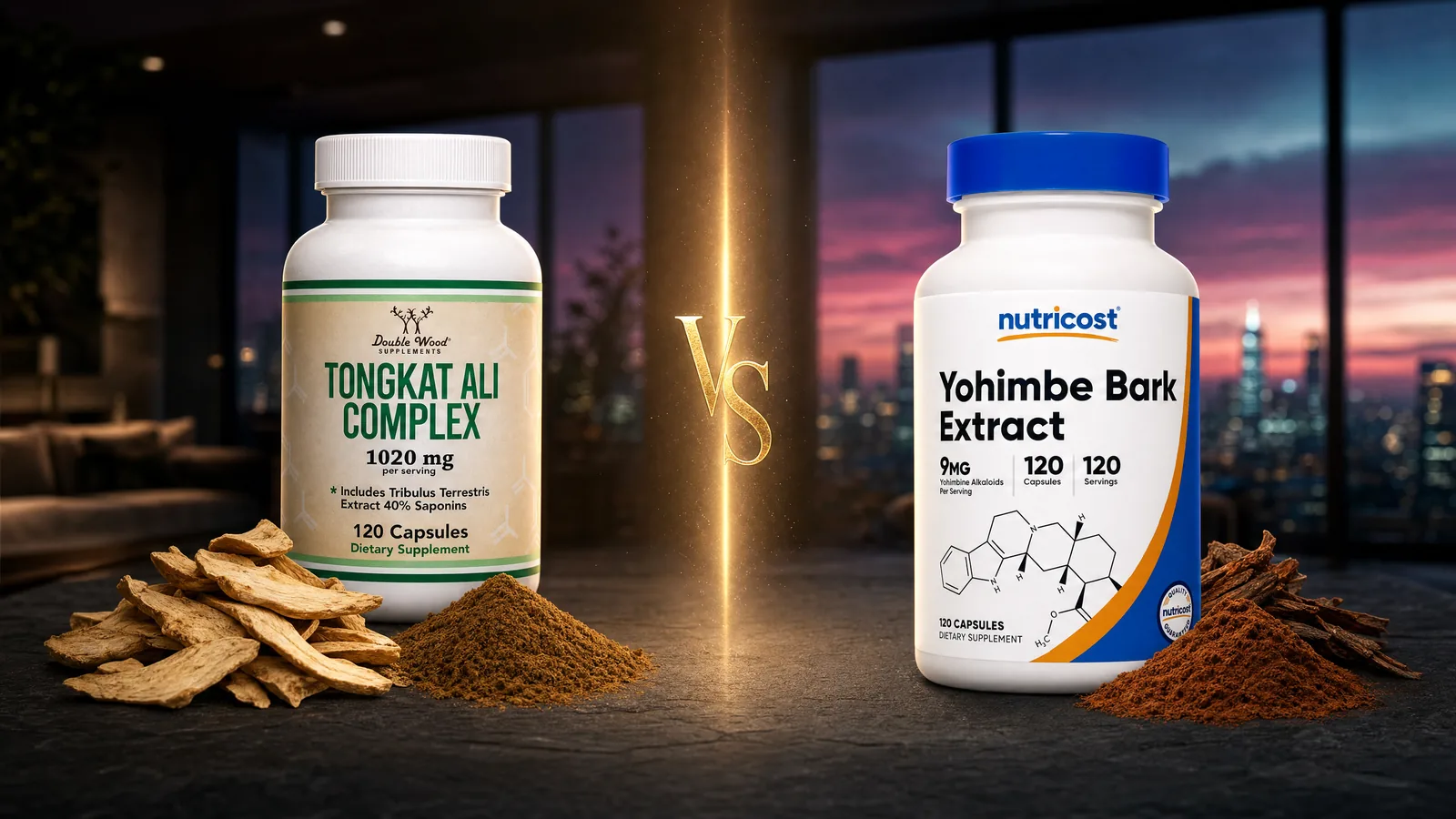 4Tongkat Ali vs YohimbeWinner: Tongkat Ali
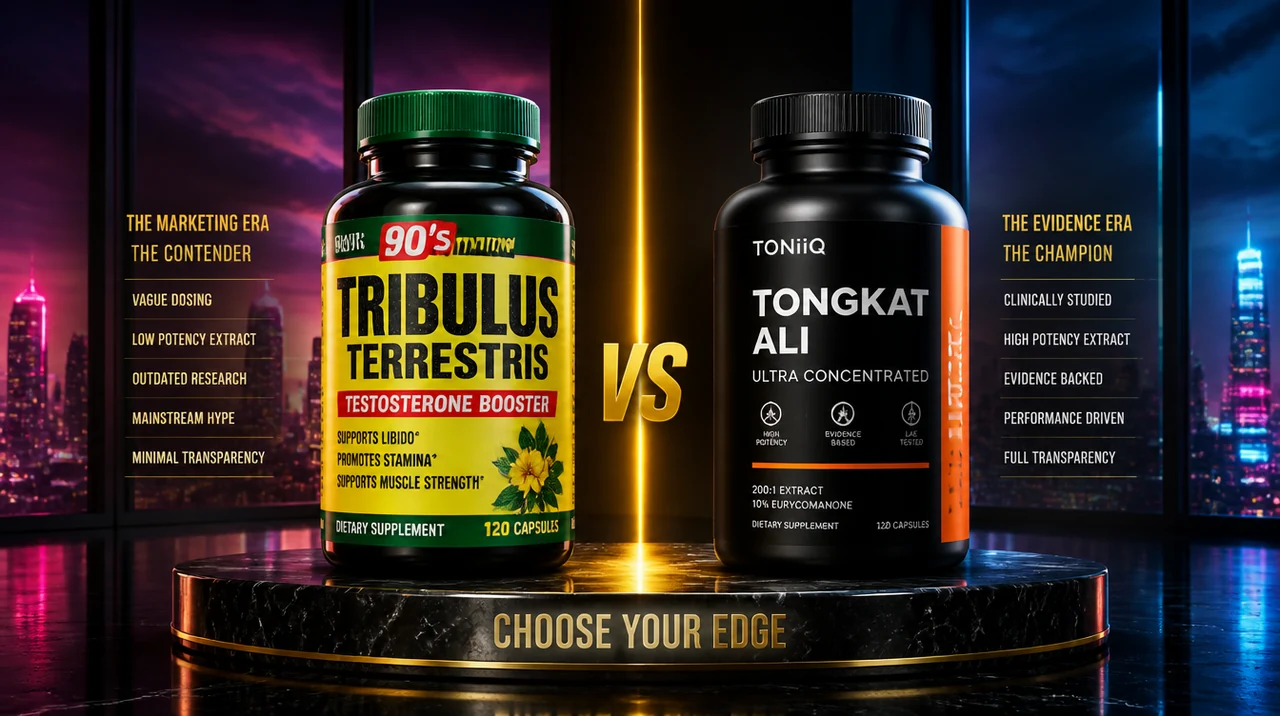 5Tongkat Ali vs Tribulus TerrestrisWinner: Tongkat Ali
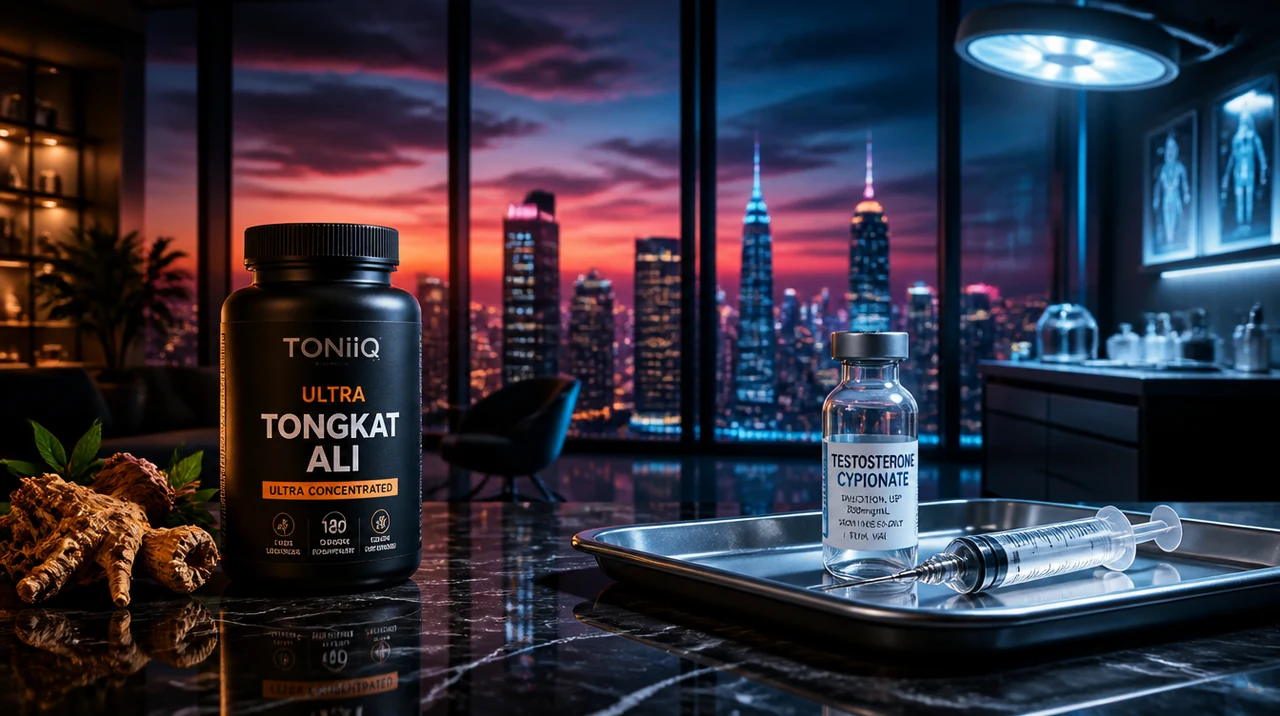 6Tongkat Ali vs TRTWinner: Tongkat Ali
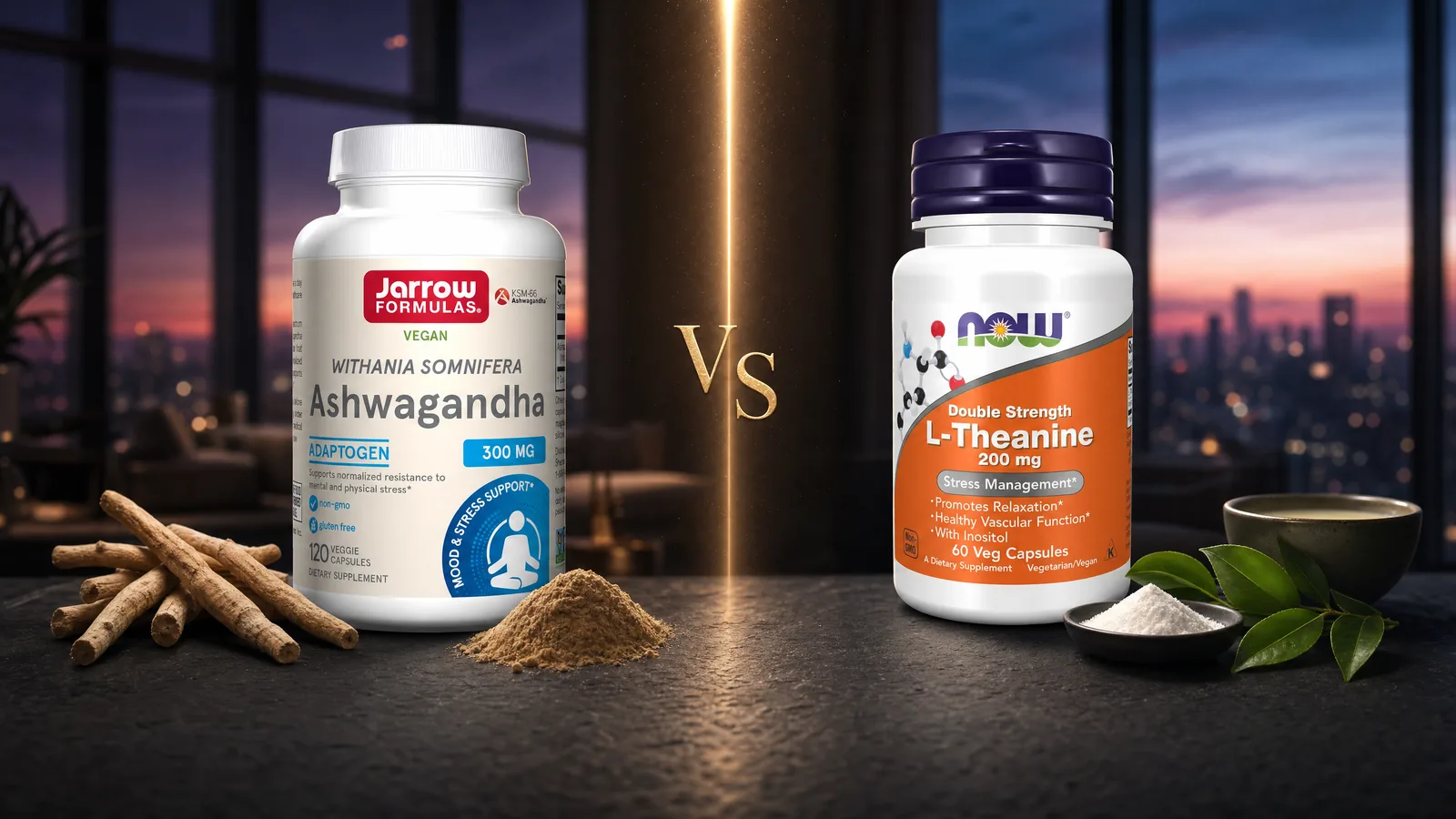 7Ashwagandha vs L-TheanineWinner: L-Theanine
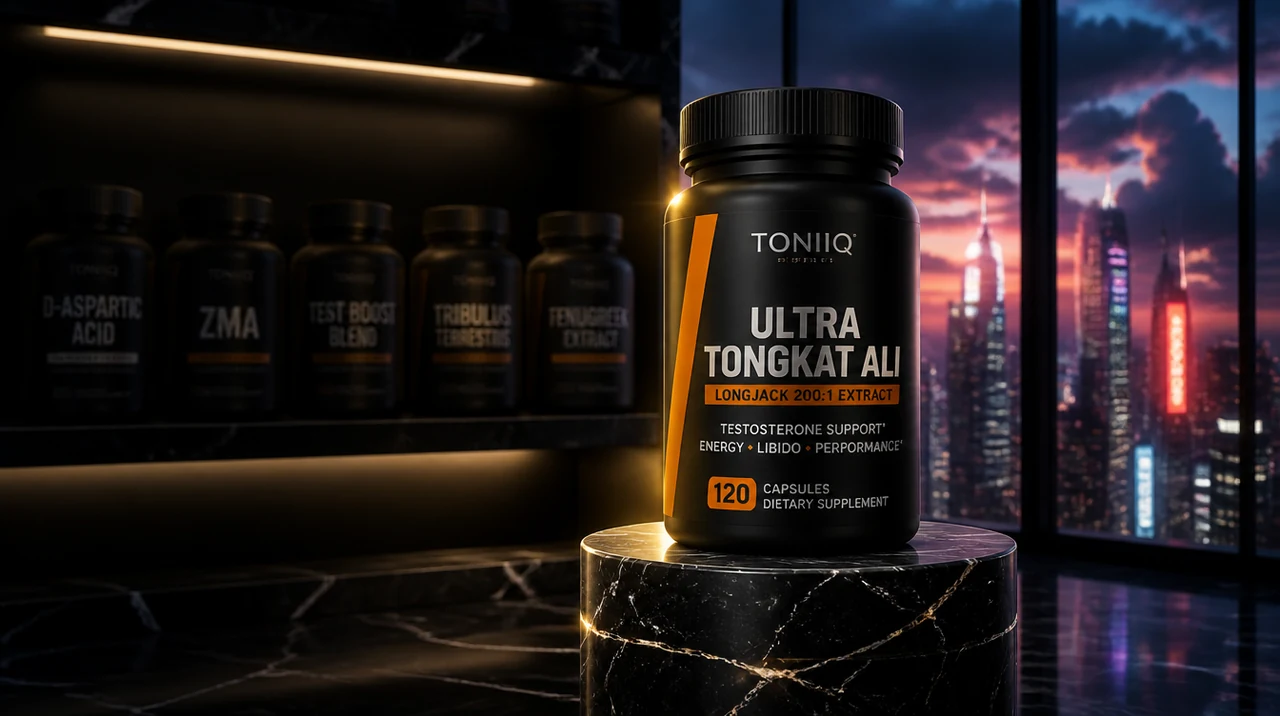 8Tongkat Ali vs Common Testosterone BoostersWinner: Tongkat Ali
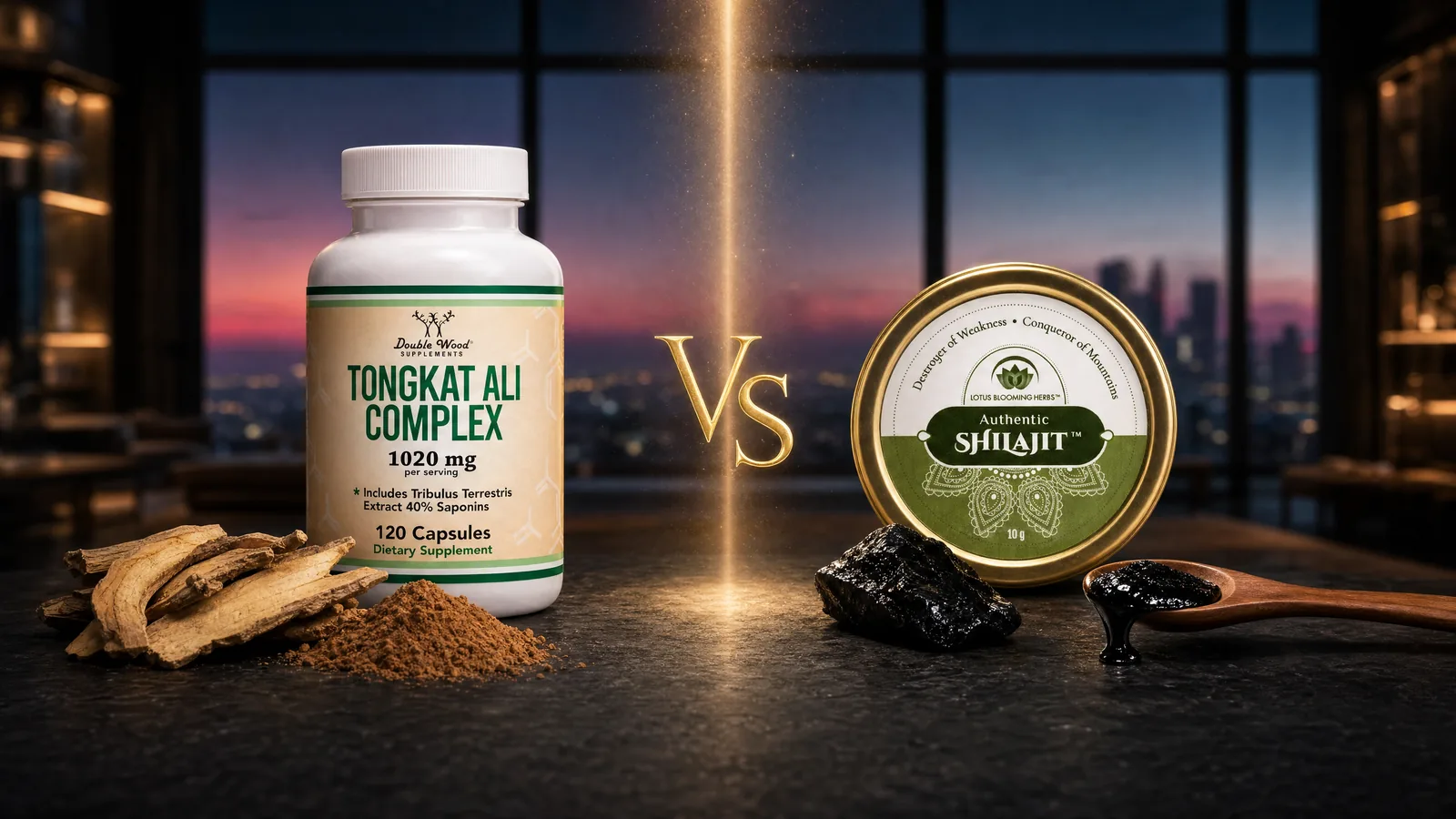 9Tongkat Ali vs ShilajitWinner: Tongkat Ali
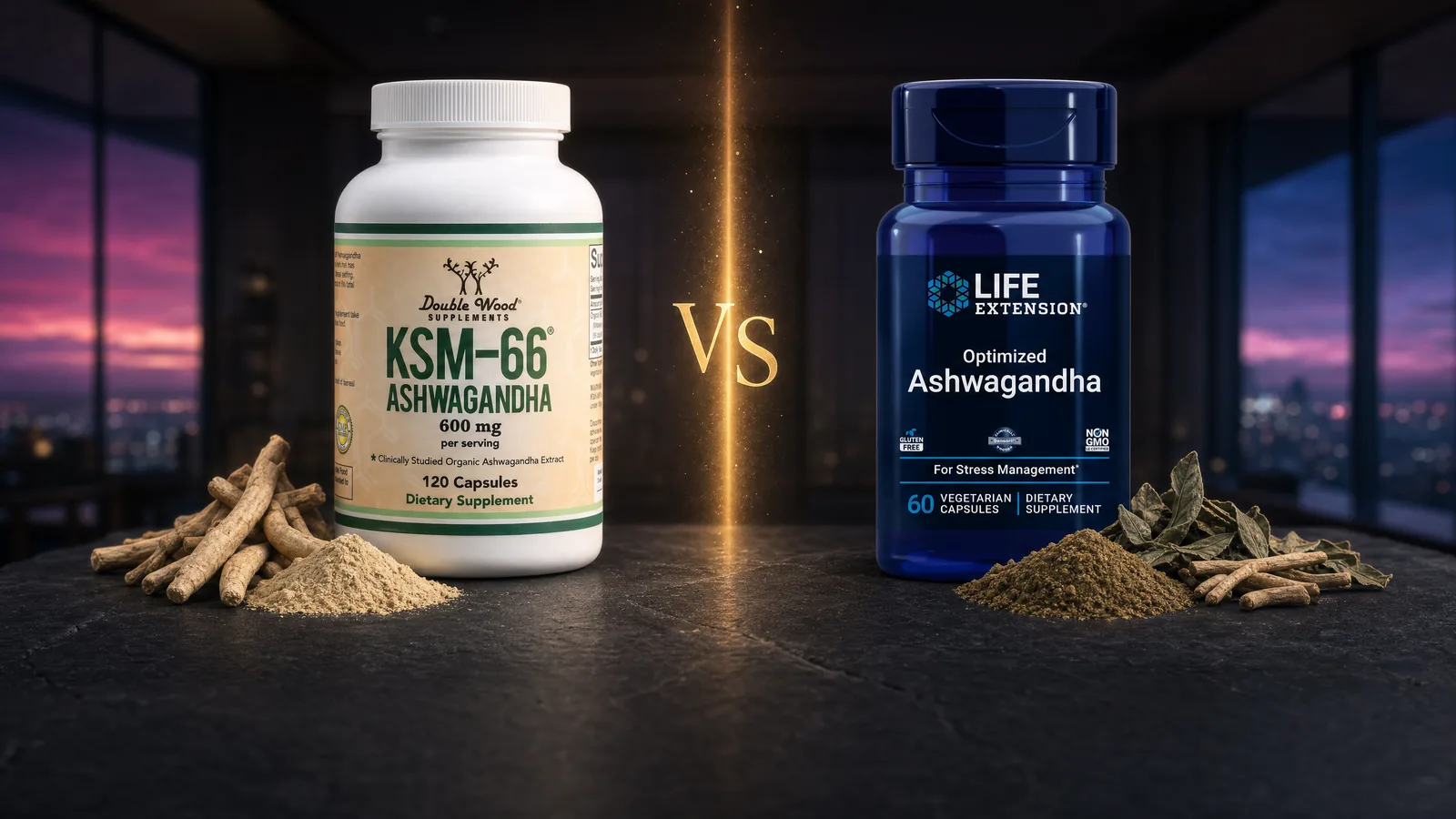 10KSM-66 vs SensorilWinner: KSM-66
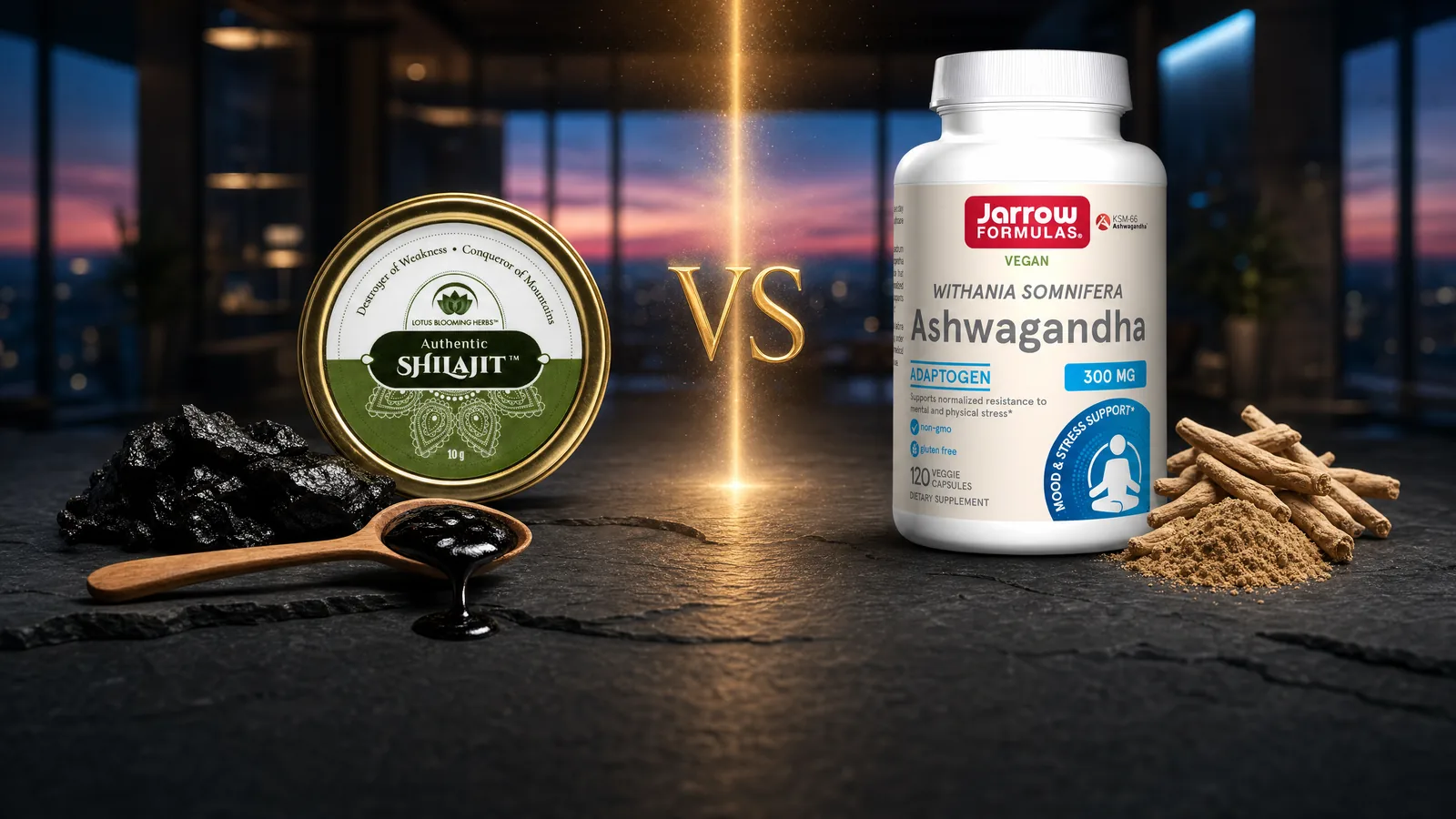 11Shilajit vs AshwagandhaWinner: Ashwagandha
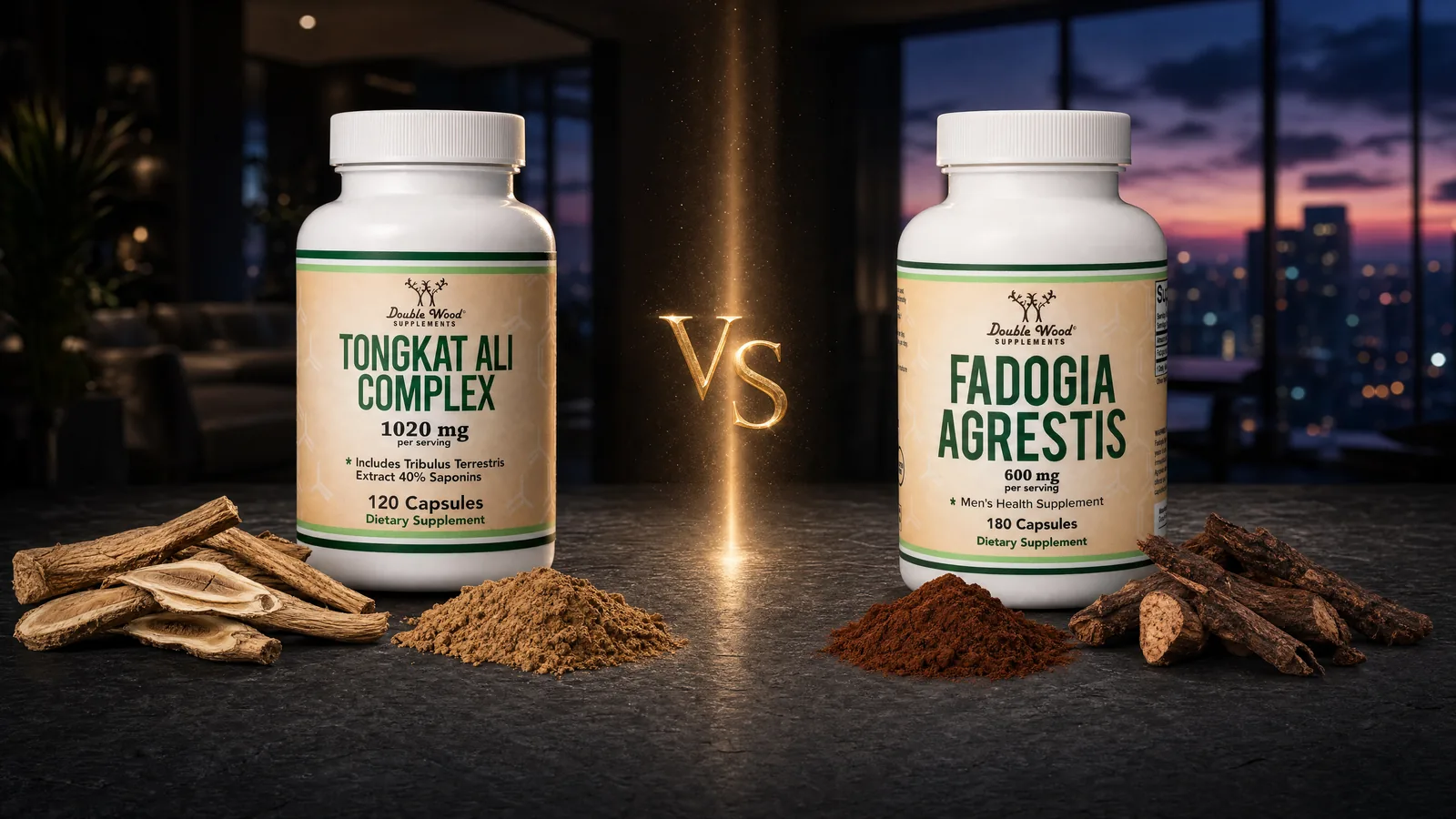 12Tongkat Ali vs Fadogia AgrestisWinner: Tongkat Ali
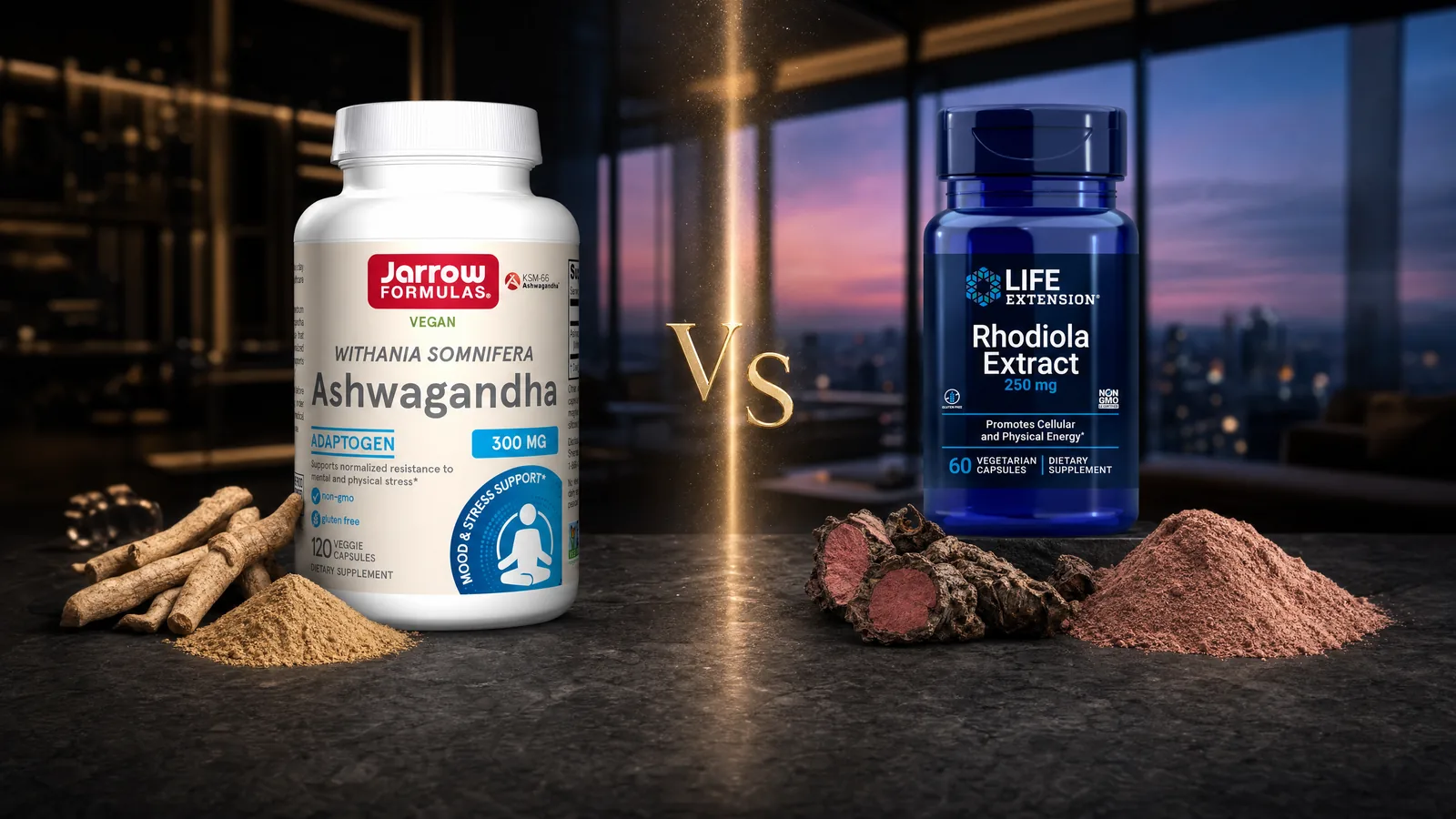 13Ashwagandha vs RhodiolaWinner: Ashwagandha
Trending Goals
 1Endurance & PerformanceBodyTop ranked: Creatine Monohydrate7.6
 2Muscle GrowthBodyTop ranked: Progressive Overload + Protein + Recovery9.5
 3EnergyBodyTop ranked: Iron7.3
 4Longevity & Anti-AgingBodyTop ranked: Omega-3 (EPA/DHA)7.5
 5Sleep & RecoveryBodyTop ranked: CBT-i Wind-Down8.56Cognition & FocusBodyTop ranked: L-Theanine + Caffeine7.67TestosteroneBodyTop ranked: Sleep (7–9 h, consistent)8.58ImmunityBodyTop ranked: Vitamin D37.39LooksmaxxingBodyTop ranked: Mineral sunscreen (daily SPF)8.610Stress & AnxietyBodyTop ranked: Ashwagandha (KSM-66)8.311WeightBodyTop ranked: Calorie Deficit + Protein + Training9.612Heart HealthBodyTop ranked: Omega-3 (EPA/DHA)8.113Gut HealthBodyTop ranked: Magnesium (for constipation)7.114Liver HealthBodyTop ranked: NAC (N-Acetylcysteine)6.815Joint HealthBodyTop ranked: Curcumin7.116Libido & Sexual HealthBodyTop ranked: Tongkat Ali8.017Metabolic HealthBodyTop ranked: Berberine8.418WomenBodyTop ranked: Berberine (for PCOS)7.719MenBodyTop ranked: Creatine Monohydrate (for men)8.220Hair GrowthBodyTop ranked: Saw Palmetto6.4
Top Buyer’s Guides
18.8Best Beetroot SupplementsTop pick: HumanN SuperBeets Black Cherry27.3Best Creatine GummiesTop pick: Create Wellness Creatine Monohydrate Gummies39.3Best Tongkat Ali SupplementsTop pick: Double Wood LJ100 Tongkat Ali48.9Best Blue Light Blocking GlassesTop pick: Ra Optics Clyde Frame + Sunset Lenses59.0Best Omega-3 Fish OilTop pick: Nordic Naturals Ultimate Omega 1280 mg69.1Best Creatine MonohydrateTop pick: Sports Research Creatine Monohydrate (Creapure)78.9Best Supplements for Muscle GrowthTop pick: Creatine Monohydrate88.9Best L-Theanine SupplementsTop pick: NOW Foods L-Theanine 200 mg (Suntheanine)99.0Best Glycine SupplementsTop pick: NOW Foods Glycine Pure Powder109.2Best Form of CoQ10: Ubiquinol vs UbiquinoneTop pick: Ubiquinol (Kaneka QH) — represented by Jarrow Formulas Ubiquinol QH-Absorb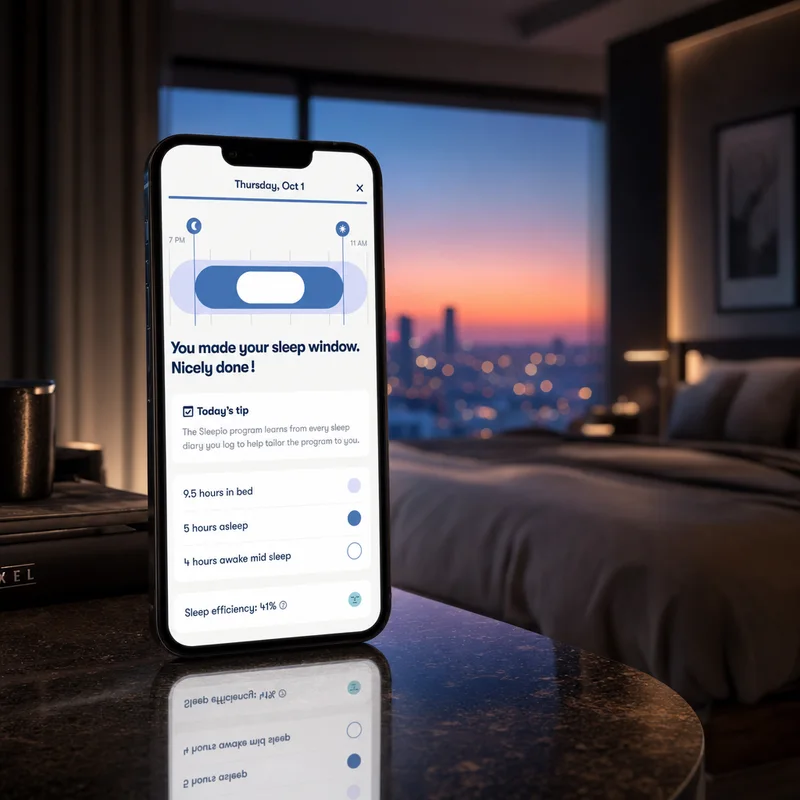 119.1Best CBT-i Apps & Programs to Beat InsomniaTop pick: Sleepio (Big Health)129.1Best Creatine SupplementsTop pick: Sports Research Creatine Monohydrate (Creapure)
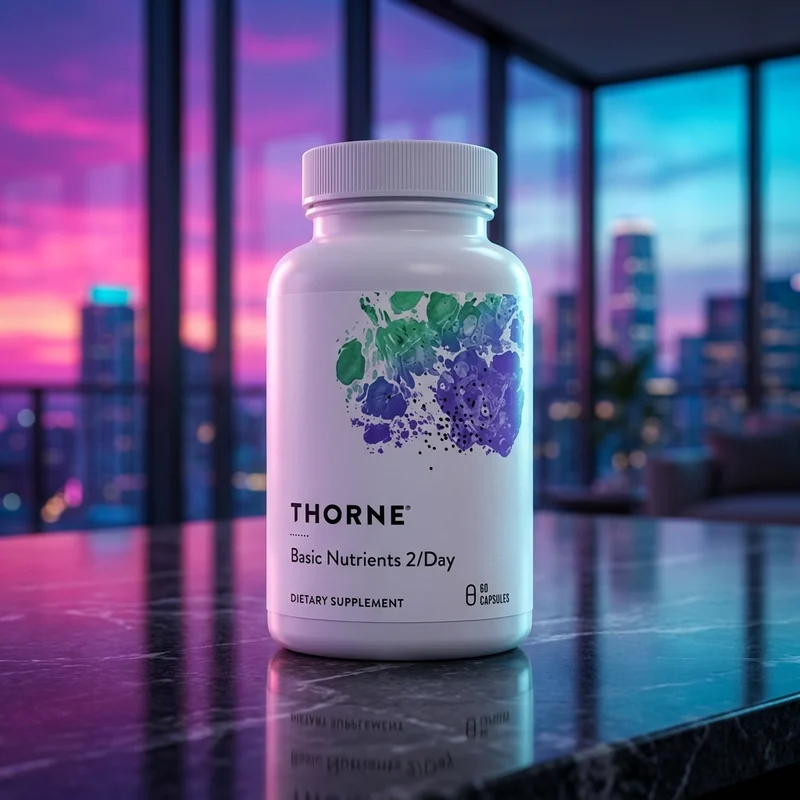 139.2Best Multivitamin for MenTop pick: Thorne Basic Nutrients 2/Day
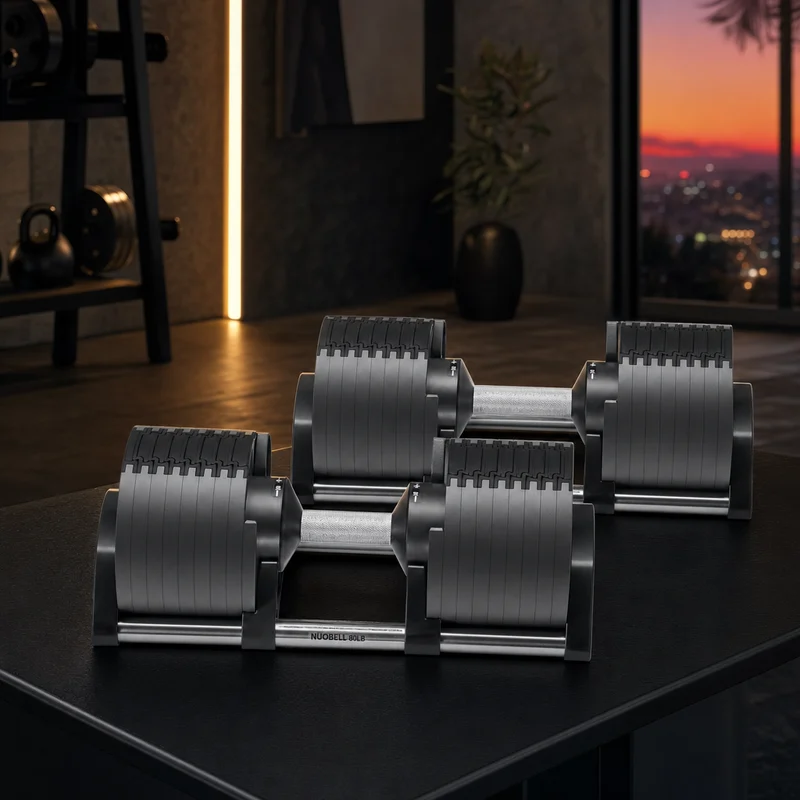 149.5Best Home Gym EquipmentTop pick: NÜOBELL 80 lb Adjustable Dumbbell Pair (5–80 lb)
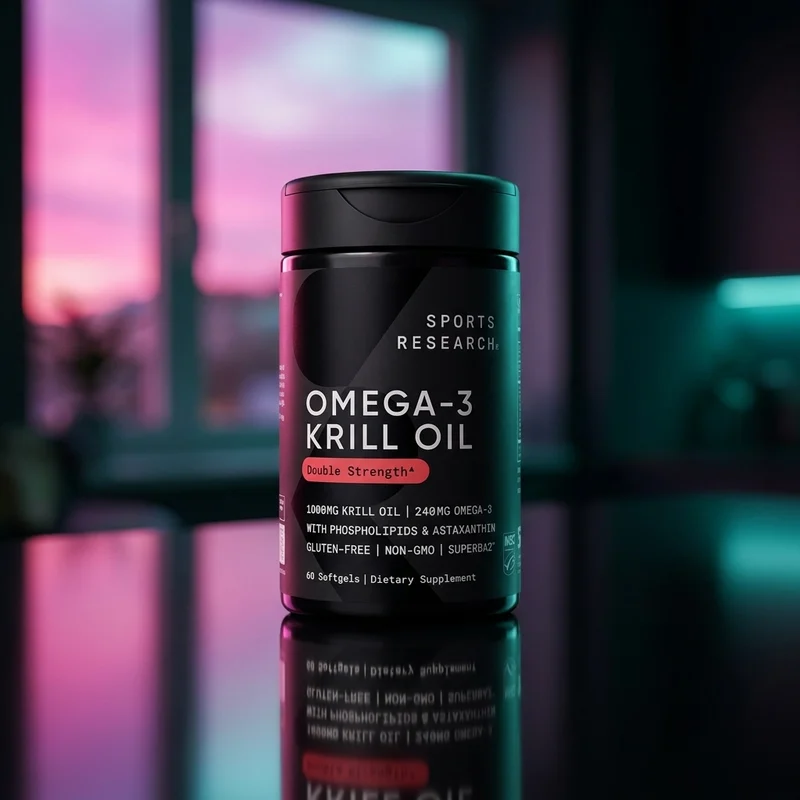 158.5Best Krill Oil SupplementsTop pick: Sports Research Antarctic Krill Oil 1000 mg
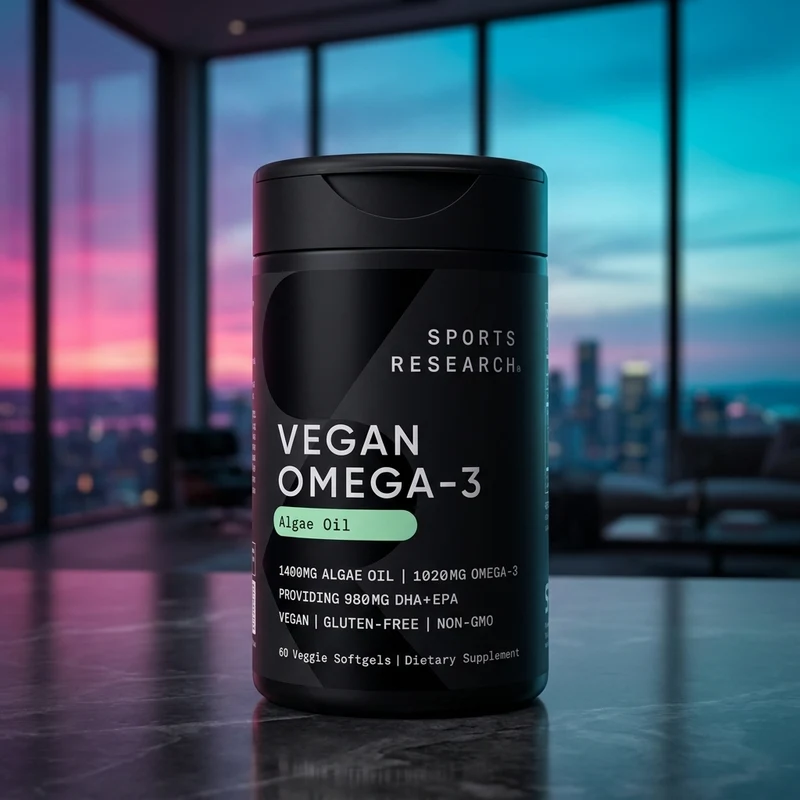 169.4Best Algae Oil Omega-3Top pick: Vegan Omega-3 from Algae Oil, 60 Veggie Softgels (Carrageenan Free)
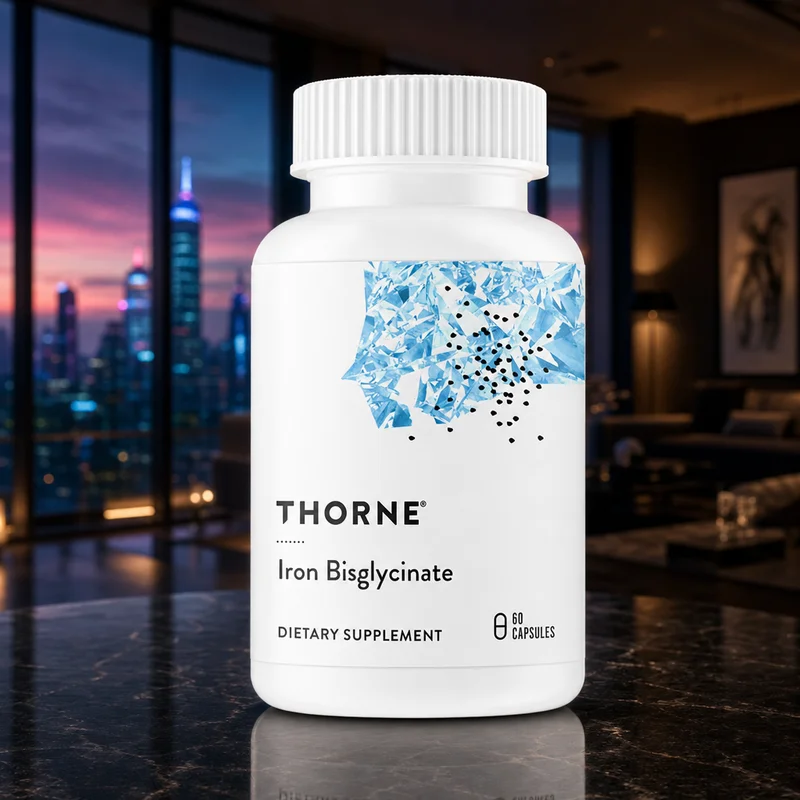 179.2Best Iron SupplementsTop pick: Thorne Iron Bisglycinate 25 mg
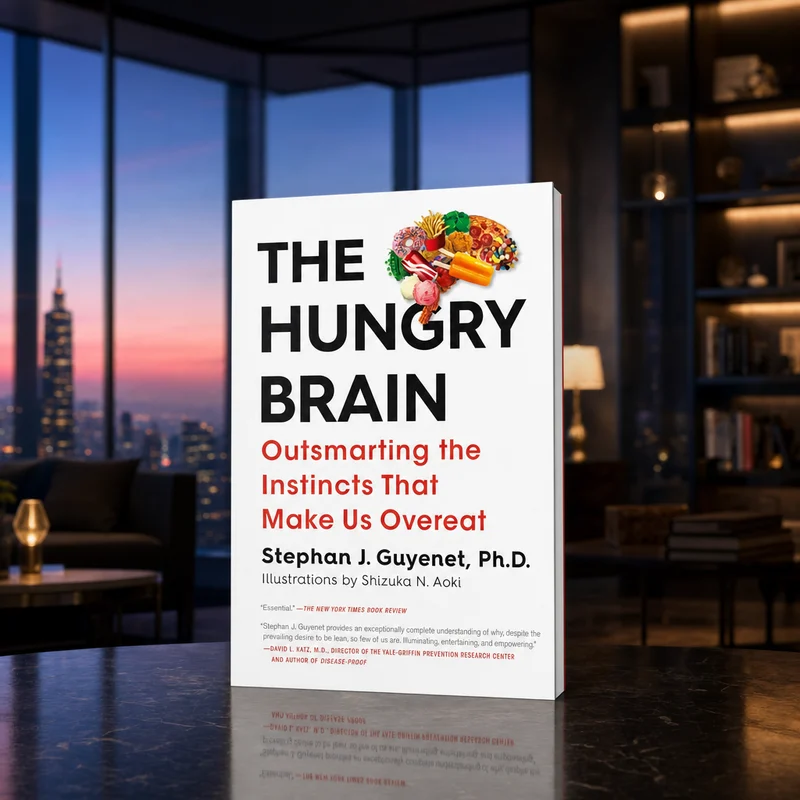 189.3Best Weight-Loss BooksTop pick: The Hungry Brain — Stephan J. Guyenet, PhD
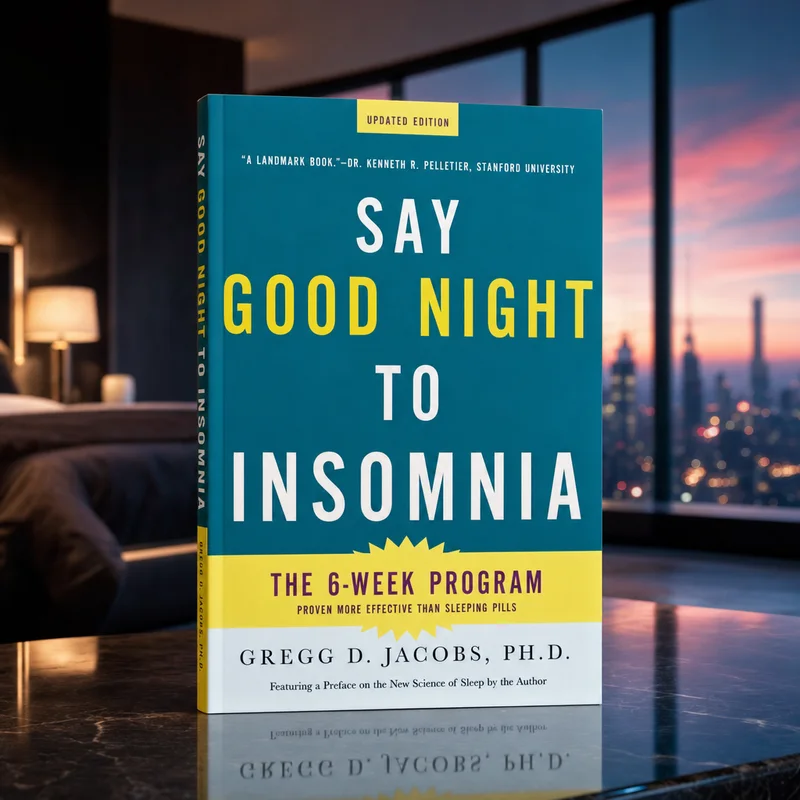 199.3Best Books to Beat Insomnia & Sleep BetterTop pick: Say Good Night to Insomnia — Gregg D. Jacobs, PhD
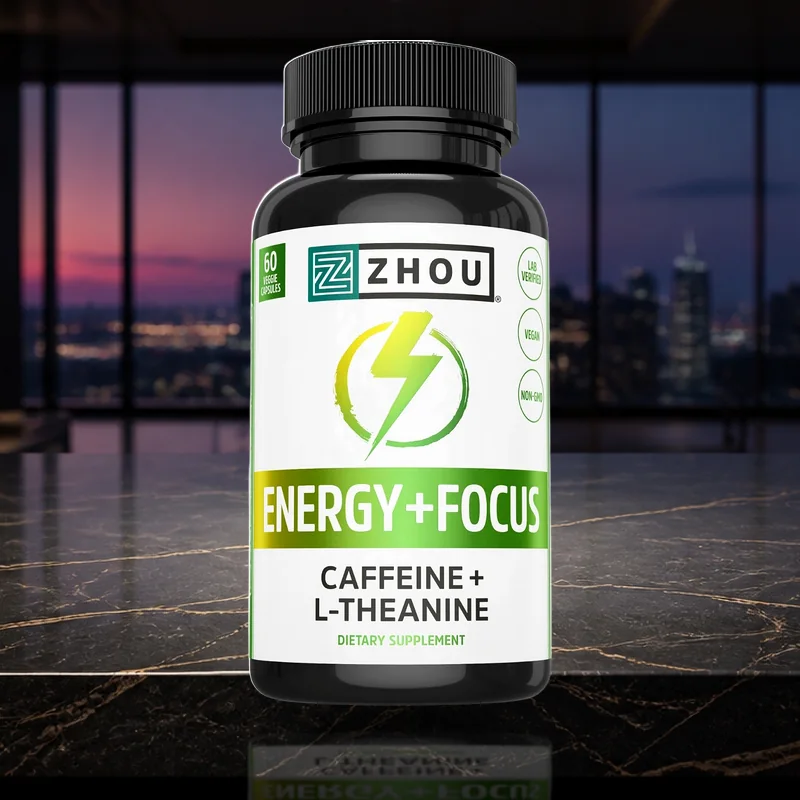 208.8Best Caffeine + L-Theanine SupplementsTop pick: Zhou Energy + Focus
Most Read Reviews
17.5Double Wood NMN 99% Purity TestedReview29.1Sports Research Creatine Monohydrate (Creapure)Review35.9MegaFood One Daily MultivitaminReview49.0Nordic Naturals Ultimate Omega 1280 mgReview57.8Kirkland Signature CoQ10 300 mgReview67.7Zenwise Digestive Enzymes + Probiotics & PrebioticsReview78.0Nature Made Vitamin D3 2,000 IUReview88.9Optimum Nutrition Micronized Creatine PowderReview98.5Organic India Whole Husk Psyllium Powder, USDA OrganicReview108.6Thorne Milk Thistle Phytosome (Formerly Siliphos), 90 CapsulesReview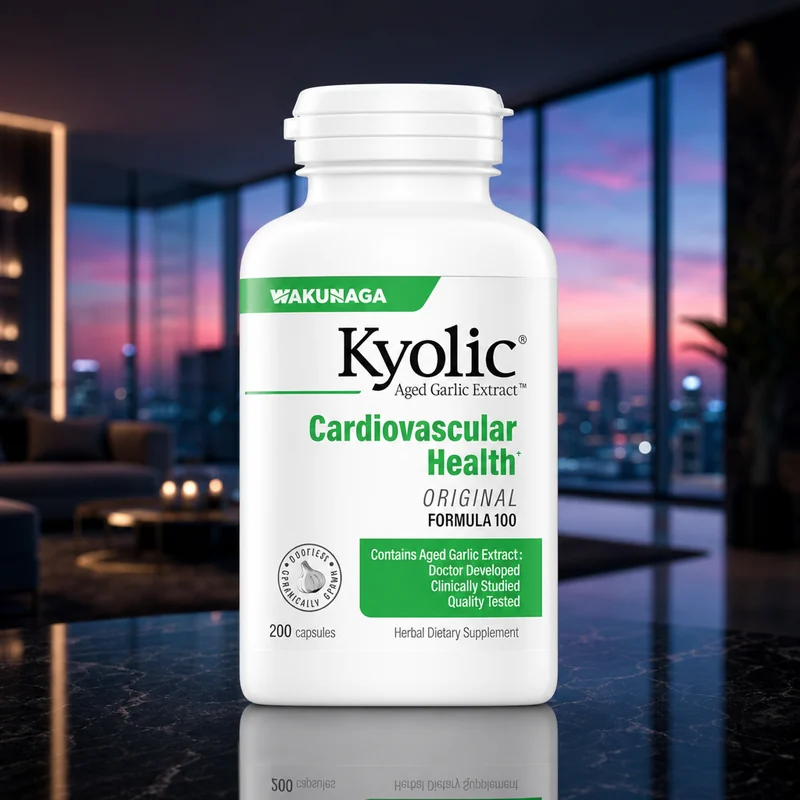 118.4Kyolic Aged Garlic Extract Cardiovascular Formula 100Review
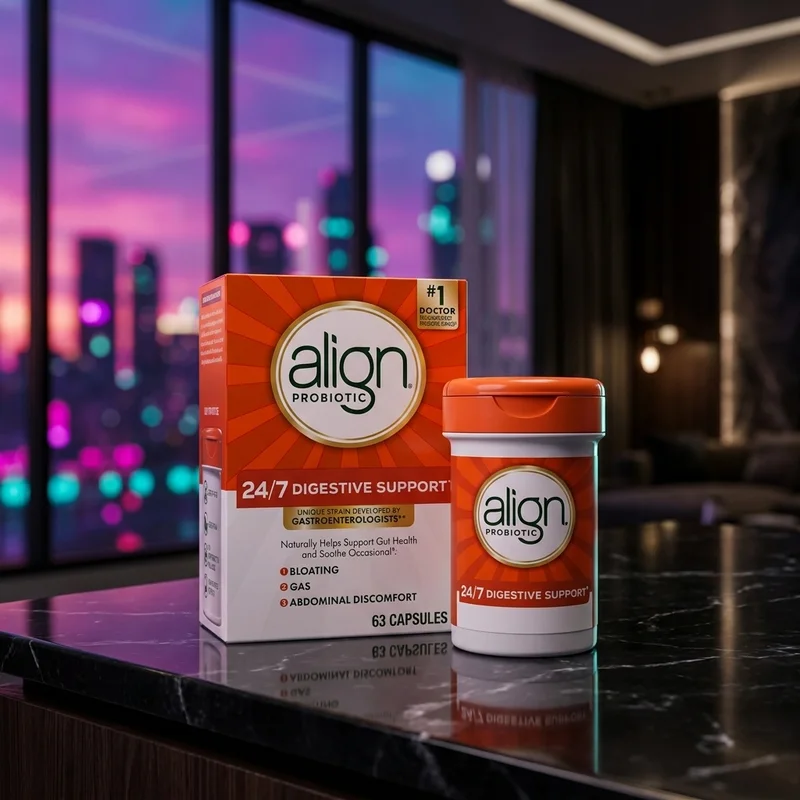 128.1Align Probiotic 24/7 Digestive SupportReview
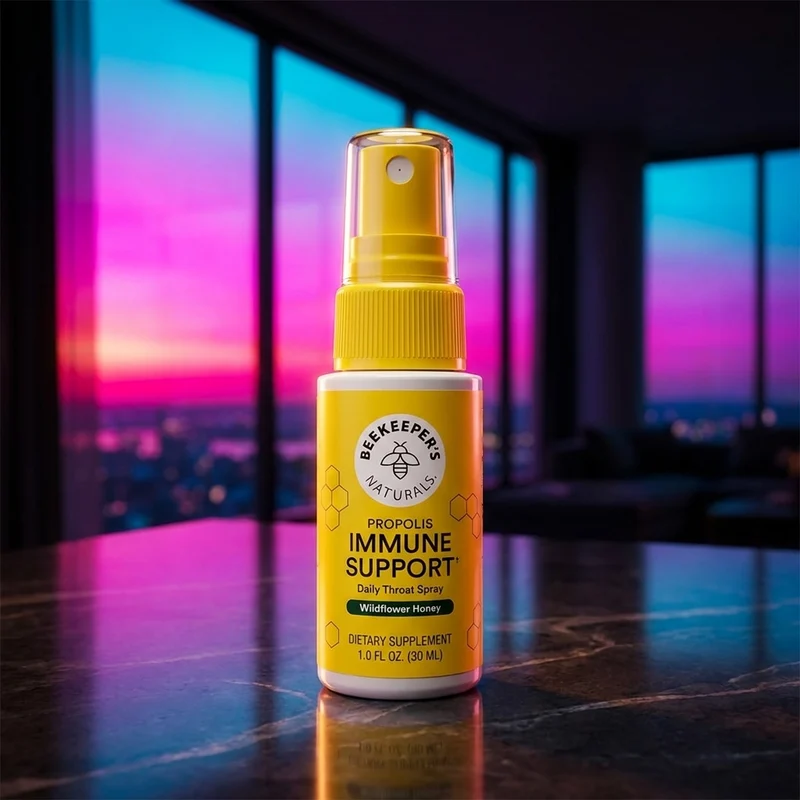 139.5Beekeeper's Naturals Propolis Throat SprayReview
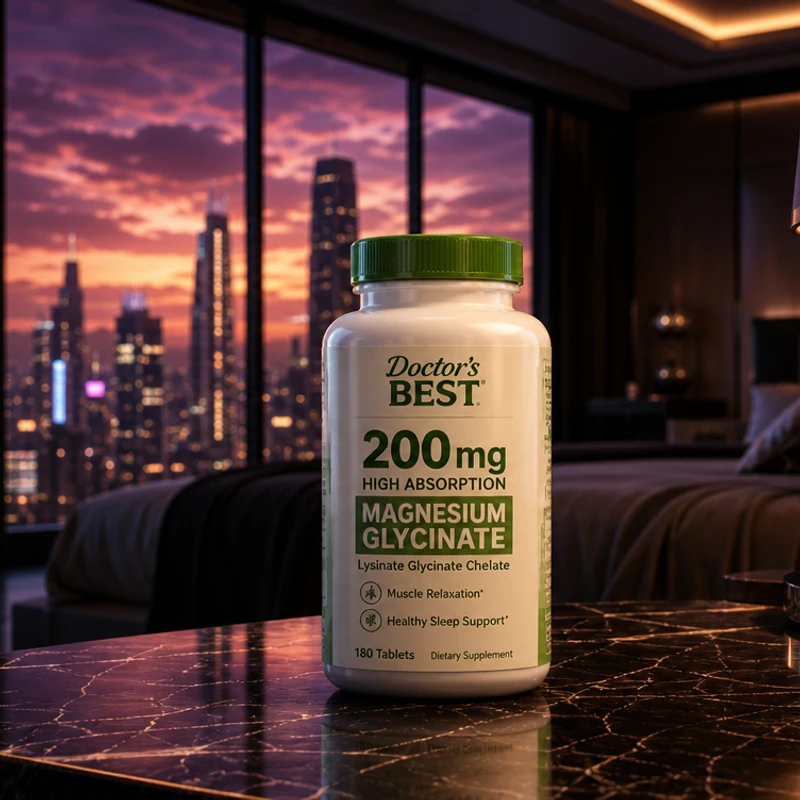 149.0Doctor's Best High Absorption Magnesium Glycinate LysinateReview
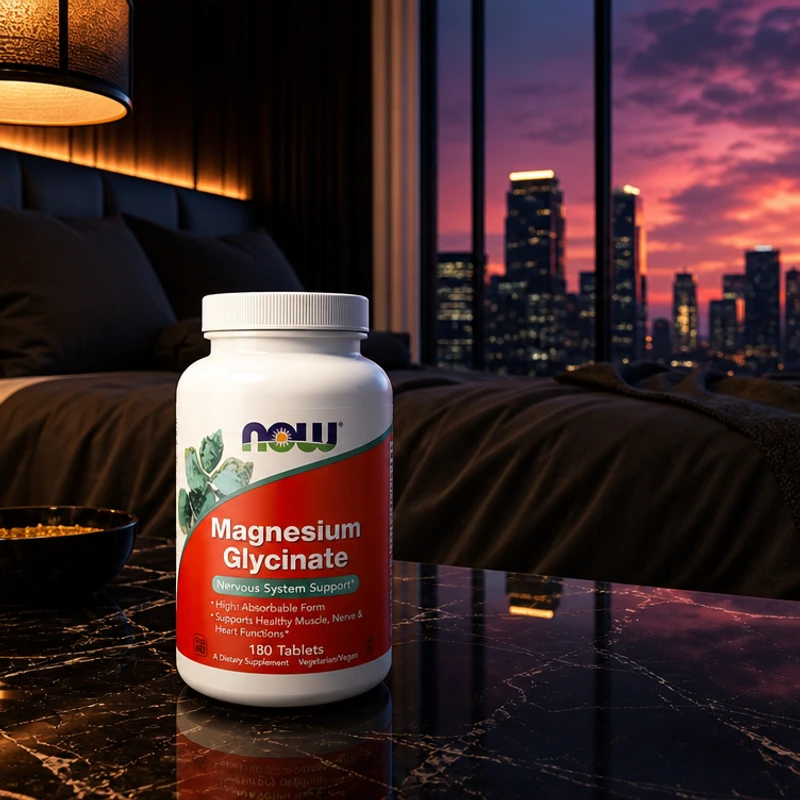 158.0NOW Foods Magnesium GlycinateReview
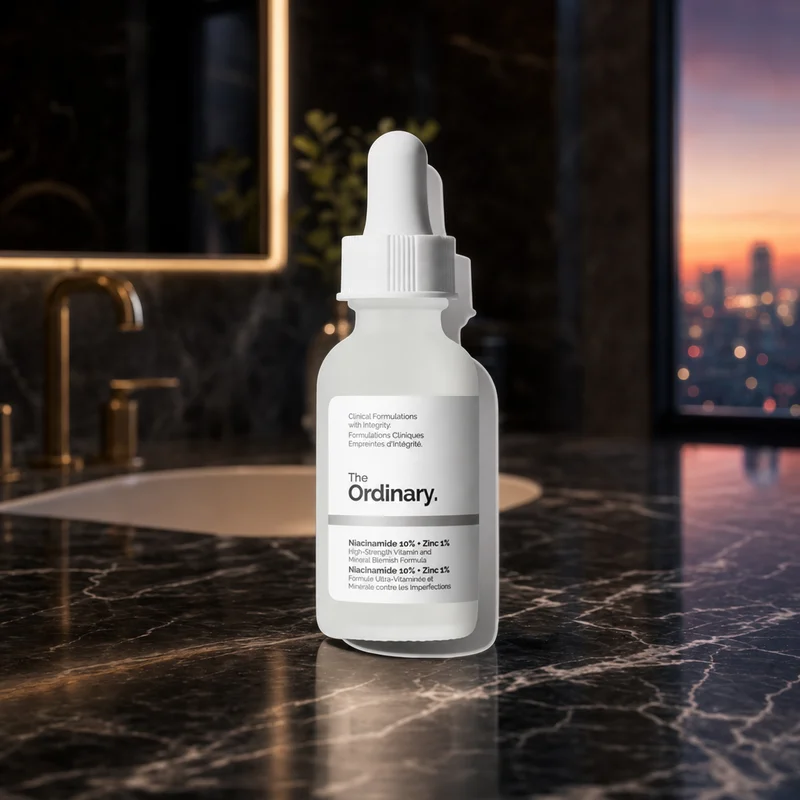 169.0The Ordinary Niacinamide 10% + Zinc 1%Review
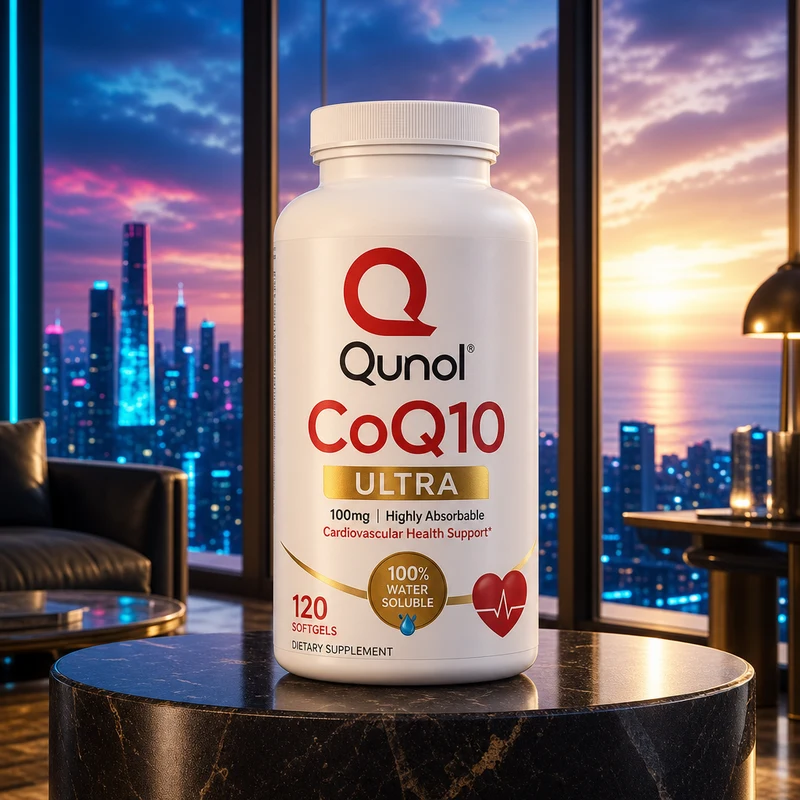 177.7Qunol Ultra CoQ10 100 mgReview
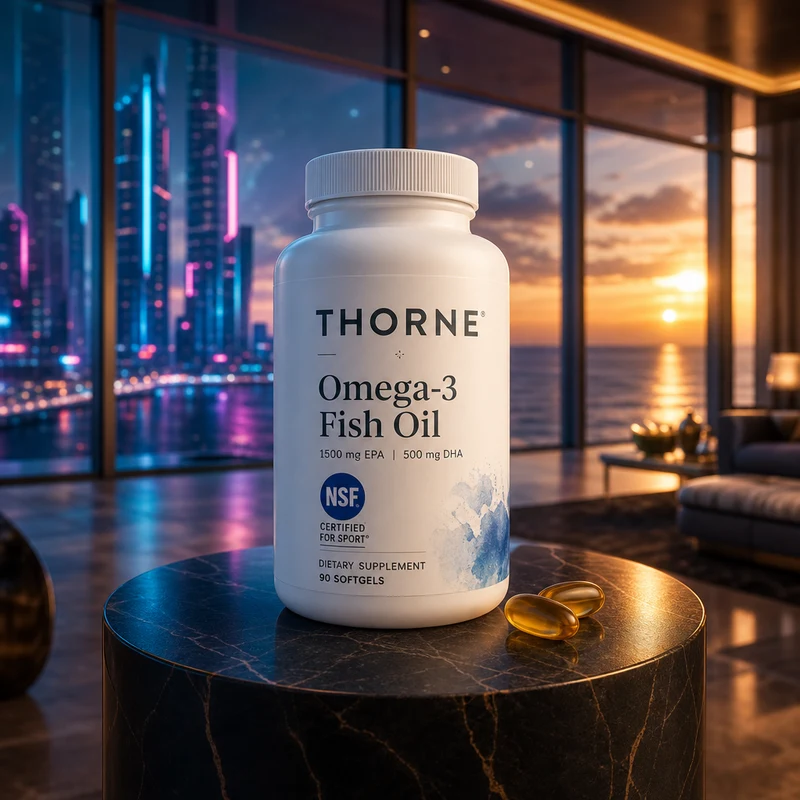 188.7Thorne Super EPA ProReview
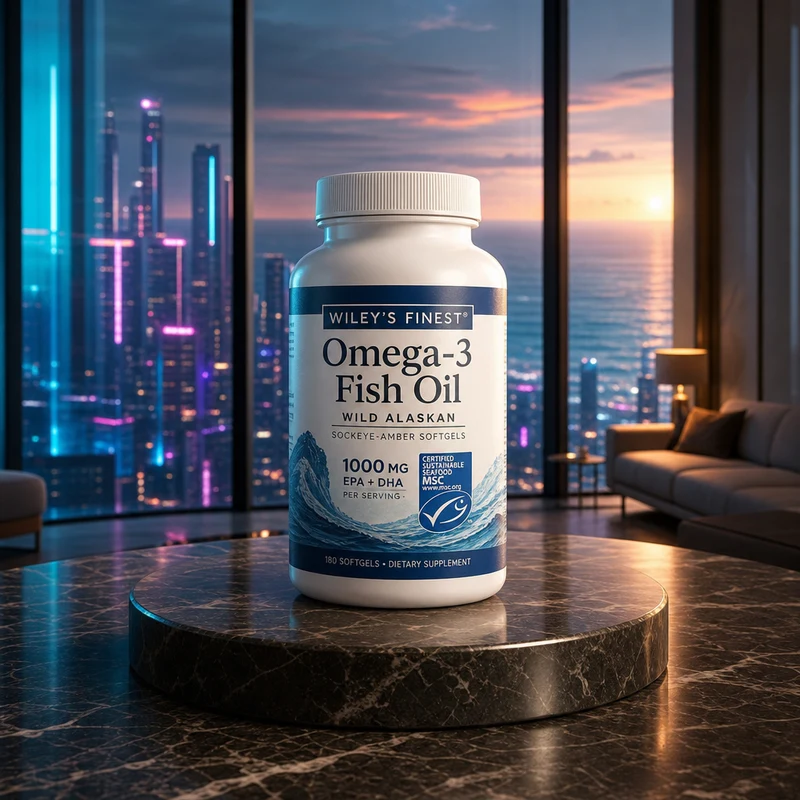 198.3Wiley's Finest Wild Alaskan Fish Oil 1000 mgReview
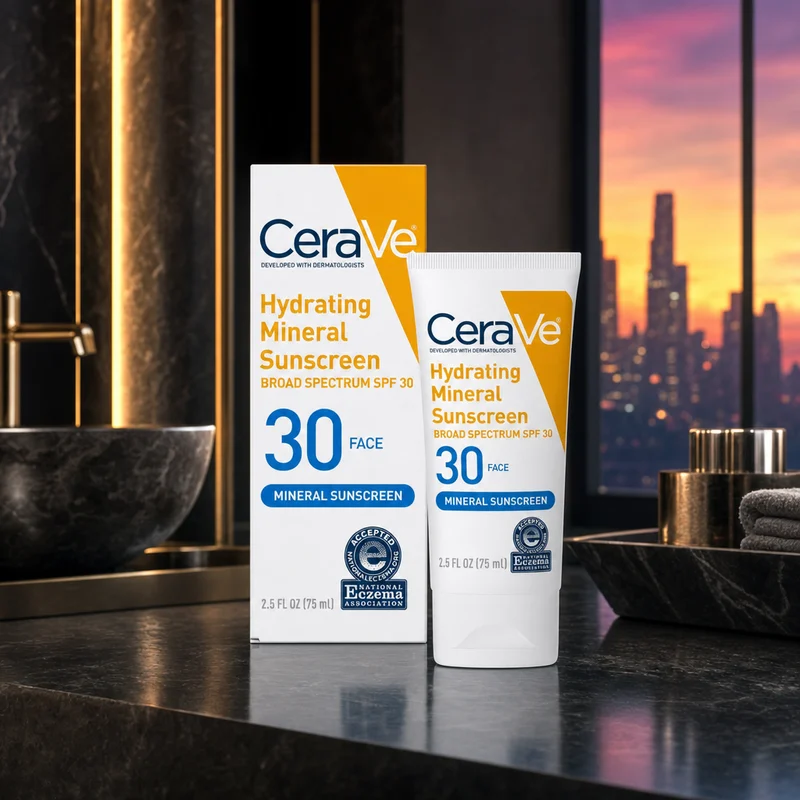 208.5CeraVe Hydrating Mineral Sunscreen SPF 30 (Face)Review
Top Head-to-Heads
1Tongkat Ali vs LJ100Winner: LJ1002Ashwagandha vs Tongkat AliTied3Tongkat Ali vs FenugreekWinner: Tongkat Ali4Tongkat Ali vs YohimbeWinner: Tongkat Ali5Tongkat Ali vs Tribulus TerrestrisWinner: Tongkat Ali6Tongkat Ali vs TRTWinner: Tongkat Ali7Ashwagandha vs L-TheanineWinner: L-Theanine8Tongkat Ali vs Common Testosterone BoostersWinner: Tongkat Ali9Tongkat Ali vs ShilajitWinner: Tongkat Ali10KSM-66 vs SensorilWinner: KSM-6611Shilajit vs AshwagandhaWinner: Ashwagandha12Tongkat Ali vs Fadogia AgrestisWinner: Tongkat Ali13Ashwagandha vs RhodiolaWinner: AshwagandhaDiscover What’s Trending
Top Buyer’s Guides
18.8Best Beetroot SupplementsTop pick: HumanN SuperBeets Black Cherry27.3Best Creatine GummiesTop pick: Create Wellness Creatine Monohydrate Gummies39.3Best Tongkat Ali SupplementsTop pick: Double Wood LJ100 Tongkat Ali4Best Blue Light Blocking GlassesTop pick: Ra Optics Clyde Frame + Sunset Lenses8.95Best Omega-3 Fish OilTop pick: Nordic Naturals Ultimate Omega 1280 mg9.06Best Creatine MonohydrateTop pick: Sports Research Creatine Monohydrate (Creapure)9.17Best Supplements for Muscle GrowthTop pick: Creatine Monohydrate8.98Best L-Theanine SupplementsTop pick: NOW Foods L-Theanine 200 mg (Suntheanine)8.99Best Glycine SupplementsTop pick: NOW Foods Glycine Pure Powder9.010Best Form of CoQ10: Ubiquinol vs UbiquinoneTop pick: Ubiquinol (Kaneka QH) — represented by Jarrow Formulas Ubiquinol QH-Absorb9.2
Best Blue Light Blocking GlassesTop pick: Ra Optics Clyde Frame + Sunset Lenses8.95Best Omega-3 Fish OilTop pick: Nordic Naturals Ultimate Omega 1280 mg9.06Best Creatine MonohydrateTop pick: Sports Research Creatine Monohydrate (Creapure)9.17Best Supplements for Muscle GrowthTop pick: Creatine Monohydrate8.98Best L-Theanine SupplementsTop pick: NOW Foods L-Theanine 200 mg (Suntheanine)8.99Best Glycine SupplementsTop pick: NOW Foods Glycine Pure Powder9.010Best Form of CoQ10: Ubiquinol vs UbiquinoneTop pick: Ubiquinol (Kaneka QH) — represented by Jarrow Formulas Ubiquinol QH-Absorb9.2Most Read Reviews
17.5Double Wood NMN 99% Purity TestedReview29.1Sports Research Creatine Monohydrate (Creapure)Review35.9MegaFood One Daily MultivitaminReview4Nordic Naturals Ultimate Omega 1280 mgReview9.05Kirkland Signature CoQ10 300 mgReview7.86Zenwise Digestive Enzymes + Probiotics & PrebioticsReview7.77Nature Made Vitamin D3 2,000 IUReview8.08Optimum Nutrition Micronized Creatine PowderReview8.99Organic India Whole Husk Psyllium Powder, USDA OrganicReview8.510Thorne Milk Thistle Phytosome (Formerly Siliphos), 90 CapsulesReview8.6
Nordic Naturals Ultimate Omega 1280 mgReview9.05Kirkland Signature CoQ10 300 mgReview7.86Zenwise Digestive Enzymes + Probiotics & PrebioticsReview7.77Nature Made Vitamin D3 2,000 IUReview8.08Optimum Nutrition Micronized Creatine PowderReview8.99Organic India Whole Husk Psyllium Powder, USDA OrganicReview8.510Thorne Milk Thistle Phytosome (Formerly Siliphos), 90 CapsulesReview8.6More Trending Goals
Top Head-to-Heads
Trending Goals
1Endurance & PerformanceBodyTop ranked: Creatine Monohydrate7.62Muscle GrowthBodyTop ranked: Progressive Overload + Protein + Recovery9.53EnergyBodyTop ranked: Iron7.34Longevity & Anti-AgingBodyTop ranked: Omega-3 (EPA/DHA)7.55Sleep & RecoveryBodyTop ranked: CBT-i Wind-Down8.56Cognition & FocusBodyTop ranked: L-Theanine + Caffeine7.67TestosteroneBodyTop ranked: Sleep (7–9 h, consistent)8.58ImmunityBodyTop ranked: Vitamin D37.39LooksmaxxingBodyTop ranked: Mineral sunscreen (daily SPF)8.610Stress & AnxietyBodyTop ranked: Ashwagandha (KSM-66)8.311WeightBodyTop ranked: Calorie Deficit + Protein + Training9.612Heart HealthBodyTop ranked: Omega-3 (EPA/DHA)8.113Gut HealthBodyTop ranked: Magnesium (for constipation)7.114Liver HealthBodyTop ranked: NAC (N-Acetylcysteine)6.815Joint HealthBodyTop ranked: Curcumin7.116Libido & Sexual HealthBodyTop ranked: Tongkat Ali8.017Metabolic HealthBodyTop ranked: Berberine8.418WomenBodyTop ranked: Berberine (for PCOS)7.719MenBodyTop ranked: Creatine Monohydrate (for men)8.220Hair GrowthBodyTop ranked: Saw Palmetto6.4Top Buyer’s Guides
18.8Best Beetroot SupplementsTop pick: HumanN SuperBeets Black Cherry27.3Best Creatine GummiesTop pick: Create Wellness Creatine Monohydrate Gummies39.3Best Tongkat Ali SupplementsTop pick: Double Wood LJ100 Tongkat Ali48.9Best Blue Light Blocking GlassesTop pick: Ra Optics Clyde Frame + Sunset Lenses59.0Best Omega-3 Fish OilTop pick: Nordic Naturals Ultimate Omega 1280 mg69.1Best Creatine MonohydrateTop pick: Sports Research Creatine Monohydrate (Creapure)78.9Best Supplements for Muscle GrowthTop pick: Creatine Monohydrate88.9Best L-Theanine SupplementsTop pick: NOW Foods L-Theanine 200 mg (Suntheanine)99.0Best Glycine SupplementsTop pick: NOW Foods Glycine Pure Powder109.2Best Form of CoQ10: Ubiquinol vs UbiquinoneTop pick: Ubiquinol (Kaneka QH) — represented by Jarrow Formulas Ubiquinol QH-Absorb119.1Best CBT-i Apps & Programs to Beat InsomniaTop pick: Sleepio (Big Health)129.1Best Creatine SupplementsTop pick: Sports Research Creatine Monohydrate (Creapure)139.2Best Multivitamin for MenTop pick: Thorne Basic Nutrients 2/Day149.5Best Home Gym EquipmentTop pick: NÜOBELL 80 lb Adjustable Dumbbell Pair (5–80 lb)158.5Best Krill Oil SupplementsTop pick: Sports Research Antarctic Krill Oil 1000 mg169.4Best Algae Oil Omega-3Top pick: Vegan Omega-3 from Algae Oil, 60 Veggie Softgels (Carrageenan Free)179.2Best Iron SupplementsTop pick: Thorne Iron Bisglycinate 25 mg189.3Best Weight-Loss BooksTop pick: The Hungry Brain — Stephan J. Guyenet, PhD199.3Best Books to Beat Insomnia & Sleep BetterTop pick: Say Good Night to Insomnia — Gregg D. Jacobs, PhD208.8Best Caffeine + L-Theanine SupplementsTop pick: Zhou Energy + FocusMost Read Reviews
17.5Double Wood NMN 99% Purity TestedReview29.1Sports Research Creatine Monohydrate (Creapure)Review35.9MegaFood One Daily MultivitaminReview49.0Nordic Naturals Ultimate Omega 1280 mgReview57.8Kirkland Signature CoQ10 300 mgReview67.7Zenwise Digestive Enzymes + Probiotics & PrebioticsReview78.0Nature Made Vitamin D3 2,000 IUReview88.9Optimum Nutrition Micronized Creatine PowderReview98.5Organic India Whole Husk Psyllium Powder, USDA OrganicReview108.6Thorne Milk Thistle Phytosome (Formerly Siliphos), 90 CapsulesReview118.4Kyolic Aged Garlic Extract Cardiovascular Formula 100Review128.1Align Probiotic 24/7 Digestive SupportReview139.5Beekeeper's Naturals Propolis Throat SprayReview149.0Doctor's Best High Absorption Magnesium Glycinate LysinateReview158.0NOW Foods Magnesium GlycinateReview169.0The Ordinary Niacinamide 10% + Zinc 1%Review177.7Qunol Ultra CoQ10 100 mgReview188.7Thorne Super EPA ProReview198.3Wiley's Finest Wild Alaskan Fish Oil 1000 mgReview208.5CeraVe Hydrating Mineral Sunscreen SPF 30 (Face)ReviewTop Head-to-Heads
1Tongkat Ali vs LJ100Winner: LJ1002Ashwagandha vs Tongkat AliTied3Tongkat Ali vs FenugreekWinner: Tongkat Ali4Tongkat Ali vs YohimbeWinner: Tongkat Ali5Tongkat Ali vs Tribulus TerrestrisWinner: Tongkat Ali6Tongkat Ali vs TRTWinner: Tongkat Ali7Ashwagandha vs L-TheanineWinner: L-Theanine8Tongkat Ali vs Common Testosterone BoostersWinner: Tongkat Ali9Tongkat Ali vs ShilajitWinner: Tongkat Ali10KSM-66 vs SensorilWinner: KSM-6611Shilajit vs AshwagandhaWinner: Ashwagandha12Tongkat Ali vs Fadogia AgrestisWinner: Tongkat Ali13Ashwagandha vs RhodiolaWinner: Ashwagandha