

Top 10 Best Ways To Master Looksmaxxing (2026)
Hair, skin, jawline, body composition — the actually-evidence-backed protocols behind glow-up content, not the snake oil.
Nothing equipped yet. Add parts from the cards — the free levers first.
Ranked Solutions
Ranked by how much each one actually moves the needle — our SAC Efficacy Score™. Supplements, protocols and gear compete in ONE ranking.
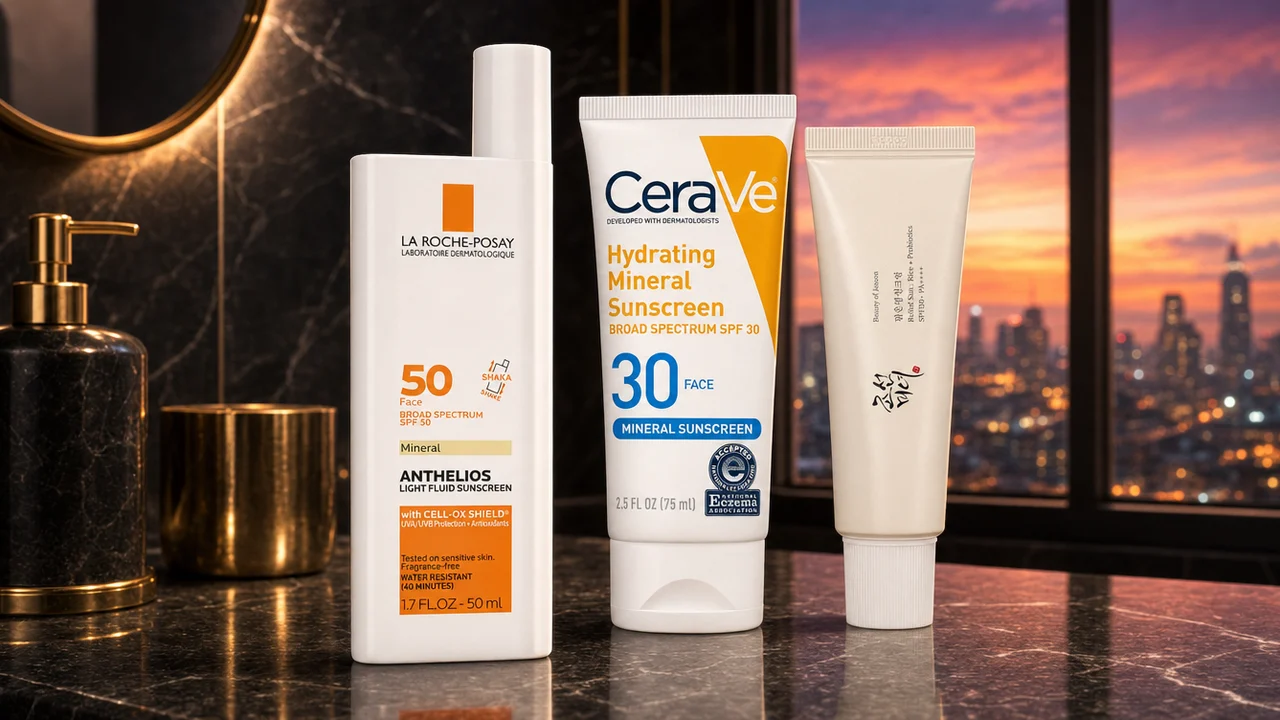
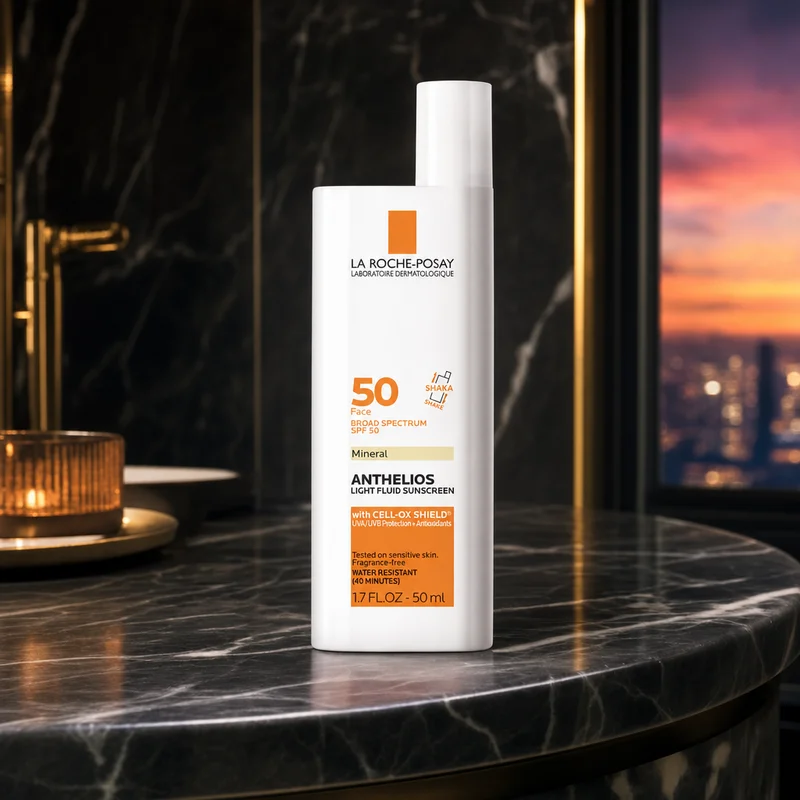
Mineral sunscreen (daily SPF)
Supplementthe #1 evidence-based anti-aging move — prevents the photoaging behind ~80% of facial aging; mineral (zinc/titanium) filters only
⚑ only if worn daily + reapplied — choose 100% mineral8.6/10SAC Efficacy Score™- Effect size45%Large
- Evidence40%Very strong
- Reliability15%Works for most
Why these numbers?
Effect size: Daily sunscreen users showed no detectable skin aging over 4.5 years versus discretionary users (Hughes 2013), and UV accounts for around 80% of visible facial aging (Flament 2013). The single highest-ROI move for a face — 8.2/10.
Evidence: A randomised trial with photographic grading plus a large cohort: 9.0/10.
Reliability: Works for every skin type every day it's applied; mineral filters (zinc/titanium) avoid the chemical-filter concerns. 8.8/10.
Eighty percent of facial aging is UV. This stops it.
daily SPF4.5 years0detectable skin aging~80%of aging = UV (cohort)randomised trial, 903 adultsRCT 2013 ↓SPF 30+ mineral, every morning, a quarter teaspoon for the face, reapply if you're outside — clouds don't count.Fix this first.Every serum below works inside the protection this sets.
Mineral sunscreen (daily SPF) · 8.6Retinoid (retinol / adapalene)
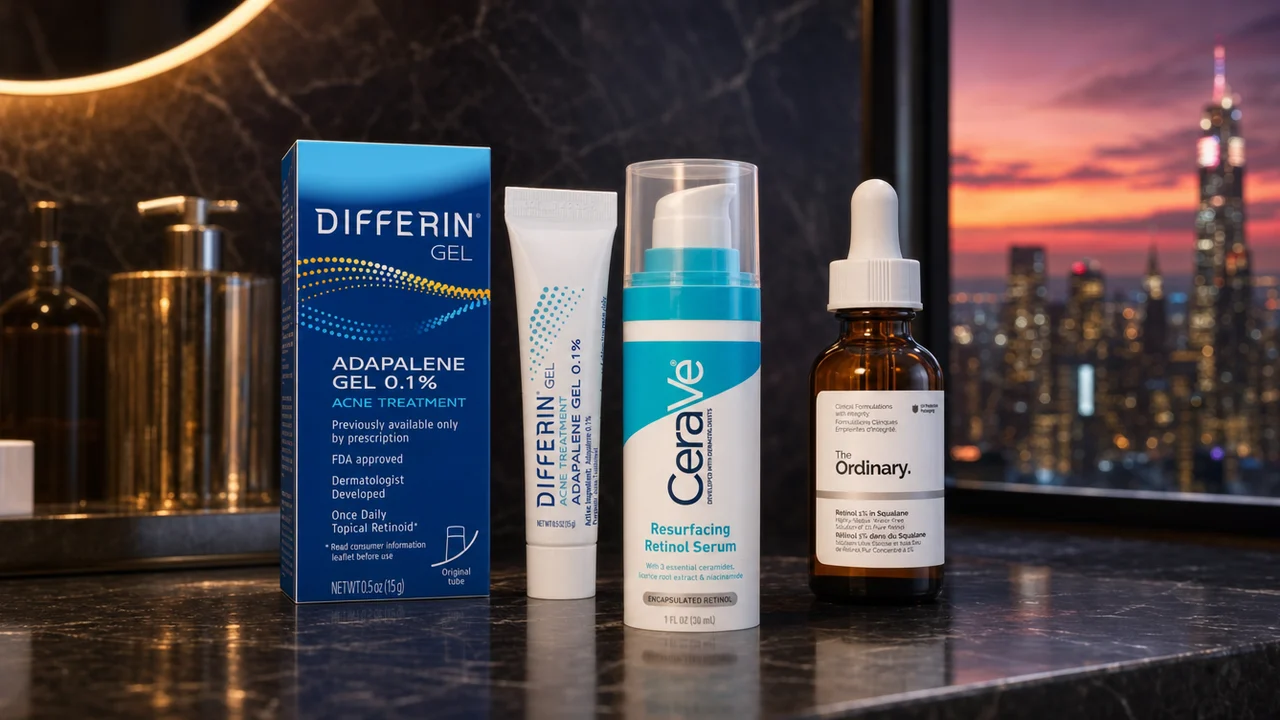
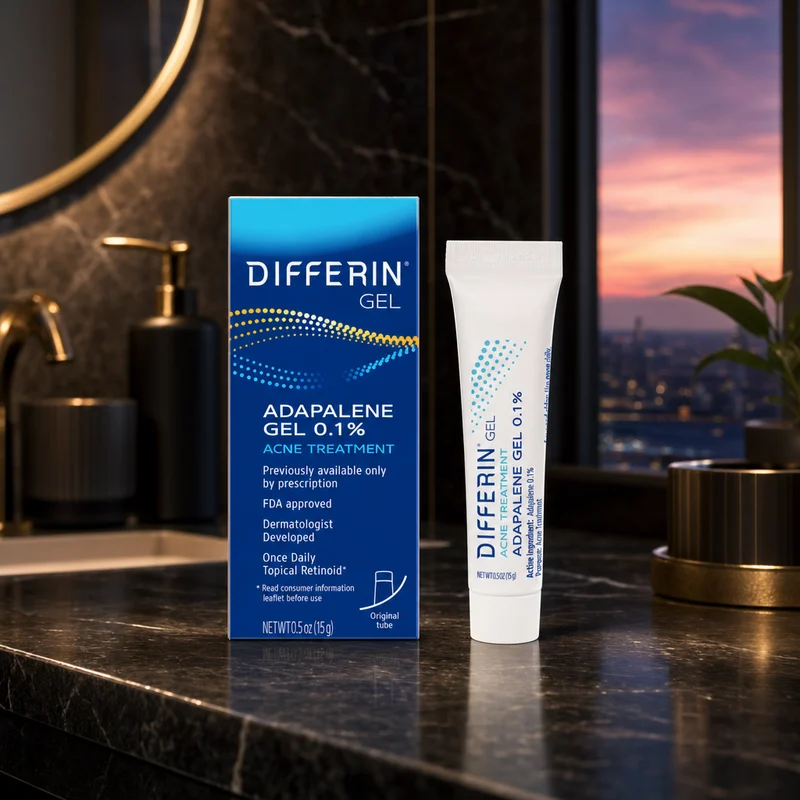
Supplementgold-standard topical for lines, texture + acne (adapalene/tretinoin strongest)
⚑ irritation + purging early; daily sunscreen mandatory8.4/10SAC Efficacy Score™- Effect size45%Large
- Evidence40%Strong
- Reliability15%Works for most
Why these numbers?
Effect size: Retinol improved fine wrinkles and boosted collagen in naturally aged skin (Kafi 2007); tazarotene and tretinoin remodel photodamage in head-to-head trials (Kang 2001). The most proven topical for lines, texture and acne — 8.2/10.
Evidence: Decades of randomised, vehicle-controlled trials: 8.6/10.
Reliability: Works for nearly everyone who tolerates the ramp-up; irritation and sun sensitivity are the price. 8.4/10.
The one topical that remodels skin.
0.4% retinol3×/week × 24 weeks↓ wrinkles+ ↑ collagennaturally aged skin — vehicle-controlledArch Derm 2007 ↓Pea-sized at night, twice a week to start, adapalene 0.1% for acne, retinol for lines — sunscreen every morning is non-negotiable.Start low, go slow, never stop.
Retinoid (retinol / adapalene) · 8.4Vitamin C Serum
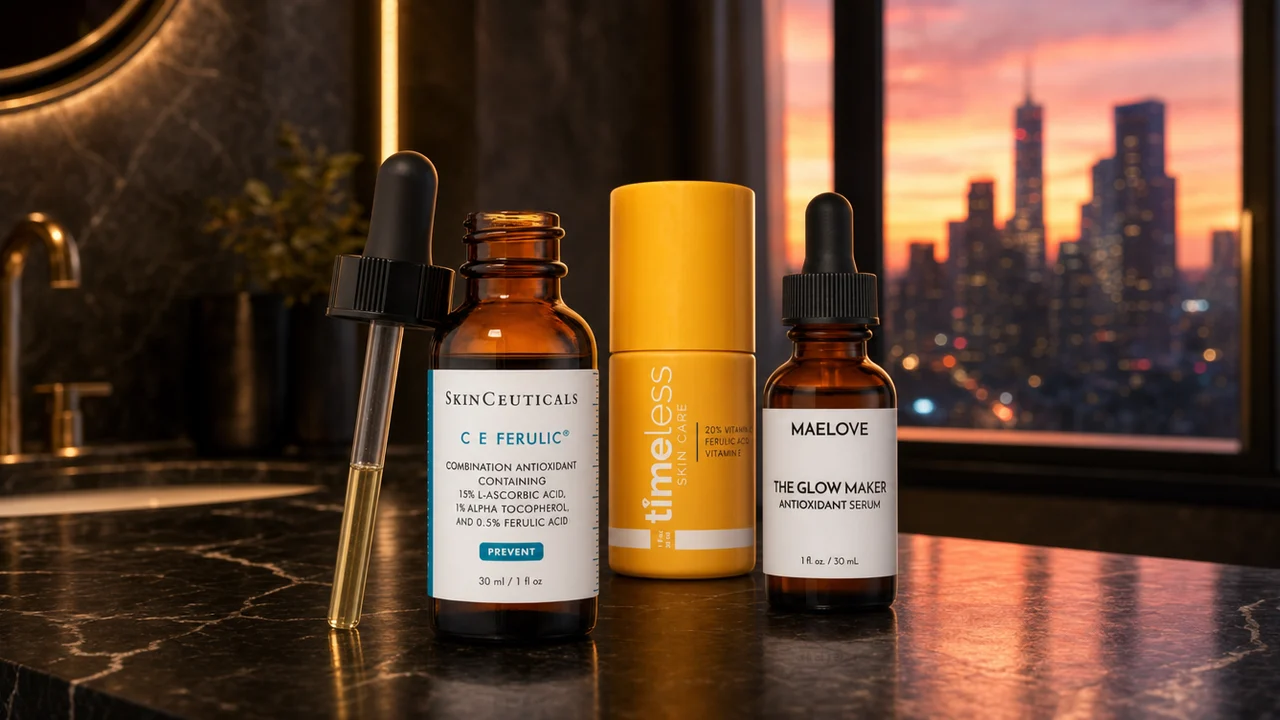
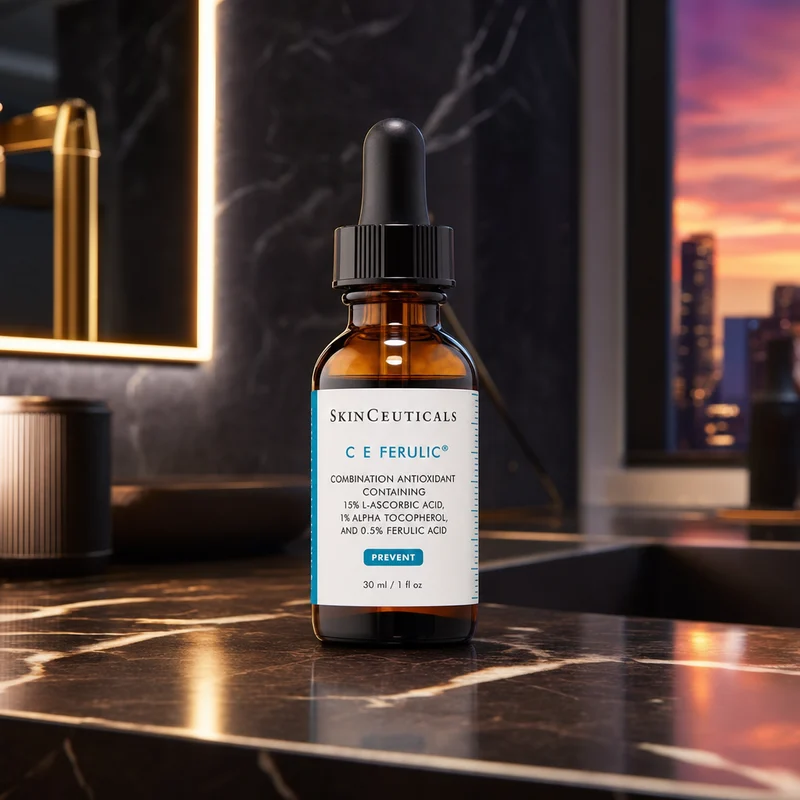
Supplementantioxidant defense + brightening; potentiates sunscreen
⚑ unstable — potency + packaging are everything7.6/10SAC Efficacy Score™- Effect size45%Large
- Evidence40%Moderate
- Reliability15%Works for many
Why these numbers?
Effect size: Topical vitamin C improved photodamage scores in a half-face, double-blind trial (Fitzpatrick 2002), and a stabilised C+E+ferulic formula doubled skin's photoprotection (Lin 2005). Brightening and sunscreen-potentiating — 7.4/10.
Evidence: Small controlled trials, consistent direction: 7.6/10.
Reliability: L-ascorbic acid at 10–20% in an opaque, airless bottle works; oxidised orange serum doesn't. 8.0/10.
The morning antioxidant that upgrades your sunscreen.
C + E + ferulictopical2×photoprotectionstabilised formula — lab + human skinJID 2005 ↓10–20% L-ascorbic acid, mornings, under sunscreen; opaque airless bottle, toss it when it turns orange.Brightening and defence — pair it, don't replace the SPF.
Vitamin C Serum · 7.6Teeth Whitening
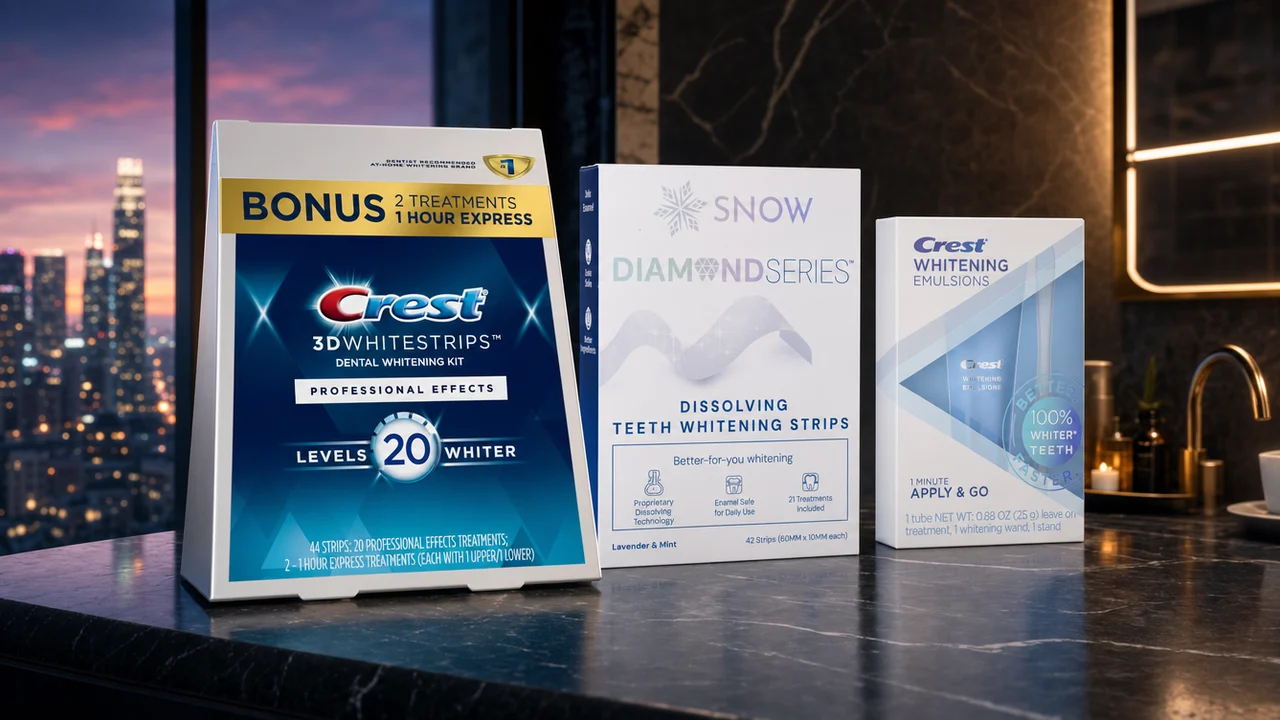
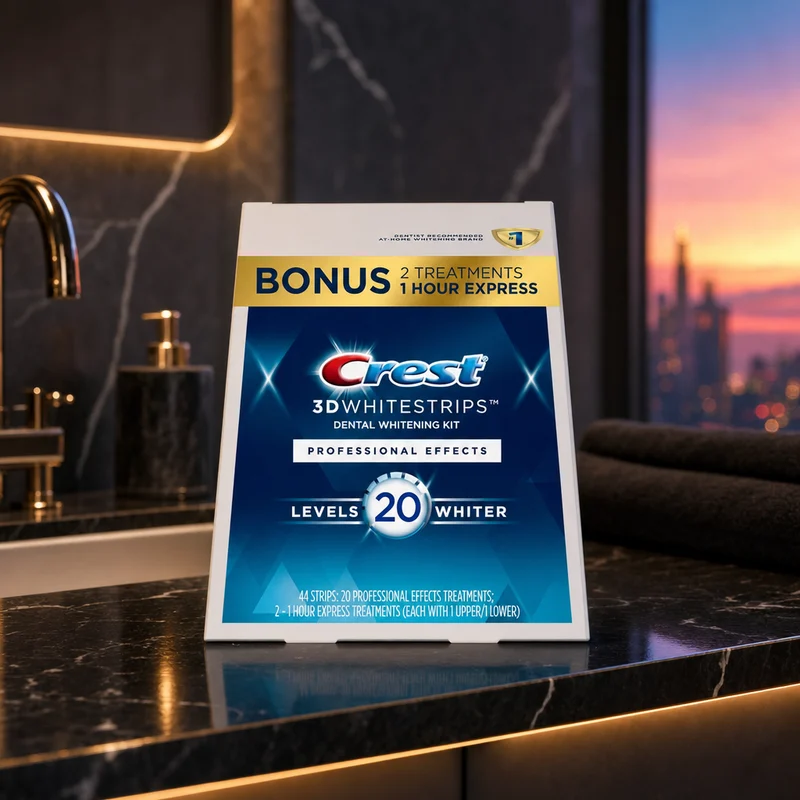
Supplementperoxide genuinely whitens — high perceived-attractiveness payoff for the cost
⚑ sensitivity with overuse; charcoal is a gimmick7.6/10SAC Efficacy Score™- Effect size45%Large
- Evidence40%Moderate
- Reliability15%Works for many
Why these numbers?
Effect size: Home peroxide whitening genuinely lightens teeth (Eachempati 2018), and tooth colour measurably shifts how people rate attractiveness and social competence (Kershaw 2008). High perceived payoff per dollar — 7.8/10.
Evidence: A Cochrane review of efficacy plus perception research: 7.6/10.
Reliability: Works on extrinsic and mild intrinsic stains; sensitivity is common, crowns don't whiten. 7.0/10.
The biggest attractiveness jump per dollar.
peroxide strips10–14 days↑ shadesmeasurable whitening↑ ratingsattractiveness + competenceCochrane review + perception studyCochrane 2018 ↓Peroxide strips or a dentist tray, then coffee through a straw and a top-up every few months.Whiten, then protect — sensitivity toothpaste for the week after.
Teeth Whitening · 7.6Niacinamide Serum
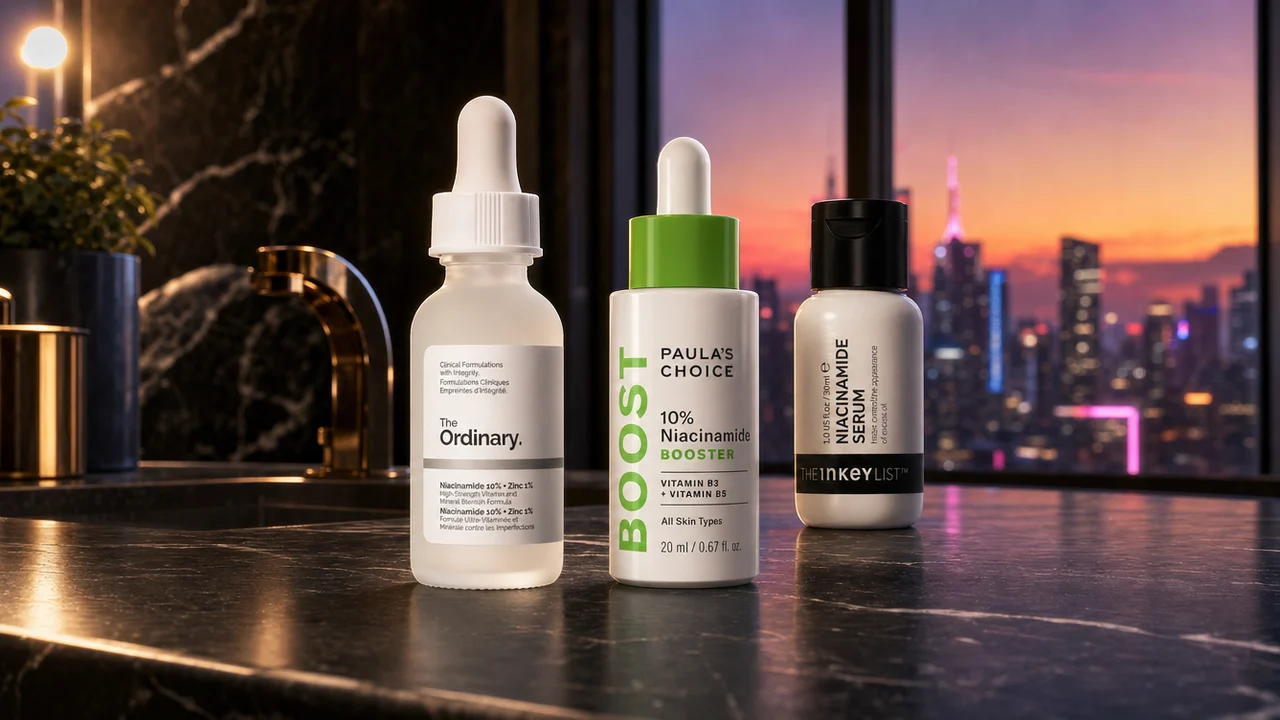
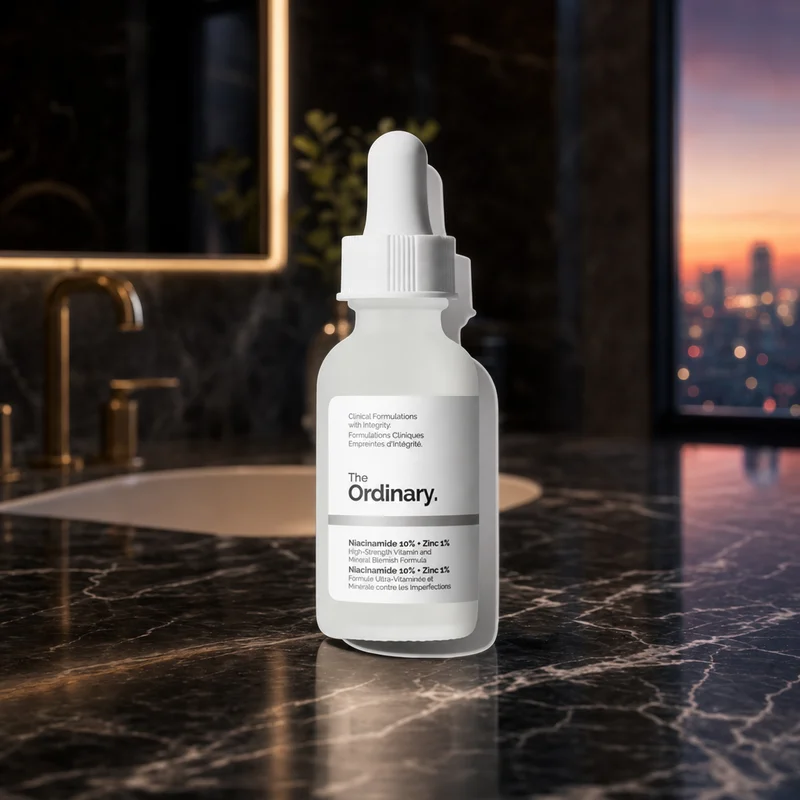
Supplementbarrier, redness, sebum + tone; exceptionally well-tolerated
⚑ higher % is not better — can irritate7.5/10SAC Efficacy Score™- Effect size45%Large
- Evidence40%Moderate
- Reliability15%Works for many
Why these numbers?
Effect size: 5% niacinamide improved fine lines, hyperpigmentation, redness and elasticity over 12 weeks (Bissett 2005); 2% cut facial sebum (Draelos 2006). Modest per outcome, unusually broad — 7.2/10.
Evidence: Double-blind, split-face trials: 7.6/10.
Reliability: One of the best-tolerated actives in skincare: 8.0/10.
Broad, gentle, boring — in the best way.
5%niacinamide × 12 weeks↓ lines↓ redness, ↓ spots, ↑ elasticitydouble-blind split-face trialDerm Surg 2005 ↓2–5%, morning or night, plays with everything — 10%+ adds irritation, not results.The safest active to add second.
Niacinamide Serum · 7.5Zinc
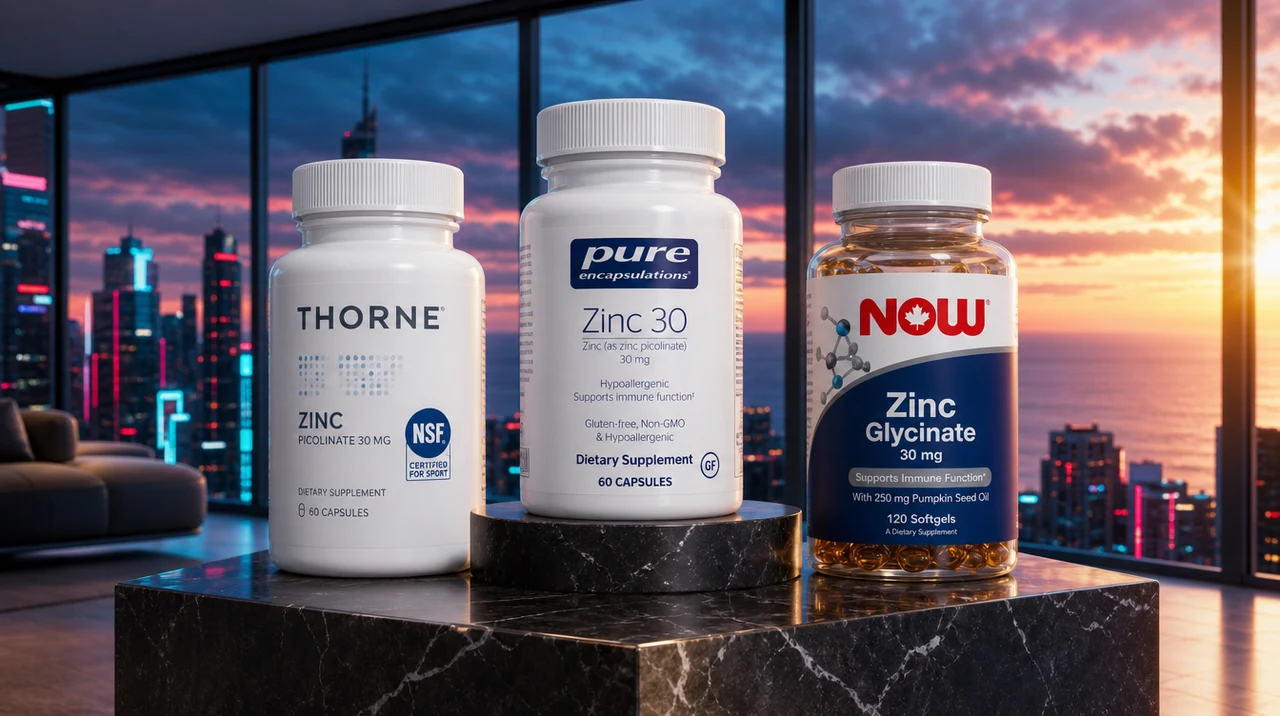
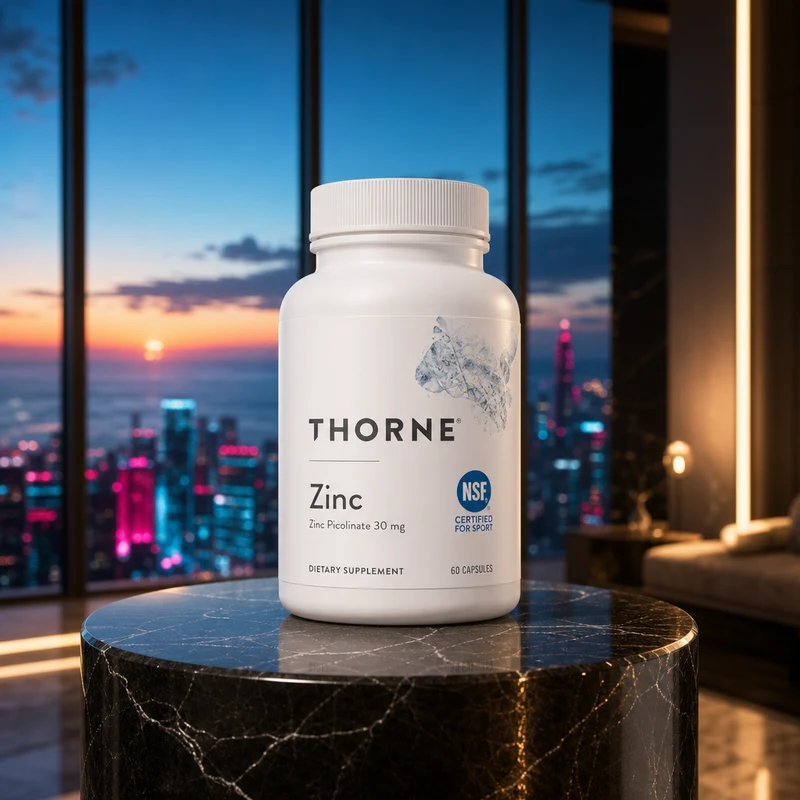
Supplementmatched low-dose antibiotics for inflammatory acne (RCTs)
⚑ for inflammatory acne7.2/10SAC Efficacy Score™- Effect size45%Large
- Evidence40%Strong
- Reliability15%Specific cases
Why these numbers?
Effect size: Oral zinc matched low-dose minocycline for inflammatory acne in a 332-patient double-blind trial (Dreno 2001), and a 2018 review confirms the anti-inflammatory, sebum-regulating effect (Cervantes 2018). 7.2/10 — the strongest supplement effect on this page.
Evidence: A large comparative RCT plus a literature review: 7.8/10.
Reliability: Inflammatory acne responds; clear skin has nothing to gain, and 30–50 mg long-term needs copper. 5.6/10.
Matched an antibiotic for inflammatory acne.
30 mgzinc gluconate × 3 months≈ minocyclineinflammatory lesion count332 patients — double-blind RCTRCT 2001 ↓30 mg elemental with a meal, judge at 8–12 weeks; add 2 mg copper if you stay above 40 mg.For inflammatory acne, not for clear skin.
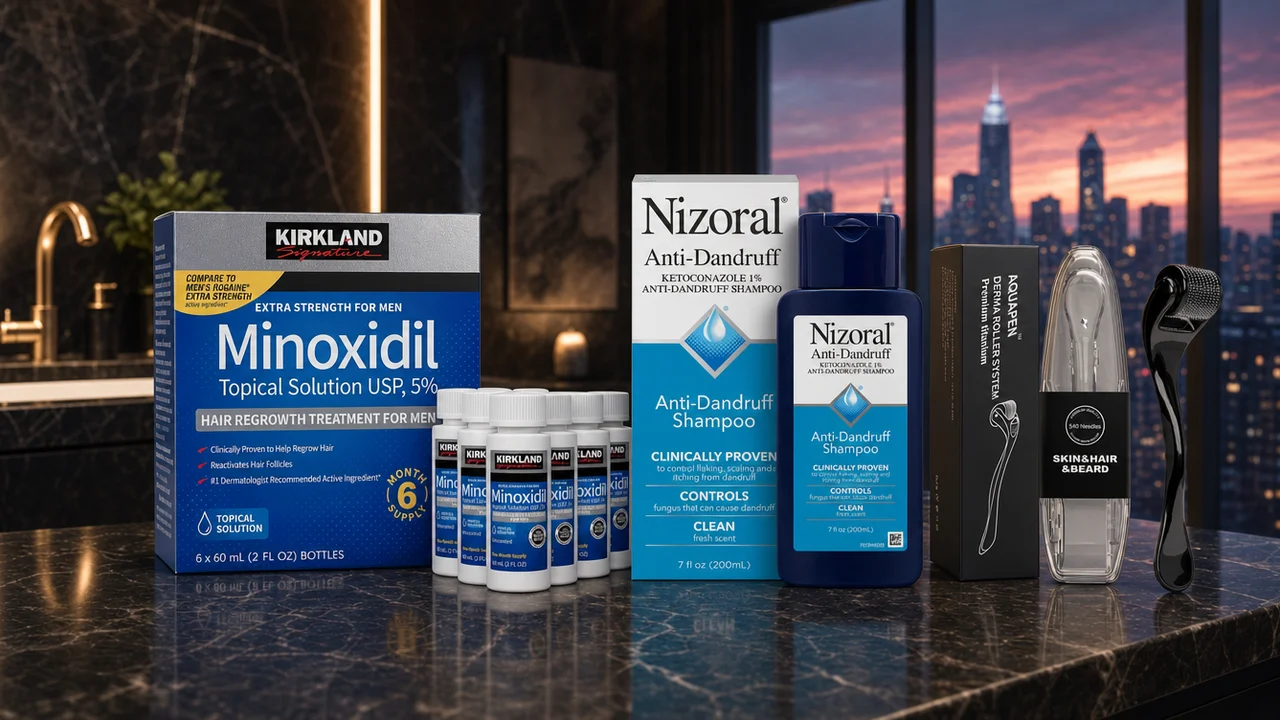
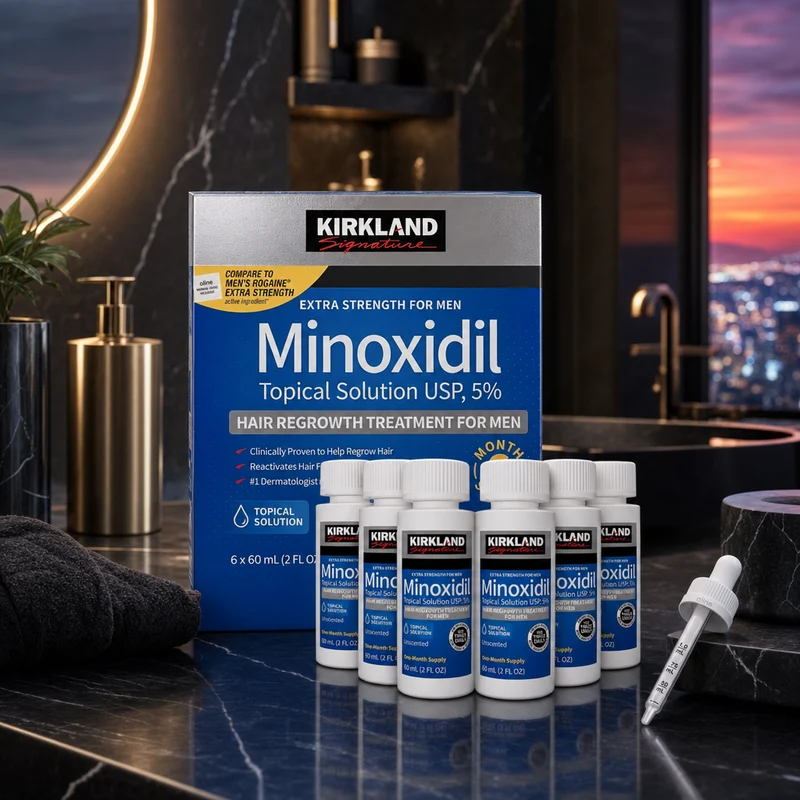
Zinc · 7.2Hair Growth (minoxidil + microneedling)
Supplementminoxidil + microneedling genuinely work for early thinning
⚑ maintenance only; nothing regrows a bald scalp; most serums are hype- Effect size45%Moderate
- Evidence40%Moderate
- Reliability15%Works for many
Why these numbers?
Effect size: 5% minoxidil regrew more hair than 2% and placebo in a 48-week RCT (Olsen 2002), and adding weekly microneedling roughly quadrupled the hair-count gain in a 12-week trial (Dhurat 2013). The only OTC movers with real evidence — 6.8/10.
Evidence: Randomised trials for both parts: 7.4/10.
Reliability: Works for early thinning, needs daily use forever; stopping reverses it. 6.6/10.
Two things actually work for early thinning.
5% minoxidil+ weekly microneedling~4×hair-count gain vs minoxidil alone100 men, 12 weeks — RCTIJT 2013 ↓Minoxidil twice daily, forever; 1.5 mm dermaroller once a week, ketoconazole shampoo twice a week — judge at 6 months.Start early, stay consistent — stopping reverses it.
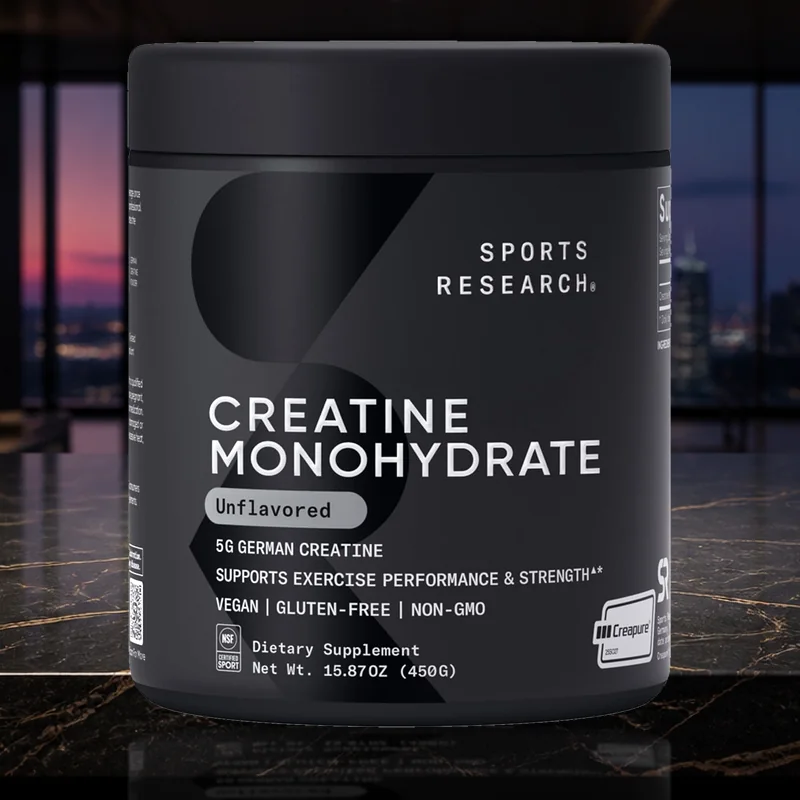
Hair Growth (minoxidil + microneedling) · 7.0Creatine Monohydrate
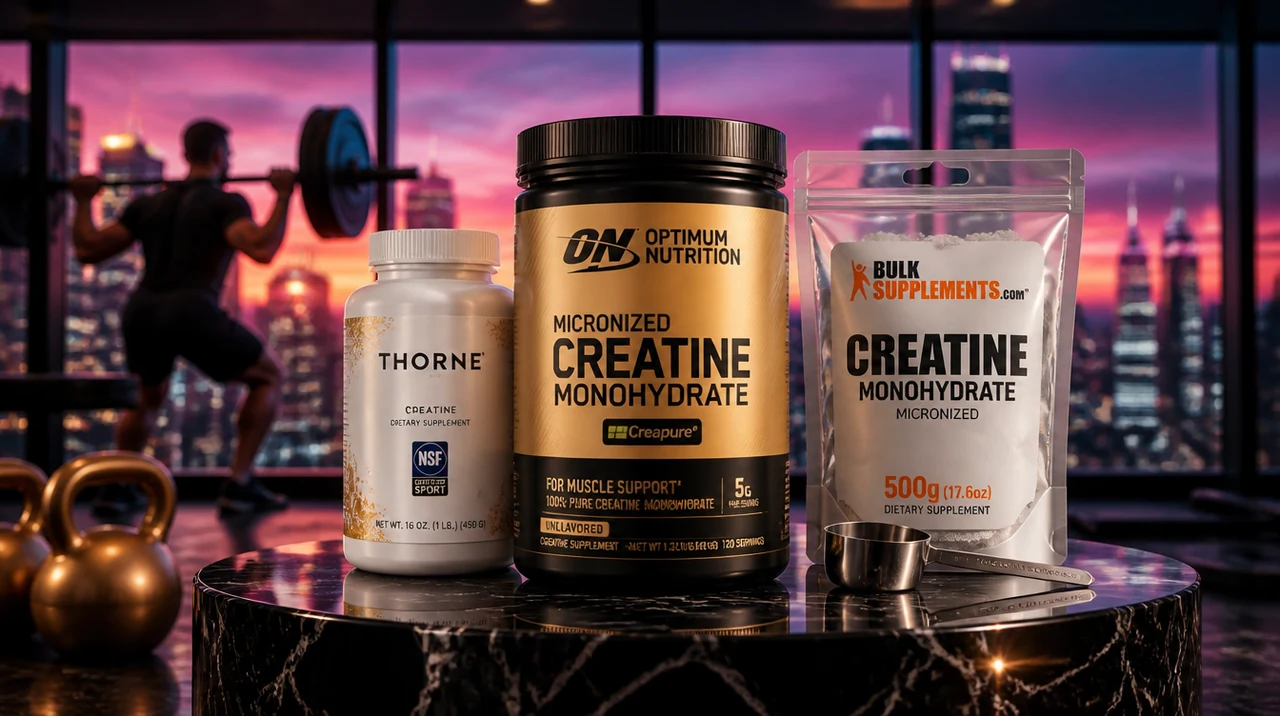
Supplementfuller, harder muscle look via intramuscular water + lean mass
6.6/10SAC Efficacy Score™- Effect size45%Modest
- Evidence40%Strong
- Reliability15%Works for most
Why these numbers?
Effect size: Intramuscular water plus 1–3 kg lean mass over 8–12 weeks (Kreider 2017) — the fuller, harder look is the muscle pick's aesthetic crossover. 5.0/10.
Evidence: The best-studied supplement in sport: 7.8/10.
Reliability: Works in most people; the water shows in week one. 8.2/10.
Fuller, harder — the muscle pick's crossover.
5 gmonohydrate × 8–12 weeks+1–3 kglean masstrained adults — ISSN position standISSN 2017 ↓5 g daily with a meal, no loading — the water fills the muscle in week one, the size follows the training.Only works with the lifting; the lifting is the look.
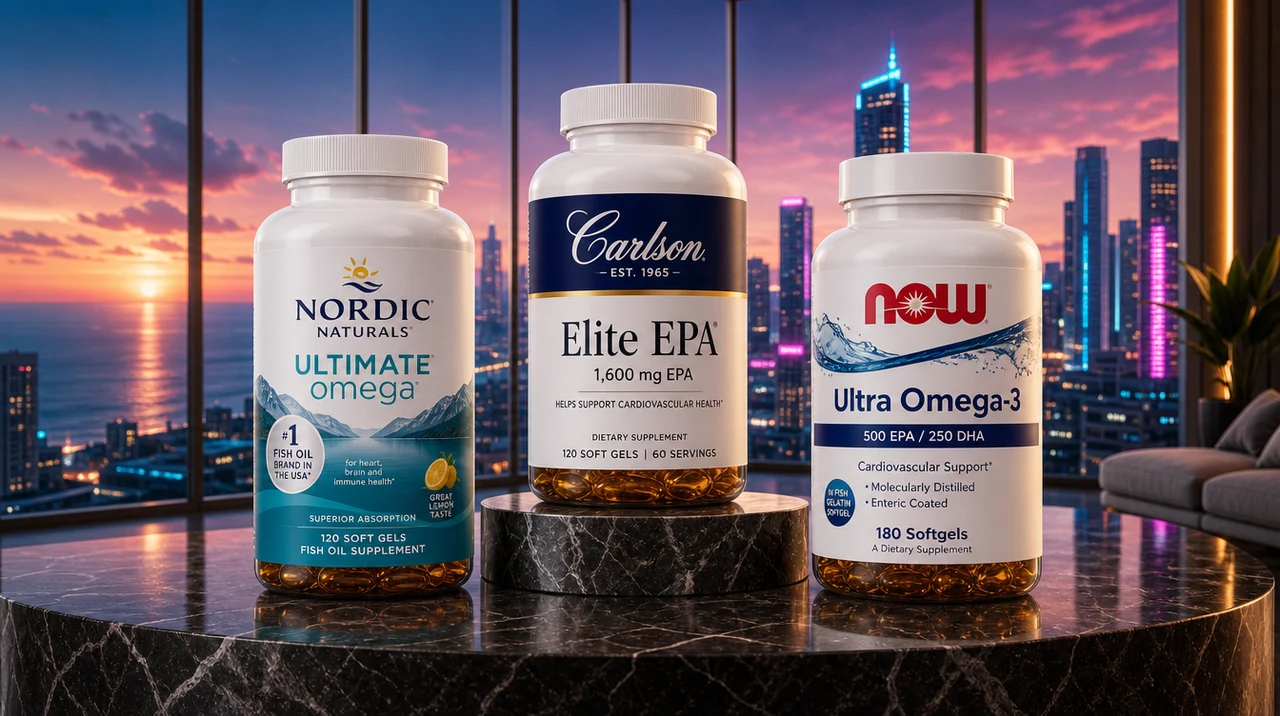
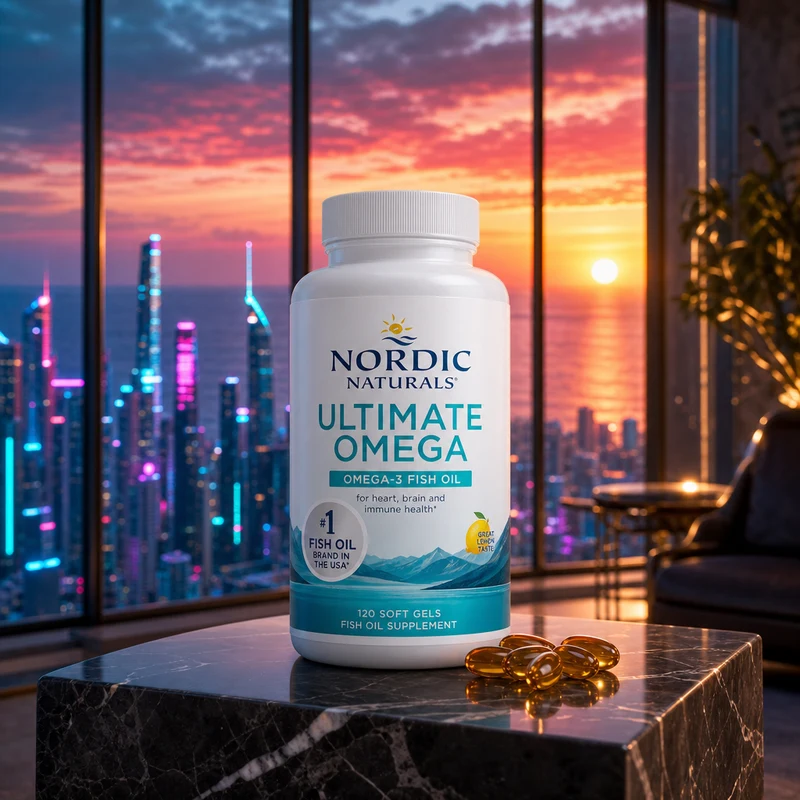
Creatine Monohydrate · 6.6Omega-3 (EPA/DHA)
Supplementcalmer skin + a better-hydrated lipid barrier (slow burn)
6.3/10SAC Efficacy Score™- Effect size45%Modest
- Evidence40%Moderate
- Reliability15%Works for many
Why these numbers?
Effect size: 10 weeks of omega-3 (or GLA) reduced inflammatory and non-inflammatory acne lesions in a 45-patient RCT (Jung 2014); the barrier and hydration effect is a slow burn over months. 4.8/10.
Evidence: One RCT in acne plus a broad inflammation literature: 7.6/10.
Reliability: Works for most who take 1–2 g EPA/DHA consistently; TG form absorbs best. 7.0/10.
Calmer skin, slow burn.
2 gEPA/DHA × 10 weeks↓ lesionsinflammatory + non-inflammatoryacne patients — RCTADV 2014 ↓1–2 g EPA/DHA daily with food, triglyceride form — give it 3 months.The skin-quality tier: barrier and redness, not lines.
Omega-3 (EPA/DHA) · 6.3Vitamin D3
Supplementsupports the skin barrier; clearest when correcting a deficiency
⚑ mainly if deficient5.5/10SAC Efficacy Score™- Effect size45%Modest
- Evidence40%Moderate
- Reliability15%Specific cases
Why these numbers?
Effect size: Vitamin D supplementation improved atopic-dermatitis severity in meta-analysis, clearest in the deficient (Park 2023); deficiency tracks with eczema and slow skin healing. 4.6/10.
Evidence: Meta-analysis of small trials in one skin condition: 6.6/10.
Reliability: Deficit-dependent: the low-D majority benefits, replete skin doesn't change. 5.2/10.
Barrier support — if you're low.
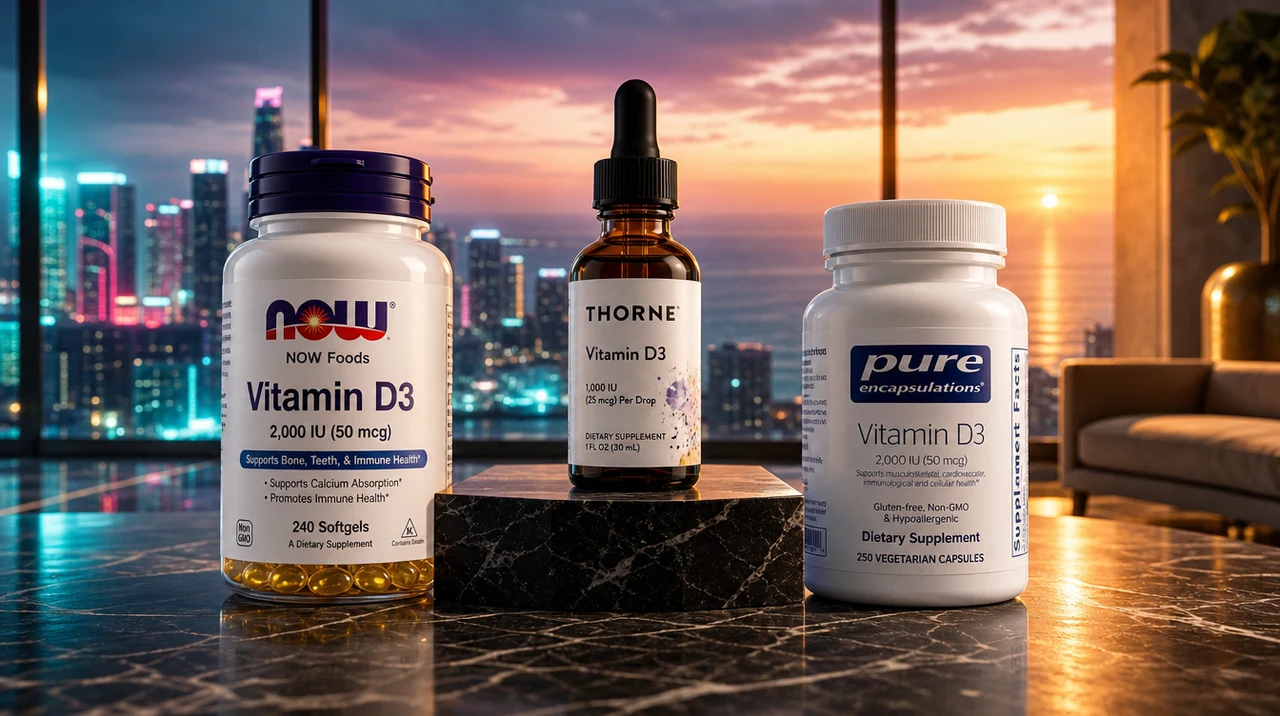
1,000–2,000 IUdaily × 8–12 weeks↓ severityatopic dermatitis, pooledmeta-analysis, clearest in the deficientMeta 2023 ↓Test 25(OH)D, 2,000–4,000 IU with fat and K2 if low — skin follows the bloodwork by weeks.Correct the deficiency; don't chase glow with more.
Vitamin D3 · 5.5
My Stack
The picks from the ranking as a protocol: dose, timing, cost, cautions and our top pick for each — nothing invented, nothing added up. The full sheet opens as a layer.
Nothing equipped yet — use “+ Add to my stack” on the cards above. The sheet fills in dose, timing, cost and cautions for whatever you pick.
Our Methodology
How every score on this page is calculated — transparent and free to cite.
Research & Sources
The key human trials behind the rankings above — every PMID verified against its primary source.
- ZincPrasad 1996 (testosterone) — Zinc status and serum testosterone levels of healthy adults · Nutrition · PMID 8875519
- ZincHemilä 2017 (cold meta-analysis) — Zinc lozenges and the common cold: a meta-analysis comparing zinc acetate and zinc gluconate, and the role of zinc dosage · JRSM Open · PMID 28515951
- Creatine MonohydrateKreider 2017 (ISSN Position Statement) — International Society of Sports Nutrition position stand: safety and efficacy of creatine supplementation in exercise, sport, and medicine · Journal of the International Society of Sports Nutrition · PMID 28615996
- Creatine MonohydrateChilibeck 2017 — Effect of creatine supplementation during resistance training on lean tissue mass and muscular strength in older adults: a meta-analysis · Open Access Journal of Sports Medicine · PMID 29138605
- Omega-3 (EPA/DHA)Bhatt 2019 (REDUCE-IT) — Cardiovascular Risk Reduction with Icosapent Ethyl for Hypertriglyceridemia · New England Journal of Medicine · PMID 30415628
- Omega-3 (EPA/DHA)Mozaffarian 2011 — Omega-3 fatty acids and cardiovascular disease: effects on risk factors, molecular pathways, and clinical events · Journal of the American College of Cardiology · PMID 22051327
- Vitamin D3Holick 2007 — Vitamin D deficiency · New England Journal of Medicine · PMID 17634462
- Vitamin D3Pludowski 2018 — Vitamin D supplementation guidelines · Journal of Steroid Biochemistry and Molecular Biology · PMID 28216084
- ZincDreno et al. 2001 — Multicenter randomized comparative double-blind controlled clinical trial of the safety and efficacy of zinc gluconate versus minocycline hydrochloride in the treatment of inflammatory acne vulgaris · Dermatology · PMID 11586012
- ZincCervantes et al. 2018 — The role of zinc in the treatment of acne: A review of the literature · Dermatol Ther · PMID 29193602
- Omega-3Jung et al. 2014 — Effect of dietary supplementation with omega-3 fatty acid and gamma-linolenic acid on acne vulgaris: a randomised, double-blind, controlled trial · Acta Derm Venereol · PMID 24553997
- Vitamin D3Park et al. 2023 — Effect of Vitamin D on the Treatment of Atopic Dermatitis With Consideration of Heterogeneities: Meta-Analysis of Randomized Controlled Trials · Allergy Asthma Immunol Res · PMID 37021510
- SunscreenHughes et al. 2013 — Sunscreen and prevention of skin aging: a randomized trial · Ann Intern Med · PMID 23732711
- SunscreenFlament et al. 2013 — Effect of the sun on visible clinical signs of aging in Caucasian skin · Clin Cosmet Investig Dermatol · PMID 24101874
- RetinoidKafi et al. 2007 — Improvement of naturally aged skin with vitamin A (retinol) · Arch Dermatol · PMID 17515510
- RetinoidKang et al. 2001 — Tazarotene cream for the treatment of facial photodamage: a multicenter, investigator-masked, randomized, vehicle-controlled, parallel comparison of 0.01%, 0.025%, 0.05%, and 0.1% tazarotene creams with 0.05% tretinoin emollient cream applied once daily for 24 weeks · Arch Dermatol · PMID 11735710
- Vitamin C SerumFitzpatrick & Rostan 2002 — Double-blind, half-face study comparing topical vitamin C and vehicle for rejuvenation of photodamage · Dermatol Surg · PMID 11896774
- Vitamin C SerumLin et al. 2005 — Ferulic acid stabilizes a solution of vitamins C and E and doubles its photoprotection of skin · J Invest Dermatol · PMID 16185284
- Teeth WhiteningEachempati et al. 2018 — Home-based chemically-induced whitening (bleaching) of teeth in adults · Cochrane Database Syst Rev · PMID 30562408
- Teeth WhiteningKershaw et al. 2008 — The influence of tooth colour on the perceptions of personal characteristics among female dental patients: comparisons of unmodified, decayed and 'whitened' teeth · Br Dent J · PMID 18297050
- NiacinamideBissett et al. 2005 — Niacinamide: A B vitamin that improves aging facial skin appearance · Dermatol Surg · PMID 16029679
- NiacinamideDraelos et al. 2006 — The effect of 2% niacinamide on facial sebum production · J Cosmet Laser Ther · PMID 16766489
- Hair GrowthOlsen et al. 2002 — A randomized clinical trial of 5% topical minoxidil versus 2% topical minoxidil and placebo in the treatment of androgenetic alopecia in men · J Am Acad Dermatol · PMID 12196747
- Hair GrowthDhurat et al. 2013 — A randomized evaluator blinded study of effect of microneedling in androgenetic alopecia: a pilot study · Int J Trichology · PMID 23960389