
Top 8 Best Hair Growth Products for Looksmaxxing (2026)
 01 · Best overall
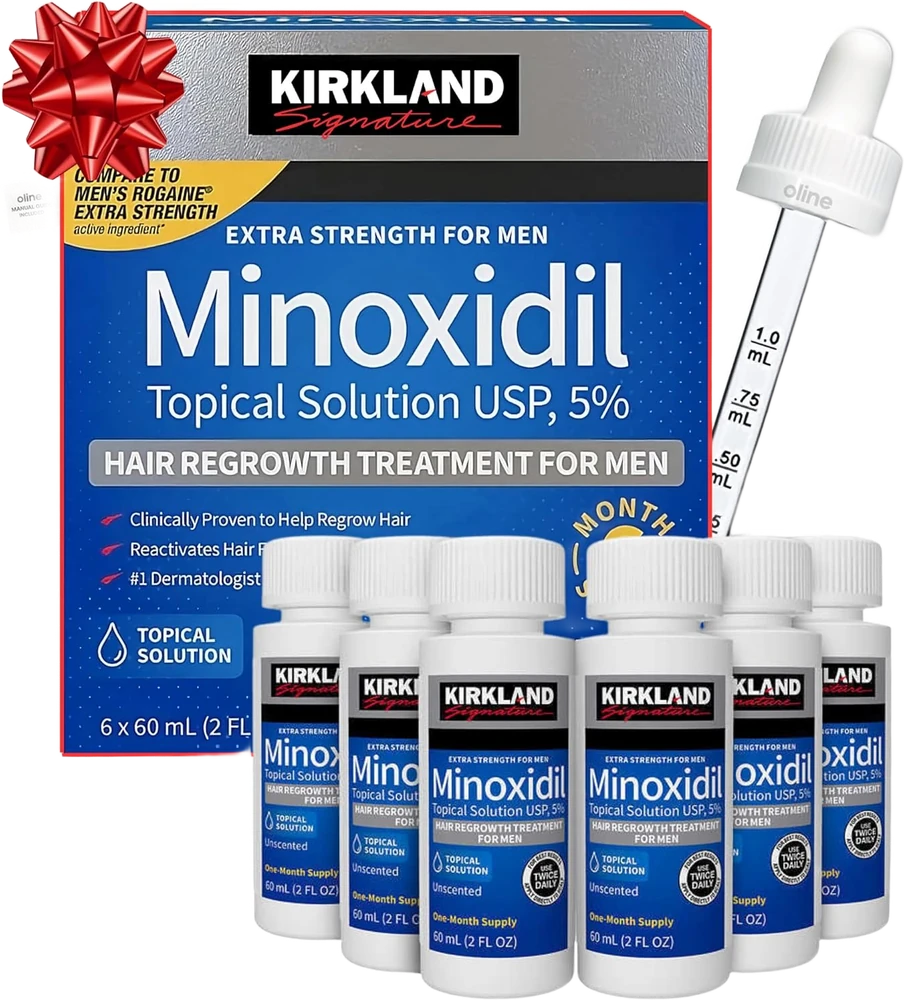
Best overall — the only proven OTC regrowth agent: Kirkland Signature Minoxidil 5% (6-Month Supply)
The single most important product on this list and the only OTC ingredient FDA-approved to regrow men's hair. Kirkland is the generic of Rogaine at roughly a third of the price — same 5% minoxidil, same evidence.
$40 / 6-month supply (6 x 2 fl oz)≈ $6.70 / month at twice-daily use
Why it wins: all five scores, pros & cons, full label
- The only OTC ingredient FDA-approved to regrow hair in men — everything else on this list is an adjunct to it
- Olsen 2002 showed 5% outperformed both 2% minoxidil and placebo for regrowth
- Kirkland is chemically identical to Rogaine at ~30% of the cost — the value benchmark of the category
- 6-month supply per box makes a real, sustained course cheap and low-friction
- Must be used consistently and indefinitely — stop and you lose the regrowth within months
- Commonly causes a temporary 'dread shed' in the first 2-8 weeks before regrowth begins
- Solution (vs foam) contains propylene glycol, which can irritate sensitive scalps; the foam variant avoids it
- Does nothing for a slick-bald scalp — it defends and thickens hair you still have
- Active
- Minoxidil 5% (topical solution)
- Supply
- 6 bottles x 2 fl oz — 6-month supply
- Use
- 1 mL twice daily to a dry scalp, indefinitely
- Evidence
- Olsen 2002 — 5% beat 2% and placebo over 48 weeks

Our take — If you buy one thing from this entire category, buy minoxidil, and if you buy minoxidil, Kirkland is the rational default — it is the exact same 5% active as Rogaine at a fraction of the price, backed by Olsen 2002 and decades of use. Set expectations correctly: it is a commitment, not a cure. You apply it twice a day forever, you will probably shed before you grow, and it protects existing hair rather than resurrecting dead follicles. Do that, and it is the one product here with the best odds of actually working. Pair it with the derma roller (#2) to multiply the effect.
 02
02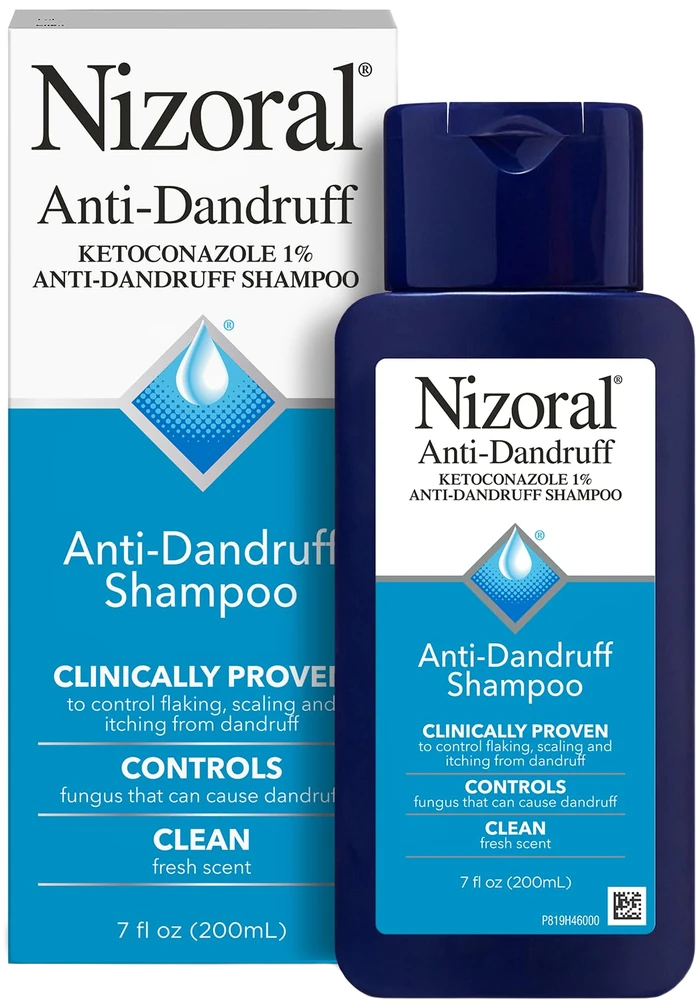 03
03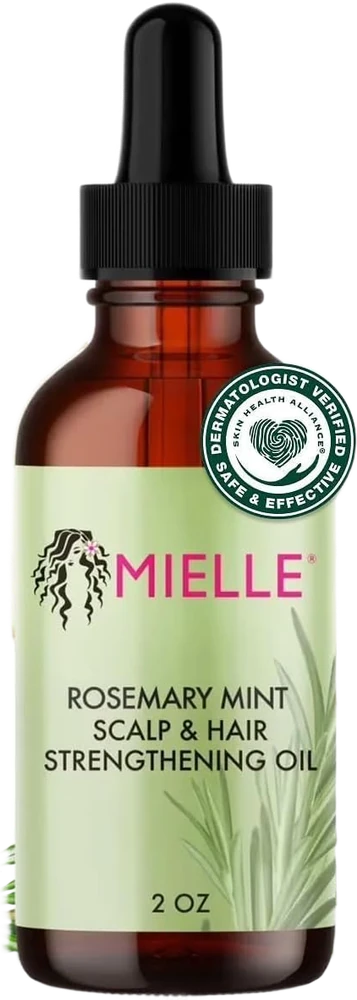 04
04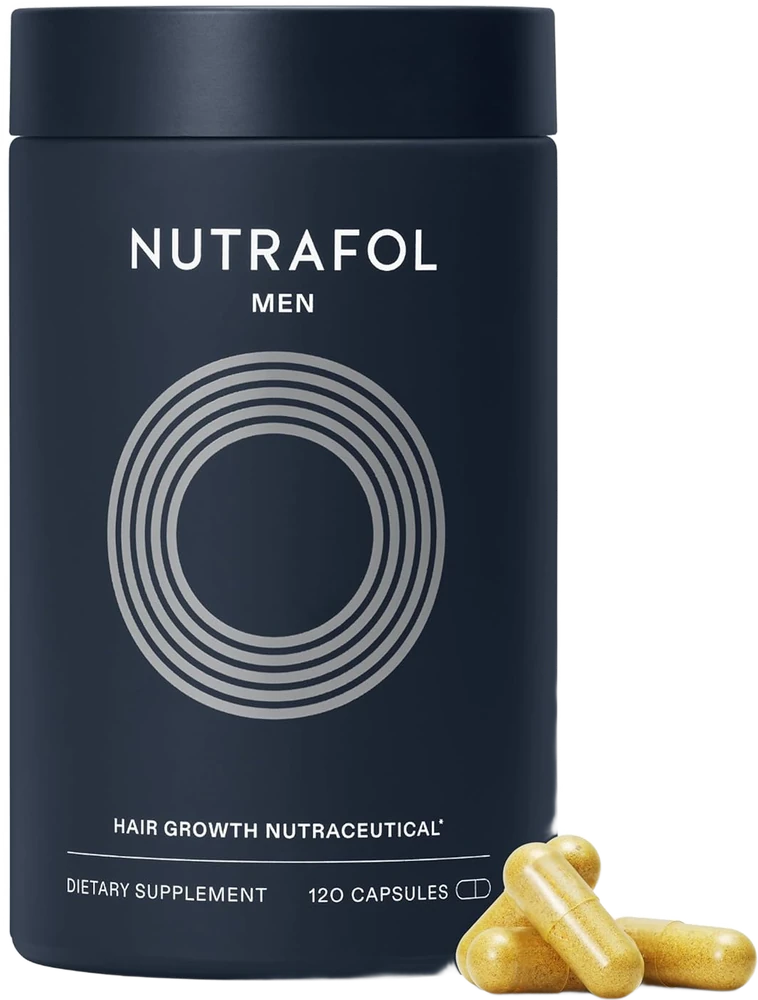 05
05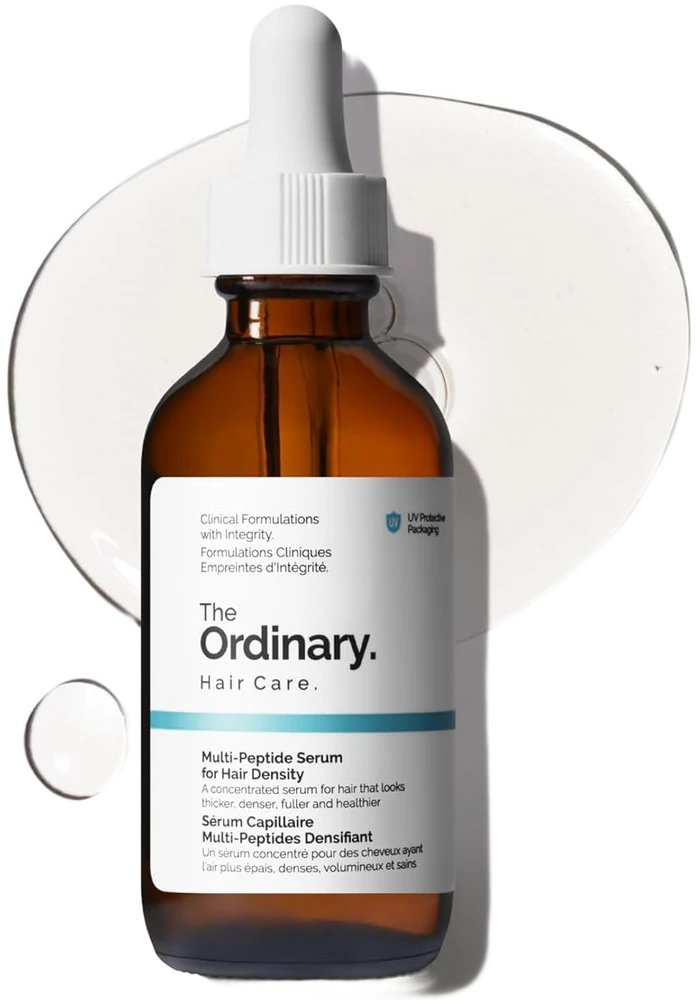 06
06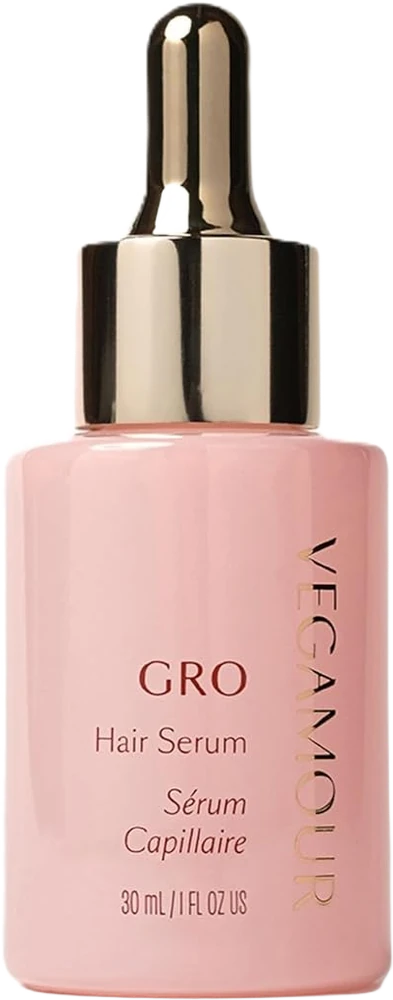 07
07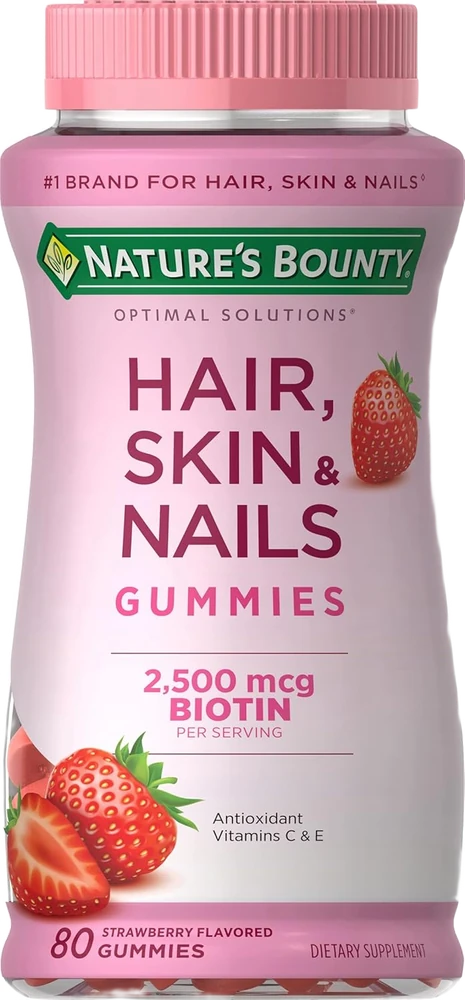 08
08Who Wins Which Aspect
Sorted by overall SAC Product Score™ — the official ranking.
| # | Pick | Score | Evidence45% | Mechanism plausibility20% | Safety + tolerability15% | Value / cost per month10% | Real-world adherence10% | Cost Per Dose | Buy |
|---|---|---|---|---|---|---|---|---|---|
| 01 | | 9.5 | 9.91 | 9.61 | 8.63 | 9.91 | 8.42 | ≈ $6.70 / month at twice-daily use | Check price |
| The only OTC ingredient FDA-approved to regrow hair in men — everything else on this list is an adjunct to itMust be used consistently and indefinitely — stop and you lose the regrowth within months | |||||||||
| 02 | | 8.8 | 9.02 | 9.22 | 8.2 | 9.62 | 7.4 | — | Check price |
| Dhurat 2013: microneedling + minoxidil roughly QUADRUPLED hair count vs minoxidil alone at 12 weeksIt is a MULTIPLIER, not a standalone treatment — the trial paired it WITH minoxidil, and so should you | |||||||||
| 03 | | 8.6 | 8.23 | 8.83 | 9.01 | 9.23 | 9.21 | ≈ $4 / month at 2 washes / week | Check price |
| Ketoconazole has real adjunct evidence in androgenetic alopecia — Pierard-Franchimont 1998 saw density gains comparable to 2% minoxidilAn ADJUNCT, not a standalone regrowth agent — it supports minoxidil, it doesn't replace it | |||||||||
| 04 | | 7.6 | 7.0 | 7.8 | 8.82 | 8.6 | 7.6 | ≈ $5-10 / month depending on use | Check price |
| Rosemary oil has ONE real comparative RCT (Panahi 2015) showing it roughly matched 2% minoxidil on hair countThe evidence is a SINGLE small study vs the WEAKER 2% minoxidil — not vs the 5% standard | |||||||||
| 05 | | 6.5 | 6.0 | 6.6 | 8.2 | 4.2 | 8.0 | $2.93 / day | Check price |
| The most legitimate of the premium hair supplements — real, disclosed ingredients with plausible individual rationalesThe efficacy evidence is largely manufacturer-funded and small — independent RCT support is thin | |||||||||
| 06 | | 6.0 | 4.2 | 6.0 | 8.82 | 8.0 | 8.23 | ≈ $20 / month at once-daily use | Check price |
| Genuinely cheap for the category — about $20 for a 60 ml bottleNo strong INDEPENDENT trials of the finished product — the actives' data comes from ingredient makers | |||||||||
| 07 | | 5.3 | 3.8 | 5.6 | 8.63 | 3.6 | 7.8 | $48 / month | Check price |
| Cosmetically pleasant, non-greasy, and simple to apply dailyEvidence is essentially manufacturer before/after photos — no meaningful independent trial support | |||||||||
| 08 | | 3.8 | 1.8 | 3.0 | 7.0 | 6.0 | 7.6 | $0.28 / 2-gummy serving | Check price |
| Cheap and pleasant to take, if you enjoy a daily gummyBiotin does NOTHING for hair growth in people who aren't deficient — and almost nobody is | |||||||||
The Other 7, Ranked
- 02
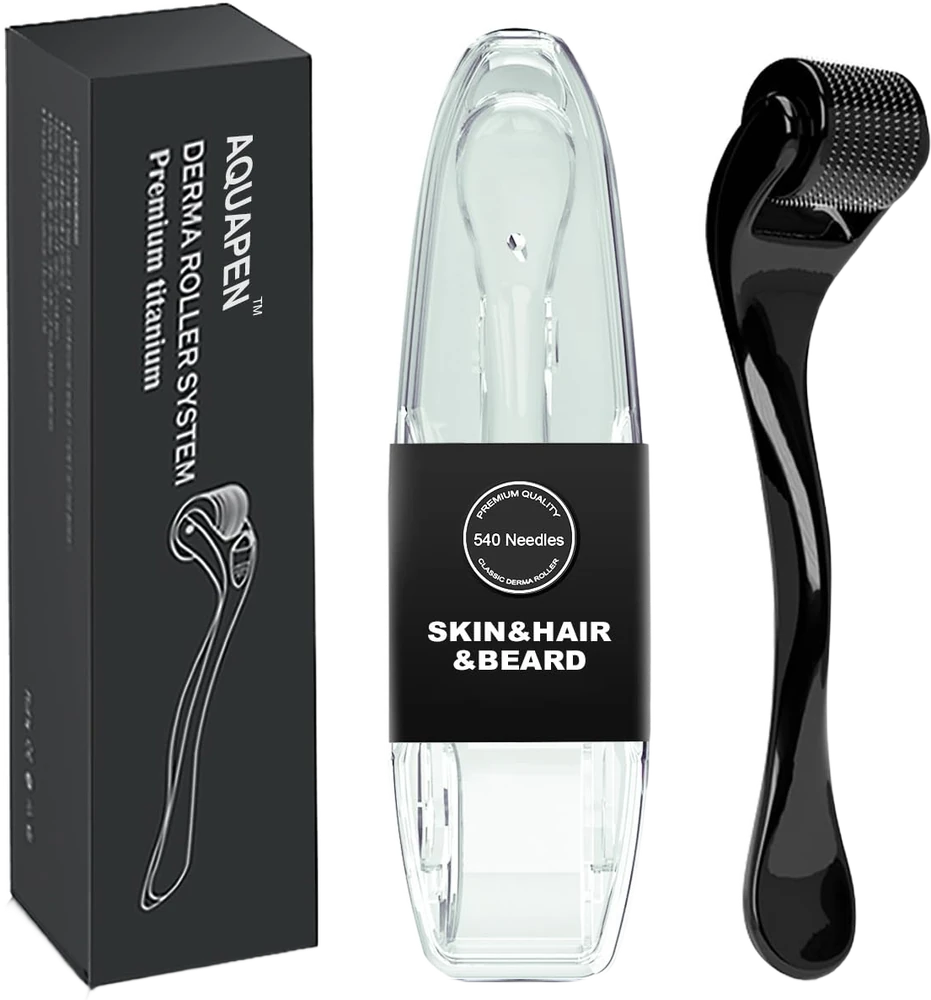
Best multiplier — quadrupled minoxidil in trials: Titanium Derma Roller (540 Needles, 0.25 mm)
8.8SAC Score™A ~$12 tool that is the single best free multiplier on minoxidil that exists. In Dhurat 2013, microneedling plus minoxidil produced about four times the hair count of minoxidil alone. Roll once or twice a week, then apply your minoxidil.
StrongestValue / cost per month9.62WeakestReal-world adherence7.4- Type
- 540 titanium microneedles, 0.25 mm depth
- Use
- Roll scalp 1-2x per week, then apply minoxidil
- Why 0.25 mm
- The safe, standard depth for at-home scalp rolling
All five scores, pros & cons, full label
What We Like- Dhurat 2013: microneedling + minoxidil roughly QUADRUPLED hair count vs minoxidil alone at 12 weeks
- Creates micro-channels that boost minoxidil absorption and trigger a wound-healing growth response
- One-time ~$12 cost — the best value multiplier in the entire category
- 0.25 mm is the correct, safe depth for frequent at-home scalp use (deeper needs pro supervision)
What You Live With- It is a MULTIPLIER, not a standalone treatment — the trial paired it WITH minoxidil, and so should you
- Requires clean technique and a sanitized roller to avoid scalp infection
- Replace the needle head regularly; dull needles tear rather than channel
- Do not roll over active irritation, and never combine same-session with a stinging solution
- Evidence
- Dhurat 2013 — ~91 vs ~22 hairs/cm2 vs minoxidil alone
Our take — The derma roller is the closest thing to a free lunch in hair growth. On its own it's minor; paired with minoxidil it was the difference between a ~22 and a ~91 hairs/cm2 gain in Dhurat 2013 — a fourfold multiplier for twelve dollars. Use the 0.25 mm titanium roller once or twice a week on a clean scalp, apply your minoxidil afterward, keep the roller sanitized, and swap the head every few months. It ranks third because it is an adjunct to #1, not a hero in isolation — but as an add-on, nothing else on this list buys you more proven upside per dollar.
- 03
Best adjunct — evidence-backed & cheap: Nizoral Anti-Dandruff Shampoo (Ketoconazole 1%)
8.6SAC Score™A $15 anti-dandruff shampoo that moonlights as a real hair-loss adjunct. Ketoconazole lowers scalp inflammation and local DHT, and it's studied alongside minoxidil in male-pattern loss. Two uses a week, almost no downside.
StrongestValue / cost per month9.23WeakestEvidence8.2- Active
- Ketoconazole 1% (OTC antifungal)
- Size
- 7 fl oz bottle
- Use
- Lather, leave 3-5 min, rinse — 2x per week
All five scores, pros & cons, full label
What We Like- Ketoconazole has real adjunct evidence in androgenetic alopecia — Pierard-Franchimont 1998 saw density gains comparable to 2% minoxidil
- Anti-inflammatory + local anti-androgen action on the scalp — a genuine mechanism, not marketing
- Reduces the shedding and flaking that sabotage other treatments and adherence
- Cheap, widely available, and near-zero downside at 2 washes a week
What You Live With- An ADJUNCT, not a standalone regrowth agent — it supports minoxidil, it doesn't replace it
- Can be drying; alternate with a normal conditioner and don't use daily
- Evidence base is smaller than minoxidil's — supportive, not definitive
- Evidence
- Pierard-Franchimont 1998 — improved density/anagen in AGA
Our take — Nizoral is the highest-leverage cheap add-on in hair care: a mainstream dandruff shampoo whose active ingredient happens to have real supporting data in male-pattern loss. It won't regrow a scalp on its own, but as the second leg of a minoxidil-based regimen it lowers scalp inflammation and local DHT for about four dollars a month. There is almost no reason not to swap your shampoo twice a week. Buy it as the reliable #3 behind minoxidil and the roller — not as a hero product, but as the adjunct with the best evidence-to-price ratio on the list.
- 04
Best natural option — one real trial: Mielle Organics Rosemary Mint Scalp & Hair Oil
7.6SAC Score™The one 'natural' pick with an actual comparative trial behind it. Panahi 2015 found rosemary oil performed about as well as 2% minoxidil on hair count over six months — one small study, but genuinely more than any serum below can claim.
StrongestSafety + tolerability8.82WeakestEvidence7.0- Key active
- Rosemary oil (in a rosemary-mint carrier blend)
- Size
- 2 fl oz multi-oil blend
- Use
- Massage into scalp a few times a week
All five scores, pros & cons, full label
What We Like- Rosemary oil has ONE real comparative RCT (Panahi 2015) showing it roughly matched 2% minoxidil on hair count
- Caused less scalp itching than minoxidil in that trial — a genuine tolerability edge
- Cheap, pleasant to use, and a reasonable option for people who won't commit to minoxidil
- This Mielle blend is the most-reviewed rosemary hair product on Amazon by a wide margin
What You Live With- The evidence is a SINGLE small study vs the WEAKER 2% minoxidil — not vs the 5% standard
- This is a multi-oil cosmetic blend, not standardized clinical rosemary oil — potency varies
- The added biotin does nothing for hair unless you're deficient (see #8) — treat it as fragrance, not function
- Slower and less certain than minoxidil; best viewed as an adjunct or a natural-first starting point
- Evidence
- Panahi 2015 — comparable to 2% minoxidil at 6 months
Our take — Rosemary oil is the only 'natural' hair product on this list that isn't pure hope — Panahi 2015 is a real randomized trial, and it found rosemary roughly comparable to 2% minoxidil over six months with less itching. That's a meaningful result, tempered by two facts: it's one small study, and the comparator was the weaker 2% minoxidil, not the 5% standard in #1. Mielle's rosemary-mint oil is the popular, affordable way to try it. Use it as a gentle adjunct, or as a starting point if you're not ready for minoxidil — just don't expect a cosmetic oil blend to outperform the proven drug at the top of this page.
- 05
Most credible supplement — but evidence is thin: Nutrafol Men Hair Growth Supplement
6.5SAC Score™The most credible of the expensive supplements — and that's the highest praise it earns. A ~$88/month botanical blend whose supporting trials are manufacturer-run and small. Not nothing; nowhere near minoxidil.
StrongestSafety + tolerability8.2WeakestValue / cost per month4.2- Dose
- 4 capsules per day
- Supply
- 120 capsules — 1-month supply
- Evidence
- Manufacturer-funded studies; thin independent data
All five scores, pros & cons, full label
What We Like- The most legitimate of the premium hair supplements — real, disclosed ingredients with plausible individual rationales
- Saw palmetto and other components have some (weak) anti-DHT signal in the broader literature
- Drug-free and generally well-tolerated for people who won't use minoxidil
- Convenient once-per-day (4-cap) routine with high adherence
What You Live With- The efficacy evidence is largely manufacturer-funded and small — independent RCT support is thin
- $88/month is premium pricing for weak evidence — a poor value signal, not a quality one
- Nothing here matches the proven effect size of minoxidil (#1)
- Easy to mistake polished marketing and 'clinically tested' phrasing for strong proof — it isn't
- Form
- Botanical blend — saw palmetto, ashwagandha, curcumin, tocotrienols
Our take — Nutrafol lands at #5 because it is the least-bad option in the expensive-supplement tier, not because it works like the four products above it. Its ingredients are real and disclosed, its rationale is plausible, and its trials exist — but those trials are manufacturer-run and small, and the honest read is 'thin independent evidence at a premium price.' If you flatly refuse topical minoxidil and want a supplement you can believe in, this is the most credible one. But understand the trade you're making: you are paying roughly $88 a month for a maybe, when $7 of minoxidil is the proven yes. Buy it with eyes open.
- 06
Cheap cosmetic serum — not a proven drug: The Ordinary Multi-Peptide Serum for Hair Density
6.0SAC Score™The best-value entry in the hype tier: a cheap, cosmetically pleasant peptide serum. Its actives (Redensyl, Procapil, Capixyl) have ingredient-supplier data, but no strong independent trials. A nice cosmetic, not a proven regrowth drug.
StrongestSafety + tolerability8.82WeakestEvidence4.2- Actives
- Redensyl, Procapil, Capixyl, AnaGain, caffeine
- Use
- Apply to scalp once daily
- Evidence
- Ingredient-supplier data only; no strong independent RCTs
All five scores, pros & cons, full label
What We Like- Genuinely cheap for the category — about $20 for a 60 ml bottle
- Peptide complexes (Redensyl/Procapil/Capixyl) have some supplier-run data suggesting density support
- Lightweight, non-greasy, and pleasant enough to use daily — good adherence
- A reasonable low-cost cosmetic layer on top of a real minoxidil regimen
What You Live With- No strong INDEPENDENT trials of the finished product — the actives' data comes from ingredient makers
- Cosmetic 'density/thickness' claims, not FDA regrowth claims — different, weaker category
- Will not replace minoxidil; at best a minor add-on for people who already have the basics covered
- Marketing leans on impressive-sounding trademarked actives that lack head-to-head proof
- Form
- Leave-in peptide + caffeine scalp serum
Our take — The Ordinary's hair serum is the most defensible product in the hype tier, mostly because it's honest about being cheap and doesn't cost $88. Its peptide actives have some supplier-generated data, and as a lightweight daily cosmetic layered on top of minoxidil it's harmless and affordable. But be clear about what it is: a cosmetic density serum with no strong independent evidence, not a proven regrowth drug. If you enjoy the ritual and the price doesn't sting, it's a fine adjunct. If you're choosing between this and the top four for actual results, this isn't the one — it ranks sixth for a reason.
- 07
Priced like medicine, evidenced like a candle: Vegamour GRO Hair Serum
5.3SAC Score™A premium plant serum with a premium price and evidence that amounts to brand-funded before-and-after photos. It smells nice and photographs well; it does not have the trial data to justify the cost.
StrongestSafety + tolerability8.63WeakestValue / cost per month3.6- Size
- 1 fl oz — 30-day supply
- Use
- Apply to scalp daily
- Evidence
- Essentially brand-funded before/after photos
All five scores, pros & cons, full label
What We Like- Cosmetically pleasant, non-greasy, and simple to apply daily
- Plant-based, vegan formulation for buyers who prioritize that
- Slick brand and packaging — if it keeps you consistent with a routine, that has marginal value
What You Live With- Evidence is essentially manufacturer before/after photos — no meaningful independent trial support
- $48 for a single 1 fl oz month is medicine-level pricing for candle-level proof
- No FDA regrowth claim and no mechanism as strong as minoxidil or ketoconazole
- You are largely paying for marketing — the same money buys ~6 months of proven minoxidil
- Form
- Leave-in 'phyto-active' scalp serum
Our take — Vegamour GRO is the clearest example on this list of price and evidence pointing in opposite directions. It costs about forty-eight dollars for a single month and is backed by little more than the company's own before-and-after imagery. It's a pleasant cosmetic, and if the ritual keeps someone engaged with their scalp, fine — but there is no independent trial data that justifies buying this over the proven, far cheaper options above. We ranked it seventh honestly: popular and beautifully marketed, but weak where it counts. That same $48 buys roughly half a year of the minoxidil at #1.
- 08
Skip it unless you're genuinely deficient: Nature's Bounty Hair, Skin & Nails Gummies (Biotin)
3.8SAC Score™The honest wooden spoon. Biotin gummies are the best-selling 'hair growth' product that does nothing for hair growth — unless you are genuinely biotin-deficient, which almost nobody is. Included last, on purpose, to tell you to skip it.
StrongestReal-world adherence7.6WeakestEvidence1.8- Key active
- Biotin 2,500 mcg (per 2-gummy serving)
- Reality
- Only affects hair if you are truly deficient
- Evidence
- No hair-growth benefit in non-deficient people
All five scores, pros & cons, full label
What We Like- Cheap and pleasant to take, if you enjoy a daily gummy
- Genuinely useful for the rare person with a diagnosed biotin deficiency
- Well-made, widely available, and the most-reviewed product of its type
What You Live With- Biotin does NOTHING for hair growth in people who aren't deficient — and almost nobody is
- The entire 'hair, skin & nails' positioning is marketing built on that deficiency edge case
- High-dose biotin can SKEW common lab tests (thyroid, troponin) — a real, under-appreciated risk
- Money and attention better spent on any of the top four proven options
- Count
- 80 gummies — 40 servings
Our take — We put a biotin gummy on this list for the same reason we'd put a horoscope in a science textbook — to point at it and explain why it doesn't belong. Biotin only helps hair if you are genuinely deficient, and unless you have a specific medical reason, you are not. For everyone else these gummies do nothing measurable for hair, the 'hair, skin & nails' label is marketing built on a rare edge case, and high-dose biotin can even distort important blood tests. It ranks dead last honestly. If your hair matters to you, skip the gummy and put the money toward minoxidil, a derma roller, and Nizoral — the three things on this page that actually work.
The Guide In Four Short Lessons
Start with minoxidil 5%.
It is the only OTC ingredient FDA-approved to regrow men's hair. It needs consistent, indefinite use and usually sheds before it works.
Add the adjuncts with trial data.
Ketoconazole shampoo, a derma roller and rosemary oil each have supporting trials. They build on minoxidil; they do not replace it.
Rank popular below proven.
Biotin only helps if you are deficient, which almost nobody is. The heavily marketed serums and gummies sit low on this list because 'popular' and 'proven' are different words.
Ranked on four peer-reviewed trials: Olsen 2002 (PMID 12196747), Dhurat 2013 (PMID 23960389), Panahi 2015 (PMID 25842469), and Pierard-Franchimont 1998 (PMID 9669136) — full scoring in the methodology below.
We ranked this category on evidence first and marketing never, because hair growth is where consumer health lies most. The heaviest weight by far — 45% — is evidence: does the product's actual active ingredient have published, ideally independent, randomized-trial data showing it regrows or retains hair? That single axis is what separates the top four from the bottom four. Mechanism plausibility comes next: does it even act on a real driver of hair loss — DHT, follicle miniaturization, scalp blood flow, or inflammation — or is it a pleasant-smelling placebo? Safety and tolerability matter because the effective treatments here are used indefinitely, so a bad long-term side-effect profile is disqualifying. Value and real-world adherence break ties: the best regimen is the one you'll actually keep doing every day for years. Note what earns ZERO credit — brand-funded before/after photos, "clinically studied" phrasing that refers to a study of an isolated ingredient rather than the product, and any biotin hair claim aimed at non-deficient buyers. Those are the exact tricks this list exists to neutralize.
Evidence (independent RCT data) · 45%
Published, ideally independent, randomized controlled trials that the product's real active ingredient regrows or retains hair. Minoxidil (Olsen 2002), microneedling + minoxidil (Dhurat 2013), ketoconazole (Pierard-Franchimont 1998), and rosemary oil (Panahi 2015) clear this bar. Serums and gummies whose only 'evidence' is manufacturer-run studies or before/after photos do not, and they lose the most points here.
Mechanism plausibility · 20%
Does it act on an actual driver of hair loss — DHT and follicle miniaturization, scalp blood flow, or inflammation? Minoxidil (blood flow / anagen prolongation) and ketoconazole (anti-androgen / anti-inflammatory) have real mechanisms. Peptide and 'phyto-active' serums have hand-wavy ones. Biotin has none unless you're deficient.
Safety + tolerability · 15%
These treatments are used indefinitely, so the long-term profile matters. Topical minoxidil and ketoconazole shampoo are well-tolerated for most; derma rolling is safe at shallow depth with clean technique. We flag minoxidil's initial shed and scalp-irritation potential honestly rather than hiding them.
Value / cost per month · 10%
Cost of an effective monthly regimen. Kirkland minoxidil (~$7/month), Nizoral (~$4/month of use), and a derma roller (one-time ~$12) are the value trifecta. Nutrafol at ~$88/month and Vegamour at ~$48/bottle sit at the opposite end for far weaker evidence — a bad value signal, not a premium one.
Real-world adherence · 10%
The best hair regimen is the one you actually keep doing for years. A twice-daily solution you'll abandon beats nothing; a once-weekly shampoo swap is nearly free adherence. We reward products that fit into a life, and note where a fiddly routine (or a shed that scares people off) tanks real-world results.

How hair regrowth actually works
- 1
The miniaturization spiral
Each follicle cycles between growth (anagen) and rest (telogen). Under DHT, genetically sensitive follicles spend less time growing and shrink each cycle — hairs get finer, shorter, then invisible. Everything that works, works by interrupting this spiral early; nothing OTC revives a follicle that's been gone for years.
- 2
Minoxidil — the proven pusher
5% minoxidil prolongs the growth phase and improves blood flow around the follicle, re-thickening miniaturized hairs. It's the single best-evidenced OTC intervention — decades of randomized trials — which is why it's #1 and why the shedding it triggers in week 2-8 is a cycle reset, not a failure.
- 3
Microneedling — the multiplier
A 0.25-0.5 mm derma roller triggers a wound-healing response that releases growth factors around follicles. Its best evidence is as a minoxidil multiplier: trials show the combination beats minoxidil alone by a wide margin. Cheap, ten minutes a week, real data.
- 4
Ketoconazole — the scalp support
Ketoconazole shampoo calms scalp inflammation and has mild local anti-androgen activity — a sensible supporting act with modest trial data, two washes a week. Below these three, the evidence cliff is steep: peptide serums and biotin gummies (absent a true deficiency) are hope in a bottle, and we score them accordingly.
What to expect on a real regrowth protocol
The shed (a good sign)
Minoxidil pushes resting follicles into a fresh growth phase, which first ejects the old hairs. Seeing MORE fall in the shower is the protocol working — the classic quit-point where quitting is exactly wrong.
First visible change
Fine, soft regrowth at the hairline and crown; existing hairs start looking denser as miniaturized follicles re-thicken. Take monthly photos in identical light — memory is a terrible instrument.
The judgment window
This is when the studies measure real density gains and when you honestly evaluate the protocol. Combined minoxidil + weekly microneedling outperforms either alone; if nothing has changed by month 12, talk to a doctor about finasteride (Rx) — the other proven agent.
Maintenance, or it reverses
Minoxidil results are rented, not owned: stop, and the regained hair sheds back within months. Budget for it as a standing habit, like sunscreen — and be rightly suspicious of anything promising permanence.
The bottom line
If you buy one thing, buy minoxidil 5% (#1).
It is the only OTC ingredient FDA-approved to regrow men's hair, cheapest as Kirkland Signature, and backed by Olsen 2002. It is the foundation everything else builds on — a commitment, not a cure, used indefinitely.
Stack the cheap multipliers, or go natural if you won't commit.
Add a twice-weekly Nizoral ketoconazole wash (#2) and a titanium derma roller (#3) that roughly quadrupled minoxidil's gains in Dhurat 2013 — the best regimen for under twenty dollars a month. Rosemary oil (#4) is the one natural option with a real trial, for those who won't use minoxidil.
Spend your money at the top of this list, not the bottom.
The best-selling products in this category are usually the least effective — sold on hope and photography, not trials. Minoxidil demands consistency and quitting reverses the gains within months, and no topical regrows a fully bald scalp, so start early to keep more.
Quick Answers
Which pick is the best overall?
Kirkland Signature Minoxidil 5% (6-Month Supply) by Kirkland Signature is our #1 pick (SAC score 9.5/10). If you buy one thing from this entire category, buy minoxidil, and if you buy minoxidil, Kirkland is the rational default — it is the exact same 5% active as Rogaine at a fraction of the price, backed by Olsen 2002 and decades of use. Set expectations correctly: it is a commitment, not a cure. You apply it twice a day forever, you will probably shed before you grow, and it protects existing hair rather than resurrecting dead follicles. Do that, and it is the one product here with the best odds of actually working. Pair it with the derma roller (#2) to multiply the effect.
What is the best budget option?
Nizoral Ketoconazole 1% Shampoo — see its pick card above for price and details.
How much do these picks cost?
Across our ranked picks, prices run from about $10 to $88 — exact price and cost per serving are listed on every pick card above.
How were these picks ranked?
We ranked this category on evidence first and marketing never, because hair growth is where consumer health lies most. The heaviest weight by far — 45% — is evidence: does the product's actual active ingredient have published, ideally independent, randomized-trial data showing it regrows or retains hair? That single axis is what separates the top four from the bottom four. Mechanism plausibility comes next: does it even act on a real driver of hair loss — DHT, follicle miniaturization, scalp blood flow, or inflammation — or is it a pleasant-smelling placebo? Safety and tolerability matter because the effective treatments here are used indefinitely, so a bad long-term side-effect profile is disqualifying. Value and real-world adherence break ties: the best regimen is the one you'll actually keep doing every day for years. Note what earns ZERO credit — brand-funded before/after photos, "clinically studied" phrasing that refers to a study of an isolated ingredient rather than the product, and any biotin hair claim aimed at non-deficient buyers. Those are the exact tricks this list exists to neutralize.
Every Claim Ranked Above Traces Back To One Of These
4 peer-reviewed sources, each linked to PubMed
- [1] Olsen 2002 PMID 12196747 — A randomized clinical trial of 5% topical minoxidil versus 2% topical minoxidil and placebo in the treatment of androgenetic alopecia in men. In a 48-week randomized, double-blind, placebo-controlled trial of 393 men, 5% topical minoxidil produced significantly more hair regrowth than 2% minoxidil and placebo. The anchor trial establishing minoxidil 5% as the only OTC-proven male-pattern regrowth agent and the reason it is ranked #1 and treated as the foundation every other product supports.
- [2] Dhurat 2013 PMID 23960389 — A randomized evaluator blinded study of effect of microneedling in androgenetic alopecia: a pilot study. In 100 men with androgenetic alopecia, microneedling combined with 5% minoxidil increased hair count by ~91 hairs/cm2 at 12 weeks versus ~22 hairs/cm2 for minoxidil alone, and 82% of the microneedling group reported >50% improvement versus 4.5% of the minoxidil-only group. The basis for ranking the derma roller as the best evidence-backed multiplier on minoxidil.
- [3] Panahi 2015 PMID 25842469 — Rosemary oil vs minoxidil 2% for the treatment of androgenetic alopecia: a randomized comparative trial. In a 6-month randomized comparative trial of 100 patients with androgenetic alopecia, rosemary oil produced hair-count increases comparable to 2% minoxidil, with significantly less scalp itching. The single real trial behind rosemary oil's #4 ranking — meaningful, but one small study against the weaker 2% (not 5%) minoxidil.
- [4] Pierard-Franchimont 1998 PMID 9669136 — Ketoconazole shampoo: effect of long-term use in androgenic alopecia. Long-term use of 2% ketoconazole shampoo improved hair density, hair-shaft diameter, and the proportion of anagen follicles in androgenetic alopecia to a degree comparable with 2% minoxidil, alongside reduced scalp sebum. The supporting evidence behind ranking ketoconazole shampoo (#3) as a genuine, cheap adjunct rather than a placebo.
Affiliate disclosure: every Amazon link uses our Associates tag (superachieverclub-20). We earn a small commission at no cost to you; it funds independent reviews. We never accept payment to change a ranking.