
Nature's Bounty Hair, Skin & Nails Gummies (Biotin) Review
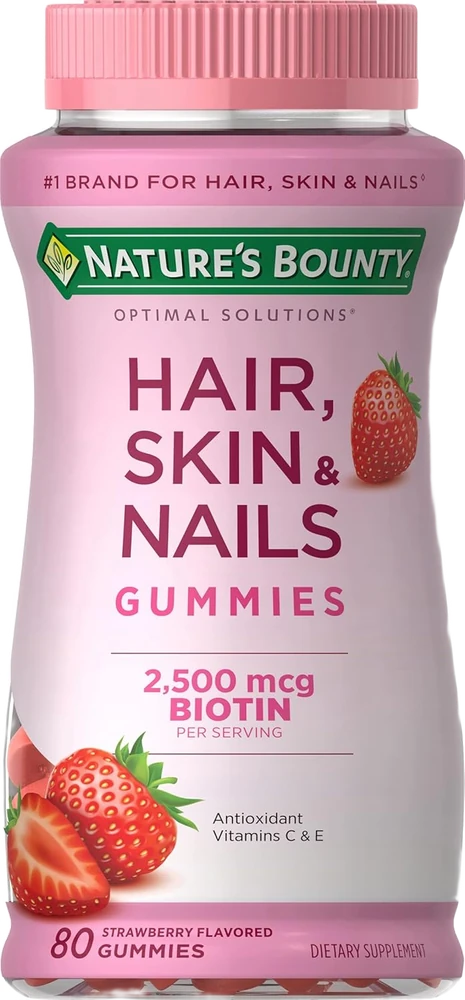 #8 of 8 · Skip it unless you're genuinely deficient✓ Label verified · Supplement Facts read Sep 7, 2026
Real retailer photo, cut out. Label unedited.
Skip it — does nothing for hair unless you're genuinely deficient (you're almost certainly not). Biotin gummies are the best-selling hair product that doesn't grow hair.
$11 / 80 gummies (40 servings)$0.28 / 2-gummy serving
Why It Scores 3.8 — And The Label Line Behind Each Number
Evidence (independent RCT data)
45% of scoreThe floor. There's no credible evidence biotin grows hair in people who aren't deficient — Patel 2017 (PMID 28879195) reviewed the literature and found benefit only in genuine deficiency or specific pathologies. For the general buyer this is close to zero evidence, which is why it's last on the axis SAC weights most.
- Key active
- Biotin 2,500 mcg (per 2-gummy serving)
- Evidence
- No hair-growth benefit in non-deficient people (Patel 2017)
Mechanism plausibility
20% of scoreAlmost none for the target buyer. Biotin is a real cofactor in keratin-related metabolism, so it has a mechanism only if you're deficient. In replete people there's no pathway for extra biotin to grow hair — supplementing a nutrient you already have enough of does nothing.
Safety + tolerability
15% of scoreMiddling, and here's the twist: the gummy itself is benign, but high-dose biotin can meaningfully interfere with common immunoassay lab tests — thyroid, troponin and others — potentially causing misdiagnosis. That real, under-appreciated risk is why safety isn't higher despite the product being otherwise harmless.
Value / cost per month
10% of scoreCheap in absolute terms — about $0.28 a serving — but value is efficacy per dollar, and the efficacy for hair is ~zero for non-deficient buyers. Inexpensive doesn't rescue a product that doesn't do the job; you'd be paying a little for nothing.
- Count
- 80 gummies — 40 servings
- Cost basis
- $0.28 / 2-gummy serving
Real-world adherence
10% of scoreEasy to take — a pleasant daily gummy with good adherence. Ironically, the thing it's easiest to stick with is also the thing least likely to help your hair. High adherence to an ineffective product isn't a virtue.
- More Specs
- Positioning
- 'Hair, skin & nails' support gummy
- Reality
- Only affects hair if you're truly deficient
- Risk
- High-dose biotin can skew thyroid/troponin lab tests
Label verified. Every figure read from the Supplement Facts photo, Sep 7, 2026.
Marketing Claims Vs. Reality
Supports healthy hair growth.
Only true in genuine biotin deficiency, which is rare. Patel 2017 (PMID 28879195) found no hair benefit in non-deficient people. Marketing a hair-growth benefit to a general audience that's overwhelmingly biotin-replete is misleading — the implied benefit doesn't exist for almost anyone buying it.
Supports skin and nails too.
Same deficiency caveat — biotin's skin/nail benefits are established mainly in deficiency or specific nail pathologies (e.g., brittle nail syndrome), not in replete people. Partly true in narrow cases, overstated as a general benefit.
High-potency 2,500 mcg biotin.
The dose is accurate and 'high-potency' relative to the tiny daily requirement — but that's the problem, not a selling point. Far more than needed, with excess simply excreted, and high doses are exactly what interferes with lab assays.
An essential nutrient for hair and nails.
Biotin is a genuine essential nutrient and cofactor — but 'essential' means you need adequate amounts, not that extra grows hair. Framing an essential-nutrient fact as a regrowth benefit conflates 'necessary' with 'therapeutic.' True biochemistry, misleading implication.
What Our Test Actually Found
The best-seller that does nothing for hair
Biotin gummies are the category's paradox: hugely popular, and pointless for their stated purpose in almost everyone. Patel 2017 (PMID 28879195) reviewed the evidence and found a hair benefit only in genuine deficiency or specific pathologies. For the replete general buyer — which is nearly everyone — extra biotin does nothing measurable for hair.
The whole 'hair, skin & nails' pitch rides on a rare edge case
Biotin deficiency is uncommon in people eating a normal diet, so the marketing takes a real-but-rare scenario (deficiency helps) and implies a universal benefit (grows everyone's hair). That's the exact trick this list exists to neutralize: true in the footnote, false in the headline.
The under-appreciated real risk: skewed lab tests
High-dose biotin can interfere with common immunoassays — thyroid panels, troponin (a heart-attack marker), and others — producing falsely high or low results and, in documented cases, misdiagnosis. The FDA has warned about this. It's the one genuinely important thing to know about biotin supplements, and a reason to skip, not just ignore, them.
Cheap isn't the same as worth it
At about $0.28 a serving these are inexpensive, but value is results per dollar — and for hair, the result is ~zero for non-deficient buyers. Paying a little for nothing is still a bad deal. The money and attention are better spent on any of the top four proven options.
Where the money should actually go
If your hair matters to you, skip the gummy and redirect the spend: Kirkland minoxidil (#1), a titanium derma roller (#3), and Nizoral ketoconazole shampoo (#3) — the three things on this page with real evidence — cost, together, well under $20 a month. That's the honest alternative to a supplement built on a deficiency edge case.
Full analysis: all pros & cons (7), buy if / skip if
- Cheap and pleasant to take, if you enjoy a daily gummy
- Genuinely useful for the rare person with a diagnosed biotin deficiency
- Well-made, widely available, and the most-reviewed product of its type
- Low-risk and easy to take — no known harm at label dose for healthy adults, aside from lab-test interference
- Biotin does nothing for hair growth in people who aren't deficient — and almost nobody is
- The 'hair, skin & nails' positioning is marketing built on a rare deficiency edge case
- High-dose biotin can skew common lab tests (thyroid, troponin) — a real, under-appreciated risk
- A doctor has diagnosed you with a genuine biotin deficiency
- You have a specific hair/nail pathology where biotin is indicated
- You want a general hair/skin/nails gummy and understand it won't grow hair
- You're buying it to grow or thicken hair and aren't deficient — it won't work
- You get regular blood work (thyroid, troponin) that high-dose biotin can skew
- You'd rather spend on the proven options — minoxidil, microneedling, ketoconazole
Biotin gummies are the best-selling hair product that doesn't grow hair. Biotin only helps if you're truly deficient (Patel 2017), which is rare, and the 'hair, skin & nails' positioning is marketing built on that edge case. High-dose biotin can also skew common lab tests (thyroid, troponin) — a real, under-appreciated risk. Cheap and pleasant, but pointless for hair for almost everyone. Spend the money on minoxidil, a derma roller, and Nizoral instead.
We put a biotin gummy on this list for the same reason you'd put a horoscope in a science textbook — to point at it and explain why it doesn't belong. Nature's Bounty Hair, Skin & Nails gummies deliver 2,500 mcg of biotin per serving in a cheap, pleasant, well-made package, and they're among the best-selling products of their type. The problem is the premise: biotin only helps hair if you're genuinely deficient (Patel 2017), and unless you have a specific medical reason, you are not. For everyone else these gummies do nothing measurable for hair, the entire 'hair, skin & nails' positioning is marketing built on a rare edge case, and high-dose biotin can even distort important blood tests like thyroid and troponin. It ranks dead last, honestly. If your hair matters to you, put the money toward the three things on this page that actually work.
The honest wooden spoon — skip it and put the money toward the three things that work.

We put a biotin gummy on this list for the same reason we'd put a horoscope in a science textbook — to point at it and explain why it doesn't belong. Biotin only helps hair if you're genuinely deficient (Patel 2017), and unless you have a specific medical reason, you are not. For everyone else these gummies do nothing measurable for hair, the 'hair, skin & nails' label is marketing built on a rare edge case, and high-dose biotin can even distort important blood tests. It ranks dead last, honestly. If your hair matters to you, skip the gummy and put the money toward minoxidil, a derma roller, and Nizoral — the three things on this page that actually work.
If This Doesn’t Fit — Try These
 01
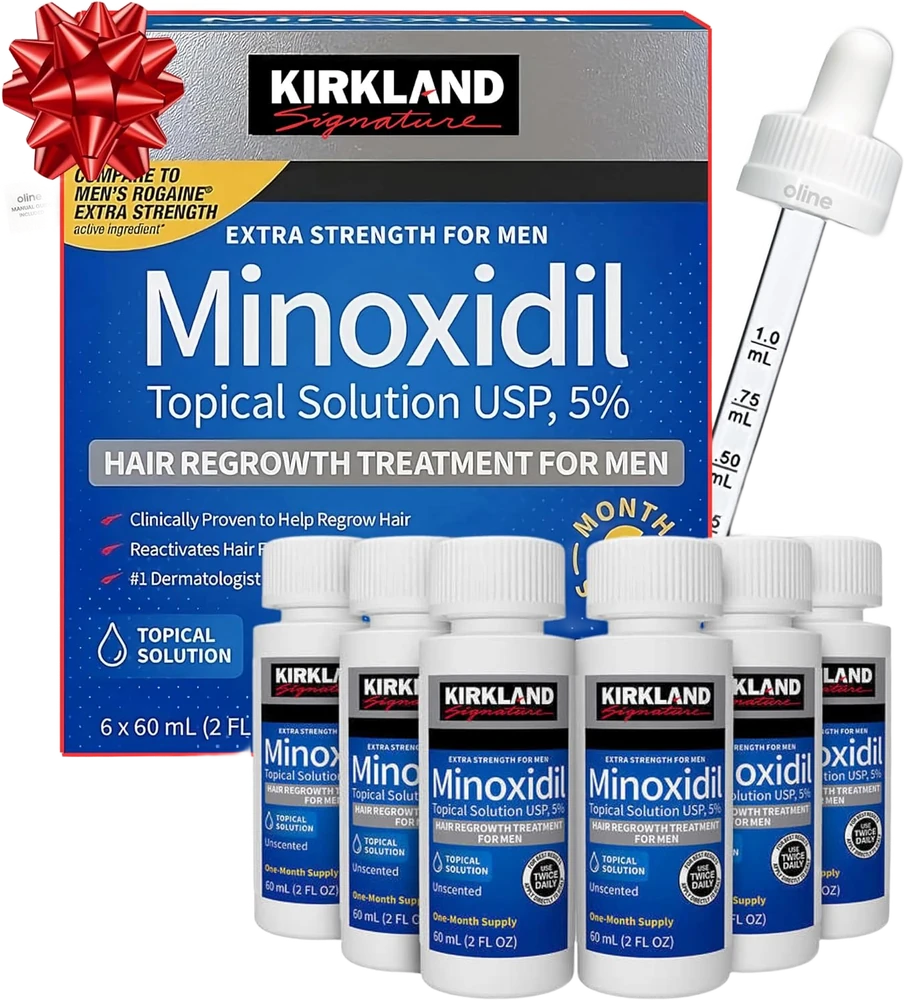
Kirkland Minoxidil 5%
If you buy one thing from this entire category, buy minoxidil, and if you buy minoxidil, Kirkland is the rational default — it is the exact same 5% active as Rogaine at a fraction of the price, backed by Olsen 2002 and decades of use.
 02
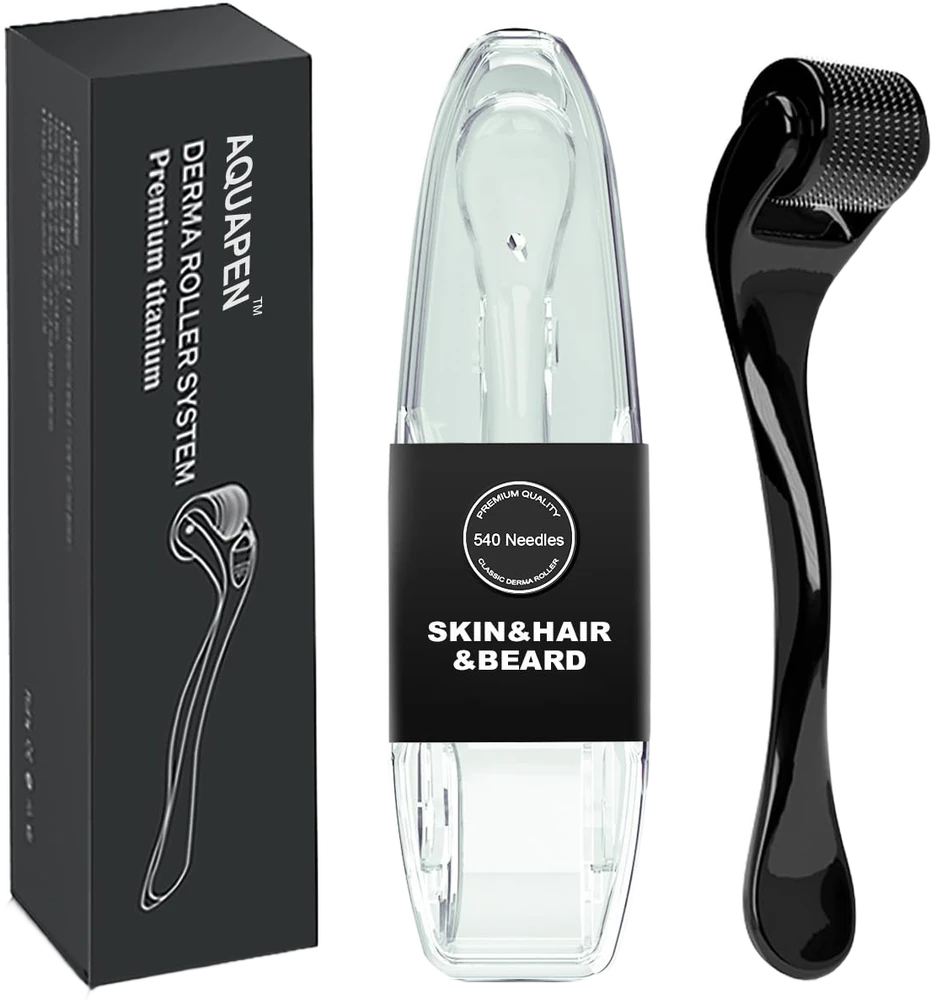
Titanium Derma Roller 0.25 mm
The derma roller is the closest thing to a free lunch in hair growth.
 03
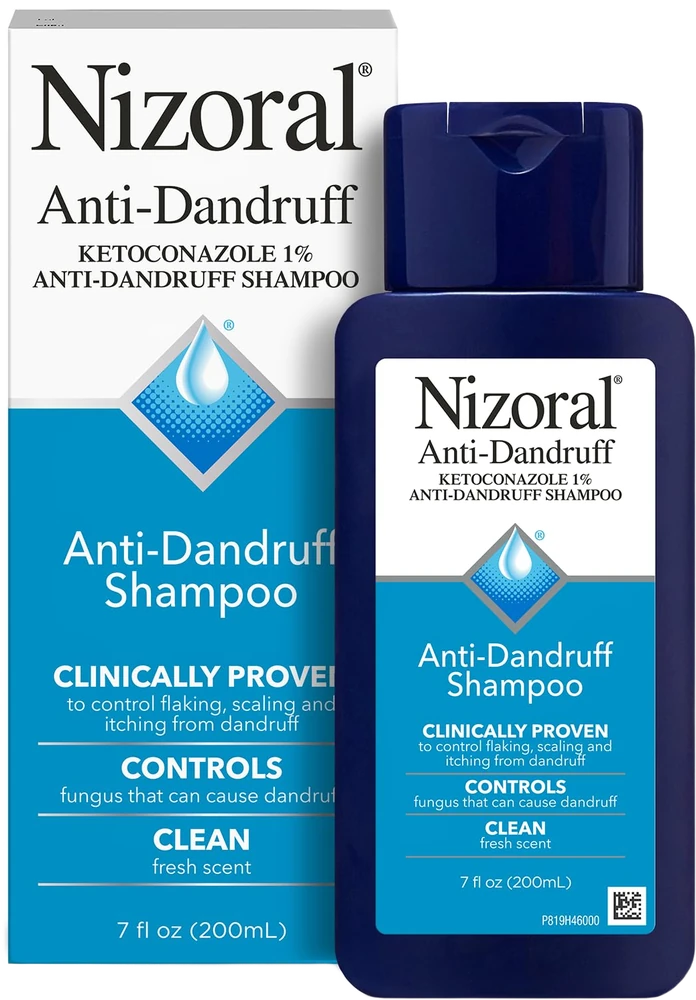
Nizoral Ketoconazole Shampoo
Nizoral is the highest-leverage cheap add-on in hair care: a mainstream dandruff shampoo whose active ingredient happens to have real supporting data in male-pattern loss.
Quick Answers
Will biotin grow my hair?
Only if you're genuinely biotin-deficient — and that's rare in anyone eating a normal diet. Patel 2017 reviewed the evidence and found biotin helps hair only in true deficiency or specific pathologies, with no benefit in people who already have enough. For the overwhelming majority of buyers, extra biotin is simply excreted and does nothing measurable for hair. If you're not deficient, this won't work, no matter how many gummies you take.
How do I know if I'm actually deficient?
Genuine biotin deficiency is uncommon and usually has clear causes — long-term antibiotic or anti-seizure medication use, certain genetic conditions, prolonged raw-egg-white consumption, or specific malabsorption issues — and it comes with symptoms beyond hair, like skin rash and neurological signs. If you suspect it, a doctor can test and advise. For everyday thinning or male-pattern loss, deficiency is almost never the cause, so a biotin gummy is the wrong tool.
Is there any harm in taking it just in case?
There's one real, under-appreciated risk: high-dose biotin can interfere with common lab tests — thyroid panels, troponin (used to diagnose heart attacks), and other immunoassays — producing false results that have led to misdiagnosis. The FDA has warned about this. So 'just in case' isn't free: if you take high-dose biotin, tell your doctor before any blood work. Given it does nothing for hair in non-deficient people, the risk-benefit for hair specifically is bad.
If not biotin, what should I take for my hair?
The three evidence-backed things on this page: 5% minoxidil (#1), the only OTC ingredient FDA-approved to regrow men's hair; a titanium derma roller (#3), which roughly quadrupled minoxidil's gains in a trial; and Nizoral ketoconazole shampoo (#3), a cheap adjunct that lowers scalp inflammation and local DHT. Together they cost well under $20 a month and actually work. That's where a hair budget belongs — not a biotin gummy built on a deficiency edge case.
Sources & Further Reading
3 sources — studies link to PubMed, product specs to the manufacturer
- [1] Patel 2017 PMID 28879195 — A Review of the Use of Biotin for Hair Loss. Literature review concluding that biotin supplementation benefits hair and nails only in genuine deficiency or specific pathologies, with insufficient evidence for supplementation in healthy (replete) individuals. The direct basis for scoring biotin gummies near-zero for hair growth in non-deficient buyers.
- [2] FDA 2019 — UPDATE: Biotin May Interfere with Lab Tests: FDA Safety Communication. FDA safety communication warning that high biotin intake from supplements can significantly interfere with immunoassay lab tests — including troponin and hormone panels — causing falsely high or low results and risking misdiagnosis. The basis for flagging high-dose biotin gummies as a real safety issue, not merely ineffective.
- [3] Olsen 2002 PMID 12196747 — A randomized clinical trial of 5% topical minoxidil versus 2% topical minoxidil and placebo in the treatment of androgenetic alopecia in men. What real hair-growth evidence looks like — an FDA-approved agent with a 393-man RCT. The contrast that shows why a biotin gummy, with no such data for non-deficient users, ranks dead last.
Affiliate disclosure: every Amazon link uses our Associates tag (superachieverclub-20). We earn a small commission at no cost to you; it funds independent reviews. We never accept payment to change a ranking.