
Vegamour GRO Hair Serum Review
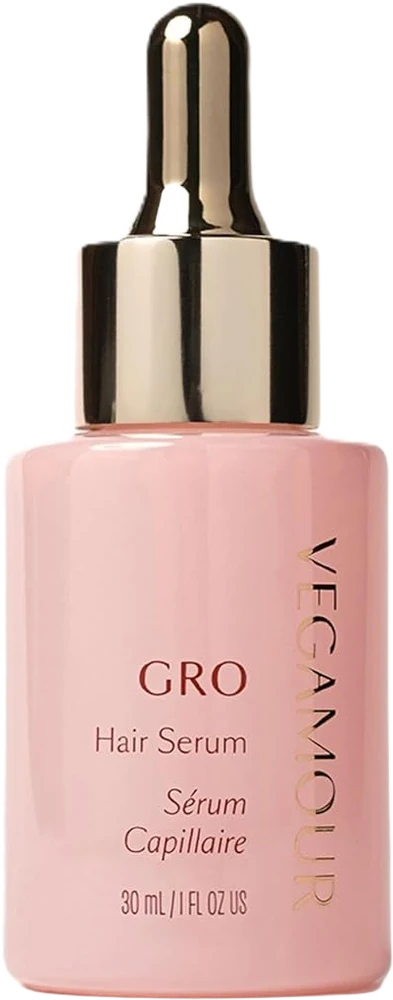 #7 of 8 · Priced like medicine, evidenced like a candle✓ Product photos checked Sep 7, 2026
Real retailer photo, cut out. Label unedited.
Skip it — medicine-level pricing for candle-level proof. Vegamour GRO is a pleasant, vegan 'phyto-active' scalp serum with a premium price and almost no independent evidence — its proof is essentially brand-funded before-and-after photos.
$48 / 1 fl oz (30-day supply)$48 / month
Why It Scores 5.3 — And The Label Line Behind Each Number
Evidence (independent RCT data)
45% of scoreNearly the bottom. The evidence is essentially manufacturer before-and-after photos, with no meaningful independent trial support for the finished product. It clears only biotin's near-zero data. On the axis SAC weights most, this is close to empty.
- Evidence
- Essentially brand-funded before/after photos
Mechanism plausibility
20% of scoreWeak and vague. 'Phyto-active' plant compounds have some antioxidant/soothing rationale, but no characterized action on the real drivers of hair loss — DHT, miniaturization, blood flow — comparable to minoxidil or ketoconazole. A hand-wavy mechanism dressed in botanical language.
Safety + tolerability
15% of scoreIts best axis: a leave-in plant serum is generally well tolerated, non-greasy, vegan, and contact-safe for daily use, with low irritation risk. Being pleasant and safe is not the same as being effective — it scores well here and poorly where it counts.
Value / cost per month
10% of scoreAmong the worst on the page. $48 for a single 1 fl oz month is medicine-level pricing for candle-level proof. SAC's quality-over-price rule cuts hard against it: you're paying a premium for marketing, and the same $48 buys roughly half a year of proven minoxidil.
- Size
- 1 fl oz — 30-day supply
- Cost basis
- $48 / month
Real-world adherence
10% of scoreEasy enough to sustain — a simple daily application, pleasant to use, no shed or mess. The only real adherence drag is the recurring $48 monthly cost, which many will abandon once results don't materialize.
- Form
- Leave-in 'phyto-active' scalp serum
- More Specs
- Use
- Apply to scalp daily
- Positioning
- Plant-based, vegan formulation
- Claim type
- Cosmetic — no FDA regrowth claim
Photos checked.This product has no Supplement Facts panel; the retailer's listing photos were reviewed Sep 7, 2026.
Marketing Claims Vs. Reality
Clinically proven to reduce the appearance of thinning.
The support is essentially the brand's own before-and-after imagery; there's no meaningful independent trial establishing this. 'Clinically proven' phrasing without independent data doesn't meet the bar — unverified for the finished product.
Plant-based, vegan and non-toxic.
The formulation credentials (vegan, plant-based) are factual and verifiable. They speak to composition and values, not to efficacy — a safe cosmetic can still lack regrowth evidence.
Phyto-actives support fuller, healthier hair.
No characterized mechanism or independent outcome data backs a fuller-hair claim. 'Phyto-active' is marketing language, not a demonstrated action on hair-loss drivers. Unverified beyond cosmetic feel.
A natural alternative to minoxidil.
Positioning a serum with essentially no independent evidence as an alternative to the only FDA-approved OTC regrowth agent (Olsen 2002, PMID 12196747) is misleading. It is neither as evidenced nor as mechanistically grounded as minoxidil.
What Our Test Actually Found
Price and evidence point in opposite directions
Vegamour costs about $48 for a single 1 fl oz month and is backed by little more than the company's own before-and-after photos. That's the whole story: premium, medicine-adjacent pricing attached to candle-level proof. It's the clearest price-vs-evidence mismatch on the page.
Brand photos aren't evidence
Per SAC's source-provenance rule, manufacturer before-and-after imagery is marketing, not peer-reviewed proof — lighting, styling, and selection do the heavy lifting. There's no meaningful independent trial of the finished serum, so the efficacy case is essentially unfalsifiable marketing.
A safe, pleasant cosmetic — and not much more
To be fair, it's a well-tolerated, vegan, non-greasy serum that's simple to apply. If the daily ritual keeps someone engaged with scalp care, that has marginal value. But 'safe and pleasant' is where its strengths end; on mechanism and evidence it's weak.
The same $48 buys ~6 months of proven minoxidil
Opportunity cost is the killer. One month of Vegamour costs roughly what half a year of Kirkland minoxidil does — a treatment with an actual FDA approval and RCT behind it (Olsen 2002). For results, that's not a close call. We ranked Vegamour seventh honestly: popular and beautifully marketed, weak where it counts.
Full analysis: all pros & cons (7), buy if / skip if
- Cosmetically pleasant, non-greasy, and simple to apply daily
- Plant-based, vegan formulation for buyers who prioritize that
- Slick brand and packaging — if it keeps you consistent, that has marginal value
- Well tolerated and contact-safe for daily scalp use
- Evidence is essentially manufacturer before/after photos — no meaningful independent trial support
- $48 for a single 1 fl oz month is medicine-level pricing for candle-level proof
- No FDA regrowth claim and no mechanism as strong as minoxidil or ketoconazole
- You specifically want a vegan, plant-based cosmetic serum and price is irrelevant
- You value slick packaging and a ritual that keeps you consistent
- You already run a proven regimen and just want a cosmetic extra
- You want results — the evidence is essentially brand-funded photos
- You're at all price-sensitive — $48/month buys ~6 months of proven minoxidil
- You expect a real mechanism or FDA regrowth claim — it has neither
Vegamour GRO is a pleasant, vegan 'phyto-active' scalp serum with a premium price and almost no independent evidence — its proof is essentially brand-funded before-and-after photos. No FDA regrowth claim, no mechanism as strong as minoxidil or ketoconazole. At $48 for a 1 fl oz month it's the weakest value on the page relative to price. The same money buys ~6 months of proven minoxidil. Buy it only if you specifically want the vegan cosmetic and the price is irrelevant to you.
Vegamour GRO is the clearest example on this list of price and evidence pointing in opposite directions. It's a leave-in 'phyto-active' scalp serum applied daily, marketed on plant-based, vegan credentials and slick packaging — and it costs about $48 for a single 1 fl oz month. The problem is what's behind it: essentially the company's own before-and-after imagery, with no meaningful independent trial support, no FDA regrowth claim, and no mechanism as strong as minoxidil or ketoconazole. It's a pleasant cosmetic, and if the ritual keeps someone engaged with their scalp, fine — but there's no data that justifies buying this over the proven, far cheaper options above. That same $48 buys roughly six months of the minoxidil at #1.
Priced like medicine, evidenced like a candle — skip it and spend the $48 on proven options.

Vegamour GRO is the clearest example on this list of price and evidence pointing in opposite directions. It costs about forty-eight dollars for a single month and is backed by little more than the company's own before-and-after imagery. It's a pleasant, vegan cosmetic, and if the ritual keeps someone engaged with their scalp, fine — but there's no independent trial data that justifies buying it over the proven, far cheaper options above. We ranked it seventh honestly: popular and beautifully marketed, but weak where it counts. That same $48 buys roughly half a year of the minoxidil at #1 — which is exactly where the money should go.
If This Doesn’t Fit — Try These
 01
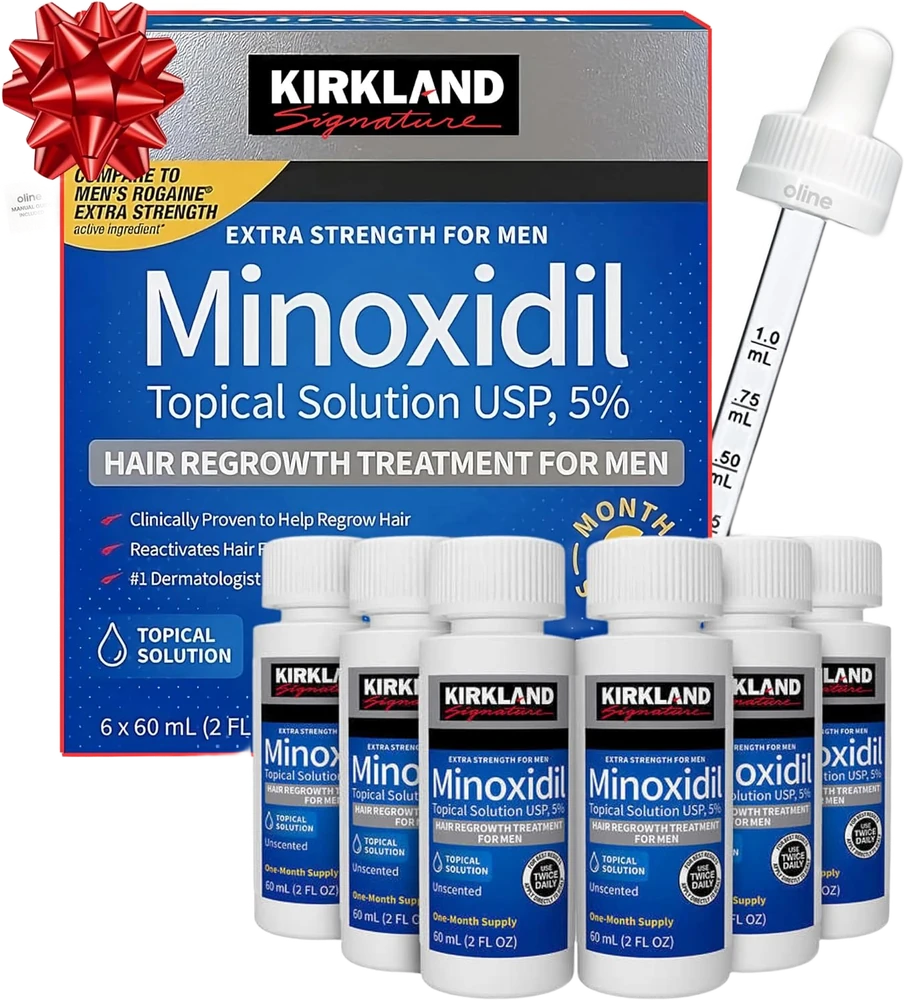
Kirkland Minoxidil 5%
If you buy one thing from this entire category, buy minoxidil, and if you buy minoxidil, Kirkland is the rational default — it is the exact same 5% active as Rogaine at a fraction of the price, backed by Olsen 2002 and decades of use.
 06
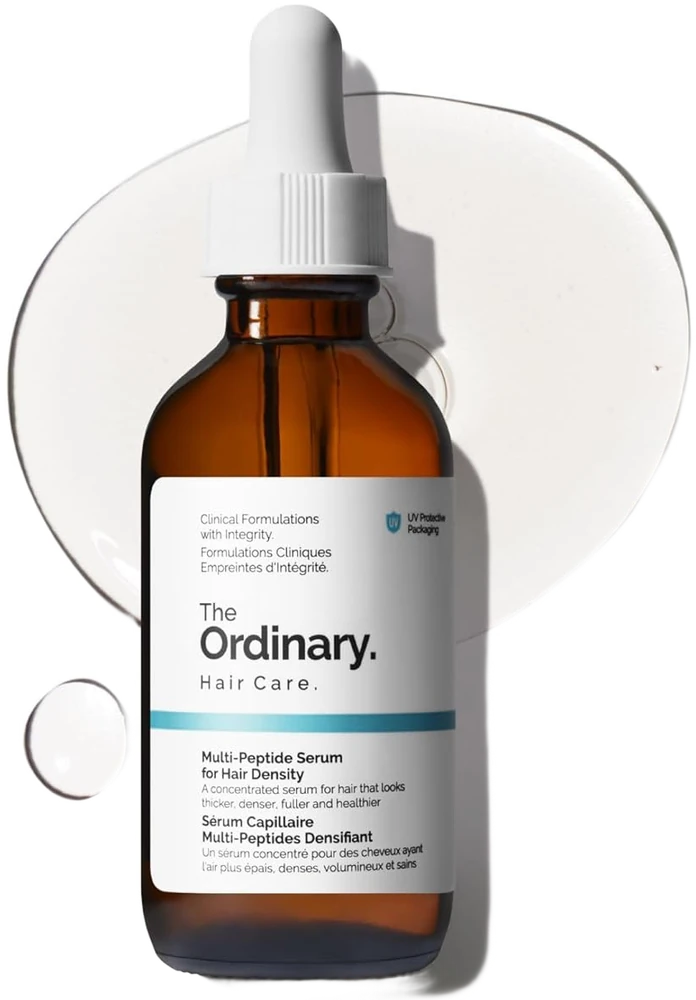
The Ordinary Multi-Peptide Hair Serum
The Ordinary's hair serum is the most defensible product in the hype tier, mostly because it's honest about being cheap and doesn't cost $88.
 04
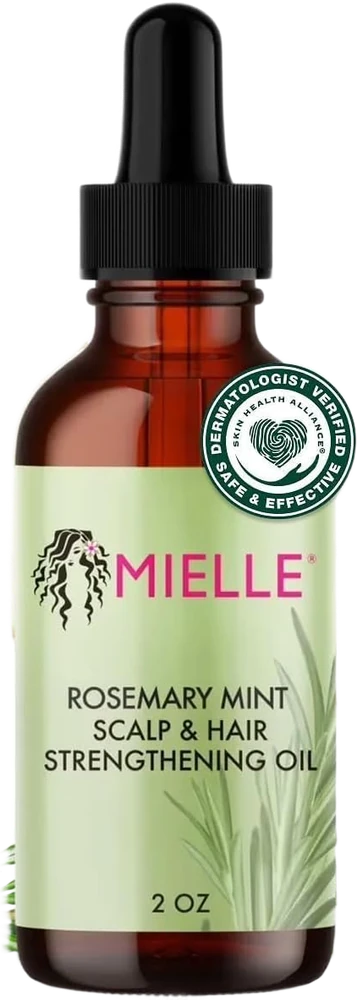
Mielle Rosemary Mint Scalp Oil
Rosemary oil is the only 'natural' hair product on this list that isn't pure hope — Panahi 2015 is a real randomized trial, and it found rosemary roughly comparable to 2% minoxidil over six months with less itching.
Quick Answers
Is there any real proof Vegamour works?
Not the independent kind. The efficacy case rests essentially on the brand's own before-and-after photos, which are marketing rather than peer-reviewed evidence — lighting, styling, and selection can manufacture 'results.' There's no meaningful independent trial of the finished serum, no FDA regrowth claim, and no strong mechanism. It's a safe, pleasant cosmetic; it just isn't backed by the kind of data that would justify its price.
Why is it so expensive?
You're largely paying for branding, packaging, and the 'clean/vegan' positioning, not for demonstrated efficacy. At $48 for a 1 fl oz month it's priced like a medicine while being evidenced like a cosmetic. The clearest way to see the problem is opportunity cost: the same $48 buys roughly six months of Kirkland minoxidil, a treatment with an actual FDA approval and randomized-trial data behind it.
Is it at least safe?
Yes — that's its strongest point. It's a vegan, plant-based, non-greasy leave-in serum that's generally well tolerated and contact-safe for daily use. But safe and pleasant isn't the same as effective. A product can be perfectly harmless and still do little for your hair, which is the situation here. If you want safe and proven, minoxidil and ketoconazole clear that bar at a fraction of the cost.
Who, if anyone, should buy it?
Only someone who specifically wants a vegan cosmetic serum, values the ritual and packaging, and genuinely doesn't care about the price or the lack of evidence — ideally on top of an already-proven regimen. For anyone buying it to actually treat hair loss, or anyone at all price-sensitive, skip it. The proven, cheaper options higher on this list are the better use of the money.
Sources & Further Reading
2 peer-reviewed sources, each linked to PubMed
- [1] Olsen 2002 PMID 12196747 — A randomized clinical trial of 5% topical minoxidil versus 2% topical minoxidil and placebo in the treatment of androgenetic alopecia in men. The FDA-approved, RCT-backed regrowth agent Vegamour has no evidentiary answer to — 5% minoxidil beat 2% and placebo over 48 weeks, at a fraction of Vegamour's monthly cost. The benchmark that exposes the price-vs-evidence mismatch.
- [2] Panahi 2015 PMID 25842469 — Rosemary oil vs minoxidil 2% for the treatment of androgenetic alopecia: a randomized comparative trial. Demonstrates that even an inexpensive natural product can have a genuine comparative trial behind its active. Vegamour, at far higher cost, has no equivalent — the reason it ranks below rosemary oil despite premium positioning.
Affiliate disclosure: every Amazon link uses our Associates tag (superachieverclub-20). We earn a small commission at no cost to you; it funds independent reviews. We never accept payment to change a ranking.