
The Ordinary Multi-Peptide Serum for Hair Density Review
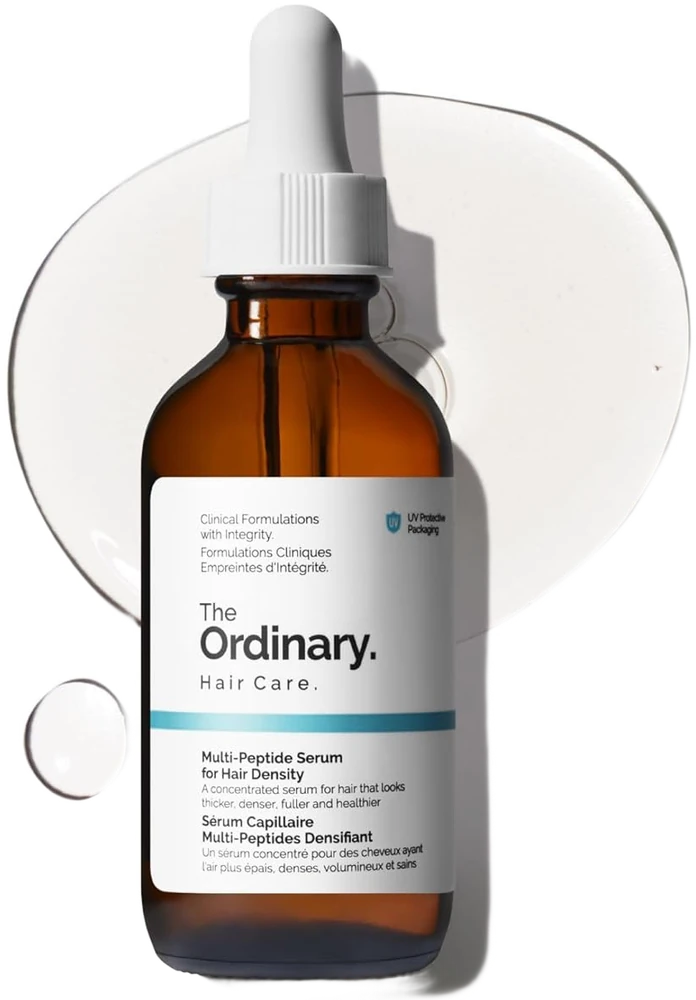 #6 of 8 · Cheap cosmetic serum✓ Product photos checked Sep 7, 2026
Real retailer photo, cut out. Label unedited.
Consider as a cheap cosmetic add-on — pleasant and affordable, but not a proven regrowth drug. The Ordinary's peptide serum is the hype tier's best value: ~$20 for a lightweight daily scalp serum with trademarked actives (Redensyl/Procapil/Capixyl) and caffeine.
$20 / 60 ml bottle≈ $20 / month at once-daily use
Why It Scores 6.0 — And The Label Line Behind Each Number
Evidence (independent RCT data)
45% of scoreWeak, honestly scored. The peptide actives (Redensyl, Procapil, Capixyl, AnaGain) have data generated mostly by the ingredient suppliers, and there are no strong independent RCTs of the finished serum. Its claims are cosmetic density, not FDA regrowth. Above only the products with essentially no data (Vegamour, biotin); far below the proven drugs.
- Actives
- Redensyl, Procapil, Capixyl, AnaGain, caffeine
- Evidence
- Ingredient-supplier data only; no strong independent RCTs
Mechanism plausibility
20% of scorePlausible-ish. Caffeine and certain peptides have hand-wavy rationales for follicle support and anchoring, and caffeine may modestly affect the hair cycle in vitro. But these are cosmetic-grade mechanisms, not the characterized follicle biology of minoxidil or the anti-androgen action of ketoconazole.
Safety + tolerability
15% of scoreA genuine strength: a lightweight, water-based leave-in serum is well tolerated, non-greasy, and contact-safe for daily scalp use, with low irritation risk. Minor deductions only for possible sensitivity to the actives or fragrance. Safe as an everyday cosmetic layer.
Value / cost per month
10% of scoreCheap for the category — about $20 for a 60 ml bottle, roughly $20 a month at once-daily use. Good value as a cosmetic, and far better than the $48 Vegamour. But 'cheap' can't buy evidence it lacks, so it's good value for a cosmetic, not for a regrowth treatment.
- Size
- 60 ml dropper bottle
- Cost basis
- ≈ $20 / month at once-daily use
Real-world adherence
10% of scoreHigh. Lightweight, non-greasy and pleasant, it slots into a daily routine easily — good adherence, no shed, no mess. The main limiter is motivation when results are cosmetic and subtle rather than dramatic.
- Form
- Leave-in peptide + caffeine scalp serum
- More Specs
- Use
- Apply to scalp once daily
- Claim type
- Cosmetic 'density/thickness' — not FDA regrowth
Photos checked.This product has no Supplement Facts panel; the retailer's listing photos were reviewed Sep 7, 2026.
Marketing Claims Vs. Reality
Supports hair density with a multi-peptide complex.
The trademarked peptides (Redensyl/Procapil/Capixyl) have supplier-generated density data, and 'supports density' is a cosmetic claim the brand keeps non-drug. But there's no strong independent trial of the finished serum. Plausible cosmetic support, not proven regrowth.
Caffeine energizes the scalp / follicles.
Caffeine has some in-vitro and small-study signal on the hair cycle, but topical caffeine's real-world benefit in a cosmetic serum is unproven and likely minor. Marketing shorthand with a thread of rationale, not established efficacy.
Visibly thicker, fuller-looking hair.
'Looking' is the operative, honest word — cosmetic serums can improve the appearance of fullness (film-forming, conditioning) without changing follicle count. Defensible as a cosmetic appearance claim; not evidence of regrowth.
A clinically proven alternative to minoxidil.
There is no independent trial establishing this serum as comparable to minoxidil (Olsen 2002, PMID 12196747). Any such positioning is unsupported — it's a cosmetic density serum, a different and weaker category than an FDA-approved regrowth drug.
What Our Test Actually Found
The honest one in the hype tier
The Ordinary's virtue is candor and price: it's a $20 cosmetic that doesn't pretend to be $88 medicine, and the brand keeps its language to cosmetic 'density' rather than drug claims. That relative honesty, plus affordability, is why it's the most defensible product below the proven four.
But the evidence is supplier-run, not independent
The actives — Redensyl, Procapil, Capixyl, AnaGain — have data generated largely by the companies that sell them, and there's no strong independent RCT of the finished serum. Per SAC's source-provenance rule, ingredient-supplier data is not peer-reviewed proof, and shouldn't be read as such.
Cosmetic 'density,' not regrowth
This is a cosmetic density/thickness product, not an FDA regrowth drug — a different, weaker category. It may make hair look fuller through conditioning and film-forming effects, but that's appearance, not follicle count. Don't expect it to move the needle on actual loss.
Fine as a cheap layer on a real regimen
The reasonable use is as a lightweight, affordable cosmetic layered on top of minoxidil for people who already have the basics covered and enjoy the ritual. It's harmless and pleasant. As a standalone answer to thinning — or a substitute for the top four — it isn't the one, which is why it ranks sixth.
Full analysis: all pros & cons (7), buy if / skip if
- Genuinely cheap for the category — about $20 for a 60 ml bottle
- Peptide complexes (Redensyl/Procapil/Capixyl) have some supplier data suggesting density support
- Lightweight, non-greasy and pleasant to use daily — good adherence
- A reasonable, harmless low-cost cosmetic layer on top of a real minoxidil regimen
- No strong independent trials of the finished product — the actives' data comes from ingredient makers
- Cosmetic 'density' claims, not FDA regrowth — a weaker category
- Won't replace minoxidil; at best a minor add-on once the basics are covered
- You already have a minoxidil regimen and want a cheap cosmetic density layer
- You enjoy a lightweight daily serum and the ~$20 price doesn't sting
- You want the most affordable option in the serum tier
- You want proven regrowth — this is a cosmetic serum, not a drug (buy #1 first)
- You expect independent trial evidence — the actives' data is supplier-run
- You want one product to fix thinning on its own — this is at best a minor add-on
The Ordinary's peptide serum is the hype tier's best value: ~$20 for a lightweight daily scalp serum with trademarked actives (Redensyl/Procapil/Capixyl) and caffeine. The catch: the actives' data comes from ingredient makers, not independent trials of the product, and the claims are cosmetic 'density,' not FDA regrowth. Fine as a harmless, affordable layer on top of minoxidil. Not a replacement for the proven drugs at the top — it ranks sixth for a reason.
The Ordinary's Multi-Peptide Serum for Hair Density is the most defensible product in the hype tier, mostly because it's honest about being cheap and doesn't cost $88. It's a lightweight leave-in serum built on trademarked peptide complexes — Redensyl, Procapil, Capixyl, AnaGain — plus caffeine, applied to the scalp once a day. Those actives have some supplier-generated data suggesting density support, but there are no strong independent trials of the finished product, and its claims are cosmetic 'density/thickness,' not FDA regrowth. As a $20 daily cosmetic layered on top of a real minoxidil regimen it's harmless and affordable. Just be clear about what it is: a pleasant density serum with no strong independent evidence, not a proven regrowth drug — which is exactly why it ranks sixth.
The hype tier's best value — consider it as a cheap cosmetic layer, not a regrowth drug.

The Ordinary's hair serum is the most defensible product in the hype tier, mostly because it's honest about being cheap and doesn't cost $88. Its peptide actives have some supplier-generated data, and as a lightweight daily cosmetic layered on top of minoxidil it's harmless and affordable. But be clear about what it is: a cosmetic density serum with no strong independent evidence, not a proven regrowth drug. If you enjoy the ritual and the price doesn't sting, it's a fine adjunct. If you're choosing between this and the top four for actual results, this isn't the one — it ranks sixth for a reason. Spend on minoxidil first; add this only if you want a pleasant cosmetic layer on top.
If This Doesn’t Fit — Try These
 01
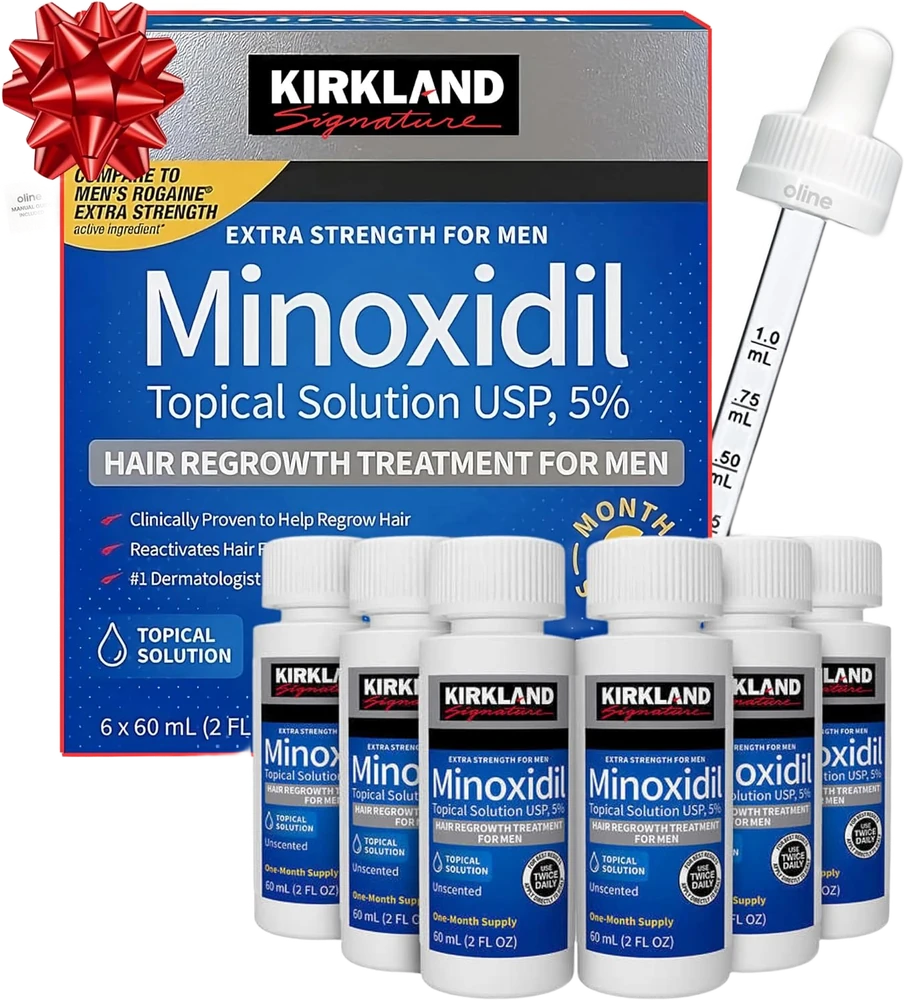
Kirkland Minoxidil 5%
If you buy one thing from this entire category, buy minoxidil, and if you buy minoxidil, Kirkland is the rational default — it is the exact same 5% active as Rogaine at a fraction of the price, backed by Olsen 2002 and decades of use.
 04
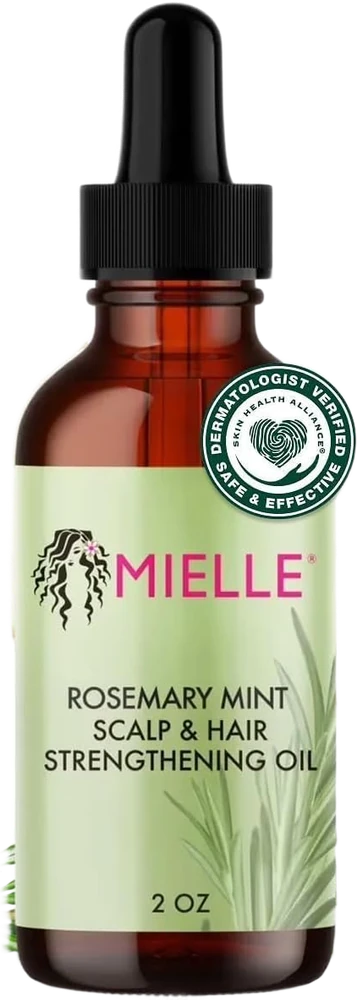
Mielle Rosemary Mint Scalp Oil
Rosemary oil is the only 'natural' hair product on this list that isn't pure hope — Panahi 2015 is a real randomized trial, and it found rosemary roughly comparable to 2% minoxidil over six months with less itching.
 05
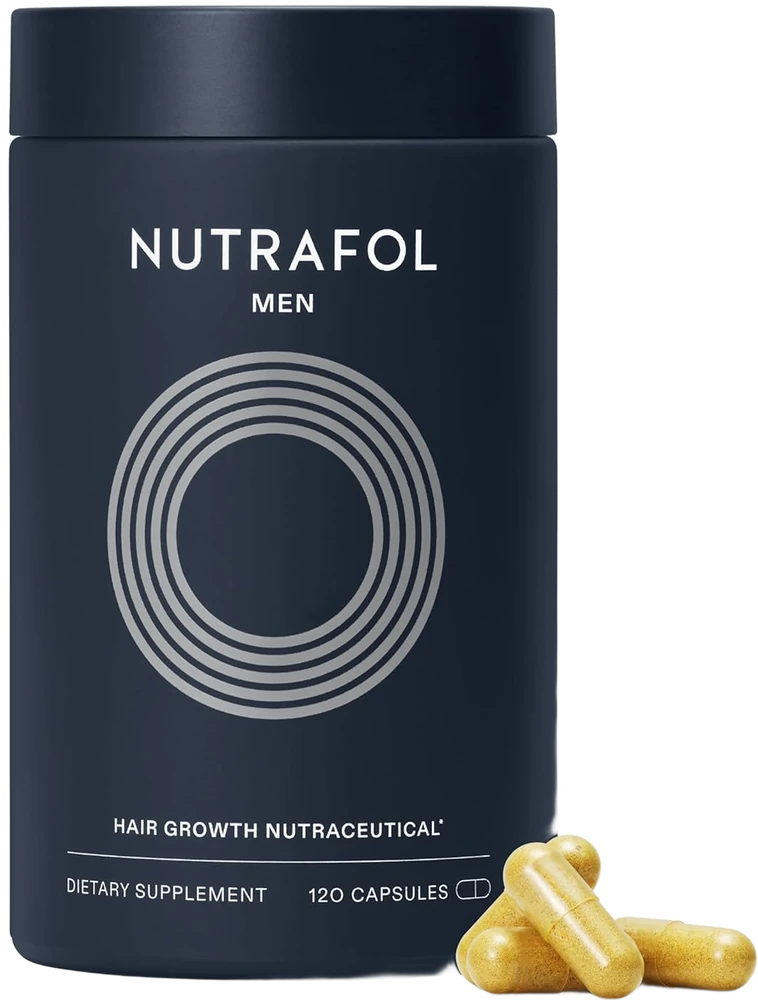
Nutrafol Men
Nutrafol lands at #5 because it is the least-bad option in the expensive-supplement tier, not because it works like the four products above it.
Quick Answers
Do the peptides (Redensyl, Procapil, Capixyl) actually work?
They have data — but mostly from the ingredient suppliers who sell them, not from independent trials of this finished serum. That's a meaningful distinction: supplier-generated results aren't peer-reviewed proof, and there's no strong independent RCT showing this product regrows hair. The peptides may offer some cosmetic density support, but treat the marketing as promising rather than proven, and don't expect drug-level results.
Can this replace minoxidil?
No. This is a cosmetic density serum, not an FDA-approved regrowth drug, and there's no independent evidence putting it on par with minoxidil (Olsen 2002). Its honest role is a cheap, pleasant cosmetic layer on top of a real regimen — not a substitute for the proven treatment at #1. If you can only do one thing, do minoxidil; add this only if you want the ritual and the fuller look.
Is it worth $20?
As a cosmetic, sure — it's affordable, lightweight, pleasant to use daily, and far cheaper than the $48 Vegamour or $88 Nutrafol. As a regrowth treatment, no product with only supplier-run evidence is 'worth it' for results. So it's good value if you want a cosmetic density layer you'll enjoy, and poor value if you're buying it expecting it to reverse thinning on its own.
Will it make my hair look thicker?
It may improve the appearance of fullness through conditioning and film-forming effects — 'looks thicker' rather than 'is thicker.' That's a legitimate cosmetic benefit, but it's about appearance, not follicle count or regrowth. If cosmetic fullness and a nice daily routine are what you want, it can deliver that; if you want to address actual hair loss, start with the proven options higher on this list.
Sources & Further Reading
2 peer-reviewed sources, each linked to PubMed
- [1] Olsen 2002 PMID 12196747 — A randomized clinical trial of 5% topical minoxidil versus 2% topical minoxidil and placebo in the treatment of androgenetic alopecia in men. The FDA-approved regrowth benchmark this cosmetic serum is not — 5% minoxidil beat 2% and placebo over 48 weeks. The peptide serum has no comparable independent trial, which is the core reason it ranks in the honesty tier.
- [2] Panahi 2015 PMID 25842469 — Rosemary oil vs minoxidil 2% for the treatment of androgenetic alopecia: a randomized comparative trial. Even a cheap natural oil (rosemary) has one genuine comparative RCT behind its active; this peptide serum has only ingredient-supplier data — the contrast that places rosemary at #4 and this serum at #6.
Affiliate disclosure: every Amazon link uses our Associates tag (superachieverclub-20). We earn a small commission at no cost to you; it funds independent reviews. We never accept payment to change a ranking.