
Top 8 Best Vitamin C Serums (2026)
 01 · Best overall
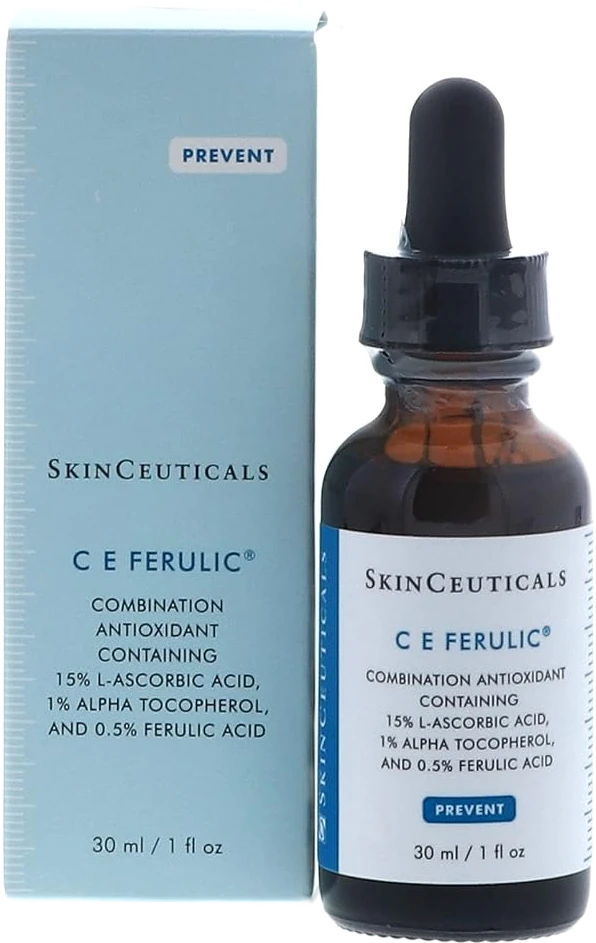
Best overall (the studied formula): SkinCeuticals C E Ferulic
The patented Duke formula every other serum is trying to copy — 15% pure L-ascorbic acid, 1% vitamin E, 0.5% ferulic acid at a low pH. The most-studied vitamin C antioxidant serum in the world, in stability-minded amber glass.
$185 / 30 ml~$6.17 / ml — premium, the reference standard
Why it wins: all five scores, pros & cons, full label
- The exact 15% LAA + 1% E + 0.5% ferulic formula the photoprotection research is built on
- Ferulic + vitamin E extend UV defense AND slow the acid's degradation — efficacy and stability in one
- Low pH (<3.5) keeps the L-ascorbic acid in its bioavailable, potent form
- Amber glass gives real light protection versus a clear bottle
- The most expensive serum on the list by a wide margin — you pay for the patent and the pedigree
- Dropper bottle still lets in air on every use; use consistently and store it dark
- 15% low-pH LAA can sting or flush sensitive skin — this is a resilient-skin pick
- Active form
- 15% L-ascorbic acid (pure vitamin C)
- Antioxidant matrix
- 1% vitamin E + 0.5% ferulic acid (full CE Ferulic trio)
- Packaging
- Amber glass dropper — light-protective
- Best for
- Normal/dry, resilient skin chasing the studied effect

Our take — If you want the vitamin C serum the studies actually used and you're not shopping on price, this is it — the original 15% L-ascorbic acid, 1% vitamin E, 0.5% ferulic acid combination, at the low pH that keeps the acid potent, in amber glass that respects how fragile it is. It is the reference every dupe is measured against, and it earns the #1 slot on formulation alone. The two honest caveats: it costs more than any other bottle here, and at full-strength low pH it can be too much for reactive skin. For resilient skin that wants the maximum studied effect, nothing else on this page is the SkinCeuticals — but the value dupes at #2 and #3 come remarkably close for a fraction of the price.
 02
02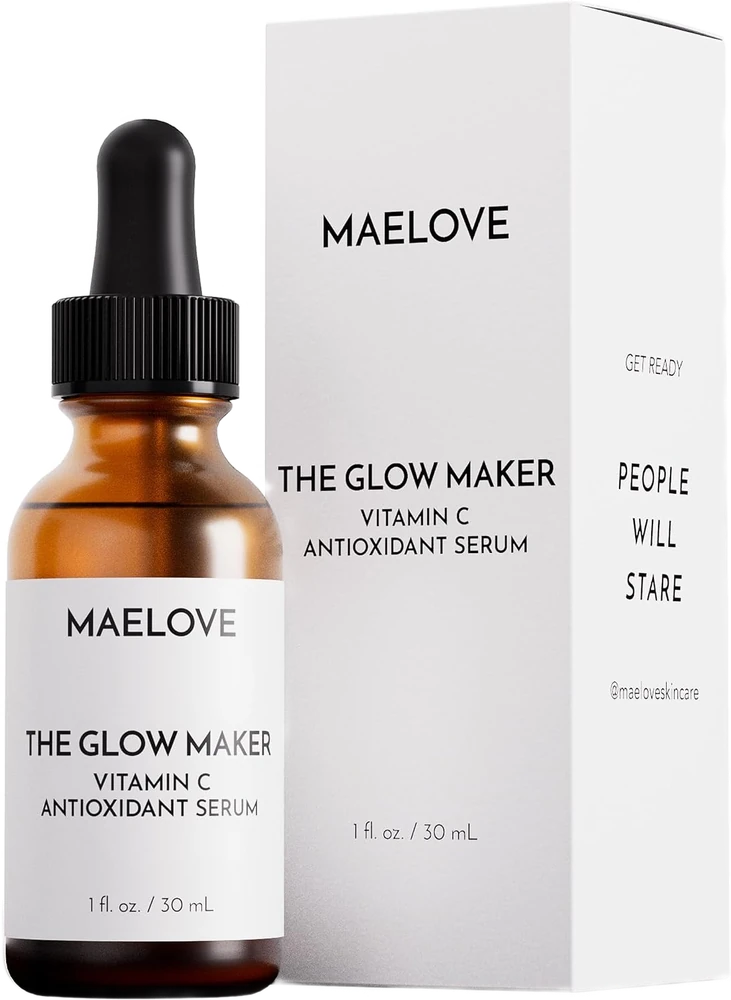 03
03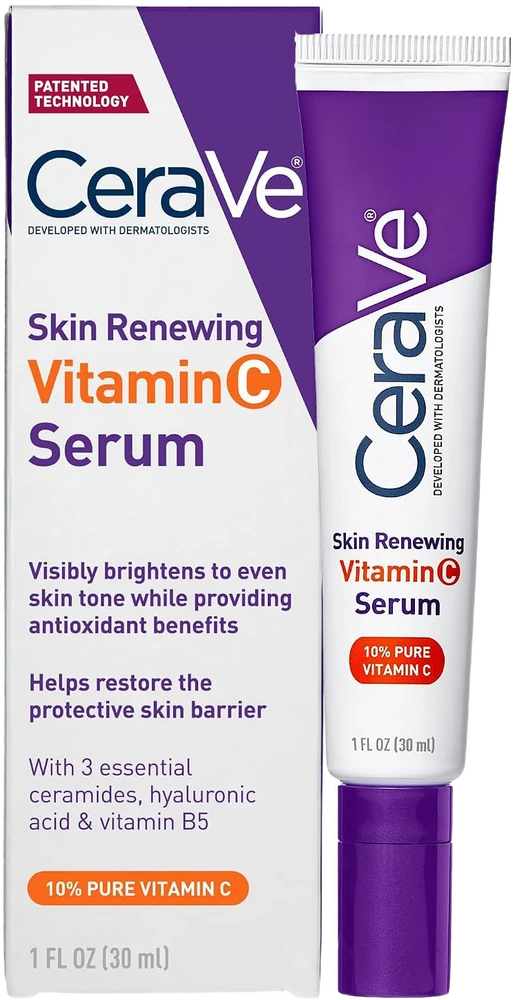 04
04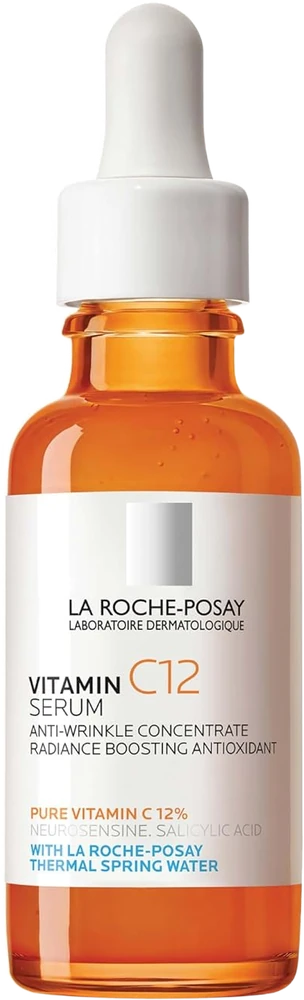 05
05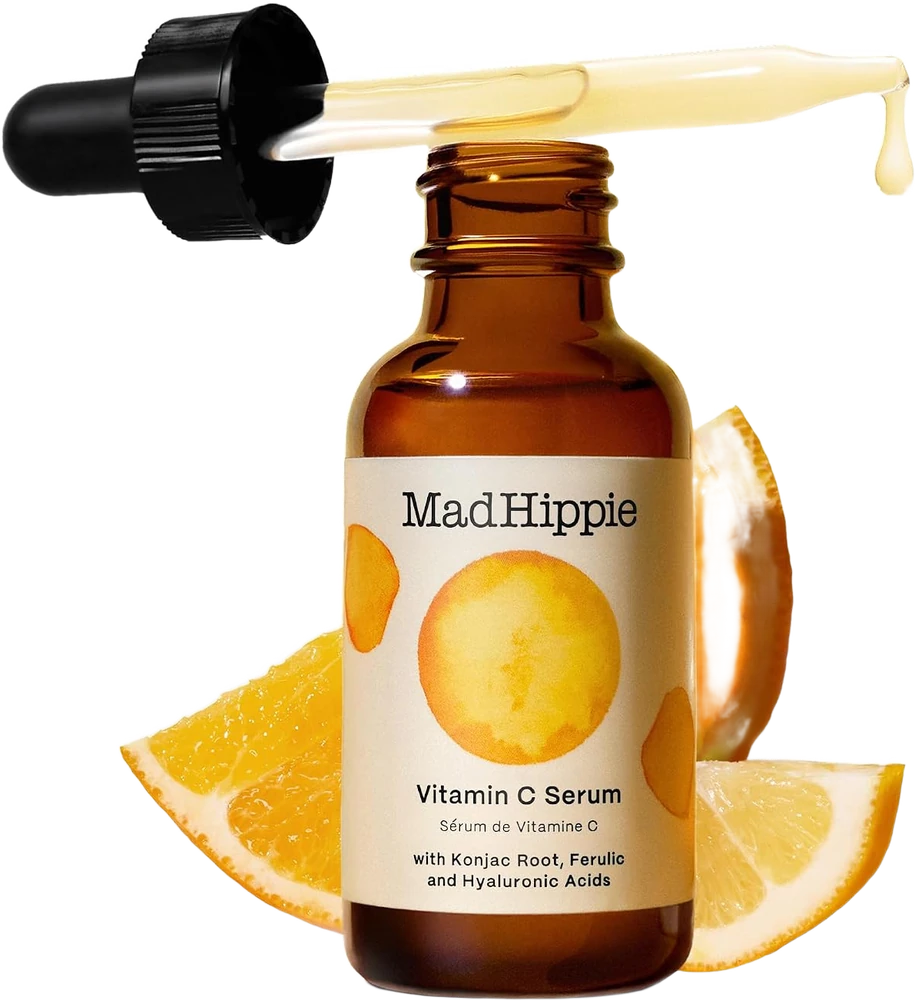 06
06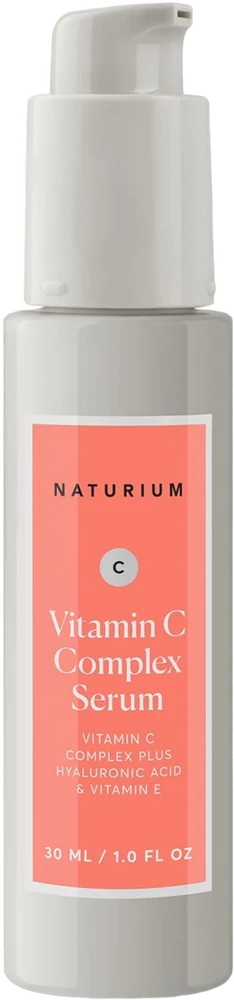 07
07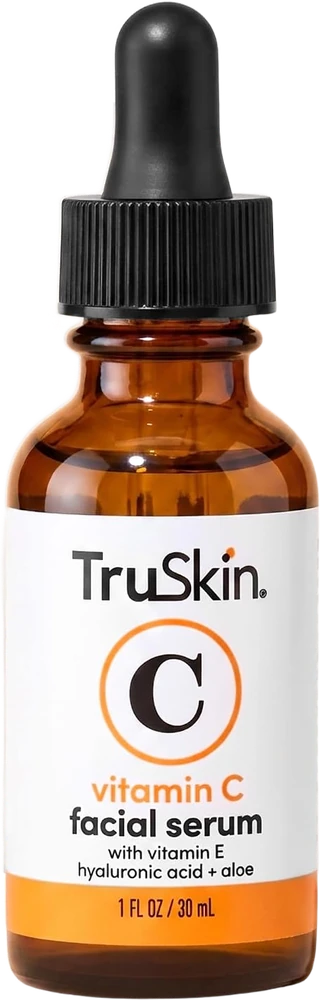 08
08Who Wins Which Aspect
Sorted by overall SAC Product Score™ — the official ranking.
| # | Pick | Score | Active form + concentration35% | Antioxidant matrix + formulation25% | Packaging + oxidation resistance20% | Value12% | Skin-fit + real-world response8% | Cost Per Dose | Buy |
|---|---|---|---|---|---|---|---|---|---|
| 01 | | 9.6 | 9.91 | 9.91 | 9.81 | 7.5 | 9.81 | ~$6.17 / ml | Check price |
| The exact 15% LAA + 1% E + 0.5% ferulic formula the photoprotection research is built onThe most expensive serum on the list by a wide margin — you pay for the patent and the pedigree | |||||||||
| 02 | | 9.2 | 9.22 | 9.22 | 9.42 | 9.61 | 8.6 | ~$0.83 / ml | Check price |
| Matches the L-ascorbic acid + vitamin E + ferulic acid trio of a $185 serum for about $2520% LAA is the strongest here — most likely of the pure-acid picks to sting reactive skin | |||||||||
| 03 | | 9.1 | 9.22 | 9.03 | 8.83 | 9.42 | 8.83 | ~$1.17 / ml | Check price |
| Full 15% LAA + vitamin E + ferulic acid trio, the same studied stack as #1 at half-ish the price of most premiumsStill a dropper format — use consistently and store away from light to slow oxidation | |||||||||
| 04 | | 8.6 | 8.43 | 8.4 | 8.6 | 9.42 | 9.02 | ~$0.87 / ml | Check price |
| 10% pure L-ascorbic acid — the entry point of the studied potency window, gentler than 15-20%10% LAA has a lower potency ceiling than the 15-20% pure-acid picks above it | |||||||||
| 05 | | 8.4 | 8.43 | 8.6 | 8.4 | 8.0 | 8.6 | ~$1.40 / ml | Check price |
| 10% pure L-ascorbic acid in a formula tuned by a dermatologist-trusted brand10% LAA sits below the 15-20% pure-acid picks on peak potency | |||||||||
| 06 | | 8.3 | 7.6 | 8.6 | 8.6 | 8.4 | 9.02 | ~$1.13 / ml | Check price |
| SAP is near-pH-neutral and far gentler than L-ascorbic acid — genuinely usable on reactive skinSAP is a pro-drug that converts to ascorbic acid on the skin only partially — lower peak potency than pure LAA | |||||||||
| 07 | | 8.0 | 7.0 | 8.4 | 8.83 | 8.6 | 8.2 | ~$0.70 / ml | Check price |
| Blends pure L-ascorbic acid with the stable SAP derivative — some potency, more stability than LAA aloneA blended complex doesn't hit the peak potency of a full-strength 15-20% pure-LAA serum | |||||||||
| 08 | | 7.6 | 7.0 | 7.8 | 7.6 | 8.83 | 8.0 | ~$0.73 / ml | Check price |
| One of the best-reviewed skincare products on Amazon — an enormous, satisfied user baseSAP is a derivative — its converted, on-skin potency is well below a pure 15-20% L-ascorbic acid serum | |||||||||
The Other 7, Ranked
- 02
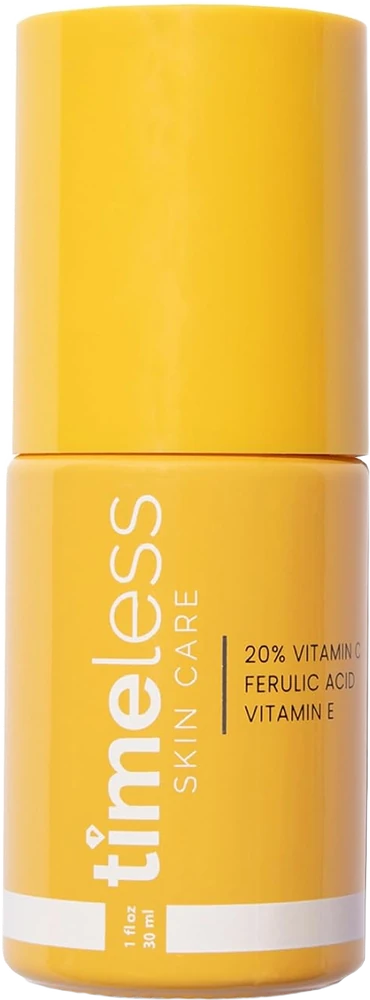
Best value (the dupe): Timeless 20% Vitamin C + E Ferulic Acid Serum
9.2SAC Score™The value dupe that democratized the CE Ferulic formula — 20% pure L-ascorbic acid with vitamin E and ferulic acid for roughly a seventh of the icon's price. The reason you no longer have to spend $185 for the studied stack.
StrongestValue9.61WeakestSkin-fit + real-world response8.6- Active form
- 20% L-ascorbic acid (pure vitamin C)
- Antioxidant matrix
- Vitamin E + ferulic acid (same trio as the gold standard)
- Packaging
- Glass dropper — refrigerate + replace often to fight oxidation
All five scores, pros & cons, full label
What We Like- Matches the L-ascorbic acid + vitamin E + ferulic acid trio of a $185 serum for about $25
- 20% LAA is at the top of the studied potency window
- Lightweight watery texture that layers cleanly under moisturizer and SPF
- The category's benchmark value pick — the serum that made CE Ferulic affordable
What You Live With- 20% LAA is the strongest here — most likely of the pure-acid picks to sting reactive skin
- Oxidizes relatively fast; keep it refrigerated and expect to replace it every couple of months
- Small-batch brand — freshness varies, so buy from a source with quick turnover
- Best for
- Value-seekers with tolerant skin who want the studied formula
Our take — Timeless is the serum that broke the price of the CE Ferulic formula, and it remains the value benchmark of the whole category. You get the same three actives that make the gold standard work — L-ascorbic acid, vitamin E, ferulic acid — at 20% concentration, for roughly a seventh of the icon's cost. The trade-offs are honest and both about that raw potency: 20% low-pH acid is the most likely pick here to irritate sensitive skin, and it oxidizes fast enough that you should refrigerate it and replace it often. But for tolerant skin that wants the studied formula without the studied price, this is the smartest money on the page.
- 03
Best all-rounder: Maelove Glow Maker Vitamin C Serum
9.1SAC Score™The cult MIT-chemist dupe — 15% L-ascorbic acid with vitamin E, ferulic acid, and hyaluronic acid in one lightweight serum. The CE Ferulic actives plus a hydration layer, at a mid-tier price.
StrongestValue9.42WeakestPackaging + oxidation resistance8.8- Active form
- 15% L-ascorbic acid (pure vitamin C)
- Antioxidant matrix
- Vitamin E + ferulic acid + hyaluronic acid
- Packaging
- Opaque-leaning glass dropper
All five scores, pros & cons, full label
What We Like- Full 15% LAA + vitamin E + ferulic acid trio, the same studied stack as #1 at half-ish the price of most premiums
- Added hyaluronic acid softens the formula and offsets the drying tendency of low-pH vitamin C
- Lightweight, fast-absorbing, layers well — a genuine daily-driver texture
- One of the most-loved dupes online, with a devoted repurchase following
What You Live With- Still a dropper format — use consistently and store away from light to slow oxidation
- 15% LAA can be too much for the most sensitive skin, HA cushion notwithstanding
- Pricier than Timeless for a slightly lower LAA % (though the HA + texture justify it for many)
- Best for
- Most people — the balanced pure-acid pick
Our take — Maelove is the pick for the buyer who wants the studied formula, a nicer daily experience than a bare-bones dupe, and doesn't want to think too hard about it. The Glow Maker carries the full 15% L-ascorbic acid, vitamin E, and ferulic acid stack — the actives that matter — and rounds it out with hyaluronic acid so it feels less stripping than a pure low-pH acid alone. It sits between the rock-bottom value of Timeless and the pedigree of SkinCeuticals: more polished than the former, far cheaper than the latter. For most people with reasonably tolerant skin, this is the easiest serum on the list to actually enjoy using every morning.
- 04
Best for the barrier / beginners: CeraVe Skin Renewing Vitamin C Serum
8.6SAC Score™Pure vitamin C that respects your barrier — 10% L-ascorbic acid with CeraVe's three ceramides and hyaluronic acid, in an airtight opaque tube that shields the acid from light and air. The dermatologist-shelf pick for beginners.
StrongestValue9.42WeakestActive form + concentration8.4- Active form
- 10% L-ascorbic acid (pure vitamin C)
- Antioxidant matrix
- Hyaluronic acid + 3 essential ceramides (barrier support)
- Packaging
- Airtight opaque tube — strong oxidation protection
All five scores, pros & cons, full label
What We Like- 10% pure L-ascorbic acid — the entry point of the studied potency window, gentler than 15-20%
- The three CeraVe ceramides + hyaluronic acid actively support the skin barrier while the acid works
- Airtight opaque tube is one of the best oxidation-resistant packages on the list
- Widely available drugstore pricing and a dermatologist-recommended brand
What You Live With- 10% LAA has a lower potency ceiling than the 15-20% pure-acid picks above it
- No vitamin E + ferulic synergy stack — it's bare LAA plus barrier actives, not the CE Ferulic trio
- Some users find it slightly tacky on first application before it sets
- Best for
- Beginners, compromised barriers, drugstore buyers
Our take — CeraVe is the smartest first vitamin C serum for skin that can't yet handle the strong stuff. It pairs a sensible 10% dose of pure L-ascorbic acid with the brand's signature ceramide-and-hyaluronic-acid barrier support, so it treats and protects at once — and it ships in an airtight opaque tube that shields the fragile acid better than almost anything else here. It won't hit the potency ceiling of the 15-20% picks and it skips the vitamin E + ferulic synergy, so it lands mid-list on raw formulation. But for beginners, compromised barriers, or anyone who wants derm-shelf reliability at a drugstore price, it's the safest smart buy on the page.
- 05
Best for texture + tone: La Roche-Posay Pure Vitamin C10 Serum
8.4SAC Score™A derm-brand vitamin C that also resurfaces — 10% pure L-ascorbic acid with salicylic acid to smooth texture and refine tone, in an opaque air-limiting tube. The pick when roughness and dullness are the target together.
StrongestAntioxidant matrix + formulation8.6WeakestValue8.0- Active form
- 10% L-ascorbic acid (pure vitamin C)
- Antioxidant matrix
- Salicylic acid (texture) + neurosensine + glycerin
- Packaging
- Opaque tube with pump — light-protective
All five scores, pros & cons, full label
What We Like- 10% pure L-ascorbic acid in a formula tuned by a dermatologist-trusted brand
- Salicylic acid adds a gentle resurfacing action that vitamin C alone doesn't provide
- Opaque tube limits light and air exposure to protect the acid
- Backed by La Roche-Posay's clinical and dermatologist-recommendation pedigree
What You Live With- 10% LAA sits below the 15-20% pure-acid picks on peak potency
- The salicylic acid can be drying or too much when stacked with other exfoliating actives
- No vitamin E + ferulic synergy stack, so it trails the CE Ferulic tier on pure antioxidant firepower
- Best for
- Uneven texture, dullness, combination skin
Our take — La Roche-Posay's C10 is the pick when your two complaints are dullness AND rough, uneven texture, because it does more than deliver vitamin C — the added salicylic acid gives it a light resurfacing edge that the pure-antioxidant serums don't have. It's a well-considered 10% L-ascorbic acid formula from a brand dermatologists actually name, in an opaque tube that protects the acid. It lands here rather than higher because 10% LAA without the vitamin E + ferulic synergy has a lower ceiling than the top tier, and the salicylic acid means you have to watch your other exfoliants. But for combination or textured skin that wants tone and smoothness in one step, it's a sharp choice.
- 06
Best for sensitive skin (most stable): Mad Hippie Vitamin C Serum
8.3SAC Score™The best-built derivative serum — gentle sodium ascorbyl phosphate paired with vitamin E, ferulic acid, and hyaluronic acid in an airless pump, which gives it the strongest oxidation resistance on the entire list. The pick for sensitive skin.
StrongestSkin-fit + real-world response9.02WeakestActive form + concentration7.6- Active form
- Sodium ascorbyl phosphate (SAP) — stable vitamin C derivative
- Antioxidant matrix
- Vitamin E + ferulic acid + hyaluronic acid + ferulic support
- Packaging
- Airless pump — the best oxidation resistance on this list
All five scores, pros & cons, full label
What We Like- SAP is near-pH-neutral and far gentler than L-ascorbic acid — genuinely usable on reactive skin
- Airless pump keeps air and light off the active — the single best oxidation-resistant package here
- Rounds the derivative out with vitamin E, ferulic acid, and hyaluronic acid rather than SAP alone
- Rarely stings, browns, or purges — a reliable, low-drama daily serum
What You Live With- SAP is a pro-drug that converts to ascorbic acid on the skin only partially — lower peak potency than pure LAA
- Won't match the studied effect of the 15-20% L-ascorbic acid tier for a resilient-skinned user
- Costs more than the popular budget derivatives despite a lower vitamin C ceiling
- Best for
- Sensitive, rosacea-prone, or LAA-intolerant skin
Our take — Mad Hippie is the serum to reach for the moment pure L-ascorbic acid is off the table — sensitive skin, rosacea, or a history of stinging on vitamin C. It's built around sodium ascorbyl phosphate, a stable, near-neutral-pH derivative that skin tolerates easily, and it's the rare derivative that still carries the supporting vitamin E, ferulic acid, and hyaluronic acid. The airless pump is the quiet hero: it gives this serum the best oxidation resistance on the whole page, so the active you paid for stays active. The trade is real and we won't hide it — a derivative converts incompletely and won't reach the potency of the pure-acid tier. For skin that can't do the strong stuff, that's exactly the right trade.
- 07
Best blended-form value: Naturium Vitamin C Complex Serum
8.0SAC Score™A hedge between potency and gentleness — Naturium pairs pure L-ascorbic acid with the stable derivative SAP so you get some peak punch and some staying power, at an approachable price.
StrongestPackaging + oxidation resistance8.83WeakestActive form + concentration7.0- Active form
- L-ascorbic acid + sodium ascorbyl phosphate (dual complex)
- Antioxidant matrix
- Supporting antioxidants + hydrators in a vitamin C complex
- Packaging
- Frosted glass dropper
All five scores, pros & cons, full label
What We Like- Blends pure L-ascorbic acid with the stable SAP derivative — some potency, more stability than LAA alone
- Lower per-bottle price than most of the pure-acid picks
- Gentler in practice than a straight 15-20% LAA serum, so easier on moderately reactive skin
- Naturium is a well-regarded value brand with clean, transparent formulas
What You Live With- A blended complex doesn't hit the peak potency of a full-strength 15-20% pure-LAA serum
- No dedicated vitamin E + ferulic synergy stack like the CE Ferulic tier
- Frosted dropper is only moderately oxidation-resistant — better than clear, worse than airless
- Best for
- Buyers wanting a middle path between LAA and derivative
Our take — Naturium's Vitamin C Complex is the sensible middle path for a buyer who is torn between the potency of pure acid and the gentleness of a derivative. By blending L-ascorbic acid with stable sodium ascorbyl phosphate, it keeps some of the peak punch while gaining stability and tolerability — a reasonable hedge, at a genuinely low price. The honest limit is that a blend of this kind won't top a well-formulated 15-20% pure-LAA serum on raw effect, and it skips the vitamin E + ferulic synergy. But if you want vitamin C that's easy on the skin and easy on the wallet, and you don't need to chase the ceiling, it's a smart value pick.
- 08
Most popular (gentle best-seller): TruSkin Vitamin C Serum
7.6SAC Score™Amazon's runaway vitamin C best-seller — a gentle sodium ascorbyl phosphate serum with vitamin E and hyaluronic acid at a rock-bottom price. Massively popular and easy on the skin, but a derivative, so a lower potency ceiling than the pure-acid picks.
StrongestValue8.83WeakestActive form + concentration7.0- Active form
- Sodium ascorbyl phosphate (SAP) — stable vitamin C derivative
- Antioxidant matrix
- Vitamin E + hyaluronic acid + botanical extracts
- Packaging
- Amber glass dropper — light-protective glass, air-exposed cap
All five scores, pros & cons, full label
What We Like- One of the best-reviewed skincare products on Amazon — an enormous, satisfied user base
- SAP derivative is gentle and near-pH-neutral, so it rarely stings sensitive skin
- Amber glass gives real light protection despite the dropper format
- Very low price with vitamin E and hyaluronic acid included
What You Live With- SAP is a derivative — its converted, on-skin potency is well below a pure 15-20% L-ascorbic acid serum
- Botanical-heavy blend reads more 'gentle multipurpose' than 'targeted high-potency vitamin C'
- Dropper pulls air in with each use; the amber glass helps with light but not oxygen
- Best for
- Budget buyers + sensitive skin wanting a proven crowd favorite
Our take — TruSkin is the people's champion of this category — one of the single most-reviewed serums on Amazon, cheap, gentle, and genuinely liked by an enormous number of buyers. If popularity decided rankings it would sit near the top. But this is a formulation-first list, and TruSkin is a sodium ascorbyl phosphate derivative in a botanical-forward blend, which means its real, on-skin vitamin C potency is well below the pure-acid tier — the honest reason it anchors the list rather than leading it. Buy it if you want a well-loved, low-cost, low-irritation entry serum and aren't chasing the maximum studied effect. If you are, climb back up to the L-ascorbic acid picks — and if your skin is sensitive but you want a better-built derivative, Mad Hippie at #6 edges it on packaging and matrix.
The Guide In Four Short Lessons
Decide between L-ascorbic acid and a derivative.
Pure L-ascorbic acid is the potent form behind the research. Derivatives are gentler but convert incompletely on the skin.
Check the packaging.
L-ascorbic acid oxidizes with light, air and water. Opaque tubes, airless pumps and amber glass protect it; a browning serum is an expired serum.
Look for the C, E and ferulic formula.
The most-studied combination is 15% L-ascorbic acid with 1% vitamin E and 0.5% ferulic acid. Patch-test, and always layer SPF over it.
Ranked on active form and concentration, antioxidant matrix, oxidation-resistant packaging, honest value, and skin-fit — grounded in Lin 2005 (PMID 16185284), Pinnell 2001 (PMID 11207686), and Stamford 2012 (PMID 23174055); full scoring in the methodology below.
Vitamin C can't be ranked on price or star-count because the category hides two unlike molecules and a fragility problem. So we sorted every serum by what's actually inside first — full C+E+ferulic acid formulas, then bare high-percentage L-ascorbic acid, then the gentler derivatives — and only scored within those tiers. Active form and concentration carries the most weight because it is the thing that determines peak effect: pure L-ascorbic acid at the studied 10-20% outranks lower percentages, and outranks a derivative that has to convert on the skin and does so incompletely. The antioxidant matrix is next, because the most-studied formula isn't bare vitamin C — adding vitamin E and ferulic acid raises both the efficacy ceiling and the shelf stability. Packaging is a genuine axis, not a footnote: L-ascorbic acid oxidizes on contact with light and air, so airless pumps, opaque tubes, and amber glass earn credit while clear dropper bottles lose it. Value is the tie-breaker applied only within a tier — when a $25 serum matches a $185 icon's actives, it wins the value badge without pretending to be a different formula. Skin-fit and real-world response — tolerability, texture, finish, and whether users report stinging or browning — settle the rest.
Active form + concentration · 35%
Pure L-ascorbic acid (LAA) is the potent, most-studied form; at 10-20% and a low pH it drives the antioxidant + collagen effect the research rests on. LAA outscores derivatives (SAP, MAP, THD) because derivatives are pro-drugs that convert to ascorbic acid on the skin only partially, so peak potency is lower. Higher LAA % scores higher within reason — but concentration your skin can't tolerate is not an advantage.
Antioxidant matrix + formulation · 25%
The Duke C+E+ferulic stack — L-ascorbic acid + vitamin E (alpha-tocopherol) + ferulic acid — outperforms bare vitamin C on UV defense AND stabilizes the acid so it lasts longer. Serums carrying the full trio score above bare-LAA serums. Supporting actives (hyaluronic acid for hydration, ceramides for barrier) and a sensible low pH earn credit; kitchen-sink blends that under-dose the vitamin C do not.
Packaging + oxidation resistance · 20%
L-ascorbic acid degrades on contact with light, air, and water — a serum that has turned yellow-to-brown is oxidized and past its useful life. Airless pumps, opaque bottles/tubes, and amber glass protect the active and score high. Clear dropper bottles are penalized: they expose LAA to light and pull air into the bottle with every use, and browning complaints cluster on exactly those formats.
Value · 12%
Cost per bottle measured against what the formula actually delivers, applied only as a tie-breaker within a formulation tier. A $185 icon and a $25 dupe of the same three actives are NOT scored as equals on efficacy — but the dupe takes the value crown. Price never promotes a weaker formula over a stronger one; it only separates near-equals.
Skin-fit + real-world response · 8%
Tolerability (stinging, flushing, purging on reactive skin), texture and finish (does it pill, does it feel greasy, does it layer under SPF), and fit for the buyer — sensitive skin belongs on a derivative, resilient skin can push the pure acid. Reliable browning or irritation reports pull a score down here.
How vitamin C serum works
- 1
Antioxidant shield
L-ascorbic acid donates electrons to neutralize the free radicals UV and pollution generate in skin. Worn under sunscreen in the morning, it measurably extends your photoprotection — it boosts SPF, it never replaces it.
- 2
Pigment brake
Vitamin C inhibits tyrosinase, the enzyme that drives melanin overproduction. That's the mechanism behind fading dark spots and post-acne marks and the gradual evening of overall tone.
- 3
Collagen cofactor
Ascorbic acid is a required cofactor for the enzymes that cross-link and stabilize new collagen. With months of consistent use, that's the firmness-and-fine-lines contribution — slower than the brightening, but real.
- 4
The fragility catch
Pure L-ascorbic acid oxidizes on contact with light, air and water — a serum that's turned orange-brown is expired. This is why airless, opaque or amber packaging is a scoring axis here, and why vitamin E + ferulic acid (which stabilize LAA and extend its effect) mark out the serious formulas.
What to expect from a daily vitamin C serum
Glow, not miracles
A subtle overall brightening as the antioxidant effect kicks in. Mild tingling on application is normal for low-pH LAA serums; actual stinging or flushing means patch-test and slow down.
Dark spots start fading
The tyrosinase-inhibition effect becomes visible: post-acne marks and sun spots soften, overall tone looks more even. This is the window where most people decide the serum 'works'.
Texture + firmness
The collagen-cofactor contribution shows up last — slightly smoother texture and firmness at the margins. Photos beat mirrors for judging this honestly.
Sunscreen still does the heavy lifting
Vitamin C is the supporting act: it boosts photoprotection and repairs oxidative damage, but daily SPF remains the #1 evidence-based anti-aging move. Replace the bottle the moment it turns orange.
The bottom line
For resilient skin chasing the exact research, it's SkinCeuticals C E Ferulic (#1).
It is the patented 15% L-ascorbic acid, 1% vitamin E, 0.5% ferulic acid trio every dupe chases, in amber glass at a low pH that keeps the acid potent. It earns #1 on formulation alone. The honest caveats: it's the most expensive bottle here, and at full-strength low pH it can be too much for reactive skin.
You almost certainly don't need to spend $185 for that formula.
Timeless 20% Vitamin C + E Ferulic (#2) matches the same three actives for about a seventh of the cost and is the category's value benchmark; Maelove Glow Maker (#3) adds hyaluronic acid in the nicest daily texture. CeraVe (#4) pairs a gentler 10% dose with ceramides for compromised barriers; La Roche-Posay C10 (#5) adds resurfacing for rough, dull skin.
If your skin is sensitive, go to a derivative — and treat browning as dead.
The most consequential decision is pure acid versus derivative, decided by your skin, not your budget: sensitive, rosacea-prone, or ever-stung skin belongs on Mad Hippie (#7), whose airless pump gives the best oxidation resistance here, or the cheap TruSkin (#8) — gentler and more stable, but lower peak potency, the honest trade. Favor airless pumps, opaque tubes, and amber glass, and always layer SPF over vitamin C.
Quick Answers
What is the best vitamin-c-serum pick overall?
SkinCeuticals C E Ferulic by SkinCeuticals is our #1 pick (SAC score 9.6/10). If you want the vitamin C serum the studies actually used and you're not shopping on price, this is it — the original 15% L-ascorbic acid, 1% vitamin E, 0.5% ferulic acid combination, at the low pH that keeps the acid potent, in amber glass that respects how fragile it is. It is the reference every dupe is measured against, and it earns the #1 slot on formulation alone. The two honest caveats: it costs more than any other bottle here, and at full-strength low pH it can be too much for reactive skin. For resilient skin that wants the maximum studied effect, nothing else on this page is the SkinCeuticals — but the value dupes at #2 and #3 come remarkably close for a fraction of the price.
What is the best budget option?
Timeless 20% Vitamin C + E Ferulic at $25 / 30 ml. Timeless is the serum that broke the price of the CE Ferulic formula, and it remains the value benchmark of the whole category. You get the same three actives that make the gold standard work — L-ascorbic acid, vitamin E, ferulic acid — at 20% concentration, for roughly a seventh of the icon's cost. The trade-offs are honest and both about that raw potency: 20% low-pH acid is the most likely pick here to irritate sensitive skin, and it oxidizes fast enough that you should refrigerate it and replace it often. But for tolerant skin that wants the studied formula without the studied price, this is the smartest money on the page.
How much do these picks cost?
Across our ranked picks, prices run from about $21 to $185 — exact price and cost per serving are listed on every pick card above.
How were these picks ranked?
Vitamin C can't be ranked on price or star-count because the category hides two unlike molecules and a fragility problem. So we sorted every serum by what's actually inside first — full C+E+ferulic acid formulas, then bare high-percentage L-ascorbic acid, then the gentler derivatives — and only scored within those tiers. Active form and concentration carries the most weight because it is the thing that determines peak effect: pure L-ascorbic acid at the studied 10-20% outranks lower percentages, and outranks a derivative that has to convert on the skin and does so incompletely. The antioxidant matrix is next, because the most-studied formula isn't bare vitamin C — adding vitamin E and ferulic acid raises both the efficacy ceiling and the shelf stability. Packaging is a genuine axis, not a footnote: L-ascorbic acid oxidizes on contact with light and air, so airless pumps, opaque tubes, and amber glass earn credit while clear dropper bottles lose it. Value is the tie-breaker applied only within a tier — when a $25 serum matches a $185 icon's actives, it wins the value badge without pretending to be a different formula. Skin-fit and real-world response — tolerability, texture, finish, and whether users report stinging or browning — settle the rest.
Every Claim Ranked Above Traces Back To One Of These
3 peer-reviewed sources, each linked to PubMed
- [1] Lin 2005 PMID 16185284 — Ferulic acid stabilizes a solution of vitamins C and E and doubles its photoprotection of skin. Adding 0.5% ferulic acid to a topical solution of 15% L-ascorbic acid and 1% alpha-tocopherol (vitamin E) stabilized the formulation and roughly doubled its UV photoprotection versus the vitamins alone. The foundational study behind the CE Ferulic formula and the reason serums carrying the full L-ascorbic acid + vitamin E + ferulic acid trio are ranked above bare-vitamin-C serums for both efficacy and stability.
- [2] Pinnell 2001 PMID 11207686 — Topical L-ascorbic acid: percutaneous absorption studies. Skin absorption of topical vitamin C depends on it being formulated as L-ascorbic acid at a low pH (below ~3.5); maximal absorption occurred at a 20% concentration, above which uptake plateaued. The evidence base for ranking pure low-pH L-ascorbic acid at 10-20% as the potent, most-bioavailable form, and for treating higher percentages as subject to diminishing returns.
- [3] Stamford 2012 PMID 23174055 — Stability, transdermal penetration, and cutaneous effects of ascorbic acid and its derivatives. Reviews the instability of L-ascorbic acid (it oxidizes readily on exposure to light, air, and moisture) and the trade-offs of derivatives such as sodium ascorbyl phosphate and magnesium ascorbyl phosphate — more stable and gentler, but dependent on incomplete in-skin conversion to ascorbic acid for activity. The basis for scoring oxidation-resistant packaging as a distinct axis and for ranking derivative serums as gentler but lower in peak potency than well-formulated LAA.
Affiliate disclosure: every Amazon link uses our Associates tag (superachieverclub-20). We earn a small commission at no cost to you; it funds independent reviews. We never accept payment to change a ranking.