
La Roche-Posay Pure Vitamin C10 Serum Review
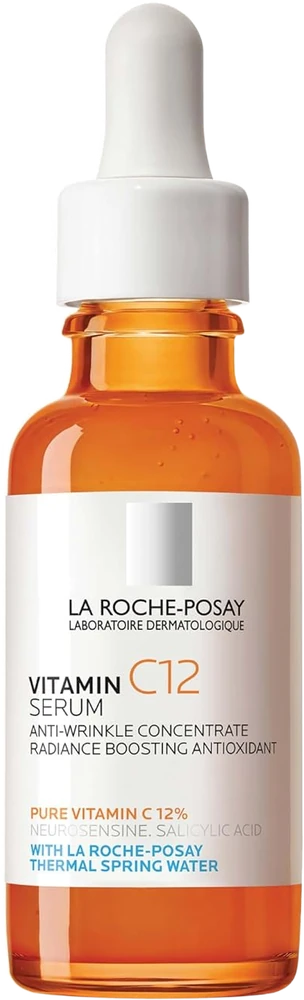 #5 of 8 · Best for texture + tone✓ Product photos checked Sep 7, 2026
Real retailer photo, cut out. Label unedited.
Consider it. Vitamin C plus a light resurfacing edge — for skin where texture and dullness are both the problem. 10% pure L-ascorbic acid plus salicylic acid (for texture) and soothing neurosensine, from a derm-trusted brand, in an opaque air-limiting tube, at about $42.
$42 / 30 ml~$1.40 / ml — mid-premium derm-brand pricing
Why It Scores 8.4 — And The Label Line Behind Each Number
Active form + concentration
35% of score10% pure L-ascorbic acid — the potent form, at the entry point of the studied 10-20% window (Pinnell 2001). Same dose as CeraVe, so a lower potency ceiling than the 15-20% picks; it earns its place through the added resurfacing action rather than raw concentration. Mid-list on this axis by design.
- Active form
- 10% L-ascorbic acid (pure vitamin C)
Antioxidant matrix + formulation
25% of scoreNot the Duke C+E+ferulic stack — instead 10% LAA paired with salicylic acid for texture, plus neurosensine and glycerin. The salicylic acid is a genuine, differentiated resurfacing addition (not empty kitchen-sink), which earns a notch above the bare-LAA CeraVe on formulation intent. But without vitamin E + ferulic synergy it trails the top tier on pure antioxidant firepower.
- Antioxidant matrix
- Salicylic acid (texture) + neurosensine + glycerin — no vitamin E/ferulic stack
Packaging + oxidation resistance
20% of scoreOpaque tube with a pump — light-protective and air-limiting, clearly better than a clear dropper. Not quite the airtight-tube standout of CeraVe or an airless pump, but a solid oxidation-resistant format that respects LAA's fragility.
- Packaging
- Opaque tube with pump — light-protective, air-limiting
Value
12% of scoreAbout $42 for 30 ml (~$1.40/ml) — mid-premium derm-brand pricing. You pay for the La Roche-Posay pedigree and the dual-action salicylic addition, but it is pricier than the 10% CeraVe and the value dupes for a similar LAA dose. Fair for the targeted formula, not a value leader.
- Size
- 30 ml
- Price
- $42 / 30 ml (~$1.40 / ml)
Skin-fit + real-world response
8% of scoreWell-suited to combination and textured skin, with neurosensine and glycerin softening the experience and a derm-brand tolerability record. The caveat that holds it here: the salicylic acid can be drying or too much when stacked with other exfoliating actives, so it is not for everyone's routine. Strong fit for its intended buyer.
- More Specs
- Best for
- Uneven texture, dullness, combination skin
- Brand context
- La Roche-Posay — dermatologist-recommended
- Routine note
- Watch total exfoliant load; salicylic acid stacks
Photos checked.This product has no Supplement Facts panel; the retailer's listing photos were reviewed Sep 7, 2026.
Marketing Claims Vs. Reality
10% pure vitamin C (L-ascorbic acid).
The 10% pure L-ascorbic acid content is the product's stated composition, and 10% is the entry point of the studied window (Pinnell 2001 PMID 11207686). This is the potent LAA form. The composition claim holds.
Salicylic acid refines skin texture and smooths.
Salicylic acid is a stated ingredient and a well-established beta-hydroxy exfoliant that genuinely smooths texture. The resurfacing action is a real, differentiated addition over pure-antioxidant serums — the claim is well-founded.
Neurosensine soothes sensitive skin.
Neurosensine is a proprietary La Roche-Posay dipeptide and the soothing claim rests on brand testing, not independent peer-reviewed evidence. Its presence is real; the specific soothing benefit is a manufacturer claim and should not be read as peer-reviewed.
Suitable for sensitive skin / allergy-tested.
The 10% dose and soothing/humectant support (neurosensine, glycerin) make it gentler than a 15-20% acid, and La Roche-Posay's sensitive-skin pedigree is real. But it still combines a low-pH acid with salicylic acid, which can be too much for reactive skin or a heavily-exfoliated routine. Reasonable for many, not a blanket guarantee.
What Our Test Actually Found
The salicylic acid is the whole reason to pick it
What sets the C10 apart from the other 10% serums is the added salicylic acid — a beta-hydroxy exfoliant that gives it a light resurfacing action the pure-antioxidant serums don't have. If your complaints are dullness AND rough, uneven texture together, this addresses both in one step, which is exactly what earns its 'texture + tone' badge. It is a genuinely differentiated formula, not a kitchen-sink blend.
It is a targeted pick, not an all-rounder
Because of that salicylic acid, this is not a universal recommendation. If you already use exfoliating acids (AHAs, BHAs, or a strong retinoid), stacking the C10 on top can over-dry or irritate, so you have to manage your total exfoliant load. Choose it deliberately for combination or textured skin, not as a default vitamin C.
The ceiling is the honest limit
It lands at #5 rather than higher because 10% LAA without the vitamin E + ferulic synergy has a lower potency ceiling than the top tier, and at ~$42 it is pricier than the 10% CeraVe and the value dupes for a similar dose. You are paying for the derm-brand pedigree and the dual action, which is fair — but on raw antioxidant firepower it trails the CE Ferulic serums.
Derm-brand pedigree, protective packaging
La Roche-Posay is a brand dermatologists actually name, and the opaque, air-limiting tube protects the fragile acid better than a clear dropper. Neurosensine and glycerin soften the experience, though the specific soothing claim is a manufacturer point rather than peer-reviewed. Patch-test, introduce it gradually if you already exfoliate, and layer SPF over it.
Full analysis: all pros & cons (8), buy if / skip if
- 10% pure L-ascorbic acid in a formula tuned by a dermatologist-trusted brand
- Salicylic acid adds a gentle resurfacing action vitamin C alone doesn't provide
- Opaque tube with pump limits light and air to protect the acid
- Neurosensine and glycerin soften the experience for combination skin
- Addresses dullness and rough texture together in one step
- 10% LAA sits below the 15-20% pure-acid picks on peak potency
- The salicylic acid can be drying or too much when stacked with other exfoliating actives
- No vitamin E + ferulic synergy stack, so it trails the CE Ferulic tier on antioxidant firepower
- Rough, uneven texture AND dullness are both your complaints
- You want a derm-trusted brand and an opaque, air-limiting tube
- You have combination skin that tolerates a little salicylic acid
- You want tone and smoothness addressed in one step
- You already use exfoliating acids — the added salicylic acid can over-dry
- You want maximum antioxidant firepower — the E + ferulic synergy tier goes higher
10% pure L-ascorbic acid plus salicylic acid (for texture) and soothing neurosensine, from a derm-trusted brand, in an opaque air-limiting tube, at about $42. The salicylic acid is the differentiator — a gentle resurfacing action pure-antioxidant serums lack. Trade-offs: 10% LAA sits below the 15-20% picks on potency, there's no E + ferulic synergy, and the salicylic acid can be drying if you already exfoliate. For combination or textured skin, a sharp targeted choice.
La Roche-Posay's C10 is the pick when your two complaints are dullness AND rough, uneven texture, because it does more than deliver vitamin C. It is a well-considered 10% pure L-ascorbic acid formula from a dermatologist-trusted brand, and the added salicylic acid gives it a light resurfacing edge the pure-antioxidant serums don't have. It ships in an opaque tube that limits light and air, protecting the acid. It lands here rather than higher because 10% LAA without the vitamin E + ferulic synergy has a lower ceiling than the top tier, and the salicylic acid means you have to watch your other exfoliants. But for combination or textured skin that wants tone and smoothness in one step, it is a sharp choice.
The targeted texture-and-tone pick — for combination skin where roughness and dullness both bother you.

La Roche-Posay's C10 is the pick when your two complaints are dullness AND rough, uneven texture, because it does more than deliver vitamin C — the added salicylic acid gives it a light resurfacing edge the pure-antioxidant serums don't have. It is a well-considered 10% L-ascorbic acid formula from a brand dermatologists actually name, in an opaque tube that protects the acid. It lands here rather than higher because 10% LAA without the vitamin E + ferulic synergy has a lower ceiling than the top tier, and the salicylic acid means you have to watch your other exfoliants and mind that it is pricier than a plain 10% serum. But for combination or textured skin that wants tone and smoothness in one step, it is a sharp, targeted choice. Manage your total exfoliant load, patch-test, and wear SPF over it.
If This Doesn’t Fit — Try These
 04
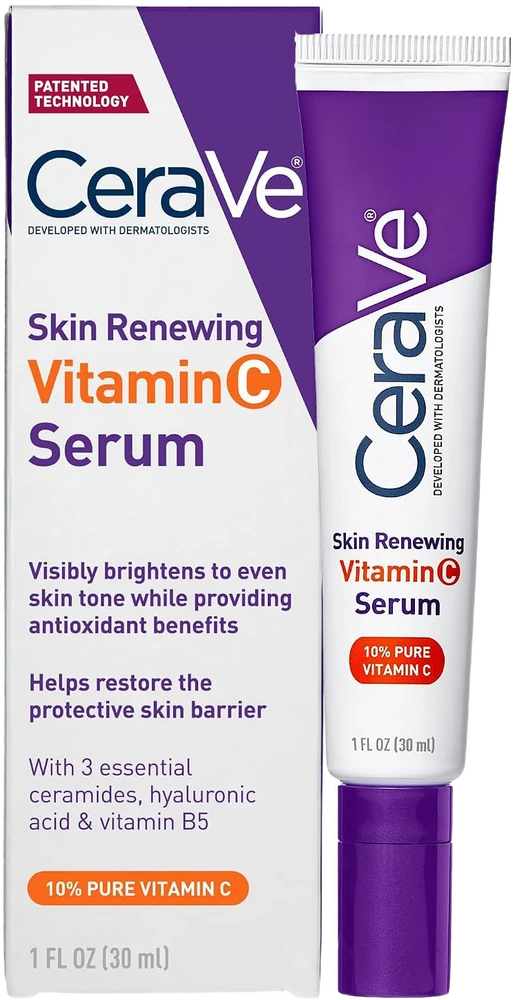
04CeraVe Skin Renewing Vitamin C
CeraVe is the smartest first vitamin C serum for skin that can't yet handle the strong stuff.
 03
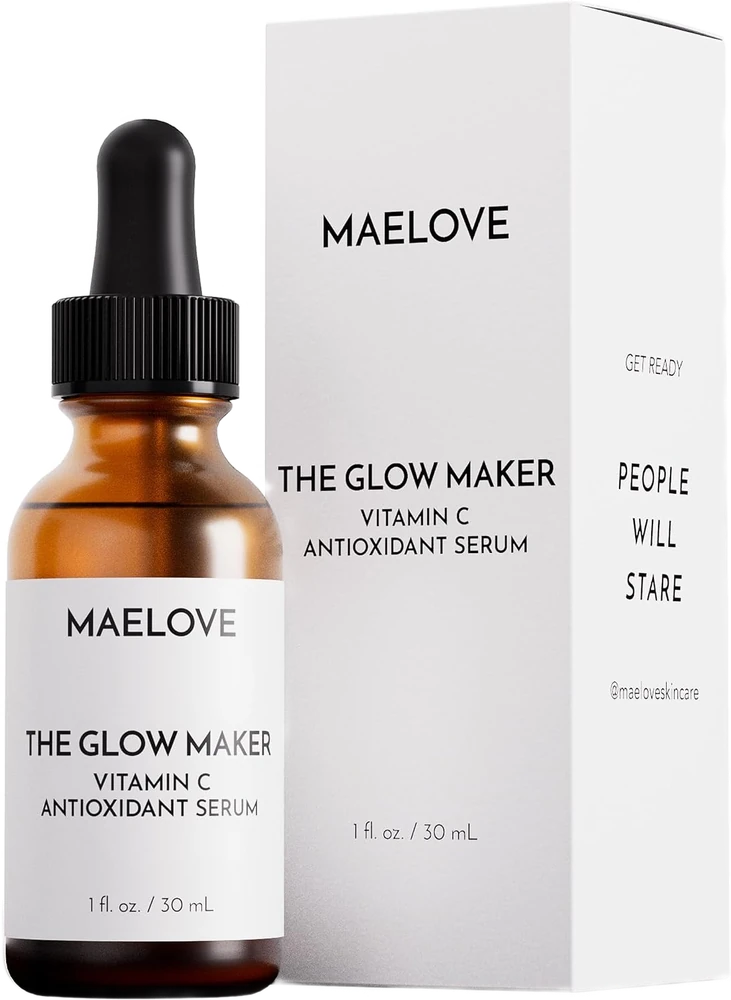
03Maelove Glow Maker
Maelove is the pick for the buyer who wants the studied formula, a nicer daily experience than a bare-bones dupe, and doesn't want to think too hard about it.
Quick Answers
How is this different from the CeraVe 10% serum?
Both use 10% pure L-ascorbic acid, but they aim at different problems. CeraVe adds ceramides and HA for barrier support and comes in an airtight tube at a lower price; La Roche-Posay adds salicylic acid for a light resurfacing action that also refines texture and tone. Pick CeraVe for barrier support and value, La Roche-Posay when rough texture is part of the complaint and you can manage the extra exfoliation.
Can I use it if I already use exfoliating acids?
Cautiously. The C10 already contains salicylic acid, so stacking it with AHAs, other BHAs, or a strong retinoid can over-dry or irritate. Manage your total exfoliant load: alternate days, cut back your other actives, or choose a plain vitamin C instead. Patch-test and introduce it gradually.
Does neurosensine actually soothe skin?
Neurosensine is a proprietary La Roche-Posay ingredient, and the soothing benefit rests on the brand's own testing rather than independent peer-reviewed evidence. Its presence is real and it fits the sensitive-skin positioning, but treat the specific soothing claim as a manufacturer statement, not established science.
Is it worth the premium over cheaper 10% serums?
Only if you want what it adds. You are paying more than the CeraVe or the value dupes for a similar 10% LAA dose, and the extra buys the derm-brand pedigree and the salicylic-acid resurfacing action. If dullness and rough texture are both your target, that dual action justifies it; if you just want vitamin C, a cheaper 10% serum does that job.
Sources & Further Reading
3 peer-reviewed sources, each linked to PubMed
- [1] Pinnell 2001 PMID 11207686 — Topical L-ascorbic acid: percutaneous absorption studies. Established low-pH L-ascorbic acid at 10-20% as the bioavailable, potent form — placing the C10's 10% at the entry point of the studied window, below the 15-20% tier on ceiling.
- [2] Lin 2005 PMID 16185284 — Ferulic acid stabilizes a solution of vitamins C and E and doubles its photoprotection of skin. Documents the added photoprotection and stability of the C+E+ferulic synergy that the C10 does not carry — the reason it trails the top tier on antioxidant matrix despite its resurfacing edge.
- [3] Stamford 2012 PMID 23174055 — Stability, transdermal penetration, and cutaneous effects of ascorbic acid and its derivatives. Details L-ascorbic acid's oxidation on light and air exposure — the science behind crediting the C10's opaque, air-limiting tube for oxidation resistance.
Affiliate disclosure: every Amazon link uses our Associates tag (superachieverclub-20). We earn a small commission at no cost to you; it funds independent reviews. We never accept payment to change a ranking.