
SkinCeuticals C E Ferulic Review
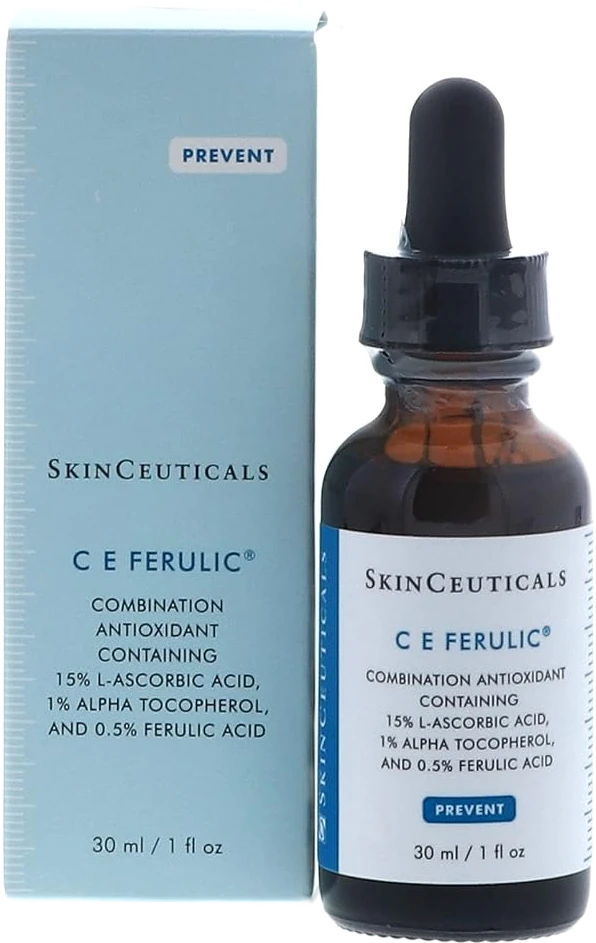 #1 of 8 · Best overall✓ Product photos checked Sep 7, 2026
Real retailer photo, cut out. Label unedited.
Buy it. The exact formula the studies used — buy it if you want the reference and price is not the object. 15% L-ascorbic acid + 1% vitamin E + 0.5% ferulic acid at low pH, in amber glass — the patented CE Ferulic combination and the most-studied topical antioxidant serum in the world.
$185 / 30 ml~$6.17 / ml — premium, the reference standard
Why It Scores 9.6 — And The Label Line Behind Each Number
Active form + concentration
35% of score15% pure L-ascorbic acid at a low pH (<3.5) — the exact form and window the research rests on. Pinnell 2001 showed absorption depends on LAA formulated below ~pH 3.5, and 15% sits squarely inside the studied 10-20% band. This is the potent, most-bioavailable form, not a derivative that must convert on skin. Near-perfect on the axis that carries the most weight.
- Active form
- 15% L-ascorbic acid (pure vitamin C)
Antioxidant matrix + formulation
25% of scoreThe full Duke trio: 15% LAA + 1% alpha-tocopherol + 0.5% ferulic acid. Lin 2005 demonstrated the ferulic addition both stabilizes the C+E solution and roughly doubles its UV photoprotection. This is the benchmark antioxidant matrix every other serum on the page is measured against — nothing here scores higher.
- Antioxidant matrix
- 1% vitamin E (alpha-tocopherol) + 0.5% ferulic acid — full CE Ferulic trio
Packaging + oxidation resistance
20% of scoreAmber glass dropper gives genuine light protection, the reason a fragile LAA serum can hold up. Not a perfect 10 only because the dropper still pulls air into the bottle on every use — an airless pump would edge it — but among glass formats this is the protective end.
- Packaging
- Amber glass dropper — light-protective
Value
12% of scoreAt $185 / 30 ml (~$6.17/ml) it is the most expensive bottle on the page. You are paying for the patent and the pedigree, and the dupes at #2 and #3 deliver the same three actives for a fraction. Per the tie-breaker rule, value is where the icon loses ground — but it never loses the top formulation slot, because a stronger formula is never demoted on price alone.
- Size
- 30 ml
- Price
- $185 / 30 ml (~$6.17 / ml)
Skin-fit + real-world response
8% of scoreFor its intended buyer — resilient normal/dry skin — it is a clean, well-tolerated daily antioxidant with a long track record. Docked marginally because 15% low-pH LAA can sting or flush thin, reactive skin, so it is not a universal fit. Patch-test and start every other morning.
- More Specs
- pH
- Low (<3.5) for L-ascorbic acid bioavailability
- Best for
- Normal/dry, resilient skin chasing the studied effect
- Provenance
- Patented Duke University CE Ferulic combination
Photos checked.This product has no Supplement Facts panel; the retailer's listing photos were reviewed Sep 7, 2026.
Marketing Claims Vs. Reality
The original patented CE Ferulic antioxidant combination.
The 15% LAA + 1% vitamin E + 0.5% ferulic acid combination is the patented Duke formulation, and Lin 2005 (PMID 16185284) is the peer-reviewed study behind it — ferulic acid stabilized the C+E solution and roughly doubled photoprotection. The 'original/patented' framing is accurate.
Provides 8x the skin's natural antioxidant protection.
The '8x' figure is a manufacturer marketing number, not a peer-reviewed, replicated result. The general photoprotection effect of the C+E+ferulic trio is well-supported (Lin 2005), but the specific multiplier is a brand claim and should not be read as peer-reviewed.
Remains effective for up to 72 hours after application.
Pinnell 2001 (PMID 11207686) established that low-pH LAA forms a skin reservoir that persists after application, which supports a multi-day residence in principle. The exact 72-hour figure is a manufacturer claim rather than an independently replicated endpoint — directionally reasonable, precisely unverified.
Improves the appearance of lines, firmness, and brightness.
Topical L-ascorbic acid has real supporting evidence for photoprotection and collagen-relevant effects, so the direction is plausible. But the specific cosmetic-improvement figures come from brand-sponsored testing, not peer-reviewed trials of this exact product — accurate in substance, promotional in precision.
What Our Test Actually Found
It is the formula the research is literally built on
Almost every other serum on this page is trying to approximate what this bottle simply is: 15% L-ascorbic acid, 1% vitamin E, 0.5% ferulic acid, at the low pH that keeps the acid potent. Lin 2005 showed that exact trio stabilizes and roughly doubles UV photoprotection versus the vitamins alone, and Pinnell 2001 established that low-pH LAA at 10-20% is the bioavailable form. On formulation science, nothing here outranks it.
The amber glass is doing real, unglamorous work
L-ascorbic acid turns yellow, then orange, then brown as it oxidizes, and a browning serum is an expired serum regardless of price. The amber glass gives genuine light protection that a clear dropper bottle does not — a signal the brand respects how fragile the active is. Store it dark and use it consistently; the dropper still lets air in with each use, which is the one packaging gap versus an airless pump.
Price is the honest weakness, and it is a big one
At $185 for 30 ml this is the most expensive bottle on the page by a wide margin. That is why its value score sits at 7.5 while its formulation scores near 10. The uncomfortable truth for the brand is that the Timeless dupe at #2 carries the same three actives for roughly a seventh of the price. You are paying a real premium for the patent, the pedigree, and the quality control — worth it to some buyers, not to most.
This is a resilient-skin pick, not a universal one
A 15% low-pH acid can sting, flush, or trigger purging on thin or reactive skin. Concentration is not a virtue your skin can't tolerate. If you have sensitive or rosacea-prone skin, the pure-acid tier is the wrong tool no matter how good the formula — go to a derivative. For normal-to-dry resilient skin, patch-test, start every other morning, and always wear SPF over it in daytime.
Full analysis: all pros & cons (8), buy if / skip if
- The exact 15% LAA + 1% E + 0.5% ferulic formula the photoprotection research is built on
- Ferulic acid + vitamin E extend UV defense AND slow the acid's degradation — efficacy and stability in one
- Low pH (<3.5) keeps the L-ascorbic acid in its bioavailable, potent form
- Amber glass gives real light protection versus a clear bottle
- The reference standard every dupe on the page is measured against
- The most expensive serum on the list by a wide margin — you pay for the patent and pedigree
- Dropper bottle still lets air in on every use; store it dark and use consistently
- 15% low-pH LAA can sting or flush sensitive skin — this is a resilient-skin pick
- You want the exact 15% LAA + 1% E + 0.5% ferulic formula the photoprotection research used
- Your skin is resilient (normal/dry) and tolerates low-pH acid
- Price is not the deciding factor and you want the reference standard
- You value amber-glass, light-protective packaging for a fragile active
- You are shopping on price — the Timeless #2 or Maelove #3 dupes match the actives for far less
- Your skin is sensitive or rosacea-prone — go to a derivative (#7 Mad Hippie)
15% L-ascorbic acid + 1% vitamin E + 0.5% ferulic acid at low pH, in amber glass — the patented CE Ferulic combination and the most-studied topical antioxidant serum in the world. It tops the page on active form, antioxidant matrix, and packaging. The only real weaknesses are price ($185/30 ml) and tolerability on sensitive skin. If you want the studied stack for a seventh of the cost, the Timeless dupe at #2 matches the three actives. Always layer SPF over it.
SkinCeuticals C E Ferulic is the vitamin C serum the landmark photoprotection research was actually built on. Its formula is the patented Duke combination: 15% pure L-ascorbic acid, 1% alpha-tocopherol (vitamin E), and 0.5% ferulic acid, held at a low pH (<3.5) so the acid stays in its potent, bioavailable form. That trio is not marketing garnish — Lin 2005 showed adding ferulic acid to the C+E pair both stabilized the solution and roughly doubled its UV photoprotection. It ships in amber glass because L-ascorbic acid oxidizes on contact with light and air, and this brand takes that fragility seriously. The two honest caveats are that it is the most expensive bottle on the page by a wide margin, and that a 15% low-pH acid can sting reactive skin — this is a resilient-skin pick that earns its #1 slot on formulation alone.
The reference standard — buy it if you want the studied formula and price is not the object.

If you want the vitamin C serum the studies actually used, this is it: the original 15% L-ascorbic acid, 1% vitamin E, 0.5% ferulic acid combination, at the low pH that keeps the acid potent, in amber glass that respects how fragile it is. It earns #1 on formulation alone — nothing on the page outranks it on active form, antioxidant matrix, or (glass-format) packaging. The two honest caveats are unchanged: it costs more than any other bottle here, and at full-strength low pH it can be too much for reactive skin. For resilient skin chasing the maximum studied effect with budget no object, nothing else on this page is the SkinCeuticals. But be clear-eyed — the value dupes at #2 (Timeless) and #3 (Maelove) come remarkably close on the actives that matter for a fraction of the price, and for most buyers one of those is the smarter spend.
If This Doesn’t Fit — Try These
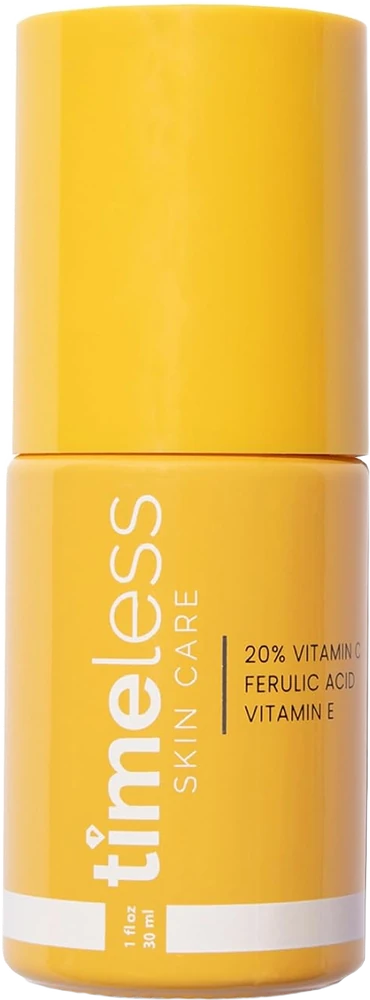 02
02Timeless 20% Vitamin C + E Ferulic
Timeless is the serum that broke the price of the CE Ferulic formula, and it remains the value benchmark of the whole category.
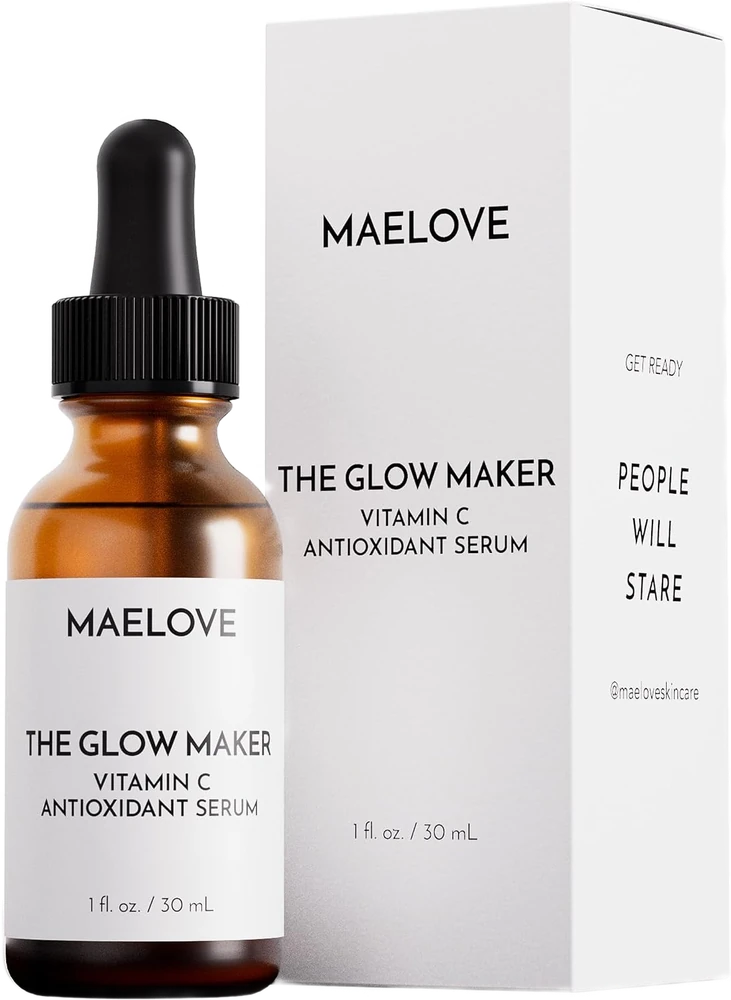 03
03Maelove Glow Maker
Maelove is the pick for the buyer who wants the studied formula, a nicer daily experience than a bare-bones dupe, and doesn't want to think too hard about it.
Quick Answers
Is SkinCeuticals C E Ferulic worth $185 when dupes exist?
It depends on whether you value the patent and pedigree over price. The Timeless #2 and Maelove #3 dupes carry the same three actives — L-ascorbic acid, vitamin E, ferulic acid — for a fraction of the cost, and score within half a point of it here. What you pay extra for is the patented formulation, the quality control, and the amber-glass packaging. For most buyers a dupe is the smarter spend; for those who want the exact reference bottle with budget no object, this is it.
Will it sting my skin?
It can if your skin is thin, sensitive, or rosacea-prone — this is a 15% L-ascorbic acid at a low pH (<3.5), the potent, most-studied form, and potency and irritation travel together. It is a resilient-skin pick. Patch-test first, start every other morning, and if you sting, drop to a gentler derivative like Mad Hippie (#6). Never treat concentration as a virtue your skin can't tolerate.
How do I know if it has gone off?
Watch the color. Fresh, it is near-clear to pale straw; as the L-ascorbic acid oxidizes it turns yellow, then orange, then brown, and a browning serum is an expired serum no matter what it cost. Store it away from light, keep the cap sealed, and use it consistently. The amber glass slows light-driven oxidation but the dropper still lets air in with each use.
Do I still need sunscreen with it?
Yes — always. Vitamin C is a daytime antioxidant that boosts what your sunscreen does by neutralizing free radicals UV generates; it is not a substitute for SPF and provides no meaningful UV filtering on its own. Apply the serum in the morning, let it absorb, then layer sunscreen over it.
Sources & Further Reading
3 peer-reviewed sources, each linked to PubMed
- [1] Lin 2005 PMID 16185284 — Ferulic acid stabilizes a solution of vitamins C and E and doubles its photoprotection of skin. Adding 0.5% ferulic acid to 15% L-ascorbic acid + 1% alpha-tocopherol stabilized the solution and roughly doubled its UV photoprotection versus the vitamins alone — the foundational study behind this exact CE Ferulic formula.
- [2] Pinnell 2001 PMID 11207686 — Topical L-ascorbic acid: percutaneous absorption studies. Skin absorption of topical vitamin C requires L-ascorbic acid formulated at a low pH (below ~3.5), with maximal absorption near 20%. Validates ranking this serum's 15% low-pH LAA as the potent, bioavailable form.
- [3] Stamford 2012 PMID 23174055 — Stability, transdermal penetration, and cutaneous effects of ascorbic acid and its derivatives. Reviews the instability of L-ascorbic acid on exposure to light, air, and moisture — the basis for treating oxidation-resistant packaging (here, amber glass) as a real scoring axis rather than a footnote.
Affiliate disclosure: every Amazon link uses our Associates tag (superachieverclub-20). We earn a small commission at no cost to you; it funds independent reviews. We never accept payment to change a ranking.