
Top 8 Best Mouth Tape for Sleep (2026)
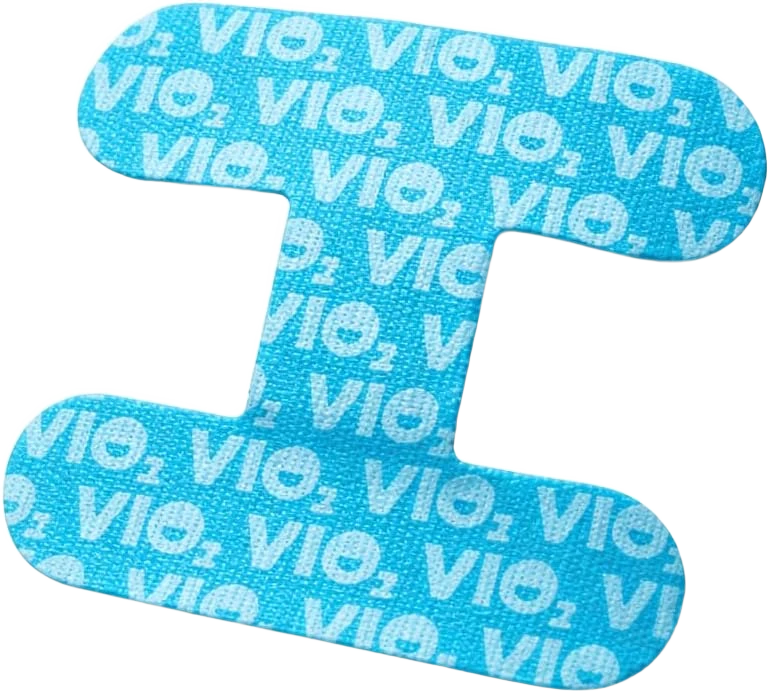 01 · Best overall✓ Product photos checked Oct 1, 2026
Best overall: VIO2 Pre-Cut Patented Training Strips (48 Count, PFAS Free, Made in the USA)
A doctor-created partial-coverage tape with a deliberate airflow gap — the safest-feeling, most comfortable all-rounder, on a gentle hypoallergenic adhesive.
~$22
Why it wins: all five scores, pros & cons, full label
- Partial-coverage design leaves a deliberate airflow gap — you're never fully sealed, the safest feel here
- Doctor-created (dentist + parent), made in the USA with hypoallergenic medical-grade adhesive
- Breathable cotton fabric, PFAS-free; gentle on skin and removes cleanly
- Two ways to wear to fit different face shapes — less claustrophobic than a full strip
- Partial coverage may feel like 'not enough' to people who specifically want a full lip seal
- Mid-pack pricing — costs more per strip than plain DIY surgical tape
- Design
- Partial-coverage — airflow gap, not a full seal
- Adhesive
- Hypoallergenic medical-grade, PFAS-free
- Fabric
- Breathable cotton
- Pack
- 48 pre-cut strips (48 count)

Our take — For a suitable candidate, this is the one we'd reach for. It's the safest-feeling design here — partial coverage with a built-in airflow gap, so your mouth is never fully sealed — paired with a gentle hypoallergenic adhesive that holds all night and peels off cleanly. Doctor-created and PFAS-free, it balances skin-safety, comfort, and a sensible safety design better than anything else on the list. As always: only with a clear nose, no sleep apnea, and no sedatives.
 02
 03
 04
 05
 06
 07
 08
Who Wins Which Aspect
Sorted by overall SAC Product Score™ — the official ranking.
| # | Pick | Score | Adhesive safety & skin-friendliness30% | Secure all-night hold25% | Comfort & easy removal20% | Breathability15% | Value10% | Buy |
|---|---|---|---|---|---|---|---|---|
| 01 | | 9.1 | 9.23 | 8.82 | 9.41 | 9.61 | 8.03 | Check price |
| Partial-coverage design leaves a deliberate airflow gap — you're never fully sealed, the safest feel herePartial coverage may feel like 'not enough' to people who specifically want a full lip seal | ||||||||
| 02 | | 8.9 | 9.42 | 8.63 | 9.02 | 9.22 | 7.8 | Check price |
| Surrounds the lips and gently holds them together rather than sealing the mouth — safer and far less claustrophobicThe surround-the-lips format takes a night or two to get used to placing correctly | ||||||||
| 03 | | 8.7 | 9.0 | 7.6 | 9.02 | 8.83 | 9.81 | Check price |
| Hypoallergenic, latex-free, dermatologist-tested — gentle on the skin and easy to removeYou cut and place it yourself, so hold depends on technique | ||||||||
| 04 | | 8.6 | 8.8 | 7.6 | 8.83 | 8.83 | 9.62 | Check price |
| The exact kind of plain hypoallergenic surgical tape clinicians suggest trying first (and used in some research)Hold is modest and entirely down to how you apply it | ||||||||
| 05 | | 8.4 | 8.4 | 8.82 | 8.4 | 8.2 | 7.6 | Check price |
| Purpose-made full-coverage strip with a small central vent so you're not 100% sealedA near-full seal is inherently a bigger safety ask than partial-coverage or surround-the-lips designs | ||||||||
| 06 | | 8.3 | 7.6 | 9.41 | 8.0 | 8.6 | 7.4 | Check price |
| Strongest, most secure hold in the test — engineered to grip around a beardThe extra-strong adhesive is a little less gentle on removal than the standard MyoTape | ||||||||
| 07 | | 8.3 | 9.61 | 7.0 | 8.6 | 7.6 | 7.6 | Check price |
| Gentlest adhesive in the test — silicone tape designed for fragile skin, near pain-free removalThe gentle silicone hold is lighter — it can lift before morning for some sleepers | ||||||||
| 08 | | 8.1 | 8.0 | 8.2 | 7.8 | 8.4 | 7.6 | Check price |
| Opens the nostrils mechanically — addresses the nose-first rule that taping depends onIt is NOT mouth tape — included only because Hostage's actual mouth tape isn't sold on Amazon (it's direct-only) | ||||||||
The Other 7, Ranked
- 02
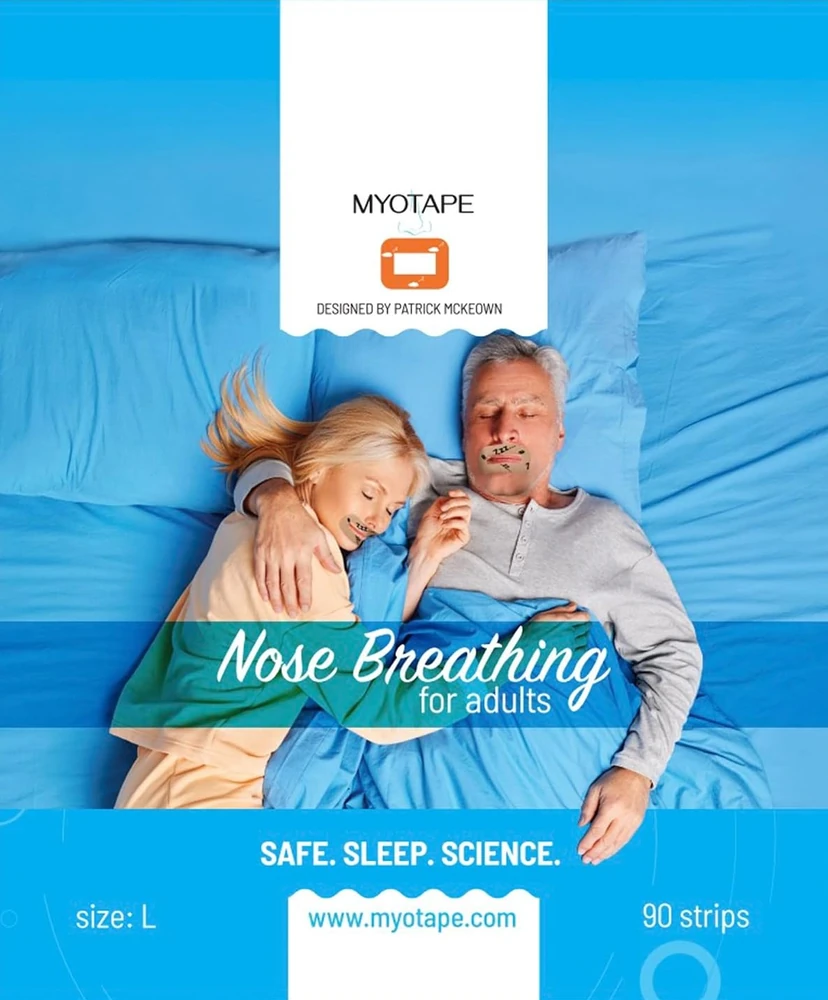
Best gentle / sensitive skin: MyoTape for Adults
8.9SAC Score™Surrounds the lips with a gentle elastic pull instead of sealing them shut — a safer, sensitive-skin-friendly design from breathing educator Patrick McKeown.
StrongestAdhesive safety & skin-friendliness9.42WeakestValue7.8- Design
- Surrounds lips — mouth can still open
- Adhesive
- Gentle hypoallergenic, soft cotton
- Created by
- Patrick McKeown (Oxygen Advantage)
All five scores, pros & cons, full label
What We Like- Surrounds the lips and gently holds them together rather than sealing the mouth — safer and far less claustrophobic
- Soft cotton with a gentle hypoallergenic adhesive — the kindest option here for sensitive skin
- You can open your mouth if you need to, which lowers the worst-case risk
- 90 nights per pack from a well-known breathing educator
What You Live With- The surround-the-lips format takes a night or two to get used to placing correctly
- Doesn't fully seal the lips, which some full-seal seekers won't like
- Pack
- 90 nights
Our take — The gentlest, safest-design pick for sensitive skin and for anyone uneasy about taping their mouth shut. MyoTape surrounds the lips and holds them together with a soft elastic pull, so the mouth can still open in an emergency, and the soft-cotton, hypoallergenic adhesive is kind to reactive skin. It edges just behind the VIO2 overall only because the partial-coverage VIO2 is a touch more comfortable for most — but for sensitive skin, MyoTape is the one. Patch-test first; clear nose, no apnea, no sedatives.
- 03
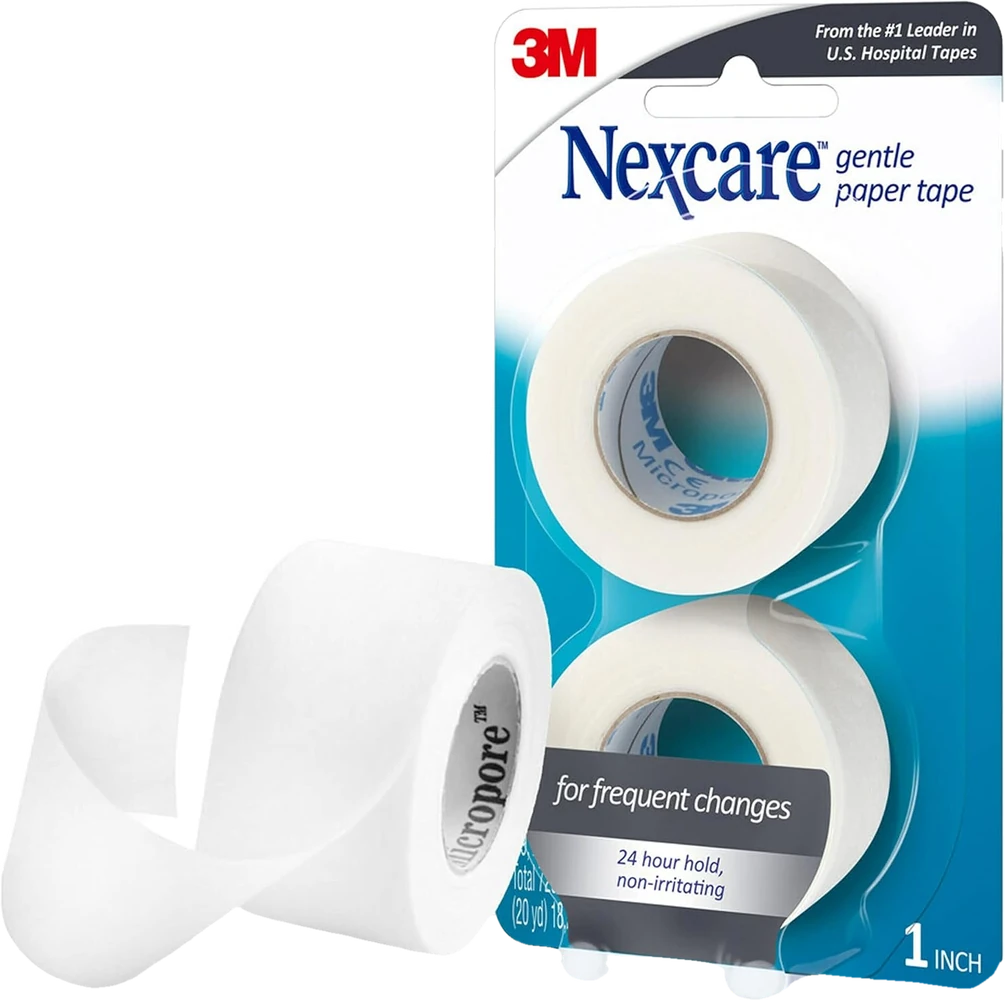
Best budget: Nexcare Gentle Paper Tape (1 in x 10 yds, 2 rolls)
8.7SAC Score™Hypoallergenic, latex-free surgical paper tape — the cheap doctor-DIY route — at pennies per night, applied as a small strip.
StrongestValue9.81WeakestSecure all-night hold7.6- Type
- Hypoallergenic paper tape (cut to size)
- Adhesive
- Gentle, latex-free, lifts away cleanly
- Size
- 1 in x 10 yds — 2 rolls
All five scores, pros & cons, full label
What We Like- Hypoallergenic, latex-free, dermatologist-tested — gentle on the skin and easy to remove
- The inexpensive doctor-DIY route many clinicians suggest trying first
- Two rolls last for months — a few cents per night
- Breathable paper; cut exactly as much as you want, so you're never over-sealed
What You Live With- You cut and place it yourself, so hold depends on technique
- Plain tape is less elegant than a purpose-made strip and can wrinkle
- Use
- Apply a small strip, never a wide seal
Our take — The smartest cheap way to test whether mouth taping does anything for you, and gentle enough to lead the budget tier on its own merits. Nexcare's hypoallergenic paper tape lifts away cleanly, breathes well, and costs almost nothing per use — exactly the doctor-recommended DIY approach. Apply a SMALL strip (vertical or a short horizontal piece), never a wide seal, and confirm it peels off instantly. Same rules as everything here: clear nose, no apnea, no sedatives.
- 04
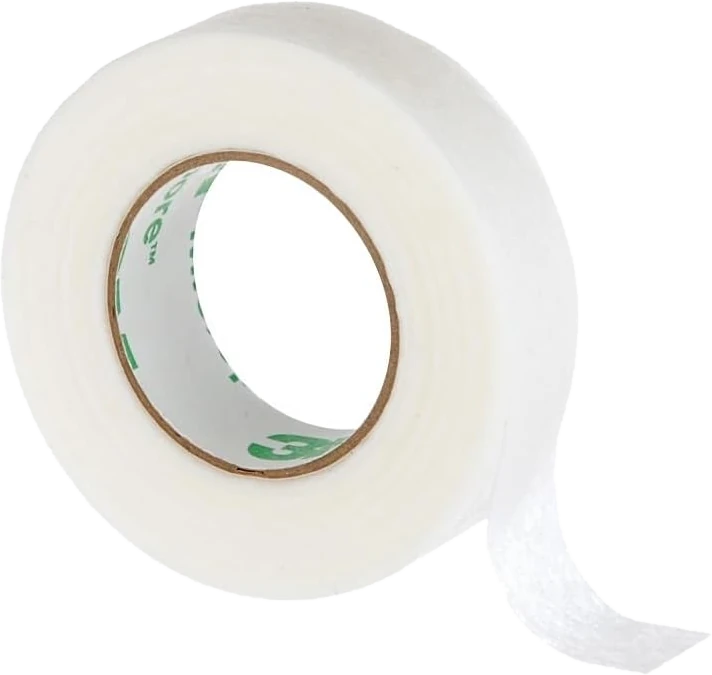
Best DIY (doctor-recommended): 3M Micropore Paper Tape (1/2 in, 1 roll)
8.6SAC Score™The classic clinician-suggested DIY tape — a narrow 1/2-inch roll of gentle, breathable surgical paper tape that lasts for months.
StrongestValue9.62WeakestSecure all-night hold7.6- Type
- Hypoallergenic surgical paper tape
- Width
- 1/2 in — narrow, ideal for a small strip
- Adhesive
- Gentle, latex-free, breathable
All five scores, pros & cons, full label
What We Like- The exact kind of plain hypoallergenic surgical tape clinicians suggest trying first (and used in some research)
- Narrow 1/2-inch width is perfect for a single small strip — you can't easily over-seal
- Very porous and breathable, latex-free, gentle to fragile skin
- A single roll costs a few dollars and lasts months
What You Live With- Hold is modest and entirely down to how you apply it
- No mouth-tape branding or shaping — it's literally medical tape (which is the point)
- Use
- Apply a small piece, never a full seal
Our take — If you want the most honest, lowest-cost way to try the idea, this is it — and it's what a lot of doctors actually recommend. The narrow 1/2-inch Micropore roll is gentle, breathable, latex-free, and cheap, and the slim width nudges you toward a small strip rather than a full seal. Hold is technique-dependent and modest, which is why it sits just behind the Nexcare 2-roll on value-per-night, but as a DIY starter it's excellent. Small piece only; clear nose, no apnea, no sedatives.
- 05
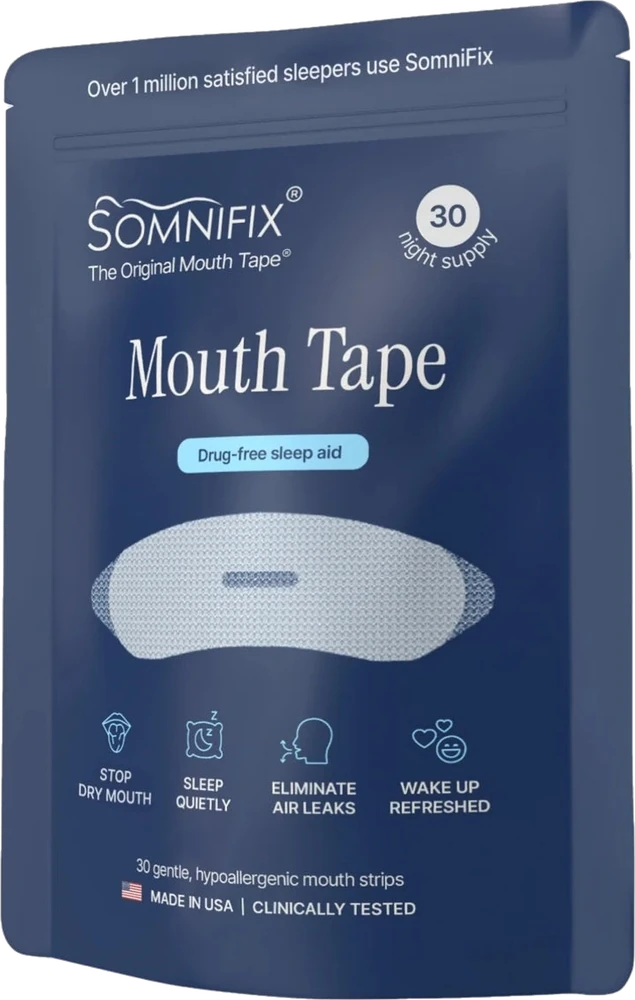
Best full-seal strip: SomniFix Sleep Strips
8.4SAC Score™The best-known purpose-made full-coverage strip, with a small central breathing vent and a gentle adhesive — for people who want an actual lip seal.
StrongestSecure all-night hold8.82WeakestValue7.6- Design
- Full-coverage strip with central breathing vent
- Adhesive
- Gentle, designed for lips
- Pack
- 28 strips
Check price on Amazon~$25 (28 strips)All five scores, pros & cons, full label
What We Like- Purpose-made full-coverage strip with a small central vent so you're not 100% sealed
- Gentle, lip-specific adhesive that's more comfortable than generic tape for many
- Contoured mouth shape applies easily and stays put through the night
- The most recognized dedicated sleep-strip brand
What You Live With- A near-full seal is inherently a bigger safety ask than partial-coverage or surround-the-lips designs
- Pricier per night than DIY paper tape, with fewer strips per pack
- No longer sold on Amazon as of October 2026 — the link searches Amazon
- Shape
- Contoured to the mouth
Our take — If you specifically want a proper full-coverage strip rather than a surround-the-lips or DIY approach, SomniFix is the best of that type: a contoured, lip-shaped strip with a small central vent and a gentle adhesive. It holds well and is comfortable for most. We rank it below the partial-coverage and surround-the-lips picks because a near-full seal is a larger safety ask — so it's doubly important here that your nose is clear, you don't have apnea, and you've had no alcohol or sedatives.
- 06
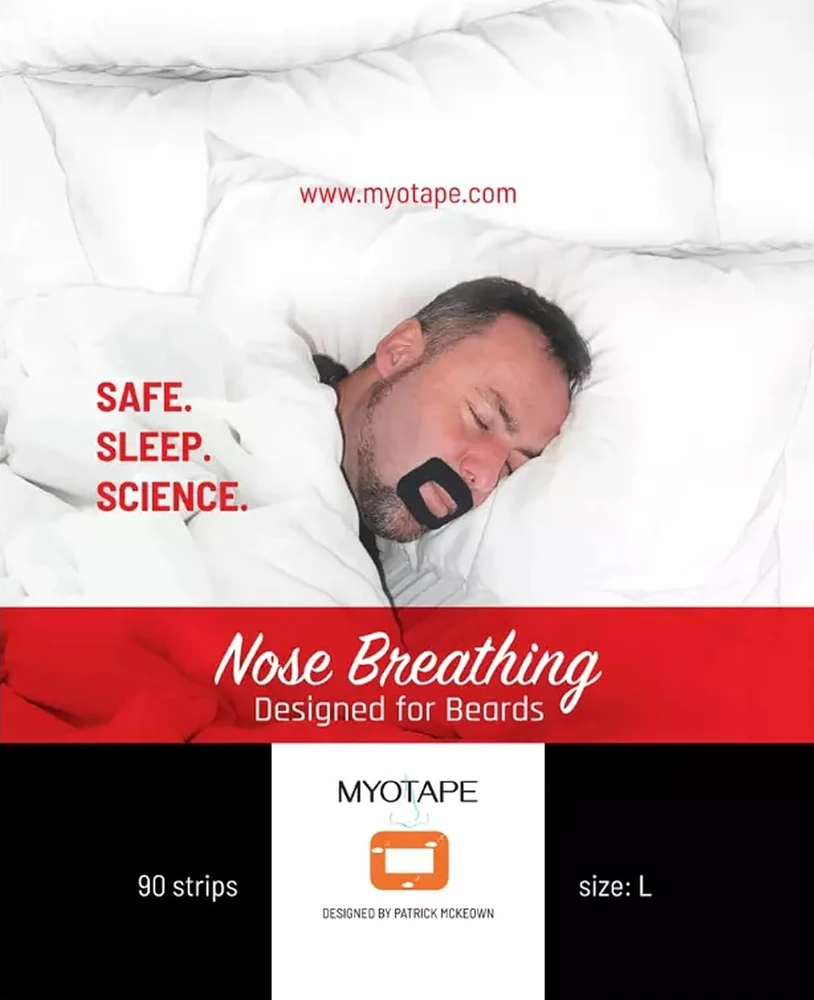
Best hold / for beards: MyoTape for Beards (Extra-Strong)
8.3SAC Score™The strongest hold here — an extra-strong adhesive built to grip around facial hair, in the same safer surround-the-lips design that still lets your mouth open.
StrongestSecure all-night hold9.41WeakestValue7.4- Design
- Surrounds lips — extra-strong adhesive
- Built for
- Beards / facial hair / strong grip
- Safety
- Mouth can still open in an emergency
All five scores, pros & cons, full label
What We Like- Strongest, most secure hold in the test — engineered to grip around a beard
- Keeps the safer surround-the-lips design: it doesn't fully seal the mouth shut
- Soft fabric base; 90 nights per pack
- The right pick for side-sleepers and bearded sleepers who find other tapes slip
What You Live With- The extra-strong adhesive is a little less gentle on removal than the standard MyoTape
- Overkill for anyone without facial hair or slippage problems
- Pack
- 90 nights
Our take — When hold is the priority — a beard, facial hair, or other tapes sliding off in the night — this is the answer, and it gets there without giving up the safer surround-the-lips design. The extra-strong adhesive grips around facial hair and stays put, while still letting the mouth open if needed. It ranks below the standard MyoTape only because the stronger adhesive is marginally less gentle on removal. Bearded mouth-breathers with a clear nose and no apnea: this is your pick.
- 07
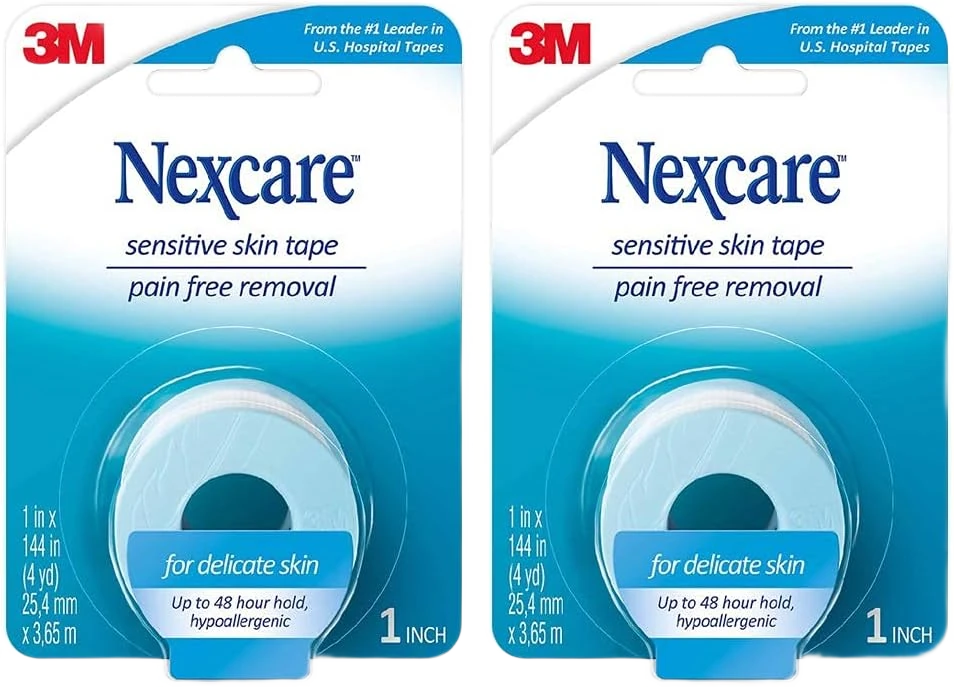
Best for very sensitive skin: Nexcare Sensitive Skin Tape (silicone, 2 ct)
8.3SAC Score™The gentlest adhesive here — a hospital-grade silicone tape made for fragile skin, with the most pain-free removal, for the most reactive sleepers.
StrongestAdhesive safety & skin-friendliness9.61WeakestSecure all-night hold7.0- Adhesive
- Gentle silicone — the same kind used in hospitals
- Skin
- For fragile / very sensitive skin
- Removal
- Pain-free, minimal residue, repositionable
Check price on Amazon~$9 (2 rolls)All five scores, pros & cons, full label
What We Like- Gentlest adhesive in the test — silicone tape designed for fragile skin, near pain-free removal
- Repositionable without losing stick; hypoallergenic, latex-free, water-resistant
- The right call for eczema-prone or highly reactive skin around the mouth
- Cut a small strip; a single roll lasts a long time
What You Live With- The gentle silicone hold is lighter — it can lift before morning for some sleepers
- Shorter rolls (4 yds) than the standard paper tapes
- Size
- 1 in x 4 yds — 2 rolls
Our take — When skin reactivity is the real constraint — eczema around the mouth, allergies to standard adhesives, or skin that reddens with paper tape — this hospital-grade silicone tape is the gentlest option here, with the most forgiving, pain-free removal. The trade-off is a lighter hold, which is why it sits mid-pack overall despite topping the skin-safety score. Cut a small piece and patch-test as always; clear nose, no apnea, no sedatives.
- 08
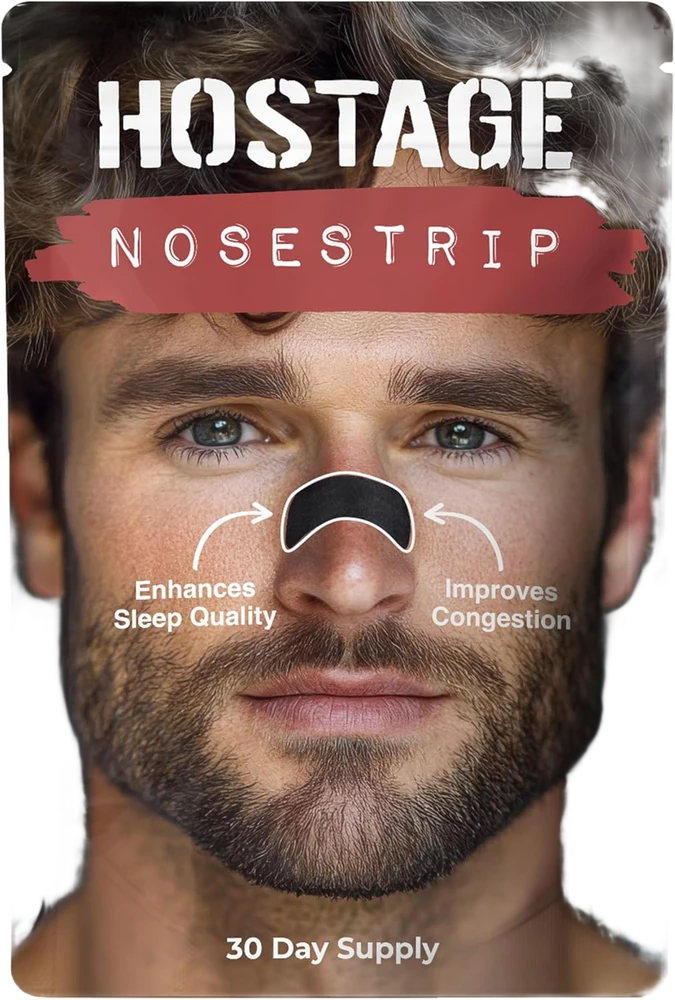
Best paired nasal strip (clear the nose first): Hostage Tape Nose Strips
8.1SAC Score™Not a mouth tape — an extra-strength NASAL strip that mechanically opens the nostrils, the right thing to clear airflow BEFORE (or instead of) taping.
StrongestBreathability8.4WeakestValue7.6- Type
- NASAL strip (worn on the nose, not the mouth)
- Action
- Mechanically widens the nostrils
- Use here
- Clear nasal airflow before considering taping
Check price on Amazon~$25 (30 ct)All five scores, pros & cons, full label
What We Like- Opens the nostrils mechanically — addresses the nose-first rule that taping depends on
- Extra-strength hold; a sensible standalone snore aid for mild nasal-driven snoring
- Non-invasive and removable; pairs logically with any taping experiment
- From a widely recognized brand in this category
What You Live With- It is NOT mouth tape — included only because Hostage's actual mouth tape isn't sold on Amazon (it's direct-only)
- A nasal strip widens nostrils but does NOT fix real congestion, allergies, or a deviated septum
- Pack
- 30 strips
Our take — We're being transparent: this is a NASAL strip, not a mouth tape. It's on the list because Hostage Tape's mouth tape is sold direct-only (hostagetape.com) and isn't on Amazon — and because clearing the nose is the prerequisite for taping in the first place. A nasal strip mechanically opens the nostrils and can help mild, nose-driven snoring on its own or alongside a gentle tape. But it doesn't treat true congestion — and it's never a green light to tape over a blocked nose or untreated apnea. Treat the nose properly first, with a doctor if needed.
The Guide In Four Short Lessons
What the evidence actually shows (and doesn't)
- n=20
- Patients in the Lee 2022 mild-OSA mouth-taping study — small and preliminary
- Limited
- 2025 systematic review: evidence does NOT support taping as an OSA treatment
- Nose-clear
- Studies enrolled only people who could already breathe through the nose
- Risk
- Asphyxiation risk if the nose is blocked — why we lead with the warning
Sources: Lee YC et al. Healthcare (Basel) 2022 (PMID 36141367); Huang TW, Young TH. Otolaryngol Head Neck Surg 2015 (PMID 25450408); Rhee J et al. PLoS One 2025, systematic review (PMID 40397877).
Do not tape if you snore loudly, have a blocked nose or have been drinking.
With untreated or suspected sleep apnea, nasal congestion, alcohol or sedatives, sealing the mouth can restrict your airway. See a doctor first.
Choose the gentlest adhesive.
The tape sits on your lips for eight hours, so adhesive safety and skin-friendliness lead our score at 30%. Aggressive adhesives are penalized.
Expect a small nudge at most.
The studies are tiny, and a 2025 systematic review judged them low-quality and warned of asphyxiation risk with nasal obstruction. Tape is not a treatment for snoring or apnea.
Evidence base: Lee 2022 (PMID 36141367), Huang 2015 (PMID 25450408), Rhee 2025 systematic review (PMID 40397877) — full scoring in the methodology below.
Each pick was scored 0-10 across five criteria, then weighted to a final composite. Adhesive safety and skin-friendliness carries the most weight — 30% — because the tape sits on the lips and the delicate skin around the mouth for roughly eight hours a night. Gentle, hypoallergenic, low-irritation adhesives that lift off cleanly score highest; aggressive adhesives that tug skin, cause redness, or leave residue are penalized, no matter how well they hold. Next is secure all-night hold (25%) — a tape that pops off at 2am does nothing — followed by comfort and easy removal (20%), because a tape has to be tolerable to wear and, critically, removable in a second. Breathability and safety design (15%) rewards tapes you can still breathe or speak past and 'surround the lips' or partial-coverage designs that don't fully seal the mouth shut — a genuine safety advantage. Value (10%) is the tie-breaker. We do not overstate the evidence: the clinical literature is small and low-quality, and we say so throughout rather than inventing benefits. We also flag honestly where a product is a nasal strip rather than a mouth tape.
Adhesive safety & skin-friendliness · 30%
The most important factor. The adhesive is on delicate lip and perioral skin all night, so hypoallergenic, gentle, low-irritation formulas (soft cotton, silicone, or sensitive-skin paper adhesives) score highest. Anything that risks redness, peeling, residue, or painful removal is penalized. Sensitive-skin and surround-the-lips options lead here.
Secure all-night hold · 25%
Does it actually stay put for a full night, including for side-sleepers and people with facial hair? Tapes engineered to hold (or to grip around a beard) score well; tapes that peel off in a few hours score lower. Hold is weighed AFTER skin-safety on purpose — a punishing adhesive that holds forever is still a poor choice.
Comfort & easy removal · 20%
How tolerable it is to wear, and how cleanly it comes off. Designs that feel less claustrophobic and peel away without yanking skin or hair score highest. Easy removal is also a safety property — you must be able to take it off instantly — so it's weighted heavily.
Breathability / safety design · 15%
Can you still breathe or speak past it, and does the design avoid a full mouth seal? Breathable fabrics, partial-coverage tapes with an airflow gap, and surround-the-lips designs that let the mouth open in an emergency score highest. A dense full seal scores lower on this safety-oriented axis.
Value (price) · 10%
Cost per night for the design and materials delivered. Tie-breaker — the first four criteria do most of the ranking. A cheap, gentle paper tape can score very well on value, but value alone doesn't crown a #1; the best pick leads on safety and comfort first.

What mouth tape does — and what it can't do
- 1
It nudges you toward nasal breathing
By gently keeping the lips together (or surrounding them), tape biases a habitual mouth-breather toward breathing through the nose, which humidifies and filters air. For a suitable person with a clear nose, this may reduce dry mouth and a mild snore.
- 2
It does NOT open the airway or treat apnea
Tape does nothing for a collapsing airway, anatomy, or true nasal blockage. Over untreated sleep apnea it can mask a serious problem and may be harmful. It is a habit aid, not a medical device — proven treatments come first.
- 3
Safety depends on a clear nose and easy removal
The whole approach rests on two things: you can breathe through your nose, and you can remove the tape instantly. Lose either — a blocked nose, sedation, or a tape you can't peel off — and the safety margin disappears. That's why we lead with the warning.
What to expect if you try it (the right way)
Confirm it's tolerable
Wear it 15-30 minutes awake. You should breathe easily through your nose, stay calm, and be able to remove it in a second. If sealing your mouth feels panicky, stop here.
Adjust and observe
Expect it to feel novel. Some people notice less dry mouth on waking. If the tape is off in the morning, that's the safety mechanism — not a failure.
Decide honestly
If you wake less dry, feel a bit fresher, and your skin is fine, it may be a keeper. If you get irritation, congestion, anxiety, or no change, stop. And if loud snoring or exhaustion persists, see a doctor about sleep apnea.
The bottom line
VIO2 Pre-Cut Training Strips (#1) is the pick — because it never fully seals your mouth.
A doctor-created design with a built-in airflow gap instead of a full seal, on a gentle hypoallergenic adhesive that holds all night and peels off cleanly. It scores 9.1/10 at ~$22 for 48 strips. As always: only with a clear nose, no sleep apnea, and no sedatives.
Sensitive skin goes MyoTape (#2); the cheapest doctor-suggested route is plain paper tape (#3–#4).
MyoTape for Adults (#2) surrounds the lips instead of sealing them, on soft cotton — the gentlest design for reactive skin or anyone nervous about a full seal. The DIY route doctors actually suggest is hypoallergenic surgical paper tape — Nexcare (#3) or 3M Micropore (#4) — applied as a small strip. SomniFix (#5) is the best full-seal strip, MyoTape for Beards (#6) holds through facial hair, and #8 is honestly a Hostage nasal strip, not a mouth tape.
Three rules matter more than which tape you buy: safe candidate, gentle and small, honest expectations.
Be a safe candidate — clear nose, no apnea signs, no sedatives, and a tape you can remove in a second. Go gentle and small: hypoallergenic adhesive, a small strip rather than a wide seal, patch-tested first. Treat any benefit as modest and unproven, and if loud snoring or daytime exhaustion persists, get assessed for sleep apnea instead of taping over it.
Quick Answers
Is mouth taping safe? Who should NOT do it?
For the right person — a habitual mouth-breather with clear nasal passages — a small piece of gentle tape is generally low-risk. But it is NOT safe for everyone, and this is the most important thing on this page. Do NOT use mouth tape if you have or suspect untreated obstructive sleep apnea (loud snoring, gasping, witnessed breathing pauses, or daytime exhaustion), if you have significant nasal congestion or a blocked nose, or after drinking alcohol or taking sedatives. In those situations, sealing the mouth can be dangerous — it can worsen apnea or, with a blocked nose, restrict airflow. Talk to a doctor before trying it, especially if you snore. Mouth tape is a minor aid to encourage nasal breathing, not a treatment for snoring or sleep apnea.
Does mouth taping actually work? What does the science say?
Honestly: the evidence is small and limited. The two most-cited primary studies are tiny and preliminary — Lee et al. 2022 (Healthcare) used mouth tape in just 20 people with MILD obstructive sleep apnea, and Huang & Young 2015 was a 30-person pilot with no control group. Crucially, both enrolled only people who could already breathe through the nose. A 2025 systematic review (Rhee et al., PLOS One) looked across the available studies, judged them low-quality, concluded the data do NOT support mouth taping as a treatment for obstructive sleep apnea, and warned of asphyxiation risk for anyone with nasal obstruction. So: any benefit for a suitable mouth-breather is plausibly modest, and it is unproven. Don't expect a cure, and don't use it to self-treat apnea or snoring.
Can mouth tape cure snoring or sleep apnea?
No — and treating it as a cure is the dangerous mistake. Snoring and sleep apnea have many causes (airway anatomy, weight, alcohol, nasal obstruction, the tongue falling back), and a piece of tape over the lips doesn't address most of them. Worse, taping the mouth shut over untreated sleep apnea can mask a serious condition and may be harmful. If you snore loudly, gasp or choke in your sleep, or wake up unrefreshed, see a doctor and get assessed for sleep apnea. Proven treatments (CPAP, oral appliances, weight and alcohol changes, treating the nose) come first; tape is not a substitute.
What's the safest mouth tape design?
A design that doesn't fully seal your mouth shut is the safer default. 'Surround the lips' tapes like MyoTape sit around the mouth and gently hold the lips together with an elastic pull, so you can still open your mouth if you need to. Partial-coverage tapes like VIO2 leave a deliberate airflow gap. Both reduce the trapped, claustrophobic feeling of a full seal and lower the worst-case risk. If you use a full-strip tape or DIY surgical tape, apply only a small piece — you do not need to plaster your whole mouth — and make sure you can peel it off in a second.
Is plain surgical paper tape (like 3M Micropore) a good DIY option?
Yes — a small strip of plain hypoallergenic surgical paper tape (3M Micropore or Nexcare) is exactly what many clinicians suggest people try first, and it's what was used in some of the research. It's inexpensive, gentle, latex-free, and breathable, and a single roll lasts for months. The key is to use a small piece placed vertically or as a short horizontal strip — not a wide seal across the whole mouth — and to make sure it lifts off easily. All the same safety rules apply: clear nose only, no apnea, no sedatives.
My nose is blocked — should I tape my mouth to force nasal breathing?
No. This is one of the riskiest things you can do with mouth tape. If your nose is congested or blocked, sealing your mouth removes your backup airway — that's the asphyxiation scenario the safety reviews warn about. Treat the nose first: saline rinses, allergy management, and a doctor's input on structural issues like a deviated septum. A nasal strip can mechanically widen the nostrils a little and is a reasonable thing to pair with nose-clearing, but it does not fix true congestion. Only consider mouth tape once you can comfortably breathe through your nose lying down.
Will mouth tape irritate my skin or my lips?
It can, which is why we weight adhesive gentleness most heavily. The skin around the mouth and the lips themselves are delicate, and an aggressive adhesive can cause redness, irritation, or peeling, or leave residue. Choose a hypoallergenic, low-irritation option (MyoTape and Nexcare Sensitive Skin are the gentlest picks here), patch-test on your forearm for a few hours first, and stop if you get any reaction. People with very sensitive skin, eczema around the mouth, or facial-hair tugging concerns should start with a lip-surrounding design or a small piece of sensitive-skin tape rather than a full-coverage strip.
How do I try mouth tape for the first time?
Confirm you're a candidate (clear nose, no apnea, no sedatives), then start gentle and small. Patch-test the adhesive on your inner forearm first. Next, wear the tape for 15-30 minutes awake in the evening to confirm you can breathe easily through your nose, remove it instantly, and stay calm. Only then try it overnight, ideally a lighter or partial-coverage version to begin. Give it a week or two, but treat it as an experiment: if you get irritation, anxiety, congestion, or no benefit, stop. And never let mouth tape delay getting real help for loud snoring or daytime exhaustion.
Every Claim Ranked Above Traces Back To One Of These
3 peer-reviewed sources, each linked to PubMed
- [1] Lee 2022 (PMID to verify) PMID 36141367 — The Impact of Mouth-Taping in Mouth-Breathers with Mild Obstructive Sleep Apnea: A Preliminary Study. Small preliminary study (n=20) of mouth-breathers with MILD obstructive sleep apnea who tolerated mouth sealing with hypoallergenic tape. Snoring index, apnea-hypopnea index, and oxygen desaturation index decreased. Tiny, single-center, and limited to people who could already breathe through the nose — hypothesis-generating, not proof. PMID to verify.
- [2] Huang 2015 (PMID to verify) PMID 25450408 — Novel porous oral patches for patients with mild obstructive sleep apnea and mouth breathing: a pilot study. Pilot study (n=30) of a porous oral patch (a mouth-taping analogue) in mild OSA with habitual mouth breathing; AHI and snoring improved in some participants. No control group, single institution — the authors note safety and efficacy cannot be established from it. PMID to verify.
- [3] Rhee 2025 (PMID to verify) PMID 40397877 — Breaking social media fads and uncovering the safety and efficacy of mouth taping in patients with mouth breathing, sleep disordered breathing, or obstructive sleep apnea: A systematic review. Systematic review of the available mouth-taping studies. Judged the evidence low-quality, concluded the data do NOT support mouth taping as a treatment for obstructive sleep apnea, and warned of asphyxiation risk for individuals with nasal obstruction. This is the citation behind our safety-first framing. PMID to verify.
Affiliate disclosure: every Amazon link uses our Associates tag (superachieverclub-20). We earn a small commission at no cost to you; it funds independent reviews. We never accept payment to change a ranking.