
Nexcare Gentle Paper Tape (1 in x 10 yds, 2 rolls) Review
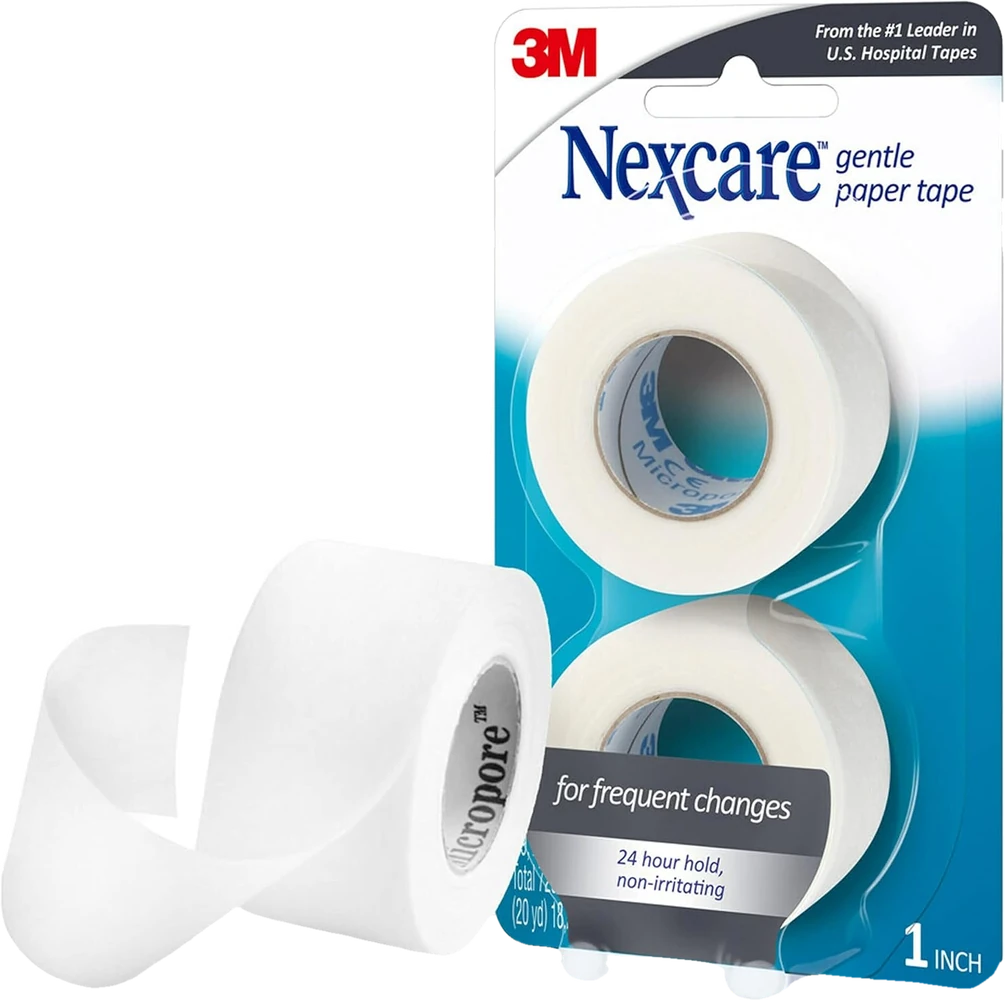 #3 of 8 · Best budget✓ Product photos checked Sep 7, 2026
Real retailer photo, cut out. Label unedited.
Buy it. The doctor-DIY route: hypoallergenic surgical paper tape at pennies a night. Two 10-yard rolls of 3M's hypoallergenic, latex-free, dermatologist-tested paper tape — the gentle-removal hospital classic — for about $8.
~$8 (2 rolls)
Why It Scores 8.7 — And The Label Line Behind Each Number
Adhesive safety & skin-friendliness
30% of scoreHypoallergenic, latex-free, and dermatologist-tested per the listing — this is medical tape designed for repeated use on healing skin, which is a higher bar than most consumer mouth tapes ever face. On our most-weighted axis it sits just behind the soft-cotton MyoTape and the silicone Nexcare Sensitive Skin roll, and comfortably ahead of aggressive branded adhesives. Patch-test regardless — lips and perioral skin are delicate.
- Adhesive
- Gentle, latex-free, dermatologist-tested — lifts away gently
- Safety scope
- Only for habitual mouth-breathers with clear nasal passages — never with untreated OSA, congestion, alcohol, or sedatives
Secure all-night hold
25% of scoreThe honest weak point, and an accepted trade. This adhesive is engineered to secure and then lift away gently, not to grip like a beard tape. On clean dry lips a well-pressed small strip lasts the night for most sleepers; balm, oil, stubble, or heavy tossing will loosen it. Waking with the tape off is the safety margin doing its job — but it caps the hold score below every purpose-made pick.
Comfort & easy removal
20% of scoreFeather-light to wear and the best removal experience of the paper tapes: it lifts away gently with minimal discomfort and no residue worth mentioning — the product's entire design brief. Instant painless removal is also a safety property in this category, and nothing here passes more easily. The only comfort ding: plain flat tape can wrinkle at the lip line if applied carelessly.
Breathability / safety design
15% of scoreBreathable, non-irritating paper by construction, and the DIY format has a hidden safety virtue: you decide the coverage. A one-inch strip in the center of the lips leaves the corners of the mouth free — closer in spirit to a partial-coverage design than to a full seal. That discipline is on you, though: the material would let you over-tape, so the rule is absolute — small strip, never a wide seal.
Value
10% of scoreUnbeatable in the category: two 10-yard rolls yield literal hundreds of inch-and-a-half strips, putting the per-night cost at a few cents — versus ~$0.28-0.90 for branded tapes. The near-perfect score reflects that you're getting the top-tier gentle adhesive class, not a no-name roll, at commodity pricing. Value is our tie-breaker criterion, and this pick breaks every tie.
- Size
- 1 in x 10 yds per roll — 2 rolls
- Price
- ~$8 for 2 rolls → a few cents per night
- More Specs
- Type
- Hypoallergenic medical paper tape (hospital class: 3M Micropore)
- Handling
- Tears easily by hand in both directions; adheres to wet skin per listing
- Use for taping
- Cut a SMALL strip (vertical or short horizontal) — never a wide seal
Photos checked.This product has no Supplement Facts panel; the retailer's listing photos were reviewed Sep 7, 2026.
Marketing Claims Vs. Reality
Gentle adhesive that can be easily removed for minimal discomfort.
This is the product's design brief and it delivers: the listing positions the tape as securing dressings and lifting away gently, it's dermatologist-tested, and gentle removal is exactly the behaviour that makes it suitable for nightly use on lip-adjacent skin. The flip side — moderate hold — is the honest cost of that gentleness.
Hypoallergenic and not made with natural rubber latex.
Stated directly on the listing (dermatologist-tested, hypoallergenic medical adhesive tape, not made with natural rubber latex). For a product whose adhesive sits on delicate perioral skin for ~8 hours a night, this is the spec that matters most, and it's why a wound-care tape outranks most purpose-made mouth tapes on our skin-safety axis.
Breathable and non-irritating against the skin.
Porous paper construction, stated on the listing and consistent with the Micropore material class this tape belongs to. Breathability is a comfort and skin-health property here — moisture isn't trapped under the strip overnight.
Works as a mouth tape for better sleep.
3M does not market this as a mouth tape — the sleep application is ours, borrowed from the clinician-suggested DIY practice, so we fact-check the practice rather than the label. For a habitual mouth-breather with a clear nose, a small gentle strip may reduce dry mouth and mild snoring (Lee 2022, PMID 36141367; Huang 2015, PMID 25450408 — tiny, preliminary studies). A 2025 systematic review (PMID 40397877) found the evidence does not support taping as a sleep-apnea treatment. Modest, unproven habit aid — nothing more.
What Our Test Actually Found
The DIY route is the honest floor price of the whole category
Every branded mouth tape is, at bottom, gentle skin-safe adhesive plus geometry. Nexcare's roll gives you the first ingredient at commodity price and lets you improvise the second with scissors. That makes it the perfect first purchase: for about $8 you learn whether you tolerate lip taping at all, whether you're a nasal-breathing candidate, and whether the benefit (less dry mouth, quieter mild snore) shows up for you — before spending $22-25 on shaped products. If the experiment works and you want better hold or safer geometry, upgrade to the VIO2 or MyoTape with your findings in hand.
Small strip discipline is the entire safety technique
The plain-roll format gives you the freedom to over-apply, so the discipline must be yours: a strip of roughly an inch to an inch and a half, placed vertically across closed lips or as a short horizontal piece in the center of the mouth, corners left free. This keeps the practice closer to a partial-coverage design than a seal — you can part your lips at the edges and strip the tape off in a fraction of a second. A wide seal across the whole mouth adds zero habit-nudging benefit and worsens the worst case. If you can't resist over-taping, buy a shaped product with a built-in airflow gap instead.
Gentle removal is a nightly-use feature, not a luxury
A tape you use once can afford to be aggressive; a tape you use 300 nights a year cannot. Perioral skin is thin, and aggressive adhesives produce cumulative redness, peeling, and irritation within weeks — the failure mode our ranking's top-weighted criterion exists to catch. Nexcare's lift-away-gently adhesive is specifically engineered against that, which is why hospitals use the material class for repeated dressing changes on compromised skin. It's also why we put this ahead of cheaper generic tape rolls that look identical in a photo but strip skin on removal.
What the tape cannot do — and when not to use it
No tape treats snoring or sleep apnea, and this one doesn't claim to — 3M sells it as wound-care tape; the sleep use is an off-label habit trick with a small, low-quality evidence base (the 2025 systematic review is blunt about that). The hard exclusions apply in full: do not tape with untreated or suspected sleep apnea, with a congested or blocked nose, or after alcohol or sedatives — sealing your backup airway is the asphyxiation scenario the review warns about. And if your nose is chronically blocked, the fix is treating the nose (saline, allergy care, a doctor for structural issues) — not more tape.
Full analysis: all pros & cons (9), buy if / skip if
- Cheapest credible way to try mouth taping — two 10-yard rolls, a few cents a night
- Hypoallergenic, latex-free, dermatologist-tested — genuine medical-grade gentleness
- Lifts away gently: the best removal experience of the paper tapes, and instant removal is a safety property
- Breathable paper; you control coverage exactly — cut a small strip, corners free
- Tears by hand, no scissors needed; the hospital-classic material clinicians suggest first
- Hold is moderate and entirely technique-dependent — balm, oil, or stubble defeats it
- No purpose-made shaping, vent, or elastic geometry; plain tape can wrinkle at the lip line
- The format allows over-application — the small-strip rule is on you to follow
- Like all mouth tape: contraindicated with untreated OSA, nasal congestion, alcohol, or sedatives
- You want to test mouth taping as cheaply as possible before committing to branded tape
- You want the plain hypoallergenic surgical tape clinicians actually suggest trying first
- Gentle, painless removal matters — this tape's defining feature is lifting away gently
- You like controlling exactly how much tape you apply (a small strip, cut to size)
- You have or suspect untreated sleep apnea, a congested or blocked nose, or you've had alcohol or sedatives — no tape is safe there; see a doctor
- You want a purpose-made design — the VIO2 (#1) or MyoTape (#2) offer airflow gaps and surround-the-lips geometry
- Your hold requirements are high (beard, restless sleeper) — DIY paper tape loosens; the extra-strong MyoTape for Beards (#6) is built for that
Two 10-yard rolls of 3M's hypoallergenic, latex-free, dermatologist-tested paper tape — the gentle-removal hospital classic — for about $8. Cut a small strip, never a wide seal, and you're running the clinician-suggested version of mouth taping for a few cents a night with the easiest removal in the category. Hold is technique-dependent and it's not a shaped product. Safe candidates only: clear nose, no apnea signs, no alcohol or sedatives.
Nexcare Gentle Paper Tape is our budget pick because it strips mouth taping down to what it actually is: a small piece of gentle, skin-safe tape. This is 3M's hypoallergenic, latex-free medical paper tape — the listing notes it's known in hospitals as Micropore surgical tape — sold as two 1-inch by 10-yard rolls for around $8. That's hundreds of nightly strips at a few cents each, from a dermatologist-tested adhesive whose defining feature is that it lifts away gently. It's the route many clinicians suggest trying first, and it's essentially the material class the small clinical studies used. The honest limits: you're the manufacturing department. Hold depends entirely on how you cut, place, and press the strip, plain tape can wrinkle, and there's no purpose-made shaping, vent, or elastic geometry — you must discipline yourself to a SMALL strip, never a wide seal. And the category rules tower over everything: mouth tape is a minor aid for habitual mouth-breathers with clear nasal passages, the evidence for it is small and low-quality (we say so plainly), and it is dangerous for anyone with untreated sleep apnea or a blocked nose. If you're a safe candidate and want to test the idea for the price of a coffee, this is the smartest first purchase in the category. Here's the breakdown.
The smartest first purchase in the category — buy the experiment, not the marketing.

If you're a safe candidate curious about mouth taping, this is where to start. Nexcare Gentle Paper Tape gives you the exact thing clinicians suggest trying — a small strip of hypoallergenic, latex-free, dermatologist-tested paper tape with famously gentle removal — for about $8 across two rolls that will outlast your experiment by months. It wins our budget slot on merit, not just price: the adhesive class is genuinely top-tier for skin, which is the axis we weight heaviest in a product that sits on your face eight hours a night. Run it honestly: patch-test on your forearm, then a 20-minute awake trial, then a small vertical strip at night — never a wide seal. Expect modest results at best (less dry mouth, maybe a quieter mild snore); the clinical evidence is tiny and a 2025 systematic review says plainly it doesn't support taping as an apnea treatment. If the experiment works and you want better hold or built-in safety geometry, graduate to the VIO2 (#1) or MyoTape (#2). And the non-negotiables stand: clear nose, no untreated or suspected apnea, no alcohol or sedatives — if loud snoring or exhaustion is your problem, see a doctor before you see a checkout page.
If This Doesn’t Fit — Try These
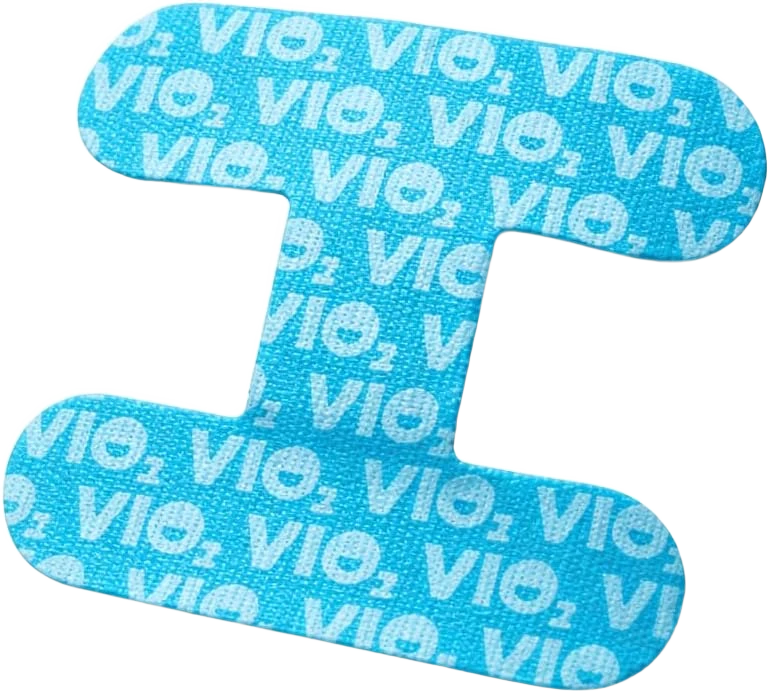 01
VIO2 Training Strips
For a suitable candidate, this is the one we'd reach for.
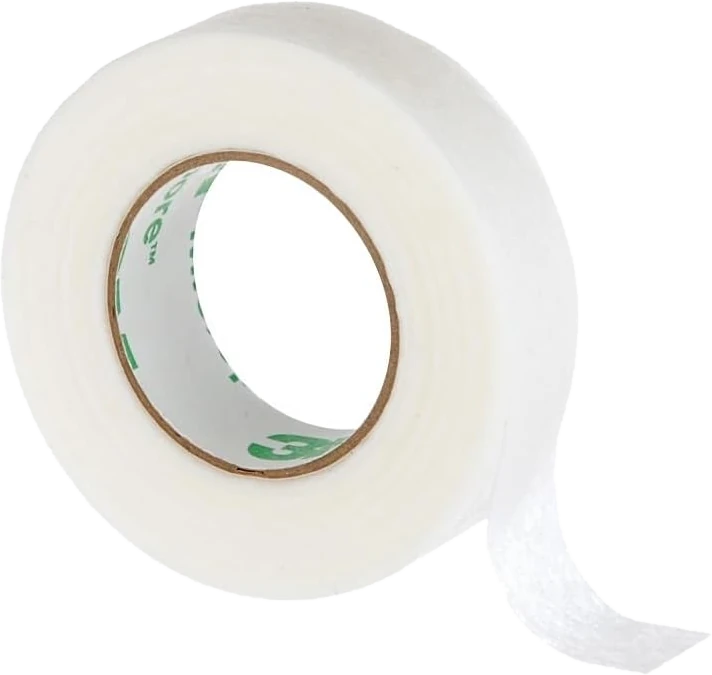 04
3M Micropore Paper Tape
If you want the most honest, lowest-cost way to try the idea, this is it — and it's what a lot of doctors actually recommend.
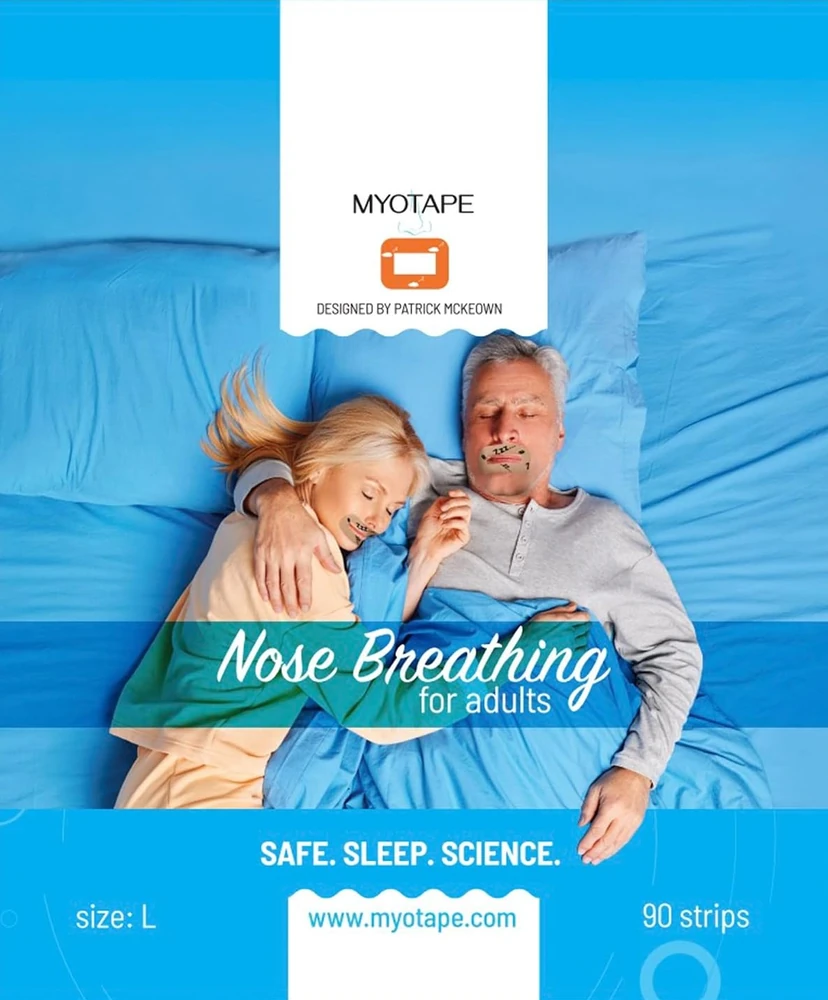 02
MyoTape for Adults
The gentlest, safest-design pick for sensitive skin and for anyone uneasy about taping their mouth shut.
Quick Answers
Is plain medical paper tape really a legitimate mouth-tape option?
Yes — arguably the most legitimate starting point there is. A small strip of hypoallergenic surgical paper tape is what many clinicians suggest people try before buying branded products, and porous, gentle tape of this class is what the small clinical studies actually used (the Lee 2022 study taped mouths with hypoallergenic tape; Huang 2015 used a porous oral patch). Nexcare Gentle Paper Tape IS that material — 3M's listing itself notes it's known in hospitals as Micropore surgical tape. What the branded products add is shaping, vents, or elastic geometry; what the plain roll adds is a near-zero price and total control over how much you apply. The technique matters: a SMALL vertical or short horizontal strip, never a wide seal across the whole mouth.
Who should NOT try mouth taping — even with gentle tape?
The gentleness of the tape changes nothing about the category's safety rules. Do NOT tape if you have or suspect untreated obstructive sleep apnea (loud snoring, gasping, witnessed pauses, daytime exhaustion), if you have significant nasal congestion or a blocked nose, or after alcohol or sedatives. A 2025 systematic review (Rhee et al., PLOS One, PMID 40397877) found the evidence does not support taping as an apnea treatment and warned of asphyxiation risk with nasal obstruction. Mouth taping is a minor habit aid for habitual mouth-breathers who can already breathe comfortably through the nose lying down. One advantage of the DIY route: a small paper-tape strip is about the easiest tape in the world to remove instantly — but that never makes taping over a blocked nose acceptable.
How do I actually apply it for mouth taping?
Less is the whole trick. Tear off roughly an inch to an inch and a half — the tape tears easily by hand in both directions — and place it either vertically across the center of closed lips, or as a short horizontal strip covering just the middle of the mouth. Your lips' corners stay free, you can still part your lips slightly at the edges, and the strip peels off in under a second. Never build a wide seal across the entire mouth; it adds nothing for a habit nudge and worsens the worst case. First time: patch-test a piece on your inner forearm for a few hours, then wear a lip strip for 15-30 minutes awake in the evening before you ever sleep in it.
Will it stay on all night — and will it hurt to remove?
Hold is honest-moderate, and that's by design. This tape is engineered to secure wound dressings and then lift away gently — 3M's own positioning — so it grips well on clean, dry skin but it is not an aggressive adhesive. Applied to dry lips and pressed for a few seconds, a small strip lasts the night for most people; oily skin, lip balm, facial hair, or heavy movement can loosen it, and some mornings you'll wake with it off (which is the safety margin working, not a product failure). Removal is where it shines: it's dermatologist-tested, hypoallergenic, latex-free, and lifts away with minimal discomfort — the gentlest removal of any paper tape we tested, and the reason it beats generic tape rolls for a job you'll repeat nightly.
Sources & Further Reading
3 peer-reviewed sources, each linked to PubMed
- [1] Lee 2022 PMID 36141367 — The Impact of Mouth-Taping in Mouth-Breathers with Mild Obstructive Sleep Apnea: A Preliminary Study. n=20 mouth-breathers with MILD OSA taped with hypoallergenic tape: snoring and apnea indices decreased. Tiny, preliminary, nose-clear participants only — the study class the DIY paper-tape practice descends from, and no basis for treating taping as therapy.
- [2] Huang 2015 PMID 25450408 — Novel porous oral patches for patients with mild obstructive sleep apnea and mouth breathing: a pilot study. 30-person uncontrolled pilot using a porous oral patch — the same breathable-porous material philosophy as paper tape. Some snoring improvement; authors state safety and efficacy cannot be established from the study.
- [3] Rhee 2025 (systematic review) PMID 40397877 — Breaking social media fads and uncovering the safety and efficacy of mouth taping in patients with mouth breathing, sleep disordered breathing, or obstructive sleep apnea: A systematic review. Judged the taping literature low-quality: data do NOT support mouth taping as an OSA treatment, with an explicit asphyxiation-risk warning for nasal obstruction. Why every recommendation on this page is gated on being a safe candidate.
Affiliate disclosure: every Amazon link uses our Associates tag (superachieverclub-20). We earn a small commission at no cost to you; it funds independent reviews. We never accept payment to change a ranking.