
Top 8 Best Books to Beat Insomnia & Sleep Better (2026)
 01 · Best overall
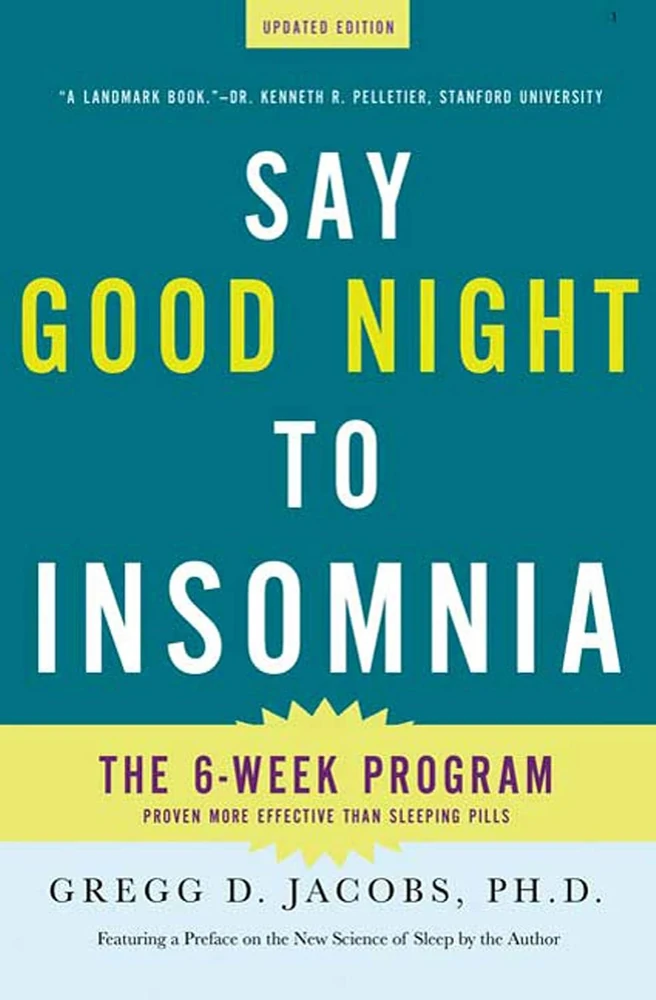
Best overall: Say Good Night to Insomnia — Gregg D. Jacobs, PhD
The single most complete book on-ramp to CBT-i: a structured six-week DIY program from the Harvard researcher who developed and tested it.
Paperback ~$17
Why it wins: all four scores, pros & cons, full label
- The most complete single-book CBT-i program — a real structured plan, not just sleep advice
- Written by the Harvard Medical School researcher who built and tested the program
- Covers the entire method: stimulus control, sleep scheduling, relaxation, and thought restructuring
- Affordable (~$17) and approachable — the easiest 'just start tonight' pick
- Narrative format means you supply the discipline — there are no fill-in worksheets like the workbooks
- Long-running classic, so the cover and a few references feel dated even though the method holds up fully
- Author
- Gregg D. Jacobs, PhD (Harvard Medical School)
- Format
- Narrative program — read + follow over 6 weeks
- Method
- Full CBT-i: stimulus control, scheduling, relaxation, cognitive work
- Best for
- The fastest complete start to the gold-standard treatment

Our take — If you read only one book to start CBT-i, make it this one. Dr Gregg Jacobs developed his program at Harvard Medical School and packed the full protocol — stimulus control, sleep scheduling, relaxation, and the cognitive work on sleep anxiety — into a single, structured, six-week DIY plan that an ordinary motivated reader can actually follow. It's the most complete on-ramp to the gold-standard treatment in book form, and at around $17 it's also the best value on this list. The honest caveats are minor: it's a read-and-follow program rather than a fill-in workbook, so you bring the discipline, and the cover looks its age — but the method is exactly what the guidelines recommend. Pair it with the free CBT-i Coach app and you have the gold-standard for the price of lunch.
 02
02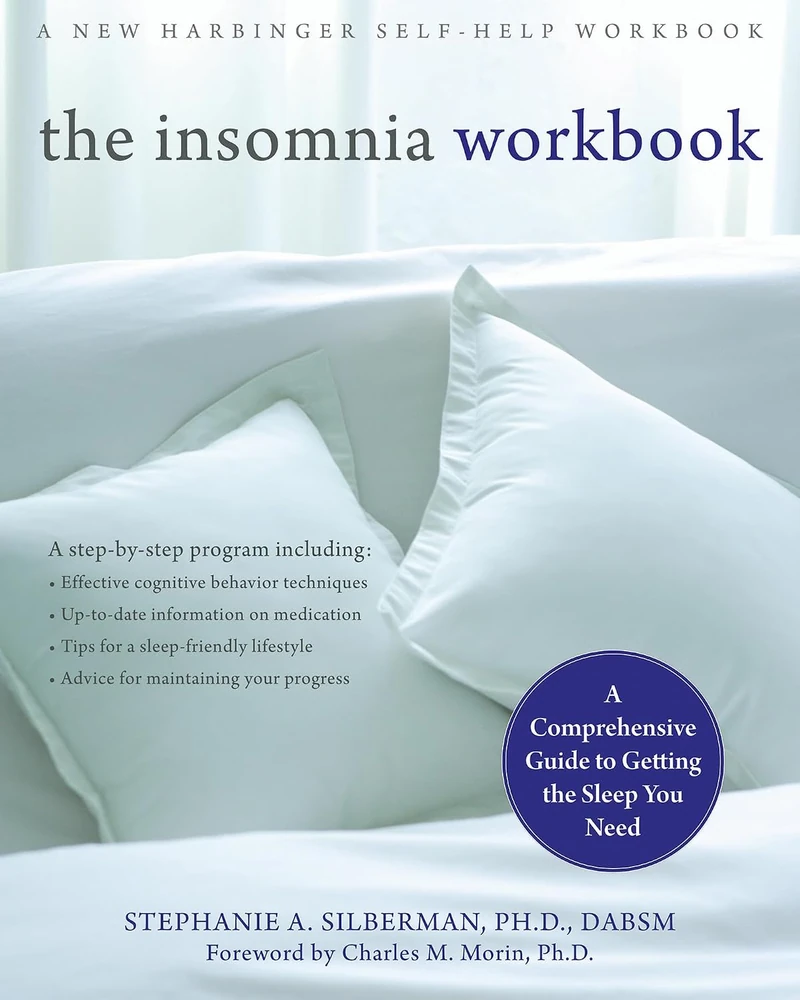 03
03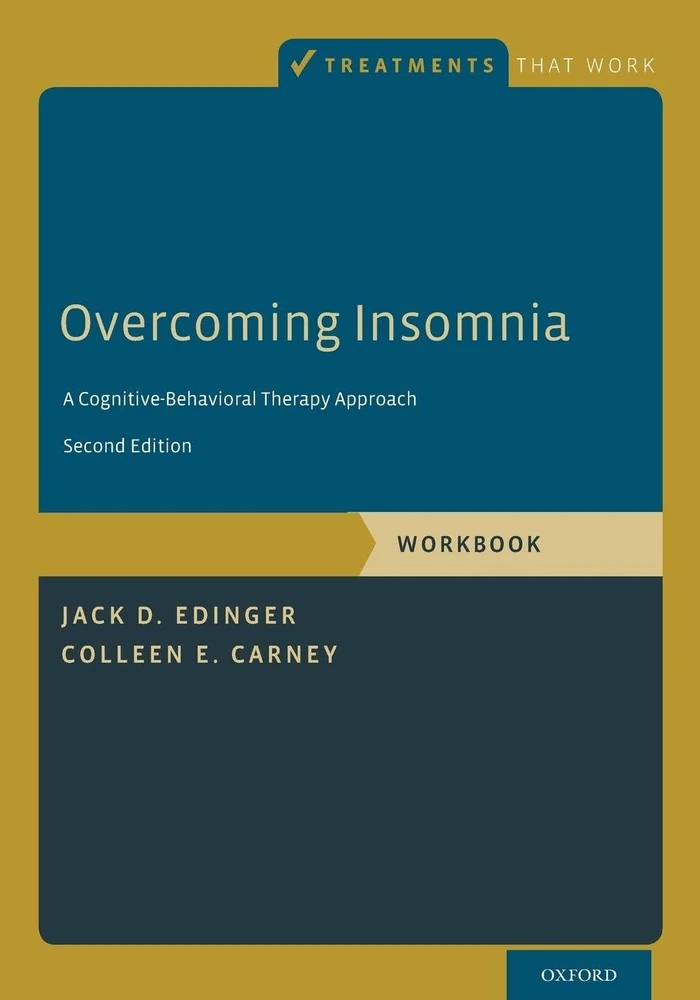 04
04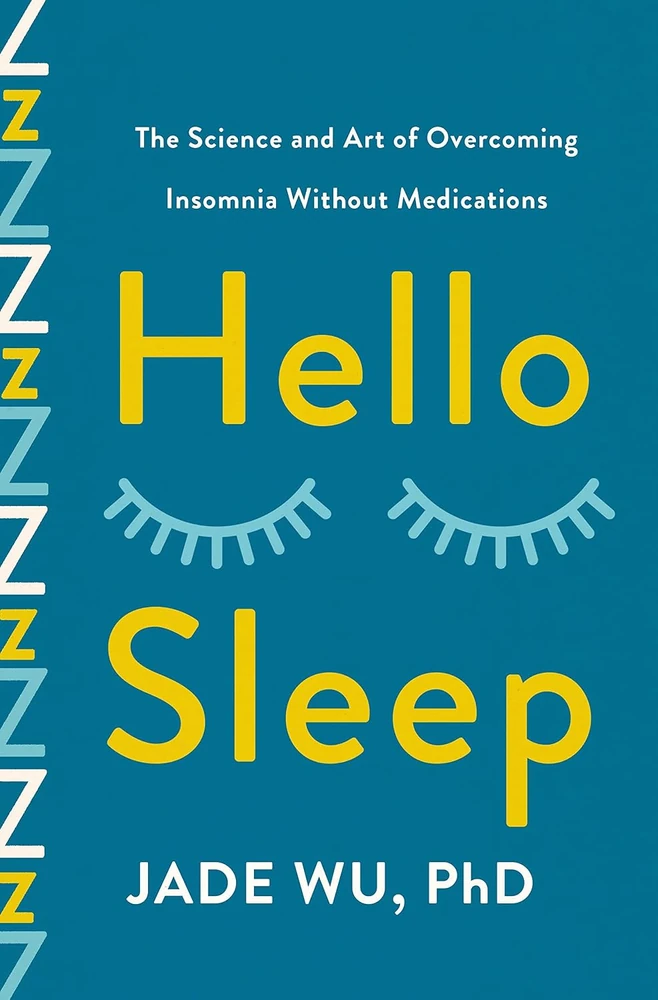 05
05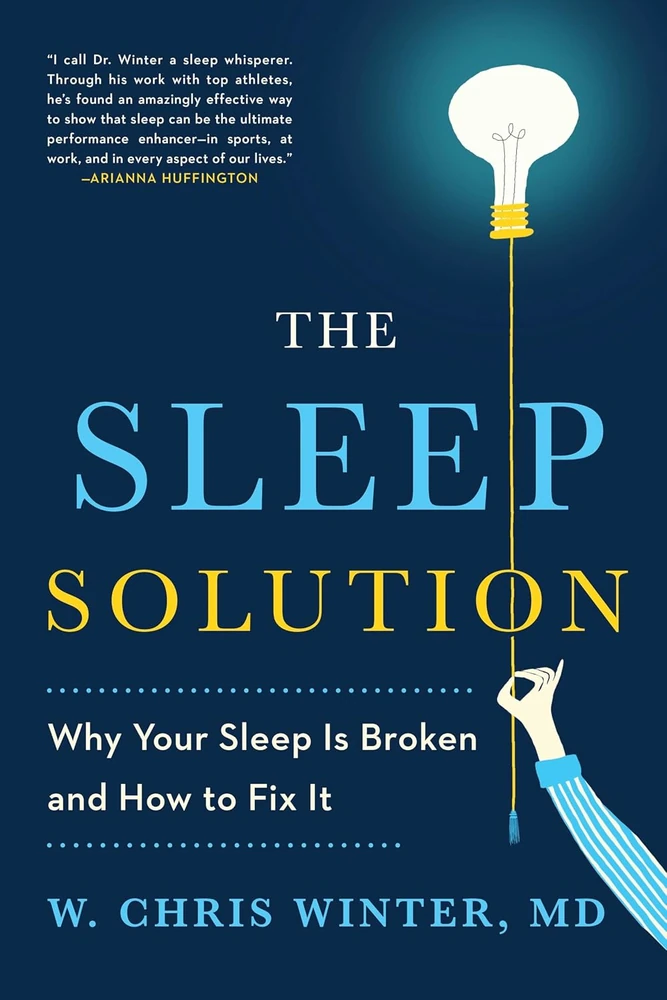 06
06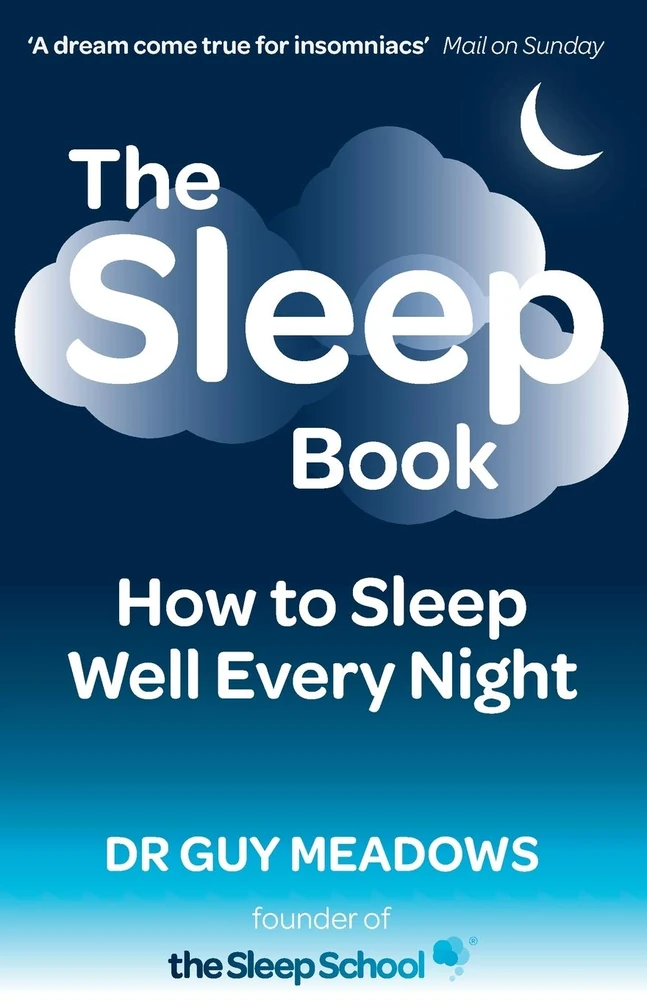 07
07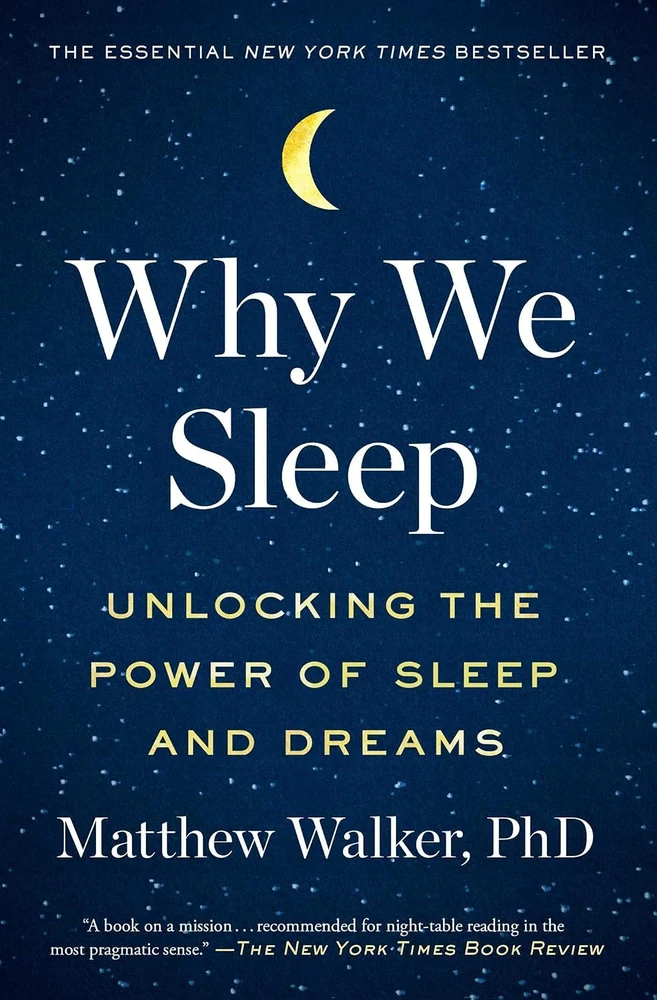 08
08Who Wins Which Aspect
Sorted by overall SAC Product Score™ — the official ranking.
| # | Pick | Score | Method — CBT-i fidelity35% | Evidence & author authority30% | Actionability25% | Readability / accessibility10% | Buy |
|---|---|---|---|---|---|---|---|
| 01 | | 9.3 | 9.53 | 9.43 | 9.21 | 8.8 | Check price |
| The most complete single-book CBT-i program — a real structured plan, not just sleep adviceNarrative format means you supply the discipline — there are no fill-in worksheets like the workbooks | |||||||
| 02 | | 9.2 | 9.62 | 9.52 | 8.63 | 8.0 | Check price |
| Worksheet-driven — the most hands-on, do-it-with-me path through the CBT-i protocolA clinical workbook in tone — less of a 'read for pleasure' experience than the narrative books | |||||||
| 03 | | 9.0 | 9.3 | 9.0 | 8.72 | 8.3 | Check price |
| A clear, general-purpose CBT-i workbook — the easy default when you want structure without complexityLess specialised than Carney & Manber for co-occurring anxiety/depression/pain | |||||||
| 04 | | 9.0 | 9.81 | 9.71 | 8.2 | 6.5 | Check price |
| The most faithful, rigorous rendering of the CBT-i protocol of any book on this listThe most clinical in tone — designed to pair with a therapist's guide, so it's the least breezy read | |||||||
| 05 | | 8.7 | 8.8 | 9.2 | 7.9 | 9.62 | Check price |
| The most current pick (2023) and the warmest, most readable on-ramp to the CBT-i methodNarrative rather than worksheet-driven, so slightly less hands-on than the workbooks | |||||||
| 06 | | 8.3 | 7.6 | 9.0 | 8.0 | 9.53 | Check price |
| Witty, clear, and genuinely entertaining — one of the most readable sleep books availableBroader than CBT-i — it covers the method's ideas but isn't a step-by-step CBT-i program | |||||||
| 07 | | 8.0 | 6.8 | 8.4 | 8.4 | 9.0 | Check price |
| A structured five-week plan, so it's genuinely actionable, not just theoryHonest caveat: this is ACT/acceptance-based, a DIFFERENT framework from the classic CBT-i protocol the guidelines center on | |||||||
| 08 | | 6.6 | 4.5 | 9.0 | 5.5 | 9.71 | Check price |
| The most gripping, motivating popular-science book on sleep ever written — a genuine page-turnerHonest caveat: this is NOT a CBT-i program — it explains the science, it does not give you the protocol to treat insomnia | |||||||
The Other 7, Ranked
- 02
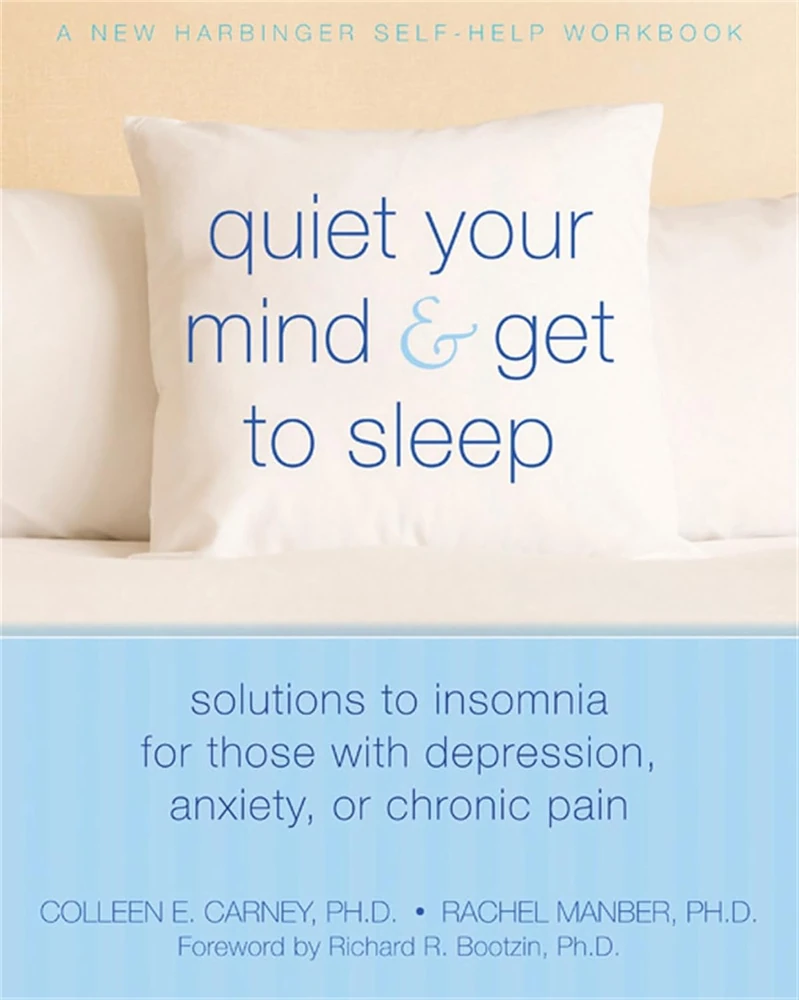
Best workbook: Quiet Your Mind and Get to Sleep — Carney & Manber, PhD
9.2SAC Score™The most hands-on way to run CBT-i yourself — a worksheet-driven workbook from two of the field's top researchers, built for insomnia tangled with anxiety, depression, or pain.
StrongestMethod — CBT-i fidelity9.62WeakestReadability / accessibility8.0- Authors
- Colleen Carney, PhD & Rachel Manber, PhD
- Format
- Fill-in CBT-i workbook with worksheets
- Method
- Full CBT-i, with extra focus on the cognitive half
Check price on AmazonWorkbook ~$25All four scores, pros & cons, full label
What We Like- Worksheet-driven — the most hands-on, do-it-with-me path through the CBT-i protocol
- Written by Colleen Carney and Rachel Manber, two of the most respected CBT-i researchers
- Explicitly designed for insomnia that coexists with depression, anxiety, or chronic pain
- Strong on the cognitive work, ideal if anxious thoughts about sleep keep you wired
What You Live With- A clinical workbook in tone — less of a 'read for pleasure' experience than the narrative books
- Demands that you actually do the worksheets; passive readers will get less out of it
- Best for
- Insomnia alongside depression, anxiety, or chronic pain
Our take — The best workbook on the list and our pick for anyone who learns by doing. Carney and Manber are heavyweight CBT-i researchers, and they translate the full protocol into structured, fill-in worksheets that walk you through stimulus control, sleep scheduling, and — their particular strength — the cognitive work of defusing sleep anxiety. It's explicitly built for the common real-world case where insomnia rides alongside depression, anxiety, or chronic pain. It sits at #2 rather than #1 only because it's a clinical workbook rather than a self-contained narrative program, so it asks more active effort from you. If you'll actually fill it in, it may be the single most effective book here.
- 03
Best step-by-step workbook: The Insomnia Workbook — Stephanie Silberman, PhD
9.0SAC Score™A clean, general-purpose CBT-i workbook that simulates seeing a sleep specialist — assess your sleep, then apply each proven technique in order.
StrongestMethod — CBT-i fidelity9.3WeakestReadability / accessibility8.3- Author
- Stephanie Silberman, PhD, DABSM (foreword: Charles Morin)
- Format
- Step-by-step CBT-i workbook with questionnaires
- Method
- Full CBT-i, general-purpose and clearly sequenced
Check price on AmazonWorkbook ~$25All four scores, pros & cons, full label
What We Like- A clear, general-purpose CBT-i workbook — the easy default when you want structure without complexity
- Foreword by Charles Morin, one of the founding figures of CBT-i research — strong pedigree
- Questionnaires plus ordered, proven techniques that mirror working with a sleep specialist
- Well-paced and approachable for a clinical workbook
What You Live With- Less specialised than Carney & Manber for co-occurring anxiety/depression/pain
- Like any workbook, it only works if you complete the exercises
- Best for
- A clean default workbook if you just want structure
Our take — The cleanest general-purpose CBT-i workbook, and a great default if Carney & Manber's co-morbidity focus isn't what you need. Stephanie Silberman (a board-certified sleep specialist) sequences the protocol clearly — you assess your sleep with questionnaires, then apply each technique in order, much like working through it with a clinician. The foreword from Charles Morin, effectively a founding father of CBT-i, signals the pedigree. It lands just behind Carney & Manber because it's a touch more generic and a touch less deep on the cognitive side, but for a straightforward, well-paced, do-it-yourself workbook, it's an excellent choice.
- 04
Most clinician-grade: Overcoming Insomnia: A Cognitive-Behavioral Therapy Approach, Workbook — Edinger & Carney, PhD
9.0SAC Score™The most rigorous, by-the-book CBT-i protocol on the list — Oxford's patient workbook used alongside formal therapy, from authors who help write the field's guidelines.
StrongestMethod — CBT-i fidelity9.81WeakestReadability / accessibility6.5- Authors
- Jack Edinger, PhD & Colleen Carney, PhD
- Series
- Oxford 'Treatments That Work' (patient Workbook)
- Method
- The most faithful, complete CBT-i protocol here
Check price on AmazonWorkbook ~$30All four scores, pros & cons, full label
What We Like- The most faithful, rigorous rendering of the CBT-i protocol of any book on this list
- Authored by Jack Edinger and Colleen Carney — researchers behind the field's clinical guidelines
- Part of Oxford's evidence-based 'Treatments That Work' series; the patient workbook clinicians actually use
- Updated to current diagnostic standards — genuinely clinical-grade self-help
What You Live With- The most clinical in tone — designed to pair with a therapist's guide, so it's the least breezy read
- Higher price (~$30) and steeper than a first-timer may want for mild, recent sleep trouble
- Best for
- Maximum rigour — alongside therapy or for serious self-starters
Our take — This is the rigorous end of the spectrum — the CBT-i workbook for readers who want the protocol exactly as clinicians deliver it. It's the patient Workbook in Oxford's respected 'Treatments That Work' series, written by Jack Edinger and Colleen Carney, researchers who literally help author the field's treatment guidelines. On pure CBT-i fidelity nothing here beats it. The trade-off is tone and depth: it's built to accompany a therapist's guide, so it reads more clinically than the narrative books and costs a bit more. It ranks #4 rather than higher because that clinical heft makes it less ideal as a first, gentle introduction — but if you want maximum rigour, or you're working with (or like) a structured clinical approach, this is the deepest, most authoritative workbook on the list.
- 05
Best modern read: Hello Sleep — Jade Wu, PhD
8.7SAC Score™The warmest, most modern CBT-i book — a board-certified behavioural-sleep specialist walks you through overcoming insomnia and letting go of sleeping pills, without the clinical-workbook feel.
StrongestReadability / accessibility9.62WeakestActionability7.9- Author
- Jade Wu, PhD (board-certified behavioural sleep medicine)
- Published
- 2023 — the most up-to-date pick here
- Method
- Full CBT-i + a modern, compassionate framing of sleep
Check price on AmazonHardcover ~$28All four scores, pros & cons, full label
What We Like- The most current pick (2023) and the warmest, most readable on-ramp to the CBT-i method
- Written by Dr Jade Wu, an internationally recognised behavioural-sleep-medicine specialist
- Reframes your whole relationship with sleep, not just the mechanics — strong on the anxiety piece
- Specifically aimed at overcoming insomnia and getting off sleeping pills
What You Live With- Narrative rather than worksheet-driven, so slightly less hands-on than the workbooks
- Hardcover pricing (~$28) is the steepest non-clinical pick here
- Best for
- Readers who want warmth and science, not a workbook
Our take — The best modern read on the list, and the one to choose if the workbooks feel too clinical but Jacobs feels too old-school. Dr Jade Wu is a board-certified behavioural-sleep-medicine specialist, and Hello Sleep (2023) is an up-to-date, compassionate, genuinely enjoyable walk through the same evidence-based method — with particular care given to the anxiety and frustration that fuel insomnia, and an explicit focus on getting off sleeping pills. It scores a touch lower on raw actionability than the worksheet-driven workbooks because it's narrative, but it more than earns its place on readability and authority. For many readers, the most pleasant book here that still teaches real CBT-i.
- 06
Best practical overview: The Sleep Solution — W. Chris Winter, MD
8.3SAC Score™A witty, practical tour of why sleep breaks and how to fix it from a veteran neurologist and sleep doctor — broader than CBT-i, and a brilliant orientation before you commit to a program.
StrongestReadability / accessibility9.53WeakestMethod — CBT-i fidelity7.6- Author
- W. Chris Winter, MD (neurologist & sleep specialist)
- Format
- Practical narrative overview of sleep + insomnia
- Method
- Covers CBT-i ideas within a broader sleep-fix guide
Check price on AmazonPaperback ~$18All four scores, pros & cons, full label
What We Like- Witty, clear, and genuinely entertaining — one of the most readable sleep books available
- Written by a veteran neurologist and sleep-medicine doctor with deep clinical experience
- Practical and broad: helps you understand WHY your sleep is broken, not just one protocol
- Excellent first orientation before committing to a structured CBT-i program
What You Live With- Broader than CBT-i — it covers the method's ideas but isn't a step-by-step CBT-i program
- Less of a follow-this-plan structure than the dedicated program and workbooks above
- Best for
- A clear, entertaining orientation to your sleep problem
Our take — The most entertaining, practical overview on the list, and a superb orientation to your own sleep. Dr Chris Winter is a neurologist and sleep specialist with decades of clinical experience, and he writes with a wit that makes a frustrating topic genuinely fun to read. The reason it sits at #6 rather than higher is scope: it's a broad, practical guide to why sleep breaks and how to fix it, which includes CBT-i thinking but isn't a dedicated step-by-step CBT-i program the way the top picks are. Read it to understand your sleep clearly and calm down about it — then run the actual protocol with Jacobs (#1) or a workbook if you have entrenched insomnia.
- 07
Best acceptance-based (ACT) route: The Sleep Book — Dr Guy Meadows
8.0SAC Score™A different evidence-based angle: an acceptance/ACT-based five-week plan that teaches you to stop fighting wakefulness — the right pick if classic sleep restriction sounds unbearable.
StrongestReadability / accessibility9.0WeakestMethod — CBT-i fidelity6.8- Author
- Dr Guy Meadows, PhD (sleep physiologist)
- Approach
- ACT / acceptance-based — NOT classic CBT-i
- Format
- Structured 5-week mindfulness + acceptance plan
Check price on AmazonPaperback ~$16All four scores, pros & cons, full label
What We Like- A structured five-week plan, so it's genuinely actionable, not just theory
- Acceptance/ACT approach can succeed where strict sleep restriction fails — less of a fight
- Strong fit for insomnia driven mainly by anxiety and the struggle against wakefulness
- Readable and reassuring, from a credentialed sleep physiologist
What You Live With- Honest caveat: this is ACT/acceptance-based, a DIFFERENT framework from the classic CBT-i protocol the guidelines center on
- Less of the behavioural mechanics (stimulus control, sleep restriction) than the core CBT-i books
- Best for
- Sleep anxiety; readers who bounce off sleep restriction
Our take — An honestly different route, and a legitimately evidence-informed one. Dr Guy Meadows is a sleep physiologist, and The Sleep Book is built on Acceptance and Commitment Therapy (ACT) rather than classic CBT-i: instead of the behavioural mechanics of stimulus control and sleep restriction, it teaches you to stop struggling against wakefulness, using mindfulness and acceptance. We rank it #7 specifically because it's a different, less-established framework for running the gold-standard CBT-i protocol — that's a transparency call, not a quality knock. For the right reader it can be the best pick on the page: if strict sleep restriction sounds intolerable, or your insomnia is fuelled mainly by anxiety and the fight to fall asleep, this acceptance-based five-week plan may click where the classic approach grates.
- 08
Best science primer (not a program): Why We Sleep — Matthew Walker, PhD
6.6SAC Score™The famous, gripping primer on the science of sleep — superb for understanding and motivation, but honestly NOT a CBT-i program: it explains why sleep matters, it doesn't hand you the protocol.
StrongestReadability / accessibility9.71WeakestMethod — CBT-i fidelity4.5- Author
- Matthew Walker, PhD (neuroscientist, UC Berkeley)
- Type
- Sleep-SCIENCE primer — not a treatment plan
- Method
- Explains why sleep matters; no CBT-i protocol
Check price on AmazonPaperback ~$18All four scores, pros & cons, full label
What We Like- The most gripping, motivating popular-science book on sleep ever written — a genuine page-turner
- Authored by a prominent UC Berkeley sleep neuroscientist; rich on the biology and stakes of sleep
- Will make you care about fixing your sleep more than almost any other single book
- Brilliant companion reading to the actual CBT-i program books above
What You Live With- Honest caveat: this is NOT a CBT-i program — it explains the science, it does not give you the protocol to treat insomnia
- Some specific claims in the book have been debated by other researchers — treat it as inspiring overview, not clinical guidance
- Best for
- Motivation + understanding, paired with a program book
Our take — A magnificent book, ranked last on purpose — because this list is ordered by how well each title helps you DO CBT-i, not by fame or prose. Why We Sleep, by UC Berkeley neuroscientist Matthew Walker, is the most compelling popular case for sleep ever written, and it will light a fire under anyone who's been neglecting it. But it is a science PRIMER, not a treatment plan: it explains in thrilling detail why sleep matters, yet it never hands you the CBT-i protocol — the stimulus control, sleep restriction, and cognitive work — that actually treats chronic insomnia. So score it high on credibility and readability, low on 'actionability as a CBT-i program,' and use it accordingly: read it for the motivation and the understanding, then run the real protocol with Jacobs (#1) or a workbook. (Worth knowing: a few of its specific claims have been challenged by other researchers, so take it as inspiring overview rather than clinical instruction.)
The Guide In Four Short Lessons
Why CBT-i — and why a book is a legitimate place to start
- 1st-line
- CBT-i is the recommended FIRST treatment for chronic insomnia (ACP 2016 + AASM 2021), ahead of pills
- 20 RCTs
- Trauer 2015 pooled 20 randomized trials: CBT-i meaningfully improved sleep onset, waking, and efficiency
- Durable
- CBT-i's benefits persist after treatment ends — unlike sleeping pills, with no tolerance or dependence
- 4 of 8
- Books here are a full hands-on CBT-i program or workbook — the cheapest way into the gold-standard
Sources: Trauer JM, et al. Cognitive Behavioral Therapy for Chronic Insomnia: A Systematic Review and Meta-analysis. Ann Intern Med 2015 (PMID 26054060). Qaseem A, et al. Management of Chronic Insomnia Disorder in Adults: ACP Clinical Practice Guideline. Ann Intern Med 2016 (PMID 27136449). Edinger JD, et al. AASM Clinical Practice Guideline. J Clin Sleep Med 2021 (PMID 33164742).
Pick a book that teaches the protocol.
Look for stimulus control, sleep restriction and the cognitive work on sleep anxiety. Science books that explain why sleep matters do not hand you the treatment.
Prefer workbooks from CBT-i researchers.
CBT-i is the guideline first-line treatment for chronic insomnia, ahead of medication (Qaseem 2016, Edinger 2021). Method fidelity carries 35% of our score.
Know the free and guided routes.
A book is the do-it-yourself tier. The free CBT-i Coach app and guided digital programs deliver the same protocol if you would rather be led.
Trauer 2015 (PMID 26054060) · Qaseem 2016 (PMID 27136449) · Edinger 2021 (PMID 33164742) — books scored on CBT-i fidelity (35%), evidence & author authority (30%), actionability (25%), readability (10%).
Each book was scored 0-10 across four criteria, then weighted to a final composite. Method — CBT-i fidelity — carries the most weight (35%) because the entire point of this page is helping you DO the gold-standard treatment: does the book actually teach stimulus control, sleep restriction, and cognitive restructuring, or does it just talk about sleep? This is where the workbooks and the structured program pull ahead, and where a pure science book scores low no matter how good it is. Evidence and author authority (30%) rewards real credentials and research backing — a Harvard program developer, leading CBT-i researchers, board-certified behavioural-sleep specialists. Actionability (25%) asks whether a reader can follow a concrete, structured plan from the book alone, which favours programs and worksheets over narrative. Readability (10%) is the lightest weight — it's the tie-breaker, because a method you'll actually finish beats a rigorous one you abandon. We do not invent figures; the clinical claims on this page rest on three verified sources (Trauer 2015, Qaseem 2016, Edinger 2021), and we rank by how well each book operationalises that evidence — not by Amazon popularity.
Method — CBT-i fidelity · 35%
The most important factor: does the book actually teach the CBT-i protocol — stimulus control, sleep restriction/consolidation, and cognitive work on sleep anxiety? Workbooks and structured programs score highest. A book that explains sleep science but never hands you the protocol (Why We Sleep) scores low here by design, however well-written it is.
Evidence & author authority · 30%
Credentials and research backing. A program built and tested at Harvard, workbooks from leading CBT-i researchers, and board-certified behavioural-sleep specialists score highest. This is the Trust axis: who wrote it, and is it grounded in the actual evidence base for insomnia treatment?
Actionability · 25%
Can a reader follow a concrete, structured plan from the book alone? Step-by-step programs and fill-in worksheets score highest because they convert knowledge into a routine you can run tonight. Inspiring-but-abstract books score lower — understanding is not the same as a plan.
Readability / accessibility · 10%
How approachable and motivating the book is to actually get through. The lightest weight and the tie-breaker: a warmly-written program you'll finish beats a dry, rigorous one you quit. This is where the modern narrative books (Wu, Winter, Walker) earn back some ground.

Why CBT-i works — the chain a good book walks you through
- 1
Insomnia becomes a learned, self-perpetuating loop
After enough bad nights, the bed itself becomes a cue for wakeful struggle, and anxiety about not sleeping keeps the body alert. The original trigger fades, but the learned arousal and the broken schedule keep insomnia going on their own.
- 2
CBT-i breaks the loop behaviourally, not chemically
Stimulus control re-associates the bed with sleep; sleep restriction rebuilds the biological pressure to sleep and consolidates it; and cognitive work defuses the catastrophic thoughts about sleep. These are the techniques every book in our top four teaches.
- 3
The fix is durable because you changed the system
Because CBT-i repairs the underlying drivers rather than sedating you through them, the gains last after treatment ends — the finding behind Trauer 2015 and the reason both the ACP and AASM put it ahead of sleeping pills, which stop working when you stop taking them.
What to expect working through a CBT-i book
Baseline + the honest dip
You log your sleep and fix your wake time. If you start sleep restriction, sleep can feel WORSE for a few nights as sleep pressure builds — this is expected and temporary, not failure.
Consolidation starts
Stimulus control and a tighter sleep window begin to pay off: less time lying awake, fewer long night-time wakings. Sleep gets more solid even if it's not yet longer.
It clicks — then you widen the window
By now most people are falling asleep faster and waking less. You gradually extend time in bed as efficiency improves, and the cognitive work has taken the fear out of the occasional bad night. This is where CBT-i typically lands.
Prefer a guided, done-for-you route? — and the bottom line
If you read only one book, it's Say Good Night to Insomnia (#1) — the complete on-ramp for about $17.
Dr Gregg Jacobs packed the full CBT-i method into a structured six-week DIY program — stimulus control, sleep scheduling, relaxation, and the cognitive work — and he's the Harvard Medical School researcher who built and tested it. Pair it with the free CBT-i Coach app and you have the gold-standard treatment for the price of lunch.
If you'll actually fill in worksheets — or need a different angle — the alternatives are ranked by who you are.
Quiet Your Mind and Get to Sleep (#2) for warmth and the anxiety piece, The Insomnia Workbook (#3) for a clean general step-by-step, Overcoming Insomnia (#4) for clinician-grade rigour. Hello Sleep (#5) is the warmest modern read that still teaches the full method, and The Sleep Book (#7) is the acceptance/ACT route if strict sleep restriction sounds unbearable. Why We Sleep (#8) is the brilliant science primer — read it for motivation, but pair it with a program, because it is not a protocol.
The one rule to buy by: rank by method, not fame.
The best book here is the one that gets YOU doing the gold-standard treatment — and for most people that's a structured program or a workbook, backed up by the free CBT-i Coach app. If self-help stalls or insomnia is severe, escalate: digital CBT-i (Sleepio) or a behavioural-sleep specialist via the Society of Behavioral Sleep Medicine directory.
Quick Answers
What is CBT-i, and is it really better than sleeping pills?
CBT-i (Cognitive Behavioural Therapy for Insomnia) is a short, structured, drug-free program that retrains the behaviours and thoughts keeping you awake — mainly stimulus control (the bed is for sleep only), sleep restriction (temporarily compressing time in bed to rebuild sleep pressure), and cognitive work on sleep anxiety. It is the guideline-recommended FIRST-LINE treatment for chronic insomnia: both the American College of Physicians (Qaseem 2016) and the American Academy of Sleep Medicine (Edinger 2021) recommend it ahead of medication. The key advantage over sleeping pills is durability — a large meta-analysis (Trauer 2015) found CBT-i produces lasting improvements in how fast you fall asleep, how long you're awake at night, and sleep efficiency, without tolerance, dependence, or next-day grogginess. Pills can mask the problem short-term; CBT-i treats the mechanism.
Can a book really deliver CBT-i, or do I need a therapist?
A good book can deliver the full CBT-i protocol, and self-directed CBT-i has real evidence behind it. The books in our top four — especially Say Good Night to Insomnia and the workbooks — walk you through the same techniques a clinician would use. That said, books are the DIY tier, and they work best for motivated self-starters with straightforward insomnia. If your insomnia is severe, tangled up with another condition, or you stall on sleep restriction (which is genuinely hard), a guided digital program (Sleepio), the free CBT-i Coach app, or a behavioural-sleep-medicine specialist is the stronger route. Start with a book; escalate if you're stuck.
Which book should I buy if I just want to START as fast as possible?
Say Good Night to Insomnia by Dr Gregg Jacobs (#1). It's a single, self-contained, structured six-week DIY CBT-i program from the Harvard Medical School researcher who built it — the most complete on-ramp to the method in one book. If you know yourself to be someone who'll actually fill in worksheets, jump to a workbook instead: Quiet Your Mind and Get to Sleep (#2) is the most approachable, and The Insomnia Workbook (#3) is a clean step-by-step. All three teach the same evidence-based protocol; the difference is read-and-follow versus fill-it-in.
Is Why We Sleep a good book for actually fixing my insomnia?
Why We Sleep by Matthew Walker is an excellent, gripping primer on the science of sleep — it will make you understand and care about sleep more than almost anything else you could read. But be clear-eyed: it is NOT a CBT-i program. It explains WHY sleep matters; it does not give you the step-by-step protocol (stimulus control, sleep restriction, cognitive work) to TREAT chronic insomnia. That's exactly why it ranks last on this list, which is ordered by how well each book helps you DO CBT-i — not by how famous or well-written it is. Buy it for motivation and understanding, then pair it with a program book (Jacobs #1) or a workbook to actually run the treatment. (Note: a few of Why We Sleep's specific claims have been debated by researchers; treat it as inspiring overview, not clinical protocol.)
What's the difference between the workbooks — Carney & Manber, Silberman, and Edinger & Carney?
All three are hands-on CBT-i workbooks from serious researchers; the difference is depth and framing. Quiet Your Mind and Get to Sleep (Carney & Manber) is the most approachable and is explicitly built for insomnia tangled up with depression, anxiety, or chronic pain. The Insomnia Workbook (Silberman) is a clean, general-purpose, step-by-step CBT-i workbook — a great default. Overcoming Insomnia: A Cognitive-Behavioral Therapy Approach (Edinger & Carney, Oxford's 'Treatments That Work' series) is the most clinician-grade and rigorous — it's the patient workbook used alongside formal therapy, so it's the deepest but the most clinical in tone. Choose Carney & Manber for warmth, Silberman for a clean general workbook, Edinger & Carney for maximum rigour.
How is The Sleep Book by Guy Meadows different from the CBT-i books?
The Sleep Book is built on Acceptance and Commitment Therapy (ACT) rather than classic CBT-i. Instead of the behavioural mechanics of stimulus control and sleep restriction, Meadows' approach centres on changing your RELATIONSHIP with wakefulness — using mindfulness and acceptance to stop fighting sleeplessness, which is what keeps many people wired. It's a legitimate, evidence-informed angle (ACT for insomnia has growing support), and it can suit people who bounced off the strictness of sleep restriction or whose insomnia is driven mainly by sleep-related anxiety. We rank it below the core CBT-i books because it's a different, less-established framework for the specific goal of running the gold-standard protocol — but as an honest alternative route, it's a genuine option, not a lesser one.
Is there a free or guided option instead of a book?
Yes, and we recommend them openly because the best action matters more than a book sale. The CBT-i Coach app — developed by the US Department of Veterans Affairs with Stanford and the VA's National Center for PTSD — is genuinely free and walks you through the core CBT-i tools (sleep diary, stimulus control, sleep restriction, relaxation). For a fully guided digital program, Sleepio has the strongest randomized-controlled-trial evidence of any digital CBT-i product. And if you'd rather see a human, the Society of Behavioral Sleep Medicine maintains a directory of behavioural-sleep specialists. A book and these tools aren't mutually exclusive — many people read a book to understand the method and use the app or program to actually run it.
How long does CBT-i take to work?
Most people see meaningful improvement in about four to six weeks of consistent practice, which is why the structured programs in these books run over a similar span. Two honest expectations: first, it requires daily consistency (the sleep diary and a fixed wake time are non-negotiable), and second, sleep restriction — the most powerful lever — often makes sleep feel WORSE for the first week or two before it gets better, because you're deliberately building up sleep pressure. That dip is normal and expected, not a sign of failure. Trust the protocol, keep logging, and judge results over weeks rather than individual nights.
Every Claim Ranked Above Traces Back To One Of These
3 peer-reviewed sources, each linked to PubMed
- [1] Trauer 2015 PMID 26054060 — Cognitive Behavioral Therapy for Chronic Insomnia: A Systematic Review and Meta-analysis. Meta-analysis of 20 randomized controlled trials (1,162 participants): CBT-i produced clinically meaningful improvements in sleep-onset latency, wake after sleep onset, and sleep efficiency in adults with chronic insomnia, with effects sustained over time. The core evidence that the method these books teach actually works — and durably.
- [2] Qaseem 2016 PMID 27136449 — Management of Chronic Insomnia Disorder in Adults: A Clinical Practice Guideline From the American College of Physicians. The American College of Physicians recommends that all adults with chronic insomnia receive CBT-i as the initial (first-line) treatment, before considering medication. The guideline that establishes CBT-i — not sleeping pills — as the standard of care, and the reason this DIY route matters.
- [3] Edinger 2021 PMID 33164742 — Behavioral and psychological treatments for chronic insomnia disorder in adults: an American Academy of Sleep Medicine clinical practice guideline. The American Academy of Sleep Medicine strongly recommends multicomponent CBT-i for chronic insomnia in adults, and recommends its core components — including stimulus control and sleep restriction — the exact techniques the top books on this list teach. The current professional guideline behind the method.
Affiliate disclosure: every Amazon link uses our Associates tag (superachieverclub-20). We earn a small commission at no cost to you; it funds independent reviews. We never accept payment to change a ranking.