

Top 9 Best Ways To Improve Gut Health (2026)
A calmer gut, less bloating, a healthier microbiome — the supplements with genuine evidence behind the gut-health hype.
Nothing equipped yet. Add parts from the cards — the free levers first.
Ranked Solutions
Ranked by how much each one actually moves the needle — our SAC Efficacy Score™. Supplements, protocols and gear compete in ONE ranking.
Magnesium (for constipation)
Supplementosmotic laxative effect reliably eases constipation by drawing water into the bowel
⚑ citrate/oxide forms work best for this; glycinate is gentler and less laxative7.1/10SAC Efficacy Score™- Effect size45%Moderate
- Evidence40%Strong
- Reliability15%Works for many
Why these numbers?
Effect size: Magnesium oxide beat placebo for chronic constipation in a 28-day randomised trial — more spontaneous bowel movements, on par with senna (Morishita 2021). An osmotic laxative that reliably draws water into the bowel — 6.4/10.
Evidence: A placebo-controlled RCT plus decades of clinical use: 7.8/10.
Reliability: Works for most within a day or two; dose to effect, and kidney disease rules it out. 7.4/10.
The osmotic fix that matched senna.
1.5 gmagnesium oxide × 28 days↑ SBMsvs placebo, ≈ sennachronic constipation — RCTAJG 2021 ↓200–400 mg elemental at night, titrate up by 100 mg until soft, not loose — oxide or citrate for this job, glycinate for sleep.Start here for constipation; fibre and water keep it working.
Magnesium (for constipation) · 7.1Peppermint Oil (enteric-coated)
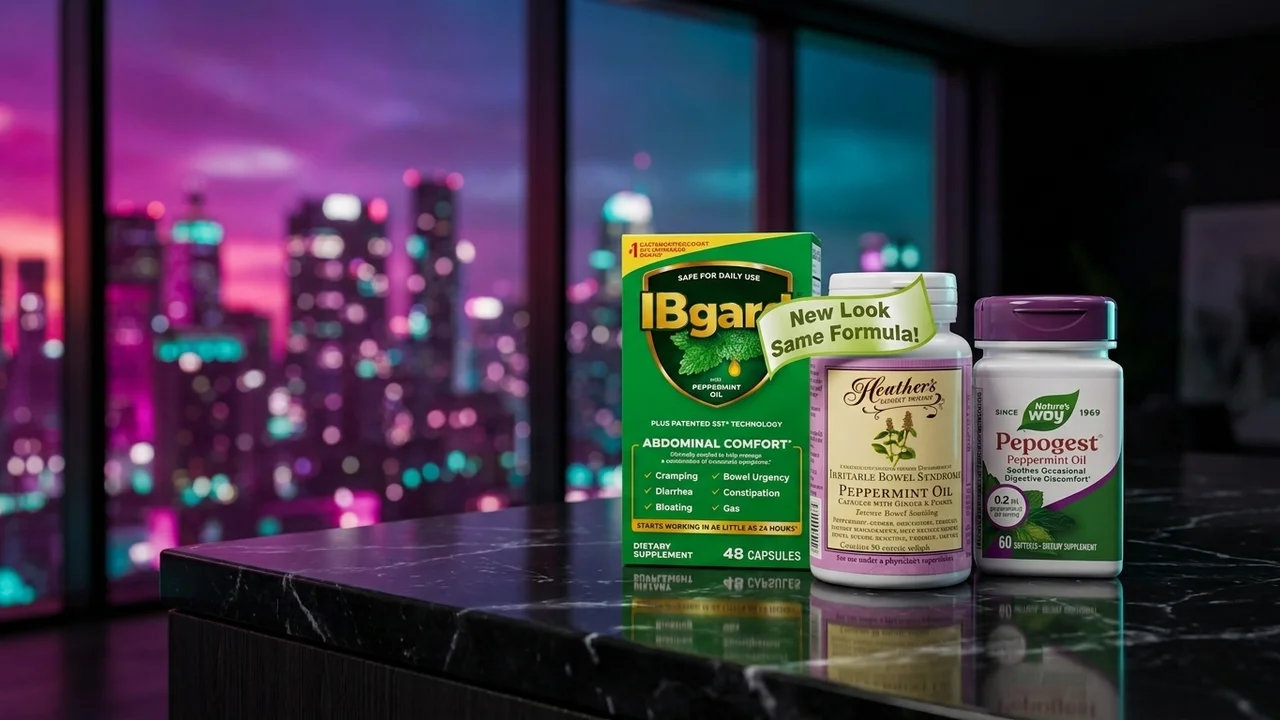
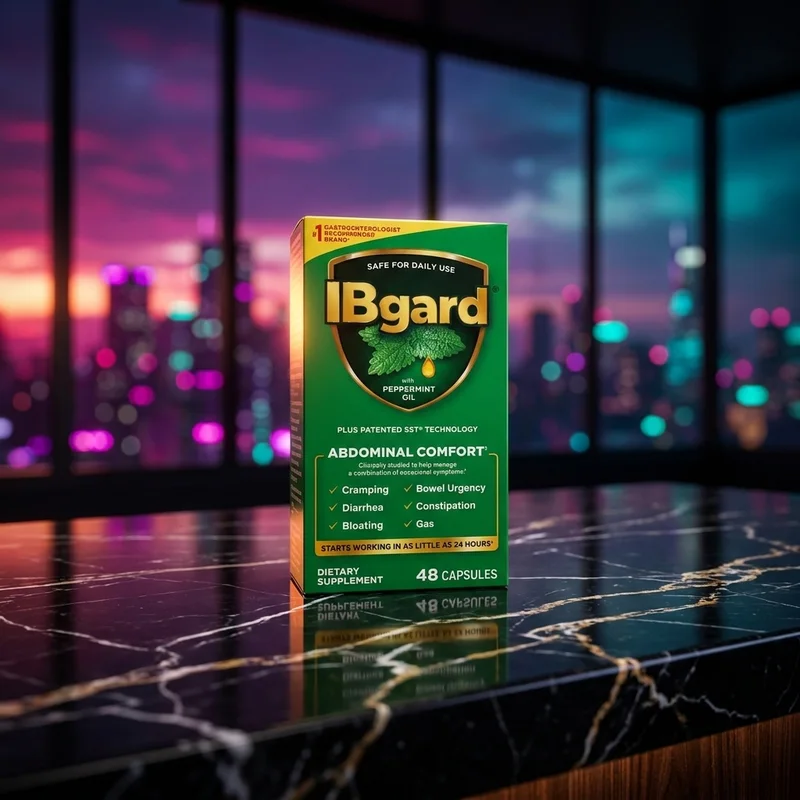
Supplemententeric-coated peppermint oil beats placebo for IBS symptoms (Khanna 2014; Cash 2016, 40% TISS drop)
⚑ IBS-specific; non-enteric softgels are weak — coating is essential- Effect size45%Moderate
- Evidence40%Strong
- Reliability15%Works for many
Why these numbers?
Effect size: Enteric-coated peppermint oil beat placebo for global IBS symptoms and abdominal pain in a 9-trial meta-analysis (Khanna 2014); a triple-coated formula cut total symptom score by 40% in 4 weeks (Cash 2016). 6.2/10.
Evidence: Meta-analysis of randomised trials plus a modern RCT: 8.0/10.
Reliability: IBS-type cramping and bloating respond; heartburn is the trade-off if the coating fails. 6.4/10.
IBS relief with a meta-analysis behind it.
180–225 mgenteric-coated × 4 weeks−40%total IBS symptom scoreIBS patients — RCTDDS 2016 ↓Enteric-coated capsules 30–60 min before meals, never chewed — the coating is the whole point.For cramping and bloating; heartburn means the coating failed.
Peppermint Oil (enteric-coated) · 7.0Probiotics
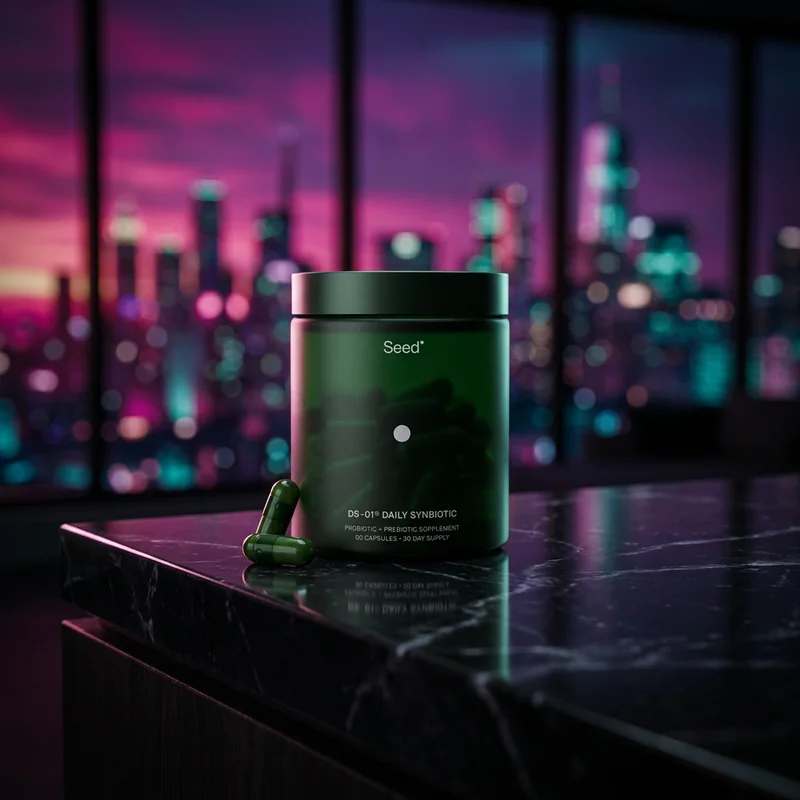
Supplementright strain eases IBS, bloating + antibiotic-related upset
⚑ strain-specific — match the strain to the symptom6.7/10SAC Efficacy Score™- Effect size45%Moderate
- Evidence40%Strong
- Reliability15%Works for many
Why these numbers?
Effect size: Probiotics improved global IBS symptoms, bloating and flatulence in a 43-trial meta-analysis (Ford 2014), and cut antibiotic-associated diarrhoea by 42% across 63 RCTs (Hempel 2012). Strain-specific — 5.6/10.
Evidence: Two large meta-analyses: 8.0/10.
Reliability: The right strain for the right complaint works; a random blend often doesn't. 6.4/10.
The strain is the product.
probiotics43 RCTs↓ IBS symptomsbloating, flatulence−42%antibiotic diarrhoeatwo meta-analysesAJG 2014 ↓Match strain to complaint — L. rhamnosus GG or S. boulardii around antibiotics, B. infantis 35624 for IBS — and give it 4 weeks.Buy a named strain with a CFU count at expiry, not 'probiotic blend'.
Probiotics · 6.7Prebiotic Fiber
Supplementfeeds the microbiome + improves regularity; build up slowly
6.6/10SAC Efficacy Score™- Effect size45%Modest
- Evidence40%Strong
- Reliability15%Works for many
Why these numbers?
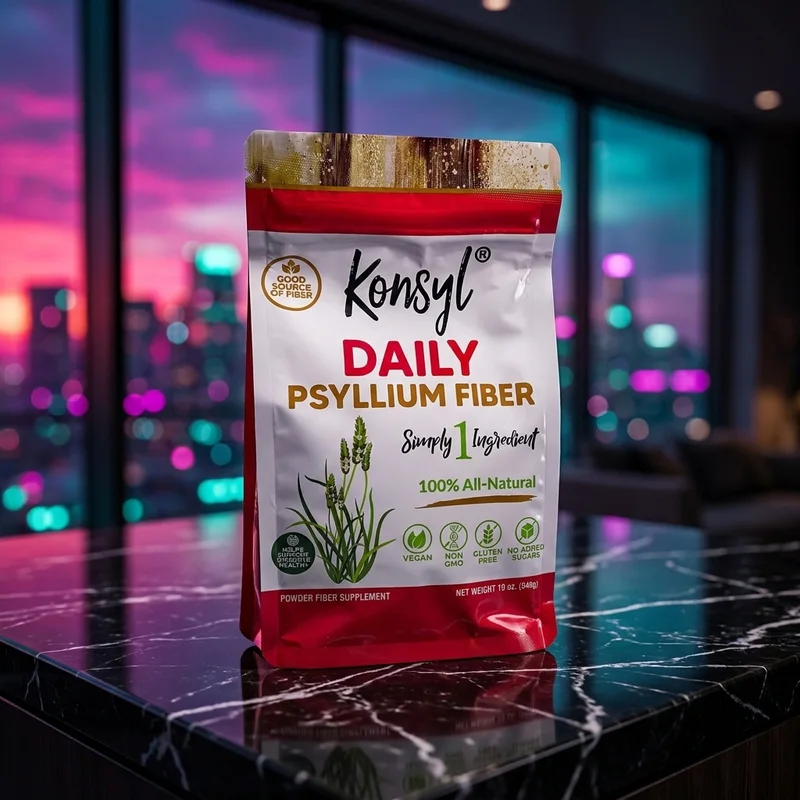
Effect size: Psyllium is the fibre with the clinical record: it gels, softens stool and normalises both constipation and loose stools (McRorie 2017), and shifts the microbiome in constipated adults within a week (Jalanka 2019). 5.4/10.
Evidence: An evidence-based review plus mechanistic trials: 7.8/10.
Reliability: Works for almost everyone who ramps slowly with water; gas is the ramp-up cost. 7.2/10.
The fibre that works in both directions.
psylliumgel-forming fibresofter + formedstool, both constipation and diarrhoeaevidence-based reviewJAND 2017 ↓Start 1 tsp in a full glass of water, build to 1–2 tbsp over two weeks — gas fades as the microbiome adapts.The daily foundation for regularity.
Prebiotic Fiber · 6.6Ginger
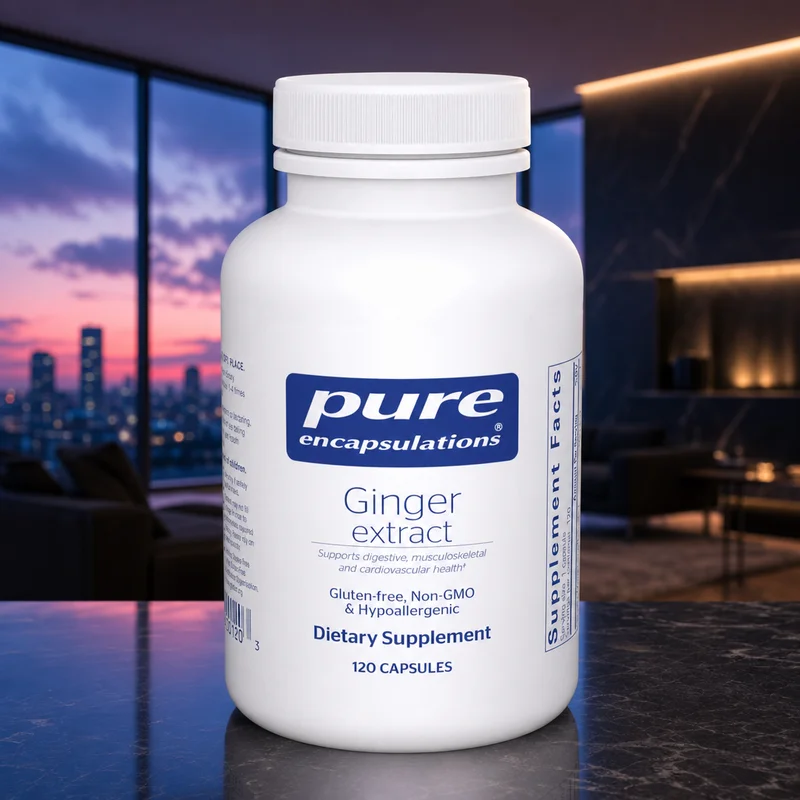
Supplementfaster gastric emptying; eases nausea + indigestion
6.1/10SAC Efficacy Score™- Effect size45%Modest
- Evidence40%Moderate
- Reliability15%Works for many
Why these numbers?
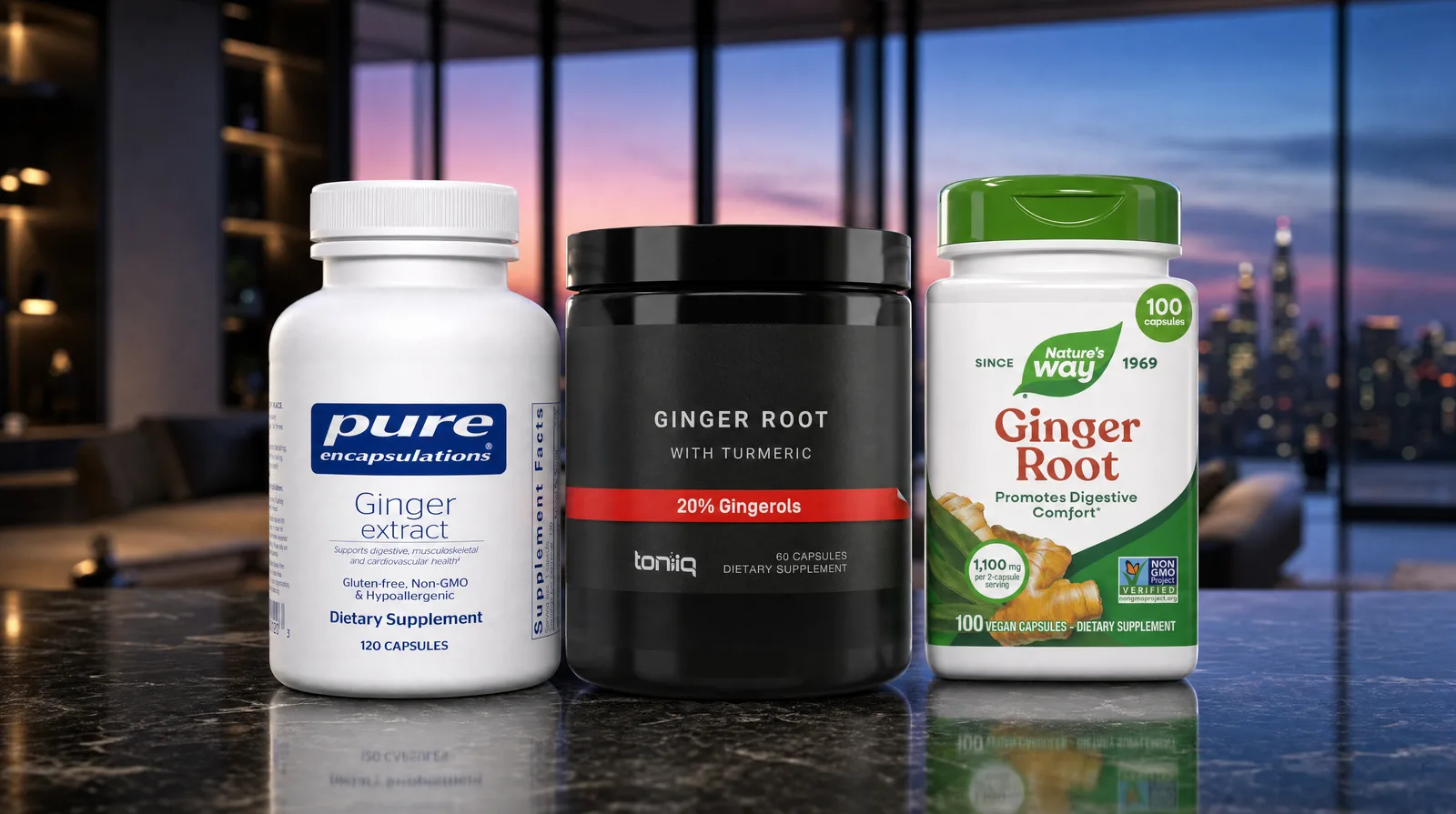
Effect size: 1.2 g of ginger sped gastric emptying in functional dyspepsia (Hu 2011) and beats placebo for nausea across randomised trials (Ernst 2000). Nausea and sluggish digestion, not the microbiome — 4.6/10.
Evidence: Systematic review plus controlled trials: 7.4/10.
Reliability: Reliable for nausea and post-meal heaviness; mild reflux in some. 6.8/10.
Speeds the stomach, settles the nausea.
1.2 gginger before a meal↑ gastric emptyingfunctional dyspepsiacontrolled crossoverWJG 2011 ↓500–1,000 mg standardised extract before meals, or fresh ginger tea — judge it on post-meal heaviness.For nausea and slow digestion, not for the microbiome.
Ginger · 6.1Digestive Enzymes
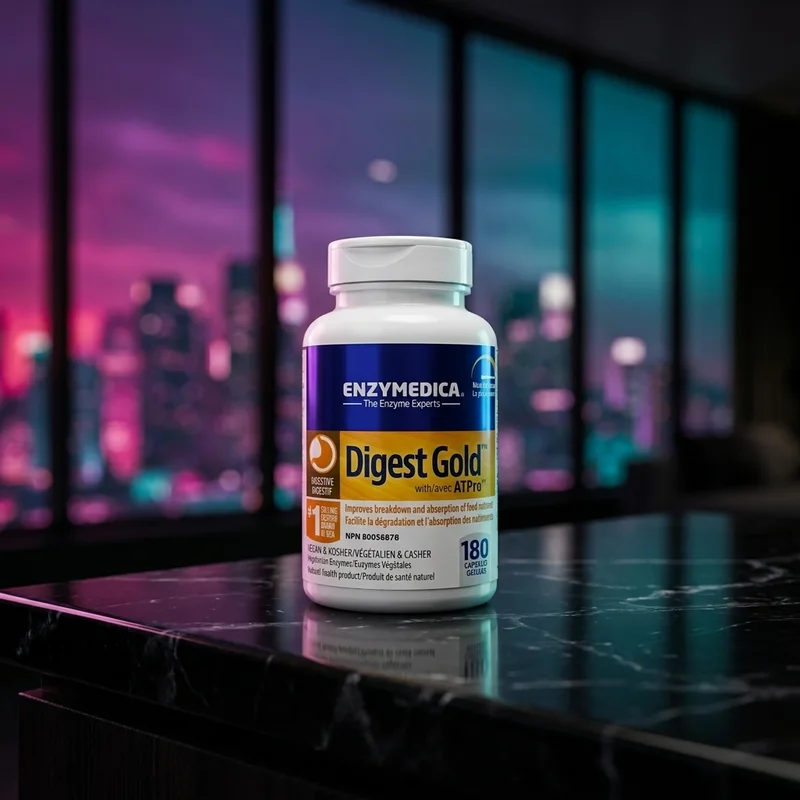
Supplementreal relief for enzyme insufficiency + heavy meals
⚑ for insufficiency / specific foods, not everyone- Effect size45%Modest
- Evidence40%Moderate
- Reliability15%Works for many
Why these numbers?
Effect size: Enzyme supplements relieve symptoms where an enzyme is genuinely missing — lactase for lactose, pancreatic enzymes for insufficiency (Ianiro 2016); for a healthy gut after a heavy meal the effect is small. 5.0/10.
Evidence: Clinical review; few RCTs in healthy people: 7.0/10.
Reliability: Targeted use works; blanket use adds little. 6.4/10.
Real relief where an enzyme is missing.
enzymematched to the deficit↓ symptomslactose intolerance, pancreatic insufficiencyclinical reviewReview 2016 ↓Lactase with dairy, a broad-spectrum blend with heavy meals, only if the meal-symptom link is clear.Targeted, not daily.
Digestive Enzymes · 6.0L-Glutamine
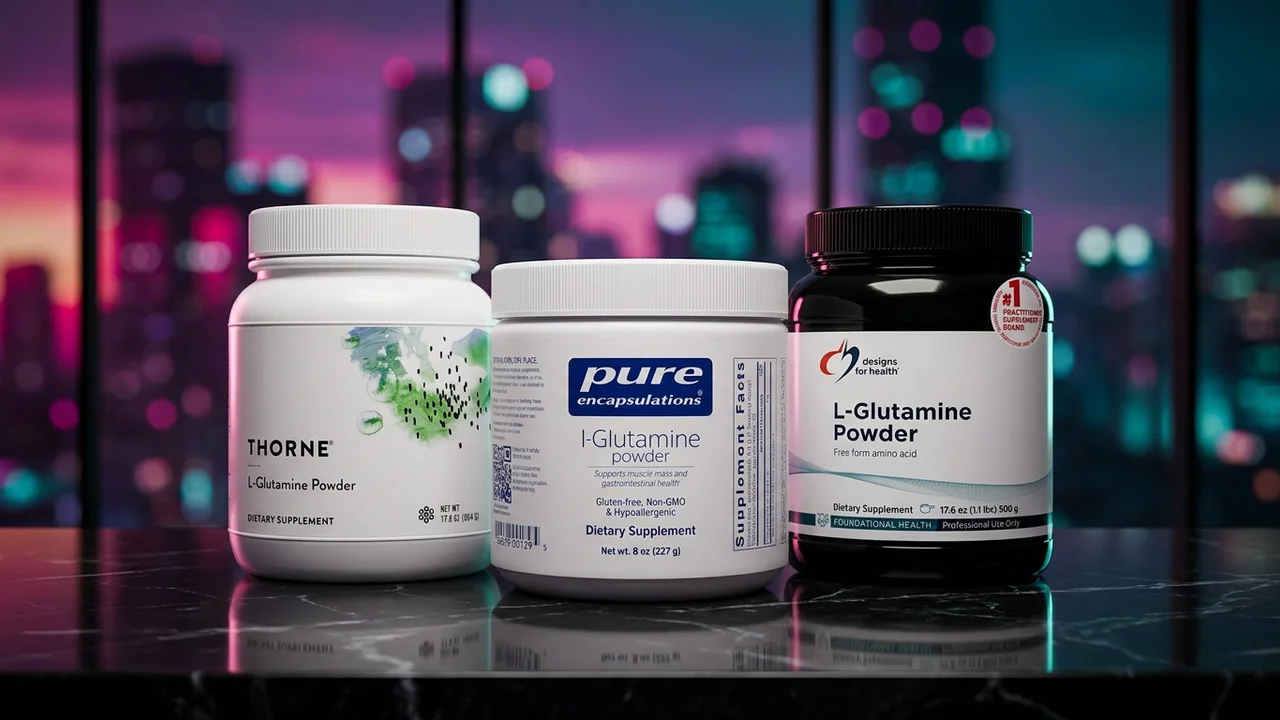
Supplementsupports the gut lining; human evidence still thin
5.8/10SAC Efficacy Score™- Effect size45%Modest
- Evidence40%Moderate
- Reliability15%Specific cases
Why these numbers?
Effect size: 15 g/day of glutamine for 8 weeks produced a 79% response rate versus 6% on placebo in post-infectious IBS with diarrhoea, and normalised intestinal permeability (Zhou 2019). One strong trial in one condition — 4.8/10.
Evidence: A single high-quality RCT: 6.8/10.
Reliability: Post-infectious IBS-D responds; the general 'gut lining' claim rests on this one group. 6.2/10.
One striking trial, one condition.
15 gdaily × 8 weeks79%responders vs 6% placebopost-infectious IBS-D — RCTGut 2019 ↓5 g three times a day in water, for 8 weeks — if the trigger was a gut infection, this is your case.For post-infectious IBS-D; unproven as a daily 'gut lining' tonic.
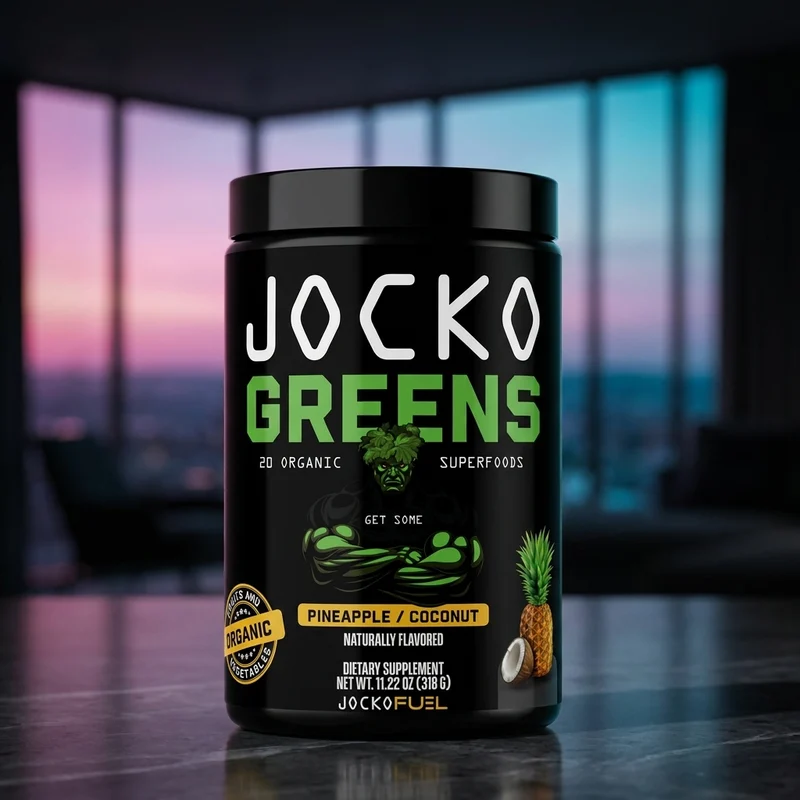
L-Glutamine · 5.8Greens Powder
Supplementadded probiotics/fiber can aid regularity; the whole-food greens benefit is largely extrapolated
⚑ convenience pick; favor disclosed doses over proprietary blends4.4/10SAC Efficacy Score™- Effect size45%Modest
- Evidence40%Preliminary
- Reliability15%Specific cases
Why these numbers?
Effect size: The added fibre and probiotics in a greens powder can aid regularity; the whole-food greens benefit is extrapolated from diets, not measured for powders. 4.2/10.
Evidence: No gut-outcome trials on greens powders themselves: 4.4/10.
Reliability: Formulas vary enormously; heavy-metal testing matters for algae-based blends. 5.0/10.
Fibre and probiotics in a scoop — the greens are marketing.
Treat it as a convenience, check the fibre grams and named probiotic strains — and the heavy-metal test for algae blends.Vegetables first; the powder is a top-up.
Greens Powder · 4.4Sea Moss
Supplementprebiotic fiber is plausible; no human gut-outcome trials
⚑ traditional use, not clinically proven3.3/10SAC Efficacy Score™- Effect size45%Small
- Evidence40%Preliminary
- Reliability15%Narrow
Why these numbers?
Effect size: Prebiotic fibre from seaweed is plausible, but not one human trial has measured a gut outcome for sea moss. Its variable iodine load is the one measured thing, and it is a thyroid risk. 3.0/10.
Evidence: No human trials: 3.4/10.
Reliability: Iodine content swings by batch and species: 3.6/10.
Trending, untested, iodine-loaded.
If you use it, small amounts, not daily — the iodine varies by batch and a thyroid does not like surprises.Ranked, not recommended.Psyllium gives you the fibre with a trial record.
Sea Moss · 3.3











My Stack
The picks from the ranking as a protocol: dose, timing, cost, cautions and our top pick for each — nothing invented, nothing added up. The full sheet opens as a layer.
Nothing equipped yet — use “+ Add to my stack” on the cards above. The sheet fills in dose, timing, cost and cautions for whatever you pick.
Our Methodology
How every score on this page is calculated — transparent and free to cite.
Research & Sources
The key human trials behind the rankings above — every PMID verified against its primary source.
- Magnesium (for constipation)Held 2002 — Oral Mg(2+) supplementation reverses age-related neuroendocrine and sleep EEG changes in humans · Pharmacopsychiatry · PMID 12163983
- Magnesium (for constipation)Abbasi 2012 — The effect of magnesium supplementation on primary insomnia in elderly: A double-blind placebo-controlled clinical trial · Journal of Research in Medical Sciences · PMID 23853635
- Peppermint Oil (enteric-coated)Khanna 2014 (IBS meta-analysis) — Peppermint oil for the treatment of irritable bowel syndrome: a systematic review and meta-analysis · Journal of Clinical Gastroenterology · PMID 24100754
- Peppermint Oil (enteric-coated)Ford 2008 (BMJ — fibre/antispasmodics/peppermint) — Effect of fibre, antispasmodics, and peppermint oil in the treatment of irritable bowel syndrome: systematic review and meta-analysis · BMJ · PMID 19008265
- ProbioticsMcFarland 2006 (AAD + C. difficile meta-analysis) — Meta-analysis of probiotics for the prevention of antibiotic associated diarrhea and the treatment of Clostridium difficile disease · American Journal of Gastroenterology · PMID 16635227
- ProbioticsWhorwell 2006 (B. infantis 35624 in IBS) — Efficacy of an encapsulated probiotic Bifidobacterium infantis 35624 in women with irritable bowel syndrome · American Journal of Gastroenterology · PMID 16863564
- Prebiotic Fibervan der Schoot 2022 (constipation meta-analysis) — The Effect of Fiber Supplementation on Chronic Constipation in Adults: An Updated Systematic Review and Meta-Analysis of Randomized Controlled Trials · The American Journal of Clinical Nutrition · PMID 35816465
- Prebiotic FiberChristodoulides 2016 (CIC meta-analysis) — Systematic review with meta-analysis: effect of fibre supplementation on chronic idiopathic constipation in adults · Alimentary Pharmacology & Therapeutics · PMID 27170558
- Digestive EnzymesBaijal & Tandon 2021 (lactase RCT) — Effect of lactase on symptoms and hydrogen breath levels in lactose intolerance: A crossover placebo-controlled study · JGH Open · PMID 33490624
- Digestive EnzymesShaukat 2010 (lactose-intolerance review) — Systematic review: effective management strategies for lactose intolerance · Annals of Internal Medicine · PMID 20404262
- MagnesiumMorishita et al. 2021 — Senna Versus Magnesium Oxide for the Treatment of Chronic Constipation: A Randomized, Placebo-Controlled Trial · Am J Gastroenterol · PMID 32969946
- Peppermint OilCash et al. 2016 — A Novel Delivery System of Peppermint Oil Is an Effective Therapy for Irritable Bowel Syndrome Symptoms · Dig Dis Sci · PMID 26319955
- ProbioticsFord et al. 2014 — Efficacy of prebiotics, probiotics, and synbiotics in irritable bowel syndrome and chronic idiopathic constipation: systematic review and meta-analysis · Am J Gastroenterol · PMID 25070051
- ProbioticsHempel et al. 2012 — Probiotics for the prevention and treatment of antibiotic-associated diarrhea: a systematic review and meta-analysis · JAMA · PMID 22570464
- Prebiotic FiberMcRorie & McKeown 2017 — Understanding the Physics of Functional Fibers in the Gastrointestinal Tract: An Evidence-Based Approach to Resolving Enduring Misconceptions about Insoluble and Soluble Fiber · J Acad Nutr Diet · PMID 27863994
- Prebiotic FiberJalanka et al. 2019 — The Effect of Psyllium Husk on Intestinal Microbiota in Constipated Patients and Healthy Controls · Int J Mol Sci · PMID 30669509
- GingerHu et al. 2011 — Effect of ginger on gastric motility and symptoms of functional dyspepsia · World J Gastroenterol · PMID 21218090
- GingerErnst & Pittler 2000 — Efficacy of ginger for nausea and vomiting: a systematic review of randomized clinical trials · Br J Anaesth · PMID 10793599
- Digestive EnzymesIaniro et al. 2016 — Digestive Enzyme Supplementation in Gastrointestinal Diseases · Curr Drug Metab · PMID 26806042
- L-GlutamineZhou et al. 2019 — Randomised placebo-controlled trial of dietary glutamine supplements for postinfectious irritable bowel syndrome · Gut · PMID 30108163