
Top 11 Best Probiotics Supplements (2026)
 01 · Best overall✓ Label verified · Supplement Facts read Sep 7, 2026
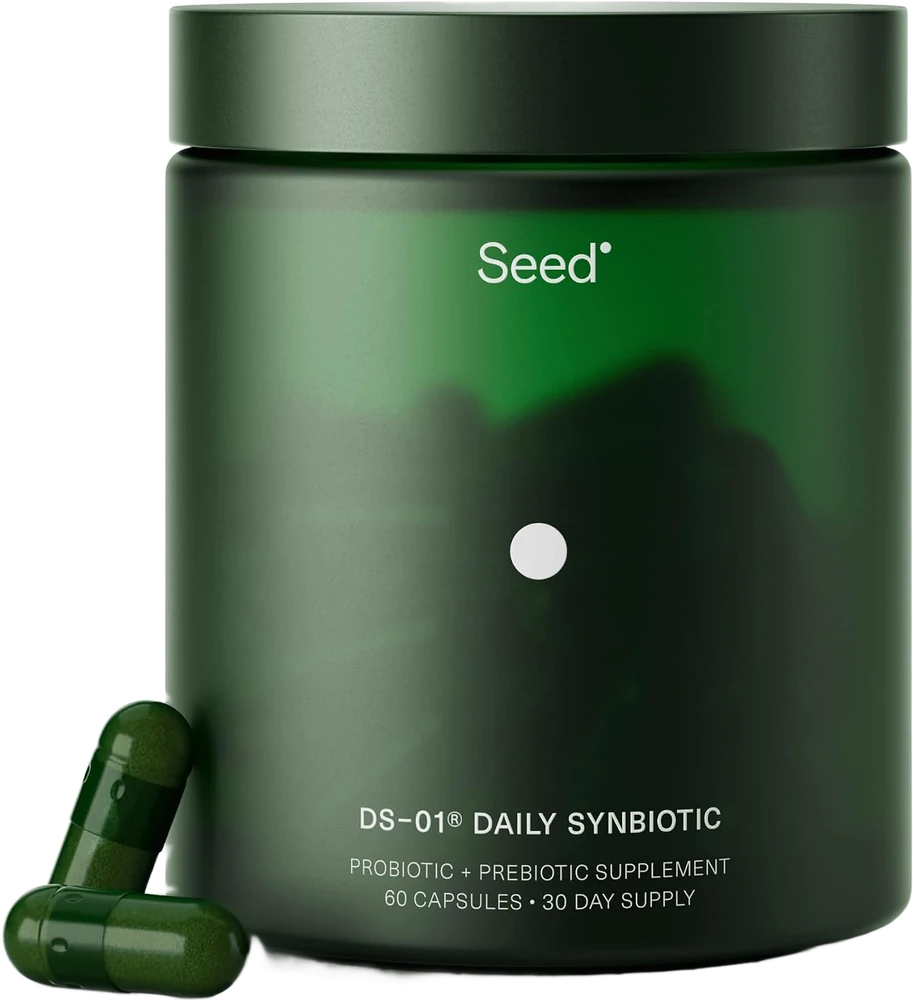
Best overall: Seed DS-01 Daily Synbiotic
The clinical gold standard — a survivability-engineered, broad 24-strain synbiotic with a built-in prebiotic, trialed specifically on bloating and gas. The default pick for general gut health.
$50 / month$1.67 / 2-capsule daily dose
Why it wins: all five scores, pros & cons, full label
- Reports its count as AFU (viable cells) rather than a manufacture-date CFU number — a more honest measure of what actually reaches your gut alive
- Capsule-in-capsule (ViaCap) protects the bacteria through stomach acid, directly solving the survivability problem that sinks most probiotics
- True synbiotic — the built-in prebiotic feeds the strains, so it's a complete tool rather than bacteria with nothing to eat
- Broadest studied strain panel here (24 strains) with documentation, trialed on real endpoints like bloating and gas
- Shelf-stable and vegan — no refrigeration, travels well
- Subscription-first and the most expensive per day on the list — roughly $50/month
- Broad 24-strain approach is a general-purpose reset, not a single-strain tool for one specific diagnosis like IBS (see Align, #4) or antibiotic recovery (see Florastor, #5)
- Strains
- 24 named probiotic strains (broad Lactobacillus + Bifidobacterium panel)
- Potency
- 53.6 billion AFU (Active Fluorescent Units — viable cells, not manufacture-date CFU)
- Delivery
- ViaCap 2-in-1 capsule-in-capsule (inner probiotic protected by outer prebiotic shell)
- Synbiotic
- Includes Indian-pomegranate prebiotic to feed the strains — probiotic + prebiotic in one
- Bottle
- 60 capsules (30-day supply at 2/day), vegan, dairy-free, shelf-stable (no fridge)
- Testing
- Third-party tested; strains documented; AFU guaranteed

Our take — If you want one probiotic for general gut health, bloating, and a credible daily synbiotic, Seed DS-01 is the pick and the benchmark the rest of this list is measured against. It does the two hard things right: it names and documents a broad studied strain panel, and it actually gets those strains to your gut alive via the capsule-in-capsule design, with a prebiotic built in to feed them. The catch is cost and commitment — it's a subscription and the priciest per day here. But for the default 'which probiotic should most people take' question, this is the most defensible answer on the shelf. If your need is narrower (IBS, post-antibiotic, women's flora), skip down to the targeted picks.
 02
02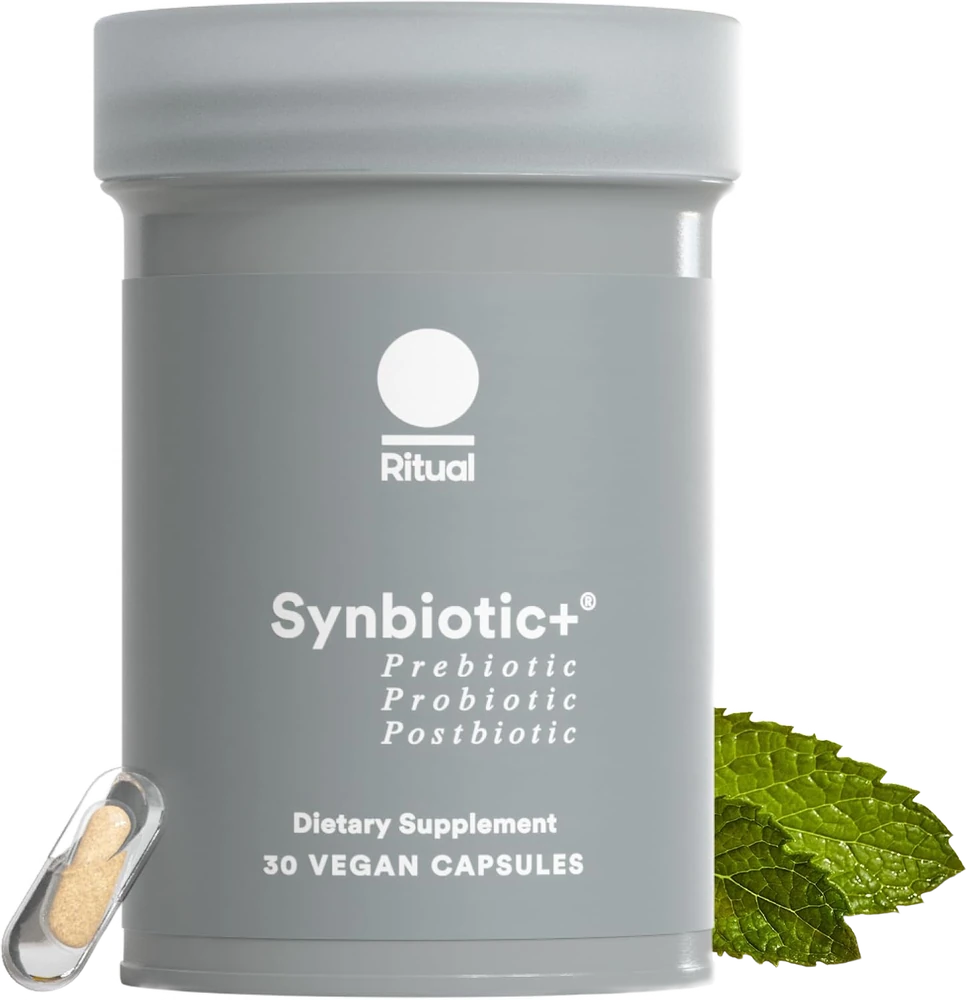 03
03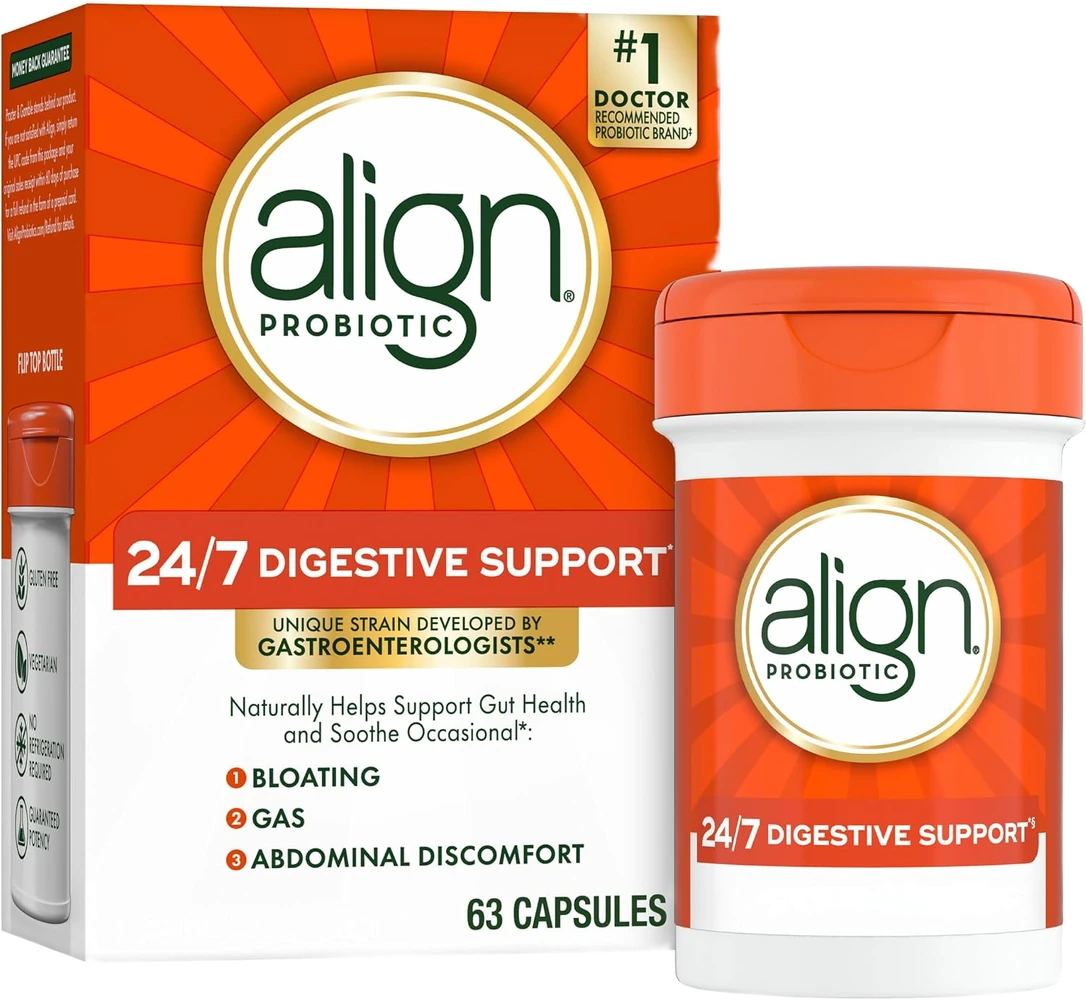 04
04 05
05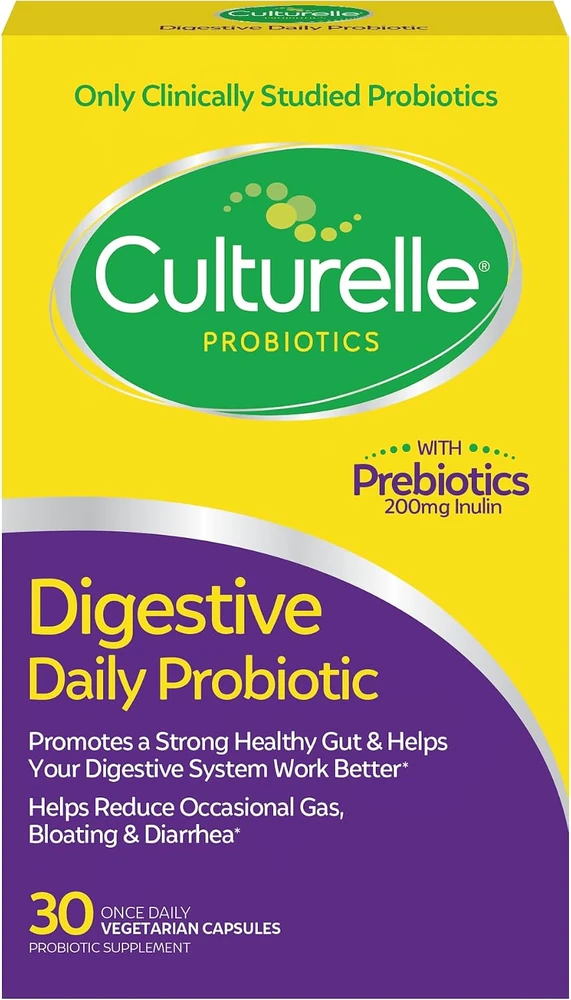 06
06 07
07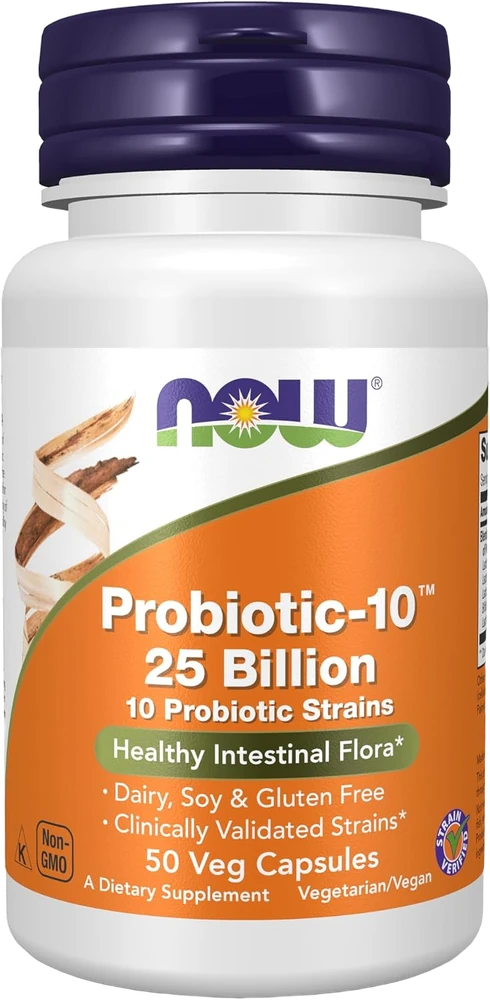 08
08 09
09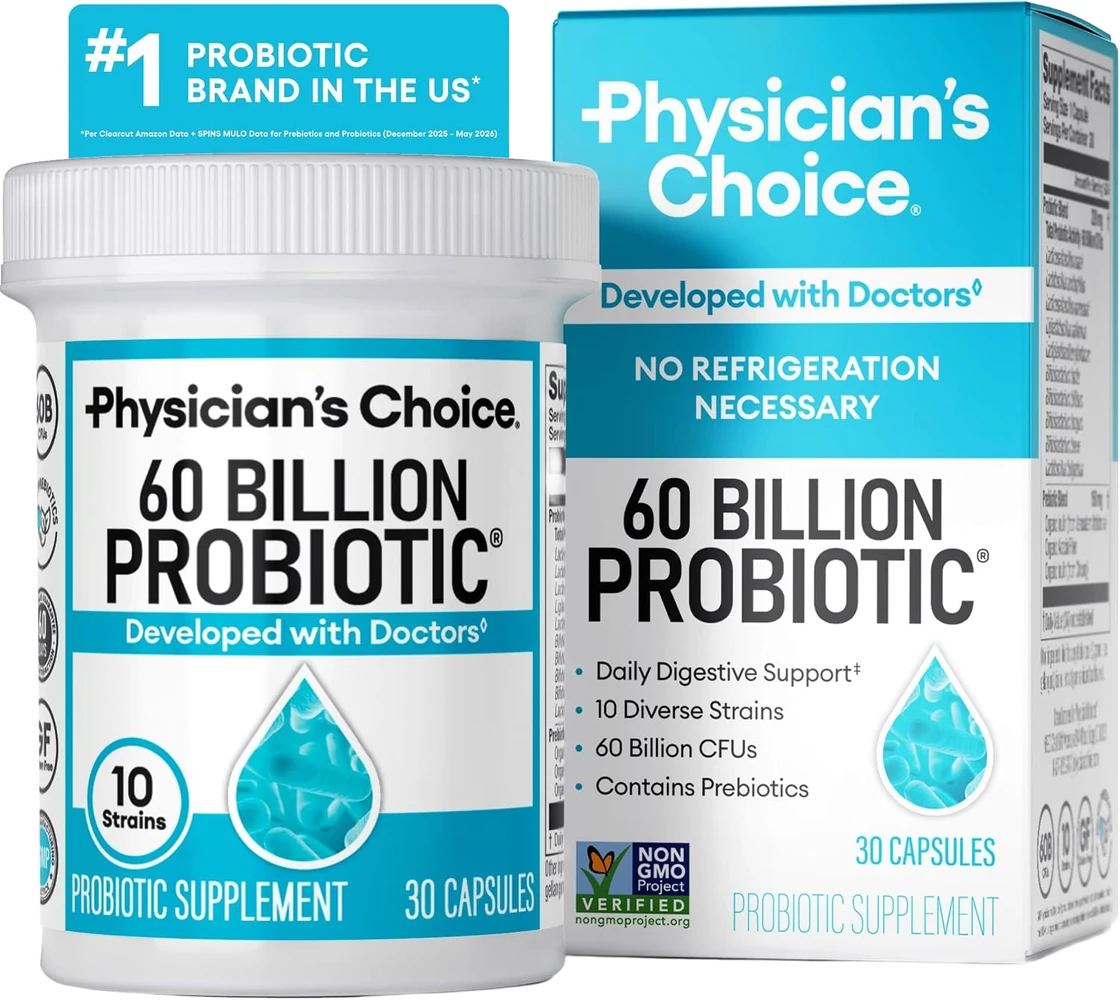 10
10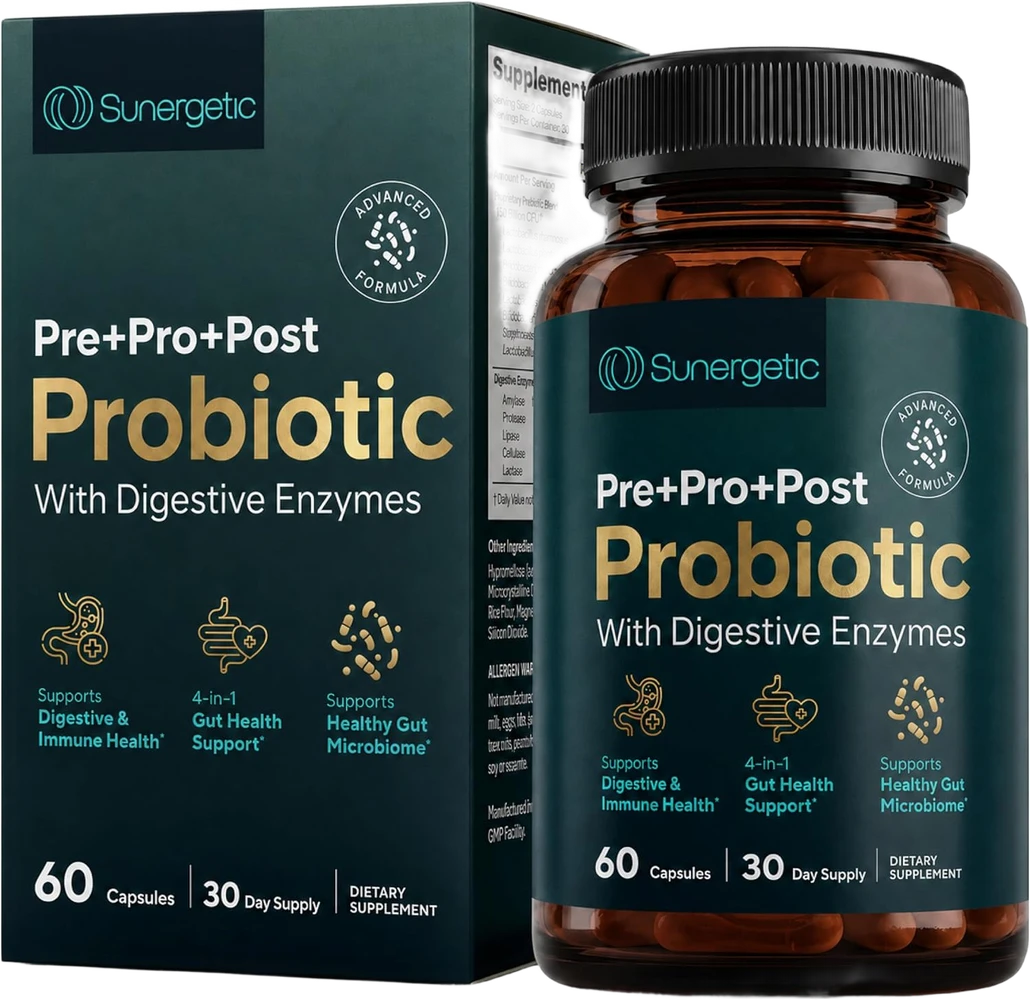 11
11Who Wins Which Aspect
Sorted by overall SAC Product Score™ — the official ranking.
| # | Pick | Score | Strain specificity + clinical match35% | Survivability to the gut25% | Formulation completeness20% | Third-party testing + transparency12% | Value / cost-per-day8% | Cost Per Dose | Buy |
|---|---|---|---|---|---|---|---|---|---|
| 01 | | 9.6 | 9.51 | 10.01 | 10.01 | 9.51 | 7.5 | $1.67 / 2-capsule daily dose | Check price |
| Reports its count as AFU (viable cells) rather than a manufacture-date CFU number — a more honest measure of what actually reaches your gut aliveSubscription-first and the most expensive per day on the list — roughly $50/month | |||||||||
| 02 | | 9.0 | 9.02 | 8.53 | 9.52 | 9.51 | 8.5 | $1.00 / 1-capsule daily dose | Check price |
| Includes L. reuteri and L. fermentum — the Lactobacillus strains most associated with women's vaginal/urogenital flora, so the formulation matches the use-caseNeeds refrigeration after opening to best preserve potency in many lots — less travel-friendly than shelf-stable Seed (#1) | |||||||||
| 03 | | 8.9 | 9.02 | 9.02 | 9.52 | 9.51 | 6.0 | $1.80 / 1-capsule daily dose | Check price |
| Uses two genuinely studied strains by code — LGG and BB-12 — rather than an anonymous blend, so you know exactly what you're gettingMost expensive per day on the entire list — the 3-in-1 concept and traceability carry a real premium | |||||||||
| 04 | | 8.1 | 9.51 | 7.5 | 6.5 | 8.03 | 7.5 | $0.51 / 1-capsule daily dose | Check price |
| Delivers B. infantis 35624 — the precise strain shown in a randomized trial to relieve IBS pain and bloating (Whorwell 2006), which is why the strain, not the CFU, is the pointSingle strain at 1B CFU looks tiny next to 50-60B blends — easy to wrongly dismiss if you shop on the CFU number | |||||||||
| 05 | | 8.0 | 9.02 | 9.02 | 5.5 | 7.5 | 7.0 | $0.67 / 2-capsule daily dose | Check price |
| It's a yeast — so unlike every bacterial probiotic here, antibiotics don't kill it, and you can take it during a course, not just after (McFarland 2010; Hempel 2012)Purpose-built for antibiotic-associated and acute diarrhea — it's not a broad daily gut-maintenance probiotic for most people | |||||||||
| 06 | | 7.8 | 9.02 | 6.0 | 7.5 | 8.03 | 9.03 | $0.67 / 1-capsule daily dose | Check price |
| Centered on LGG, the strain with the deepest single-strain research base — including digestive support and a role in antibiotic-associated diarrhea contextsSingle-strain LGG is narrower than a multi-strain synbiotic if you want broad coverage | |||||||||
| 07 | | 7.5 | 7.0 | 8.0 | 7.0 | 7.0 | 9.52 | $0.47 / 1-capsule daily dose | Check price |
| Includes LGG as the lead strain, so it pairs a studied workhorse with broad multi-strain coverageBeyond the named LGG, the rest of the 12-strain blend is less specifically tied to a single studied indication | |||||||||
| 08 | | 7.3 | 7.0 | 6.5 | 7.0 | 8.52 | 10.01 | $0.28 / 1-capsule daily dose | Check price |
| Cheapest per day here by a wide margin — the value pick for everyday general supportNo delivery-system or survivability engineering (no delayed-release/enteric design) — a plain capsule means more strain loss to stomach acid | |||||||||
| 09 | | 6.9 | 7.53 | 6.5 | 5.5 | 8.03 | 7.0 | $0.60 / 1 chewable tablet | Check price |
| Delivers one specific, well-characterized strain (L. reuteri DSM 17938) — you know exactly what you're taking100M CFU and a single strain make it the narrowest, lowest-coverage pick here — not a general gut-health solution | |||||||||
| 10 | | 6.8 | 5.0 | 6.0 | 9.03 | 8.52 | 9.52 | $0.87 / 1-capsule daily dose | Check price |
| High 60B CFU with a 150 mg three-fiber organic prebiotic blend, so it's a synbiotic not just a probioticThe panel names ten species but no strain designation for any of them, and no per-species amounts | |||||||||
| 11 | | 6.6 | 5.5 | 7.0 | 8.0 | 5.5 | 8.5 | $0.77 / 2-capsule daily dose | Check price |
| Only probiotic on the list with a digestive enzyme blend, each enzyme printed in activity unitsOnly 3 billion CFU as one blend total; three Bacillus coagulans entries carry no strain designation | |||||||||
The Other 10, Ranked
- 02
Best for women: Garden of Life Dr. Formulated Once Daily Women's
9.0SAC Score™A premium once-daily built specifically for women's digestive AND vaginal flora — featuring L. reuteri and L. fermentum, the strains studied for urogenital health.
StrongestFormulation completeness9.52WeakestSurvivability to the gut8.5- Strains
- 16 strains including Lactobacillus reuteri + Lactobacillus fermentum (women's-flora strains)
- Potency
- 50 billion CFU guaranteed
- Target
- Digestive + vaginal/urogenital flora — formulated for women specifically
All five scores, pros & cons, full label
What We Like- Includes L. reuteri and L. fermentum — the Lactobacillus strains most associated with women's vaginal/urogenital flora, so the formulation matches the use-case
- Genuinely once-daily at a guaranteed 50B CFU — simple adherence
- NSF Certified with organic prebiotic fiber, making it a complete synbiotic rather than bacteria alone
- Garden of Life is transparent on sourcing and certification — a strong trust profile
What You Live With- Needs refrigeration after opening to best preserve potency in many lots — less travel-friendly than shelf-stable Seed (#1)
- Premium price for a 30-count, and the women's-flora benefit is specific — men or general users get no extra value from the urogenital strains
- Synbiotic
- Organic prebiotic fiber blend included
- Bottle
- 30 capsules (30-day supply at 1/day)
- Testing
- NSF Certified, non-GMO, gluten-free
Our take — For women who want a probiotic that looks after both digestive and vaginal flora, this is the clearest pick on the list. The reason it earns the women's slot isn't marketing — it's that the formulation includes L. reuteri and L. fermentum, the strains actually studied for urogenital health, rather than a generic blend with a pink label. Once-daily dosing and NSF certification make it easy to trust and easy to stick with. It's premium-priced and the urogenital benefit is use-case-specific, so general or male users are better served by Seed (#1); but for its intended buyer it's exactly right.
- 03
Best 3-in-1: Ritual Synbiotic+
8.9SAC Score™A true 3-in-1 — probiotic + prebiotic + postbiotic — pairing the two most-studied strains (LGG and BB-12) with a tributyrin postbiotic, in a delayed-release capsule with full ingredient traceability.
StrongestFormulation completeness9.52WeakestValue / cost-per-day6.0- Strains
- Lactobacillus rhamnosus GG (LGG) + Bifidobacterium animalis BB-12 — two of the most-studied strains
- Potency
- 11 billion CFU (dosed to the strains, not maximized for a headline number)
- 3-in-1
- Probiotic + PreforPro prebiotic + tributyrin postbiotic (a butyrate precursor)
All five scores, pros & cons, full label
What We Like- Uses two genuinely studied strains by code — LGG and BB-12 — rather than an anonymous blend, so you know exactly what you're getting
- Only pick here that bundles a postbiotic (tributyrin, a butyrate source) on top of probiotic + prebiotic — the most complete formulation concept
- Delayed-release capsule directly targets survivability
- Ritual's signature ingredient traceability (named origins) is the strongest transparency story on the list
What You Live With- Most expensive per day on the entire list — the 3-in-1 concept and traceability carry a real premium
- 11B CFU looks modest next to 50-60B competitors; it's appropriately dosed for the strains, but CFU-shoppers will undervalue it
- Delivery
- Delayed-release capsule to protect strains through stomach acid
- Bottle
- 30 capsules (30-day supply at 1/day), vegan
- Testing
- Full ingredient traceability (named suppliers/origins), third-party tested
Our take — Ritual Synbiotic+ is for the buyer who wants the most complete formulation on paper and total ingredient transparency. It's the only pick that goes probiotic + prebiotic + postbiotic, and it builds on LGG and BB-12 — strains with real evidence behind them — rather than padding a CFU count with unnamed bugs. The trade-offs are price (it's the costliest per day here) and an 11B CFU number that under-sells it to people who still shop on billions. If traceability and a 3-in-1 design matter more to you than raw CFU or lowest cost, this is the pick; if you want broader strain coverage for similar money, Seed (#1) is the alternative.
- 04
Best for IBS: Align Probiotic 24/7 Digestive Support
8.1SAC Score™The #1 GI-recommended single strain for IBS-type symptoms — Bifidobacterium 35624 (Bifantis), the strain studied for relief of IBS pain and bloating. Low CFU on purpose: this is about the strain, not the number.
StrongestStrain specificity + clinical match9.51WeakestFormulation completeness6.5- Strain
- Bifidobacterium 35624 (Bifantis) — the exact strain studied for IBS symptoms
- Potency
- 1 billion CFU (the strain's studied dose — deliberately not maximized)
- Indication
- IBS-type abdominal pain, bloating, gas, and irregularity
All five scores, pros & cons, full label
What We Like- Delivers B. infantis 35624 — the precise strain shown in a randomized trial to relieve IBS pain and bloating (Whorwell 2006), which is why the strain, not the CFU, is the point
- The most GI-recommended probiotic brand — meaningful for a symptom-driven IBS purchase
- 1B CFU is the studied dose for this strain, a textbook example of why bigger CFU isn't better
- Long 63-count bottle gives a ~2-month runway
What You Live With- Single strain at 1B CFU looks tiny next to 50-60B blends — easy to wrongly dismiss if you shop on the CFU number
- Narrowly targeted at IBS-type symptoms; not the pick for general gut health or post-antibiotic recovery
- Bottle
- 63 capsules (~2-month supply at 1/day)
- Recommendation
- Most GI-/gastroenterologist-recommended probiotic brand
Our take — Align is the answer to one specific question: 'I have IBS-type cramping, bloating, and irregularity — what's the evidence-backed strain?' That strain is Bifidobacterium 35624 (Bifantis), and Align is how you buy it. This is the clearest illustration on the list of why CFU is the wrong number — at 1 billion CFU it looks underpowered next to the 50-billion blends, but 1B is the dose the trials used for this strain, and the strain is what relieves the symptoms. For IBS, buy the strain, not the billions. For anything other than IBS-type symptoms, choose a different pick.
- 05
Best post-antibiotic: Florastor Daily Probiotic
8.0SAC Score™A probiotic YEAST, not a bacterium — Saccharomyces boulardii CNCM I-745 survives antibiotics that wipe out bacterial probiotics, making it the evidence-backed pick for antibiotic-associated diarrhea.
StrongestStrain specificity + clinical match9.02WeakestFormulation completeness5.5- Organism
- Saccharomyces boulardii CNCM I-745 — a probiotic YEAST, not a bacterium
- Dose
- 250 mg of S. boulardii per serving (the studied form)
- Key property
- Antibiotic-resistant — a yeast, so antibacterial antibiotics can't kill it; can be taken alongside a course
All five scores, pros & cons, full label
What We Like- It's a yeast — so unlike every bacterial probiotic here, antibiotics don't kill it, and you can take it during a course, not just after (McFarland 2010; Hempel 2012)
- Uses the specific studied strain S. boulardii CNCM I-745, the form behind the antibiotic-associated-diarrhea evidence
- Shelf-stable and resilient — survives stomach acid well and needs no fridge
- Clear, single-purpose tool: the textbook choice for anyone starting a round of antibiotics
What You Live With- Purpose-built for antibiotic-associated and acute diarrhea — it's not a broad daily gut-maintenance probiotic for most people
- A yeast is the wrong tool if your goal is to colonize the gut with Lactobacillus/Bifidobacterium for general balance
- Indication
- Antibiotic-associated diarrhea, traveler's diarrhea, general resilience during antibiotics
- Bottle
- 54 capsules; shelf-stable (no refrigeration)
Our take — Florastor is the pick for one situation that catches everyone out: you've just been prescribed antibiotics. Standard bacterial probiotics get killed by the same drugs, but Florastor is Saccharomyces boulardii — a yeast — so it survives, which is exactly why it's the evidence-backed option for antibiotic-associated diarrhea and why you can take it during the course rather than waiting until after. It's a specialist, not a daily generalist: outside of antibiotic recovery or acute/traveler's diarrhea, most people should be on a bacterial synbiotic like Seed (#1). But keep a bottle on hand for the next time a doctor hands you a prescription.
- 06
Most-studied strain: Culturelle Daily Probiotic
7.8SAC Score™Built on LGG — Lactobacillus rhamnosus GG, the single most-researched probiotic strain in the world — with 200 mg of inulin to feed it, at a fair everyday price.
StrongestStrain specificity + clinical match9.02WeakestSurvivability to the gut6.0- Strain
- Lactobacillus rhamnosus GG (LGG) — the most-studied single probiotic strain
- Potency
- 10 billion CFU per capsule (40 mg LGG); the panel does not say whether the count is at manufacture or at expiration
- Synbiotic
- Inulin (chicory root extract) 200 mg included to feed the strain
All five scores, pros & cons, full label
What We Like- Centered on LGG, the strain with the deepest single-strain research base — including digestive support and a role in antibiotic-associated diarrhea contexts
- Short, readable label: LGG with its GG designation, 40 mg and 10 billion CFU, plus 200 mg of inulin
- Single, named, studied strain means you know precisely what you're taking and why
- Reasonable price and broadly available — easy to find and sustain
What You Live With- Single-strain LGG is narrower than a multi-strain synbiotic if you want broad coverage
- Plain capsule with no delayed-release design, and no promise of potency through expiration printed on the panel
- 10B CFU and a simple inulin prebiotic make it a no-frills tool — fine, but not a complete 3-in-1 like Ritual (#3)
- Bottle
- 30 capsules (30-day supply at 1/day)
- Testing
- No certification printed in the gallery; free-from tile lists wheat, dairy, soy, eggs, peanuts, tree nuts and artificial dyes
Our take — Culturelle is the pick when you want the most-studied strain on earth, simply and affordably. LGG is the workhorse of the probiotic literature, and Culturelle delivers it as a single named strain with 200 mg of inulin to feed it — no CFU theater, no mystery blend. It's deliberately narrow: one strain, sensible dose. If you want LGG specifically (a great default for general digestive support and a sensible companion around antibiotics), this is the cleanest way to get it; if you want broad multi-strain coverage, move up to Seed (#1) or Renew Life.
- 07
Best for sensitive gut: Renew Life Ultimate Flora Extra Care 50 Billion
7.5SAC Score™A high-potency 12-strain blend led by LGG in a delayed-release capsule — a broad, gentle multi-strain option for sensitive guts and general IBS-type support.
StrongestValue / cost-per-day9.52WeakestStrain specificity + clinical match7.0- Strains
- 12 strains, led by Lactobacillus rhamnosus GG (LGG)
- Potency
- 50 billion CFU
- Delivery
- Delayed-release capsule to protect strains past stomach acid
All five scores, pros & cons, full label
What We Like- Includes LGG as the lead strain, so it pairs a studied workhorse with broad multi-strain coverage
- Delayed-release capsule targets survivability — the strains are protected past the stomach
- Large 60-count bottle and a reasonable per-day cost
- Higher-potency option that's still positioned for sensitive, reactive guts
What You Live With- Beyond the named LGG, the rest of the 12-strain blend is less specifically tied to a single studied indication
- Often requires refrigeration for best potency; less convenient than shelf-stable options
- Bottle
- 60 capsules (~2-month supply at 1/day)
- Target
- Sensitive / reactive guts; broad daily digestive support
Our take — Renew Life Ultimate Flora Extra Care is a solid broad-spectrum, high-potency option for people with sensitive or reactive guts who want multi-strain coverage with at least one named, studied strain (LGG) doing the heavy lifting. The delayed-release capsule means the 50 billion CFU has a real chance of surviving to the colon. It sits mid-pack because, beyond LGG, the blend is more general than targeted, and many lots want refrigeration. A good everyday pick if you respond well to broad Lactobacillus/Bifidobacterium blends; for a documented survivability-engineered synbiotic, Seed (#1) is the step up.
- 08
Best budget: NOW Probiotic-10 25 Billion
7.3SAC Score™No-frills 10-strain coverage at the lowest cost-per-day on the list, with a strain code printed for every strain and NOW's household-brand QC, for budget-conscious daily gut support.
StrongestValue / cost-per-day10.01WeakestSurvivability to the gut6.5- Strains
- 10 strains, each printed with its code: La-14, Bl-04, Lp-115, Lc-11, Lr-32, Lpc-37, Bb-18, St-21, Ls-33, Bl-05
- Potency
- 25 billion CFU in one 160 mg blend (no per-strain amounts); the bottle says it is formulated to deliver this through the Best By date
- Prebiotic
- FOS listed among the other ingredients, no amount printed
All five scores, pros & cons, full label
What We Like- Cheapest per day here by a wide margin — the value pick for everyday general support
- All 10 strains printed with their codes, plus a Strain Verified seal and a DNA-fingerprint identity statement
- Bottle says it is formulated to deliver 25 billion CFU through the Best By date
- Large 50-capsule bottle and a clean, no-marketing label
What You Live With- No delivery-system or survivability engineering (no delayed-release/enteric design) — a plain capsule means more strain loss to stomach acid
- One 160 mg blend figure with no amount per strain, no coded strain tied to a studied indication, and FOS only as an unquantified other ingredient
- Bottle
- 50 veg capsules (~7-week supply at 1/day); directions 1 capsule 1 to 2 times daily between meals or on an empty stomach
- Testing
- GMP Quality Assured and Strain Verified seals; strains identity-verified by DNA fingerprinting (label statement)
- Value
- Lowest cost-per-day on this list
Our take — NOW Probiotic-10 is the budget answer: the lowest cost-per-day on the list from a family-owned brand with a GMP Quality Assured seal. For someone who just wants reasonable daily Lactobacillus/Bifidobacterium coverage without spending much, it does the job at 25 billion CFU across 10 strains, each printed with its code. The honest trade-offs are the plain capsule (no delivery engineering, so more of the dose is at risk from stomach acid than with the delayed-release picks), no amount per strain, and a prebiotic (FOS) that appears only as an unquantified other ingredient. Follow the bottle's directions: between meals or on an empty stomach. Great value floor; if you can stretch the budget, a delivery-engineered synbiotic is the step up.
- 09
Best single-strain specialist: BioGaia Protectis Chewable
6.9SAC Score™A focused L. reuteri DSM 17938 specialist — chewable, no refrigeration, low-CFU by design — for sensitive stomachs and anyone wanting that one specific studied strain.
StrongestThird-party testing + transparency8.03WeakestFormulation completeness5.5- Strain
- Limosilactobacillus reuteri DSM 17938 — a single, specific studied strain
- Potency
- 100 million CFU (the strain's studied dose — intentionally low)
- Format
- Chewable tablet — easy for sensitive stomachs and non-capsule-takers
All five scores, pros & cons, full label
What We Like- Delivers one specific, well-characterized strain (L. reuteri DSM 17938) — you know exactly what you're taking
- Chewable and shelf-stable — convenient for sensitive stomachs, kids-style dosing, and people who dislike capsules
- 100M CFU is the studied dose for this strain — another reminder that the right number is strain-dependent, not 'as high as possible'
- No refrigeration required
What You Live With- 100M CFU and a single strain make it the narrowest, lowest-coverage pick here — not a general gut-health solution
- Specialist use-case: valuable if you specifically want L. reuteri DSM 17938, less so for broad daily support
- Bottle
- 30 chewable tablets (30-day supply at 1/day); no refrigeration
- Target
- Sensitive stomachs; targeted L. reuteri supplementation
Our take — BioGaia Protectis is the single-strain specialist's pick: a clean, chewable, shelf-stable way to take exactly Lactobacillus reuteri DSM 17938 and nothing else. Like Align (#4), it's a deliberate low-CFU product — 100 million is the studied dose for this strain — and it's a final reminder that in probiotics the right number depends entirely on the strain, not on chasing billions. It lands at #9 only because it's the narrowest tool on the list, not because it's low quality: for broad gut health most people want a multi-strain synbiotic. Buy it if you specifically want L. reuteri DSM 17938, have a sensitive stomach, or prefer a chewable.
- 10
Low-cost high-CFU: Physician's Choice Probiotics 60 Billion CFU
6.8SAC Score™The bestseller — 60 billion CFU across 10 named species with a 150 mg organic prebiotic blend, at a mainstream price that undercuts the premium synbiotics. The panel prints no strain codes.
StrongestValue / cost-per-day9.52WeakestStrain specificity + clinical match5.0- Species
- 10 species named, no strain designations (L. casei, L. acidophilus, L. paracasei, L. salivarius, L. plantarum, B. lactis, B. bifidum, B. longum, B. breve, L. bulgaricus); one 220 mg blend
- Potency
- 60 billion CFU per capsule
- Delivery
- Vegetable capsule (hypromellose, gellan gum); the maker's listing says acid-resistant, the panel prints no delivery design
All five scores, pros & cons, full label
What We Like- High 60B CFU with a 150 mg three-fiber organic prebiotic blend, so it's a synbiotic not just a probiotic
- Box prints a third-party tested statement and carries the Non-GMO Project Verified seal
- Very widely sold and easy to find; mainstream price
- Shelf-stable (no refrigeration necessary) and no subscription required
What You Live With- The panel names ten species but no strain designation for any of them, and no per-species amounts
- The acid-resistant capsule is a maker claim; the panel shows a plain vegetable capsule
- Not a targeted tool: no matched strain for IBS or post-antibiotic use
- Prebiotic
- 150 mg blend: organic inulin (Jerusalem artichoke), organic acacia fiber, organic inulin (chicory)
- Bottle
- 30 capsules (30-day supply at 1/day)
- Testing
- Box prints third-party tested for safety, purity and potency; Non-GMO Project Verified; no refrigeration necessary
Our take — Physician's Choice is a low-cost high-CFU generalist — the bottle to grab when you want broad daily gut support without a subscription or a premium price. It prints 60 billion CFU, a 150 mg organic prebiotic blend, a third-party tested statement and a Non-GMO Project Verified seal. Read the label before the front, though: it lists ten species and not one strain designation, so you cannot match anything in it to the studied strains, and the acid-resistant capsule is the maker's statement rather than something the panel shows. If your problem is IBS or antibiotic recovery, a targeted strain beats it; if you want to know exactly which strains you are taking, choose a pick that prints them.
- 11
Probiotic + enzymes in one: Sunergetic 4-in-1 Probiotic with Digestive Enzymes
6.6SAC Score™The only probiotic here that adds digestive enzymes: a 3 billion CFU Bacillus blend with DE111, PreforPro, dried yeast fermentate and an enzyme blend with activity units, in two capsules. The probiotic half is thin on the panel and no third-party listing was found.
StrongestValue / cost-per-day8.5WeakestStrain specificity + clinical match5.5- Probiotic
- 3 billion CFU Bacillus blend (28.9 mg total, no per-strain amounts): B. coagulans x3, DE111 (B. subtilis), MuniSpore B. clausii CSI08
- Prebiotic
- PreforPro 7.5 mg
- Postbiotic
- Dried yeast fermentate (S. cerevisiae) 30 mg
All five scores, pros & cons, full label
What We Like- Only probiotic on the list with a digestive enzyme blend, each enzyme printed in activity units
- Probiotic, PreforPro prebiotic and dried yeast fermentate in the same two capsules
- About $0.77 a day; Subscribe & Save is about $0.69
What You Live With- Only 3 billion CFU as one blend total; three Bacillus coagulans entries carry no strain designation
- No third-party listing found at NSF; contains milk, soy and wheat
- Enzymes
- 211.5 mg blend, each enzyme given in activity units
- Bottle
- 60 capsules (30-day supply at 2/day); contains milk, soy and wheat
- Testing
- No NSF listing found; maker says third-party tested, no report published
Our take — Sunergetic's 4-in-1 earns its slot for one thing no other pick offers: a detailed digestive enzyme blend in the same two capsules as a Bacillus probiotic, PreforPro and a dried yeast fermentate. At about $0.77 a day that is a fair price if you want exactly that combination. It ranks near the bottom because the probiotic half is thin on the panel: a single 3 billion CFU total with no amount per strain, three Bacillus coagulans entries with no designation, and no promise of potency through expiration. We found no third-party listing, only the maker's own testing statement, and it contains milk, soy and wheat. For named strains with clear amounts, Ritual Synbiotic+ or Seed DS-01 give you more to verify.
Probiotics In Four Short Lessons
Buy the strain, not the billions.
A trial result belongs to one exact organism named down to its code, such as Lactobacillus rhamnosus GG. A bottle with 30 strains and no studied strain code is a shotgun blast.
Match the strain to your problem.
IBS-type cramping, vaginal flora and recovery after antibiotics each have their own studied strains. After antibiotics, the top pick is a yeast, S. boulardii, because it survives the drugs.
Check that it survives to the gut.
Stomach acid and bile kill most unprotected bacteria. Delayed-release, capsule-in-capsule and yeast-based designs earn their place.
Ford 2014 (PMID 25070051 — 43 RCTs, probiotics reduce IBS symptoms, RR 0.79); Hempel 2012 (PMID 22570464 — JAMA, 63 RCTs, ~42% lower antibiotic-associated-diarrhea risk); McFarland 2010 (PMID 20458757 — S. boulardii systematic review, 27 RCTs); Whorwell 2006 (PMID 16863564 — B. infantis 35624 at 1×10⁸ CFU relieved IBS in 362 women). Full scoring in the methodology below.
Each pick was scored 0-10 across five criteria, then weighted to a final composite. Strain specificity and clinical match carries the most weight because it is the entire ballgame in this category: a probiotic's benefit is tied to a specific strain (the genus + species + alphanumeric code, like B. infantis 35624 or S. boulardii CNCM I-745), and that strain has to match the problem you're solving. We reward bottles that name studied strains for a real use-case and penalize "proprietary 30-strain blend" labels that hide which organisms you're actually getting. Survivability is second — a CFU count printed at the label means nothing if stomach acid kills the organisms before they reach the colon, so delayed-release capsules, acid-resistant designs, capsule-in-capsule delivery, and yeast-based probiotics (which survive both acid and antibiotics) score higher. Formulation completeness covers prebiotics/synbiotics, postbiotics, and targeted support like women's vaginal flora. Third-party testing and transparency is the trust gate — named strains, public COAs, NSF. Value is the tiebreaker, scored as honest cost-per-day, not headline price.
Strain specificity + clinical match · 35%
The decisive axis. Top marks go to bottles that name studied strains down to the code (LGG, B. infantis 35624, S. boulardii CNCM I-745, L. reuteri DSM 17938) for the exact problem they target. A single well-matched strain (Align's B. 35624 for IBS) can outrank a 30-strain blend, because the trial evidence is strain-and-indication-specific. 'Proprietary blend / 30 strains' with no codes loses heavily — you can't match an unnamed strain to a problem.
Survivability to the gut · 25%
CFU at the label is not CFU at the colon. Stomach acid and bile kill most naked probiotic bacteria, so we credit delayed-release/enteric capsules, acid-resistant designs, Seed's capsule-in-capsule, and especially yeast probiotics (S. boulardii) that survive acid AND antibiotics. AFU (Active Fluorescent Units, Seed's count of viable cells) and 'guaranteed through expiry' claims beat a big manufacture-date CFU that's mostly dead by the time you swallow it.
Formulation completeness · 20%
Whether the product is a complete tool: a synbiotic (probiotic + prebiotic to feed it), a postbiotic (like tributyrin) on top, women's-flora strains for the urogenital tract, and a CFU dose that's sensible for the strain rather than just maximal. More isn't automatically better — the right dose for B. 35624 is ~1B, while a broad reset synbiotic sensibly runs tens of billions.
Third-party testing + transparency · 12%
Does the label name its strains and guarantee potency through expiration, and is there third-party testing (NSF, public COA)? Transparency about exact strains is itself a quality signal — brands proud of their formulation publish the codes; brands hiding behind 'proprietary blend' usually have less to show.
Value / cost-per-day · 8%
Honest cost per day at the label serving, not headline bottle price. A subscription-only clinical synbiotic costs more per day but earns it on strains and survivability; a no-frills 10-strain bottle wins pure value. We weight this lightly because buying the wrong strain cheaply is still wasted money.

How probiotics work
- 1
Strains, not species
Benefits are tied to specific strains (e.g. a particular Lactobacillus or Bifidobacterium code), each studied for a specific outcome — IBS, antibiotic recovery, immunity. A label listing only genus and a huge CFU number is hiding the part that matters, which is why strain specificity is our heaviest axis.
- 2
Surviving the gut
Stomach acid and bile kill most bacteria on the way down; delayed-release capsules, acid-resistant strains, or high enough counts are how live organisms actually reach the colon. Survivability is scored second because CFU-at-manufacture means nothing if none arrive.
- 3
Transient colonizers
Most probiotics do not permanently settle — they pass through, nudging the ecosystem while present. That is why the effect depends on daily dosing and fades when you stop, an honesty most brands skip.
- 4
Prebiotics feed the result
Fiber (prebiotics) feeds both the supplement and your own microbes; synbiotic formulas that pair the two tend to outperform bacteria alone. Formulation completeness is a scored axis.
What to expect from a probiotic
Possible adjustment
Mild gas or bloating as the ecosystem shifts is common and temporary. Some IBS or regularity effects begin early; take consistently, ideally with a meal.
The reported window
Strain-matched benefits — easier digestion, more regularity, fewer flares — typically show here in the trials. A mismatched strain for your issue may do nothing, which is not the category failing but the wrong pick.
Steady support
With the right daily strain, benefits stabilize. Because colonization is transient, stopping usually returns you to baseline over a few weeks.
Match strain to goal
Pick the strain studied for YOUR outcome, ensure it survives to the gut, and pair with dietary fiber. Rotating randomly through mega-CFU tubs is how people waste money here.
The bottom line
Seed DS-01 Daily Synbiotic (#1) is the most defensible everyday probiotic on the shelf.
It does the two hard things right: it names and documents a broad studied strain panel (24 strains, 53.6B AFU), and it gets those strains to your gut alive via the capsule-in-capsule design, with a prebiotic built in to feed them. The catch is cost and commitment — it's a subscription and the priciest per day here.
For a narrower need, buy the named strain that matches your problem instead.
Garden of Life Women's (#2) contains the L. reuteri and L. fermentum strains studied for urogenital health. Florastor (#7) is Saccharomyces boulardii, a yeast antibiotics can't kill, for anyone starting a course. Culturelle (#5, LGG) is the single most-studied strain, simply and affordably.
The rule: name your problem, pick the studied strain for it, and confirm it survives the trip.
The biggest mistake is shopping on CFU and strain count — a higher count of unnamed or mismatched organisms does nothing extra. The second is ignoring survivability: a huge CFU printed at manufacture is worthless if stomach acid kills the bugs before they reach your colon, which is why delayed-release, capsule-in-capsule, and yeast-based products earn their place.
Quick Answers
What is the best probiotics pick overall?
Seed DS-01 Daily Synbiotic by Seed is our #1 pick (SAC score 9.6/10). If you want one probiotic for general gut health, bloating, and a credible daily synbiotic, Seed DS-01 is the pick and the benchmark the rest of this list is measured against. It does the two hard things right: it names and documents a broad studied strain panel, and it actually gets those strains to your gut alive via the capsule-in-capsule design, with a prebiotic built in to feed them. The catch is cost and commitment — it's a subscription and the priciest per day here. But for the default 'which probiotic should most people take' question, this is the most defensible answer on the shelf. If your need is narrower (IBS, post-antibiotic, women's flora), skip down to the targeted picks.
What is the best budget option?
NOW Probiotic-10 25 Billion at $14 / month. NOW Probiotic-10 is the budget answer: the lowest cost-per-day on the list from a family-owned brand with a GMP Quality Assured seal. For someone who just wants reasonable daily Lactobacillus/Bifidobacterium coverage without spending much, it does the job at 25 billion CFU across 10 strains, each printed with its code. The honest trade-offs are the plain capsule (no delivery engineering, so more of the dose is at risk from stomach acid than with the delayed-release picks), no amount per strain, and a prebiotic (FOS) that appears only as an unquantified other ingredient. Follow the bottle's directions: between meals or on an empty stomach. Great value floor; if you can stretch the budget, a delivery-engineered synbiotic is the step up.
How much do these picks cost?
Across our ranked picks, prices run from about $14 to $54 — exact price and cost per serving are listed on every pick card above.
How were these picks ranked?
Each pick was scored 0-10 across five criteria, then weighted to a final composite. Strain specificity and clinical match carries the most weight because it is the entire ballgame in this category: a probiotic's benefit is tied to a specific strain (the genus + species + alphanumeric code, like B. infantis 35624 or S. boulardii CNCM I-745), and that strain has to match the problem you're solving. We reward bottles that name studied strains for a real use-case and penalize "proprietary 30-strain blend" labels that hide which organisms you're actually getting. Survivability is second — a CFU count printed at the label means nothing if stomach acid kills the organisms before they reach the colon, so delayed-release capsules, acid-resistant designs, capsule-in-capsule delivery, and yeast-based probiotics (which survive both acid and antibiotics) score higher. Formulation completeness covers prebiotics/synbiotics, postbiotics, and targeted support like women's vaginal flora. Third-party testing and transparency is the trust gate — named strains, public COAs, NSF. Value is the tiebreaker, scored as honest cost-per-day, not headline price.
Every Claim Ranked Above Traces Back To One Of These
4 peer-reviewed sources, each linked to PubMed
- [1] Ford 2014 PMID 25070051 — Efficacy of Prebiotics, Probiotics, and Synbiotics in Irritable Bowel Syndrome and Chronic Idiopathic Constipation: Systematic Review and Meta-analysis. Systematic review and meta-analysis of 43 RCTs: probiotics significantly reduced the risk of persistent IBS symptoms versus placebo (RR 0.79, 95% CI 0.70-0.89), with beneficial effects on global IBS, abdominal pain, bloating, and flatulence. The anchor for the IBS use-case and for treating probiotics as a real therapeutic tool — though the authors note which specific strains/species are most effective remains uncertain, reinforcing the strain-specificity lesson.
- [2] Hempel 2012 PMID 22570464 — Probiotics for the prevention and treatment of antibiotic-associated diarrhea: a systematic review and meta-analysis. JAMA meta-analysis of 63 RCTs (11,811 participants): probiotic use was associated with a ~42% lower risk of antibiotic-associated diarrhea versus control (RR 0.58). The evidence base for the post-antibiotic use-case — and the reason an antibiotic-resistant organism like S. boulardii (Florastor, #5) is the targeted choice during a course.
- [3] McFarland 2010 PMID 20458757 — Systematic review and meta-analysis of Saccharomyces boulardii in adult patients. Systematic review/meta-analysis of 27 RCTs (5,029 patients): Saccharomyces boulardii — a probiotic yeast — was significantly efficacious and safe in 84% of treatment arms, including prevention of antibiotic-associated diarrhea. Because it is a yeast, antibacterial antibiotics cannot kill it, which is the mechanistic basis for Florastor (#5) as the post-antibiotic pick.
- [4] Whorwell 2006 PMID 16863564 — Efficacy of an encapsulated probiotic Bifidobacterium infantis 35624 in women with irritable bowel syndrome. Randomized, double-blind, placebo-controlled trial in 362 women with IBS: Bifidobacterium infantis 35624 at 1×10⁸ CFU significantly relieved IBS symptoms including abdominal pain/discomfort and bloating versus placebo. The direct evidence behind Align (#4) and the textbook case that the right CFU is strain-specific (1 billion, not 'as high as possible').
Affiliate disclosure: every Amazon link uses our Associates tag (superachieverclub-20). We earn a small commission at no cost to you; it funds independent reviews. We never accept payment to change a ranking.