
Garden of Life Dr. Formulated Once Daily Women's Review
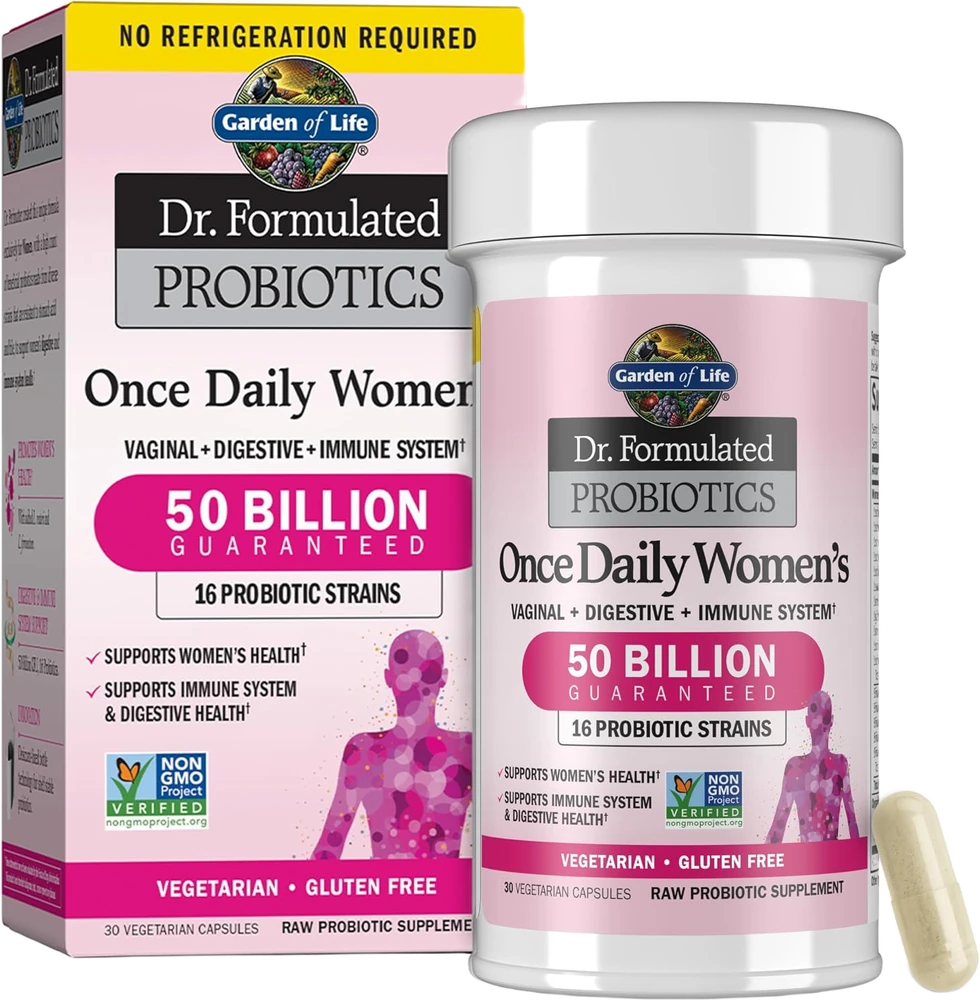 #2 of 11 · Best for women✓ Label verified · Supplement Facts read Sep 7, 2026
Real retailer photo, cut out. Label unedited.
Buy it. The right pick for women caring for digestive AND vaginal flora. A once-daily 50B-CFU synbiotic that includes L. reuteri and L. fermentum — the strains matched to women's urogenital flora — plus an organic prebiotic and NSF certification.
$30 / month$1.00 / 1-capsule daily dose
Why It Scores 9.0 — And The Label Line Behind Each Number
Strain specificity + clinical match
35% of scoreThe reason it earns the women's slot: it names L. reuteri and L. fermentum, the Lactobacillus strains associated with women's vaginal/urogenital flora, so the formulation genuinely matches the stated use-case. Strong for its niche; not a perfect 10 because the remaining 16-strain blend is general-purpose and the urogenital rationale is strain-class logic rather than a single-product RCT.
- Daily dose
- 1 capsule/day (once-daily)
Survivability to the gut
25% of scorePotency guaranteed at 50B CFU, but many lots are best refrigerated after opening to preserve viability — less robust than the shelf-stable, survivability-engineered Seed (#1). No capsule-in-capsule or explicit delayed-release design, so survival leans on storage discipline rather than delivery engineering.
Formulation completeness
20% of scoreA complete tool for its buyer: a 16-strain synbiotic with an organic prebiotic fiber blend to feed the strains, plus the women's-flora strains layered on top of general digestive coverage. Once-daily at a sensible 50B dose — not a CFU number inflated for marketing.
Third-party testing + transparency
12% of scoreNSF Certified, non-GMO, and gluten-free, with the women's-flora strains named on the label rather than buried in a proprietary blend. Garden of Life's sourcing and certification transparency is a strong trust profile — among the best on the list for a mass-market women's product.
- Testing
- NSF Certified, non-GMO, gluten-free
Value / cost-per-day
8% of scoreAbout $1.00/day ($30/month) for a once-daily capsule — premium for a 30-count, but the once-daily convenience and use-case-matched strains earn it for the intended buyer. The honest knock: a general user pays this premium for urogenital support they don't use, so value is conditional on actually needing the women's-flora strains.
- Bottle
- 30 capsules (30-day supply at 1/day)
- Price
- ~$30/month = ~$1.00 per once-daily capsule
- More Specs
- Strains
- 16 strains including Lactobacillus reuteri + Lactobacillus fermentum (women's-flora strains)
- Potency
- 50 billion CFU guaranteed
- Target
- Digestive + vaginal/urogenital flora — formulated for women specifically
- Synbiotic
- Organic prebiotic fiber blend included to feed the strains
- Storage
- Many lots best refrigerated after opening — check the label
Label verified. Every figure read from the Supplement Facts photo, Sep 7, 2026.
Marketing Claims Vs. Reality
Formulated specifically for women's digestive AND vaginal/urogenital health.
The formulation genuinely backs the digestive claim and matches the urogenital use-case by including L. reuteri and L. fermentum — the strains associated with women's flora — so this is meaningfully more than a pink-label generic. Marked partial only because the urogenital benefit rests on strain-class rationale; the strongest RCT evidence in the hub is for IBS and antibiotic-associated diarrhea, not vaginal-flora endpoints.
50 billion CFU guaranteed.
Garden of Life guarantees 50B CFU on the label, and the brand's potency-guarantee practice is consistent across its Dr. Formulated line. Real — provided you follow the storage guidance, since many lots want refrigeration after opening to keep those cells alive.
Includes L. reuteri and L. fermentum for women's flora.
Both strains are named on the label and are the Lactobacillus species associated with the female urogenital tract — exactly the formulation logic that justifies the 'women's' positioning. Verifiable and the single best reason to buy this over a generic blend.
NSF Certified, non-GMO, gluten-free.
All three certifications are listed on the Garden of Life label and consistent with the brand's wider portfolio. NSF certification is a genuine third-party trust signal that the product contains what it claims — a meaningful quality gate in a category full of unverified proprietary blends.
Organic prebiotic fiber to support the probiotic strains.
The organic prebiotic fiber blend is listed in the formulation, making this a true synbiotic (probiotic + prebiotic) rather than bacteria alone. Accurate, and it makes the product a more complete tool than a plain women's probiotic.
What Our Test Actually Found
It earns the 'women's' label with strains, not packaging
Most 'women's' probiotics are a generic blend in a pink box. This one is different in the way that matters: it actually contains L. reuteri and L. fermentum, the Lactobacillus strains associated with the female urogenital tract. Because probiotic benefits are strain-specific, a women's-flora product is only legitimate if it includes the women's-flora strains — and this one does. That's the entire reason it earns the slot over a generic 50B blend with a feminine label.
The urogenital benefit is mechanistically sound, not RCT-proven here
Be honest about the evidence tier: the female urogenital tract is normally Lactobacillus-dominant, and supplying L. reuteri/L. fermentum to support that population is a reasonable, use-case-matched strategy. But the hub-verified RCT evidence centers on IBS (Ford 2014; Whorwell 2006) and antibiotic-associated diarrhea (McFarland 2010; Szajewska 2015), not on vaginal-flora endpoints. So buy this for the well-matched formulation logic and digestive support, treating the urogenital benefit as plausible rather than clinically demonstrated by the studies cited here.
Use-case-specific by design — wrong tool for general or male users
The women's-flora strains that justify this product add nothing for someone whose goal is general gut health, and that includes all male users. A general buyer paying ~$30/month here is paying a premium for urogenital support they won't use. For general documented coverage with survivability engineering, Seed (#1) is the default; for the most-studied single strain affordably, Culturelle. This pick is precisely right for its intended buyer and over-specified for everyone else.
Refrigeration is the practical catch
Many lots are best refrigerated after opening, which makes this less travel-friendly than shelf-stable Seed (#1). It matters because the cells are alive: a product meant to be kept cold that sat warm in transit or on a counter can lose viability, so the guaranteed 50B may not all survive to your gut. If you'll reliably refrigerate, that's a non-issue; if you travel constantly or won't, a shelf-stable women's option or a shelf-stable generalist is the more honest fit.
Once-daily 50B is convenient — but the strain match is the buy reason, not the billions
Once-daily dosing at a guaranteed 50B CFU makes adherence easy, and easy adherence is underrated. But don't let the big number be why you buy it — a higher CFU of the wrong strains does nothing extra, as the whole category demonstrates (Align's B. 35624 works at just 1B for IBS). The reason to choose this is the L. reuteri/L. fermentum match plus NSF certification and the prebiotic; the 50B and the once-daily format are convenience, not the clinical case.
Full analysis: all pros & cons (7), buy if / skip if
- Includes L. reuteri and L. fermentum — the Lactobacillus strains associated with women's urogenital flora, so the formulation matches the use-case
- Genuinely once-daily at a guaranteed 50B CFU — simple adherence
- NSF Certified with an organic prebiotic fiber blend, making it a complete synbiotic rather than bacteria alone
- Garden of Life is transparent on sourcing and certification — a strong trust profile and named strains, not a proprietary blend
- Many lots need refrigeration after opening to best preserve potency — less travel-friendly than shelf-stable Seed (#1)
- Premium price for a 30-count, and the women's-flora benefit is use-case-specific — men or general users get no extra value
- The urogenital benefit rests on strain-class rationale; the hub's strongest RCT evidence is for IBS and antibiotic-associated diarrhea, not vaginal flora
- You're a woman who wants one probiotic for both digestive AND vaginal/urogenital flora
- You want the strains matched to the use-case (L. reuteri + L. fermentum), not a generic blend with a pink label
- You value once-daily simplicity and NSF third-party certification
- You want a complete synbiotic — strains plus an organic prebiotic to feed them
- You're male or want general gut support — the urogenital strains add nothing for you; buy Seed (#1)
- Your dominant problem is IBS-type pain and bloating — buy the studied strain, Align's B. infantis 35624
- You travel constantly or won't refrigerate — many lots want cold storage after opening; a shelf-stable pick fits better
A once-daily 50B-CFU synbiotic that includes L. reuteri and L. fermentum — the strains matched to women's urogenital flora — plus an organic prebiotic and NSF certification. The clearest women's-flora pick on the list for its intended buyer. General or male users get no extra value from the urogenital strains and should buy Seed (#1); if IBS is the dominant complaint, the studied strain is Align.
Garden of Life Dr. Formulated Once Daily Women's is the clearest women's pick on the list, and it earns that slot for a reason that isn't marketing: the formulation actually contains L. reuteri and L. fermentum — the Lactobacillus strains associated with the vaginal and urogenital tract — rather than a generic digestive blend dressed in a pink box. That's the whole game in probiotics: the benefit attaches to specific named strains for a specific use-case, and a women's-flora product only deserves the name if it includes the strains studied for women's flora. On top of that strain match, it's a once-daily 50B-CFU synbiotic (organic prebiotic fiber included) with NSF certification, which makes it both easy to stick with and easy to trust. It's premium-priced for a 30-count and the urogenital benefit is genuinely use-case-specific — general and male users get nothing extra from those strains. Here's the full breakdown, including who should buy a different probiotic instead.
The clearest women's-flora pick — exactly right for its intended buyer.

For a woman who wants one probiotic that looks after both digestive and vaginal/urogenital flora, this is the cleanest choice on the list. It earns the women's slot the honest way — by including L. reuteri and L. fermentum, the strains matched to women's flora, rather than a generic blend in feminine packaging — and rounds that out with once-daily dosing, a 50B-CFU synbiotic with an organic prebiotic, and NSF certification. The strain match is the buy reason; the big CFU number and the format are convenience. Be clear-eyed about two things. First, the evidence tier: the digestive support has class-level RCT backing and the urogenital rationale is mechanistically sound, but it's strain-class logic, not a vaginal-flora RCT in the sources cited here. Second, who shouldn't buy it: general and male users get no value from the urogenital strains and should choose Seed (#1) for general coverage; if IBS-type pain and bloating is the dominant complaint, the studied strain is Align's B. infantis 35624. And if you won't reliably refrigerate, a shelf-stable option fits better. For its intended buyer, though — a woman caring for both gut and vaginal flora in one once-daily capsule — it's exactly right.
If This Doesn’t Fit — Try These
 01
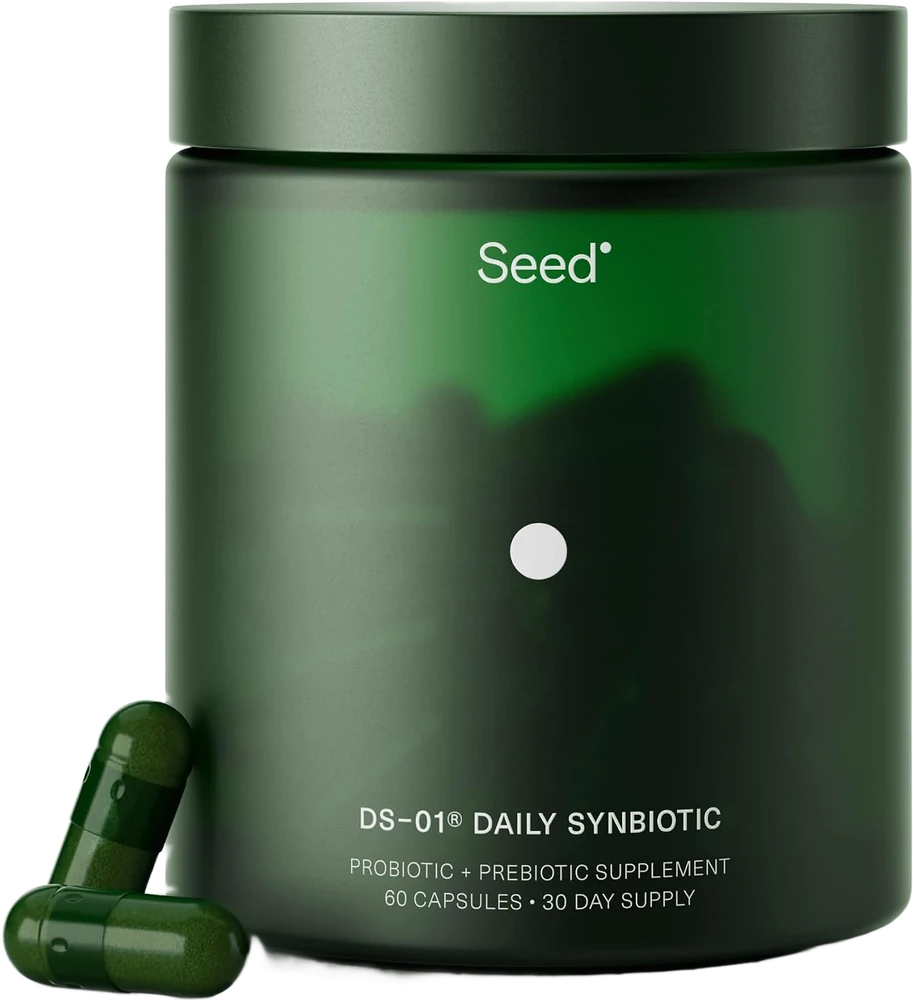
01Seed DS-01
If you want one probiotic for general gut health, bloating, and a credible daily synbiotic, Seed DS-01 is the pick and the benchmark the rest of this list is measured against.
 04
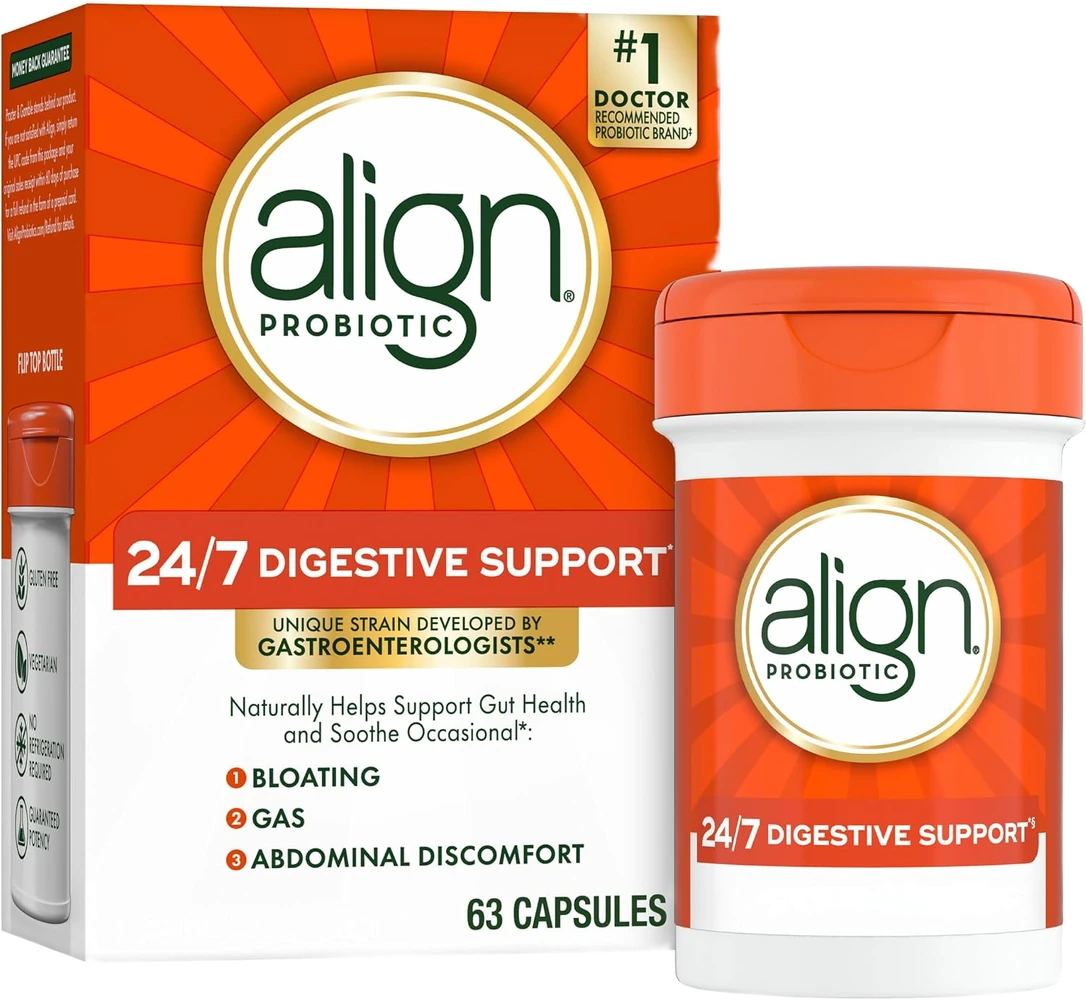
04Align Probiotic 24/7
Align is the answer to one specific question: 'I have IBS-type cramping, bloating, and irregularity — what's the evidence-backed strain?' That strain is Bifidobacterium 35624 (Bifantis), and Align is how you buy it.
 06
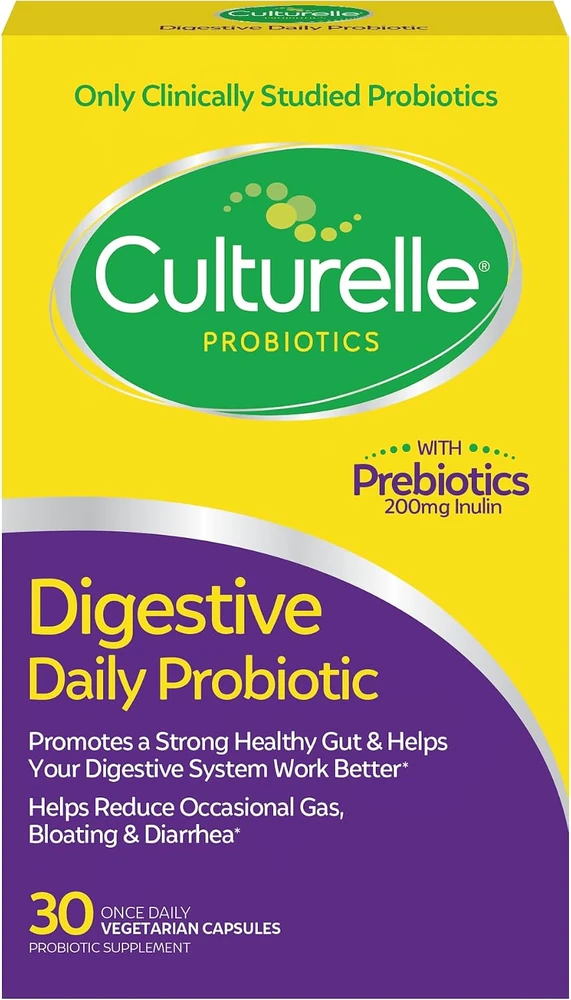
06Culturelle Daily Probiotic
Culturelle is the pick when you want the most-studied strain on earth, simply and affordably.
Quick Answers
What actually makes this a 'women's' probiotic instead of marketing?
The strains, not the label. A genuine women's probiotic earns the name by including the Lactobacillus strains associated with the vaginal and urogenital tract — here, L. reuteri and L. fermentum — rather than slapping a pink box on a generic digestive blend. The female urogenital tract is normally Lactobacillus-dominant, and women's-flora products aim to support that population alongside the gut. The honest caveat: 'studied for women's flora' is a strain-class rationale, and the hub-verified RCT evidence base centers on IBS (Ford 2014; Whorwell 2006) and antibiotic-associated diarrhea (McFarland 2010; Szajewska 2015), not on vaginal-flora endpoints specifically. So the formulation logic is sound and use-case-matched, but treat the urogenital benefit as mechanistically reasonable rather than proven by the studies cited here.
Should men or general users take this?
No — for general gut health, men and non-targeted users should buy Seed DS-01 (#1) instead. The whole point of this product is the women's-flora strains (L. reuteri, L. fermentum), which add nothing for someone whose goal is general digestive support or a gut reset. You'd be paying a premium for urogenital-flora support you don't use. If you specifically want broad documented coverage with survivability engineering, Seed is the default; if you want the most-studied single strain affordably, Culturelle. This pick is right for its intended buyer — a woman caring for both digestive and vaginal flora — and over-specified for anyone else.
Does it need refrigeration?
Many lots are best refrigerated after opening to preserve potency, which makes it less travel-friendly than a shelf-stable product like Seed (#1). The label is the source of truth, not the marketing — check the storage instructions on your bottle. The reason it matters: because the cells are alive, a product that's meant to be kept cold but sat warm in shipping or on a counter can lose viability, so the '50 billion CFU' you paid for may not all be alive when you take it. Garden of Life guarantees 50B CFU, but follow the storage guidance to actually get it. If you travel constantly or won't reliably refrigerate, a shelf-stable pick is the more honest fit.
Is 50 billion CFU the right dose, or is bigger better?
50B is a sensible once-daily dose for a broad women's synbiotic, but don't read the number as the reason to buy — the strain match is. This is the recurring lesson of the whole category: a higher CFU count of the wrong or unstudied strains does nothing extra, while a small dose of the right strain can be exactly what works (Whorwell 2006 showed B. infantis 35624's IBS benefit at just 1×10⁸ CFU/day). For a women's-flora product, what justifies the purchase is that it contains L. reuteri and L. fermentum, dosed sensibly at 50B with a prebiotic to feed them — not that the billions beat a competitor's. Buy it for the strains and the convenience, not the CFU headline.
Will this help with IBS or bloating, or just vaginal flora?
It can help digestive symptoms too — it's a 16-strain synbiotic, not a vaginal-only product — but if IBS is your primary problem, a targeted strain is the better tool. Ford 2014 (PMID 25070051) shows probiotics as a class improve IBS symptoms, so a broad blend like this may help bloating and bowel comfort. But the single best-evidenced IBS strain is B. infantis 35624 (Whorwell 2006, PMID 16863564), sold as Align. The clean decision: if you want digestive AND women's-flora support in one once-daily capsule, this is the pick; if your dominant complaint is IBS-type pain and bloating specifically, buy the studied strain (Align) and consider this only if women's-flora support is also a goal.
Is the NSF certification meaningful here?
Yes — NSF certification is a real trust signal, especially in a category full of 'proprietary blend' labels. NSF verifies that the product contains what the label claims and meets contaminant and quality standards, which is exactly the kind of third-party check that separates a transparent brand from one hiding its formulation. Combined with Garden of Life naming its women's-flora strains and including an organic prebiotic, the certification rounds out a strong trust profile. It's not the same as a banned-substance sport certification, and it doesn't prove clinical efficacy — but for a daily women's probiotic, NSF plus named strains plus a published synbiotic formulation is about as solid a transparency story as the category offers.
Sources & Further Reading
3 peer-reviewed sources, each linked to PubMed
- [1] Ford 2014 PMID 25070051 — Efficacy of prebiotics, probiotics, and synbiotics in irritable bowel syndrome and chronic idiopathic constipation: systematic review and meta-analysis. Meta-analysis of 43 RCTs: probiotics as a class significantly reduced persistent IBS symptoms versus placebo (RR 0.79), benefiting pain, bloating, and flatulence — while flagging that the best strains remain uncertain. Supports the digestive half of this product's claim at the class level; the strain-specificity caveat is why the urogenital benefit is framed as strain-class rationale, not proof.
- [2] Whorwell 2006 PMID 16863564 — Efficacy of an encapsulated probiotic Bifidobacterium infantis 35624 in women with irritable bowel syndrome. RCT in 362 women: B. infantis 35624 at 1×10⁸ CFU/day significantly relieved IBS pain and bloating versus placebo. The proof that the right strain at a modest dose beats a big CFU of unmatched strains — the reason an IBS-dominant buyer should consider Align over a broad women's blend.
- [3] Hungin 2018 PMID 29460487 — Systematic review: probiotics in the management of lower gastrointestinal symptoms — an updated evidence-based international consensus. International primary-care consensus over 70 RCTs: specific probiotics reduce overall symptom burden and abdominal pain in some patients. Reinforces that a documented, named-strain synbiotic is the defensible way to buy — the standard this product meets via its named women's-flora strains, NSF certification, and prebiotic.
Affiliate disclosure: every Amazon link uses our Associates tag (superachieverclub-20). We earn a small commission at no cost to you; it funds independent reviews. We never accept payment to change a ranking.