
Top 5 Best Magnesium for Constipation (2026)
 01 · Best overall for constipation✓ Label verified · Supplement Facts read Oct 14, 2026
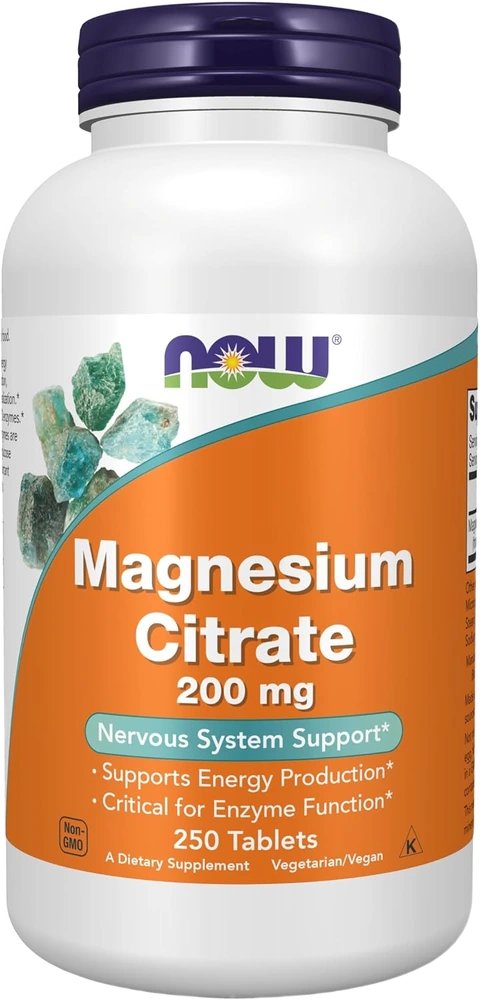
Best overall for constipation: NOW Magnesium Citrate 200 mg Tablets
Plain magnesium citrate at 200 mg a tablet. Start with one in the evening with a full glass of water; the label serving of two (400 mg) is the stronger dose when one is not enough.
$19.99 · 250 tablets (Amazon US, Oct 14, 2026)$0.08 per 200 mg tablet
Why it wins: all five scores, pros & cons, full label
- Citrate: absorbed better than oxide, still softens stool (Walker 2003)
- Dose in 200 mg steps
- About 8 cents a tablet, the cheapest citrate here
- Two tablets are above the 350 mg supplement limit
- Large tablets
- Per tablet
- 200 mg magnesium
- Label serving
- 2 tablets, 400 mg magnesium
- Testing
- NOW in-house testing, GMP seal; no NSF or USP listing
- Form
- Magnesium citrate tablets

Our take — The simplest way to use citrate for constipation: one tablet, water, wait until morning, two if needed. Cheaper per milligram than the drink and the capsules below it. For daily magnesium without loose stools, take one tablet or switch to a glycinate.
Who Wins Which Aspect
Sorted by overall SAC Product Score™ — the official ranking.
| # | Pick | Score | Form bioavailability30% | Elemental Mg per serving25% | Lab transparency20% | Cost per active mg15% | Real-world response10% | Cost Per Dose | Buy |
|---|---|---|---|---|---|---|---|---|---|
| 01 | | 7.8 | 6.51 | 8.02 | 8.51 | 9.01 | 7.52 | $0.08 / 200 mg tablet | Check price |
| Citrate: absorbed better than oxide, still softens stool (Walker 2003)Two tablets are above the 350 mg supplement limit | |||||||||
| 02 | 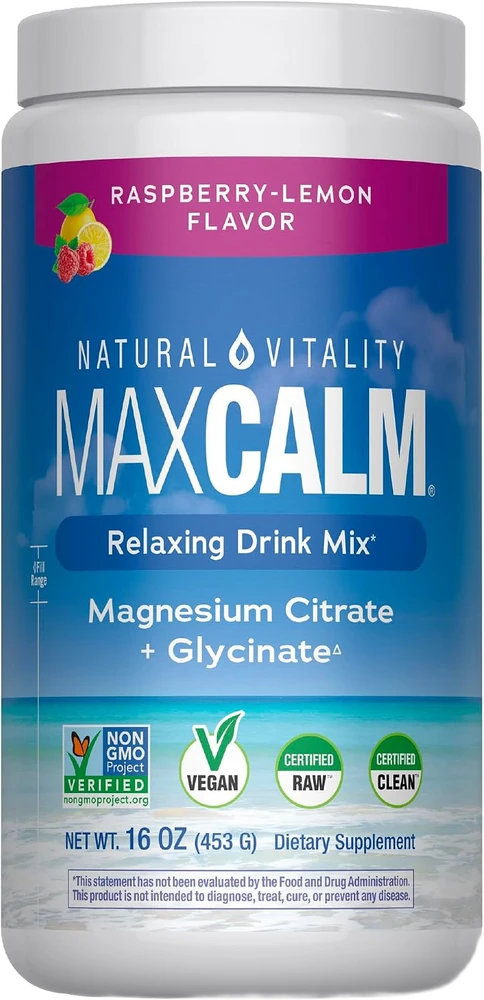 | 7.5 | 6.51 | 8.51 | 7.53 | 7.5 | 8.01 | — | Check price |
| Citrate is the gold-standard form for constipation — gentler than oxide, more reliable than glycinatePowder format requires 12-16 oz water — not as convenient as a capsule | |||||||||
| 03 | 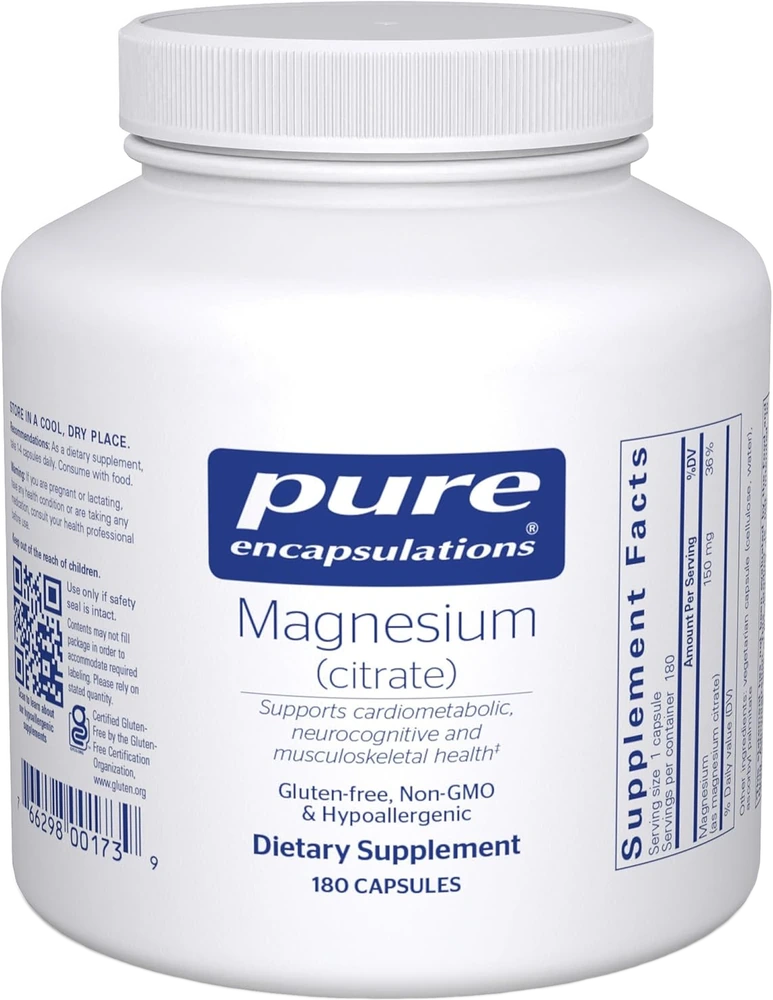 | 7.4 | 6.51 | 7.53 | 8.51 | 7.0 | 8.01 | $0.19 / 150 mg capsule | Check price |
| 150 mg steps, easy to adjustAbout three times NOW's price per milligram | |||||||||
| 04 | 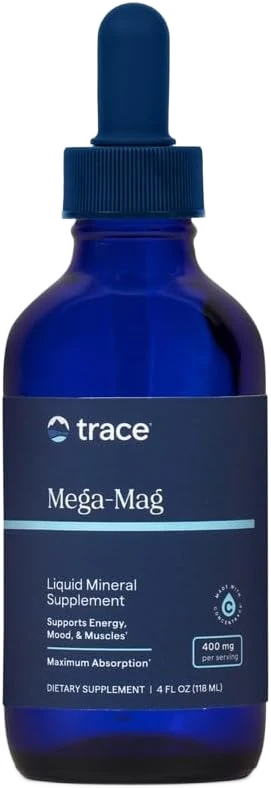 | 7.3 | 6.51 | 8.51 | 7.0 | 8.03 | 6.5 | — | Check price |
| Chloride + sulfate together hit faster than citrate — useful for stuck 24-48 hour casesBitter mineral taste at full dose — citrate's flavoured drink is more pleasant | |||||||||
| 05 |  | 6.4 | 4.02 | 6.5 | 8.02 | 8.52 | 7.03 | $0.03 / 250 mg tablet | Check price |
| The form used in Mori 2019 and Morishita 2021About 4% absorbed: poor for anything but the bowel | |||||||||
The Other 4, Ranked
- 02
Best as a drink: Natural Vitality CALM Magnesium Citrate
7.5SAC Score™The household-name citrate drink. Gentle, reliable osmotic relief at 325 mg elemental, dose-titratable to 650 mg for stuck cases. The pick if you would rather drink it warm in the evening than swallow tablets.
StrongestElemental Mg per serving8.51WeakestForm bioavailability6.5- Per serving
- 325 mg elemental Mg per 4 g serving (about 2 tsp)
- Bottle
- 113 servings (4 g each)
- Testing
- GMP, batch-tested; label seals: Certified Clean, Certified Raw, Non-GMO, Vegan
All five scores, pros & cons, full label
What We Like- Citrate is the gold-standard form for constipation — gentler than oxide, more reliable than glycinate
- Dose-titratable from 325 mg (mild) to 650 mg (acute) without changing bottles
- Pleasant raspberry-lemon flavour — the evening drink ritual is genuinely pleasant
- Most-purchased magnesium product in America — strong brand familiarity, easy reorder
What You Live With- Powder format requires 12-16 oz water — not as convenient as a capsule
- Mild loose stools at 650 mg are common (the point — but worth knowing)
- Form
- Magnesium citrate powder (label: ionic magnesium citrate + ionic magnesium glycinate when mixed with water)
Our take — If you prefer a drink to tablets, start here. Citrate at 325 mg is gentle enough for first-timers, the dose titrates cleanly up to 650 mg for stuck-3-days cases, and the raspberry-lemon flavour beats the medicinal taste of plain citrate powder. The CALM brand has been the bestselling magnesium product in America for two decades — that consistency, plus citrate's clean track record, makes it an easy first drink. The downside is the format: you need water and 12 hours to relief. For acute breakthrough that's fine; for travel-rescue, a liquid concentrate might fit better.
- 03
Best for sensitive stomachs: Pure Encapsulations Magnesium (Citrate)
7.4SAC Score™Citrate in a small 150 mg capsule with only two other ingredients. The small steps make it the easiest to dose up slowly until stool softens without urgency.
StrongestLab transparency8.51WeakestForm bioavailability6.5- Per capsule
- 150 mg magnesium
- Maker's dose
- 1 to 4 capsules a day with food
- Other ingredients
- Cellulose capsule, ascorbyl palmitate
All five scores, pros & cons, full label
What We Like- 150 mg steps, easy to adjust
- Only two other ingredients
- Small capsule
What You Live With- About three times NOW's price per milligram
- No NSF or USP seal
- Form
- Magnesium citrate capsules
Our take — Choose it if fillers bother you or you want to raise the dose in small steps: one capsule in the evening, one more each day until it works. Otherwise NOW's tablets do the same job for less.
- 04
Best for severe cases: Trace Minerals Mega-Mag Liquid
7.3SAC Score™Liquid chloride + sulfate blend at 400 mg per 4 mL serving. Faster, harder kick than citrate when 24-48 hours of no movement demand it. A compact 30-serving bottle.
StrongestElemental Mg per serving8.51WeakestForm bioavailability6.5- Per serving
- 400 mg elemental Mg per 4 mL
- Bottle
- 4 fl oz (118 mL) concentrate · 30 servings
- Testing
- Trace Minerals QC + ConsumerLab tested
All five scores, pros & cons, full label
What We Like- Chloride + sulfate together hit faster than citrate — useful for stuck 24-48 hour cases
- Liquid format titratable to the exact drop — no oversized capsules to swallow
- Concentrated liquid — 400 mg elemental Mg in a 4 mL serving; vegan, kosher, halal and Non-GMO Project Verified per the label
- ConsumerLab tested in past published reports — independent verification
What You Live With- Bitter mineral taste at full dose — citrate's flavoured drink is more pleasant
- Sulfate adds urgency and cramping risk vs. citrate's gentler pull
- Not recommended for sensitive guts — start with a fraction of the 4 mL serving and titrate up
- Form
- Ionic magnesium liquid concentrate — label lists 400 mg Mg, 1,100 mg chloride and 70 mg sulfate per 4 mL, plus ConcenTrace trace minerals
Our take — When citrate at 650 mg hasn't moved you in 24 hours, the chloride-sulfate combination is the next step before resorting to a clinic visit. The sulfate component adds osmotic strength beyond what citrate alone delivers, which is exactly what you want for severe acute cases. The trade-off is harshness — first-timers and sensitive guts should start with the citrates above it. But for repeat travel-constipation sufferers, stuck-3-days breakthroughs, or anyone who wants a compact liquid concentrate, this is the workhorse.
- 05
Budget pick: the trial form: Nature Made Magnesium Oxide 250 mg
6.4SAC Score™Magnesium oxide, the form tested in the constipation trials: about 70% improved on 1.5 g a day against 12 to 25% on placebo. Poorly absorbed, which is why it works on the bowel.
StrongestCost per active mg8.52WeakestForm bioavailability4.0- Per tablet
- 250 mg magnesium
- Trial dose
- 1.5 g magnesium oxide a day, about 3.5 tablets
- Testing
- USP mark on the label; not in USP's directory (checked Oct 14, 2026)
All five scores, pros & cons, full label
What We Like- The form used in Mori 2019 and Morishita 2021
- About 3 cents a tablet
What You Live With- About 4% absorbed: poor for anything but the bowel
- Trial dose is above the supplement limit
- USP mark not confirmed by USP today
- Form
- Magnesium oxide tablets
Our take — It scores lowest because it is a poor way to raise your magnesium level. For constipation it has the strongest trials of any form on this list. One tablet in the evening is a mild start; the trial dose of about three and a half tablets a day belongs under a doctor's eye.
Magnesium In Four Short Lessons
Why the form determines whether anything moves
- 70.6%
- Women with chronic constipation who improved overall on 1.5 g magnesium oxide a day over 4 weeks, vs 25% on placebo (Mori 2019)
- 37.5%
- Women whose constipation eased by week 2 on 1 L a day of magnesium-sulfate mineral water, vs 21.1% on low-mineral water (Dupont 2014)
- 60 days
- Citrate raised blood magnesium more than oxide or a chelate at 300 mg a day; oxide did not beat placebo (Walker 2003)
- ~4%
- Fractional absorption of magnesium oxide in healthy volunteers: the unabsorbed rest is the laxative engine (Firoz 2001)
Sources: Mori 2019 magnesium oxide RCT (PMID 31587548); Morishita 2021 oxide vs senna RCT (PMID 32969946); Dupont 2014 mineral-water trial (PMID 24342746); Walker 2003 citrate vs oxide (PMID 14596323); Firoz 2001 oxide absorption (PMID 11794633).
Pick citrate or oxide.
These forms work because they are poorly absorbed: the leftover magnesium pulls water into the colon. Citrate is absorbed better and works more gently; oxide is only about 4% absorbed (Firoz 2001).
Skip glycinate and L-threonate here.
Glycinate is absorbed before it can do any laxative work, and L-threonate does essentially nothing for the colon.
Drink water and dose in the trial range.
Trial doses run 300-600 mg for acute relief and 200-300 mg for maintenance. Without water to pull, you get cramping without relief.
Ranked on laxative efficacy by form (35%), elemental Mg per serving (20%), cramping tolerability (15%), third-party testing (15%), and cost per acute relief dose (15%). Mechanism and dose claims trace to six constipation trials/reviews in the file: Mori 2019 (PMID 31587548), Morishita 2021 RCT (PMID 32969946), Dupont 2014 (PMID 24342746), Bothe 2017 (PMID 26582579), Bharucha 2020 (PMID 31945360), and Wald 2016 (PMID 26757467).
Each pick was scored 0-10 across five criteria, then weighted to a final composite. Laxative efficacy by form carries the most weight — for constipation, the form decides everything, and the ranking inverts every conventional 'best magnesium' list because our endpoint is bowel movement, not sleep. Elemental Mg per serving and dose alignment with constipation trial protocols (300-600 mg acute; 200-300 mg maintenance) ensure you can hit a real laxative dose without swallowing eight capsules. Cramping tolerability is a real-world tax: a bottle that produces movement at the cost of two hours of cramps loses points. Third-party testing acts as a fraud filter — citrate supply chains have heavy-metal contamination history. Price per acute dose is the final tie-breaker.
Laxative efficacy by form · 35%
Citrate / oxide / hydroxide / sulfate get +3 base. Chloride +1.5. Glycinate / bisglycinate -1 (chelated, bypasses colon). L-Threonate -3 (BBB-targeted, no laxative effect). The form decides whether anything moves.
Elemental Mg per serving · 20%
Acute doses need 300-600 mg elemental Mg per single intake. Maintenance needs 200-300 mg split AM/PM. Bottles that can't reach 300 mg per serving without 6+ capsules get penalised for adherence drop-off.
Cramping tolerability · 15%
How aggressive is the form at its working dose? Sulfate has the highest cramping rate; oxide second; citrate third; glycinate lowest (and also weakest laxative). Liquid formats score better than powders because dose is titratable to the drop.
Third-party testing · 15%
Public COA, USP / NSF / ConsumerLab certification, or GMP-facility manufacturing. Citrate has had heavy-metal contamination history (cadmium in citric-acid sourcing) — testing matters more here than for chelate forms.
Cost per acute dose · 15%
Cost per 300-600 mg elemental Mg breakthrough dose. Tiebreaker — the first four criteria do most of the ranking. Liquid concentrates and bulk citrate powder win on this metric.

How magnesium citrate breaks a constipation cycle
- 1
Citrate resists gastric absorption
Unlike glycinate, the citrate-Mg complex partially dissociates in the small intestine and ~70% of the dose continues into the large intestine without being absorbed. This is the key — laxative effect requires magnesium downstream of the small bowel.
- 2
Osmotic water draw + lumen distension
Unabsorbed magnesium creates a hyperosmolar environment in the colon. Water flows from the bloodstream and gut wall into the lumen following the osmotic gradient. Stool softens, volume increases, the colon distends.
- 3
Stretch-receptor activation + peristalsis trigger
Distended colon walls activate stretch receptors that trigger peristalsis — the rhythmic muscle waves that move stool toward elimination. This is the actual mechanism behind the 6-12 hour relief window: not stimulation of the gut nerves (the way senna works), but a mechanical, gentler push from increased volume.
What to expect on a magnesium citrate constipation protocol
Drink absorbs, osmotic load builds
No symptoms yet. Magnesium is moving through the small intestine into the colon. Hydrate now — drink another 12 oz before bed.
Bowel movement returns
Soft, formed stool by morning. Bristol Type 3-4. Mild urgency on waking is normal; severe cramping isn't — that signals over-dose or under-hydration.
Drop to maintenance dose
Step down to 200-300 mg elemental Mg split AM/PM with food. Add psyllium 5-10 g and 2 L water daily. Daily movement should re-establish.
Taper toward zero
If fiber + hydration + probiotic are doing the work, taper magnesium by 100 mg/week. Goal: keep normal motility from lifestyle, use citrate only for breakthrough or travel.
The bottom line
NOW Magnesium Citrate (#1) is the default buy.
200 mg tablets: one in the evening with a full glass of water, two if nothing has happened by the next day. Citrate is gentler than oxide and works where glycinate does not.
CALM (#2) as a drink, Pure Encapsulations (#3) for small steps, Nature Made oxide (#5) for the trial form.
Trace Minerals Mega-Mag (#4) is the liquid, dosed by the drop. Nature Made oxide scores lowest because it barely raises magnesium levels, yet it is the form behind the constipation trials (Mori 2019, Morishita 2021).
The rule: don't buy glycinate or L-Threonate expecting relief, and don't stop at magnesium.
Glycinate absorbs in the small intestine and never reaches the colon; L-Threonate is built to reach the brain. Magnesium alone treats the symptom: add 25-35 g fiber, 2+ L water and daily movement, then taper off.
Quick Answers
Which magnesium is actually best for constipation — citrate or oxide?
Citrate is the better all-around pick. It's gentler, dissolves into a pleasant drink, and the ~30% bioavailability means you still get systemic magnesium repletion alongside the osmotic effect. Oxide is cheaper and slightly more aggressive osmotically — useful if citrate isn't moving you at 600 mg — but it's harsher on the gut and more likely to cause cramping. Start with citrate; reserve oxide for the few cases where citrate falls short.
Why doesn't magnesium glycinate work for constipation?
Glycinate is chelated to two glycine molecules that shield the magnesium ion from gastric acid and gut wall. ~80% of the dose absorbs into the bloodstream BEFORE it reaches the colon. That's exactly why glycinate is the sleep form — high systemic uptake, low gut activity. For constipation you want the opposite: a form that REMAINS in the gut, pulls water in, and triggers peristalsis. Glycinate fails at this by design. If you're using glycinate and not moving, it's not a defective bottle — it's the wrong tool.
What about L-Threonate (Magtein) for constipation?
Essentially useless for this purpose. L-Threonate is engineered to cross the blood-brain barrier — its entire design point is high CNS uptake. Almost nothing reaches the colon as an osmotic load. The clinical literature on Magtein covers cognition and memory, not GI motility. Don't waste $35/month on a threonate bottle hoping it'll help constipation; buy a $12 citrate canister instead.
When is the best time to take magnesium citrate for constipation?
Evening dosing is conventional and works for most people: take 1-2 hours before bed, expect movement 6-12 hours later (morning). This timing aligns the osmotic effect with the gastrocolic reflex when you wake. If you need faster relief — say morning dose for evening movement — that also works; magnesium citrate isn't time-locked. The constraint isn't time of day, it's spacing from meals (take on an empty stomach for fastest onset) and ensuring 12-16 oz of water alongside the dose.
How long until I see results?
Acute breakthrough relief shows up in 6-12 hours at 300-600 mg elemental citrate. If nothing happens at 24 hours, the dose is too low or you're under-hydrated — repeat at the same dose with breakfast and 2 L of water. Chronic maintenance protocols typically restore daily movement within 5-10 days at 200-300 mg citrate split AM/PM, paired with adequate fiber and water. If still nothing at 14 days, the issue isn't magnesium deficiency — see a clinician for a colonic transit study.
Will I become dependent on it?
Osmotic laxatives like magnesium citrate don't create the same dependence pattern as stimulant laxatives (senna, bisacodyl), which can damage colonic nerves with chronic use. That said, any laxative used long-term without addressing root causes (fiber, hydration, motility, gut flora) means the symptom keeps coming back. Use citrate as a bridge: break through the acute episode, then reinforce with fiber, fluids, probiotics, and movement. The goal is to taper off the magnesium and keep normal motility from those interventions.
Are there side effects I should watch for?
At 300-600 mg elemental citrate: cramping if under-hydrated, urgency (that's the point), occasional loose stools or watery output at the high end — usually a sign the dose was too aggressive for your colon. Stop and consult a doctor if you have severe abdominal pain, blood in stool, signs of dehydration, or if you have kidney disease (impaired Mg clearance creates real hypermagnesemia risk). Avoid stacking with other osmotic laxatives (lactulose, polyethylene glycol) without clinician guidance — the additive effect can be brutal.
Every Claim Ranked Above Traces Back To One Of These
8 peer-reviewed sources, each linked to PubMed
- [1] Mori 2019 PMID 31587548 — A Randomized Double-blind Placebo-controlled Trial on the Effect of Magnesium Oxide in Patients With Chronic Constipation. 34 women with mild to moderate chronic constipation took 1.5 g of magnesium oxide a day (0.5 g three times) or placebo for 28 days. Overall improvement: 70.6% on magnesium oxide vs 25.0% on placebo; bowel movements, stool form and colonic transit time improved.
- [2] Morishita 2021 PMID 32969946 — Senna Versus Magnesium Oxide for the Treatment of Chronic Constipation: A Randomized, Placebo-Controlled Trial. 90 adults with chronic idiopathic constipation took senna 1.0 g, magnesium oxide 1.5 g or placebo for 28 days. Overall improvement: 68.3% on magnesium oxide, 69.2% on senna, 11.7% on placebo; no severe treatment-related side effects.
- [3] Walker 2003 PMID 14596323 — Mg citrate found more bioavailable than other Mg preparations in a randomised, double-blind study. 46 healthy adults took 300 mg of magnesium a day as citrate, amino acid chelate or oxide for 60 days. Citrate gave the highest blood magnesium after one dose and after 60 days; oxide did not differ from placebo.
- [4] Firoz 2001 PMID 11794633 — Bioavailability of US commercial magnesium preparations. Urinary magnesium after four commercial preparations in healthy volunteers: magnesium oxide had a fractional absorption of about 4%; chloride, lactate and aspartate were absorbed equally and better.
- [5] Dupont 2014 PMID 24342746 — Efficacy and safety of a magnesium sulfate-rich natural mineral water for patients with functional constipation. 244 women with functional constipation drank 1.5 L of water a day for 4 weeks, with 0, 0.5 or 1 L of it a magnesium-sulfate-rich mineral water. At week 2, constipation eased in 37.5% on 1 L vs 21.1% on low-mineral water; hard stools and rescue laxative use fell. Supports magnesium plus sulfate as an osmotic pair, the mechanism behind the Mega-Mag liquid (#4).
- [6] Bothe 2017 PMID 26582579 — Efficacy and safety of a natural mineral water rich in magnesium and sulphate for bowel function: a double-blind, randomized, placebo-controlled study. Double-blind RCT of a magnesium- and sulfate-rich mineral water in 106 adults with functional constipation. Significant increase in spontaneous bowel movements and improved Bristol Stool Scale scores vs. placebo over 6 weeks. Reinforces the sulfate-magnesium osmotic pairing as a clinically validated approach.
- [7] Bharucha 2020 PMID 31945360 — Mechanisms, Evaluation, and Management of Chronic Constipation. Major review of chronic constipation management. Categorises osmotic laxatives (magnesium-based, polyethylene glycol, lactulose) as first-line pharmacologic agents after fiber + hydration optimization, with magnesium oxide and citrate specifically called out for their favorable efficacy:safety ratio versus stimulant laxatives. Supports the maintenance + breakthrough framing of this listicle.
- [8] Wald 2016 PMID 26757467 — Constipation: Advances in Diagnosis and Treatment. Authoritative review of constipation diagnosis and treatment. Osmotic laxatives (including magnesium salts) recommended as first-line pharmacologic therapy when lifestyle measures are inadequate, with evidence that they do not cause the colonic damage associated with chronic stimulant laxative use. Supports the 'osmotic over senna' positioning of magnesium citrate.
More Magnesium Guides
- Best Magnesium SupplementsThe definitive magnesium buying guide — the single best pick for each need across glycinate, L-threonate, and citrate. Glycinate is the default for sleep & anxiety; threonate for cognition; citrate for regularity; oxide is junk.
- Best Form of Magnesium: All Forms Compared by Use CaseThere's no single best magnesium — the right form depends on your goal. Glycinate for sleep + anxiety, citrate for constipation, L-threonate for cognition, oxide to skip. All forms compared by bioavailability + use case.
- Best Magnesium for AnxietyGlycinate dominates the anxiety use case harder than the sleep use case — glycine hits the NMDA co-agonist site, magnesium potentiates GABA-A. Ranked for the 300-500 mg anxiety dose window + AM/PM cortisol-smoothing flexibility.
- Best Magnesium for Leg CrampsTen magnesium products ranked for leg + muscle cramps by which form reaches muscle tissue — glycinate and citrate lead, brain-targeted L-threonate drops.
- Best Magnesium for MigrainesTen magnesium supplements for migraine prophylaxis — ranked by form, the 400-600mg AAN/AHS Level B dose, high-dose tolerability, testing, and price.
- Best Magnesium for SleepThe magnesium forms that actually shift sleep depth — glycinate + L-threonate dominate, oxide is mostly placebo. Ranked by bioavailability + trial evidence.
- Best Magnesium Glycinate SupplementsMagnesium glycinate ranked by ELEMENTAL magnesium (not compound mg), true-chelate integrity, and third-party testing — the form for sleep, anxiety and repletion.
- Best Magnesium L-Threonate (Magtein) SupplementsMagnesium L-threonate (Magtein) ranked for cognition — the only form that meaningfully raises brain magnesium. Honest about its low elemental dose (not for repletion) and premium price.
Affiliate disclosure: every Amazon link uses our Associates tag (superachieverclub-20). We earn a small commission at no cost to you; it funds independent reviews. We never accept payment to change a ranking.