
Top 18 Best Supplements for Muscle Growth (2026)
 01 · Strongest effect✓ Label verified · Supplement Facts read Oct 6, 2026
Strongest effect: Creatine Monohydrate
+5–15% strength + 1–3 kg lean mass over 8–12 weeks. Five grams a day. Every day. That's the whole protocol.
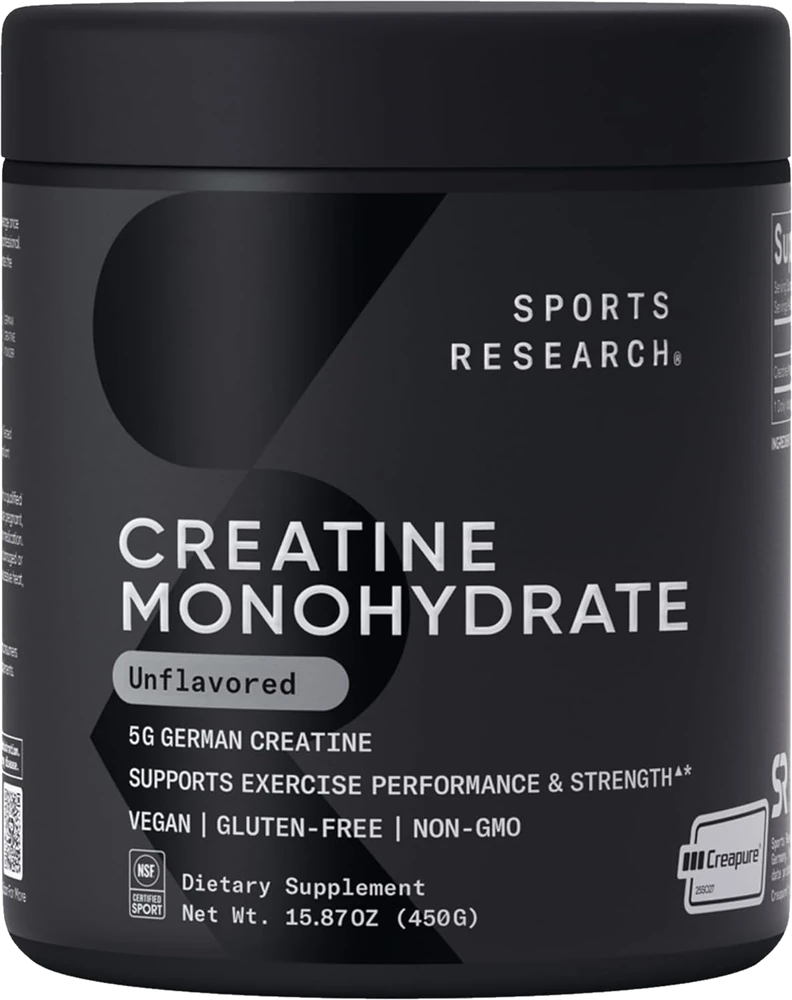
- Best product
- Sports Research Creatine Monohydrate (Creapure)
- Its product score
- 9.1 of 10 — #1 of 11 in our ranking
- Price
- $37 / 450 g (90 servings)
Why it ranks first: all three scores, the proof, how to run it
- The best-studied supplement in sport: +5–15% strength and 1–3 kg lean mass over 8–12 weeks alongside training, confirmed in older adults too (Chilibeck 2017).
- Hundreds of trials and an ISSN position stand on safety and efficacy (Kreider 2017).
- Works in most people; low-responders are those already high in muscle creatine. Kidney disease is the one contraindication.
- The proof
- 5 g monohydrate × 8–12 weeks → +5–15% strength = +1–3 kg lean mass
- Studied in
- trained and untrained adults — meta-analyses (ISSN 2017)
- How to run it
- Monohydrate, 5 g daily, with a meal — no loading, no cycling, expect ~1 kg of water in week one.

Our take — Five grams a day. Every day. That's the whole protocol. If you buy one supplement, buy this one.
 02
02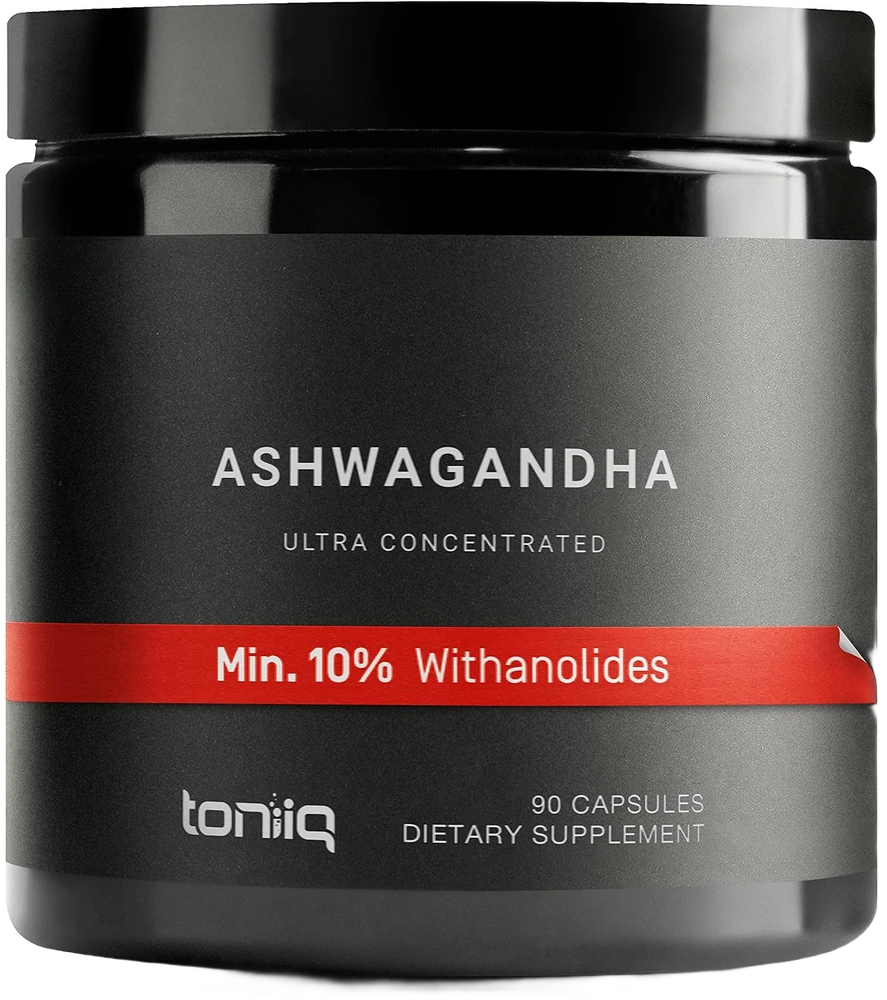 03
03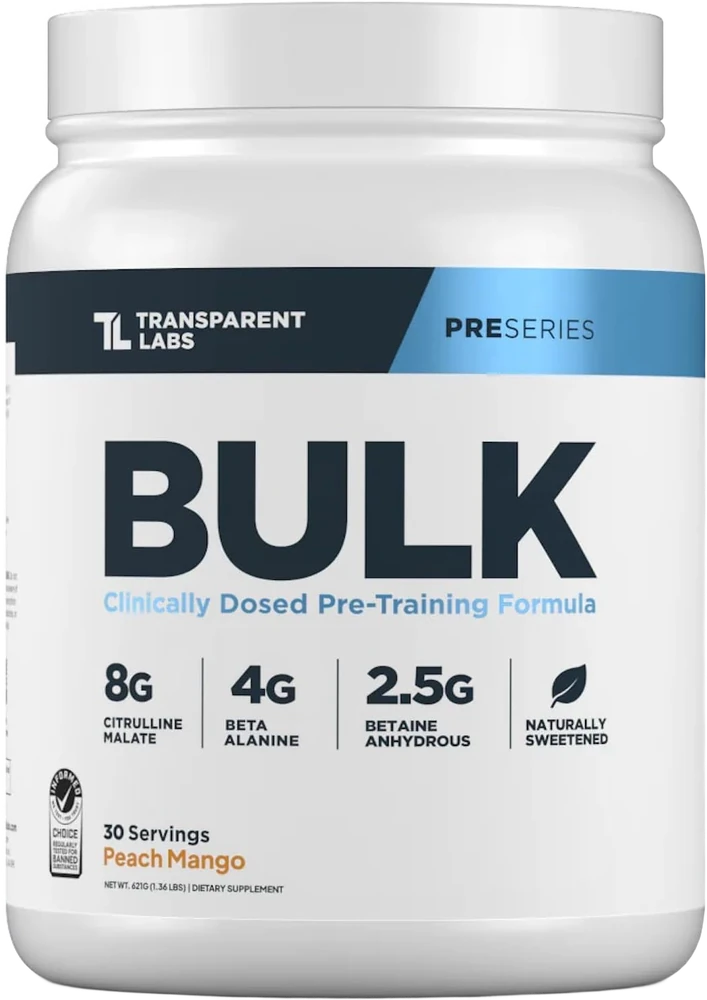 04
04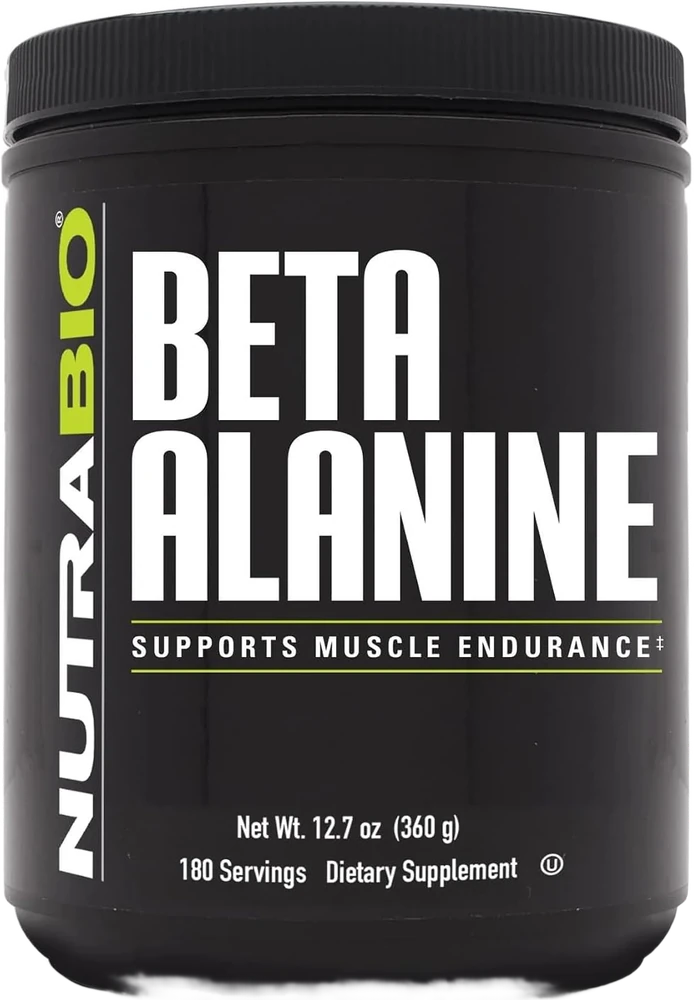 05
05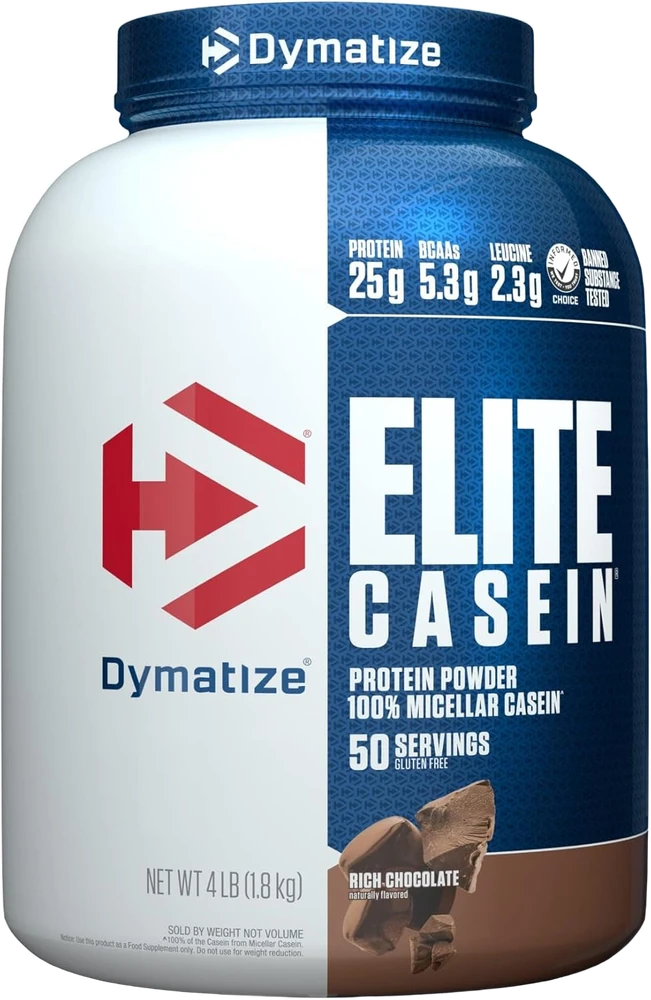 06
06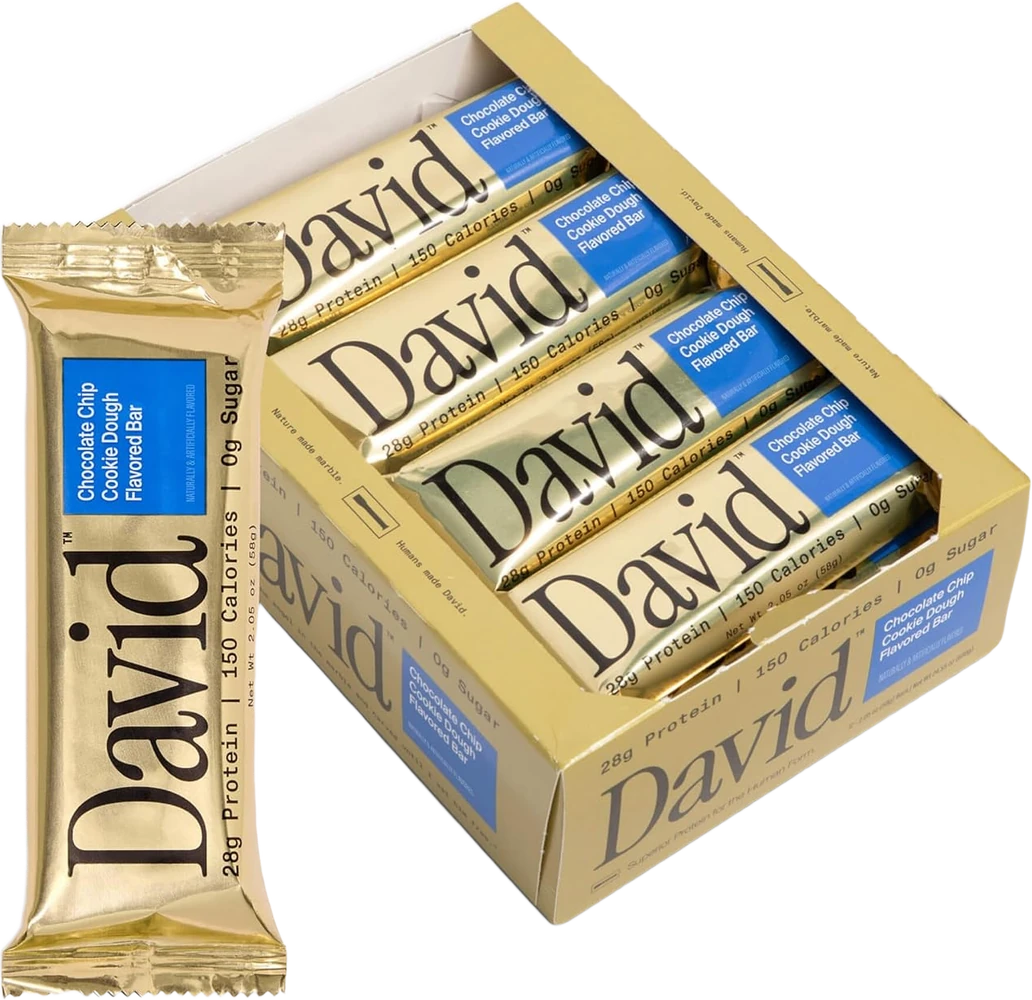 07
07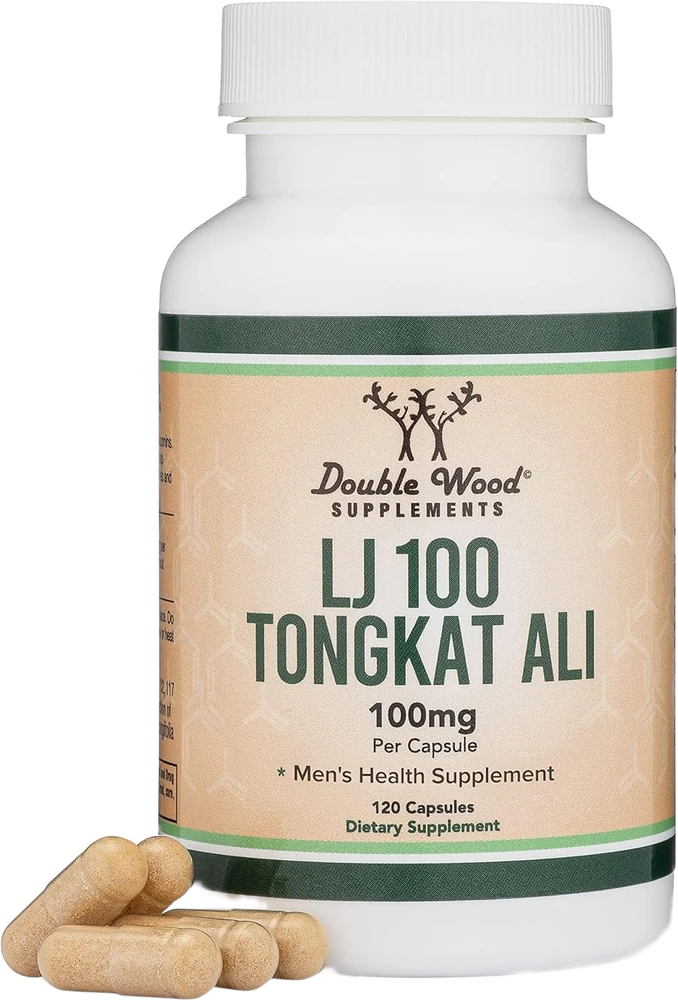 08
08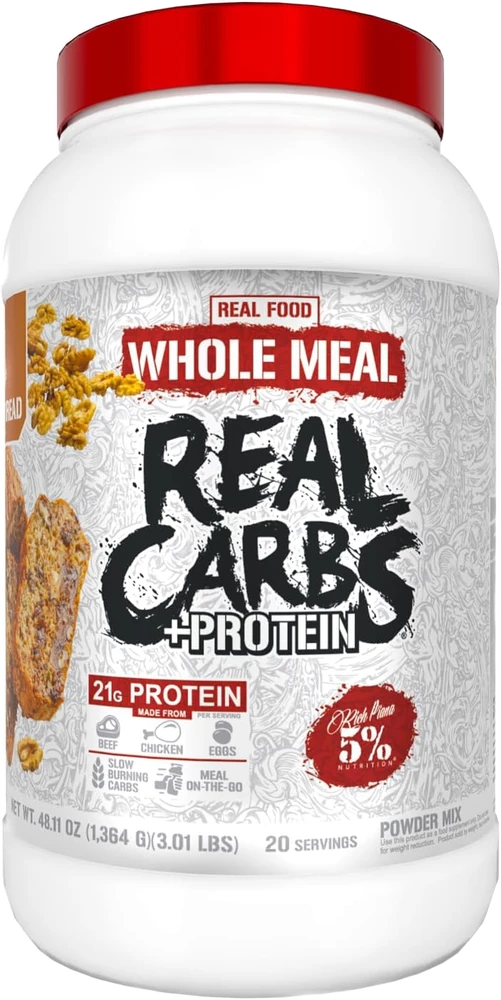 09
09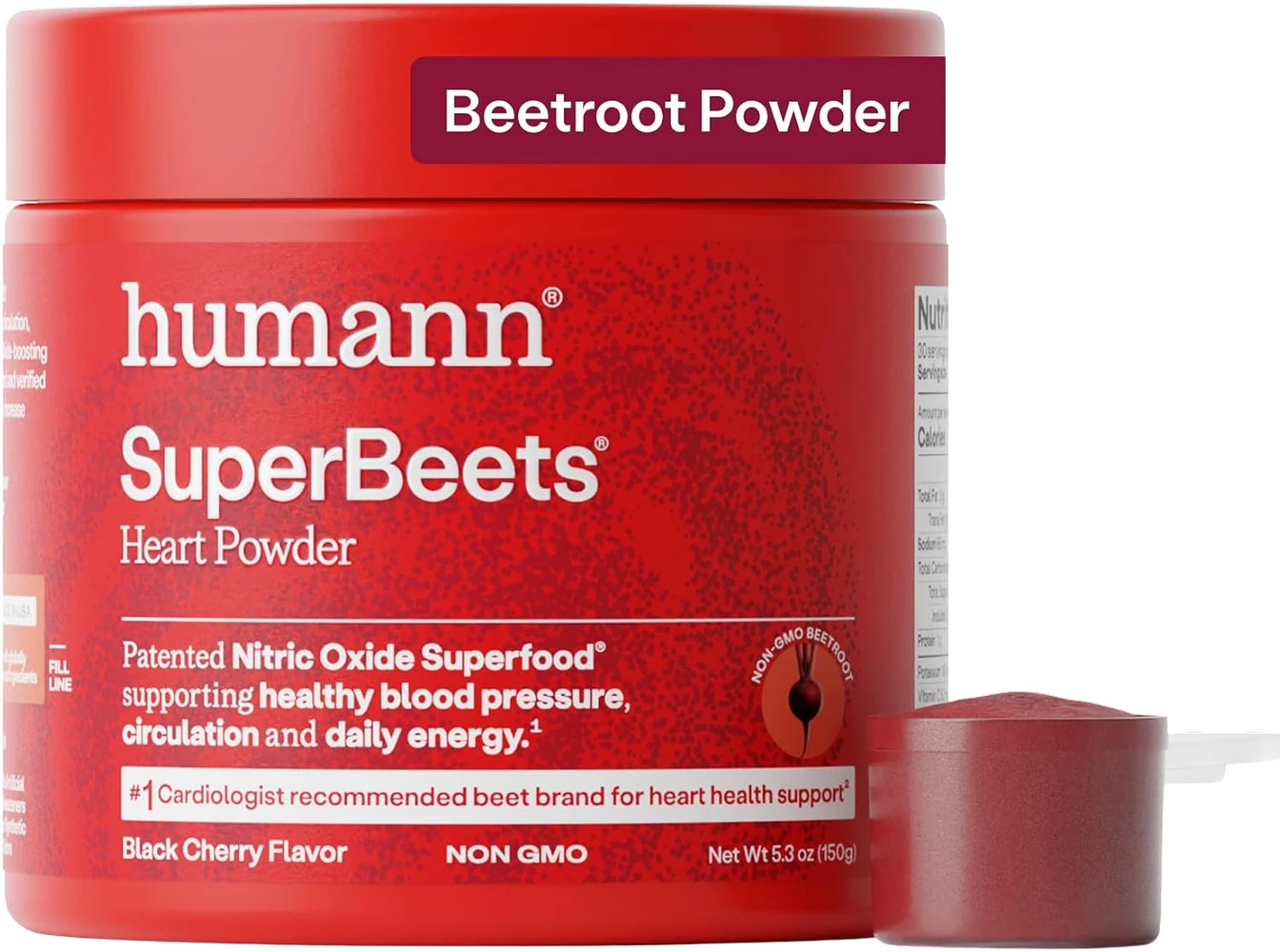 10
10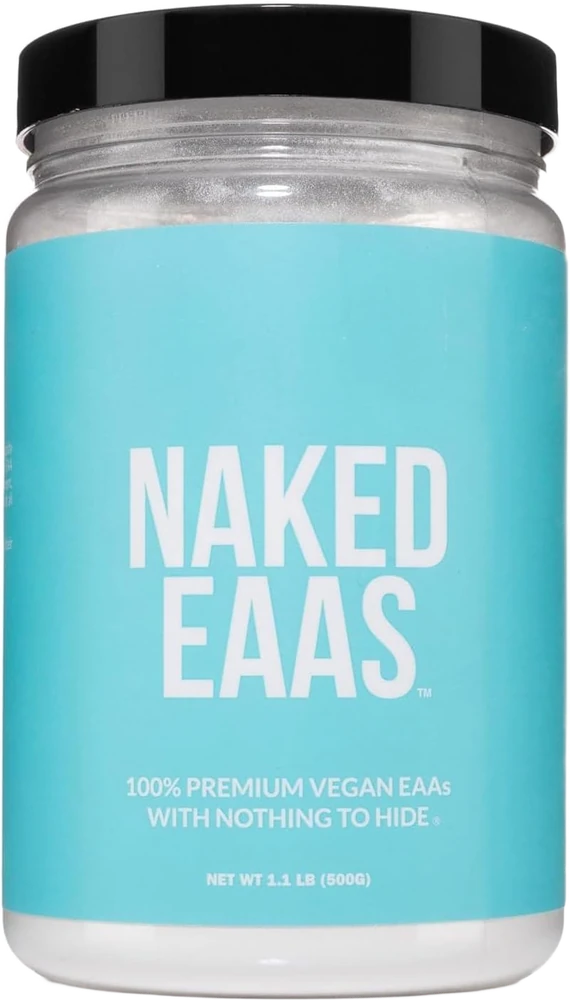 11
11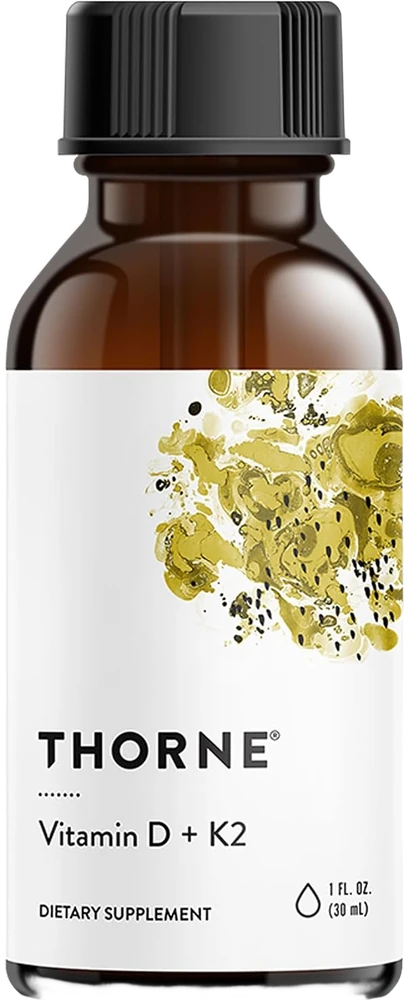 12
12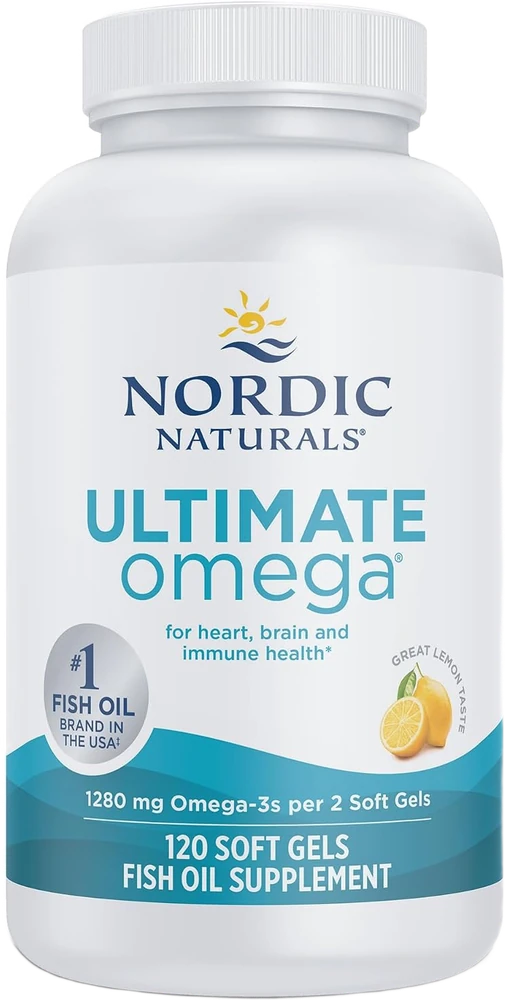 13
13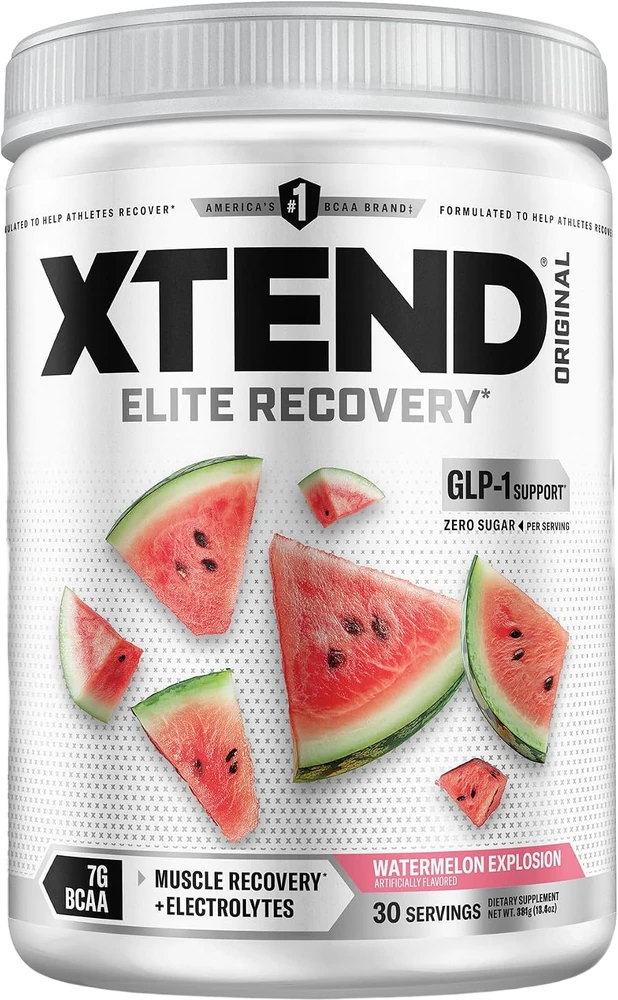 14
14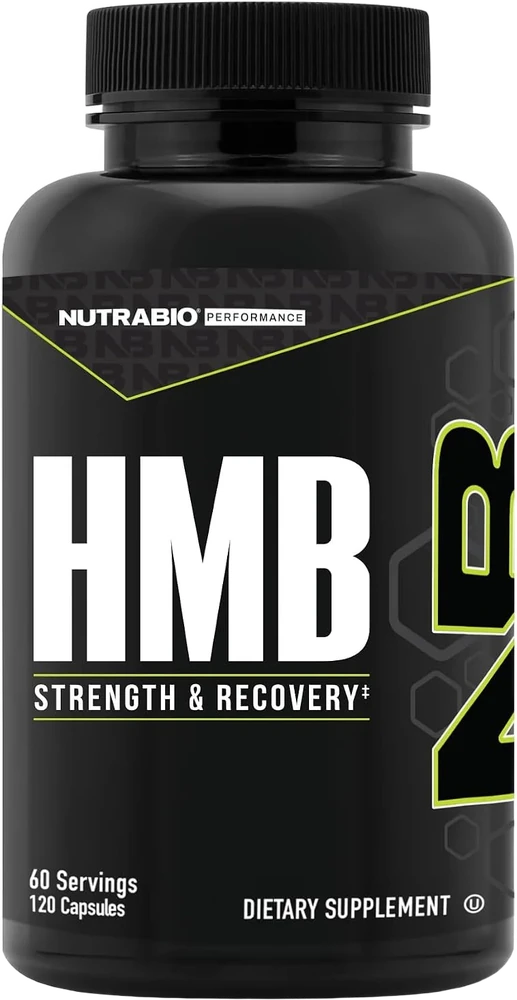 15
15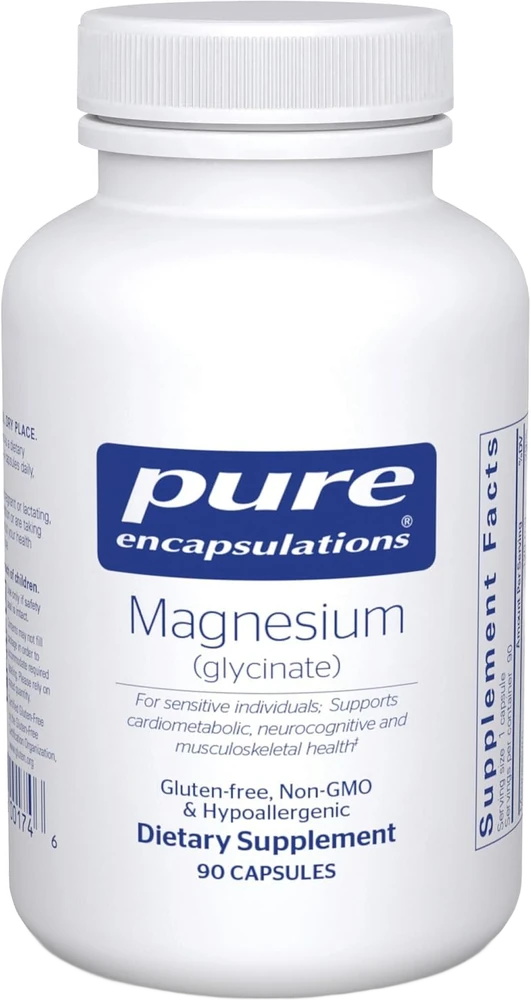 16
16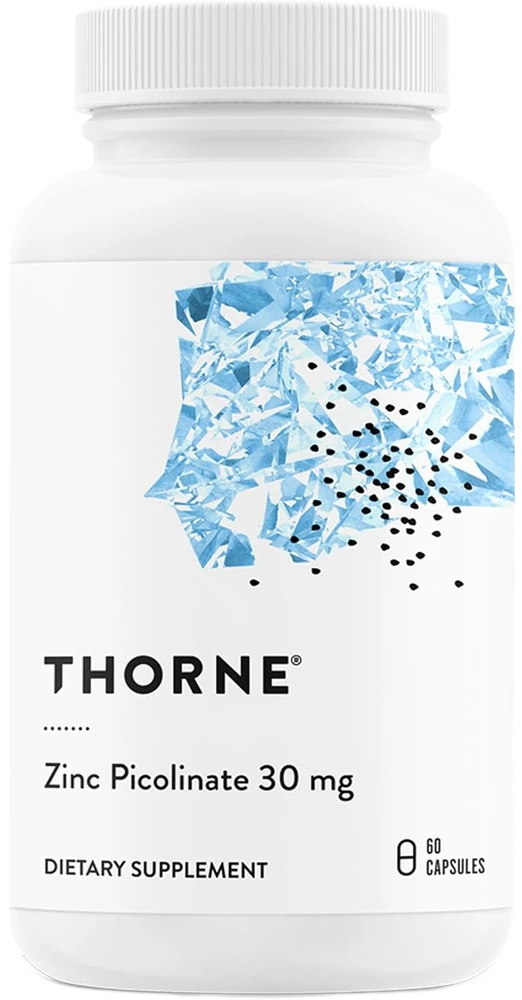 17
17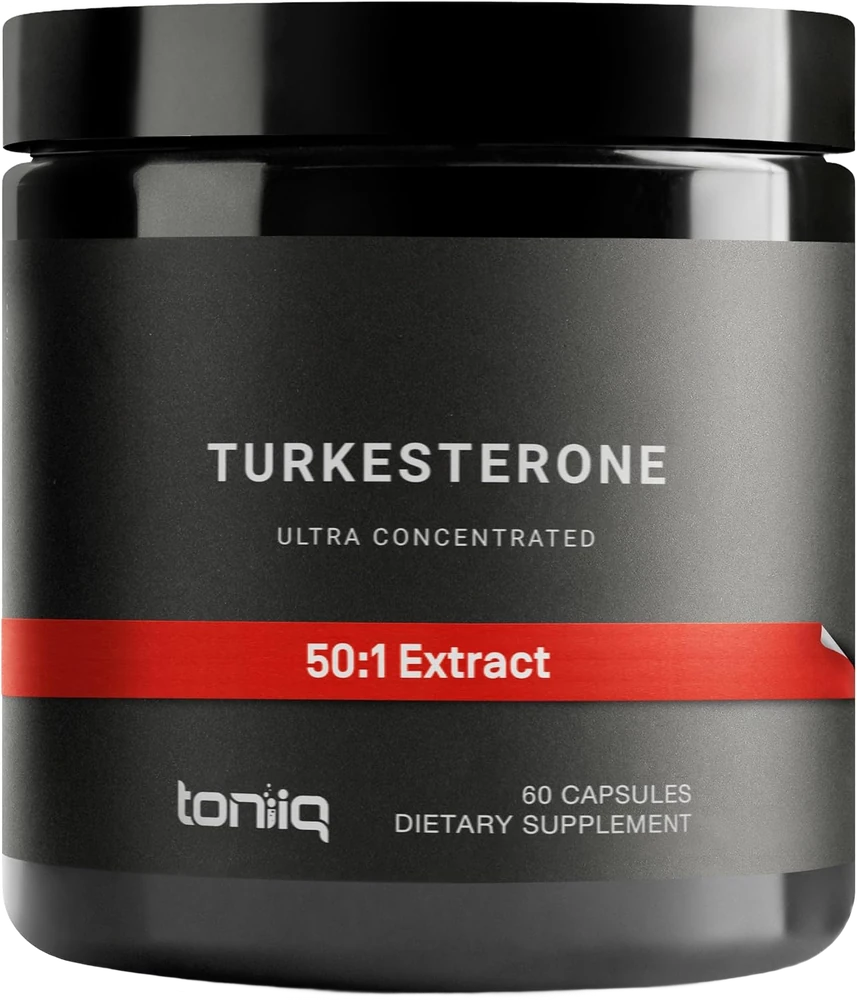 18
18Who Wins Which Aspect
Sorted by overall SAC Efficacy Score™ — the official ranking.
| # | Pick | Score | Effect size45% | Evidence40% | Reliability15% | Buy |
|---|---|---|---|---|---|---|
| 01 | | 8.9 | 8.21 | 9.81 | 8.81 | Check price |
| +5–15% strength + 1–3 kg lean mass over 8–12 weeks | ||||||
| 02 | | 8.1 | 7.02 | 9.22 | 8.22 | Check price |
| Increases lean mass + strength gains alongside training, via total daily proteinWorks when paired with resistance training | ||||||
| 03 | | 6.7 | 5.83 | 7.6 | 6.83 | Check price |
| Modest strength + lean-mass gains in resistance-trained men | ||||||
| 04 | | 6.5 | 5.2 | 7.83 | 6.83 | Check price |
| Raises acute training volume + work capacity; muscle effect is indirectThe dosed actives, not the caffeine, do the work | ||||||
| 05 | | 6.5 | 5.6 | 7.83 | 5.4 | Check price |
| More reps in the 30–180 s effort zone (carnosine buffer)Only the high-rep / endurance sets | ||||||
| 06 | | 6.1 | 5.4 | 6.8 | 6.4 | Check price |
| A slow, sustained amino release - useful pre-bed and for long gaps; supports overnight recoveryModest edge over whey; total daily protein matters most; contains lactose | ||||||
| 07 | | 6.0 | 5.2 | 6.8 | 6.2 | Check price |
| A convenient way to hit the ~1.6-2.2 g/kg daily protein target that drives muscleIt is protein delivery, not a special ingredient; the good ones are ~20g complete protein, low sugar | ||||||
| 08 | | 5.7 | 4.4 | 7.4 | 5.2 | Check price |
| Indirect — supports recovery via free-T, not directly anabolicIndirect; strongest in stressed/older men | ||||||
| 09 | | 5.5 | 4.6 | 6.4 | 5.6 | Check price |
| Delivers the calorie surplus hardgainers struggle to eat - the surplus plus training is the mechanismOnly in a surplus; for true hardgainers only; most people should DIY it cheaper | ||||||
| 10 | | 5.4 | 4.0 | 6.8 | 5.6 | Check price |
| A small rise in maximal muscle power per session — no direct muscle gain shownA session aid, not a muscle builder; trained athletes respond less | ||||||
| 11 | | 5.3 | 4.4 | 6.6 | 4.6 | Check price |
| Stimulates muscle protein synthesis from 1.5–3 g with a plateau near 15–18 g (ISSN position stand, Ferrando 2023); no long-term trial shows more muscle than the same protein from foodAdds little if you already hit ~1.6 g/kg/day protein | ||||||
| 12 | | 5.0 | 4.0 | 6.2 | 4.6 | Check price |
| A small strength gain when starting levels are low — no muscle-size effect shownOnly if you are low on vitamin D; test first | ||||||
| 13 | | 4.8 | 3.8 | 6.0 | 4.4 | Check price |
| A small lean-mass effect, shown mainly in older adults and patientsMostly older or under-muscled adults; little data in young lifters | ||||||
| 14 | | 4.7 | 3.6 | 6.0 | 4.2 | Check price |
| +~22% MPS vs placebo (Jackman 2017), but full EAA/whole protein out-performs them (Moberg 2016; Wolfe 2017)Adds little if you already hit ~1.6 g/kg/day protein | ||||||
| 15 | | 4.3 | 3.0 | 6.2 | 3.2 | Check price |
| No significant gain in fat-free mass or strength across 11 training trials (Jakubowski 2020); small strength gains only in untrained lifters (Rowlands 2009)Only if you are new to lifting or returning after a layoff | ||||||
| 16 | | 3.8 | 2.6 | 5.2 | 3.4 | Check price |
| No measurable strength or muscle gain in people who trainOnly if your intake is low; benefits showed in the elderly, not in athletes | ||||||
| 17 | | 3.1 | 2.2 | 4.2 | 3.0 | Check price |
| No gain in strength or lean mass in trained men who were not deficientOnly if you are zinc-deficient | ||||||
| 18 | | 2.7 | 2.8 | 2.5 | 3.2 | Check price |
| No proven muscle gain in humans — rodent / in-vitro data onlyUnproven; buy only third-party-verified product, if at all | ||||||
The Other 17, Ranked
- 02
Large effect: Protein Powder
8.1SAC Efficacy Score™Increases lean mass + strength gains alongside training, via total daily protein. It's the total that builds muscle, not the shake.
StrongestEvidence9.22WeakestEffect size7.0- Best product
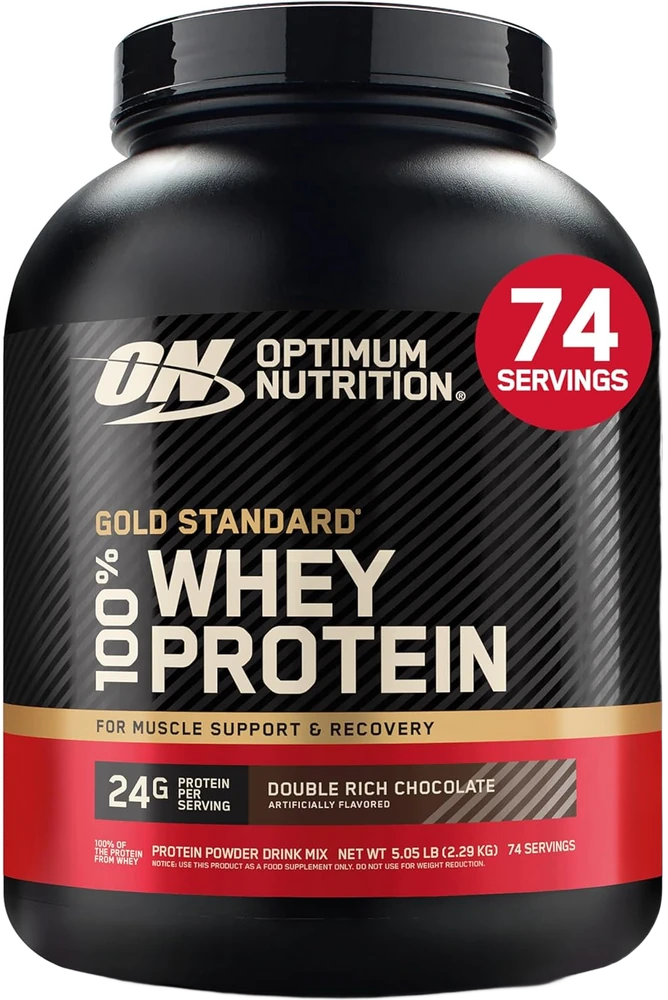
- Optimum Nutrition Gold Standard 100% Whey, Double Rich Chocolate, 5 lb
- Its product score
- 9.0 of 10 — #1 of 9 in our ranking
- Price
- $70
All three scores, the proof, how to run it
Why It Ranks Here- Protein supplementation on top of training adds lean mass and strength, with the benefit plateauing around 1.6 g/kg/day (Morton 2018). The powder is a delivery tool for a total —.
- A 49-trial meta-analysis with meta-regression.
What You Live With- Anyone under ~1.6 g/kg gains from closing the gap; anyone already there gains nothing from more.
- Works when paired with resistance training.
- The proof
- ≤1.6 g/kg daily protein → ↑ lean mass + strength with training
- Studied in
- 49 RCTs — meta-regression (BJSM 2018)
- How to run it
- 20–40 g per serving, used to hit your daily total — timing matters far less than hitting it.
Our take — It's the total that builds muscle, not the shake. Count food first; the scoop fills the gap.
- 03
Moderate effect: Ashwagandha (KSM-66)
6.7SAC Efficacy Score™Modest strength + lean-mass gains in resistance-trained men. The recovery adaptogen with a strength RCT.
StrongestEvidence7.6WeakestEffect size5.8- Best product
- Toniiq Ultra High Strength Ashwagandha
- Its product score
- 9.2 of 10 — #1 of 7 in our ranking
- Price
- $32 / month (1 cap/day)
All three scores, the proof, how to run it
Why It Ranks Here- In 57 resistance-training men, 600 mg/day KSM-66 for 8 weeks added more bench and leg-press strength, more arm and chest size, and less exercise damage than placebo (Wankhede 2015). Modest but measured —.
- One good RCT in trained men plus consistent cortisol data.
What You Live With- Stressed, under-recovered lifters gain most; thyroid and autoimmune conditions rule it out.
- The proof
- 600 mg KSM-66 × 8 weeks → ↑ strength bench + leg press = ↑ size arm + chest
- Studied in
- 57 resistance-training men — RCT (RCT 2015)
- How to run it
- Evening dose, 300–600 mg — sleep improves first, strength shows at week 8.
Our take — The recovery adaptogen with a strength RCT. Choose it when recovery, not effort, is the limit.
- 04
Modest effect: Pre-Workout
6.5SAC Efficacy Score™Raises acute training volume + work capacity; muscle effect is indirect. A better session — if the label prints the doses.
StrongestEvidence7.83WeakestEffect size5.2- Best product
- Transparent Labs BULK Pre-Workout, Peach Mango
- Its product score
- 9.2 of 10 — #1 of 8 in our ranking
- Price
- $50
All three scores, the proof, how to run it
Why It Ranks Here- Caffeine at 3–6 mg/kg improves strength and power acutely (Grgic 2018); citrulline and beta-alanine add pump and endurance when dosed honestly. It raises the training session, not the muscle directly —.
- Caffeine's strength effect is meta-analysed; the blend as a product is judged on its disclosed doses.
What You Live With- Tolerance builds, sleep suffers if taken late, and proprietary blends hide the doses.
- The dosed actives, not the caffeine, do the work.
- The proof
- 3–6 mg/kg caffeine pre-training → ↑ strength + power, acute
- Studied in
- meta-analysis of caffeine trials (Meta 2018)
- How to run it
- 20–40 min before, count all your caffeine, skip it after 2 PM — stim-free pumps exist for evening training.
Our take — A better session — if the label prints the doses. Buy transparent labels, not proprietary blends.
- 05
Moderate effect: Beta-Alanine
6.5SAC Efficacy Score™More reps in the 30–180 s effort zone (carnosine buffer). More reps in the burn.
StrongestEvidence7.83WeakestReliability5.4- Best product
- NutraBio Beta-Alanine (CarnoSyn), Unflavored
- Its product score
- 9.2 of 10 — #1 of 9 in our ranking
- Price
- $25
All three scores, the proof, how to run it
Why It Ranks Here- 3.2–6.4 g/day for 4+ weeks raises muscle carnosine and improves capacity in 30-second-to-10-minute efforts (Saunders 2017) — more reps in the burn zone, indirectly more volume. because the muscle effect is downstream.
- A 40-study meta-analysis.
What You Live With- Helps high-rep, metabolic training; does little for low-rep strength work. The tingle is harmless.
- Only the high-rep / endurance sets.
- The proof
- 3.2–6.4 g daily × 4+ weeks → ↑ capacity 30 s – 10 min efforts
- Studied in
- 40 studies — meta-analysis (BJSM 2017)
- How to run it
- Split 1.6 g doses, daily for 4 weeks before judging — the tingle is a skin effect, not potency.
Our take — More reps in the burn. For sets of 12+, not for sets of 3.
- 06
Modest effect: Casein Protein
6.1SAC Efficacy Score™A slow, sustained amino release - useful pre-bed and for long gaps; supports overnight recovery. Feed the night shift.
StrongestEvidence6.8WeakestEffect size5.4- Best product
- Dymatize Elite 100% Micellar Casein, Rich Chocolate
- Its product score
- 9.3 of 10 — #1 of 8 in our ranking
- Price
- $45
All three scores, the proof, how to run it
Why It Ranks Here- 40 g of casein before sleep raised overnight muscle protein synthesis (Res 2012) and, over 12 weeks of training, added more muscle and strength than placebo (Snijders 2015). It is still protein toward the total —.
- Two well-run trials from the Maastricht group.
What You Live With- Pays most when your last meal was hours before bed or your daily total is short; redundant if dinner already covered it.
- Modest edge over whey; total daily protein matters most; contains lactose.
- The proof
- 40 g casein before sleep → ↑ MPS overnight protein synthesis = ↑ gains over 12 weeks
- Studied in
- resistance-trained men — RCTs (J Nutr 2015)
- How to run it
- 30–40 g before bed, or as the slow protein for a long gap — whey handles the post-training slot.
Our take — Feed the night shift. For the bedtime slot, not the shaker bag.
- 07
Modest effect: Protein Bars
6.0SAC Efficacy Score™A convenient way to hit the ~1.6-2.2 g/kg daily protein target that drives muscle. Protein you'll actually eat.
StrongestEvidence6.8WeakestEffect size5.2- Best product
- David Protein Bar, Chocolate Chip Cookie Dough
- Its product score
- 9.3 of 10 — #1 of 8 in our ranking
- Price
- $39 (12-pack)
All three scores, the proof, how to run it
Why It Ranks Here- Same rule as the powder: total daily protein near 1.6 g/kg drives the gains (Morton 2018). A bar is 15–20 g of it in a pocket —, a little lower than powder for the sugar and fat that ride along.
- Rides on the protein meta-analysis; bars have no trials of their own.
What You Live With- Convenient and consistent; check the label for amino-spiking and sugar alcohols.
- It is protein delivery, not a special ingredient; the good ones are ~20g complete protein, low sugar.
- The proof
- 15–20 g per bar → total toward ~1.6 g/kg/day
- Studied in
- 49 RCTs — protein meta-analysis (BJSM 2018)
- How to run it
- One bar closes one gap, not three — whole food and powder carry the rest.
Our take — Protein you'll actually eat. Convenience, not a strategy.
- 08
Modest effect: Tongkat Ali
5.7SAC Efficacy Score™Indirect — supports recovery via free-T, not directly anabolic. Recovery via free T, not anabolism.
StrongestEvidence7.4WeakestEffect size4.4- Best product
- Double Wood LJ100 Tongkat Ali
- Its product score
- 9.3 of 10 — #1 of 9 in our ranking
- Price
- $38 / month
All three scores, the proof, how to run it
Why It Ranks Here- In physically active seniors, 400 mg/day for 5 weeks raised free testosterone and modestly improved muscle strength (Henkel 2014). Indirect — recovery and drive via free T, not direct anabolism.
- A pilot in seniors plus the testosterone meta-analysis for the hormone, less for hypertrophy.
What You Live With- Stressed and aging men respond; young men with normal T get little muscle from it.
- Indirect; strongest in stressed/older men.
- The proof
- 400 mg daily × 5 weeks → ↑ free T + handgrip strength
- Studied in
- active seniors — pilot study (Pilot 2014)
- How to run it
- Morning, standardised, judge at week 8 — it supports the training, it doesn't replace it.
Our take — Recovery via free T, not anabolism. For the over-40 lifter with low drive.
- 09
Modest effect: Mass Gainer
5.5SAC Efficacy Score™Delivers the calorie surplus hardgainers struggle to eat - the surplus plus training is the mechanism. Calories you couldn't eat.
StrongestEvidence6.4WeakestEffect size4.6- Best product
- 5% Nutrition (Rich Piana) Real Carbs + Protein, Banana Nut Bread
- Its product score
- 8.8 of 10 — #1 of 8 in our ranking
- Price
- $45
All three scores, the proof, how to run it
Why It Ranks Here- Muscle grows faster with a modest energy surplus alongside training (Slater 2019); a gainer is calories and protein in a glass for people who can't eat enough.
- Surplus physiology is well reviewed; gainers themselves have no trials of their own.
What You Live With- Hardgainers benefit; everyone else gains fat. Sugar-heavy formulas overshoot fast.
- Only in a surplus; for true hardgainers only; most people should DIY it cheaper.
- The proof
- +300–500 kcal modest surplus → ↑ hypertrophy with training
- Studied in
- review of energy surplus and muscle (Review 2019)
- How to run it
- Only if the scale won't move: half a serving with milk, track weekly bodyweight, stop when it climbs 0.25–0.5 kg/week.
Our take — Calories you couldn't eat. For the hardgainer only.
- 10
Small effect: Beetroot (Nitrate)
5.4SAC Efficacy Score™A small rise in maximal muscle power per session — no direct muscle gain shown. A stronger session, not new muscle.
StrongestEvidence6.8WeakestEffect size4.0- Best product
- HumanN SuperBeets Black Cherry
- Its product score
- 8.8 of 10 — #1 of 9 in our ranking
- Price
- $39 / 5.3 oz canister (30 servings)
All three scores, the proof, how to run it
Why It Ranks Here- Across 19 crossover trials, dietary nitrate raised maximal muscle power with an effect size of 0.42 (Coggan 2021). That is a slightly stronger session, not new tissue; no trial shows extra muscle from it.
- An individual-participant meta-analysis of 19 double-blind crossover trials, 268 people, low heterogeneity The outcome is power, not hypertrophy.
What You Live With- Works acutely in most recreational trainees; well-trained athletes tend to respond less.
- A session aid, not a muscle builder; trained athletes respond less.
- The proof
- Nitrate 2–3 h before training → ↑ power effect size 0.42
- Studied in
- 19 crossover trials — individual-participant meta-analysis (JISSN 2021)
- How to run it
- 6–8 mmol nitrate 2–3 h before training (about 500 ml juice or 1–2 concentrated shots) — and skip antibacterial mouthwash, it blocks the pathway.
Our take — A stronger session, not new muscle. Buy it for the session, not for the mirror.
- 11
Modest effect: EAAs
5.3SAC Efficacy Score™Stimulates muscle protein synthesis from 1.5–3 g with a plateau near 15–18 g (ISSN position stand, Ferrando 2023); no long-term trial shows more muscle than the same protein from food. A muscle is built from all nine essential aminos.
StrongestEvidence6.6WeakestEffect size4.4- Best product
- NAKED EAAs Unflavored
- Its product score
- 9.1 of 10 — #1 of 8 in our ranking
- Price
- $39.99 · 50 servings (Amazon US, Oct 11, 2026)
All three scores, the proof, how to run it
Why It Ranks Here- Free-form EAAs raise muscle protein synthesis from doses as small as 1.5–3 g, with a plateau around 15–18 g (Ferrando 2023), and 6 g after training doubled the net protein balance of a 3 g EAA mix (Børsheim 2002). No long-term trial shows more muscle than the same protein from food or whey.
- An ISSN position stand and two decades of tracer studies on protein synthesis, but few training studies with muscle mass as the outcome.
What You Live With- Adds something when a meal is low in protein, in a calorie deficit or with age; redundant on top of about 1.6 g/kg of protein a day.
- Adds little if you already hit ~1.6 g/kg/day protein.
- The proof
- 6 g EAAs after training → 2× net protein balance vs a 3 g EAA mix
- Studied in
- healthy volunteers after resistance exercise — Børsheim 2002 (AJP 2002)
- How to run it
- Use it where protein is missing: fasted training, a low-protein meal or a hard cut. Aim for 6–10 g with about 2.5 g of leucine.
Our take — A muscle is built from all nine essential aminos. A gap-filler, not a foundation. Hit your daily protein first; the protein powder above does that for less.
- 12
Small effect: Vitamin D3
5.0SAC Efficacy Score™A small strength gain when starting levels are low — no muscle-size effect shown. It fixes a shortfall. It does not add muscle.
StrongestEvidence6.2WeakestEffect size4.0- Best product
- Thorne Vitamin D + K2 Liquid
- Its product score
- 8.9 of 10 — #1 of 10 in our ranking
- Price
- $22 / month (metered-dispenser bottle, 600 servings)
All three scores, the proof, how to run it
Why It Ranks Here- Supplementation raised upper- and lower-limb strength with a standardised mean difference of 0.32 in adults aged 18-40 (Tomlinson 2015). Small, and tied to low starting levels; muscle size was not an outcome.
- Seven controlled trials, 310 adults, pooled in one meta-analysis No hypertrophy trial in vitamin-D-replete lifters.
What You Live With- Pays only when you start low; with normal blood levels there is nothing to correct.
- Only if you are low on vitamin D; test first.
- The proof
- Vitamin D 4,000 IU/day and up, 4 weeks–6 months → + strength SMD 0.32, upper and lower limbs
- Studied in
- 7 trials, 310 adults aged 18–40 — meta-analysis (JSAMS 2015)
- How to run it
- Test 25(OH)D first; if low, 1,000–4,000 IU of D3 daily with a meal, then re-test after three months.
Our take — It fixes a shortfall. It does not add muscle. Test first. With normal levels there is nothing here for your muscles.
- 13
Small effect: Omega-3 (EPA/DHA)
4.8SAC Efficacy Score™A small lean-mass effect, shown mainly in older adults and patients. Small, and mostly shown in older adults.
StrongestEvidence6.0WeakestEffect size3.8- Best product
- Nordic Naturals Ultimate Omega 1280 mg
- Its product score
- 9.0 of 10 — #1 of 11 in our ranking
- Price
- $38 / month
All three scores, the proof, how to run it
Why It Ranks Here- A meta-analysis found small gains in lean body mass (effect size 0.27) and quadriceps strength (Bird 2021). Most of the trials were in older adults and patients, not in healthy lifters.
- 66 trials pooled, but few of them in young, resistance-trained people.
What You Live With- Most plausible in older or under-muscled adults; young lifters with enough protein have little shown upside.
- Mostly older or under-muscled adults; little data in young lifters.
- The proof
- Omega-3 EPA + DHA, weeks to months → ↑ lean mass effect size 0.27
- Studied in
- 66 trials, mostly older adults and patients — meta-analysis (Clin Nutr ESPEN 2021)
- How to run it
- 1–2 g combined EPA + DHA a day with a meal, if you eat little oily fish.
Our take — Small, and mostly shown in older adults. A health supplement with a small muscle footnote.
- 14
Small effect: BCAAs
4.7SAC Efficacy Score™+~22% MPS vs placebo (Jackman 2017), but full EAA/whole protein out-performs them (Moberg 2016; Wolfe 2017). Three amino acids can't build a protein.
StrongestEvidence6.0WeakestEffect size3.6- Best product
- Xtend Original BCAA
- Its product score
- 8.6 of 10 — #1 of 12 in our ranking
- Price
- $25 / 30 servings
All three scores, the proof, how to run it
Why It Ranks Here- BCAAs after training raised myofibrillar protein synthesis ~22% over placebo (Jackman 2017) — but whole protein or complete EAAs beat them, because you cannot build muscle from three of nine amino acids (Wolfe 2017).
- Well-run mechanistic trials that also explain why they lose to whey.
What You Live With- Only adds anything if you train fasted and protein is short; otherwise redundant.
- Adds little if you already hit ~1.6 g/kg/day protein.
- The proof
- 5.6 g BCAA post-exercise → +22% MPS vs placebo = < whey complete protein wins
- Studied in
- resistance-trained men — Jackman 2017 (Front Physiol 2017)
- How to run it
- If you sip anything intra-workout, make it EAAs or whey — BCAAs are the expensive subset.
Our take — Three amino acids can't build a protein. Ranked, not recommended. The protein powder above makes this one redundant.
- 15
Small effect: HMB
4.3SAC Efficacy Score™No significant gain in fat-free mass or strength across 11 training trials (Jakubowski 2020); small strength gains only in untrained lifters (Rowlands 2009). Helps beginners a little. Trained lifters: nothing.
StrongestEvidence6.2WeakestEffect size3.0- Best product
- NutraBio HMB 1,000 mg
- Its product score
- 8.9 of 10 — #1 of 6 in our ranking
- Price
- $21.99 · 120 capsules (Amazon US, Oct 11, 2026)
All three scores, the proof, how to run it
Why It Ranks Here- Across 11 resistance-training trials in adults aged 18 to 45, HMB had no significant effect on fat-free mass or strength (Jakubowski 2020). In untrained lifters an earlier meta-analysis found small strength gains, 6.6% on average (Rowlands 2009).
- Several meta-analyses and an ISSN position stand that do not agree with each other; the one large positive result has not been reproduced.
What You Live With- Helps, if at all, people starting to train or coming back from a layoff. In trained lifters the effect is trivial.
- Only if you are new to lifting or returning after a layoff.
- The proof
- 3 g/day HMB with training → no effect on fat-free mass or strength
- Studied in
- 11 trials, 302 adults aged 18–45 — Jakubowski 2020 (Nutrients 2020)
- How to run it
- If you try it, take 3 g a day as 1 g with each of three meals, during the first weeks of a new programme.
Our take — Helps beginners a little. Trained lifters: nothing. Ranked, not recommended. Creatine and enough protein do more for less.
- 16
Small effect: Magnesium
3.8SAC Efficacy Score™No measurable strength or muscle gain in people who train. For sleep, maybe. For muscle, no.
StrongestEvidence5.2WeakestEffect size2.6- Best product
- Pure Encapsulations Magnesium (Glycinate)
- Its product score
- 8.9 of 10 — #1 of 10 in our ranking
- Price
- $32 / month
All three scores, the proof, how to run it
Why It Ranks Here- A meta-analysis of 14 randomised trials found no significant improvement in strength, power or muscle outcomes, and no visible benefit in athletes and active people (Wang 2017).
- 14 trials, 542 participants, a clear null result for people who train.
What You Live With- Helped in the elderly and in alcoholics, where intake is low; did nothing measurable for athletes.
- Only if your intake is low; benefits showed in the elderly, not in athletes.
- The proof
- Magnesium 14 randomised trials → no gain in strength or power
- Studied in
- athletes, untrained adults, elderly — meta-analysis (Magnes Res 2017)
- How to run it
- If your diet is low in magnesium, 200–400 mg of a well-absorbed form in the evening covers the gap.
Our take — For sleep, maybe. For muscle, no. Ranked, not recommended for muscle. Take it for a low intake or for sleep, not for size.
- 17
Small effect: Zinc
3.1SAC Efficacy Score™No gain in strength or lean mass in trained men who were not deficient. ZMA was tested in lifters. Nothing happened.
StrongestEvidence4.2WeakestEffect size2.2- Best product
- Thorne Zinc Picolinate 30 mg
- Its product score
- 9.2 of 10 — #1 of 10 in our ranking
- Price
- $14 / month
All three scores, the proof, how to run it
Why It Ranks Here- Eight weeks of zinc-magnesium aspartate in 42 resistance-trained men changed neither anabolic hormones, body composition, 1-RM strength nor muscular endurance versus placebo (Wilborn 2004).
- One double-blind trial of the popular ZMA formula with a null result; the positive data concern correcting a deficiency, not adding muscle.
What You Live With- Matters only if you are zinc-deficient; in replete lifters the trial found nothing.
- Only if you are zinc-deficient.
- The proof
- ZMA nightly × 8 weeks → no change hormones, lean mass, 1-RM
- Studied in
- 42 resistance-trained men — double-blind RCT (JISSN 2004)
- How to run it
- Only with a confirmed or likely deficiency: 15–30 mg zinc a day with food, and not for months on end without copper.
Our take — ZMA was tested in lifters. Nothing happened. Ranked, not recommended. If you are not deficient, zinc adds nothing to your training.
- 18
Small effect: Turkesterone
2.7SAC Efficacy Score™No proven muscle gain in humans — rodent / in-vitro data only. Zero human trials. Zero.
StrongestReliability3.2WeakestEvidence2.5- Best product
- Toniiq Ultra High Strength Turkesterone, 50:1 Extract (20%)
- Its product score
- 8.6 of 10 — #1 of 8 in our ranking
- Price
- $25
All three scores, the proof, how to run it
Why It Ranks Here- No human trial has tested turkesterone for muscle. The case rests on rodent data and one flawed study of a different ecdysteroid, ecdysterone (Isenmann 2019). Independent labs also found products with a fraction of the labelled content.
- Zero human efficacy trials on the compound itself.
What You Live With- Adulteration and unverified standardisation make the product itself unpredictable.
- Unproven; buy only third-party-verified product, if at all.
- The proof
- 0 human turkesterone trials → rodents + one flawed ecdysterone study
- Studied in
- the entire evidence base (Arch Toxicol 2019)
- How to run it
- If you insist, demand a batch HPLC certificate — most bottles have tested far below label.
Our take — Zero human trials. Zero. Ranked, not recommended. Creatine costs less and has hundreds of trials.
Muscle Growth In Four Short Lessons
Fix training and food first.
Progressive overload, a modest calorie surplus and 1.6-2.2 g/kg of protein account for the overwhelming majority of what you will build. Supplements are the last few percent.
Start with creatine.
It is the one supplement with a large, robust, replicated effect. The rest are smaller and situational.
Check who each supplement actually works for.
We rank categories by evidence, expected effect size and how conditional the benefit is. A supplement that only helps the deficient is not essential for everyone.
Schoenfeld (training volume) · Morton 2018 (protein) — honest effect sizes, full scoring below.
Every category is scored on what it does for this goal, not on how good one product is. The score is the SAC Efficacy Score™: the same number, from the same studies, that ranks the category on the goal page. The product shown with each category is the #1 pick of that category's own product ranking.
Effect size · 45%
How much it moves the goal when it works: the size of the gain measured in the human trials.
Evidence · 40%
How many human trials back the effect for this goal, how well they were run and whether they agree.
Reliability · 15%
How many people it works for. A category that only helps a deficient or untrained minority scores low here.
How muscle-growth supplements actually work
- 1
The hierarchy is brutal
Progressive training, surplus calories, 1.6-2.2 g/kg protein and sleep produce nearly all muscle growth. Supplements compete for the last few percent — which is why this list ranks by evidence strength, not by hype.
- 2
Creatine stands alone
Creatine monohydrate expands the phosphocreatine energy buffer for heavy sets — hundreds of trials, roughly 5-10% strength gains and measurable extra lean mass. It is the one near-universal recommendation, and it costs cents a day.
- 3
Protein is a total, not a product
Protein powder, casein, protein bars and mass gainers all do the same job: they help you reach the daily protein and calorie total that training turns into muscle. If food already gets you there, they add nothing.
- 4
The conditional tier
Ashwagandha, pre-workout, beta-alanine and tongkat ali each work through one specific limiter: training stress, session volume, high-rep fatigue. If the limiter is not yours, the effect is not either. Vitamin D, omega-3, magnesium and zinc only fix a shortfall. BCAAs add little once protein is covered, and turkesterone has no human trial.
What to expect from the muscle stack
Creatine loads
Daily 5 g fills muscle stores: 1-2 kg water weight and fuller-looking muscles first, extra reps on heavy sets next. Everything else in the stack is still silent — correctly so.
The buffer pays
Creatine's extra rep or two per heavy set compounds into faster strength progression. Hitting the daily protein total starts to show as steadier recovery between sessions.
Visible compounding
Strength gains convert to measurable size at the rate your programming allows. Honest math: the stack contributes maybe 5-15% of the result; training volume and food contribute the rest.
Audit ruthlessly
Keep creatine permanently. Re-test the conditional tier quarterly: if dropping ashwagandha or the pre-workout changes nothing in 4 weeks, your money belongs in groceries.
The bottom line: training first, then creatine, then protein
Spend on the foundation, not the margins.
Progressive overload, a modest surplus and enough protein come first — they are the muscle. Supplements are the trim.
The one big-effect supplement: creatine monohydrate.
Five grams a day, every day. Everything below it on the list is smaller and more conditional — useful only once the basics are locked.
Buy the category that fits the gap you actually have.
Protein if you under-eat it, creatine always, the rest only if training and food are already dialled in.
Quick Answers
What is the best supplement for muscle growth?
Creatine Monohydrate ranks first with a SAC Efficacy Score™ of 8.9 out of 10. +5–15% strength + 1–3 kg lean mass over 8–12 weeks. Five grams a day. Every day. That's the whole protocol.
Which creatine monohydrate product should I buy?
Sports Research Creatine Monohydrate (Creapure) is the #1 pick of our creatine monohydrate ranking (SAC Product Score™ 9.1 out of 10), at $37 / 450 g (90 servings).
What comes after creatine monohydrate?
By effect on muscle growth: Protein Powder (8.1), Ashwagandha (KSM-66) (6.7), Pre-Workout (6.5). Each card names the effect measured in trials and who it works for.
Which supplements for muscle growth are not worth buying?
The lowest-ranked categories are Zinc (3.1) and Turkesterone (2.7). Zinc: Only if you are zinc-deficient. Turkesterone: Unproven; buy only third-party-verified product, if at all.
How were these supplements ranked?
Every category is scored on what it does for this goal, not on how good one product is. The score is the SAC Efficacy Score™: the same number, from the same studies, that ranks the category on the goal page. The product shown with each category is the #1 pick of that category's own product ranking.
Every Claim Ranked Above Traces Back To One Of These
23 peer-reviewed sources, each linked to PubMed
- [1] Morton et al. 2018 PMID 28698222 — A systematic review, meta-analysis and meta-regression of the effect of protein supplementation on resistance training-induced gains in muscle mass and strength in healthy adults. Protein Powder: ≤1.6 g/kg daily protein → ↑ lean mass + strength with training (49 RCTs — meta-regression).
- [2] Kreider 2017 PMID 28615996 — International Society of Sports Nutrition position stand: safety and efficacy of creatine supplementation in exercise, sport, and medicine. ISSN position stand after reviewing 500+ studies: creatine monohydrate is the single most effective ergogenic supplement for increasing high-intensity exercise capacity and lean body mass during training, with no evidence that alternative forms outperform monohydrate at equivalent doses, and 3-5 g/day is safe and effective. The anchor for ranking creatine as the undisputed #1 muscle-growth supplement.
- [3] Saunders et al. 2017 PMID 27797728 — β-alanine supplementation to improve exercise capacity and performance: a systematic review and meta-analysis. Beta-Alanine: 3.2–6.4 g daily × 4+ weeks → ↑ capacity 30 s – 10 min efforts (40 studies — meta-analysis).
- [4] Grgic et al. 2018 PMID 29527137 — Effects of caffeine intake on muscle strength and power: a systematic review and meta-analysis. Pre-Workout: 3–6 mg/kg caffeine pre-training → ↑ strength + power, acute (meta-analysis of caffeine trials).
- [5] Snijders et al. 2015 PMID 25926415 — Protein Ingestion before Sleep Increases Muscle Mass and Strength Gains during Prolonged Resistance-Type Exercise Training in Healthy Young Men. Casein Protein: 40 g casein before sleep → ↑ MPS overnight protein synthesis = ↑ gains over 12 weeks (resistance-trained men — RCTs).
- [6] Slater et al. 2019 PMID 31482093 — Is an Energy Surplus Required to Maximize Skeletal Muscle Hypertrophy Associated With Resistance Training. Mass Gainer: +300–500 kcal modest surplus → ↑ hypertrophy with training (review of energy surplus and muscle).
- [7] Jackman 2017 PMID 28638350 — Branched-Chain Amino Acid Ingestion Stimulates Muscle Myofibrillar Protein Synthesis following Resistance Exercise in Humans. BCAAs alone raised myofibrillar muscle protein synthesis ~22% above placebo after resistance exercise — a real but submaximal response, well below what intact protein produces, because BCAAs lack the other essential amino acids. Supports rating EAAs above pure BCAAs while keeping the whole-protein caveat.
- [8] Børsheim et al. 2002 PMID 12217881 — Essential amino acids and muscle protein recovery from resistance exercise. EAAs: 6 g EAAs after training → 2× net protein balance vs a 3 g EAA mix (healthy volunteers after resistance exercise — Børsheim 2002).
- [9] Jakubowski et al. 2020 PMID 32456217 — Supplementation with the Leucine Metabolite β-hydroxy-β-methylbutyrate (HMB) does not Improve Resistance Exercise-Induced Changes in Body Composition or Strength in Young Subjects: A Systematic Review and Meta-Analysis. HMB: 3 g/day HMB with training → no effect on fat-free mass or strength (11 trials, 302 adults aged 18–45 — Jakubowski 2020).
- [10] Isenmann et al. 2019 PMID 31123801 — Ecdysteroids as non-conventional anabolic agent: performance enhancement by ecdysterone supplementation in humans. Turkesterone: 0 human turkesterone trials → rodents + one flawed ecdysterone study (the entire evidence base).
- [11] Henkel et al. 2014 PMID 23754792 — Tongkat Ali as a potential herbal supplement for physically active male and female seniors — a pilot study. Tongkat Ali: 400 mg daily × 5 weeks → ↑ free T + handgrip strength (active seniors — pilot study).
- [12] Wankhede 2015 PMID 26609282 — Examining the effect of Withania somnifera supplementation on muscle strength and recovery: a randomized controlled trial. 600 mg/day KSM-66 ashwagandha for 8 weeks in resistance-trained men produced greater bench-press and leg-extension strength gains, larger arm-muscle size, and a serum testosterone increase (+96 ng/dL vs +18 placebo). The trial behind ashwagandha's modest recovery/training-stress strength signal at the dose used here.
- [13] Coggan et al. 2021 PMID 34625064 — Effect of dietary nitrate on human muscle power: a systematic review and individual participant data meta-analysis. Beetroot (Nitrate): Nitrate 2–3 h before training → ↑ power effect size 0.42 (19 crossover trials — individual-participant meta-analysis).
- [14] Tomlinson et al. 2015 PMID 25156880 — Effects of vitamin D supplementation on upper and lower body muscle strength levels in healthy individuals. A systematic review with meta-analysis. Vitamin D3: Vitamin D 4,000 IU/day and up, 4 weeks–6 months → + strength SMD 0.32, upper and lower limbs (7 trials, 310 adults aged 18–40 — meta-analysis).
- [15] Bird et al. 2021 PMID 34857251 — The effect of long chain omega-3 polyunsaturated fatty acids on muscle mass and function in sarcopenia: A scoping systematic review and meta-analysis. Omega-3 (EPA/DHA): Omega-3 EPA + DHA, weeks to months → ↑ lean mass effect size 0.27 (66 trials, mostly older adults and patients — meta-analysis).
- [16] Wang et al. 2017 PMID 29637897 — The effect of magnesium supplementation on muscle fitness: a meta-analysis and systematic review. Magnesium: Magnesium 14 randomised trials → no gain in strength or power (athletes, untrained adults, elderly — meta-analysis).
- [17] Wilborn et al. 2004 PMID 18500945 — Effects of Zinc Magnesium Aspartate (ZMA) Supplementation on Training Adaptations and Markers of Anabolism and Catabolism. Zinc: ZMA nightly × 8 weeks → no change hormones, lean mass, 1-RM (42 resistance-trained men — double-blind RCT).
- [18] Branch 2003 PMID 12945830 — Effect of creatine supplementation on body composition and performance: a meta-analysis. Meta-analysis: creatine supplementation increased lean body mass by an average of ~+1.2 kg vs placebo across resistance-trained subjects, with a consistent effect on high-intensity exercise performance. One of the two effect-size anchors for creatine's hypertrophy claim on this page.
- [19] Chilibeck 2017 PMID 29138605 — Effect of creatine supplementation during resistance training on lean tissue mass and muscular strength in older adults: a meta-analysis. Meta-analysis of creatine + resistance training in older adults: significant gains in lean tissue mass (~+1.4 kg) and chest-press strength vs placebo. Demonstrates the creatine hypertrophy effect holds across the lifespan, supporting 'works for essentially everyone who trains'.
- [20] Moberg 2016 PMID 27053525 — Activation of mTORC1 by leucine is potentiated by branched-chain amino acids and even more so by essential amino acids following resistance exercise. Head-to-head in humans after resistance exercise, activation of the muscle-building mTORC1 pathway ranked leucine alone < BCAAs < all nine essential amino acids, with the full EAA complement producing the strongest, most sustained anabolic signal. The basis for choosing a full-spectrum EAA over BCAAs and for the honest caveat that complete protein supplies the same aminos.
- [21] Wolfe 2017 PMID 28852372 — Branched-chain amino acids and muscle protein synthesis in humans: myth or reality?. Critical review concluding that BCAAs alone cannot maximally stimulate muscle protein synthesis because building new muscle protein requires all the essential amino acids; supplying only three leaves the other six rate-limiting. The anchor for the honest 'EAAs/whole protein beat isolated BCAAs, and complete protein already supplies them' framing.
- [22] Chandrasekhar 2012 PMID 23439798 — A prospective, randomized double-blind, placebo-controlled study of safety and efficacy of a high-concentration full-spectrum extract of ashwagandha root in reducing stress and anxiety in adults. 600 mg/day KSM-66 for 60 days in chronically stressed adults reduced perceived stress -44% and morning serum cortisol -27.9% vs placebo. Establishes the cortisol/stress-reduction mechanism that underpins ashwagandha's recovery-side contribution to training.
- [23] Lopresti 2019 (testosterone) PMID 30854916 — A randomized, double-blind, placebo-controlled, crossover study examining the hormonal and vitality effects of ashwagandha (Withania somnifera) in aging, overweight males. 57 overweight men aged 40-70 took Shoden (21 mg withanolide glycosides a day) or placebo for 8 weeks each in a crossover trial. Testosterone rose 14.7% and DHEA-S 18% more than on placebo; cortisol, fatigue and sexual well-being did not differ.
More Muscle Growth Guides
- Best Creatine for MenSame 10-product roster as the general creatine list, reframed for the male-lifter cohort — NSF Certified for Sport leads, then plain monohydrate form, tub size for bulking macros and per-scoop creatine.
- Best Creatine for Muscle GrowthTen creatine picks ranked for hypertrophy — cell volumization, satellite-cell proliferation, saturation over loading. Monohydrate is the only form with RCT weight.
- Best Creatine MonohydrateThe most-studied supplement in sports nutrition — and 95% of buyers get it wrong by paying for fancier forms or flavored blends. Ranked by label purity, price per gram, and lab transparency.
- Best Creatine SupplementsThe definitive creatine buying guide — the single best pick for each kind of buyer across powder, gummies, and HCl. Monohydrate powder wins on raw value; every other form is a situational upgrade for adherence, testing, or tolerance.
- Best Protein PowderThe 9 best protein powders ranked on protein quality and dose (whey isolate vs concentrate vs vegan), label honesty and amino-spiking purity, third-party testing, value per gram of protein and taste — with the evidence-backed frame that hitting ~1.6 g/kg/day of total protein, not the brand on the tub, is what drives muscle growth.
- Best TurkesteroneThe 8 best turkesterone supplements ranked first on third-party verification (independent tests found many products contain under 1% of the claimed turkesterone), then standardization, dose and value — with the blunt frame that there are no good human turkesterone RCTs and verification, not hype, is everything.
Affiliate disclosure: every Amazon link uses our Associates tag (superachieverclub-20). We earn a small commission at no cost to you; it funds independent reviews. We never accept payment to change a ranking.