
Top 8 Best Berberine for Blood Sugar (2026)
 01 · Best overall for blood sugar✓ Label verified · Supplement Facts read Oct 1, 2026
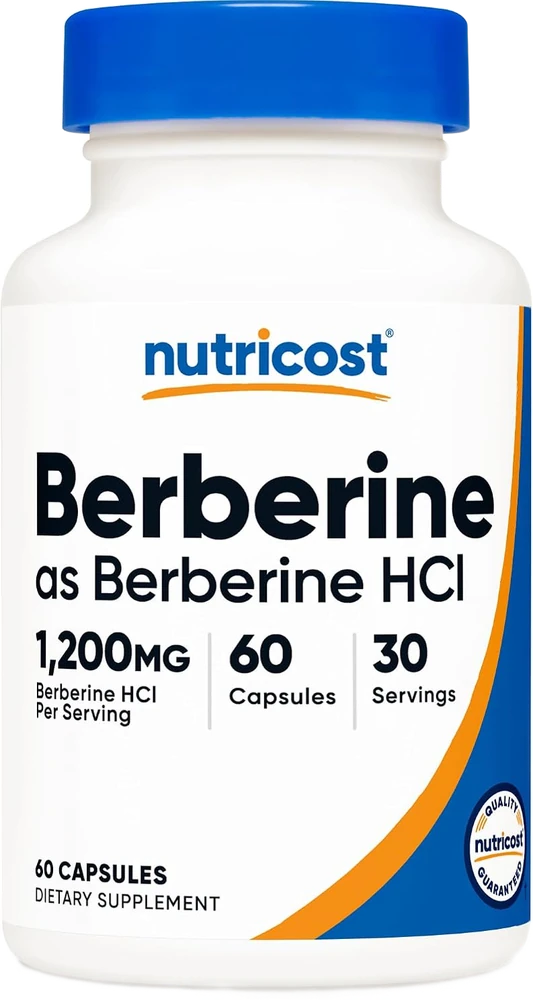
Best overall for blood sugar: Nutricost Berberine HCl 1,200 mg
$15/month with 600 mg pure HCl per cap. 2 caps = 1,200 mg/day (the labeled serving), 3 caps = 1,800 mg/day. A low-cost path to trial-replicated dosing for a 12-week glucose protocol.
$15 / month$0.50 / 1,200 mg serving (2 caps) at the listed price
Why it wins: all five scores, pros & cons, full label
- Pure berberine HCl at 600 mg per cap — no glucose-blend dilution, no marketing dilution
- 600 mg per cap = 2 caps/day hits 1,200 mg, 3 caps hits 1,800 — flexible glucose-dosing window
- Hypromellose (vegetarian) capsules; excipients are rice flour, silica, olive oil, magnesium stearate and microcrystalline cellulose
- No NSF / USP certification — only GMP-facility + third-party
- 60-cap bottle is only ~20 days at 3 caps/day (30 days at the labeled 2 caps) — re-order monthly
- Larger capsule than lower-dose brands — sensitive swallowers may prefer smaller caps
- Plain HCl can trigger loose stools in sensitive guts — ramp slowly or switch to phytosome (#4)
- Per cap
- 600 mg
- Bottle
- 60 capsules · 30 servings (~30 days at 2 caps/day, ~20 days at 3)
- Testing
- GMP-certified facility, third-party tested, COA available
- Form
- Berberine HCl

Our take — Nutricost is our top pick and the right glucose entry point — and at $15/month it removes cost as a barrier to running a full 12-week trial. The supply chain is real, the dose is real, the form is the trial-default HCl. You're trading premium-tier QC theatrics for two-thirds lower cost. Run 600 mg with breakfast + dinner for 2 weeks, ramp to 3 caps with lunch added if tolerated, re-test fasting glucose at week 4-8 and HbA1c at week 12. If you respond and want NSF-grade assurance for a clinician-coordinated protocol, step over to Thorne (#3); otherwise Nutricost works indefinitely.
 02
02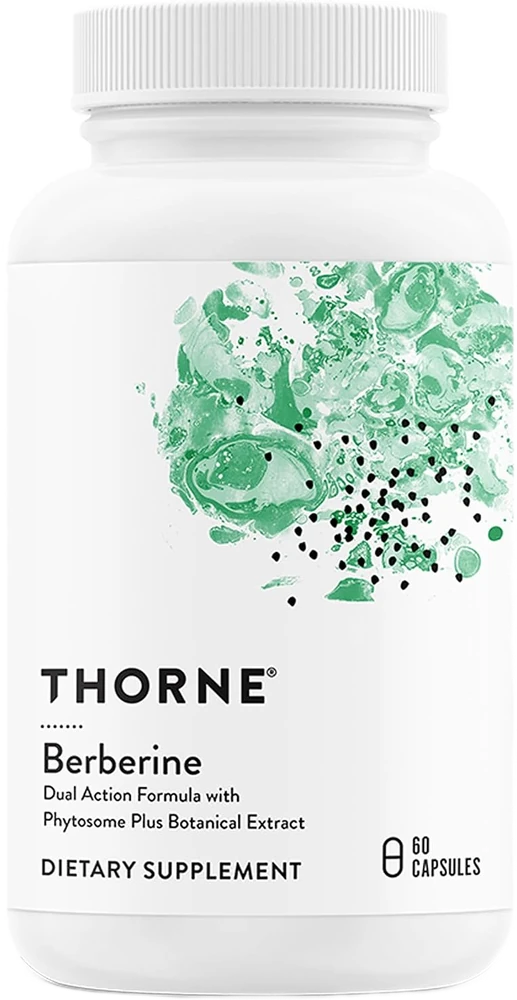 03
03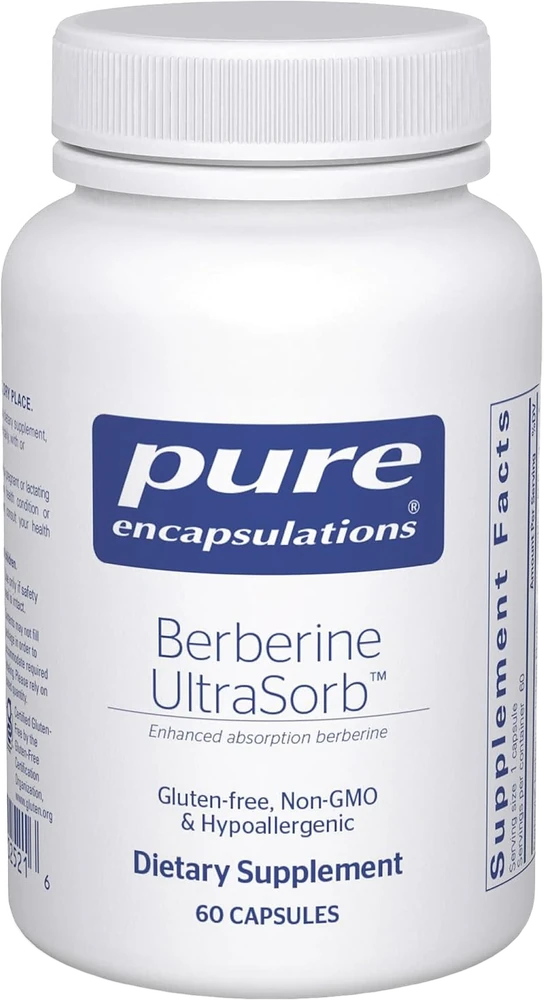 04
04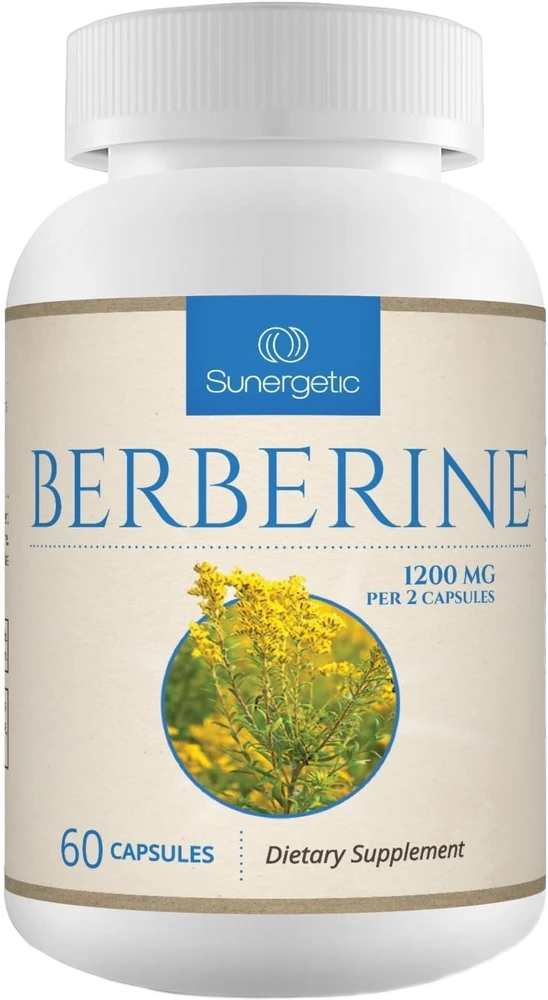 05
05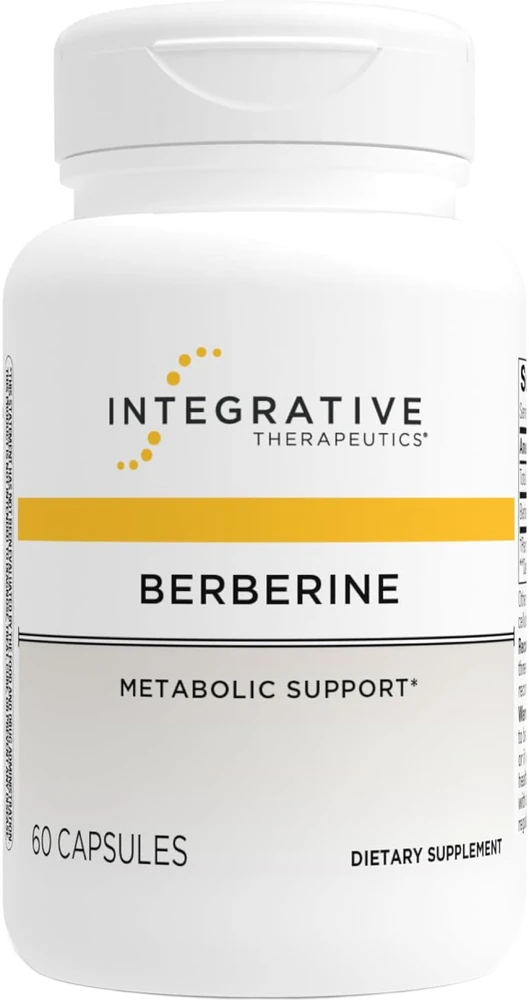 06
06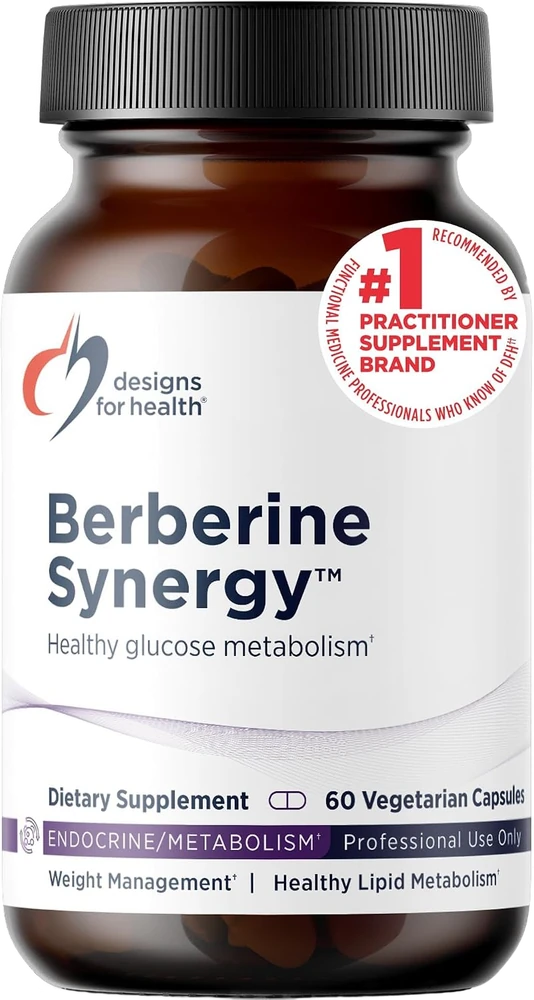 07
07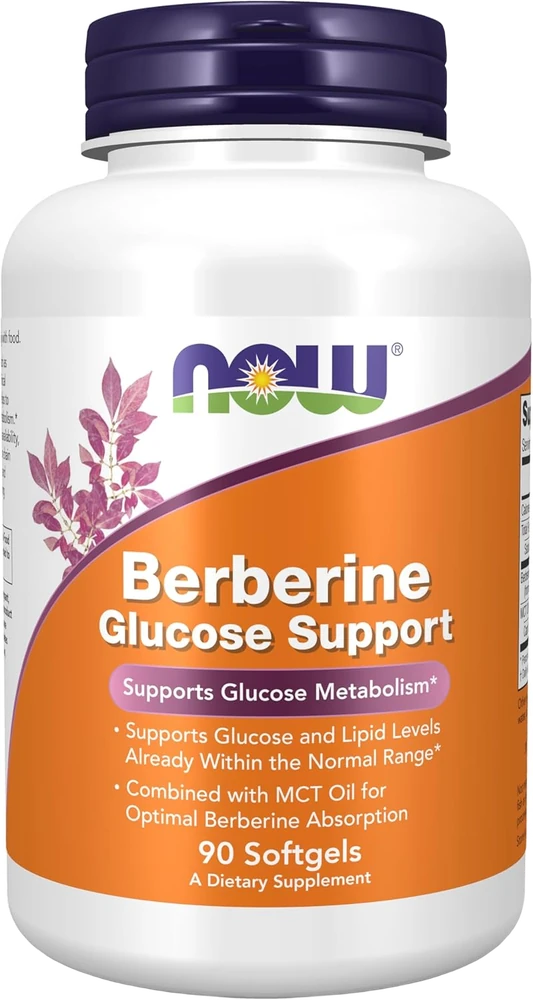 08
08Who Wins Which Aspect
Sorted by overall SAC Product Score™ — the official ranking.
| # | Pick | Score | Form bioavailability30% | Dose accuracy at 1,500 mg/day25% | Third-party testing20% | Cost per active dose15% | Real-world glucose + weight response10% | Cost Per Dose | Buy |
|---|---|---|---|---|---|---|---|---|---|
| 01 | | 8.9 | 8.5 | 9.51 | 8.03 | 10.01 | 8.53 | $0.50 / 1,200 mg serving | Check price |
| Pure berberine HCl at 600 mg per cap — no glucose-blend dilution, no marketing dilutionNo NSF / USP certification — only GMP-facility + third-party | |||||||||
| 02 | | 8.7 | 9.03 | 9.02 | 8.52 | 8.52 | 8.0 | $0.42 / 1,500 mg serving | Check price |
| 3 caps/day (500 mg each, one per main meal) replicates the Yin 2008 glucose protocol exactlyThree caps a day — one with each main meal is exactly the Yin 2008 schedule, but never take the whole 1,500 mg as a single bolus (peak luminal concentration drives the loose stools) | |||||||||
| 03 | | 8.4 | 9.22 | 7.0 | 9.01 | 7.5 | 9.51 | $1.07 / 1,000 mg blend serving | Check price |
| HCl plus phytosome in one capsule — the phytosome half adds an absorption-oriented form on top of the trial-default HClNo exact trial match — Yin 2008 used 500 mg pure HCl 3×/day (1,500 mg/day); Thorne's labeled serving is a 1,000 mg HCl-plus-phytosome blend, so the label can't be mapped onto the trial dose | |||||||||
| 04 | | 8.4 | 9.51 | 8.53 | 8.52 | 5.5 | 9.02 | $0.80 / 550 mg phytosome cap | Check price |
| Phytosome carrier increases bioavailability 3-5× vs HCl — same plasma curve as 1,500 mg HCl at a lower compound doseMost expensive on the list at $48/month — premium pricing is partly clinician-brand markup | |||||||||
| 05 | | 8.2 | 8.5 | 8.53 | 7.5 | 8.52 | 8.0 | $0.73 / 1,200 mg serving | Check price |
| 1,200 mg/day at 2 caps lands inside the trial-dose window without overshooting — easy to ramp to 1,500 mgNo NSF or USP certification — relies on GMP + third-party tests | |||||||||
| 06 | | 8.2 | 8.5 | 9.02 | 8.52 | 5.5 | 8.53 | $0.60 / 500 mg cap | Check price |
| Clinician-channel pedigree — used in integrative medicine practices for 30+ yearsPricier than Thorne (#3) and without NSF certification — though unlike Thorne's dual-action blend it is pure HCl at the exact Yin 2008 dose | |||||||||
| 07 | | 7.9 | 8.5 | 7.0 | 9.01 | 6.0 | 9.02 | $0.70 / 400 mg berberine serving | Check price |
| Clinician-channel pedigree — used in functional medicine + integrative cardiology practicesPremium-tier pricing at $42/month — closer to phytosome than HCl pricing without the bioavailability bump | |||||||||
| 08 | | 7.8 | 8.0 | 7.0 | 8.52 | 8.03 | 7.5 | $0.22 / 400 mg berberine softgel | Check price |
| NOW's in-house QC is among the most consistent in the industry — 30+ yearsThe MCT oil is locked in — 700 mg per softgel (0.5 g saturated fat), so you can't ramp berberine without ramping the oil too | |||||||||
The Other 7, Ranked
- 02
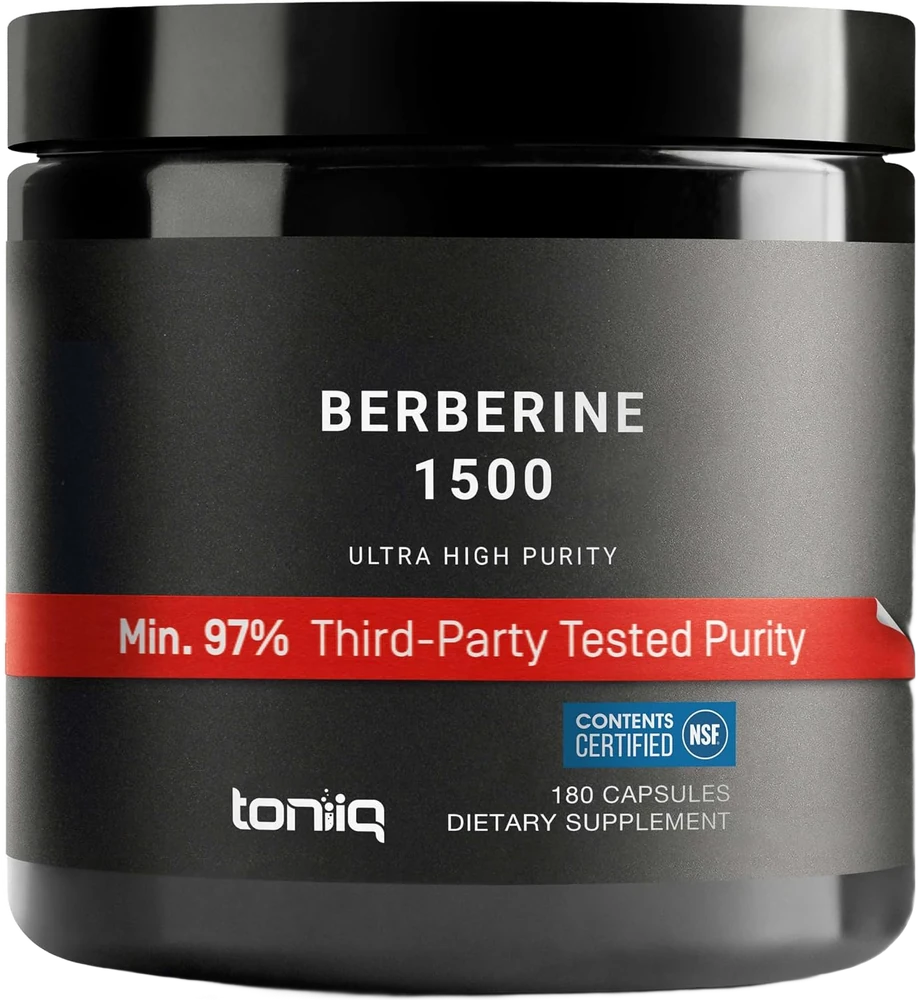
Best trial-dose value: Toniiq Ultra Berberine HCl 1500mg
8.7SAC Score™1,500 mg per 3-capsule serving (3 caps × 500 mg, one with each main meal) replicates the Yin 2008 glucose dose exactly. UHP-standardised HCl at 97%+ alkaloid identity per public COA, NSF Contents Certified per the label.
StrongestForm bioavailability9.03WeakestReal-world glucose + weight response8.0- Per serving
- 1,500 mg (3 caps at 500 mg each)
- Bottle
- 180 capsules · 60 servings (~60 days at 3 caps/day)
- Testing
- UHP standardisation, COA per batch, third-party HPLC verified; NSF Contents Certified (per label)
All five scores, pros & cons, full label
What We Like- 3 caps/day (500 mg each, one per main meal) replicates the Yin 2008 glucose protocol exactly
- UHP (Ultra-High Purity) positioning — third-party HPLC verifies 97%+ alkaloid identity per batch
- Public COA on every batch — rare at this price tier, useful for a clinician-coordinated protocol
- 180-cap bottle = 60-day clinical-dose supply at 3 caps/day, among the longest supplies on this list at mid-tier price
What You Live With- Three caps a day — one with each main meal is exactly the Yin 2008 schedule, but never take the whole 1,500 mg as a single bolus (peak luminal concentration drives the loose stools)
- NSF Contents Certified verifies the label contents; the brand has less clinician-channel pedigree than Thorne
- One cap is 500 mg — a larger capsule than lower-dose brands, so ramp slowly if your gut is sensitive
- Form
- Berberine HCl (97%+ alkaloid purity)
Our take — If you want the trial-replicated Yin 2008 glucose dose (500 mg × 3, one cap per main meal) with a public COA and an NSF Contents Certified label, Toniiq is the strongest value play on this list. The UHP positioning is marketing language, but the public COA backs it up at 97%+ alkaloid purity per batch — which is the verification that actually matters for a glucose protocol. The trade-off is three capsules a day and less clinician-channel pedigree than Thorne. The right answer for trial-dose-focused glucose buyers who balk at Thorne's premium and want the exact pure-HCl protocol.
- 03
Best NSF-certified pick for blood sugar: Thorne Berberine 500mg
8.4SAC Score™NSF contents-certified dual-action berberine: 450 mg HCl plus 550 mg phytosome per 2-capsule serving (225 + 275 mg per cap). It is not the pure-HCl 500 mg × 3/day protocol that matched metformin on HbA1c in Yin 2008 — but it is the clinician-trusted brand for coordinating berberine around a statin or other medication.
StrongestReal-world glucose + weight response9.51WeakestDose accuracy at 1,500 mg/day7.0- Per serving
- 2 caps = 450 mg berberine HCl + 550 mg berberine phytosome (1,000 mg blend)
- Bottle
- 60 capsules · 30 servings (~30 days at the labeled 2 caps/day)
- Testing
- NSF contents-certified (NSF/ANSI 173), GMP; hypromellose capsule, calcium laurate
All five scores, pros & cons, full label
What We Like- HCl plus phytosome in one capsule — the phytosome half adds an absorption-oriented form on top of the trial-default HCl
- NSF contents-certified (NSF/ANSI 173): label-versus-contents verification, contaminant screening and facility audits, the right assurance when a clinician is involved
- Clinician-trusted brand with 35+ years of QC — relevant for coordinating around CYP3A4-interacting medication
- Short excipient list — hypromellose capsule and calcium laurate only, no glucose-blend dilution
What You Live With- No exact trial match — Yin 2008 used 500 mg pure HCl 3×/day (1,500 mg/day); Thorne's labeled serving is a 1,000 mg HCl-plus-phytosome blend, so the label can't be mapped onto the trial dose
- Pricier than the pure-HCl picks at $32/month — the spread buys NSF certification and the blend, not a replicated trial dose
- 60-cap bottle is only 30 servings at the labeled 2 caps/day — a one-month supply that needs monthly re-ordering
- Form
- Dual Action — berberine HCl + berberine phytosome blend
Our take — For blood sugar specifically, the evidence-backed default is plain HCl (95% of the glucose RCTs used it) — and Thorne's dual-action blend is not that: each 2-capsule serving is 450 mg HCl plus 550 mg phytosome, so it does not replicate the Yin 2008 protocol. What it offers is the NSF/ANSI 173 contents listing, a certifier-confirmed label-versus-contents check that most berberine brands lack, which matters when you're sharing the protocol with a clinician who needs to titrate around metformin and check CYP3A4 interactions, plus a phytosome component for buyers who want the absorption-oriented form. The two reasons to look elsewhere are the exact trial dose (Nutricost #1 at $15/month, or Toniiq #2 at 500 mg × 3) or a phytosome-only pick for GI tolerance (Pure Encapsulations UltraSorb #4). For the pre-diabetic or diabetic buyer who needs NSF certification to coordinate berberine into their care, start here and let your clinician set the dose.
- 04
Best premium (phytosome) for sensitive guts: Pure Encapsulations Berberine UltraSorb
8.4SAC Score™Phytosome form (3-5× HCl bioavailability) lets you hit clinical plasma exposure for glucose at a lower compound dose — the right pick if HCl loose stools are intolerable or you're running maintenance dosing.
StrongestForm bioavailability9.51WeakestCost per active dose5.5- Per cap
- 550 mg phytosome complex, standardized to 28% berberine (~154 mg active berberine + carrier)
- Bottle
- 60 capsules · 60 servings (1 cap each)
- Testing
- Brand-run testing; hypoallergenic label; no certifier listing found (Oct 6, 2026)
All five scores, pros & cons, full label
What We Like- Phytosome carrier increases bioavailability 3-5× vs HCl — same plasma curve as 1,500 mg HCl at a lower compound dose
- Lower compound dose = dramatically lower GI burden, which means higher adherence on a 12-week glucose protocol
- Hypoallergenic label — no fillers, dyes, gluten, dairy, GMOs, or unnecessary excipients
- Clinician-preferred brand — used by integrative + functional medicine practices for 30+ years
What You Live With- Most expensive on the list at $48/month — premium pricing is partly clinician-brand markup
- Glucose-trial base is HCl (Yin 2008, Zhang 2010 used HCl, not phytosome) — though Indena bioavailability data is strong
- For pure glucose protocols you're paying for absorption the gut-lumen mechanisms don't strictly require
- Form
- Berberine Phytosome (Indena license)
Our take — Phytosome sits at #4 here because for blood sugar, HCl is the evidence-backed default — the postprandial + microbiome mechanisms work in the gut lumen, so the bioavailability upgrade matters less than it does for adipose-tissue AMPK. That said, Pure Encapsulations UltraSorb is the right glucose pick in two cases: a sensitive gut where HCl loose stools are intolerable (more of the dose enters circulation rather than sitting in the gut), or maintenance dosing (500-1,000 mg/day, where higher bioavailability beats higher compound dose). The trade-off is price ($48/month, ~3× Nutricost) and a thinner glucose-trial base. Worth it if HCl made you miserable; otherwise drop to the HCl picks above.
- 05
Best mid-tier HCl: Sunergetic Premium Berberine 1200mg
8.2SAC Score™1,200 mg/serving (2 caps × 600 mg) at mid-tier pricing with a money-back guarantee — useful insurance for first-time glucose buyers worried about non-response.
StrongestForm bioavailability8.5WeakestThird-party testing7.5- Per serving
- 1,200 mg (2 caps at 600 mg each)
- Bottle
- 60 capsules · 30 servings (~30 days at 2 caps/day)
- Testing
- GMP-certified facility, third-party tested
All five scores, pros & cons, full label
What We Like- 1,200 mg/day at 2 caps lands inside the trial-dose window without overshooting — easy to ramp to 1,500 mg
- 600 mg per cap is a comfortable per-dose size — two caps make the labeled 1,200 mg serving
- Mid-tier pricing splits the difference between Nutricost budget and Thorne premium
- Money-back guarantee for unresponders — rare in the category, useful for first-time glucose buyers
What You Live With- No NSF or USP certification — relies on GMP + third-party tests
- Brand has less clinical-channel pedigree than Thorne or Pure Encapsulations
- Slightly under-target at 1,200 mg/day without ramping to 3 caps for the full 1,500 mg
- Form
- Berberine HCl
Our take — Sunergetic occupies the useful middle position for glucose buyers — a comfortable 600 mg per-cap dose, more budget-friendly than Thorne, real trial-form HCl without combo dilution. The money-back guarantee is genuinely useful if you're worried about being a non-responder before you've confirmed berberine works in your body. Slot it in if Thorne is over budget but Nutricost feels too cheap, and you want to start at 1,200 mg before ramping to the full 1,500 mg trial dose.
- 06
Best clinical-tier basic: Integrative Therapeutics Berberine 500mg
8.2SAC Score™Clinical-tier single-ingredient HCl from a long-standing functional-medicine brand. 500 mg per cap matches the Yin 2008 glucose dose exactly. No adjuncts, no nonsense.
StrongestDose accuracy at 1,500 mg/day9.02WeakestCost per active dose5.5- Per cap
- 500 mg
- Bottle
- 60 capsules (~20 days at 3 caps/day)
- Testing
- Clinician-channel QC, full COA per batch
All five scores, pros & cons, full label
What We Like- Clinician-channel pedigree — used in integrative medicine practices for 30+ years
- Pure HCl, no combo blend, no marketing dilution — the trial-default glucose form
- 500 mg per cap matches the Yin 2008 / Zhang 2010 glucose dose exactly
- Full COA on every batch — rare at this price tier
What You Live With- Pricier than Thorne (#3) and without NSF certification — though unlike Thorne's dual-action blend it is pure HCl at the exact Yin 2008 dose
- 60-cap bottle is short — only ~20 days at full 1,500 mg/day
- Brand visibility is lower than Thorne / Pure Encapsulations on Amazon
- Form
- Berberine HCl
Our take — Integrative Therapeutics is the right pick if your practitioner specifically recommended it or you're already in the clinician-channel supplement ecosystem. The formulation is pure HCl, 500 mg per cap, no fillers, matching the Yin 2008 glucose dose — which Thorne's dual-action blend (#3) does not — but without the NSF badge and at a higher price point. For most glucose readers who want the exact pure-HCl protocol, Nutricost (#1) or Toniiq (#2) are the better buys; for NSF-verified assurance, Thorne (#3). Slot this in only if practitioner brand-loyalty is a factor in your blood-sugar protocol.
- 07
Best clinician-channel adjunct: Designs for Health Berberine Synergy
7.9SAC Score™Clinician-channel adjunct formula. Berberine + milk thistle (liver) + ALA at trial-relevant doses — useful if your glucose protocol is functional-medicine-driven and includes NAFLD or fatty-liver management.
StrongestThird-party testing9.01WeakestCost per active dose6.0- Per serving
- 400 mg berberine + 100 mg silymarin + 200 mg ALA (2 caps)
- Bottle
- 60 capsules (~30 days at 2/day)
- Testing
- Clinician-channel QC, COA available on request
All five scores, pros & cons, full label
What We Like- Clinician-channel pedigree — used in functional medicine + integrative cardiology practices
- Adjuncts are glucose-relevant — milk thistle for NAFLD / fatty-liver support, ALA for insulin sensitivity
- Real-dose adjuncts, not marketing sprinkle
- Brand reputation for tight QC and supply-chain transparency — relevant for a clinician-coordinated protocol
What You Live With- Premium-tier pricing at $42/month — closer to phytosome than HCl pricing without the bioavailability bump
- Combo formula means you can't titrate berberine independently around CYP3A4-interacting medication
- 400 mg berberine per serving = 4 caps/day for the full Yin 2008 trial dose
- Form
- Berberine HCl + milk thistle (silymarin) + ALA
Our take — If your glucose protocol is clinician-driven (functional medicine, integrative cardiology) and includes liver support — particularly if NAFLD or fatty liver shows up on bloodwork alongside elevated glucose — Berberine Synergy is the cleanest one-bottle solution. The adjuncts are at trial-relevant doses and the brand QC is among the strongest in the supplement industry. The trade-off is independence — you're locked into the combo, which complicates titrating berberine around an interacting medication. Worth the premium only if you'd otherwise be buying berberine + milk thistle + ALA as three separate bottles.
- 08
Best MCT-oil softgel: NOW Foods Berberine Glucose Support
7.8SAC Score™Household-name brand with three decades of QC. One softgel is 400 mg berberine HCl combined with 700 mg MCT oil (238 mg capric acid), which NOW says improves berberine absorption — a single-adjunct softgel, with no ALA or cinnamon.
StrongestThird-party testing8.52WeakestDose accuracy at 1,500 mg/day7.0- Per serving
- 1 softgel = 400 mg berberine HCl + 700 mg MCT oil (238 mg capric acid)
- Bottle
- 90 softgels (~45 days at 2/day · ~22 days at 4/day)
- Testing
- NOW in-house labs, GMP, NSF-registered facility
All five scores, pros & cons, full label
What We Like- NOW's in-house QC is among the most consistent in the industry — 30+ years
- MCT oil (700 mg per softgel, 238 mg capric acid) is combined with the berberine for absorption — NOW's own on-label claim
- Softgel format reduces GI irritation vs hard caps for some users
- Available in most US health stores — easy offline backup
What You Live With- The MCT oil is locked in — 700 mg per softgel (0.5 g saturated fat), so you can't ramp berberine without ramping the oil too
- 400 mg berberine per softgel means 4 softgels/day to hit Yin 2008's 1,500 mg — pill burden
- Bovine-gelatin softgel with caramel color and beeswax — not vegetarian
- Form
- Berberine HCl (from Berberis aristata bark) + MCT oil carrier
Our take — NOW Berberine Glucose Support is a branded HCl softgel with a fat carrier rather than a true combo formula: 400 mg berberine HCl plus 700 mg MCT oil (238 mg capric acid) per softgel, with no ALA, cinnamon or other glucose adjunct. NOW says the MCT oil improves absorption, but the glucose trials used plain HCl, so the oil is not what earns the berberine its evidence. The trade-off is that you can't titrate berberine independently of the oil, and you need 4 softgels/day to hit the 1,500 mg trial target. Use this if you prefer a softgel and don't mind the count. Otherwise stick with single-ingredient HCl picks (#1, #2).
Berberine In Four Short Lessons
What the trials actually showed for glucose + HbA1c
- −0.9%
- HbA1c drop at 1,500 mg/day berberine — matching metformin 1,500 mg in Yin 2008
- −20mg/dL
- Typical fasting-glucose reduction by week 4-8 on the 1,500 mg/day protocol
- ~1%
- Oral bioavailability of berberine HCl — the math behind the big split-dose number
- 12 wks
- Time for HbA1c to fully reflect the change (RBC turnover window)
Sources: Yin 2008 metformin head-to-head (PMID 18442638); Lan 2015 meta of 27 RCTs n=2,569 (PMID 25498346); Zhang 2008 T2D + dyslipidemia (PMID 18397984); Pérez-Rubio 2013 metabolic syndrome (PMID 23808999); Liu 2016 bioavailability review (PMID 26851175).
Clear it with your clinician first.
Berberine inhibits CYP3A4 and P-glycoprotein, and blood-sugar buyers overlap heavily with statin, calcium-channel-blocker and immunosuppressant users. It is an adjunct, not a metformin replacement you make on your own.
Choose plain berberine HCl.
95% of the glucose trials used HCl, and its roughly 1% bioavailability is already built into the dose. For glucose, the high-absorption upgrades matter less.
Match the trial protocol: 500 mg three times a day.
Yin 2008 put that dose head to head against metformin 1,500 mg a day for three months and found them equivalent on HbA1c. Check the per-capsule dose so you can reach it.
Yin 2008 metformin head-to-head (PMID 18442638); Lan 2015 meta of 27 RCTs, n=2,569 (PMID 25498346); Zhang 2008 T2D + dyslipidemia (PMID 18397984); Wei 2012 PCOS (PMID 22019891); Pérez-Rubio 2013 metabolic syndrome (PMID 23808999); Liu 2016 bioavailability review (PMID 26851175).
Each pick was scored 0-10 across five criteria, then weighted to a final composite. Unlike the weight-loss list — which weighted phytosome bioavailability heaviest because adipose-tissue AMPK needs systemic exposure — this blood-sugar list splits the top weight between form/bioavailability and trial-dose accuracy, because the glucose use case is the one with the deepest HCl-trial evidence and the postprandial + microbiome mechanisms work in the gut lumen regardless of systemic absorption. Trial-dose accuracy ensures the protocol can actually replicate Yin 2008's 1,500 mg/day. Third-party testing filters fraud. Glucose-trial evidence + drug-interaction transparency is weighted explicitly because the blood-sugar population overlaps so heavily with statin / immunosuppressant / cardiac-drug users that berberine's CYP3A4 + P-glycoprotein inhibition is a real clinical concern, not a footnote. Price per active dose is the tiebreaker.
Form / bioavailability · 25%
For glucose, berberine HCl scores highest on trial weight — 95% of the glucose RCTs used it, and the gut-lumen mechanisms make the ~1% bioavailability a non-issue. Dihydroberberine (3-5× HCl) and phytosome (3-5× HCl) score high on raw absorption but lose ground on glucose-trial depth. Combo blends and unspecified 'berberine extracts' score lowest.
Dose accuracy vs the 1,500 mg/day trial protocol · 25%
Per-cap dose must let you hit the Yin 2008 trial target of 1,500 mg/day with reasonable cap-count. 400-750 mg/cap scores full marks. Anything under 250 mg/cap penalises hard — adherence over a 12-week glucose protocol dies at 6+ capsules per day.
Third-party testing · 20%
NSF Certified or USP grade scores highest. Patented branded forms (UltraSorb / Berberol with Indena's QC) get equivalent credit. GMP-certified facility + public COA scores mid. 'Tested in a facility' marketing language scores lowest. Testing matters more for a clinician-coordinated glucose protocol than for a casual supplement.
Glucose-trial evidence + drug-interaction transparency · 15%
Single-ingredient HCl bottles that replicate the published glucose protocols (Yin 2008, Zhang 2010) score highest. Brands that clearly flag CYP3A4 / P-glycoprotein interactions and the metformin caveat get credit — the blood-sugar population overlaps hard with statin / immunosuppressant / cardiac-drug users. Combo formulas that dilute berberine lose points.
Price per active dose · 15%
Monthly cost divided by daily trial-replicated dose. HCl is cheaper per mg than phytosome or DHB. Tiebreaker — the first four criteria do most of the ranking, but at the budget tier a legitimate clinical-dose HCl at $15/month removes cost as a barrier to a 12-week glucose trial.
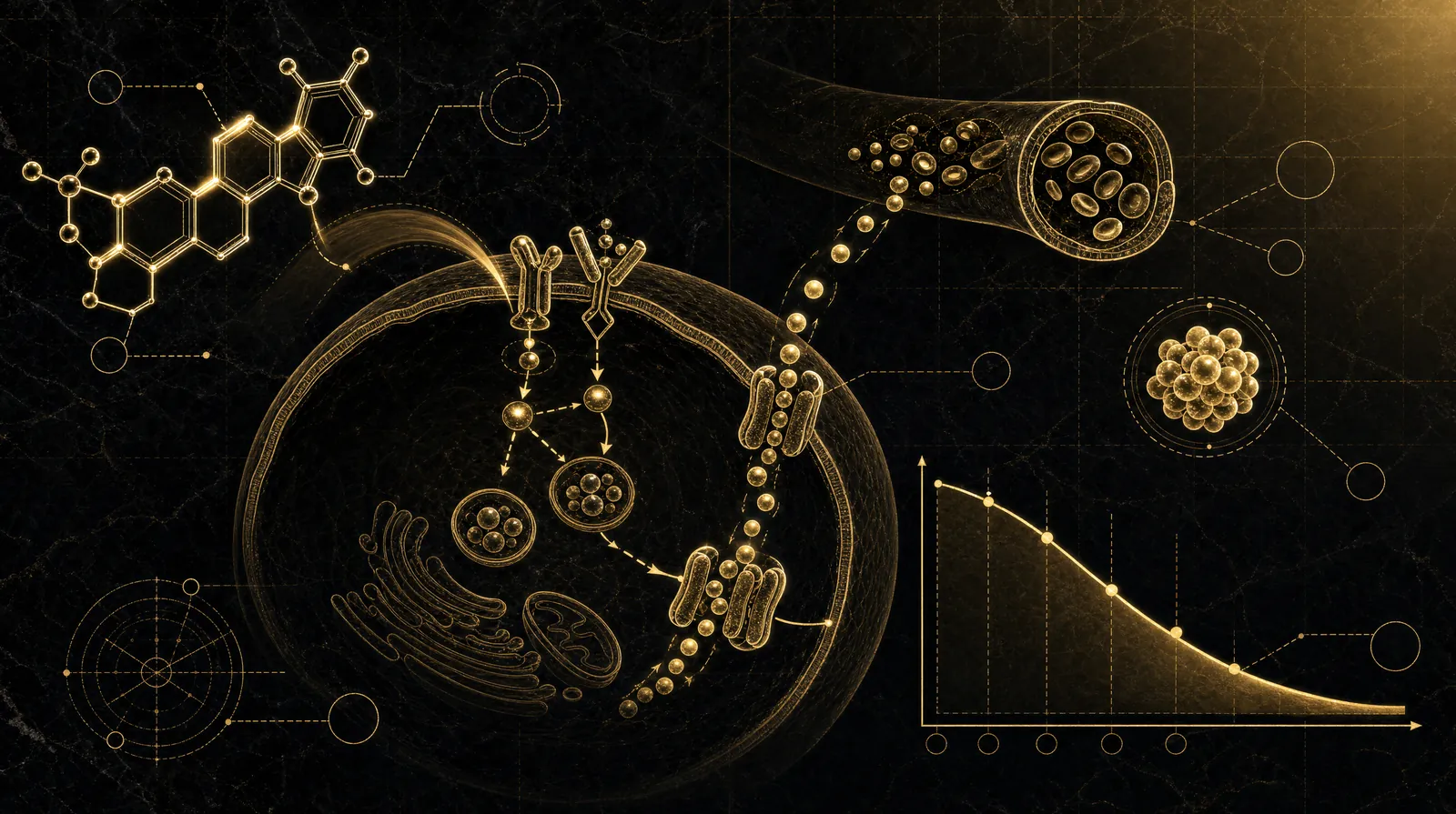
How berberine lowers blood sugar — postprandial blunting + AMPK + microbiome
- 1
Postprandial glucose blunting (immediate)
Taken with a meal, berberine inhibits hepatic gluconeogenesis and slows intestinal glucose absorption during digestion. The post-meal glucose spike drops 15-25 mg/dL on CGM; the insulin response falls in parallel. This is the immediate, felt-first glucose lever.
- 2
AMPK activation in liver + muscle (week 2-8)
Like metformin, berberine partially blocks mitochondrial Complex I in the systemically-reached fraction of the dose. ATP drops, AMP rises, AMPK switches on. Liver: hepatic glucose output falls. Muscle: GLUT4 transporters translocate to the cell surface, pulling glucose out of the blood. Fasting glucose drops 10-25 mg/dL.
- 3
Microbiome shift → SCFA → GLP-1/PYY (week 4-12)
The ~99% of an oral dose that doesn't enter circulation stays in the intestinal lumen and shifts the microbiome toward Akkermansia + Faecalibacterium. These bacteria produce short-chain fatty acids (butyrate, acetate) that stimulate GLP-1 + PYY release — a second, parallel insulin-sensitising mechanism that compounds over the 12-week window into the HbA1c reduction.
12-week blood-sugar trajectory on berberine
GI adaptation + postprandial glucose drops first
Loose stools, mild cramping if you skipped the ramp. CGM users see 15-25 mg/dL lower post-meal peaks. Fasting glucose + HbA1c not measurably moved yet — this is the first signal the bottle is working.
Postprandial blunting consolidates
Post-meal spikes flatten reliably on CGM. Fasting glucose starts to ease. Loose-stool symptoms fade as you complete the ramp. HbA1c hasn't caught up yet — RBC turnover is slow.
Fasting glucose + insulin shift on labs
Fasting glucose down 10-25 mg/dL on bloodwork. Fasting insulin + Matsuda index improve in insulin-resistant populations. Triglycerides start trending down. HbA1c partway there.
HbA1c reduction confirmed — verdict point
HbA1c −0.7-1.0% confirmed on bloodwork (matching the Yin 2008 metformin head-to-head). Lipid panel: LDL −20-25%, triglycerides −30-35%. Re-test at week 12 to decide: continue, switch form, or stop.
The bottom line on berberine for blood sugar
Nutricost Berberine HCl (#1) is the default first-time glucose buy.
For first-time buyers, Nutricost is the default — pure berberine HCl at 600 mg per cap, the trial-default form, at $15/month with a flexible 1,200-1,800 mg/day dosing window. It has GMP-facility and third-party testing with COA on request, but no NSF or USP certification. If you want NSF assurance and clinician-coordination, step to Thorne (#3) — NSF Certified, a dual-action blend of 450 mg HCl plus 550 mg phytosome per 2-capsule serving. It is not an exact Yin 2008 match (that protocol is 500 mg pure HCl 3×/day), but it's the clinician-trusted brand for coordinating berberine around a statin or other medication. Choose Toniiq (#2) for the exact pure-HCl dose, or jump to phytosome-only (#4) on GI tolerance.
The honest alternatives each own one niche — dose-value, NSF certification, or sensitive gut.
Toniiq Ultra (#2) gives the exact Yin 2008 trial dose (500 mg × 3, one cap per meal) with a public COA; Thorne (#3) is the NSF-certified pick for clinician-coordinated protocols. Pure Encapsulations UltraSorb (#4) is the phytosome answer if HCl gives intolerable loose stools or you're running maintenance dosing. Picks #5–#8 are situational (Sunergetic #5, Integrative Therapeutics #6, Designs for Health #7, NOW Foods with MCT oil #8).
Take it with meals, split 3×, and clear it with a clinician before the first capsule.
Take it WITH meals and split the dose 3× — postprandial blunting only happens when berberine is circulating during digestion, and single-bolus dosing gives identical plasma exposure with far worse loose stools. Treat it as a clinician-coordinated adjunct, not a self-directed metformin replacement: it inhibits CYP3A4 + P-glycoprotein and stacking on metformin risks additive hypoglycemia. Berberine is an adjunct that lowers glucose, not a diabetes cure.
Quick Answers
Does berberine really match metformin for blood sugar?
On the headline numbers, in one pivotal trial, yes — but the framing matters. Yin 2008 (PMID 18442638) put berberine 500 mg 3×/day head-to-head against metformin 1,500 mg/day in type-2 diabetics for 3 months and found them statistically equivalent on HbA1c (both ~−0.9%), fasting glucose, and postprandial glucose. Zhang 2010 and the Lan 2015 meta of 27 RCTs (n=2,569) confirm reproducible fasting + postprandial glucose reductions vs placebo. That said: 'matched metformin in one 3-month trial' is not 'replaces metformin.' Metformin has decades of cardiovascular-outcome and mortality data berberine simply doesn't have, and metformin is a regulated drug with monitored dosing. Treat berberine as a clinician-supervised adjunct, not a swap you make on your own.
How much berberine should I take for blood sugar, and when?
1,500 mg/day of berberine HCl, split as 500 mg with each main meal (breakfast, lunch, dinner) — the exact Yin 2008 trial protocol. Always with food: postprandial glucose blunting only happens when berberine is circulating during digestion, because it inhibits hepatic gluconeogenesis and slows carbohydrate absorption right when blood glucose would otherwise spike. The big number is a feature, not a bug — HCl is only ~1% bioavailable, so the trials dosed for the fraction that survives first-pass. Ramp from 500 mg/day over two weeks to manage loose stools, and never take more than 500 mg in a single dose — the GI effect scales with peak luminal concentration, not daily total.
Berberine HCl or dihydroberberine (DHB) — which is better for blood sugar?
For blood sugar specifically, default to HCl. It's what 95% of the glucose RCTs used (Yin 2008, Lan 2015, Zhang 2010, Wei 2012, Pérez-Rubio 2013), the ~1% bioavailability is already accounted for in the 1,500 mg/day dose, and the postprandial-blunting + gut-microbiome mechanisms play out in the intestinal lumen anyway — so you're not 'wasting' the unabsorbed fraction. DHB (dihydroberberine) is the partially-reduced metabolite that clears the absorption problem — roughly 3-5× more bioavailable at a lower dose — which makes it the right upgrade ONLY if HCl GI side effects are intolerable AND cost isn't the constraint. The catch is DHB's glucose-trial base is thin relative to HCl's 30+ RCTs. Phytosome (Pure Encapsulations UltraSorb #4) sits between them: 3-5× bioavailability, best for sensitive guts or maintenance dosing.
Can I take berberine with my statin, blood-pressure, or diabetes medication?
Only after coordinating with a clinician — this is the most important caveat for the blood-sugar population, because it overlaps so heavily with these exact drugs. Berberine is a potent CYP3A4 inhibitor (raises levels of certain statins like simvastatin/atorvastatin, calcium-channel blockers, cyclosporine, tacrolimus) and a P-glycoprotein inhibitor (raises digoxin, dabigatran). On metformin or any glucose-lowering drug, the effects are additive — both activate AMPK and inhibit mitochondrial Complex I — so the right framing is 'replace some metformin with some berberine under supervision,' not 'layer berberine on top of my prescription.' If you take any narrow-therapeutic-index drug, do not start berberine without your prescriber adjusting and monitoring.
Do I have to take berberine with food?
Yes — with-meals timing is doing real work for glucose, not just protecting your stomach. Two mechanisms require it. First, postprandial glucose blunting: berberine has to be circulating during the meal to inhibit gluconeogenesis and slow carb absorption right when blood glucose would otherwise spike — that's the immediate glucose lever. Second, the microbiome mechanism: food slows gastric emptying, extending intestinal contact for the gut-bacteria shift toward Akkermansia + Faecalibacterium that drives SCFA → GLP-1/PYY release. Fasted dosing wastes the postprandial leverage point. If you skip a meal, skip that dose rather than taking it on an empty stomach.
How long until my blood sugar improves, and when will HbA1c reflect it?
In stages. Postprandial glucose blunts first — CGM users typically see 15-25 mg/dL lower post-meal peaks within 2-3 weeks. Fasting glucose drops 10-25 mg/dL by week 4-8 on labs. HbA1c trails by a full 12 weeks because it reflects average glycemia over the ~3-month red-blood-cell lifespan — the turnover window has to complete before the change shows up. So re-test fasting glucose at week 4-8 for the early signal, but wait until week 12 for the HbA1c verdict. If nothing has moved at all by week 12 on a real 1,500 mg/day protocol with meals, you're either a non-responder or insulin resistance isn't your limiting factor — alpha-lipoic acid or inositol are the next things to try.
Every Claim Ranked Above Traces Back To One Of These
6 peer-reviewed sources, each linked to PubMed
- [1] Yin 2008 PMID 18442638 — Efficacy of berberine in patients with type 2 diabetes mellitus. Berberine 500 mg 3×/day for 3 months matched metformin 1,500 mg/day on HbA1c (both ~−0.9%), fasting glucose, and postprandial glucose in type-2 diabetics. The pivotal head-to-head trial that anchors berberine's 'natural metformin' positioning for blood sugar and established the 1,500 mg/day split-dose protocol every HCl pick on this list maps onto.
- [2] Lan 2015 PMID 25498346 — Meta-analysis of the effect and safety of berberine in the treatment of type 2 diabetes mellitus, hyperlipemia and hypertension. Pooled analysis of 27 RCTs (n=2,569) confirmed berberine improves fasting + postprandial glucose vs placebo and reduces LDL ~25%, triglycerides ~35%, total cholesterol ~20%. The reference meta for berberine's reproducible glucose effect sizes across the trial literature — the evidence base behind ranking HCl as the blood-sugar default.
- [3] Zhang 2008 PMID 18397984 — Treatment of type 2 diabetes and dyslipidemia with the natural plant alkaloid berberine. Berberine 1,000 mg/day for 3 months in type-2 diabetes + dyslipidemia subjects reduced fasting glucose, postprandial glucose, and HbA1c, with significant improvement in dyslipidemia markers and a rise in adiponectin. A second independent confirmation of berberine's HbA1c + fasting/postprandial glucose effect at a clinically relevant dose.
- [4] Wei 2012 PMID 22019891 — A clinical study on the short-term effect of berberine in comparison to metformin on the metabolic characteristics of women with polycystic ovary syndrome. Berberine 500 mg 3×/day for 3 months matched metformin on insulin sensitivity (Matsuda index), BMI, and waist-to-hip ratio in PCOS women, with a more favorable lipid profile. The cornerstone insulin-sensitivity trial — anchors the PCOS glucose protocol and the dose-calculator preset.
- [5] Pérez-Rubio 2013 PMID 23808999 — Effect of berberine administration on metabolic syndrome, insulin sensitivity, and insulin secretion. Berberine 500 mg 3×/day for 3 months in metabolic-syndrome subjects improved insulin sensitivity (Matsuda index) and insulin secretion, and reduced waist circumference, triglycerides, and systolic blood pressure vs placebo. The clinical anchor for the metabolic-syndrome glucose use case and the metformin-combination drug-interaction caveat.
- [6] Liu 2016 PMID 26851175 — Research progress on berberine with a special focus on its oral bioavailability. Comprehensive review of berberine's pharmacokinetics, bioavailability limitations (~1% for HCl due to P-glycoprotein efflux), and cardiometabolic indications. The foundational reference for why the glucose dose is split + why DHB / phytosome formulations exist — and the P-glycoprotein basis behind berberine's drug-interaction profile that matters most for the blood-sugar population.
More Berberine Guides
- Best Berberine SupplementsBerberine ranked by HCl vs phytosome bioavailability, split-dose accuracy, third-party testing — the bottles that actually move HbA1c and lipid markers.
- Best Form of Berberine: HCl vs Phytosome vs DHBHCl, phytosome, dihydroberberine and blends weighed by evidence vs absorption. HCl wins for most — it carries nearly all 30+ RCTs and its ~1% bioavailability is offset by the standard 1,000-1,500 mg/day split dose.
- Best Berberine for PCOSBerberine improves insulin resistance, androgens, and ovulation in PCOS (comparable to metformin, Wei 2012). Ranked by form, the 1,500 mg dose, and testing — with the pregnancy contraindication front-and-center.
- Best Berberine for Weight LossTen berberine products ranked for fat-loss outcomes — trial-dose HCl leads on score, with phytosome as the absorption upgrade for the systemic exposure adipose-tissue AMPK needs.
Affiliate disclosure: every Amazon link uses our Associates tag (superachieverclub-20). We earn a small commission at no cost to you; it funds independent reviews. We never accept payment to change a ranking.