
Top 9 Best Vitamin D for Women (2026)
 01 · Best overall✓ Label verified · Supplement Facts read Sep 7, 2026
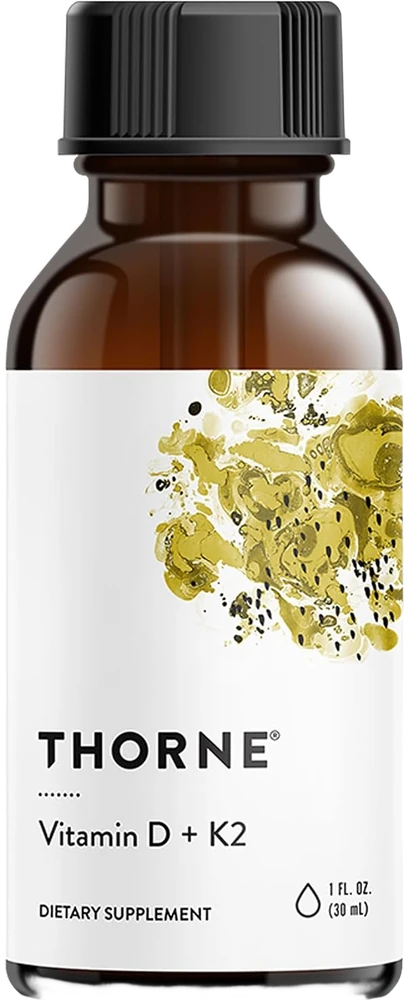
Best overall: Thorne Vitamin D + K2 Liquid
D3 + K2 stacked in one titratable liquid, NSF contents-certified under NSF/ANSI 173 — the premium pick for clinician-grade D + K2 and the easiest pick to dose toward pregnancy/maintenance ranges.
$22 / month (1 oz bottle, ~600 drops)$0.36 / 2-drop serving (1,000 IU D3 + 200 mcg K2)
Why it wins: all five scores, pros & cons, full label
- NSF contents-certified (NSF/ANSI 173) — label contents verified and contaminants screened
- D3 + K2 stacked in one bottle, titratable to the exact drop — easy to hit 1,000-2,000 IU pregnancy/maintenance ranges
- Liquid format perfect for women who dislike softgels or need precise low-dose titration
- Thorne's clinical-research pedigree is among the strongest in the supplement industry
- MCT-based liquid base supports fast fat-soluble absorption
- K2 is MK-4 form (1-2 hour half-life) rather than MK-7 (72 hour) — MK-7 is preferred for bone/cardiovascular calcium-routing
- Higher per-IU cost than capsule picks — you're paying for the NSF certification + liquid format
- Per serving
- 1,000 IU D3 + 200 mcg K2 MK-4 (2 drops)
- Bottle
- 1 oz dropper bottle (~30 ml, ~600 drops total)
- Testing
- NSF contents-certified (NSF/ANSI 173); not on the NSF Certified for Sport list (nsfsport.com, checked Oct 6, 2026)
- Form
- D3 cholecalciferol + K2 menaquinone-4 (liquid drops)

Our take — If you want a verified label (NSF/ANSI 173 contents certification), prefer a titratable liquid, or need to dial precisely into the 1,000-2,000 IU pregnancy/maintenance window, Thorne is the premium pick. The liquid format makes dose adjustment trivial — useful across the female lifespan as your target moves. The only knock for the bone-density buyer is the K2 MK-4 vs MK-7 form choice: for long-acting calcium-to-bone routing, MK-7 wins, which is why Sports Research (#4) leads for that specific goal. For everything else, this is the best premium D on the list.
 02
02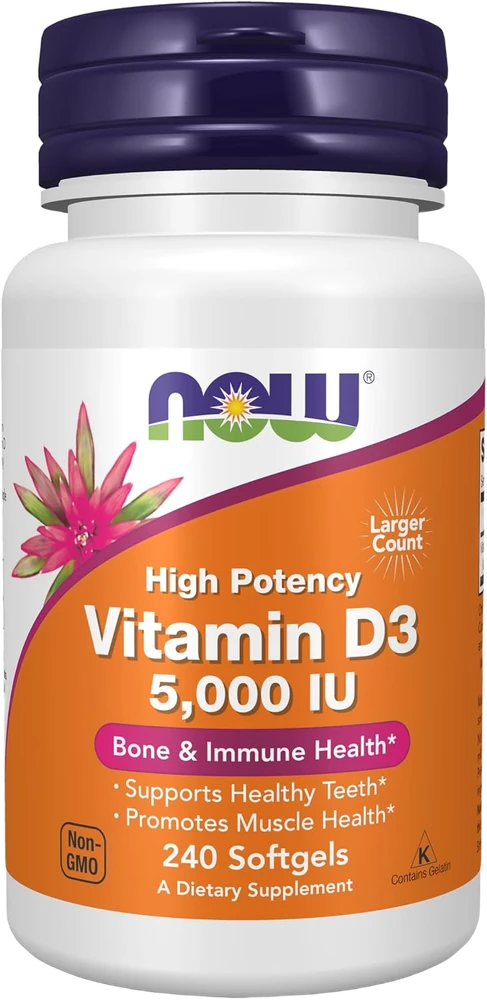 03
03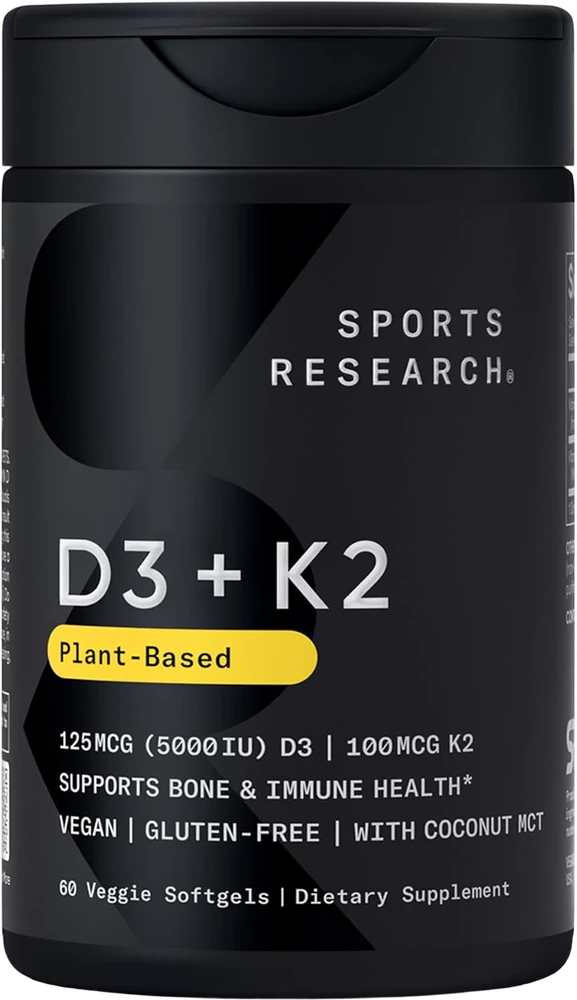 04
04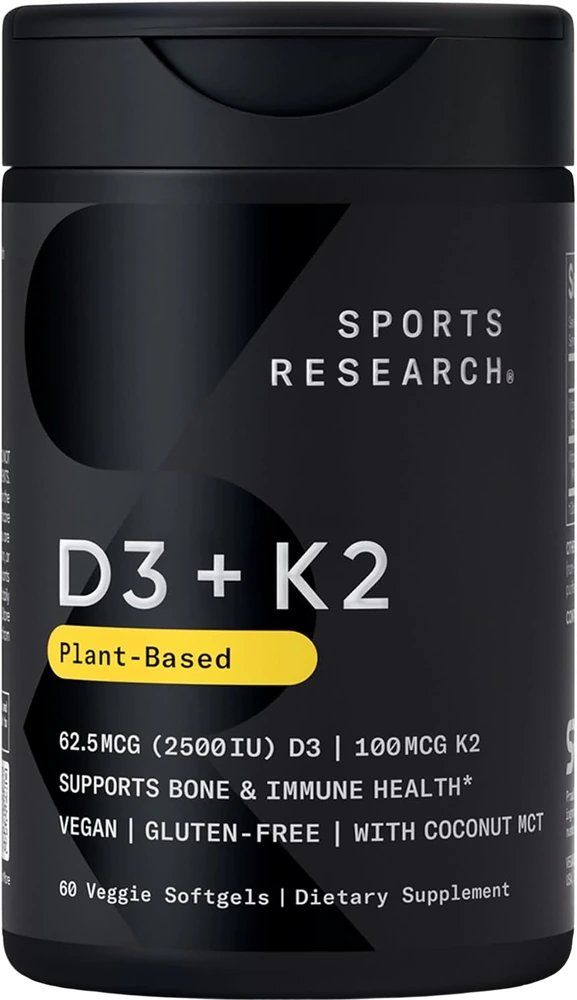 05
05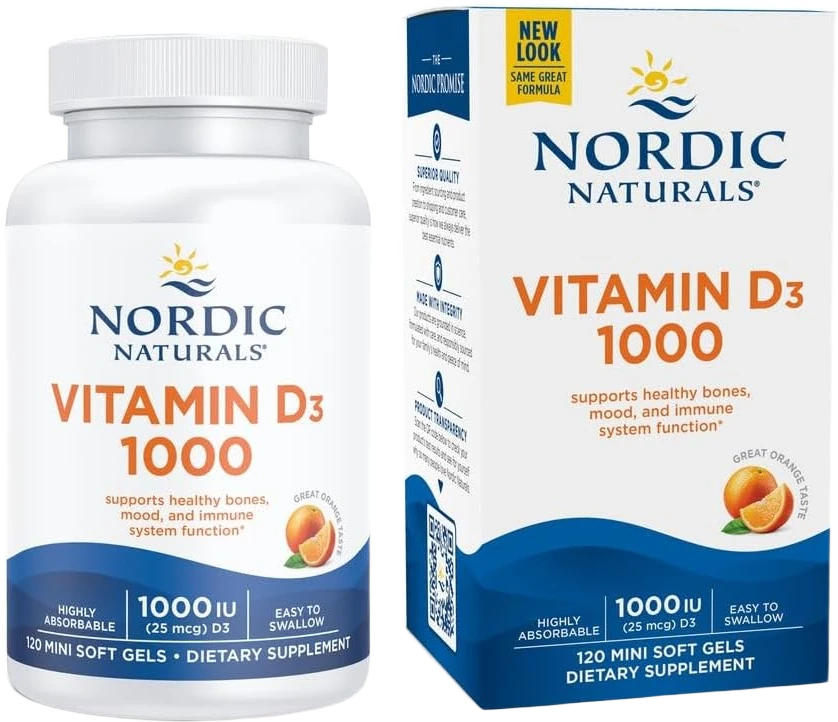 06
06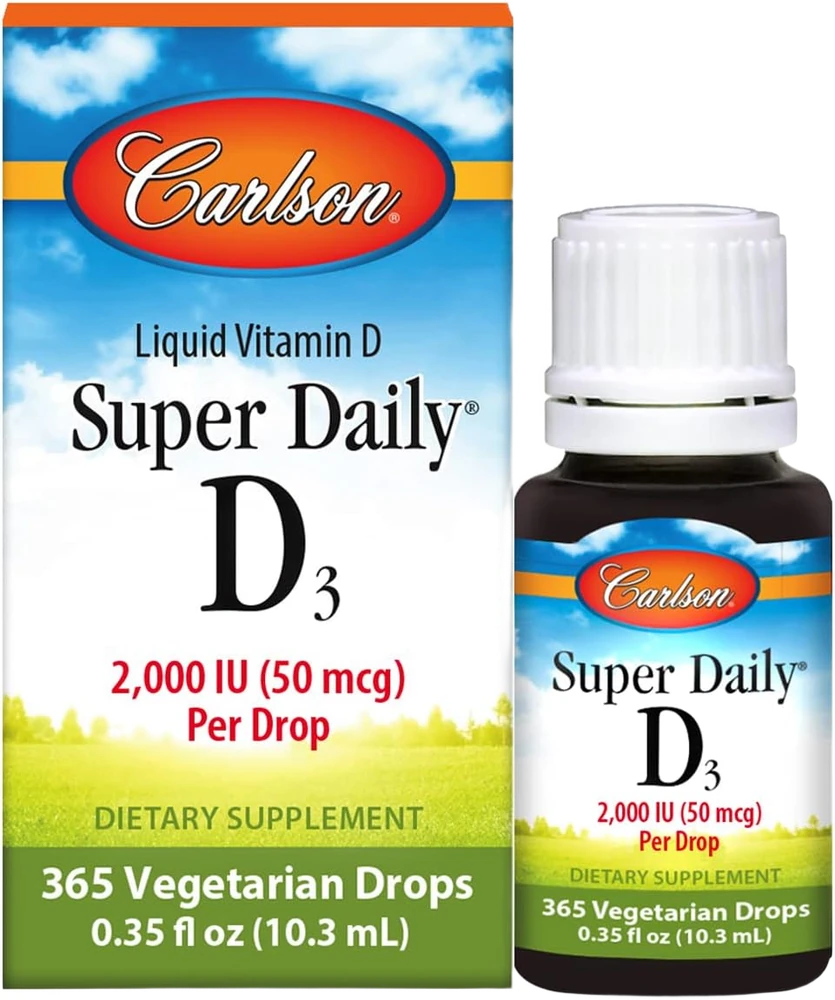 07
07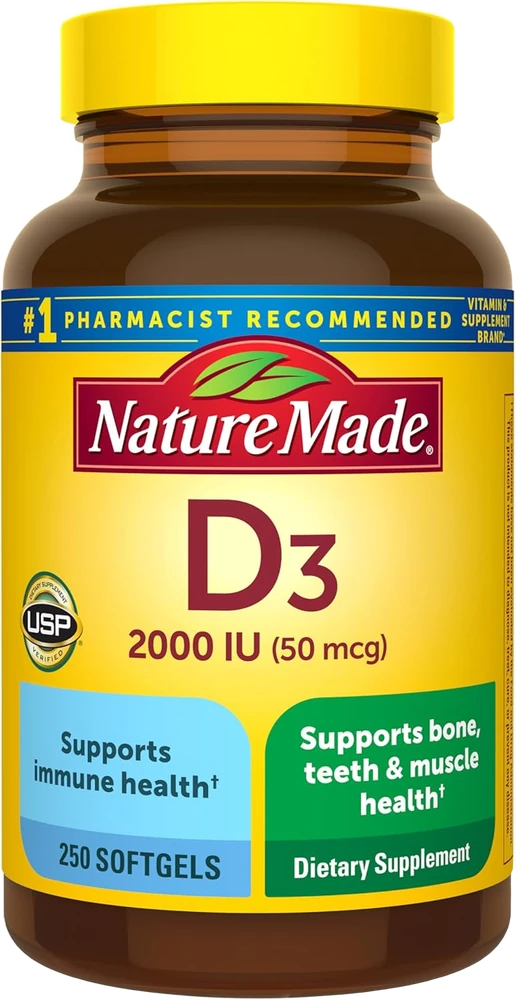 08
08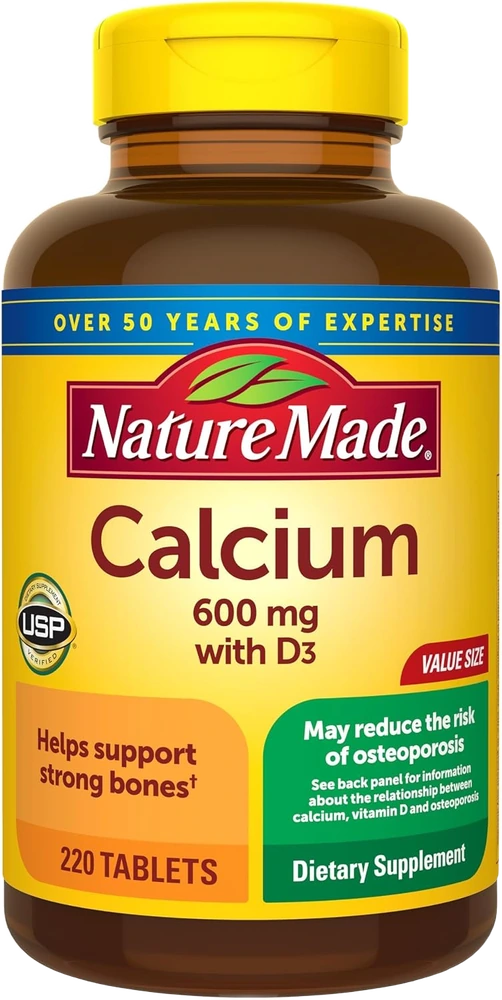 09
09Who Wins Which Aspect
Sorted by overall SAC Product Score™ — the official ranking.
| # | Pick | Score | Form / bioavailability30% | Dose accuracy + K2 cofactor25% | Third-party testing20% | Cost per IU per month15% | Real-world response10% | Cost Per Dose | Buy |
|---|---|---|---|---|---|---|---|---|---|
| 01 | | 8.9 | 9.51 | 9.51 | 9.02 | 6.5 | 9.01 | $0.36 / 2-drop serving | Check price |
| NSF contents-certified (NSF/ANSI 173) — label contents verified and contaminants screenedK2 is MK-4 form (1-2 hour half-life) rather than MK-7 (72 hour) — MK-7 is preferred for bone/cardiovascular calcium-routing | |||||||||
| 02 | | 8.9 | 9.51 | 8.53 | 8.53 | 8.52 | 9.01 | — | Check price |
| Hypoallergenic label — no fillers, dyes, gluten, dairy, GMOs, or unnecessary excipientsNo K2 — pair separately for bone density (or pick Sports Research #4) | |||||||||
| 03 | | 8.9 | 9.51 | 8.0 | 8.53 | 10.01 | 8.52 | $0.03 / 5,000 IU softgel | Check price |
| Lowest cost-per-IU in the trusted-brand tier — $3/month at the daily 5,000 IU doseNo K2 in the formulation — for bone-focused women you must pair a separate K2 MK-7 (or pick Sports Research #4) | |||||||||
| 04 | | 8.9 | 9.51 | 9.51 | 8.53 | 7.5 | 8.52 | $0.37 / softgel | Check price |
| K2 is the MK-7 form (72-hour half-life) — the preferred form for routing calcium to bone, not arteriesHigher per-IU cost than D3-only picks — you're paying for the K2 MK-7 co-formulation | |||||||||
| 05 | | 8.6 | 9.51 | 9.02 | 8.0 | 7.0 | 8.52 | $0.33 / softgel | Check price |
| Vegan D3, the better-absorbed formK2 below the 180 mcg bone-trial dose (Knapen 2013) | |||||||||
| 06 | | 8.1 | 9.02 | 7.0 | 9.51 | 6.5 | 8.03 | $0.12 / softgel | Check price |
| 1,000 IU is the obstetric-society consensus dose for pregnancy/lactation under physician supervision (Aghajafari 2013; De-Regil 2016)Too low for repletion in deficient subjects — you'd need 3-5 softgels/day to reach loading doses | |||||||||
| 07 | | 8.1 | 9.02 | 7.5 | 7.5 | 8.03 | 8.03 | $0.04 / drop | Check price |
| Liquid format — useful for women who struggle with softgels or want drop-level titrationNo K2 — pair separately for bone density | |||||||||
| 08 | | 8.0 | 8.53 | 7.5 | 8.53 | 7.5 | 7.0 | $0.05 / softgel | Check price |
| USP Verified Mark — one of the few mass-market brands with USP certificationSoybean-oil base bothers soy-allergic buyers and adds a non-trivial filler | |||||||||
| 09 | | 7.7 | 8.53 | 6.5 | 8.53 | 7.0 | 7.5 | $0.07 / tablet | Check price |
| USP Verified, confirmed by USPOnly 400 IU D3 | |||||||||
The Other 8, Ranked
- 02
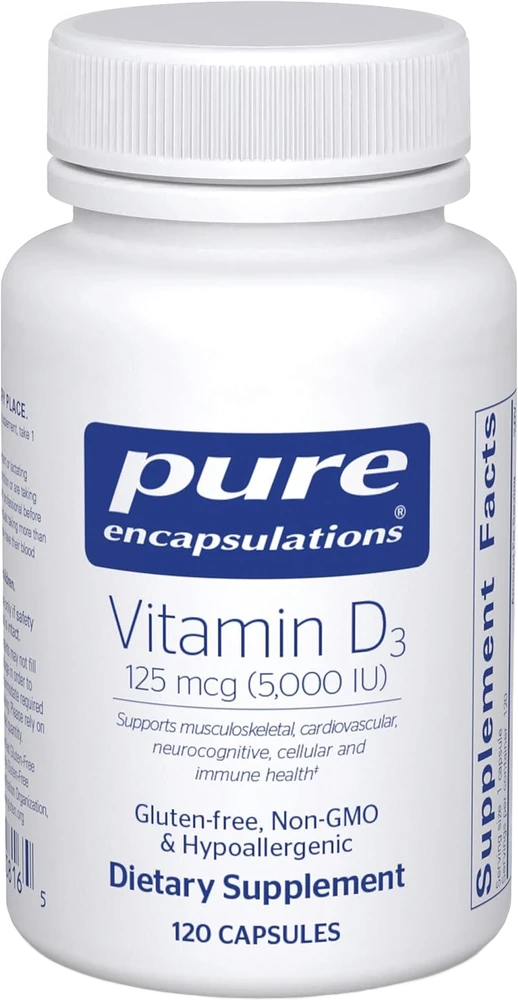
Best clinician-grade clean label: Pure Encapsulations Vitamin D3 5000 IU
8.9SAC Score™Clinician-grade hypoallergenic D3 — no fillers, dyes, gluten, soy. The cleanest D3 label on Amazon for sensitive populations, integrative-medicine practices, and preconception buyers who want a minimal-excipient bottle.
StrongestForm / bioavailability9.51WeakestDose accuracy + K2 cofactor8.5- Per serving
- 5,000 IU D3 (1 capsule)
- Bottle
- 120 capsules (~4 months at 1/day)
- Testing
- Hypoallergenic certification, third-party verified, no excipients
All five scores, pros & cons, full label
What We Like- Hypoallergenic label — no fillers, dyes, gluten, dairy, GMOs, or unnecessary excipients
- Plain D3 with no added iodine — safe base for women with Hashimoto's
- Clinician-preferred brand used by integrative-medicine practices for 30+ years
- Vegetarian capsule (no softgel) — works for vegetarian buyers and those avoiding gelatin
- Dose-accuracy track record matches or exceeds NOW Foods in ConsumerLab audits
What You Live With- No K2 — pair separately for bone density (or pick Sports Research #4)
- 5,000 IU is repletion-grade, not a pregnancy dose — preconception buyers titrating low should look at Nordic Naturals (#6)
- Per-capsule price higher than NOW Foods or Doctor's Best for the same D3 dose
- Form
- D3 cholecalciferol (vegetarian capsule, no oil base)
Our take — If you have allergen concerns (gluten, soy, dairy, gelatin), want the absolute cleanest D3 label, or are optimizing preconception nutrition and prefer a minimal-excipient bottle, this is the answer. The hypoallergenic, zero-filler formulation is what every clinician brand promises and Pure Encapsulations actually delivers — and like NOW Foods it's plain D3, so it's Hashimoto's-safe. For the average buyer, NOW Foods (#3) is the same molecule cheaper; for sensitive populations and clinical contexts, this premium is real. Add K2 MK-7 separately if bone density is the goal.
- 03
Best for first-time buyers: NOW Foods Vitamin D-3 5000 IU
8.9SAC Score™Household-name brand, 30+ years QC, 240 softgels for $8 — the safe default for women who want trustworthy plain D3 (Hashimoto's-safe) and prefer to add their own K2.
StrongestCost per IU per month10.01WeakestDose accuracy + K2 cofactor8.0- Per serving
- 5,000 IU D3 (1 softgel)
- Bottle
- 240 softgels (~8 months at 1/day)
- Testing
- NOW in-house labs, NPA-A GMP, NSF-registered facility
All five scores, pros & cons, full label
What We Like- Lowest cost-per-IU in the trusted-brand tier — $3/month at the daily 5,000 IU dose
- Plain D3 with no added iodine — the right base for women with Hashimoto's or thyroid autoimmunity
- NOW's in-house QC is among the most consistent in the industry — 30+ years of audited testing
- ConsumerLab audits consistently found NOW D3 lots within 95-100% of label claim
- Easy to pair with a $5/month K2 MK-7 bottle for the full bone-density stack
What You Live With- No K2 in the formulation — for bone-focused women you must pair a separate K2 MK-7 (or pick Sports Research #4)
- 5,000 IU is a repletion-grade dose, not a pregnancy dose — pregnant/preconception buyers should look at Nordic Naturals (#6)
- Form
- D3 cholecalciferol (softgel, olive-oil base)
Our take — The default first-time pick for women, and the right base for anyone with thyroid autoimmunity because it's plain D3 with no added iodine. NOW has been making D-3 longer than most boutique brands have existed, the dose-accuracy record is among the cleanest in the category, and at $3/month it's the cost-per-IU floor below which you start losing testing standards. The one female-specific caveat: bone density is a D + K2 story, so add a separate K2 MK-7 100-200 mcg bottle (~$5/month) — or skip the two-bottle problem entirely and buy the Sports Research D3 + K2 combo (#4).
- 04
Best for bone density: Sports Research Vitamin D3 5000 IU + K2
8.9SAC Score™D3 5,000 IU + K2 MK-7 100 mcg stacked in one coconut-oil softgel, Informed Sport per the brand (not confirmed by us) — the single-bottle bone-density stack for the peri/post-menopausal woman.
StrongestForm / bioavailability9.51WeakestCost per IU per month7.5- Per serving
- 5,000 IU D3 + 100 mcg K2 MK-7 (1 softgel)
- Bottle
- 60 softgels (~2 months at 1/day)
- Testing
- Informed Sport per the brand (not confirmed by us; check the batch at sport.wetestyoutrust.com)
All five scores, pros & cons, full label
What We Like- K2 is the MK-7 form (72-hour half-life) — the preferred form for routing calcium to bone, not arteries
- D3 + K2 in one softgel solves the cofactor problem in a single SKU — adherence beats two-bottle protocols
- The most directly on-target pick for the female bone-density use-case (Jackson 2006 calcium-to-bone logic)
- Informed Sport per the brand (not confirmed by us) — check the batch at sport.wetestyoutrust.com if you are drug-tested
- Coconut-oil softgel base supports fat-soluble absorption — no need to remember to take with food
What You Live With- Higher per-IU cost than D3-only picks — you're paying for the K2 MK-7 co-formulation
- 5,000 IU is a repletion-grade dose — not the right SKU for pregnancy/preconception (see Nordic Naturals #6)
- Coconut-oil softgel may bother coconut-allergic buyers
- Form
- D3 cholecalciferol + K2 MK-7 (menaquinone-7) in coconut-oil softgel
Our take — Our bone-density pick for the female audience, because bone density is the headline use-case and this is the cleanest single-bottle way to get D3 + the K2 MK-7 cofactor that actually routes calcium where you want it. The MK-7 form beats Thorne's MK-4 for long-acting calcium-direction (72-hour vs 1-2-hour half-life), and the brand states Informed Sport without the Thorne premium (not confirmed by us). Pair it with dietary calcium and resistance training and you're running the full post-menopausal bone-defence protocol out of one $11/month bottle. The reasons to pick Thorne (#1) over this are liquid format and the NSF-certified label; for most bone-focused women, Sports Research is the smarter buy.
- 05
Best vegan D3 + K2: Sports Research Vegan D3 + K2
8.6SAC Score™D3 from lichen with 100 mcg of K2 as MK-7, at 2,500 IU a day. The plant-based way to get the D3 + K2 pairing this list recommends for bone.
StrongestForm / bioavailability9.51WeakestCost per IU per month7.0- Per softgel
- 2,500 IU D3, 100 mcg K2
- Servings
- 60 per jar
- Testing
- Certified Vegan, Non-GMO; content lab not named
All five scores, pros & cons, full label
What We Like- Vegan D3, the better-absorbed form
- K2 in the same softgel
- 2,500 IU, under the 4,000 IU upper limit
What You Live With- K2 below the 180 mcg bone-trial dose (Knapen 2013)
- Contains coconut
- Testing lab not named
- Form
- Lichen D3 + K2 (MK-7) in coconut MCT oil
Our take — For vegetarian and vegan women this is the D3 + K2 pick. One softgel a day with a meal; talk to your doctor first if you take warfarin.
- 06
Best for pregnancy / preconception: Nordic Naturals Vitamin D3 1000 IU
8.1SAC Score™Low-dose 1,000 IU D3 — the obstetric-consensus dose for pregnancy and preconception under physician supervision, and the precision pick for titrating down from over-supplementation.
StrongestThird-party testing9.51WeakestCost per IU per month6.5- Per serving
- 1,000 IU D3 (1 softgel)
- Bottle
- 120 softgels (~4 months at 1/day)
- Testing
- Nordic Naturals public COA, third-party tested, lab-verified D3 content
All five scores, pros & cons, full label
What We Like- 1,000 IU is the obstetric-society consensus dose for pregnancy/lactation under physician supervision (Aghajafari 2013; De-Regil 2016)
- Nordic Naturals' public-COA-per-batch standard is best-in-class transparency — reassuring for preconception buyers
- Lowest standard maintenance dose on the list — also the right pick for titrating down from over-supplementation
- Lemon flavour masks the fish-gelatin softgel taste
What You Live With- Too low for repletion in deficient subjects — you'd need 3-5 softgels/day to reach loading doses
- Higher cost-per-IU than 5,000 IU bottles (more capsules per repletion dose)
- Form
- D3 cholecalciferol (mini soft gel, orange flavour)
Our take — Promoted on a women's list because pregnancy and preconception are exactly where the obstetric-consensus 1,000-2,000 IU/day range matters — and 5,000 IU repletion bottles are the wrong tool for that phase. Nordic Naturals 1,000 IU is the precision pick: public COA per batch, easy to titrate, low enough to dose safely toward your OB's target. It's also the de-escalation SKU if your last 25(OH)D came back above 80 ng/mL. Defer the exact pregnancy dose and retest cadence to your OB or midwife — but if you're searching for the right low-dose D for this phase, this is it. For first-time deficient (non-pregnant) buyers, go to NOW Foods 5,000 IU (#3).
- 07
Best liquid for low-dose precision: Carlson Vitamin D3 Drops 2000 IU
8.1SAC Score™Liquid D3 at 2,000 IU per drop — the precision-dosing pick for women who can't swallow softgels, want easy titration, or are dialing toward maintenance ranges.
StrongestForm / bioavailability9.02WeakestDose accuracy + K2 cofactor7.5- Per serving
- 2,000 IU D3 (1 drop)
- Bottle
- 0.35 fl oz (10.3 ml, 365 drops)
- Testing
- Carlson QC, third-party tested
All five scores, pros & cons, full label
What We Like- Liquid format — useful for women who struggle with softgels or want drop-level titration
- 2,000 IU per drop sits at the maintenance / low-repletion sweet spot
- Plain D3, no added iodine — Hashimoto's-safe
- MCT-oil base supports fat-soluble absorption — no food required
What You Live With- No K2 — pair separately for bone density
- Liquid spoils faster than capsules once opened (~3-4 months optimal shelf life)
- Dropper dosing is fiddlier than a softgel — dose-error risk if you're not careful
- Form
- D3 cholecalciferol (liquid drops, MCT base)
Our take — If softgels and capsules don't work for you, Carlson liquid is the answer. The 2,000 IU/drop concentration is the right sweet spot for maintenance dosing and easy titration — step from 1 to 2 drops as your retest dictates. It's plain D3, so Hashimoto's-safe, and the drop format makes it easy to dose conservatively. For the premium liquid with K2 included and an NSF-certified label, Thorne (#1) is the upgrade; for a no-frills precision liquid, Carlson is the value pick. Add K2 separately if bones are the goal.
- 08
Best mass-market drugstore: Nature Made Vitamin D3 2000 IU
8.0SAC Score™Drugstore-aisle D3 with the USP Verified Mark — the mass-market backup pick when you need plain D3 from a CVS / Walgreens / Costco without ordering online.
StrongestForm / bioavailability8.53WeakestReal-world response7.0- Per serving
- 2,000 IU D3 (1 softgel)
- Bottle
- 250 softgels (~8 months at 1/day)
- Testing
- USP Verified Mark — third-party verified ingredients + potency
All five scores, pros & cons, full label
What We Like- USP Verified Mark — one of the few mass-market brands with USP certification
- Available in every US drugstore (CVS, Walgreens, Costco) for offline backup
- 2,000 IU is a workable maintenance dose; plain D3 is Hashimoto's-safe
- Pharmacist-recommended brand for 22+ years running
What You Live With- Soybean-oil base bothers soy-allergic buyers and adds a non-trivial filler
- 2,000 IU is sub-optimal for deficient subjects — you'd need 2-3 softgels/day for repletion
- No K2 — pair separately for bone density
- Form
- D3 cholecalciferol (softgel, soybean-oil base)
Our take — Consider this only if you're buying offline (CVS, Walgreens, Costco) and want the most-tested mass-market option. The USP Verified Mark is the strongest third-party standard available to drugstore brands, and 2,000 IU is a fine maintenance dose. But for $3-4/month more, NOW Foods (#3) delivers 5,000 IU per softgel from a brand with stronger D3-specific QC heritage — and bone-focused women still need to add K2. Nature Made is the backup when you can't wait two days for shipping.
- 09
Calcium + D3 for bone: Nature Made Calcium 600 mg with Vitamin D3
7.7SAC Score™600 mg calcium and 400 IU D3 per tablet, the pairing tested in 36,282 postmenopausal women (Jackson 2006): a small gain in hip bone density, more kidney stones. For women short on dietary calcium.
StrongestForm / bioavailability8.53WeakestDose accuracy + K2 cofactor6.5- Per tablet
- 600 mg calcium, 400 IU D3
- Servings
- 220 tablets, 1 to 2 a day
- Testing
- USP Verified (in USP's directory, Oct 15, 2026)
All five scores, pros & cons, full label
What We Like- USP Verified, confirmed by USP
- Calcium and D3 in one tablet
- About 7 cents a tablet
What You Live With- Only 400 IU D3
- Kidney stones rose 17% with calcium + D3 in WHI
- Large tablet, take with a meal
- Form
- Calcium carbonate + vitamin D3 tablet
Our take — It ranks last on score because the D3 dose is low and there is no K2. Buy it only if your diet is short on calcium; count the calcium you already eat first.
Vitamin D In Four Short Lessons
What the female-specific vitamin D literature actually shows
- ~80%
- Of osteoporosis cases that occur in women — the post-menopausal estrogen drop is the driver D + calcium handling defends against
- +1.06%
- Hip bone-density gain on calcium + D3 vs placebo in post-menopausal women (Jackson 2006 WHI)
- ~4×
- Higher rate of seasonal affective disorder diagnosis in women than men — the mood-and-season angle D status feeds
- 19%
- Fall-risk reduction in older adults on 700-1,000 IU/day — falls are the dominant fracture trigger in older women (Bischoff-Ferrari 2009)
Sources: Jackson 2006 WHI postmenopausal trial (PMID 16481635); Bischoff-Ferrari 2009 fall-prevention meta (PMID 19797342); Kivity 2011 Hashimoto's ↔ 25(OH)D (PMID 23337162); Aghajafari 2013 maternal D + pregnancy outcomes (PMID 23533188).
Buy D3 with K2 MK-7.
D3 raises serum levels about 1.7x more efficiently than D2 (Tripkovic 2012). K2 MK-7 puts the calcium in bone, which is what a woman defending bone density wants.
Dose to your life phase.
Pregnancy and preconception call for the 1,000-2,000 IU a day range, not 5,000 IU loading. Coordinate with your clinician.
Screen the label if you have Hashimoto's.
One pick on this list carries an ingredient women with Hashimoto's should avoid. Read the full panel before you buy.
Jackson 2006 WHI post-menopausal trial (PMID 16481635); Bischoff-Ferrari 2009 fall-prevention meta (PMID 19797342); Kivity 2011 Hashimoto's ↔ 25(OH)D (PMID 23337162); Frandsen 2014 seasonal-affect RCT (PMID 25125215); Aghajafari 2013 maternal D + pregnancy outcomes (PMID 23533188); De-Regil 2016 Cochrane pregnancy review (PMID 26765344); Tripkovic 2012 D3-vs-D2 meta (PMID 22552031); Heaney 2003 dose-response (PMID 12499343); Pludowski 2018 consensus (PMID 28216084).
Same products as the general ranking, re-weighted for what women actually buy on. Form (D3 cholecalciferol) carries the most weight because Tripkovic 2012 showed D3 raises serum 25(OH)D ~1.7× more efficiently than D2 — the form decides whether the IU on the label becomes usable serum D. But for this audience the K2 co-factor moves up sharply: bone density is the female headline, and K2 MK-7 is what routes D-mobilised calcium into bone rather than arteries. Dose-phase fit matters more than on a general list — pregnancy and preconception need 1,000-2,000 IU/day, so low-dose precision picks gain. Third-party testing stays the fraud filter (vitamin D is historically one of the worst categories for label-vs-lab deviation), and cost per IU is the tie-breaker. Every pick is D3 — no D2 made the cut — and the iodine-bundled pick is flagged for a Hashimoto's contraindication.
Form / bioavailability · 25%
D3 (cholecalciferol) is the only form on this list — ~1.7× more efficient than D2 per IU (Tripkovic 2012). Liquid and softgel formats both score high; tablets score slightly lower for D3 absorption variance.
K2 cofactor + calcium routing · 25%
The female headline criterion. K2 MK-7 (preferred over MK-4 for its 72-hour half-life) routes D-mobilised calcium into bone matrix rather than arteries — the entire point for bone-focused women. Combos with MK-7 score highest; D-only picks are noted as 'pair K2 separately.'
Dose-phase fit + accuracy · 20%
Per-cap IU lands inside the functional range for the buyer's phase — 1,000-2,000 IU for pregnancy/maintenance, up to 5,000 IU for repletion. Low-dose precision picks gain on a women's list because of the pregnancy/preconception use-case. Dose accuracy vs label rewarded.
Third-party testing · 15%
Public COA, USP / NSF / NSF Sport / Informed Sport certification, or GMP-facility manufacturing. Vitamin D is uniquely sensitive to label-vs-lab deviation — the testing tier matters more here than in most categories.
Safety fit for female use-cases · 10%
Contraindication awareness (iodine in Hashimoto's), clean-label suitability for preconception, and obstetric-dosing compatibility. The iodine-bundled pick is explicitly flagged for thyroid-autoimmune buyers.
Cost per IU per month · 5%
Monthly cost divided by IU per day at the recommended dose. The tie-breaker — the first five criteria do most of the ranking. D3-only runs ~$3-15/month; D3+K2 combos ~$11-22/month.
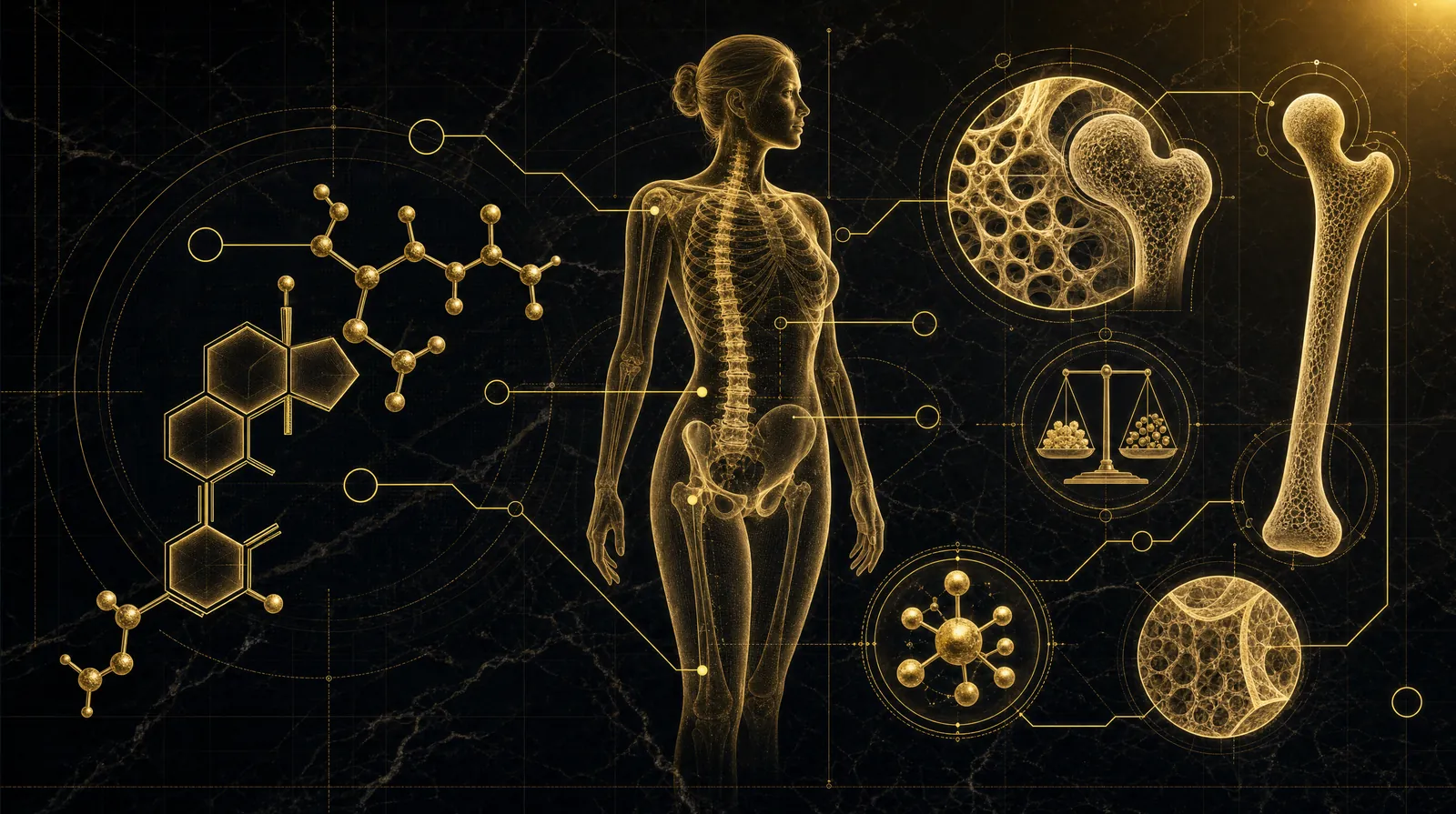
How vitamin D works in women
- 1
Oral D3 → liver → 25(OH)D
Swallowed cholecalciferol absorbs in the small intestine (fat-soluble — needs a fatty meal), travels to the liver, and is hydroxylated to 25-hydroxyvitamin D (calcidiol) — the storage form with a 2-3 week half-life, the form measured on a blood test, the number you titrate against.
- 2
Kidney → active hormone → calcium absorption
The kidney converts 25(OH)D to active 1,25-(OH)2D, which drives intestinal calcium absorption — this step REQUIRES magnesium, which women under-consume more often than men. After menopause, with estrogen's brake on bone resorption gone, getting enough absorbed calcium is what defends bone density (Jackson 2006 WHI).
- 3
K2 routes calcium to bone, not arteries
D mobilises calcium; K2 MK-7 activates matrix-Gla-protein to direct that calcium into bone matrix rather than vascular walls. For a woman building skeleton and not arterial plaque, this cofactor step is the whole point. Active D also binds VDRs across immune, thyroid, and brain tissue — the substrate for the mood and autoimmune-thyroid associations.
What to expect on a 6-month vitamin D protocol (female timeline)
Bloodwork starts moving
Nothing felt subjectively. Serum 25(OH)D begins climbing — Heaney rule predicts roughly +20-25 ng/mL over 8 weeks at 2,500 IU/day. The body fills depleted hepatic + adipose stores first.
Mood + immune shifts
Seasonal-mood and recurrent-infection sufferers feel it most — relevant given SAD's female skew. Retest 25(OH)D at week 8 and confirm you're moving up the dose-response curve. Hold at 40-60 ng/mL.
Bone + muscle + balance
Calcium handling, muscle strength, and balance respond — the Bischoff-Ferrari fall-prevention range. With K2 MK-7 + dietary calcium + resistance training, the post-menopausal bone-density protocol is compounding even though a DEXA change takes longer to read.
Plateau + maintenance
Bloodwork plateaus — maintain dose to hold 25(OH)D in the 40-60 ng/mL band indefinitely. Bone-mineral-density changes on DEXA are slow; re-scan on your clinician's schedule (often 1-2 years) rather than expecting a fast read.
The bottom line for women
NOW Foods D-3 5000 IU (#3) is the default buy.
Trusted household-name brand, roughly $3/month, and plain D3 that's safe with Hashimoto's. It has no K2, so bone-focused women should add a separate K2 MK-7 for the bone stack.
Match the honest alternative to your phase — bone, pregnancy, premium, or budget.
Defending bone density through perimenopause or after: Sports Research D3 + K2 MK-7 (#4), where the MK-7 cofactor routes calcium into your skeleton rather than your arteries. Liquid precision and strictest sport certification: Thorne D + K2 (#1); pregnant or trying to conceive: Nordic Naturals 1,000 IU (#6) at the obstetric-consensus dose; clinician-grade clean label: Pure Encapsulations (#2); vegan: Sports Research Vegan D3 + K2 (#5).
The rule: test first, stack D with K2 and magnesium, and never bundle iodine blind.
Test serum 25(OH)D before the first capsule, retest at week 8, and pair with K2 and magnesium. For bones the protocol is D + K2 + dietary calcium + resistance training, not D alone. The honest caveat: because Hashimoto's is 7-10× more common in women, an iodine-bundled D3 is the wrong default, so this list leaves it out.
Quick Answers
Is vitamin D more important for women than men?
Not 'more important' in a strict biochemical sense — D3 does the same things in every body. But several of D's most-replicated endpoints land disproportionately on women. Osteoporosis is ~80% a women's disease because the estrogen drop at menopause removes a major brake on bone resorption, and D governs how much dietary calcium you actually absorb to defend the skeleton (Jackson 2006 WHI). Seasonal affective disorder is diagnosed roughly 4× more often in women. Autoimmune thyroid disease (Hashimoto's) is 7-10× more common in women and carries a 25(OH)D-deficiency association (Kivity 2011). And pregnancy depletes maternal stores while setting neonatal D status. The molecule is identical; the stakes are skewed.
Do I need vitamin D for bone density / osteoporosis prevention?
Yes — it's the first-line non-pharmacological lever, especially post-menopause. Vitamin D controls intestinal calcium absorption; without sufficient D, dietary calcium passes through and the body pulls calcium out of bone to keep blood levels stable. The Jackson 2006 Women's Health Initiative trial randomised 36,282 post-menopausal women to calcium + D3 vs placebo and found a small but significant increase in hip bone density, with fewer hip fractures in the women who actually took their pills. The non-obvious upgrade for bone-focused women is adding K2 MK-7: D mobilises the calcium, K2 directs it into bone matrix rather than letting it deposit in arteries. D + K2 + dietary calcium + resistance training is the full bone-defence protocol.
Why do you keep pairing vitamin D with K2 for women?
Because the female headline use-case is bone density, and K2 is what makes D's calcium effect land where you want it. D3 increases how much calcium you absorb from the gut. K2 (MK-7 form preferred — 72-hour half-life vs MK-4's 1-2 hours) activates matrix-Gla-protein, the molecular switch that routes that calcium into bone matrix instead of vascular tissue. Running high-dose D alone for years is a documented mechanism behind arterial-calcification anecdotes. For a post-menopausal woman trying to put calcium into her skeleton and keep it out of her arteries, the K2 cofactor is the entire game — which is why two D3 + K2 combos (Thorne #1, Sports Research #4) sit in the top four of this list and every D-only pick carries a 'pair K2 separately' note.
Can vitamin D help with winter mood or seasonal depression?
There's a real association and a plausible mechanism, and seasonal affective disorder skews strongly female (roughly 4:1). Low serum 25(OH)D tracks seasonal affective symptoms, and the Frandsen 2014 double-blind RCT tested D supplementation against seasonal affect in healthcare workers. The honest framing: if you're deficient and your winter low lines up with your indoor-winter D crash every year, correcting 25(OH)D into the 40-60 ng/mL band is a cheap, low-risk thing to rule in or out. It is not a replacement for treatment of clinical depression — if your mood symptoms are significant, work with a clinician. But for the seasonal-dip-plus-low-D woman, repletion is worth a structured 8-12 week trial with a retest.
How much vitamin D should I take during pregnancy or if trying to conceive?
Follow obstetric guidance — the consensus dose is 1,000-2,000 IU/day under physician supervision, which is why this list keeps a low-dose precision pick (Nordic Naturals 1,000 IU, #6) on the list. Maternal 25(OH)D directly determines neonatal vitamin D status, and observational data link low maternal D to worse pregnancy outcomes (Aghajafari 2013); the Cochrane review (De-Regil 2016) confirms supplementation reliably raises maternal and cord 25(OH)D. This is general-wellness adequacy framing, not medical advice: dose, retest, and any change should go through your OB or midwife, who may adjust based on your baseline blood test. Do not self-prescribe high-dose loading while pregnant.
I have Hashimoto's — does vitamin D matter, and which pick should I avoid?
Two separate points. First, the D-status link is real: Hashimoto's is 7-10× more common in women, and Kivity 2011 found that 25(OH)D deficiency severity tracks anti-TPO antibody titres, with supplementation associated with lower autoantibody levels in some reviews. D does not treat Hashimoto's, but correcting a documented deficiency is reasonable and worth discussing with your endocrinologist. Second — and this is the buying point — avoid iodine-bundled D3 such as Life Extension D3 + Sea-Iodine, which is not on this list. Supplemental iodine can worsen autoimmune thyroiditis, so anyone with Hashimoto's should take plain D3 (NOW Foods #3, Pure Encapsulations #2) and keep iodine decisions with their doctor.
What serum 25(OH)D should I be aiming for?
40-60 ng/mL (100-150 nmol/L) for most adults — the Pludowski 2018 consensus band where bone, immune, and mood endpoints are strongest and hypercalcemia risk is still near-zero. The IOM's 20 ng/mL threshold is the rickets-prevention floor, not the optimal-function target; the Endocrine Society puts the floor at 30 ng/mL. Below 30 you're functionally deficient even if a lab flags you 'within range.' In pregnancy your OB may target a specific range and dose to it — defer to them. Above 80 ng/mL, additional supplementation produces no added benefit and starts raising hypercalcemia signal, so back the dose down.
Are there side effects or interactions women specifically should watch?
At 1,000-5,000 IU/day, essentially none in adults without specific contraindications. The meaningful adverse effect is hypercalcemia (nausea, polyuria, confusion, kidney stones), which only appears chronically above ~10,000 IU/day without K2/Mg cofactors or serum monitoring. Two female-relevant notes: (1) if you take levothyroxine for hypothyroidism, separate it from D and any fatty meal per your prescriber's timing — levothyroxine wants an empty stomach. (2) D potentiates thiazide diuretics and high-dose calcium supplements (additive calcium retention) — relevant for older women on those drugs. Contraindicated in sarcoidosis, granulomatous disease, and lymphoma. Pregnancy and breastfeeding: stay within obstetric-consensus dosing and monitor.
Every Claim Ranked Above Traces Back To One Of These
9 peer-reviewed sources, each linked to PubMed
- [1] Jackson 2006 PMID 16481635 — Calcium plus vitamin D supplementation and the risk of fractures. Randomised trial of 36,282 post-menopausal women on 1,000 mg calcium + 400 IU D3 vs placebo over 7 years. Hip bone density was significantly higher in the supplement group, and adherent women had reduced hip-fracture risk. The cornerstone trial for the calcium + vitamin D bone-density case in post-menopausal women — the foundation of the bone-density angle in this list.
- [2] Bischoff-Ferrari 2009 PMID 19797342 — Fall prevention with supplemental and active forms of vitamin D: a meta-analysis of randomised controlled trials. Pooled meta-analysis of 8 RCTs (n=2,426) showing 700-1,000 IU/day vitamin D reduced fall risk in older adults by 19%, mediated by VDR-driven muscle + balance improvements. Falls are the dominant fracture trigger in older women, making this a central endpoint for the female bone-health story.
- [3] Kivity 2011 PMID 21278761 — Vitamin D and autoimmune thyroid diseases. Found significantly lower 25(OH)D in patients with autoimmune thyroid disease, with deficiency severity correlating with anti-thyroid (anti-TPO) antibody titres. Establishes the vitamin D-status link in Hashimoto's, which is 7-10× more common in women — the basis for the thyroid-autoimmune framing and the iodine contraindication in this list.
- [4] Frandsen 2014 PMID 25125215 — Vitamin D supplementation for treatment of seasonal affective symptoms in healthcare professionals: a double-blind randomised placebo-controlled trial. Double-blind RCT testing daily vitamin D against seasonal affective symptoms (SIGH-SAD) in healthcare workers across a 3-month winter period. Anchors the mood/seasonal angle — relevant because seasonal affective disorder is diagnosed roughly 4× more often in women than men.
- [5] Aghajafari 2013 PMID 23533188 — Association between maternal serum 25-hydroxyvitamin D level and pregnancy and neonatal outcomes: systematic review and meta-analysis of observational studies. Systematic review and meta-analysis finding maternal 25(OH)D below 50 nmol/L associated with increased risk of preeclampsia, gestational diabetes, preterm birth, and small-for-gestational-age infants. Underwrites the pregnancy/preconception adequacy framing (general-wellness, not medical advice) and the promotion of the low-dose precision pick.
- [6] De-Regil 2016 PMID 26765344 — Vitamin D supplementation for women during pregnancy. Cochrane review of RCTs confirming vitamin D supplementation in pregnancy reliably raises maternal and cord-blood 25(OH)D. Establishes that maternal supplementation determines neonatal vitamin D status, supporting the obstetric-consensus 1,000-2,000 IU/day dosing band used in this list's pregnancy guidance.
- [7] Tripkovic 2012 PMID 22552031 — Comparison of vitamin D2 and vitamin D3 supplementation in raising serum 25-hydroxyvitamin D status: a systematic review and meta-analysis. Definitive head-to-head meta-analysis pooling RCTs of D3 vs D2. D3 raised serum 25(OH)D approximately 1.7× more efficiently than D2 at equivalent oral doses. The methodological basis for this list being D3-only.
- [8] Heaney 2003 PMID 12499343 — Human serum 25-hydroxycholecalciferol response to extended oral dosing with cholecalciferol. Classical dose-response study establishing the empirical rule that chronic oral D3 raises serum 25(OH)D by approximately +1 ng/mL per +100 IU/day, with diminishing returns above 40 ng/mL. The pharmacokinetic backbone of the dosing guidance in this list.
- [9] Pludowski 2018 PMID 28216084 — Vitamin D supplementation guidelines. Global expert-consensus document codifying the 40-60 ng/mL serum 25(OH)D target band, dosing by deficiency severity, and the K2 + magnesium cofactor requirement. The reference protocol behind the target range and the K2/Mg cofactor emphasis in this list.
More Vitamin D Guides
- Best Vitamin D SupplementsVitamin D3 forms with the strongest evidence for testosterone, mood, and immune-resilience — ranked by form (D3 > D2), dose accuracy, K2 cofactor, third-party testing.
- Best Vitamin D for MenTen vitamin D picks for men — the testosterone-status correlation, higher dose for larger body mass, D+K2 calcium routing, and aging-male muscle + strength.
- Best Vitamin D for TestosteroneVitamin D lifts testosterone mainly in deficient men (Pilz 2011: 3,332 IU/day, +25% T over 12 months) — ranked by D3 form, the 3,000-5,000 IU correction dose, and K2 + magnesium cofactors.
Affiliate disclosure: every Amazon link uses our Associates tag (superachieverclub-20). We earn a small commission at no cost to you; it funds independent reviews. We never accept payment to change a ranking.