
Top 9 Best Saw Palmetto Supplements (2026)
 01 · Best Overall✓ Label verified · Supplement Facts read Aug 27, 2026
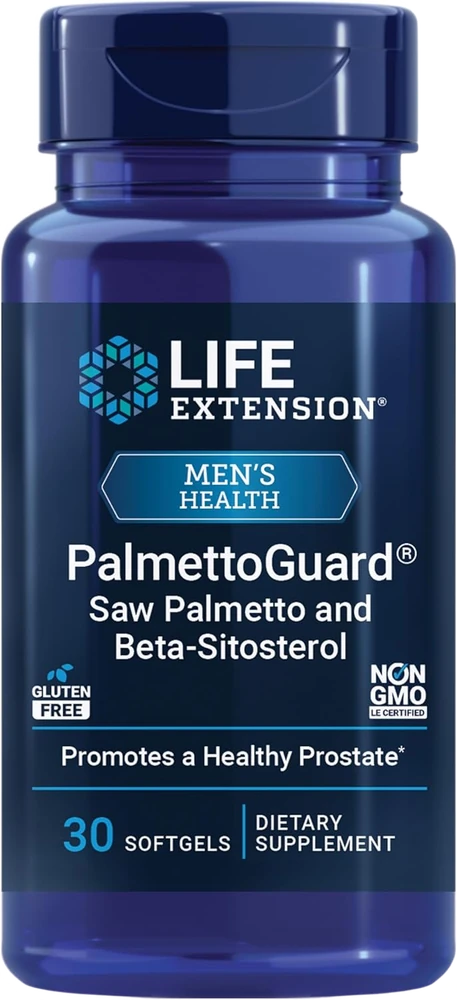
Best Overall: Life Extension PalmettoGuard Saw Palmetto & Beta-Sitosterol
A supercritical CO2 liposterolic extract at the full 320 mg clinical dose, plus 90 mg of beta-sitosterol that targets the same 5-alpha-reductase/DHT pathway — the most trial-aligned formula on this list.
approx $16-22approx $0.63/serving
Why it wins: all five scores, pros & cons, full label
- Supercritical CO2 extraction is the gold-standard method for preserving the liposterolic fatty-acid fraction
- Hits the studied 320 mg/day dose in a single daily softgel
- Added beta-sitosterol is mechanistically aimed at the same DHT pathway relevant to hair and prostate
- Reputable brand with strong quality reputation and CoA availability
- Most expensive per serving here; only a 30-day supply per bottle
- Beta-sitosterol combo is mechanistically sensible but not proven to add outcome benefit over saw palmetto alone
- Standardization
- Permixon-style liposterolic profile (CO2-extracted)
- Cost per dose
- approx $0.63/serving
- Dose
- 320 mg saw palmetto extract + 90 mg beta-sitosterol
- Form
- Softgel (supercritical CO2 extract)
- Count
- 30 softgels (30-day supply)
- Testing
- Non-GMO, Gluten-Free; brand publishes CoAs on request

Our take — If you want the extract that most closely resembles what researchers actually studied, this is it: CO2-extracted liposterolic saw palmetto at the full clinical dose with a phytosterol that reinforces the DHT-blocking rationale. It costs more and only lasts a month, but on standardization — the one axis that matters — nothing else here beats it. Just remember the honest ceiling: even the best extract inherits mixed BPH data and preliminary hair evidence.
 02
02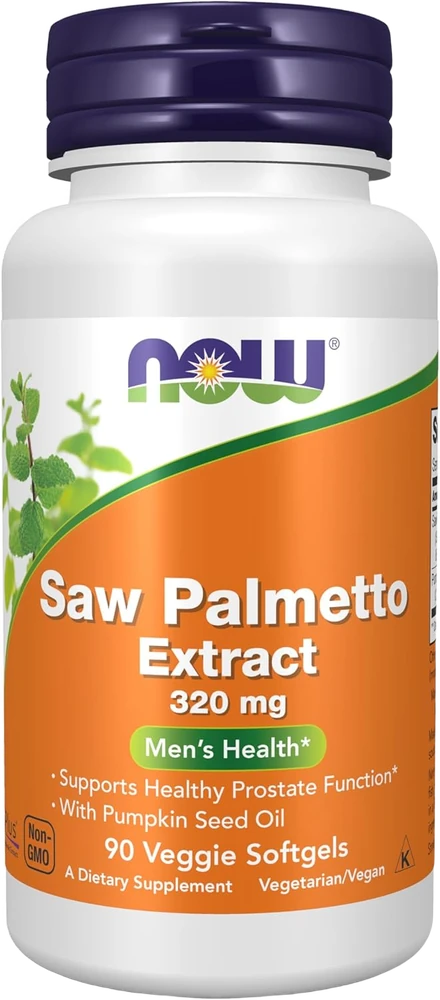 03
03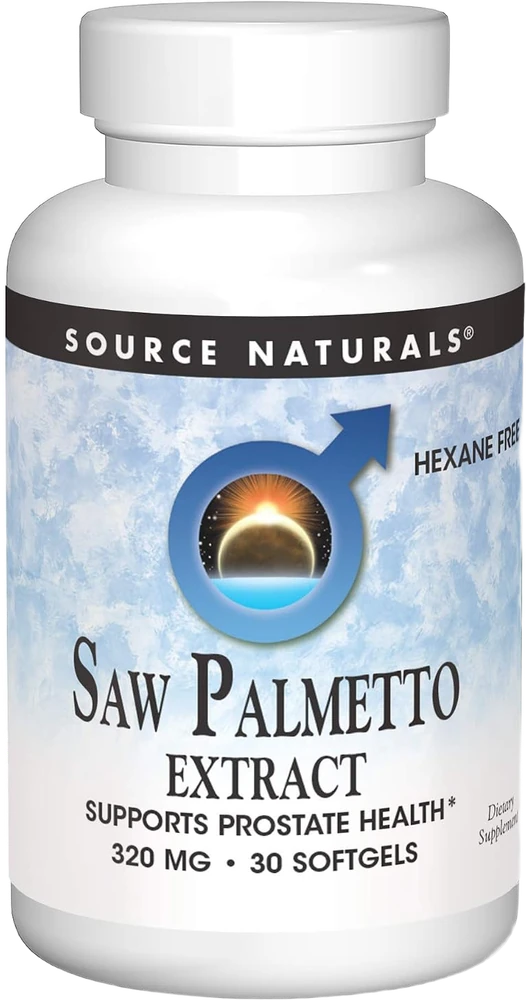 04
04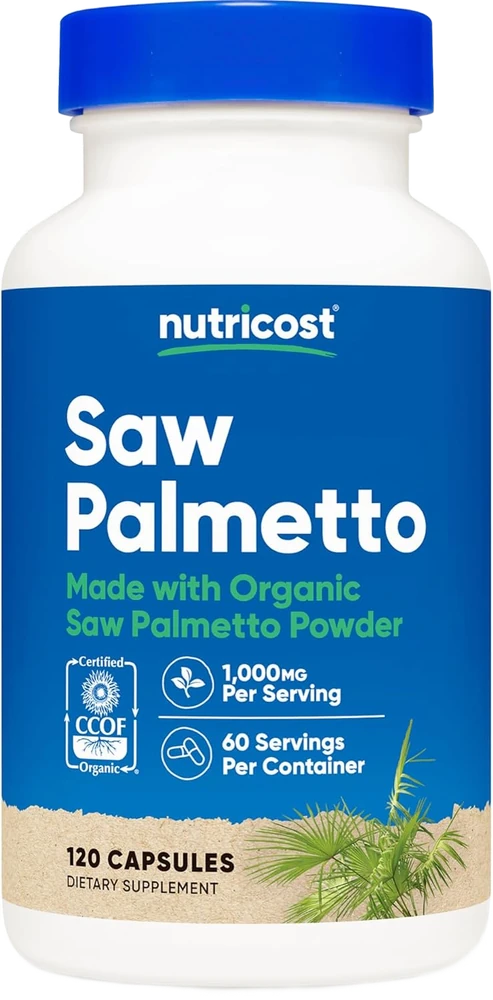 05
05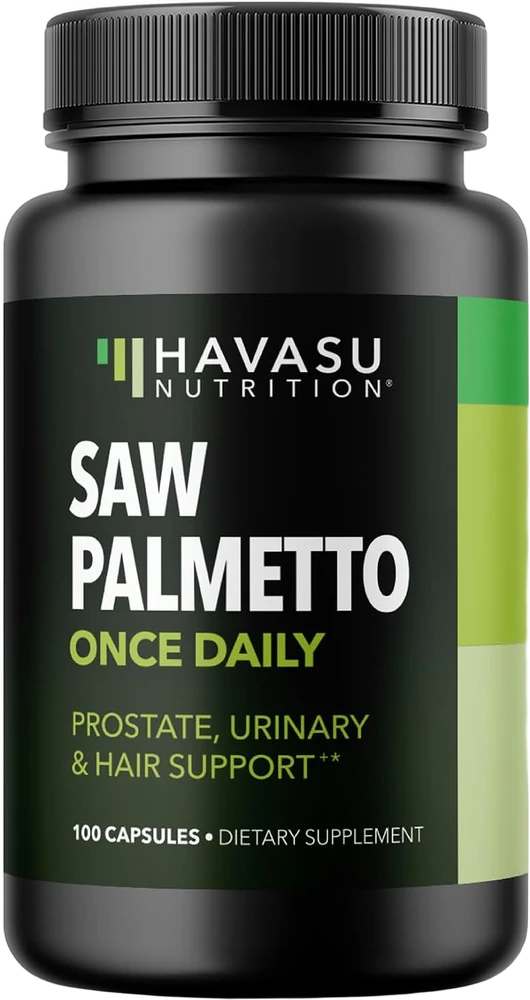 06
06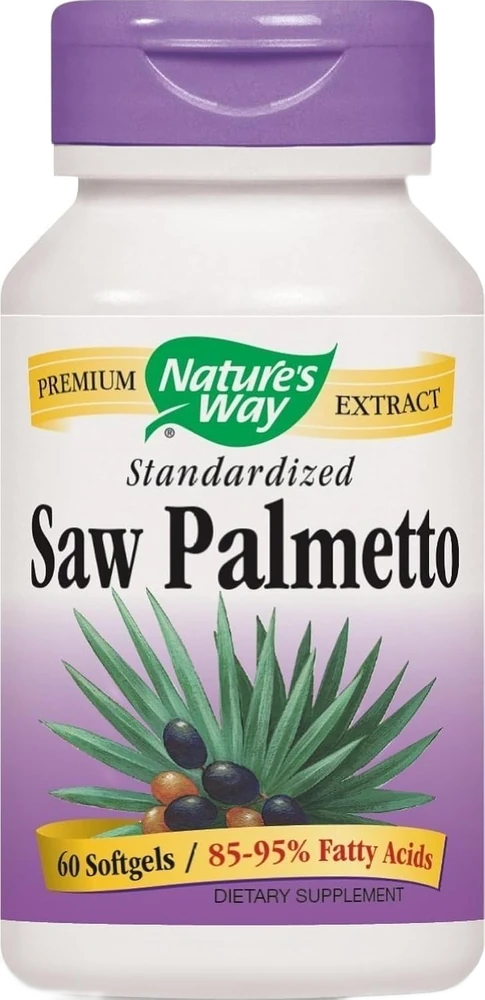 07
07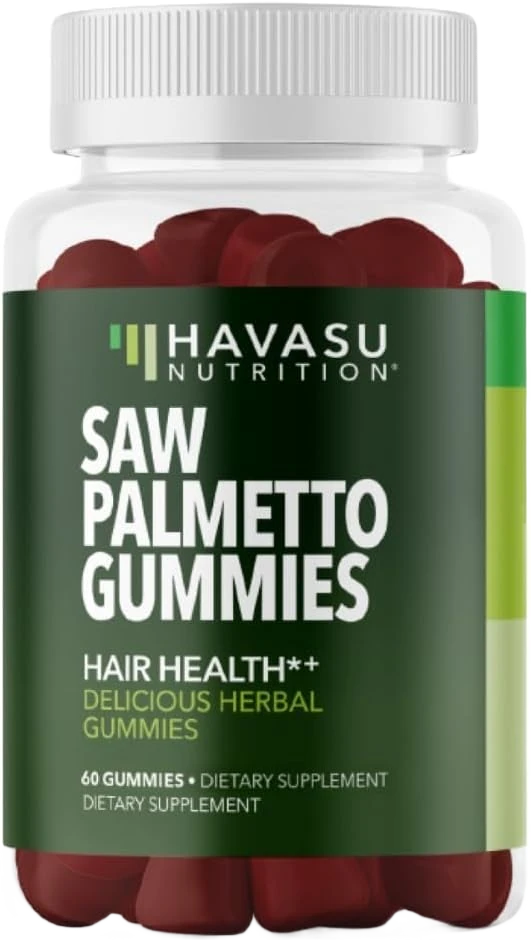 08
08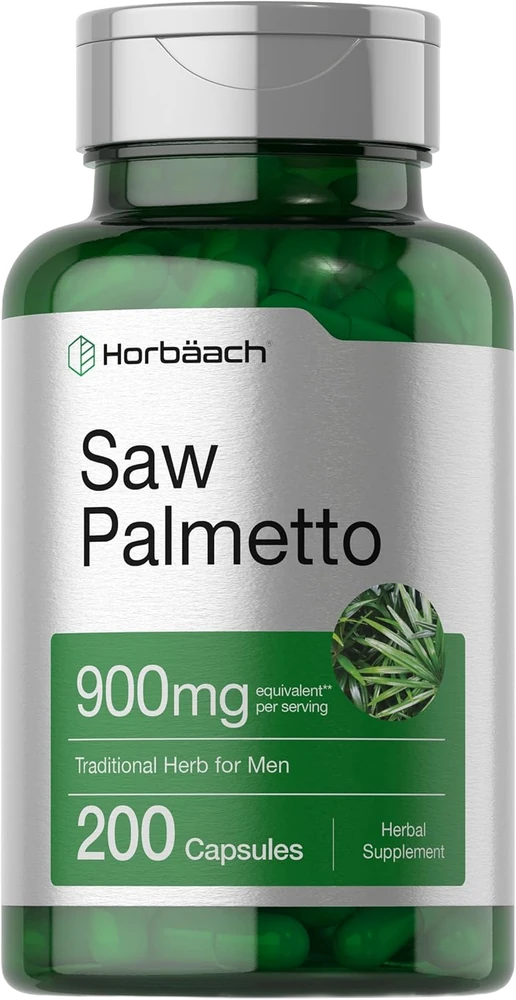 09
09Who Wins Which Aspect
Sorted by overall SAC Product Score™ — the official ranking.
| # | Pick | Score | Standardization & Form30% | Dose vs Clinical Range25% | Third-Party Testing & Purity20% | Tolerability & Safety15% | Value / Cost per Dose10% | Cost Per Dose | Buy |
|---|---|---|---|---|---|---|---|---|---|
| 01 | | 8.5 | 9.01 | 9.01 | 8.02 | 8.02 | 7.03 | approx $0.63/serving | Check price |
| Supercritical CO2 extraction is the gold-standard method for preserving the liposterolic fatty-acid fractionMost expensive per serving here; only a 30-day supply per bottle | |||||||||
| 02 | | 8.0 | 8.02 | 9.01 | 6.5 | 8.02 | 8.51 | approx $0.12/serving | Check price |
| Names the exact 85-95% fatty-acid-and-sterol standardization used in trialsNo published Certificate of Analysis or independent lab verification | |||||||||
| 03 | | 7.7 | 8.02 | 8.52 | 7.03 | 8.02 | 6.0 | approx $0.18/serving | Check price |
| Full 320 mg standardized extract at the clinical dosePumpkin seed oil is a traditional addition with no proven DHT/5-alpha-reductase benefit | |||||||||
| 04 | | 7.3 | 7.53 | 9.01 | 5.5 | 8.02 | 5.0 | approx $0.40/serving | Check price |
| Full 320 mg liposterolic dose matching clinical researchLabel does not state the exact 85-95% fatty-acid percentage, unlike higher-ranked picks | |||||||||
| 05 | | 6.2 | 4.0 | 5.5 | 9.01 | 8.02 | 6.5 | approx $0.28/serving | Check price |
| Best-in-class transparency: CCOF organic certification plus published Certificates of AnalysisWhole-berry powder is not standardized to the liposterolic fatty-acid fraction used in trials | |||||||||
| 06 | | 6.1 | 5.0 | 6.03 | 6.5 | 8.02 | 6.0 | approx $0.16/serving | Check price |
| Vegan and Non-GMO formulation with no animal-derived softgelUnstandardized 500 mg berry lacks the concentrated liposterolic fraction used in research | |||||||||
| 07 | | 5.9 | 6.0 | 4.0 | 6.0 | 8.02 | 6.5 | approx $0.19/serving | Check price |
| Genuinely standardized to 85% fatty acids — the clinically studied fraction160 mg per serving is only half the 320 mg used in trials; you would need two daily to match it | |||||||||
| 08 | | 4.8 | 3.5 | 2.0 | 6.0 | 9.01 | 6.5 | approx $0.60/serving | Check price |
| Chewable, flavored format dramatically improves adherence for pill-averse usersGummies dilute the active with sugar and pectin and are not standardized liposterolic extract | |||||||||
| 09 | | 4.6 | 3.0 | 2.0 | 6.0 | 8.02 | 8.02 | approx $0.08/serving | Check price |
| Lowest cost per serving on the entire list — roughly 8 cents a dayA 4:1 ratio concentrate is not equivalent to the 85-95% fatty-acid liposterolic standardization used in trials | |||||||||
The Other 8, Ranked
- 02
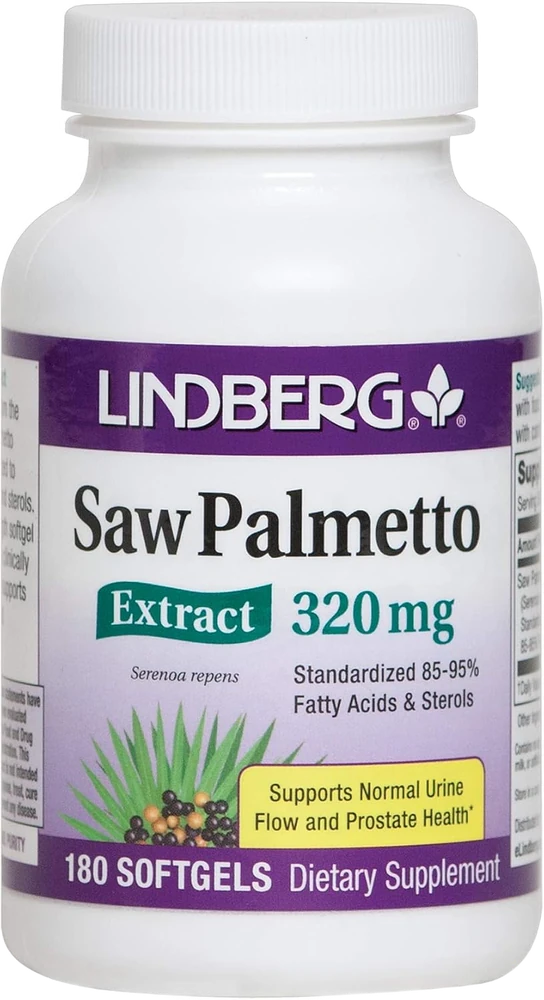
Best Value: Lindberg Saw Palmetto Extract 320 mg
8.0SAC Score™Explicitly standardized to 85-95% fatty acids and sterols at the full 320 mg dose, in a 180-count bottle that turns a properly studied extract into a six-month supply.
StrongestDose vs Clinical Range9.01WeakestThird-Party Testing & Purity6.5- Standardization
- 85-95% fatty acids and sterols (stated on label)
- Cost per dose
- approx $0.12/serving
- Dose
- 320 mg extract per softgel
All five scores, pros & cons, full label
What We Like- Names the exact 85-95% fatty-acid-and-sterol standardization used in trials
- Full 320 mg clinical dose in one softgel
- 180-count bottle is an outstanding cost-per-dose — roughly 12 cents a day
- No unnecessary fillers or proprietary blend padding
What You Live With- No published Certificate of Analysis or independent lab verification
- Lesser-known brand than the category leaders
- Form
- Softgel
- Count
- 180 softgels (6-month supply)
- Testing
- Non-GMO (no published third-party CoA)
Our take — This is the value champion of the list: it matches the trials on both standardization and dose, then undercuts almost everything on price with a six-month bottle. The only thing keeping it out of the top spot is the lack of published third-party testing to prove the label. If you want the studied extract without paying premium prices, buy this.
- 03
Best from a Trusted Brand: NOW Saw Palmetto Extract 320 mg with Pumpkin Seed Oil
7.7SAC Score™A 320 mg standardized extract from one of the most rigorously self-tested brands in the supplement aisle, in an uncommon vegetarian softgel with pumpkin seed oil for men's urinary support.
StrongestDose vs Clinical Range8.52WeakestValue / Cost per Dose6.0- Standardization
- 85-95% fatty acids
- Cost per dose
- approx $0.18/serving
- Dose
- 320 mg extract (85-95% fatty acids) + pumpkin seed oil
All five scores, pros & cons, full label
What We Like- Full 320 mg standardized extract at the clinical dose
- NOW's in-house analytical lab is among the most transparent in the industry
- Vegetarian softgel shell is rare at this dose and dietary-friendly
- Solid three-month supply at a fair price
What You Live With- Pumpkin seed oil is a traditional addition with no proven DHT/5-alpha-reductase benefit
- In-house testing, while excellent, is not the same as an independent third-party CoA
- Form
- Vegetarian softgel
- Count
- 90 veg softgels (3-month supply)
- Testing
- Non-GMO, GMP-quality assured (NOW in-house lab tested)
Our take — For buyers who prioritize brand trust and quality control, NOW is the safe, sensible pick — full clinical dose, standardized extract, and a testing program that outclasses most competitors. The pumpkin seed oil is a nice-to-have, not a difference-maker, so judge this on the saw palmetto alone. It narrowly trails Lindberg only on cost-per-dose and Life Extension on extraction method.
- 04
Cleanest Extraction: Source Naturals Saw Palmetto Extract 320 mg
7.3SAC Score™A hexane-free liposterolic extract that hits the 320 mg clinical dose in a single softgel, for buyers who care about a cleaner solvent process.
StrongestDose vs Clinical Range9.01WeakestValue / Cost per Dose5.0- Standardization
- Liposterolic extract (fatty-acid % not explicitly stated)
- Cost per dose
- approx $0.40/serving
- Dose
- 320 mg liposterolic extract
All five scores, pros & cons, full label
What We Like- Full 320 mg liposterolic dose matching clinical research
- Hexane-free extraction avoids a common industrial solvent
- Established brand with a long track record in the extract category
What You Live With- Label does not state the exact 85-95% fatty-acid percentage, unlike higher-ranked picks
- Only 30 softgels per bottle and no published third-party testing
- Form
- Softgel
- Count
- 30 softgels (30-day supply)
- Testing
- Hexane-free extraction (no published CoA)
Our take — A dependable liposterolic extract at the right dose, with a hexane-free process that appeals to the solvent-conscious. It slips behind the top three because it does not name its exact standardization percentage and offers no third-party CoA. Good, honest middle-of-the-pack value.
- 05
Best Tested (but Unstandardized): Nutricost Saw Palmetto (Made with Organic) 1000 mg
6.2SAC Score™The most transparently tested product here — CCOF-certified organic whole-berry powder with published CoAs — held back by the fact that whole berry is not the concentrated liposterolic extract the trials used.
StrongestThird-Party Testing & Purity9.01WeakestStandardization & Form4.0- Standardization
- None — unstandardized whole berry
- Cost per dose
- approx $0.28/serving (1000 mg berry)
- Dose
- 1000 mg saw palmetto berry (2 caps x 500 mg)
All five scores, pros & cons, full label
What We Like- Best-in-class transparency: CCOF organic certification plus published Certificates of Analysis
- Third-party tested, which most competitors are not
- Clean, organic whole-berry sourcing with no synthetic additives
What You Live With- Whole-berry powder is not standardized to the liposterolic fatty-acid fraction used in trials
- 1000 mg of berry is not equivalent to 320 mg of concentrated extract
- Form
- Capsule (whole-berry powder)
- Count
- 120 capsules (60-day supply)
- Testing
- CCOF Made-with-Organic, Non-GMO, Gluten-Free, third-party tested with published CoA
Our take — On testing and organic transparency, Nutricost is the best on this list — and if you specifically want a clean whole-berry product, this is the one to buy. But standardization is our primary axis, and unstandardized berry powder cannot deliver the concentrated fatty-acid fraction that the research relied on. Excellent quality control wrapped around the wrong form.
- 06
Most Marketing, Least Standardization: Havasu Nutrition Saw Palmetto for Men (DHT Blocker)
6.1SAC Score™A vegan 500 mg capsule marketed hard as a hair-loss DHT blocker — but it is unstandardized berry, and the hair-growth claims rest on weak preliminary evidence.
StrongestTolerability & Safety8.02WeakestStandardization & Form5.0- Standardization
- None — unstandardized berry
- Cost per dose
- approx $0.16/serving
- Dose
- 500 mg per serving
All five scores, pros & cons, full label
What We Like- Vegan and Non-GMO formulation with no animal-derived softgel
- Reasonable per-serving price and a 100-count bottle
- Widely available and popular in the hair-loss niche
What You Live With- Unstandardized 500 mg berry lacks the concentrated liposterolic fraction used in research
- "DHT blocker" hair-growth marketing outruns the weak, preliminary evidence base
- Form
- Capsule (unstandardized berry)
- Count
- 100 capsules
- Testing
- Non-GMO, Vegan (no published CoA)
Our take — This is the clearest example on the list of marketing outpacing the science: a bold DHT-blocker hair-loss pitch wrapped around unstandardized berry powder. It is tolerable, vegan, and affordable, but it cannot match the studied extract, and the hair claims are not backed by strong data. Buy it for the format, not the promises.
- 07
Best Standardized Half-Dose: Nature's Way Saw Palmetto
5.9SAC Score™A properly standardized 85%-fatty-acid liposterolic softgel from a legacy herbal brand — undermined by a 160 mg serving that is only half the clinically studied dose.
StrongestTolerability & Safety8.02WeakestDose vs Clinical Range4.0- Standardization
- 85% fatty acids (liposterolic)
- Cost per dose
- approx $0.19/serving (per 160 mg)
- Dose
- 160 mg standardized extract (85% fatty acids)
All five scores, pros & cons, full label
What We Like- Genuinely standardized to 85% fatty acids — the clinically studied fraction
- Non-GMO Project Verified, a stronger third-party badge than most here
- Trusted legacy herbal brand with reliable sourcing
What You Live With- 160 mg per serving is only half the 320 mg used in trials; you would need two daily to match it
- At two-per-day the real cost and supply length roughly double
- Form
- Softgel
- Count
- 60 softgels (60-day supply at 1/day)
- Testing
- Non-GMO Project Verified
Our take — The extract quality is genuinely good and the Non-GMO Project verification is a real plus, but the half-dose serving is a serious handicap on the axis that matters most. Take two a day to reach the studied 320 mg and it becomes a respectable option; at the labeled one-a-day it simply underdoses. Standardized, but shortchanged.
- 08
Best for Adherence, Worst for Potency: Nested/Private-label (Amazon) Saw Palmetto for Men Gummies (DHT Blocker, Raspberry)
4.8SAC Score™A raspberry-flavored, no-pill gummy that maximizes adherence for people who hate swallowing capsules — at the cost of standardization, potency, and a sugar-and-pectin base.
StrongestTolerability & Safety9.01WeakestDose vs Clinical Range2.0- Standardization
- None — not standardized liposterolic extract
- Cost per dose
- approx $0.60/serving
- Dose
- ~500 mg saw palmetto equivalent per serving
All five scores, pros & cons, full label
What We Like- Chewable, flavored format dramatically improves adherence for pill-averse users
- Vegan and Non-GMO with a pleasant taste
- No water or pill needed — convenient for daily habit formation
What You Live With- Gummies dilute the active with sugar and pectin and are not standardized liposterolic extract
- Highest cost per serving of any non-premium option, with the weakest potency profile
- Form
- Gummy (raspberry-flavored)
- Count
- 60 gummies (1-month supply)
- Testing
- Vegan, Non-GMO (no published CoA)
Our take — If the only supplement you will actually take is a gummy, this beats taking nothing — adherence is a real factor. But on every axis our method cares about, it finishes last: no standardization, diluted actives, and a premium price for the weakest form. Choose it purely for convenience, eyes open.
- 09
Longest Supply Runway: Horbaach Saw Palmetto Extract
4.6SAC Score™A 4:1 concentrated berry extract in a 200-capsule bottle that delivers the cheapest cost-per-serving on the list — but a 4:1 concentrate is not the 85-95% liposterolic standardization the studies used.
StrongestTolerability & Safety8.02WeakestDose vs Clinical Range2.0- Standardization
- 4:1 concentrate — not liposterolic-standardized
- Cost per dose
- approx $0.08/serving
- Dose
- 500 mg per serving (from 4:1 concentrate)
All five scores, pros & cons, full label
What We Like- Lowest cost per serving on the entire list — roughly 8 cents a day
- 200-capsule bottle gives a very long supply runway
- 4:1 concentrate is at least more concentrated than raw whole berry
What You Live With- A 4:1 ratio concentrate is not equivalent to the 85-95% fatty-acid liposterolic standardization used in trials
- Lab tested but no published Certificate of Analysis to verify
- Form
- Capsule (4:1 concentrated berry extract)
- Count
- 200 capsules (long supply)
- Testing
- Non-GMO, Gluten-Free, laboratory tested
Our take — If sheer cost-per-capsule is your deciding factor, Horbaach wins outright, and the 4:1 concentrate is a step up from plain berry powder. But it still misses the liposterolic standardization that separates studied extract from generic berry, so it lands in the back third. Cheap and abundant, not clinically matched.
Saw Palmetto In Two Short Lessons
Buy a liposterolic extract standardized to 85-95% fatty acids.
That is the extract the famous trials used. Whole-berry powder, 4:1 concentrates and gummies are chemically different products.
Dose 320 mg a day.
Milligrams of berry are not interchangeable with milligrams of concentrated extract, so check what the 320 mg refers to.
Know the ceiling.
The largest trials found saw palmetto no better than placebo for urinary symptoms, even at up to triple the standard dose (STEP 2006, CAMUS 2011). The hair-loss case is preliminary.
Synthesized from the STEP trial (Bent, NEJM 2006), the CAMUS trial (Barry, JAMA 2011), the Cochrane review (Tacklind, 2012), and early hair-loss pilot data (Prager, 2002).
Saw palmetto lives or dies on one question — is it the extract that was actually studied? The clinical literature used a liposterolic extract standardized to 85-95% fatty acids and sterols (the Permixon-style profile), taken at 320 mg per day. So our scoring puts the heaviest weight on standardization and form, then on hitting that clinical dose, then on independent proof of purity. Tolerability is uniformly good for this herb, and value is capped as a tie-breaker only — a $13 bottle of unstandardized berry powder can never outrank a properly standardized extract. We also refuse to inflate the evidence: even a perfect extract inherits the fact that the strongest RCTs were null for BPH and only weak signals exist for hair.
Standardization & Form · 30%
Is it a liposterolic extract standardized to 85-95% fatty acids and sterols (what the trials used), or just whole-berry powder or a 4:1 concentrate? Supercritical CO2 and documented liposterolic profiles score highest; unstandardized berry and gummies score lowest, no matter the milligrams on the label.
Dose vs Clinical Range · 25%
Clinical research on saw palmetto centers on 320 mg/day of standardized extract. Products that deliver that in a day score highest; 160 mg (half-dose) and whole-berry milligrams that are not extract-equivalent are penalized because berry mg does not equal extract mg.
Third-Party Testing & Purity · 20%
Published Certificates of Analysis, CCOF organic certification, and independent lab verification earn the most trust. In-house GMP testing and bare Non-GMO badges earn partial credit; unverified claims earn little.
Tolerability & Safety · 15%
Saw palmetto is generally well tolerated; mild GI upset is the most common complaint. We reward clean formulas and easy-to-take formats, and flag that it can mildly affect bleeding and hormone-sensitive contexts (talk to a doctor if you take blood thinners or finasteride).
Value / Cost per Dose · 10%
Cost per clinically relevant serving, capped as a tie-breaker only. Great value can move a strong extract up a notch, but price never buys a podium spot over a better-standardized product.
The bottom line
Buy Life Extension PalmettoGuard if you want the most trial-faithful formula
Its supercritical CO2 liposterolic extract at the full 320 mg dose, paired with beta-sitosterol on the same DHT pathway, is the closest thing here to what researchers actually studied. You pay a premium and get only a month per bottle, but on standardization — the axis that matters — it wins.
Buy Lindberg 320 mg if you want the studied extract without the premium price
It names the exact 85-95% fatty-acid-and-sterol standardization, hits the 320 mg clinical dose, and packs 180 softgels into a six-month bottle at roughly 12 cents a day. The only thing it lacks versus the top pick is a published Certificate of Analysis. For most buyers, this is the smart-money choice.
Skip the gummies, whole-berry powders, and "DHT blocker" hype products for potency
Nutricost is genuinely the best-tested product, but whole berry is not standardized extract; Havasu and the gummies lean on hair-loss marketing the evidence does not support. If your goal is to replicate the research, an unstandardized berry or a sugar-based gummy is the wrong tool regardless of how good the label looks.
Quick Answers
What is the best saw palmetto pick overall?
Life Extension PalmettoGuard Saw Palmetto & Beta-Sitosterol by Life Extension is our #1 pick (SAC score 8.5/10). If you want the extract that most closely resembles what researchers actually studied, this is it: CO2-extracted liposterolic saw palmetto at the full clinical dose with a phytosterol that reinforces the DHT-blocking rationale. It costs more and only lasts a month, but on standardization — the one axis that matters — nothing else here beats it. Just remember the honest ceiling: even the best extract inherits mixed BPH data and preliminary hair evidence.
What is the best budget option?
Lindberg Saw Palmetto Extract 320 mg at approx $18-24. This is the value champion of the list: it matches the trials on both standardization and dose, then undercuts almost everything on price with a six-month bottle. The only thing keeping it out of the top spot is the lack of published third-party testing to prove the label. If you want the studied extract without paying premium prices, buy this.
How much do these picks cost?
Across our ranked picks, prices run from about $10 to $18 — exact price and cost per serving are listed on every pick card above.
How were these picks ranked?
Saw palmetto lives or dies on one question — is it the extract that was actually studied? The clinical literature used a liposterolic extract standardized to 85-95% fatty acids and sterols (the Permixon-style profile), taken at 320 mg per day. So our scoring puts the heaviest weight on standardization and form, then on hitting that clinical dose, then on independent proof of purity. Tolerability is uniformly good for this herb, and value is capped as a tie-breaker only — a $13 bottle of unstandardized berry powder can never outrank a properly standardized extract. We also refuse to inflate the evidence: even a perfect extract inherits the fact that the strongest RCTs were null for BPH and only weak signals exist for hair.
Every Claim Ranked Above Traces Back To One Of These
6 peer-reviewed sources, each linked to PubMed
- [1] Bent S, Kane C, Shinohara K, et al. Saw palmetto for benign prostatic hyperplasia. N Engl J Med. 2006;354(6):557-566. PMID 16467543 — Saw palmetto for benign prostatic hyperplasia (STEP trial). In this NIH-funded double-blind RCT, 320 mg/day of saw palmetto extract was no better than placebo for BPH symptoms or objective urinary measures over one year.
- [2] Barry MJ, Meleth S, Lee JY, et al. Effect of increasing doses of saw palmetto extract on lower urinary tract symptoms: a randomized trial. JAMA. 2011;306(12):1344-1351. PMID 21954478 — Effect of increasing doses of saw palmetto extract on lower urinary tract symptoms (CAMUS trial). Even at escalating doses up to 960 mg/day (triple the standard dose), saw palmetto did not reduce lower urinary tract symptoms more than placebo.
- [3] Tacklind J, Macdonald R, Rutks I, Stanke JU, Wilt TJ. Serenoa repens for benign prostatic hyperplasia. Cochrane Database Syst Rev. 2012;12:CD001423. PMID 23235581 — Serenoa repens for benign prostatic hyperplasia. This Cochrane meta-analysis concluded saw palmetto does not improve urinary symptoms or flow measures compared with placebo, even at double and triple doses.
- [4] Wilt TJ, Ishani A, Stark G, MacDonald R, Lau J, Mulrow C. Saw palmetto extracts for treatment of benign prostatic hyperplasia: a systematic review. JAMA. 1998;280(18):1604-1609. PMID 9820264 — Saw palmetto extracts for treatment of benign prostatic hyperplasia: a systematic review. An earlier meta-analysis of mostly small, short trials suggested modest symptom improvement — the positive signal that later, larger, more rigorous trials failed to confirm.
- [5] Prager N, Bickett K, French N, Marcovici G. A randomized, double-blind, placebo-controlled trial to determine the effectiveness of botanically derived inhibitors of 5-alpha-reductase in the treatment of androgenetic alopecia. J Altern Complement Med. 2002;8(2):143-152. PMID 12006122 — A randomized, placebo-controlled trial of botanically derived 5-alpha-reductase inhibitors for androgenetic alopecia. A small pilot trial of saw palmetto plus beta-sitosterol reported improvement in some men with male-pattern hair loss, but the study was tiny and preliminary — illustrative of how thin the hair-growth evidence is.
- [6] Rossi A, Mari E, Scarno M, et al. Comparitive effectiveness of finasteride vs Serenoa repens in male androgenetic alopecia: a two-year study. Int J Immunopathol Pharmacol. 2012;25(4):1167-1173. PMID 23298508 — Comparative effectiveness of finasteride vs Serenoa repens in male androgenetic alopecia. Over two years, saw palmetto produced smaller hair-growth improvements than finasteride, and benefited fewer men — consistent with a real but weak DHT-pathway effect.
Affiliate disclosure: every Amazon link uses our Associates tag (superachieverclub-20). We earn a small commission at no cost to you; it funds independent reviews. We never accept payment to change a ranking.