
Top 9 Best Multivitamin for Women (2026)
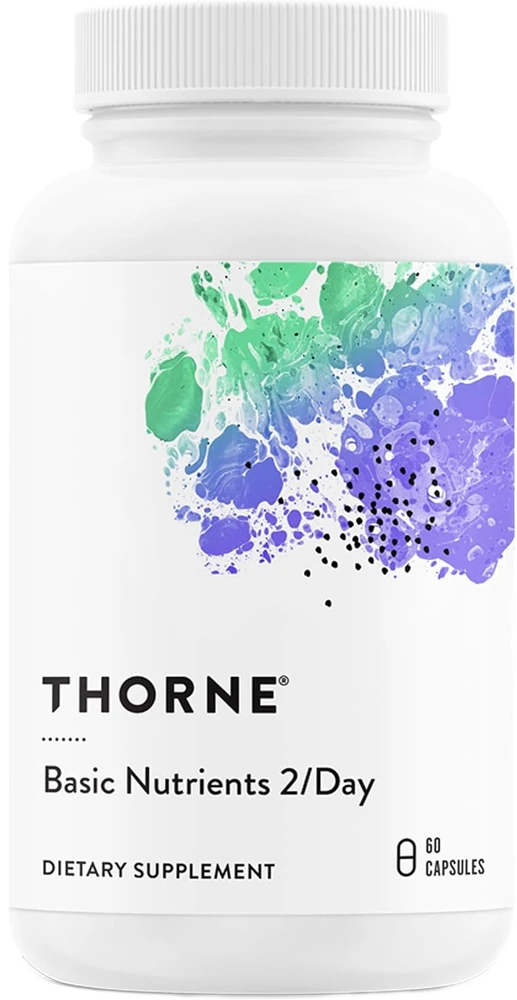 01 · Best overall for women✓ Label verified · Supplement Facts read Sep 7, 2026
Best overall for women: Thorne Basic Nutrients 2/Day
The best formula on the page, full stop — fully methylated folate and B12, chelated minerals, NSF-certified — and its deliberate iron-free design is exactly right for post-menopausal and iron-replete women.
$32 / 60 capsules (30 days)~$1.07 / day (2 capsules)
Why it wins: all five scores, pros & cons, full label
- Active forms throughout — methylfolate, methylcobalamin, bisglycinate chelates; the category's form benchmark
- Iron-free by design — the correct default once monthly iron loss stops (post-menopause) or when iron-replete
- NSF-certified, no megadosed fat-solubles — clinician-grade restraint
- No iron means menstruating women who need it must add it separately (ideally after a blood test)
- Premium per-day cost from a 30-day bottle
- Forms
- L-5-MTHF folate (667 mcg DFE), methylcobalamin B12 (600 mcg), bisglycinate-chelated minerals
- Iron
- None — deliberately iron-free
- Caps per day
- 2 capsules
- Count
- 60 capsules · 30-day supply
- Testing
- NSF Certified · third-party / clinician-grade

Our take — Judged purely on formula quality, Thorne beats everything here — which is why it wins the core unisex ranking. It tops this women's page too, with one cohort-specific caveat: it contains no iron. For a post-menopausal or iron-replete woman that's precisely the point — supplemental iron you don't need slowly accumulates, so the iron-free clinician-grade multi is the smarter long-term buy, and this is the best one made. For a menstruating woman who needs iron, either pair it with a separately-dosed iron (after testing) or take Ritual (#2) and get the gentle chelate built in. Either way, the forms and NSF certification are the best money can buy in this category.
 02
02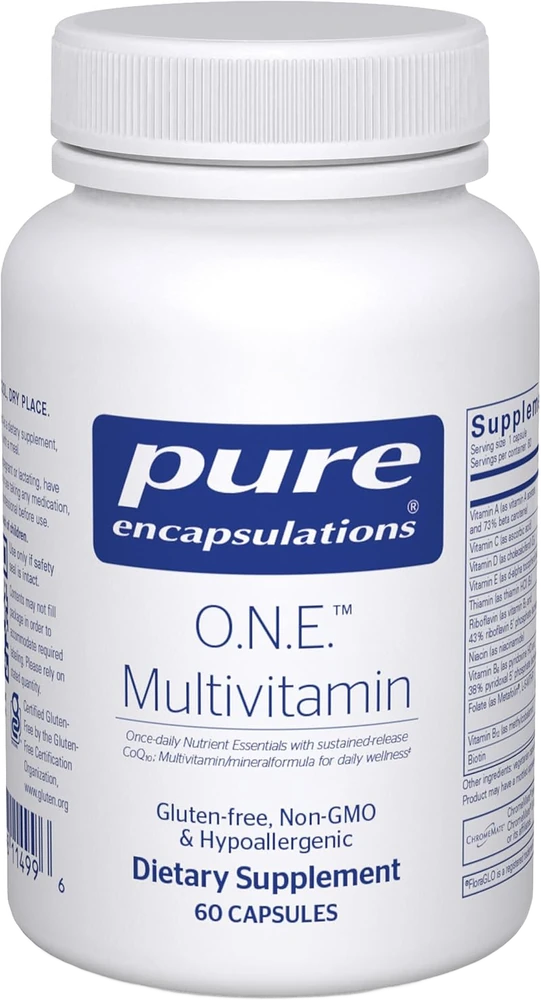 03
03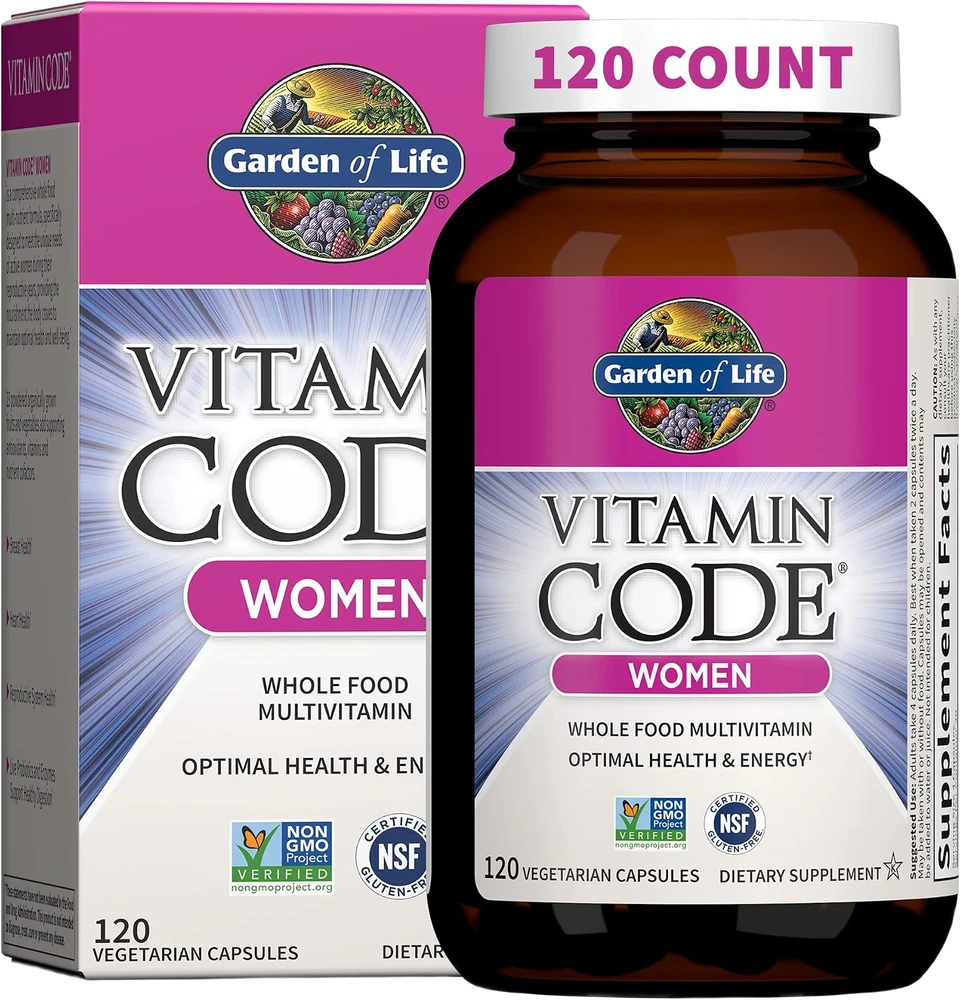 04
04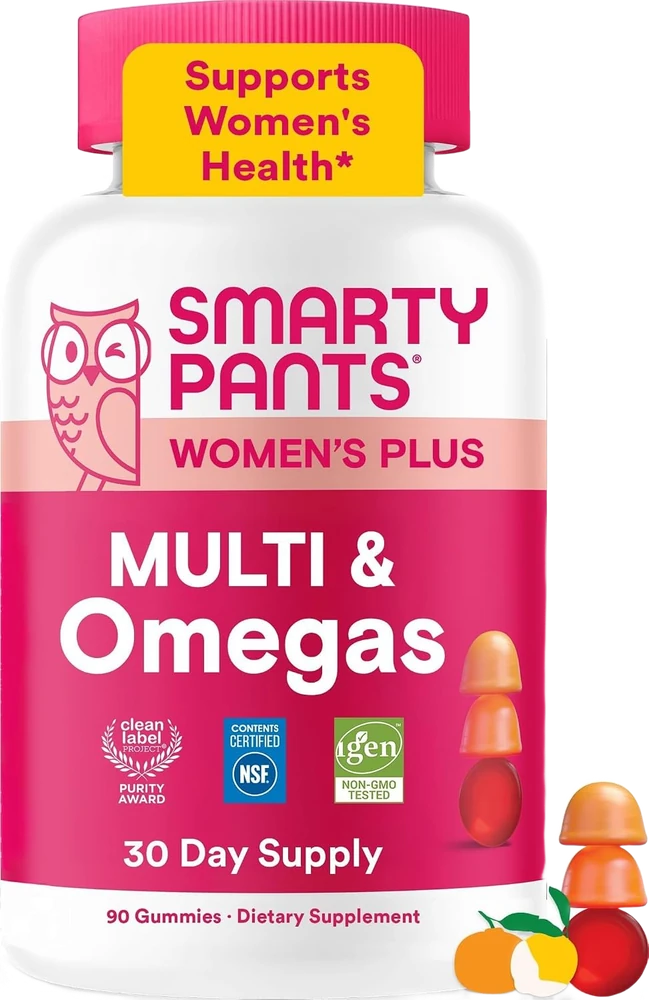 05
05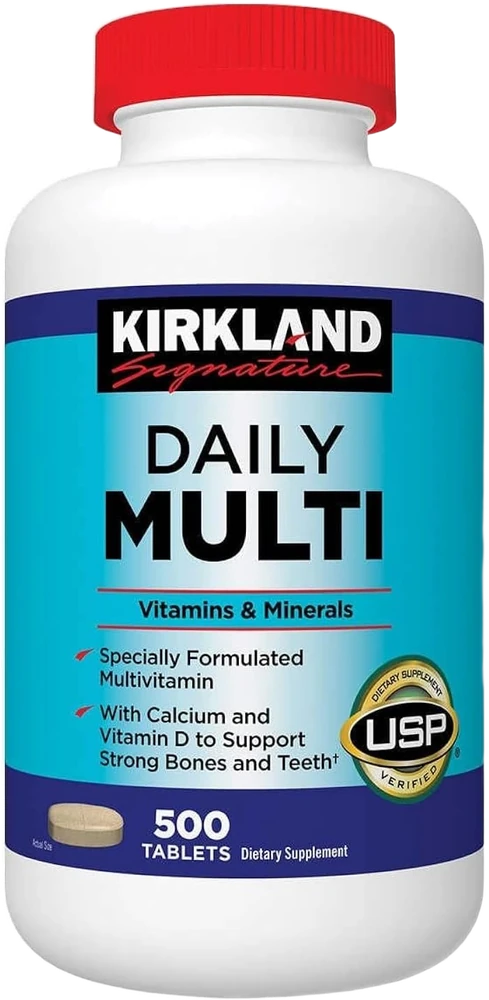 06
06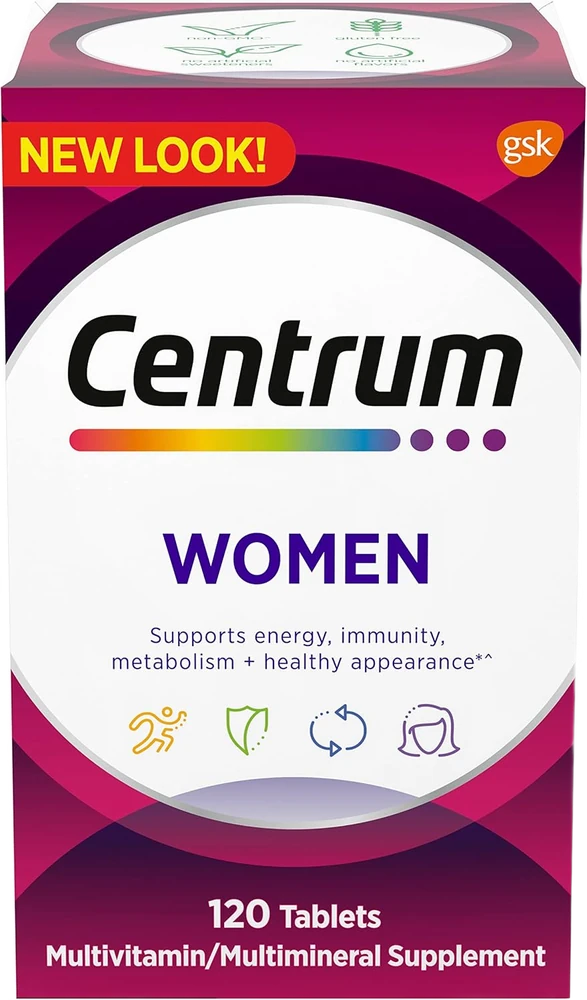 07
07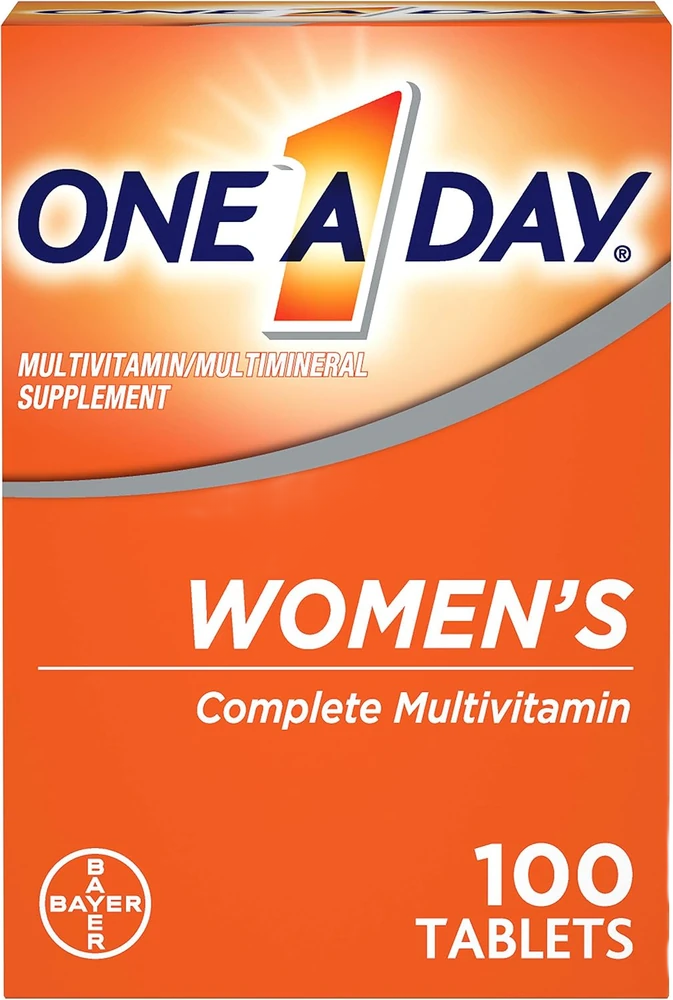 08
08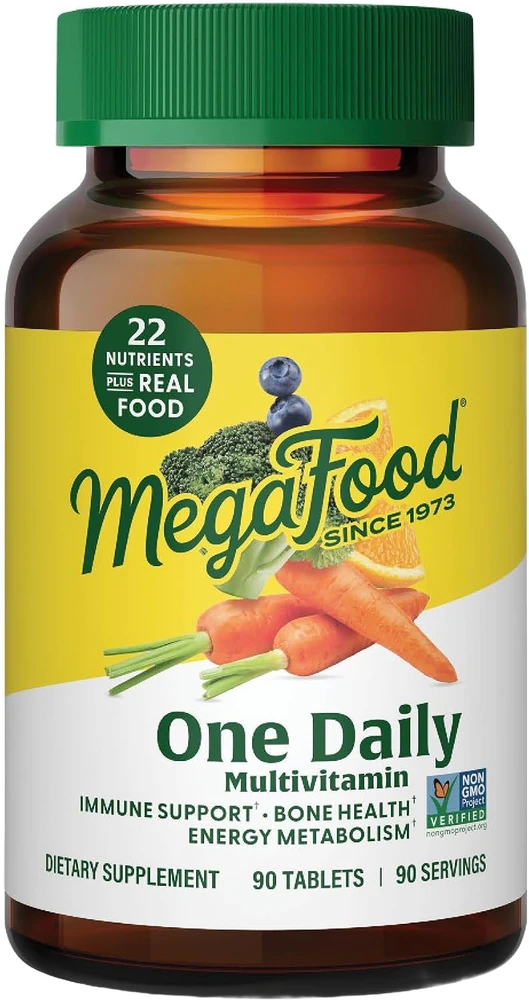 09
09Who Wins Which Aspect
Sorted by overall SAC Product Score™ — the official ranking.
| # | Pick | Score | Nutrient forms & bioavailability30% | Sensible dosing25% | Third-party testing20% | Value per day15% | Real-world fit10% | Cost Per Dose | Buy |
|---|---|---|---|---|---|---|---|---|---|
| 01 | | 9.2 | 10.01 | 9.51 | 9.52 | 7.0 | 9.02 | ~$1.07 / day | Check price |
| Active forms throughout — methylfolate, methylcobalamin, bisglycinate chelates; the category's form benchmarkNo iron means menstruating women who need it must add it separately (ideally after a blood test) | |||||||||
| 02 | | 9.0 | 9.52 | 9.02 | 10.01 | 6.5 | 9.02 | ~$1.10 / day | Check price |
| Methylated folate — the active form, on the nutrient women most need covered (Pietrzik 2010)Deliberately minimalist — about nine nutrients, not full-spectrum coverage | |||||||||
| 03 | | 8.9 | 9.52 | 9.02 | 8.0 | 8.03 | 10.01 | ~$0.60 / day | Check price |
| True once-daily with active Metafolin folate — clinician-grade forms in one capsuleLow iron and calcium by design — not the answer for a woman with diagnosed iron deficiency | |||||||||
| 04 | | 8.3 | 8.53 | 9.02 | 8.53 | 7.5 | 7.0 | ~$1.07 / day | Check price |
| Folate, not folic acid, in a whole-food matrix — plus built-in probiotics and enzymesFour capsules a day to hit a full serving — the heaviest pill burden on this list | |||||||||
| 05 | | 7.7 | 8.53 | 8.0 | 7.5 | 6.0 | 6.0 | ~$1.00 / day | Check price |
| Methylfolate in a mainstream gummy — genuinely rare; most gummies use folic acidAdded sugar (3 g per serving — organic cane sugar + tapioca syrup) and gelatin (not vegetarian) | |||||||||
| 06 | | 7.4 | 5.5 | 8.0 | 7.0 | 10.01 | 8.03 | ~$0.03 / day | Check price |
| Extremely low cost per day — a 500-tablet bottle for the price of one month of a premium multiSynthetic basic forms — folic acid and cyanocobalamin, not methylated or chelated | |||||||||
| 07 | | 7.2 | 5.5 | 8.53 | 6.0 | 8.03 | 8.03 | — | Check price |
| Full 100%+ DV of iron, biotin, D3, B6 and B12 — squarely the gaps women's diets most often missSynthetic basic forms throughout — folic acid and cyanocobalamin, not methylfolate/methylcobalamin | |||||||||
| 08 | | 6.8 | 5.0 | 8.53 | 5.5 | 9.02 | 9.02 | ~$0.16 / day | Check price |
| Complete one-tablet women's formula aimed at bone health, immunity and energy — with both calcium and ironCheap nutrient forms — folic acid and magnesium oxide; gelatin in the tablet coating | |||||||||
| 09 | | 5.9 | 5.0 | 5.0 | 6.0 | 9.02 | 6.0 | ~$0.33 / day | Check price |
| One food-based tablet daily, gentle enough for an empty stomach — the compliance king for queasy stomachsModest mineral levels — low iron, little calcium or magnesium, so it won't cover a woman's iron needs | |||||||||
The Other 8, Ranked
- 02
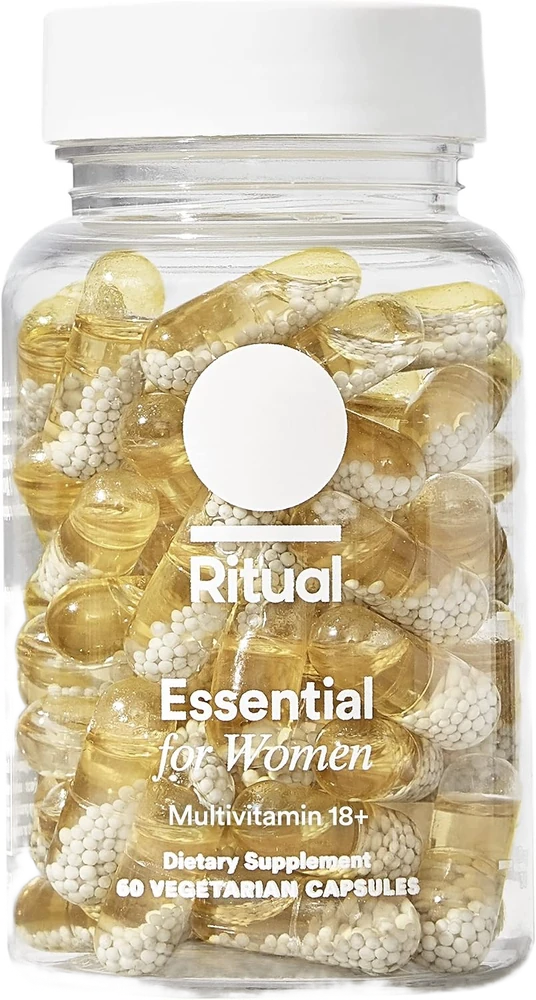
Best with iron (ages 18-49): Ritual Essential for Women 18+
9.0SAC Score™The women's formula that gets both cohort questions right: methylated folate and B12 plus a gentle chelated iron sized for the menstruating years — verified by USP AND a published clinical trial on the actual finished product.
StrongestThird-party testing10.01WeakestValue per day6.5- Forms
- Methylated folate + B12, chelated (gentle) iron, vitamin D3 from lichen, omega-3 DHA
- Iron
- Yes — gentle chelated form (built for women 18-49)
- Caps per day
- 2 capsules (delayed-release, no-nausea)
All five scores, pros & cons, full label
What We Like- Methylated folate — the active form, on the nutrient women most need covered (Pietrzik 2010)
- Gentle chelated iron in a delayed-release capsule — solves the nausea/constipation that makes women quit iron multis
- USP Verified plus a peer-reviewed clinical trial on the finished product — a near-unique evidence package
What You Live With- Deliberately minimalist — about nine nutrients, not full-spectrum coverage
- Premium subscription-style pricing (~$1.10/day); built for ages 18-49, not the post-menopausal buyer
- Count
- 60 capsules · 30-day supply
- Testing
- USP Verified · published clinical trial on the product
Our take — For a menstruating woman, Ritual is the most complete answer on this page: the folate is methylated, the iron is a gentle chelate in a delayed-release capsule (so it actually gets taken), and the verification is best-in-class — USP plus a published clinical trial on the actual product. Its restraint is the philosophy: ~9 nutrients targeting the gaps women genuinely have rather than 23 at token doses. Two honest boundaries: it's designed for ages 18-49, so post-menopausal women should take the iron-free route instead (#1), and it is not a prenatal — if pregnancy is in the picture, switch to a clinician-chosen prenatal formula.
- 03
Best once-daily (premium): Pure Encapsulations O.N.E. Multivitamin
8.9SAC Score™Clinician-grade in a single daily capsule: Metafolin (L-5-MTHF) folate, activated Bs, and bonus antioxidants (CoQ10, lutein, zeaxanthin) — hypoallergenic, low-iron by design, and a quiet value at ~$0.60/day.
StrongestReal-world fit10.01WeakestThird-party testing8.0- Forms
- Metafolin (L-5-MTHF) folate, activated B vitamins; + CoQ10, lutein, zeaxanthin
- Iron
- Low by design — not an iron source
- Caps per day
- 1 capsule
All five scores, pros & cons, full label
What We Like- True once-daily with active Metafolin folate — clinician-grade forms in one capsule
- Hypoallergenic, free of common allergens — the safe pick for sensitive systems
- Bonus antioxidants (CoQ10, lutein, zeaxanthin) almost no other multi includes, at a reasonable ~$0.60/day
What You Live With- Low iron and calcium by design — not the answer for a woman with diagnosed iron deficiency
- Practitioner-tier brand pricing up front, even though per-day cost is moderate
- Count
- 60 capsules · 60-day supply
- Testing
- Hypoallergenic · clinician-grade quality control
Our take — O.N.E. is the elegant compromise for a woman who wants clinician-grade forms but will only reliably take one capsule a day — Metafolin folate, activated Bs, and a genuinely useful antioxidant trio (CoQ10, lutein, zeaxanthin) that nothing else on this list offers. Its low-iron design cuts both ways by cohort: for post-menopausal women it's a feature (no unneeded iron), making it the once-daily alternative to Thorne (#1); for menstruating women with real iron needs it's a gap you'd have to fill separately. At ~$0.60/day from a 60-day bottle, it's quietly one of the better values in the premium tier.
- 04
Best whole-food (women): Garden of Life Vitamin Code Women's
8.3SAC Score™The food-based women's pick: RAW whole-food blend with folate (not folic acid), food-state iron tuned to the reproductive years, 23 fruits and vegetables, plus live probiotics and enzymes — with real certifications behind it.
StrongestSensible dosing9.02WeakestReal-world fit7.0- Forms
- RAW whole-food blend · folate (not folic acid) · food-form iron + zinc · + probiotics, enzymes
- Iron
- Yes — food-state form, tailored to reproductive years
- Caps per day
- 4 capsules (2 + 2)
All five scores, pros & cons, full label
What We Like- Folate, not folic acid, in a whole-food matrix — plus built-in probiotics and enzymes
- Food-state iron suited to the menstruating years, typically gentler than cheap ferrous salts
- Non-GMO Project Verified, NSF Certified Gluten-Free, Kosher — real third-party credentials
What You Live With- Four capsules a day to hit a full serving — the heaviest pill burden on this list
- Whole-food nutrient amounts run lower than synthetic high-potency labels (intentional, but know it)
- Count
- 120 capsules · 30-day supply
- Testing
- Non-GMO Project Verified · NSF Certified Gluten-Free · Kosher
Our take — Vitamin Code Women's is for the woman who wants her nutrients from a food matrix rather than synthetic isolates — and unlike most 'natural' multis, it backs the philosophy with substance: folate instead of folic acid, food-state iron appropriate for the menstruating years, and certifications that actually mean something (Non-GMO Project, NSF Gluten-Free, Kosher). The trade-offs are a four-capsule daily serving and intentionally moderate potencies — a feature if you distrust megadosing, a limit if you want maximal numbers. If you're post-menopausal, skip the iron entirely and look at #1 or #3 instead; this formula is built for the reproductive years.
- 05
Best gummy (pill-averse): SmartyPants Women's Multivitamin Gummies
7.7SAC Score™The gummy that refuses to cut the corner that matters: methylfolate (not folic acid) plus real omega-3 DHA/EPA and CoQ10, with a Clean Label Project Purity Award — for women who simply won't swallow tablets.
StrongestNutrient forms & bioavailability8.53WeakestValue per day6.0- Forms
- Methylfolate (not folic acid) · B12 · D3 · omega-3 DHA/EPA · CoQ10 · zinc — 21 nutrients
- Iron
- None — gummies can't carry meaningful iron
- Dose
- 3 gummies/day
All five scores, pros & cons, full label
What We Like- Methylfolate in a mainstream gummy — genuinely rare; most gummies use folic acid
- Includes omega-3 DHA/EPA and CoQ10 on top of the core multi
- Clean Label Project Purity Award with 200+ contaminant screening per the listing — real, if not USP/NSF-grade
What You Live With- Added sugar (3 g per serving — organic cane sugar + tapioca syrup) and gelatin (not vegetarian)
- No iron, and a 30-day bottle makes it the priciest per-day women's pick at list price
- Count
- 90 gummies · 30-day supply
- Testing
- Clean Label Project Purity Award · tested for 200+ contaminants (per listing) — no USP/NSF
Our take — If tablets and capsules are the reason you don't take a multivitamin, this is the honest answer — because the multivitamin you'll actually chew beats the better one rotting in a drawer. SmartyPants keeps the forms most gummies abandon (methylfolate, real DHA/EPA, CoQ10) and carries genuine contaminant screening via the Clean Label Project award. The trade-offs are structural to gummies, and we won't soften them: 3 g of added sugar a day, gelatin, no iron at all (a real gap for menstruating women), fewer minerals than any tablet here, and the worst per-day cost on the list at the brand's price — though Amazon street pricing frequently undercuts it. Pill-averse and iron-sufficient: buy it. Otherwise a tablet serves you better.
- 06
Best budget: Kirkland Signature Daily Multi
7.4SAC Score™Three cents a day, independently USP-Verified — the cheapest serious multivitamin on earth. Generic and not tuned for women at all, but the verified-quality-per-dollar champion.
StrongestValue per day10.01WeakestNutrient forms & bioavailability5.5- Forms
- Conventional vitamins + minerals · folic acid (NOT methylfolate) · cyanocobalamin B12 · + calcium, vitamin D
- Audience
- Unisex generic — not tailored by sex or life stage
- Caps per day
- 1 tablet
All five scores, pros & cons, full label
What We Like- Extremely low cost per day — a 500-tablet bottle for the price of one month of a premium multi
- USP Verified — independent potency and purity verification that's genuinely rare at this price
- Simple one-tablet dosing that covers the basics
What You Live With- Synthetic basic forms — folic acid and cyanocobalamin, not methylated or chelated
- Generic one-size formula with zero women-specific tuning — no iron logic, no life-stage match
- Count
- 500 tablets · ~500-day supply
- Testing
- USP Verified — independently verified potency + purity
Our take — Kirkland survives onto a women's cohort page for one reason: it's the only rock-bottom-budget multivitamin with an independent USP seal, which means the tablet verifiably contains what the label claims — at three cents a day. What it lacks is any women-specific reasoning at all: it isn't dosed around menstrual iron needs, isn't methylated, and isn't tuned to any life stage. If your decision is 'verified basics at the absolute minimum cost,' this is the rational buy and nothing else comes close. If you have a real iron requirement or want active folate — the two things this cohort page exists to sort out — spend up to Ritual (#2) or Thorne (#1).
- 07
Best mainstream (drugstore): Centrum Women Multivitamin
7.2SAC Score™The default drugstore women's multi, ranked honestly: the most complete mainstream formula (23 micronutrients) with a full 100% DV of iron in one small daily tablet — held back by folic acid, cyanocobalamin, and no third-party seal.
StrongestSensible dosing8.53WeakestNutrient forms & bioavailability5.5- Forms
- 23 micronutrients · folic acid (NOT methylfolate) · cyanocobalamin B12 — conventional forms
- Iron
- Yes — full 100%+ DV, the most complete drugstore iron coverage
- Caps per day
- 1 small tablet
Check price on AmazonRead the full reviewCheck live price — 120 tablets (4-month supply); no trustworthy buybox price could be confirmed at fact-checkAll five scores, pros & cons, full label
What We Like- Full 100%+ DV of iron, biotin, D3, B6 and B12 — squarely the gaps women's diets most often miss
- One small tablet daily and a 120-count bottle that lasts four months
- Non-GMO and gluten-free, from the most widely recognized multivitamin brand on earth
What You Live With- Synthetic basic forms throughout — folic acid and cyanocobalamin, not methylfolate/methylcobalamin
- Contains gelatin (not vegetarian), and no third-party USP/NSF verification stated on the listing
- Count
- 120 tablets · 4-month supply
- Testing
- Non-GMO · gluten-free (brand claims) — NO third-party USP/NSF seal stated
Our take — Centrum Women is what most women are actually comparing everything else against, so here's the straight scoring: as drugstore formulas go it's the most complete — 23 micronutrients with a genuine 100% DV of iron, which makes it a serviceable iron-containing pick for menstruating women who want one small tablet and four months per bottle. What caps it at #7 is exactly what the premium tier fixes: folic acid instead of methylfolate, cyanocobalamin instead of methylcobalamin, gelatin in the tablet, and no independent USP/NSF seal. One transparency note: we couldn't confirm a trustworthy live price at fact-check, so check the listing — its value case rests on classic drugstore-tier pricing. Post-menopausal women should skip the iron and take #1 or #3 instead.
- 08
Best budget (women-specific): One A Day Women's Multivitamin
6.8SAC Score™Bayer's pharmacy-shelf women's staple: calcium plus iron in one cheap daily tablet with a bone-health focus — honest about its folic acid, magnesium oxide, and transitional colorant stock.
StrongestValue per day9.02WeakestNutrient forms & bioavailability5.0- Forms
- Folic acid (NOT methylfolate) · magnesium oxide · conventional drugstore forms
- Iron
- Yes — plus calcium, aimed at bone health
- Caps per day
- 1 tablet
All five scores, pros & cons, full label
What We Like- Complete one-tablet women's formula aimed at bone health, immunity and energy — with both calcium and iron
- Free of gluten, wheat, dairy, artificial flavors and artificial sweeteners
- ~$0.16/day from a century-old pharmacy brand — cheap, simple, women-specific
What You Live With- Cheap nutrient forms — folic acid and magnesium oxide; gelatin in the tablet coating
- Listed ingredients still include FD&C Yellow #5/#6 colorants (brand says newer pills drop them — stock is transitional), and no third-party seal
- Count
- 100 tablets · 100-day supply
- Testing
- No third-party USP/NSF certification stated
Our take — One A Day Women's is the other drugstore default, and its honest pitch is narrower than Centrum's: a bone-health-angled formula — calcium plus iron in one tablet — at a verified ~$0.16/day. It's a reasonable cheap women-specific pick for the menstruating buyer who wants iron without thinking about it. It sits last because every quality axis we score is at its floor: folic acid, magnesium oxide (the textbook low-absorption form), gelatin in the coating, no third-party seal, and — recorded plainly — listed ingredients that still include FD&C Yellow #5/#6 while the brand transitions newer stock to colorant-free. None of that makes it harmful; it puts it near the bottom of a list where $0.13 more per day (Centrum #7) or a USP seal (Kirkland #6) buys you something real.
- 09
Best gentle once-a-day: MegaFood One Daily Multivitamin
5.9SAC Score™The empty-stomach-friendly whole-food tablet — one a day, reformulated with methylfolate and methyl-B12, Non-GMO Project Verified, and a 90-day bottle that lands at ~$0.33/day.
StrongestValue per day9.02WeakestNutrient forms & bioavailability5.0- Forms
- FoodState whole-food matrix · methylfolate + methyl-B12
- Iron
- Low — not a meaningful iron source
- Caps per day
- 1 tablet
All five scores, pros & cons, full label
What We Like- One food-based tablet daily, gentle enough for an empty stomach — the compliance king for queasy stomachs
- Methylfolate and methyl-B12 — active B forms inside a whole-food matrix
- 90-day bottle at ~$0.33/day — strong value for a certified whole-food product
What You Live With- Modest mineral levels — low iron, little calcium or magnesium, so it won't cover a woman's iron needs
- Whole-food potencies are lower than synthetic high-dose multis
- Count
- 90 tablets · 90-day supply
- Testing
- Non-GMO Project Verified · vegetarian · brand glyphosate-tested
Our take — MegaFood One Daily earns its slot as the gentle, sustainable option: a single whole-food tablet that won't turn your stomach even taken without food — historically the number-one reason women abandon a multivitamin — with genuinely active methylfolate and methyl-B12 inside. Know what it is and isn't, though: its minerals run light, so it is not an iron solution for the menstruating buyer (that's Ritual #2 or Garden of Life #4); it's the easy daily top-up for the woman who values consistency and food-based sourcing over maximal coverage. At ~$0.33/day for ninety days, it asks very little and reliably delivers the basics.
Multivitamin In Four Short Lessons
Decide first whether you need iron.
If you menstruate, an iron-containing multi can be useful insurance. If you are post-menopausal or iron-replete, choose iron-free; the body has no good way to excrete the excess.
Check the folate form.
Methylfolate is the active form your body uses directly; folic acid must be converted first, a step many people perform inefficiently (Pietrzik 2010).
Do not use it as a prenatal.
None of these products is a prenatal. If you are pregnant or trying to conceive, choose a prenatal-specific formula with your clinician.
PHS II (Gaziano 2012, PMID 23162860; Sesso 2012, PMID 23117775), COSMOS (Baker 2022, PMID 36102337; Yeung 2023, PMID 37244291), folate forms (Pietrzik 2010, PMID 20608755), and US nutrient gaps (Reider 2020, PMID 32531972).
Same evidence-led scoring as our core multivitamin ranking, re-weighted for what actually changes when the buyer is a woman. Nutrient forms & bioavailability keeps the heaviest weight (30%) — methylfolate over folic acid is the clearest quality tell in the category (Pietrzik 2010), and it matters most for women of reproductive age, for whom folate coverage is the headline job. The big change: Women-specific fit gets 25% — does the formula match your iron reality (gentle, absorbable iron for the menstruating years; iron-free for post-menopause), your life stage, and the nutrients women's diets most commonly under-supply (iron, vitamin D, B12, choline-adjacent gaps)? A formula can only win this axis for the woman it actually fits, so we name the fit explicitly on every pick. Third-party testing keeps 20% — USP Verified and NSF remain the trust filter, and the three new drugstore picks carry no such seal (recorded against them, not glossed). Sensible dosing (15%) still penalizes megadosing; mainstream one-a-days mostly do fine here. Value per day (10%) rounds it out. One product note: Centrum Women's live price couldn't be verified at fact-check, so its value score rests on its 120-count, four-month bottle and historical drugstore-tier positioning — we quote no number we couldn't confirm. And once more, because it belongs in the methodology of a women's page: this ranking is for general daily multivitamins. It is not prenatal guidance. One reading note: the score shown on each card is the product's overall SAC Product Score from its own full review, identical everywhere it appears on this site — and the rank order on this page follows that score. That is why a lower-ranked pick can carry a higher score than the pick above it.
Nutrient forms & bioavailability · 30%
The decisive axis, unchanged from the core list. Methylfolate (L-5-MTHF) over folic acid — the active form works regardless of your conversion efficiency (Pietrzik 2010), which matters most on the nutrient women most need covered. Methylcobalamin over cyanocobalamin; chelated minerals over oxides; and for iron specifically, gentle chelated/food-state forms over the cheap ferrous salts that cause the nausea and constipation that make women quit. Folic-acid labels (Centrum, One A Day, Kirkland) score low here by design.
Women-specific fit (iron + life stage) · 25%
The cohort axis. Iron is the fork: menstruating women often genuinely benefit from an iron-containing multi (Ritual, Garden of Life, Centrum, One A Day); post-menopausal and iron-replete women generally should not supplement iron at all, making iron-free formulas (Thorne, O.N.E.) the smarter buy for them. We score how well each product serves its stated audience — including whether the iron it does or doesn't contain is the right call for that buyer — and we say plainly who each pick is wrong for. Blood-test before supplementing iron; and none of this is prenatal advice.
Third-party testing · 20%
The trust filter, unchanged. USP Verified (Ritual, Kirkland) and NSF / independent third-party (Thorne) top the tier; Non-GMO Project / NSF Gluten-Free (Garden of Life, MegaFood) is solid. The new mainstream picks carry no independent USP/NSF seal — Centrum and One A Day state only brand-level quality claims, and SmartyPants' Clean Label Project Purity Award is a real contaminant-screening credential but not a USP/NSF-grade potency verification. All recorded exactly as stated, never upgraded.
Sensible dosing (no megadose) · 15%
A multivitamin should fill gaps to roughly 100% of needs, not megadose fat-soluble vitamins. Lower weight here than on the core list only because the women's field is better behaved — most of these formulas dose at gap-insurance levels. We still flag overkill where it exists, and we credit restraint (Ritual's deliberate ~9-nutrient minimalism is dosing philosophy done right).
Value per day · 10%
Total price ÷ days the bottle lasts at label dose. The spread runs from Kirkland's pocket-change one-a-day to ~$1.10/day premium formulas. The gummy tier hides a trap: 30-day bottles at list price make SmartyPants the most expensive routine pick per day. Centrum Women is scored on its four-month bottle and drugstore-tier history because no trustworthy live price could be confirmed at fact-check — stated as-is, no invented number.
How a women's multivitamin works
- 1
Gap insurance, female-tuned
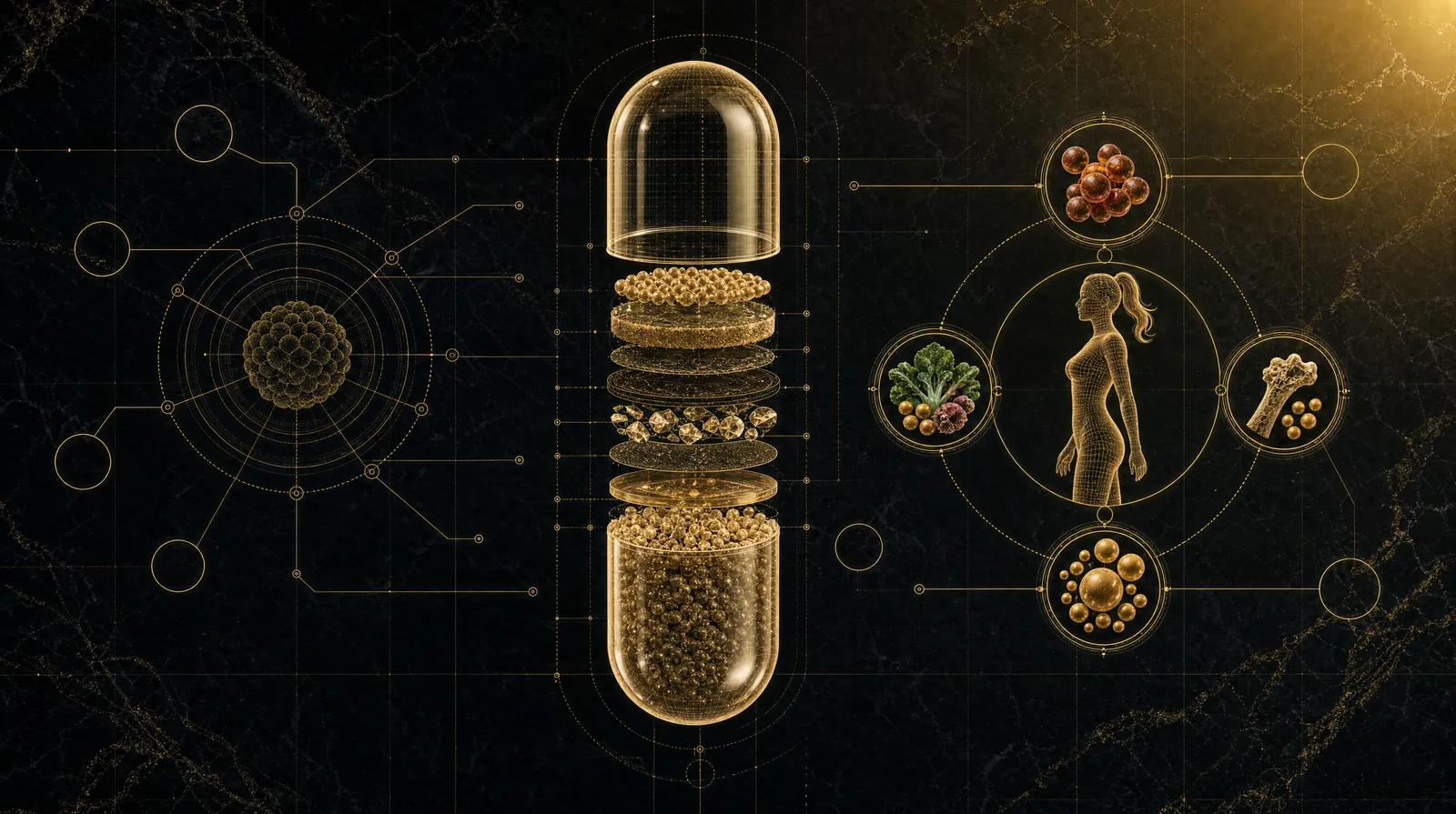
Like any multi it fills common micronutrient gaps — but women's formulas target the shortfalls that show up more often: iron (menstruation), folate, vitamin D, B12, iodine. Correcting a real gap is the mechanism; there is no bonus above sufficiency.
- 2
Iron is the real divider
Menstruating women lose iron monthly and are the group most likely to run low; a sensible women's multi includes it, while men's formulas deliberately omit it. This iron-and-life-stage fit is our heaviest women-specific axis.
- 3
Folate for the childbearing years
Methylfolate (better than folic acid) matters for anyone who could become pregnant — a genuine, evidence-based reason the female formula differs, not a pink label.
- 4
Forms and sane doses
Methylated B12/folate, chelated minerals, D3, and no fat-soluble megadoses — the same quality rules as any multi. Post-menopause, iron needs drop, so life stage changes the right pick.
What to expect from a women's multivitamin
Little to feel (usually)
With no deficiency, expect no sensation. Take iron-containing formulas with food and vitamin C to ease absorption and reduce stomach upset.
Iron and D corrections show
If you were iron- or D-deficient — common in menstruating women — energy and everyday stamina can lift noticeably as stores rebuild. This is the biggest felt effect in the category.
Steady floor
Micronutrient levels stabilize into a reliable baseline. Confirm iron status with bloodwork rather than guessing — too much iron is a real downside, not a bonus.
Match the life stage
Choose iron-containing in the menstruating years, iron-free or lower after menopause, methylfolate throughout the childbearing window. Form-honest and sensibly dosed beats the flashiest label.
The bottom line for women
Ritual Essential for Women 18+ (#2) is the most complete answer on the page for a menstruating woman.
It gets both cohort questions right: methylated folate and B12 plus a gentle chelated iron sized for the menstruating years, in a delayed-release capsule that actually gets taken. Verification is best-in-class — USP Verified plus a published clinical trial on the actual finished product. Its ~9-nutrient restraint is deliberate philosophy, and it's built for ages 18-49, not the post-menopausal buyer.
Your life stage and pill tolerance choose the alternative.
Post-menopausal or iron-replete: do NOT buy iron you don't need — go iron-free with Thorne (#1, the best formula here) or once-daily O.N.E. (#3). Prefer whole-food, Garden of Life (#4); won't swallow pills, the SmartyPants gummy (#5); drugstore money, Centrum (#7) or One A Day (#8), which use folic acid and carry no third-party seal, said plainly. Rock-bottom budget, USP-Verified Kirkland (#6), though it has zero women-specific tuning.
Answer the iron question first, buy for your status, and keep expectations honest.
Iron sorts the whole page — if you're unsure, a basic blood panel settles it rather than guessing with a mineral your body can't easily get rid of, and remember none of these is a prenatal. Then buy the bottle that matches your iron status and your pill tolerance, in the best forms your budget allows. It's gap-insurance for real dietary shortfalls (Reider 2020), not a longevity drug — let it be the boring, reliable insurance it actually is.
Quick Answers
What is the best multivitamin pick overall?
Thorne Basic Nutrients 2/Day by Thorne is our #1 pick (SAC score 9.2/10). Judged purely on formula quality, Thorne beats everything here — which is why it wins the core unisex ranking. It tops this women's page too, with one cohort-specific caveat: it contains no iron. For a post-menopausal or iron-replete woman that's precisely the point — supplemental iron you don't need slowly accumulates, so the iron-free clinician-grade multi is the smarter long-term buy, and this is the best one made. For a menstruating woman who needs iron, either pair it with a separately-dosed iron (after testing) or take Ritual (#2) and get the gentle chelate built in. Either way, the forms and NSF certification are the best money can buy in this category.
What is the best budget option?
Kirkland Signature Daily Multi at $13 / 500 tablets (500 days). Kirkland survives onto a women's cohort page for one reason: it's the only rock-bottom-budget multivitamin with an independent USP seal, which means the tablet verifiably contains what the label claims — at three cents a day. What it lacks is any women-specific reasoning at all: it isn't dosed around menstrual iron needs, isn't methylated, and isn't tuned to any life stage. If your decision is 'verified basics at the absolute minimum cost,' this is the rational buy and nothing else comes close. If you have a real iron requirement or want active folate — the two things this cohort page exists to sort out — spend up to Ritual (#2) or Thorne (#1).
How much do these picks cost?
Across our ranked picks, prices run from about $13 to $36 — exact price and cost per serving are listed on every pick card above.
How were these picks ranked?
Same evidence-led scoring as our core multivitamin ranking, re-weighted for what actually changes when the buyer is a woman. Nutrient forms & bioavailability keeps the heaviest weight (30%) — methylfolate over folic acid is the clearest quality tell in the category (Pietrzik 2010), and it matters most for women of reproductive age, for whom folate coverage is the headline job. The big change: Women-specific fit gets 25% — does the formula match your iron reality (gentle, absorbable iron for the menstruating years; iron-free for post-menopause), your life stage, and the nutrients women's diets most commonly under-supply (iron, vitamin D, B12, choline-adjacent gaps)? A formula can only win this axis for the woman it actually fits, so we name the fit explicitly on every pick. Third-party testing keeps 20% — USP Verified and NSF remain the trust filter, and the three new drugstore picks carry no such seal (recorded against them, not glossed). Sensible dosing (15%) still penalizes megadosing; mainstream one-a-days mostly do fine here. Value per day (10%) rounds it out. One product note: Centrum Women's live price couldn't be verified at fact-check, so its value score rests on its 120-count, four-month bottle and historical drugstore-tier positioning — we quote no number we couldn't confirm. And once more, because it belongs in the methodology of a women's page: this ranking is for general daily multivitamins. It is not prenatal guidance. One reading note: the score shown on each card is the product's overall SAC Product Score from its own full review, identical everywhere it appears on this site — and the rank order on this page follows that score. That is why a lower-ranked pick can carry a higher score than the pick above it.
Every Claim Ranked Above Traces Back To One Of These
6 peer-reviewed sources, each linked to PubMed
- [1] Gaziano 2012 (PHS II — cancer) PMID 23162860 — Multivitamins in the prevention of cancer in men: the Physicians' Health Study II randomized controlled trial. 14,641 male US physicians, mean 11.2 years: a daily multivitamin produced a modest but statistically significant 8% reduction in total cancer incidence versus placebo. Cited on this women's page with the population stated honestly — it is the largest multivitamin RCT and the ceiling of the cancer claim, but it enrolled men.
- [2] Sesso 2012 (PHS II — cardiovascular) PMID 23117775 — Multivitamins in the prevention of cardiovascular disease in men: the Physicians' Health Study II randomized controlled trial. Same 14,641-man cohort, median 11.2 years: NO significant reduction in major cardiovascular events, MI, stroke, or CV death. The decisive null result behind the honest frame on every pick above — a multivitamin is gap-insurance, not a heart or longevity drug.
- [3] Baker 2022 (COSMOS-Mind — cognition) PMID 36102337 — Effects of cocoa extract and a multivitamin on cognitive function: A randomized clinical trial (COSMOS-Mind). 2,200+ adults aged 65+ (women and men), 3 years: daily multivitamin-mineral supplementation significantly improved global cognition, episodic memory, and executive function versus placebo. The most encouraging modern multivitamin signal — and unlike PHS II, the COSMOS cohort included women.
- [4] Yeung 2023 (COSMOS-Web — memory) PMID 37244291 — Multivitamin Supplementation Improves Memory in Older Adults: A Randomized Clinical Trial (COSMOS-Web). 3,562 older adults, 3 years: a daily multivitamin significantly improved episodic memory versus placebo — an effect equivalent to roughly 3 years of age-related memory change. Replicates COSMOS-Mind and anchors the older-age upside referenced for the post-menopausal buyer.
- [5] Pietrzik 2010 (folate forms) PMID 20608755 — Folic acid and L-5-methyltetrahydrofolate: comparison of clinical pharmacokinetics and pharmacodynamics. L-5-methyltetrahydrofolate (methylfolate) is the predominant circulating, biologically active folate; folic acid is a synthetic form that must be enzymatically reduced — a step many people perform inefficiently. The basis for the folate-form split that divides this list (and why it matters most on the nutrient women most need covered).
- [6] Reider 2020 (NHANES — nutrient gaps) PMID 32531972 — Inadequacy of Immune Health Nutrients: Intakes in US Adults, the 2005-2016 NHANES. 26,282 US adults, 2005-2016 NHANES: widespread micronutrient inadequacy — e.g. 95% below requirement for vitamin D, 84% for vitamin E. The empirical basis for the gap-insurance rationale; the gaps a women's multivitamin fills are real and common.
More Multivitamin Guides
- Best MultivitaminsThe 10 best multivitamins ranked on nutrient-form quality (methylfolate over folic acid, chelated minerals), sensible non-megadose levels, third-party testing and value — framed honestly as gap-insurance, not a proven longevity drug.
- Best Multivitamin for MenThe 10 best multivitamins for men, cohort-ranked with iron-free as rule one (Centrum Men's added iron is the honest reason it ranks near the bottom), methylfolate over folic acid, testing and value — no testosterone fairy tales, gap-insurance framing.
Affiliate disclosure: every Amazon link uses our Associates tag (superachieverclub-20). We earn a small commission at no cost to you; it funds independent reviews. We never accept payment to change a ranking.