
Centrum Women Multivitamin Review
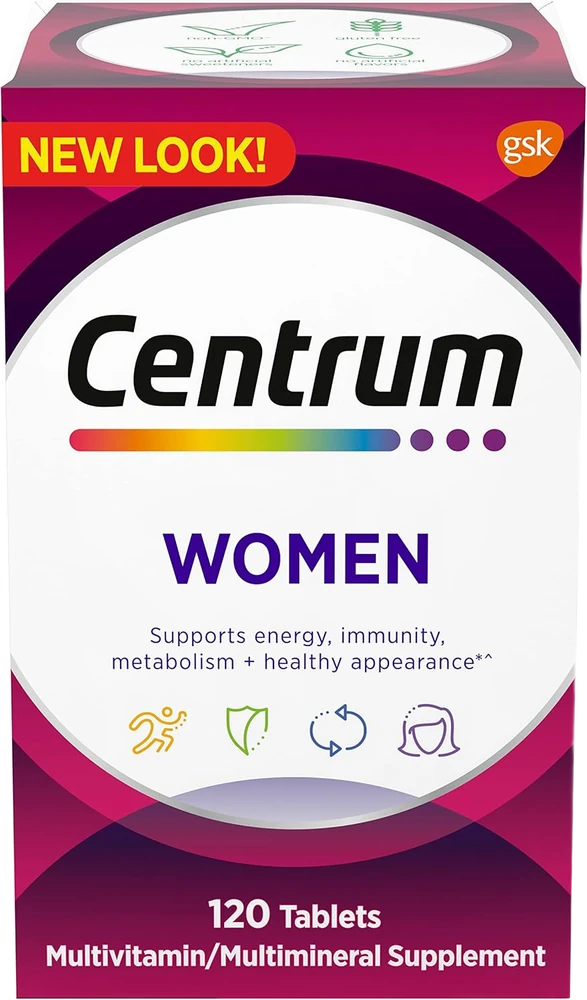 #7 of 9 · Best mainstream✓ Label verified · Supplement Facts read Sep 7, 2026
Real retailer photo, cut out. Label unedited.
Consider it. The most complete drugstore women's formula — full iron, basic forms, no seal. One small tablet with 23 micronutrients including 100%+ DV iron, biotin, D3, B6 and B12 — squarely the gaps women's diets most often miss — for four months a bottle at what has historically been drugstore-tier money (no live price could be verified at fact-check; check the listing).
Check live price — 120 tablets (4-month supply); no trustworthy buybox price could be confirmed at fact-checkDrugstore-tier cost per day historically — verify the live Amazon price before judging value
Why It Scores 7.2 — And The Label Line Behind Each Number
Nutrient forms & bioavailability
30% of scoreThe honest weak axis. Listed ingredients are conventional throughout: folic acid (not methylfolate — the conversion-dependent synthetic, per Pietrzik 2010), cyanocobalamin (not methylcobalamin), and standard mineral salts rather than chelates. Breadth is genuinely excellent — 23 micronutrients — but breadth at basic forms is exactly what 'drugstore tier' means, and on a women's product the folate form matters most of all. Scored low by design, never upgraded.
- Base / diet
- Contains gelatin (not vegetarian) · non-GMO · gluten-free (brand claims)
Women-specific fit (iron + life stage)
25% of scoreThe formula's genuine strength. A full 100%+ DV of iron — the most complete drugstore iron coverage — plus 100%+ DV biotin, D3, B6 and B12 reads like a targeted answer to the shortfalls menstruating women actually have. One small tablet preserves compliance. The fit is squarely for the menstruating years: post-menopausal women should not buy daily iron at all, and this is emphatically not a prenatal. For its intended buyer, the tuning is right.
- Iron
- Yes — 100%+ DV (the drugstore iron answer for menstruating women)
Third-party testing
20% of scoreBrand-level claims only: non-GMO and gluten-free are stated, and Centrum's pharmaceutical-scale manufacturing (Haleon) is a real quality floor — but NO independent USP/NSF verification is stated on the listing, so no third party confirms each tablet meets its label. That's the trust gap between this and USP-sealed Kirkland or Ritual, and it's recorded at face value.
- Testing
- No third-party USP/NSF seal stated on the listing
Sensible dosing (no megadose)
15% of scoreTextbook gap-insurance dosing: nutrients pegged around 100% DV, nothing megadosed, no flashy 5,000% line items. This is the thing mainstream one-a-days reliably get right, and Centrum essentially wrote the template. The single small tablet also keeps the habit sustainable indefinitely.
- Dose
- 1 small tablet/day
Value per day
10% of scoreScored qualitatively, stated plainly: no trustworthy buybox price could be confirmed at fact-check (the manifest records the price as unverified), so we quote no number. What supports the score: a 120-count, four-month bottle and the brand's long-standing drugstore-tier cost per day, historically far below the premium tier. Check the live Amazon price before purchase — and if third-party sellers have distorted it, One A Day Women's or Kirkland carry verified bargain pricing.
- Count
- 120 tablets · 4-month supply
- Price
- Not locked at fact-check — no trustworthy buybox price confirmable; historically drugstore-tier. Check live listing.
- More Specs
- Coverage
- 23 key micronutrients — the broadest mainstream women's formula
- Folate form
- Folic acid (NOT methylfolate)
- B12 form
- Cyanocobalamin (NOT methylcobalamin)
- Also 100%+ DV
- Biotin, vitamin D3, B6
Label verified. Every figure read from the Supplement Facts photo, Sep 7, 2026.
Marketing Claims Vs. Reality
23 key micronutrients with 100% or more DV of iron, biotin, vitamin D3, B6 and B12.
Matches the listing's stated formula. The iron line is the women-specific headline — full 100%+ DV in one tablet, the most complete drugstore iron coverage — and the biotin/D3/B6/B12 levels track the gaps national intake data show are common (Reider 2020).
Non-GMO and gluten-free.
Both stated on the listing and recorded as brand-level claims. Note the boundary honestly: these are formulation attributes, not third-party potency verification — no USP/NSF seal is stated for this product.
Supports energy, immunity and metabolism.
True only in the nutrient-adequacy sense: B-vitamins, vitamin D and zinc at ~100% DV support normal energy metabolism and immune function where the diet falls short — and US diets demonstrably do (Reider 2020). It is not an energy product or immune booster beyond gap-filling, and no multivitamin has shown cardiovascular or longevity benefits (Sesso 2012).
The most complete multivitamin for women.
Defensible within the drugstore tier — 23 micronutrients with full iron is the broadest mainstream women's coverage we've scored. Across the whole market the claim fails on forms: folic acid and cyanocobalamin are the conversion-dependent synthetics, and the premium tier (Ritual, Thorne) delivers active forms with independent verification. Complete in breadth; basic in kind.
What Our Test Actually Found
The iron line is the reason this bottle exists — and it's the right reason
Iron is the nutrient that most cleanly separates women's needs from men's: monthly menstrual loss makes it the one mineral menstruating women routinely under-run, and Centrum Women answers with a full 100%+ DV in a single small tablet. That's more complete iron coverage than anything else at the drugstore tier and the core of its 9.0 women-fit score. The same line defines who should NOT buy it: post-menopausal and iron-replete women have no business taking daily iron, because the body accumulates what it can't excrete. One bottle, two verdicts — by design.
Forms are where the drugstore tier pays its real price
Read the listed ingredients and the tier is unmistakable: folic acid where the premium tier uses methylfolate (the conversion many people perform inefficiently — Pietrzik 2010), cyanocobalamin where it uses methylcobalamin, conventional mineral salts where it uses chelates, gelatin binding the tablet. None of this is dangerous; all of it is why our heaviest-weighted axis scores 5.5. On a women's formula the folate form is the sharpest edge of the question, since folate is the headline women's nutrient. If your budget allows the upgrade, the upgrade is real.
No third-party seal — the trust gap a famous brand doesn't close
Centrum's scale and pharmaceutical parentage (Haleon) are a genuine manufacturing floor, and the non-GMO/gluten-free claims are stated on the listing. What's absent is independent verification: no USP, no NSF — nobody outside the company confirms each tablet contains what the label promises. The comparison that stings: Kirkland, the cheapest pick on our women's list, DOES carry a USP seal. Brand fame is not a substitute for third-party testing, and we score the absence exactly as an absence.
The price transparency note: we quote nothing we couldn't verify
Our sourcing process verifies a live price for every product we rank. For this exact 120-count listing it failed honestly: marketplaces returned only anomalous third-party offer states rather than a stable buybox, so the manifest records the price as unverified and this review prints no number. The qualitative picture is still informative — Centrum has anchored the drugstore tier for decades, and a four-month bottle keeps cost per day low at any plausible mainstream price. Practical advice: check the live Amazon price; if it looks inflated by resellers, One A Day Women's (verified ~$0.16/day) or Kirkland (verified ~$0.03/day) deliver the same tier with confirmed numbers.
Hold the frame: gap-insurance — and absolutely not a prenatal
The honest multivitamin expectations apply to the most famous brand exactly as to the rest: the largest RCT found a modest 8% reduction in total cancer incidence and zero cardiovascular benefit from a daily multivitamin (Gaziano 2012; Sesso 2012), with the newer COSMOS trials adding a real memory benefit in adults over 60 (Baker 2022). Centrum Women is a sane way to buy that gap-insurance with iron included. The one boundary worth bolding on a women's product: it is NOT a prenatal — its folic acid dose and formula are set for general maintenance, not pregnancy. Pregnant or trying means a clinician-chosen prenatal, no exceptions.
Full analysis: all pros & cons (8), buy if / skip if
- Full 100%+ DV iron — the most complete drugstore iron coverage for menstruating women
- 23 micronutrients including 100%+ DV biotin, D3, B6 and B12 — squarely the common female dietary gaps
- One small tablet daily and a 120-count bottle: four months per purchase, frictionless habit
- Sensible ~100% DV dosing with no megadose theatre
- Non-GMO and gluten-free, from the most widely recognized multivitamin brand
- Folic acid and cyanocobalamin — conventional conversion-dependent forms, not methylfolate/methylcobalamin
- No third-party USP/NSF verification stated, and the tablet contains gelatin (not vegetarian)
- No trustworthy live price could be confirmed at fact-check — verify the listing price before buying (and skip it entirely if you're post-menopausal and don't need iron)
- You menstruate and want the full 100% DV iron a mainstream one-a-day can provide
- You want maximum micronutrient breadth (23 nutrients) in one small daily tablet
- Four months per bottle and drugstore simplicity matter more to you than premium forms
- You tolerate conventional iron and convert folic acid without issue
- You're post-menopausal or iron-replete — you shouldn't take daily iron; pick Thorne or O.N.E.
- You want methylfolate, chelated minerals, or any third-party seal — Ritual is the verified women's pick
- You're vegetarian (gelatin) — or pregnant/trying, in which case you need a prenatal, not this
One small tablet with 23 micronutrients including 100%+ DV iron, biotin, D3, B6 and B12 — squarely the gaps women's diets most often miss — for four months a bottle at what has historically been drugstore-tier money (no live price could be verified at fact-check; check the listing). The caps are structural: folic acid and cyanocobalamin instead of active forms, gelatin, and no third-party USP/NSF verification. A reasonable iron-containing default for menstruating women who want mainstream simplicity; the wrong buy for post-menopausal women (skip the iron) and for anyone prioritizing forms or verified labels.
Centrum Women is the bottle every other women's multivitamin is implicitly compared against — the most recognized multivitamin brand on earth, in its women's configuration: 23 micronutrients in one small daily tablet, with a full 100%+ DV of iron, biotin, vitamin D3, B6 and B12. That nutrient list is no accident; it reads like a checklist of the gaps women's diets most commonly leave, and the 120-count bottle means one purchase covers four months. As mainstream formulas go, this is the most complete one we've scored. The ranking question is what it always is at the drugstore tier: forms and verification. Centrum's listed ingredients are conventional throughout — folic acid rather than methylfolate, cyanocobalamin rather than methylcobalamin, gelatin in the tablet — and no third-party USP/NSF seal is stated on the listing. One transparency note unique to this review: we could not confirm a trustworthy live price at fact-check (only anomalous third-party offers), so we score its value on the four-month bottle and the brand's historical drugstore-tier positioning, and we quote no number. Within those honest limits, it's a serviceable iron-containing default for menstruating women. Here's the full breakdown.
A serviceable mainstream iron answer — consider it for the menstruating drugstore buyer, upgrade if forms matter.

Centrum Women does the mainstream job about as well as the mainstream tier can: the broadest drugstore micronutrient coverage we've scored, a genuinely useful full-DV iron line for menstruating women, sane dosing, and a four-month bottle in a tablet small enough that the habit actually survives. If your requirements are 'cover the common gaps, include my iron, cost drugstore money, come from a brand my pharmacist recognizes' — this is that product, and our 'consider' is sincere rather than faint praise. Just check the live price first; uniquely on our women's list, we couldn't verify one, and we won't pretend otherwise. The two-step upgrade logic is equally sincere. If you want the nutrient women most need covered in its active form — methylfolate, not the folic acid this tablet carries — plus gentle chelated iron, USP verification and a clinical trial on the finished product, that is precisely what Ritual sells for premium money. If you're post-menopausal, the calculus inverts entirely: the iron that makes Centrum right for your daughter makes it wrong for you, and iron-free Thorne or once-daily O.N.E. are the correct buys. And for every buyer, the frame stays fixed: gap-insurance with a modest long-run cancer signal and an older-age memory benefit (Gaziano 2012; Baker 2022), no cardiovascular protection (Sesso 2012), and no prenatal substitution, ever.
If This Doesn’t Fit — Try These
 02
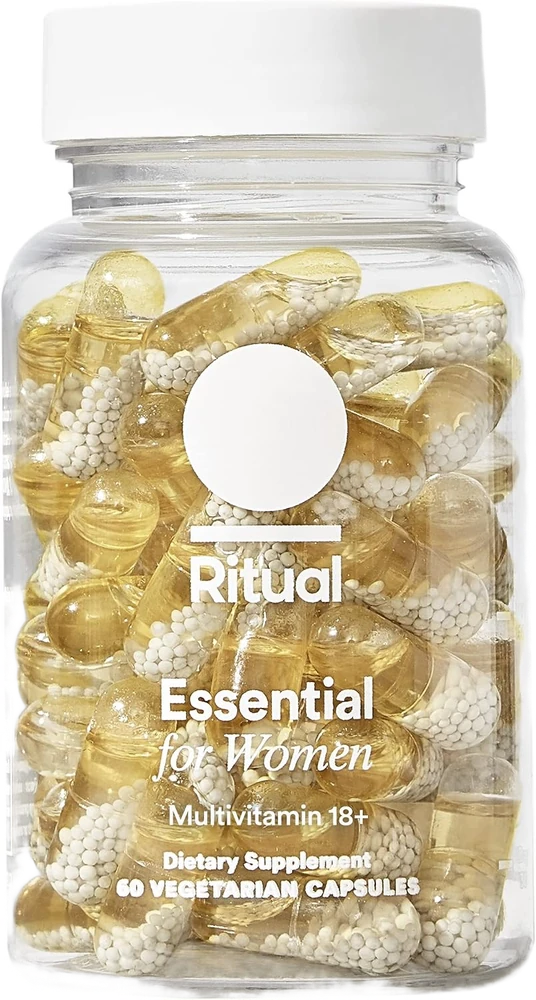
Ritual Essential for Women 18+
For a menstruating woman, Ritual is the most complete answer on this page: the folate is methylated, the iron is a gentle chelate in a delayed-release capsule (so it actually gets taken), and the verification is best-in-class — USP plus a published clinical trial on the actual product.
 01
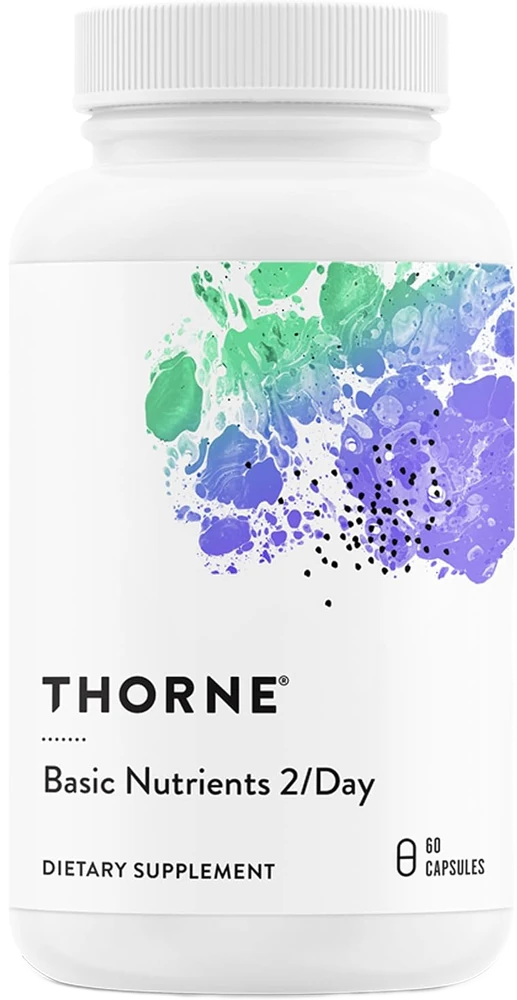
Thorne Basic Nutrients 2/Day
Judged purely on formula quality, Thorne beats everything here — which is why it wins the core unisex ranking.
 08
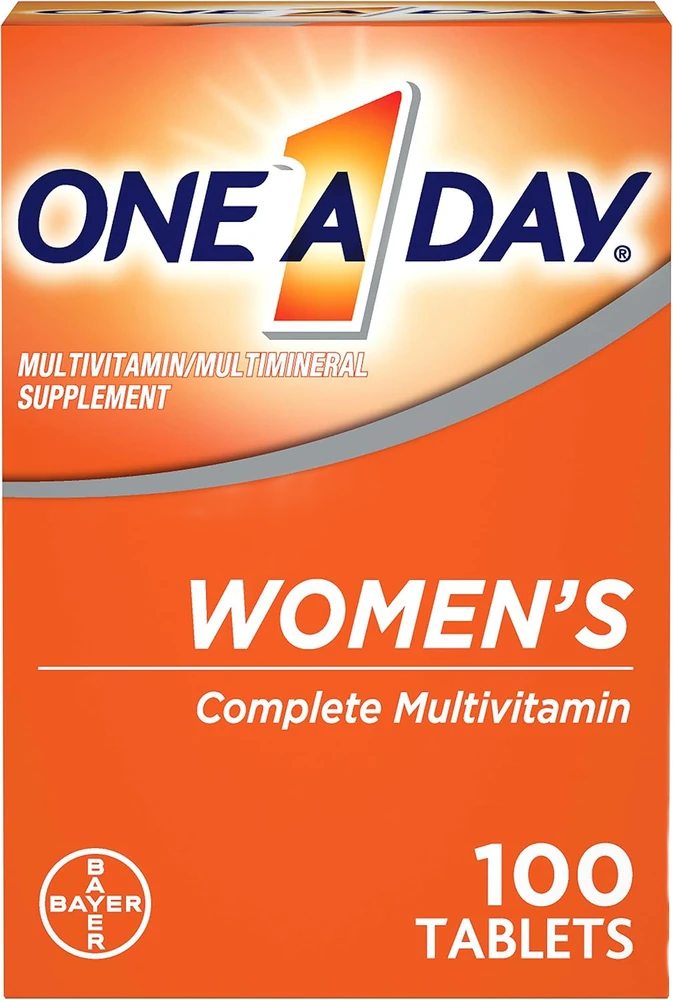
One A Day Women's
One A Day Women's is the other drugstore default, and its honest pitch is narrower than Centrum's: a bone-health-angled formula — calcium plus iron in one tablet — at a verified ~$0.16/day.
Quick Answers
Is Centrum Women good enough, or do I need a premium multivitamin?
Define 'good enough' by your actual requirements. Centrum Women covers the gap-insurance job: 23 micronutrients at roughly 100% DV — including the full iron dose menstruating women most often need — in one small tablet you'll actually take. Where the premium tier genuinely buys you something is forms and verification: Ritual uses methylated folate and a gentle chelated iron with USP verification and a clinical trial on the product; Centrum uses folic acid, cyanocobalamin, and conventional iron with no third-party seal. If you convert folic acid efficiently and tolerate standard iron, Centrum does the basic job for drugstore money. If you want conversion-independent forms or verified label accuracy, that's exactly what the extra dollars at the top of our list purchase.
Should I take an iron-containing multivitamin like this at all?
It depends on which half of the iron fork you're on. Menstruating women lose iron monthly and are the one group for whom a 100% DV iron multivitamin is a sensible default — that's precisely who this formula targets. Post-menopausal women (and anyone iron-replete) generally should NOT supplement iron daily: the body has no efficient way to excrete the excess, and it slowly accumulates. If that's you, pick an iron-free formula like Thorne or Pure Encapsulations O.N.E. instead. And if you suspect actual iron deficiency — exhaustion, heavy cycles, restless legs — get a ferritin test and treat it properly with your clinician rather than relying on any multivitamin's maintenance dose.
Why doesn't the price appear in this review?
Because we couldn't verify one at fact-check time, and we don't print numbers we can't stand behind. Our standard process confirms a trustworthy live price for every pick; for this exact 120-count listing, the marketplaces we checked returned only anomalous third-party offers rather than a stable buybox price. What we can say with confidence is qualitative: Centrum is the definitional drugstore-tier brand, the bottle is a four-month supply, and its historical cost per day sits far below the premium tier. Check the live Amazon price before you judge the value — and if it's been bid up by third-party sellers, the nearly identical value case is One A Day Women's or USP-verified Kirkland.
What's actually wrong with folic acid and cyanocobalamin?
'Wrong' is too strong — 'inferior forms' is accurate. Folic acid is the cheap synthetic folate that must be enzymatically converted to the active form (L-5-MTHF), and a meaningful fraction of people perform that conversion inefficiently (Pietrzik 2010); methylfolate skips the conversion entirely. Cyanocobalamin is the synthetic B12 that's likewise converted to the active forms, versus methylcobalamin which already is one. For most people the practical difference is modest — fortification programs run on folic acid — but on a women's product, where folate is the headline nutrient, the form question matters more than anywhere else. Centrum uses the basic forms; that's the single biggest reason it scores 5.5 on our heaviest-weighted axis and sits at #7 on our women's list rather than the top three.
Can I use Centrum Women as a prenatal vitamin?
No — and this matters enough to be blunt. A prenatal is a different product: meaningfully higher folate (and increasingly choline, iodine and DHA) at doses set for pregnancy, because folate adequacy before and during early pregnancy is critical for neural-tube development. Centrum Women is a general daily multivitamin dosed for maintenance, not for pregnancy — and its folate is folic acid at a general-adult level. If you are pregnant, planning to be, or could be, choose a dedicated prenatal formula with your clinician. The same boundary applies to every product on our women's list; none of them is a prenatal, and we say so on the listicle itself.
Sources & Further Reading
4 peer-reviewed sources, each linked to PubMed
- [1] Pietrzik 2010 PMID 20608755 — Folic acid and L-5-methyltetrahydrofolate: comparison of clinical pharmacokinetics and pharmacodynamics. Methylfolate (L-5-MTHF) is the active, circulating folate; folic acid requires enzymatic conversion many people perform inefficiently. The precise reason Centrum's folic acid scores low on our heaviest axis — especially on a women's formula, where folate is the headline nutrient.
- [2] Reider 2020 (NHANES — nutrient gaps) PMID 32531972 — Inadequacy of Immune Health Nutrients: Intakes in US Adults, the 2005-2016 NHANES. 26,282 US adults: widespread micronutrient inadequacy (95% below requirement for vitamin D, 84% for vitamin E). The empirical case for Centrum's ~100% DV gap-insurance design — the shortfalls it targets are real and common.
- [3] Gaziano 2012 (PHS II — cancer) PMID 23162860 — Multivitamins in the prevention of cancer in men: the Physicians' Health Study II randomized controlled trial. 14,641 adults, 11.2 years: a daily multivitamin produced a modest 8% reduction in total cancer incidence. Cited to size the realistic ceiling of any multivitamin's benefit — including the most famous one on the shelf.
- [4] Sesso 2012 (PHS II — cardiovascular) PMID 23117775 — Multivitamins in the prevention of cardiovascular disease in men: the Physicians' Health Study II randomized controlled trial. Same cohort: NO reduction in major cardiovascular events or death. The null result that keeps every 'supports your health' claim honest — Centrum Women is gap-insurance, not protection.
Affiliate disclosure: every Amazon link uses our Associates tag (superachieverclub-20). We earn a small commission at no cost to you; it funds independent reviews. We never accept payment to change a ranking.