
Top 8 Best Protein Bars for Muscle Gain (2026)
 01 · Best overall✓ Label verified · Supplement Facts read Sep 7, 2026
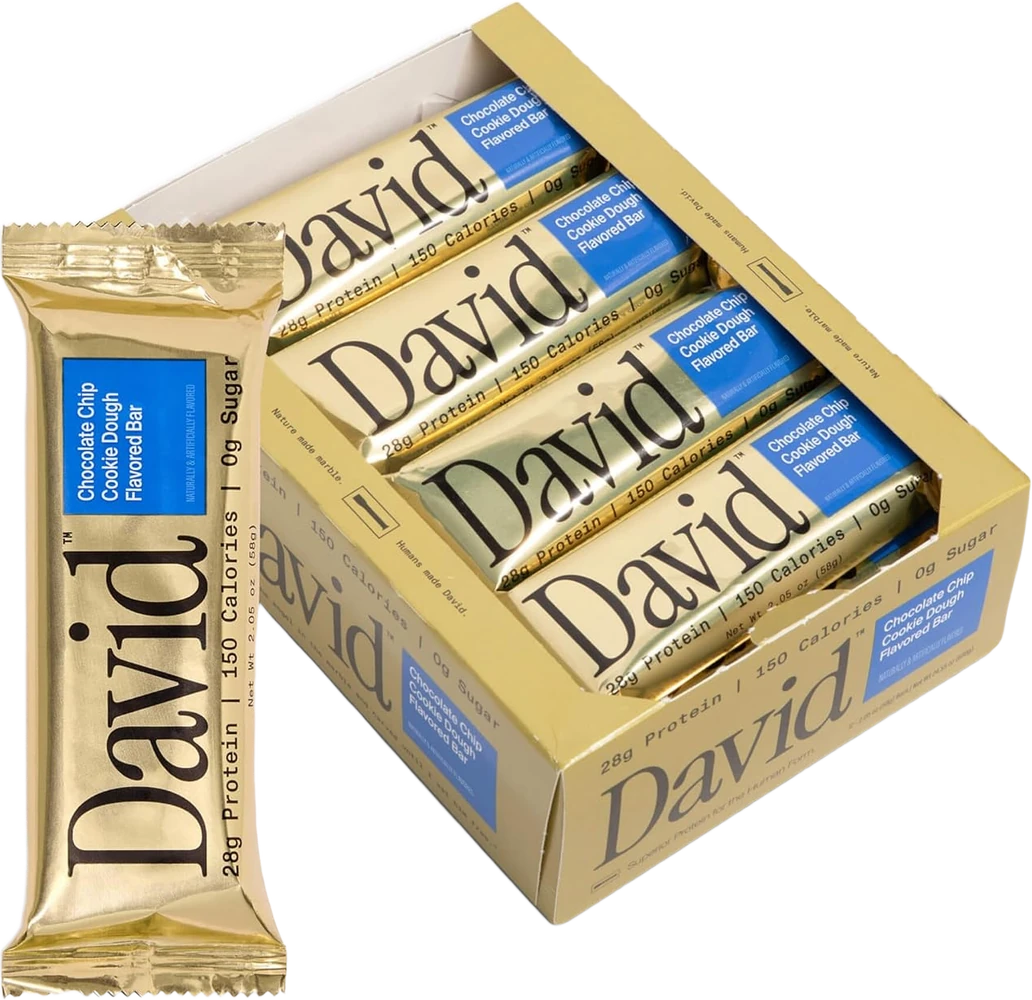
Best overall: David Protein Bar, Chocolate Chip Cookie Dough
The category-redefining macro leader: 28 g of complete protein for just 150 calories and 0 g sugar — roughly three-quarters of its calories come from protein, the best protein-to-calorie ratio of any bar here.
$39 (12-pack)$3.25 / bar
Why it wins: all four scores, pros & cons, full label
- 28 g of mostly-complete protein for only 150 calories — an unmatched protein-to-calorie ratio
- 0 g sugar; engineered for the highest possible protein density
- Backed by a serious science team (co-founded with Peter Attia as Chief Science Officer)
- The priciest bar here at roughly $3.25 each
- Binder uses maltitol and glycerin alongside allulose — some users report GI sensitivity
- Protein
- 28 g (milk protein isolate + whey + egg white blend)
- Sugar
- 0 g (sweetened with allulose; maltitol/glycerin in the binder)
- Calories
- 150
- Protein source
- Complete — milk protein isolate, whey, egg white (collagen present but not the primary protein)
- Notable
- ~75% of calories from protein — highest protein-per-calorie ratio in the lineup

Our take — If your complaint about protein bars is that you're paying for a candy bar with a protein number stapled on, David is the rebuttal: 28 grams of mostly-complete protein for just 150 calories and zero sugar, the best protein-to-calorie ratio of anything in this lineup, from a brand built around an actual science team. It exists to do one thing — pack maximum usable protein into minimum calories — and it does it better than anyone. The catches are honest ones: it's the most expensive bar here at around $3.25, and the maltitol-and-glycerin binder can bother sensitive stomachs. But for a transparency-and-protein-first ranking, the bar that delivers the most real protein per calorie is the right number one.
 02
02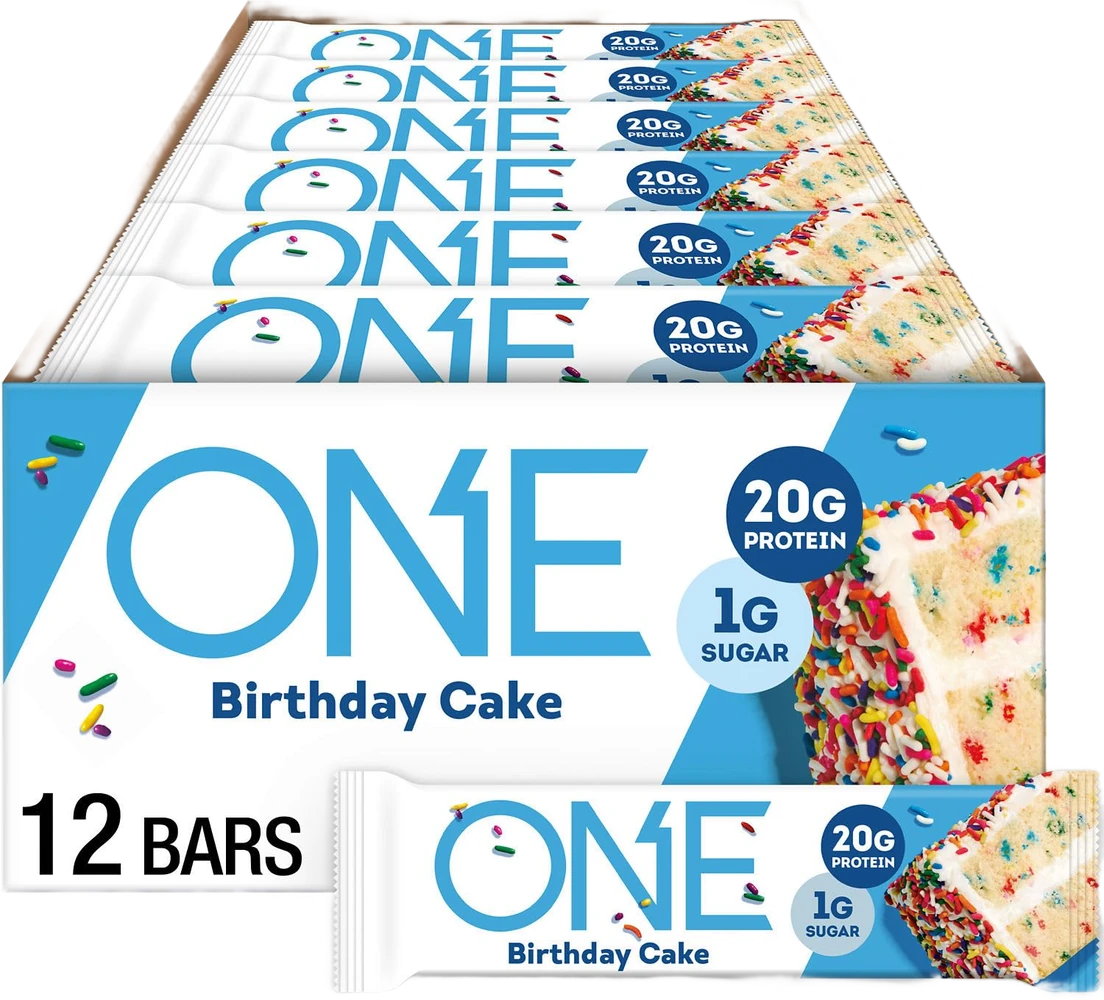 03
03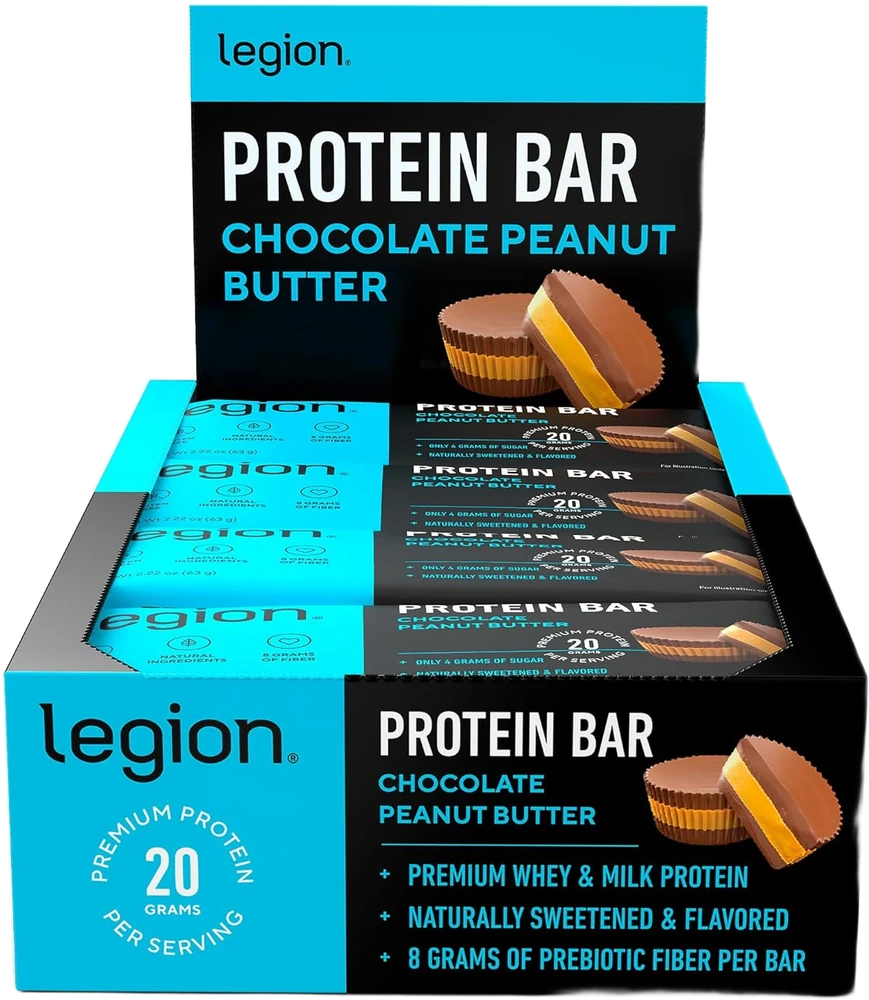 04
04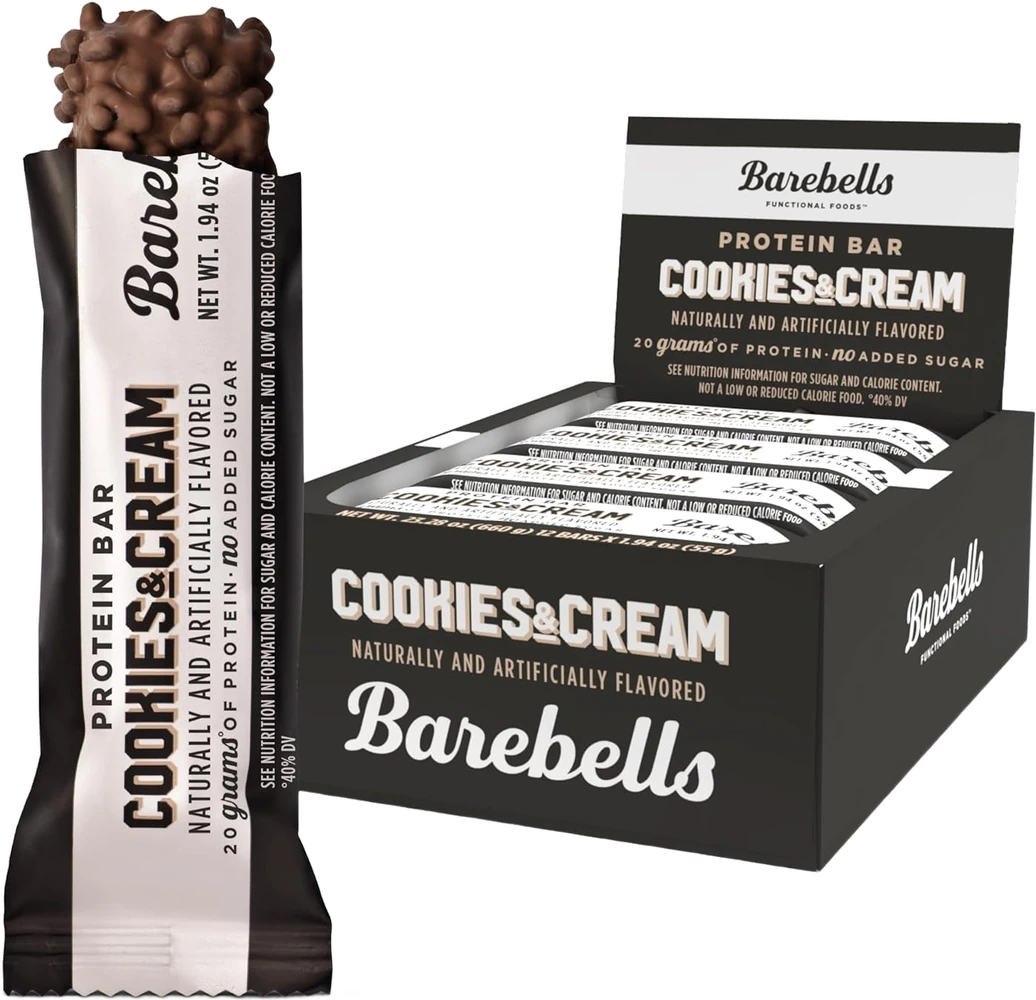 05
05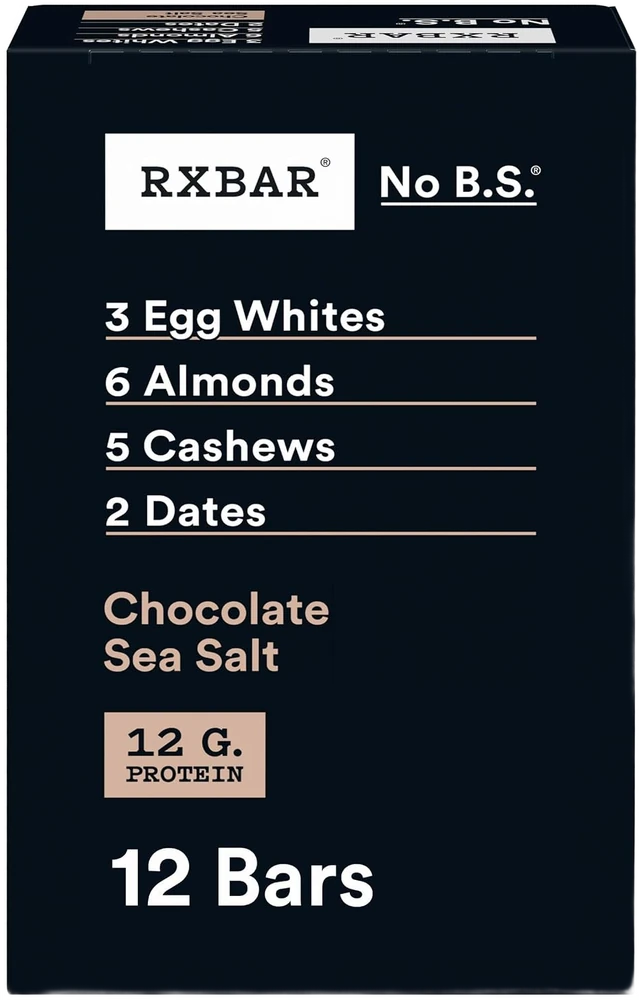 06
06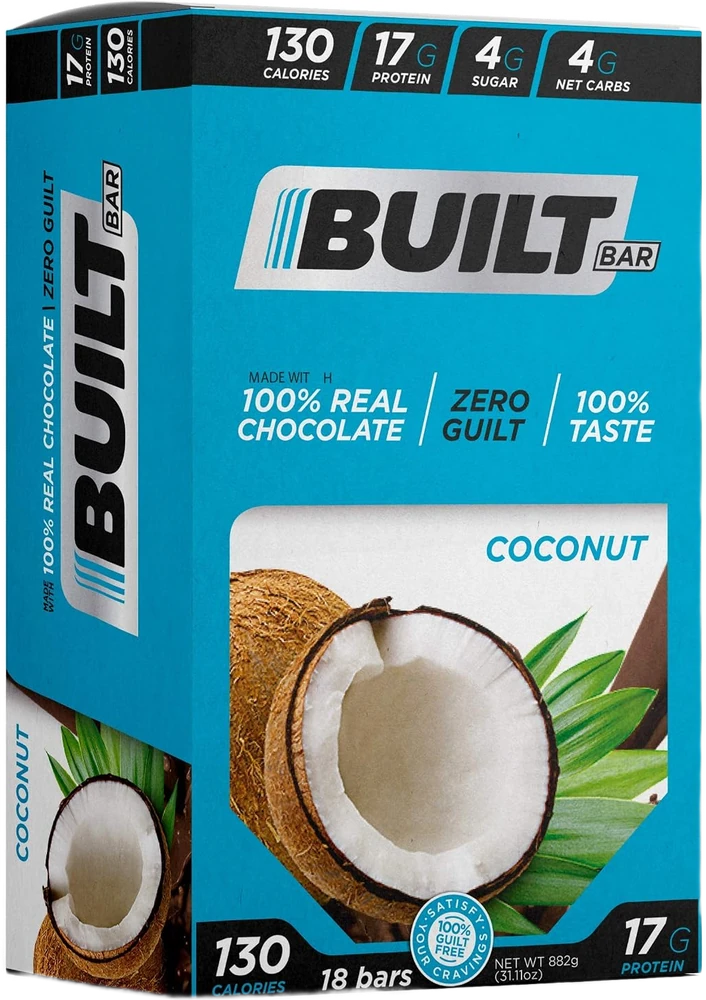 07
07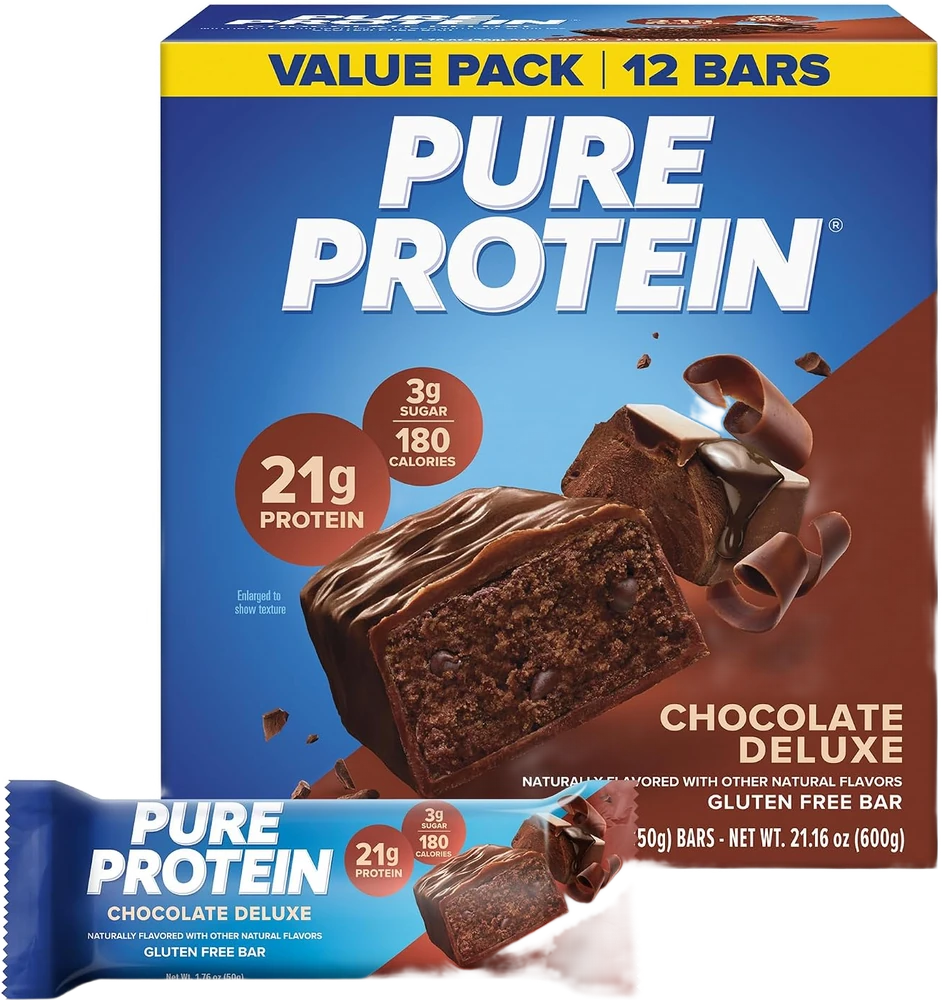 08
08Who Wins Which Aspect
Sorted by overall SAC Product Score™ — the official ranking.
| # | Pick | Score | Protein quality & amount35% | Ingredient quality30% | Value per gram of protein20% | Taste & texture15% | Cost Per Dose | Buy |
|---|---|---|---|---|---|---|---|---|
| 01 | | 9.3 | 9.81 | 9.02 | 9.01 | 9.03 | $3.25 / bar | Check price |
| 28 g of mostly-complete protein for only 150 calories — an unmatched protein-to-calorie ratioThe priciest bar here at roughly $3.25 each | ||||||||
| 02 | | 9.0 | 9.12 | 9.11 | 8.3 | 9.61 | $2.10 / bar | Check price |
| 21 g of genuinely complete protein from whey + milk isolate, no collagen paddingUses sucralose plus erythritol — fine for most, but not 'all-natural' | ||||||||
| 03 | | 8.7 | 8.93 | 8.0 | 8.92 | 9.32 | $2.10 / bar | Check price |
| 20 g of complete whey + milk isolate protein, no collagen fillerRelies on IMO / soluble corn fiber, which can spike blood sugar more than marketed and upset sensitive stomachs | ||||||||
| 04 | | 8.5 | 8.4 | 9.11 | 7.8 | 8.4 | $3.17 / bar | Check price |
| 20 g of complete whey/milk protein with zero artificial sweeteners, dyes, or fillersPremium price at roughly $3.17 per bar | ||||||||
| 05 | | 8.2 | 7.5 | 8.53 | 8.53 | 8.8 | $2.33 / bar | Check price |
| Arguably the best-tasting bar here — genuinely candy-bar-like, chocolate-coatedPart of the 20 g is collagen, an incomplete protein — the usable, muscle-relevant protein is lower than the label implies | ||||||||
| 06 | | 7.8 | 7.7 | 8.4 | 7.7 | 7.1 | $2.17 / bar | Check price |
| Genuinely whole-food: egg whites, dates and nuts, with no sugar alcohols, no artificial anythingOnly 12 g protein — well below the ~20 g standard of the bars above | ||||||||
| 07 | | 7.6 | 6.9 | 7.9 | 8.2 | 7.9 | $2.17 / bar | Check price |
| Only ~130 calories for a chocolate-covered bar — the best calorie-to-treat ratio here17 g protein is slightly below the 20 g+ leaders | ||||||||
| 08 | | 7.3 | 7.5 | 6.6 | 7.9 | 7.5 | $1.30 / bar | Check price |
| Far and away the cheapest bar here — around $1.30 per bar for 21 g of proteinLeans heavily on maltitol and maltitol syrup — the sugar alcohol most likely to cause gas and GI upset | ||||||||
The Other 7, Ranked
- 02
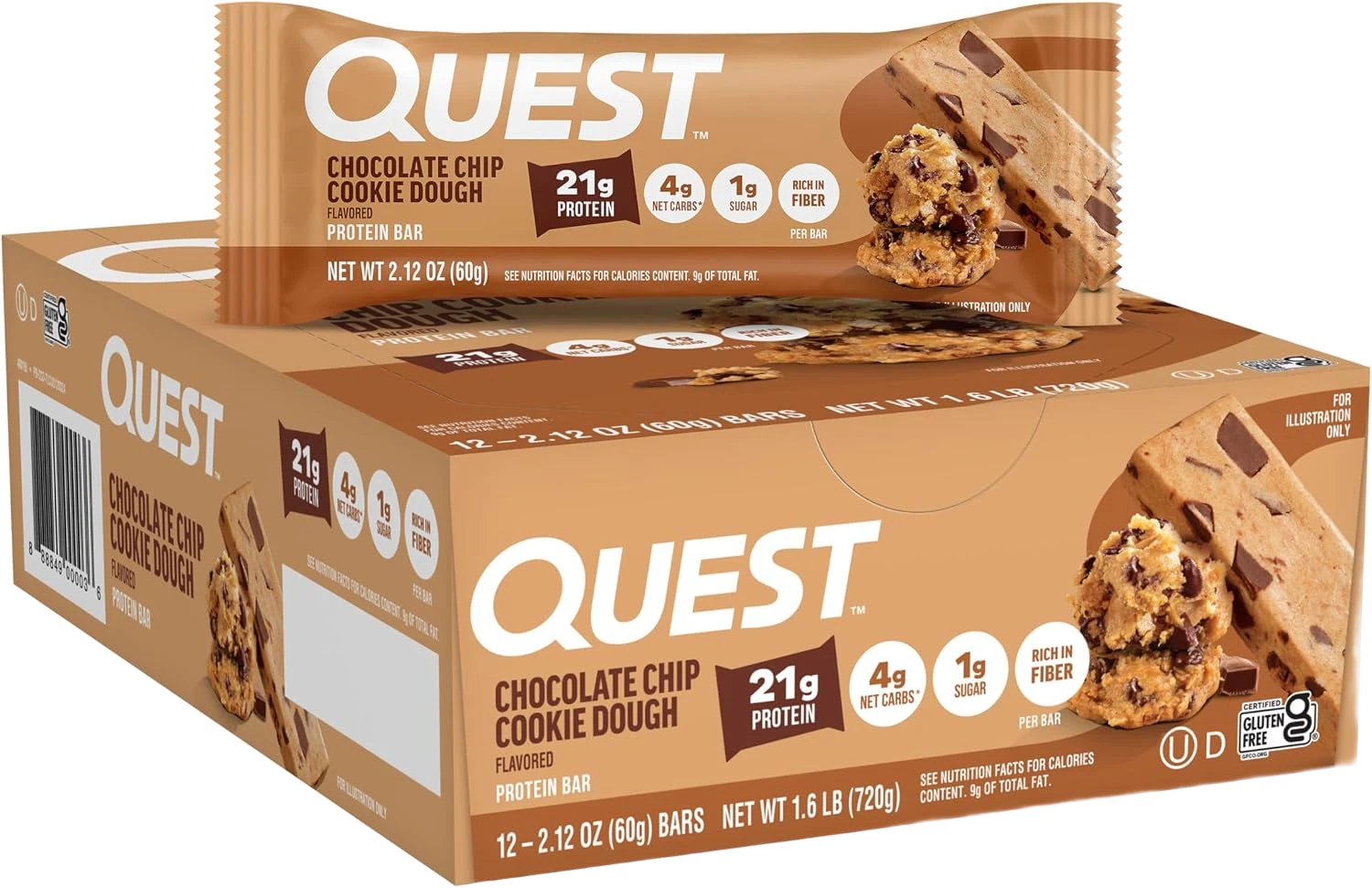
Best all-around: Quest Protein Bar, Chocolate Chip Cookie Dough
9.0SAC Score™The default best bar for most people: 21 g of complete whey + milk protein isolate, just 1 g sugar and 4 g net carbs, sold absolutely everywhere — and reformulated years ago onto cleaner prebiotic fiber instead of IMO.
StrongestTaste & texture9.61WeakestValue per gram of protein8.3- Protein
- 21 g (milk protein isolate + whey protein isolate)
- Sugar
- 1 g (erythritol + stevia + sucralose)
- Calories
- 190
All four scores, pros & cons, full label
What We Like- 21 g of genuinely complete protein from whey + milk isolate, no collagen padding
- Just 1 g sugar and 4 g net carbs — a legitimately low-sugar macro profile
- Sold everywhere, in dozens of flavors, at a reasonable per-bar price
What You Live With- Uses sucralose plus erythritol — fine for most, but not 'all-natural'
- Dense, slightly chewy texture that not everyone loves
- Protein source
- Complete — dairy isolates, no collagen padding
- Notable
- 4 g net carbs; fiber from soluble corn fiber (reformulated off IMO years ago)
Our take — Quest is the bar most people should default to, and it earns that: 21 grams of genuinely complete protein from whey and milk isolate with no collagen padding, just 1 gram of sugar and 4 grams of net carbs, in flavors you can find at virtually any store. It quietly reformulated off the much-criticized IMO fiber years ago onto soluble corn fiber, so the macro story holds up better than most of its low-sugar rivals. It leans on sucralose and erythritol, so it isn't an all-natural pick, and the texture is on the dense side — but for a complete-protein, low-sugar bar that's affordable and available everywhere, it's the easiest recommendation in the category.
- 03
Best indulgent (20g): ONE Protein Bar, Birthday Cake
8.7SAC Score™The most dessert-like 20 g bar with real protein behind the flavor: 20 g of complete whey + milk isolate and only 1 g sugar, in flavors like Birthday Cake and Maple Glazed Doughnut that genuinely taste like the real thing.
StrongestTaste & texture9.32WeakestIngredient quality8.0- Protein
- 20 g (milk protein isolate + whey protein isolate)
- Sugar
- 1 g (maltitol + sucralose)
- Calories
- ~220
All four scores, pros & cons, full label
What We Like- 20 g of complete whey + milk isolate protein, no collagen filler
- Among the most dessert-like flavors in the category for only 1 g sugar
- Soft, chewy, candy-bar texture that wins taste tests
What You Live With- Relies on IMO / soluble corn fiber, which can spike blood sugar more than marketed and upset sensitive stomachs
- Uses maltitol and sucralose; ~220 calories is a touch higher than its peers
- Protein source
- Complete — whey + milk isolates, no collagen padding
- Notable
- Low net carbs achieved via IMO / soluble corn fiber
Our take — ONE is the bar to reach for when you want dessert and protein in the same wrapper: 20 grams of complete whey and milk isolate with just 1 gram of sugar, in flavors like Birthday Cake and Maple Glazed Doughnut that genuinely taste like the thing they're named after, with a soft candy-bar chew most bars can't match. The honest caveat is the fiber: ONE hits its low net-carb number with IMO and soluble corn fiber, which behaves more like sugar than the label implies and can cause GI distress in larger amounts. If you can tolerate it, it's the best-tasting complete-protein bar here; if your gut is sensitive, size your portions accordingly.
- 04
Best all-natural: Legion Protein Bar, Chocolate Peanut Butter
8.5SAC Score™The cleanest, naturally-sweetened pick: 20 g of complete whey-based protein with no artificial sweeteners, dyes or fillers, sweetened instead with stevia, allulose and monk fruit and built on real prebiotic fiber.
StrongestIngredient quality9.11WeakestValue per gram of protein7.8- Protein
- 20 g (whey concentrate + milk protein isolate + whey isolate)
- Sugar
- ~3 g (stevia + allulose + monk fruit; no artificial sweeteners)
- Calories
- ~250
All four scores, pros & cons, full label
What We Like- 20 g of complete whey/milk protein with zero artificial sweeteners, dyes, or fillers
- Naturally sweetened with stevia, allulose, and monk fruit; real prebiotic fiber
- Third-party tested (Labdoor); transparent, no-junk formulation
What You Live With- Premium price at roughly $3.17 per bar
- ~250 calories and ~11 g fat make it more of a snack than a low-cal treat
- Protein source
- Complete — whey/milk blend, no collagen padding
- Notable
- Prebiotic fiber from chicory root + tapioca; no artificial dyes or flavors; Labdoor-tested
Our take — Legion is the pick for anyone who wants their 20 grams of protein without the artificial-sweetener-and-dye chemistry set: a complete whey and milk blend sweetened only with stevia, allulose and monk fruit, built on real chicory-root prebiotic fiber, and third-party tested by Labdoor. There's no collagen padding and nothing artificial on the panel, which is rare in this category. The trade-offs are straightforward — it's a premium bar at around $3.17, and at roughly 250 calories with 11 grams of fat it eats more like a real snack than a diet treat. For a clean, naturally-sweetened, complete-protein bar, it's the best of the bunch.
- 05
Best taste (zero added sugar): Barebells Protein Bar, Cookies & Cream
8.2SAC Score™The candy-bar experience with no added sugar: a genuinely indulgent, chocolate-coated bar with 20 g protein and 0 g added sugar — the closest a protein bar comes to tasting like a real chocolate bar.
StrongestTaste & texture8.8WeakestProtein quality & amount7.5- Protein
- 20 g (milk protein + soy isolate + bovine collagen — partly collagen-padded)
- Sugar
- 1 g total, 0 g added (maltitol + sucralose)
- Calories
- 200
All four scores, pros & cons, full label
What We Like- Arguably the best-tasting bar here — genuinely candy-bar-like, chocolate-coated
- 20 g protein with 0 g added sugar and only 1 g total sugar
- Soft, satisfying texture that doesn't taste 'healthy'
What You Live With- Part of the 20 g is collagen, an incomplete protein — the usable, muscle-relevant protein is lower than the label implies
- Uses ~5 g maltitol (notorious for GI upset) plus sucralose and soy
- Protein source
- Mixed — milk/soy protein plus collagen (collagen pads the 20 g figure)
- Notable
- Candy-bar texture; ~16 g net carbs; ~5 g maltitol
Our take — Barebells is the bar you give someone who swears they hate protein bars: chocolate-coated, soft, and genuinely close to a real candy bar, with 20 grams of protein and zero added sugar. It's the taste benchmark of the category. The honest mark against it is the protein quality — a meaningful share of that 20 grams is bovine collagen, an incomplete protein low in leucine, so the muscle-relevant protein is lower than the front of the wrapper suggests. It also leans on about 5 grams of maltitol, the sugar alcohol most likely to upset your stomach. As a treat that happens to carry protein, it's excellent; as your primary protein source, the complete-protein bars above it do more for muscle.
- 06
Best whole-food: RXBAR, Chocolate Sea Salt
7.8SAC Score™The whole-food, real-ingredient pick: egg whites, dates and nuts with nothing artificial and a panel you can actually read — the antidote to lab-engineered bars, with the honest trade-off of more sugar and less protein.
StrongestIngredient quality8.4WeakestTaste & texture7.1- Protein
- 12 g (egg whites — complete protein)
- Sugar
- 13 g, all from dates (0 g added sugar)
- Calories
- 210
All four scores, pros & cons, full label
What We Like- Genuinely whole-food: egg whites, dates and nuts, with no sugar alcohols, no artificial anything
- Complete egg-white protein and a panel anyone can read in five seconds
- No GI-upsetting sugar alcohols or IMO fiber — gentle on the gut
What You Live With- Only 12 g protein — well below the ~20 g standard of the bars above
- 13 g sugar (from dates) is high — fine as whole food, but not a low-sugar bar
- Dense, chewy, date-forward texture isn't for everyone
- Protein source
- Complete — egg white; whole-food, no isolates or sugar alcohols
- Notable
- 5-ingredient 'No B.S.' formula: egg whites, dates, nuts, cocoa, sea salt; 5 g fiber
Our take — RXBAR is the pick for anyone who'd rather eat food than chemistry: a five-ingredient bar of egg whites, dates, nuts, cocoa and sea salt, with no sugar alcohols, no artificial sweeteners and no IMO fiber — which also means none of the GI baggage that comes with them. The trade-offs are real and we won't hide them: at 12 grams it carries less protein than the ~20 g bars above, and at 13 grams of sugar (all from dates) it is not a low-sugar product, even though none of that sugar is added. If you value clean, recognizable whole-food ingredients and a happy gut over maximum protein and minimum sugar, it's the best bar here; if you're chasing protein density, look higher up.
- 07
Best low-calorie treat: Built Bar, Coconut
7.6SAC Score™The low-calorie chocolate-covered treat: a light, marshmallowy bar dipped in real chocolate at only ~130 calories with 17 g whey protein — a genuine dessert that barely dents your daily calories.
StrongestValue per gram of protein8.2WeakestProtein quality & amount6.9- Protein
- 17 g (whey protein isolate + hydrolyzed whey isolate)
- Sugar
- 4 g (erythritol + soluble corn fiber)
- Calories
- ~130
All four scores, pros & cons, full label
What We Like- Only ~130 calories for a chocolate-covered bar — the best calorie-to-treat ratio here
- 17 g of complete whey-isolate protein (the original Built line; not the collagen 'Puff' version)
- Light, marshmallowy texture in real dark chocolate — eats like dessert
What You Live With- 17 g protein is slightly below the 20 g+ leaders
- Uses erythritol plus soluble corn fiber; texture is divisive (chewy/nougat, love-it-or-hate-it)
- Protein source
- Complete — whey isolate, no collagen in the original Built Bar line
- Notable
- Marshmallowy nougat texture dipped in 100% real chocolate; gluten-free
Our take — Built is the bar for when you want something that eats like a candy bar but barely touches your calorie budget: a light, marshmallowy nougat dipped in real chocolate at only about 130 calories, carrying 17 grams of complete whey-isolate protein. Make sure you grab the original Built Bar and not the 'Puff' line, which swaps in collagen. The honest notes: 17 grams is a touch under the 20-gram leaders, it relies on erythritol and soluble corn fiber to stay low-sugar, and the nougat texture genuinely divides people. But as a low-calorie chocolate treat that still delivers real protein, nothing else here matches its calorie math.
- 08
Best budget: Pure Protein Bar, Chocolate Deluxe
7.3SAC Score™The cheapest legitimate way to get 20 g in bar form: 21 g of protein for around $1.30 a bar — by far the best price per gram of protein here, with the honest caveat of a maltitol-heavy formula.
StrongestValue per gram of protein7.9WeakestIngredient quality6.6- Protein
- 21 g (milk + whey isolate + whey concentrate; gelatin/collagen used as binder)
- Sugar
- 3 g (maltitol + maltitol syrup + a little sugar + sucralose)
- Calories
- 180-190
All four scores, pros & cons, full label
What We Like- Far and away the cheapest bar here — around $1.30 per bar for 21 g of protein
- Best price per gram of protein in the lineup; widely available
- 21 g of mostly-complete dairy protein
What You Live With- Leans heavily on maltitol and maltitol syrup — the sugar alcohol most likely to cause gas and GI upset
- Uses hydrolyzed gelatin as a binder and a less 'clean' ingredient deck than the bars above
- Artificially sweetened; chewier, more processed taste
- Protein source
- Mostly complete dairy protein, with hydrolyzed gelatin as a binder
- Notable
- Lowest cost per bar in the lineup (~$1.30); relies on maltitol
Our take — Pure Protein is the value play, plain and simple: 21 grams of mostly-complete dairy protein for roughly $1.30 a bar, the best price per gram of protein in this entire lineup and a fraction of what David or Legion cost. If budget is your binding constraint and you just need convenient protein, it does the job. The honest caveats are why it sits at the bottom rather than the top: it leans hard on maltitol and maltitol syrup — the sugar alcohol most likely to cause gas and stomach upset — uses hydrolyzed gelatin as a binder, and tastes more processed than the bars above it. For the cheapest 20-plus grams in bar form, though, nothing here beats it on cost.
The Guide In Four Short Lessons
Look for about 20 g of complete protein.
Whey, milk protein or egg white deliver the leucine. Anything less is a dessert with a health halo.
Read the sugar and sugar-alcohol line.
Under that lens most of the category's marketing falls apart. Ingredient quality carries 30% of our score.
Use it to fill a gap, not to build muscle.
A bar is one portable way toward the 1.6-2.2 g/kg of daily protein that training needs. No bar builds muscle by itself.
Daily protein target (Morton 2018) — full scoring below.
Protein bars are deceptively hard to compare because the front of the wrapper is engineered to sell a feeling of health while the panel often tells a candy-bar story. So we weighted protein quality and amount the heaviest at 35%: we want roughly 20 grams from a complete source — whey, milk protein or egg white that carries real leucine — and we actively dock bars that inflate the protein figure with collagen, an incomplete protein that contributes little to muscle growth. Ingredient quality is next at 30%, because this is where 'protein bar' and 'glorified candy' part ways: we scrutinize added sugar, the sugar-alcohol load (maltitol is the worst offender for GI distress), the IMO and soluble-corn-fiber tricks used to make net carbs look lower than they behave, and we credit whole-food formulas and naturally-sweetened bars over artificially-sweetened ones. Value per gram of protein is worth 20%, judged honestly — bars range from about $1.30 to over $3.00 each, and we say openly that a tub of whey or plain whole food beats every one of them on cost per gram, so the bar has to justify its premium on convenience. Taste and texture round it out at 15%, because the best protein bar is the one you'll actually eat on a busy day; a 'cleaner' bar you never reach for does nothing for your protein total. Every bar was assessed on its real product panel and Amazon listing; we did not invent a single protein, sugar or calorie figure, and where a bar pads with collagen or carries a high natural-sugar load — RXBAR's 13 g from dates — we recorded it as it is rather than rounding the inconvenient number away.
Protein quality & amount · 35%
The whole reason a 'protein bar' exists: around 20 g (more is a bonus) from a COMPLETE, leucine-rich source — whey, milk protein, or egg white — that genuinely supports muscle protein synthesis. We credit complete-protein formulas and dock bars that pad the number with collagen, an incomplete protein low in leucine that inflates the front-of-pack figure without doing the muscle work. The single most important axis, because everything else is secondary to whether the protein is real and usable.
Ingredient quality · 30%
Is it food or candy with a protein claim? We scrutinize added sugar, the sugar-alcohol load (maltitol is the worst for GI upset; erythritol is gentler), the IMO / soluble-corn-fiber tricks used to make net carbs look low, and artificial sweeteners and dyes. Whole-food formulas (egg whites, dates, nuts) and naturally-sweetened bars score high; chocolate-covered candy bars wearing a protein label score low.
Value per gram of protein · 20%
Real cost efficiency, measured per gram of protein rather than sticker price — bars run from about $1.30 to over $3.00 each. The honest truth we state plainly: protein powder and whole food (Greek yogurt, eggs, chicken) deliver protein far cheaper per gram than any bar, so a bar has to earn its premium purely on portability. The tiebreaker between picks of similar quality.
Taste & texture · 15%
How it actually tastes and chews — chalky and dry, or a genuine treat — because the best protein bar is the one you'll reach for on a hectic day. Lowest weight because it's the most personal axis, and because a delicious bar built on collagen and sugar alcohols still loses to a complete-protein bar on the criteria that matter more.
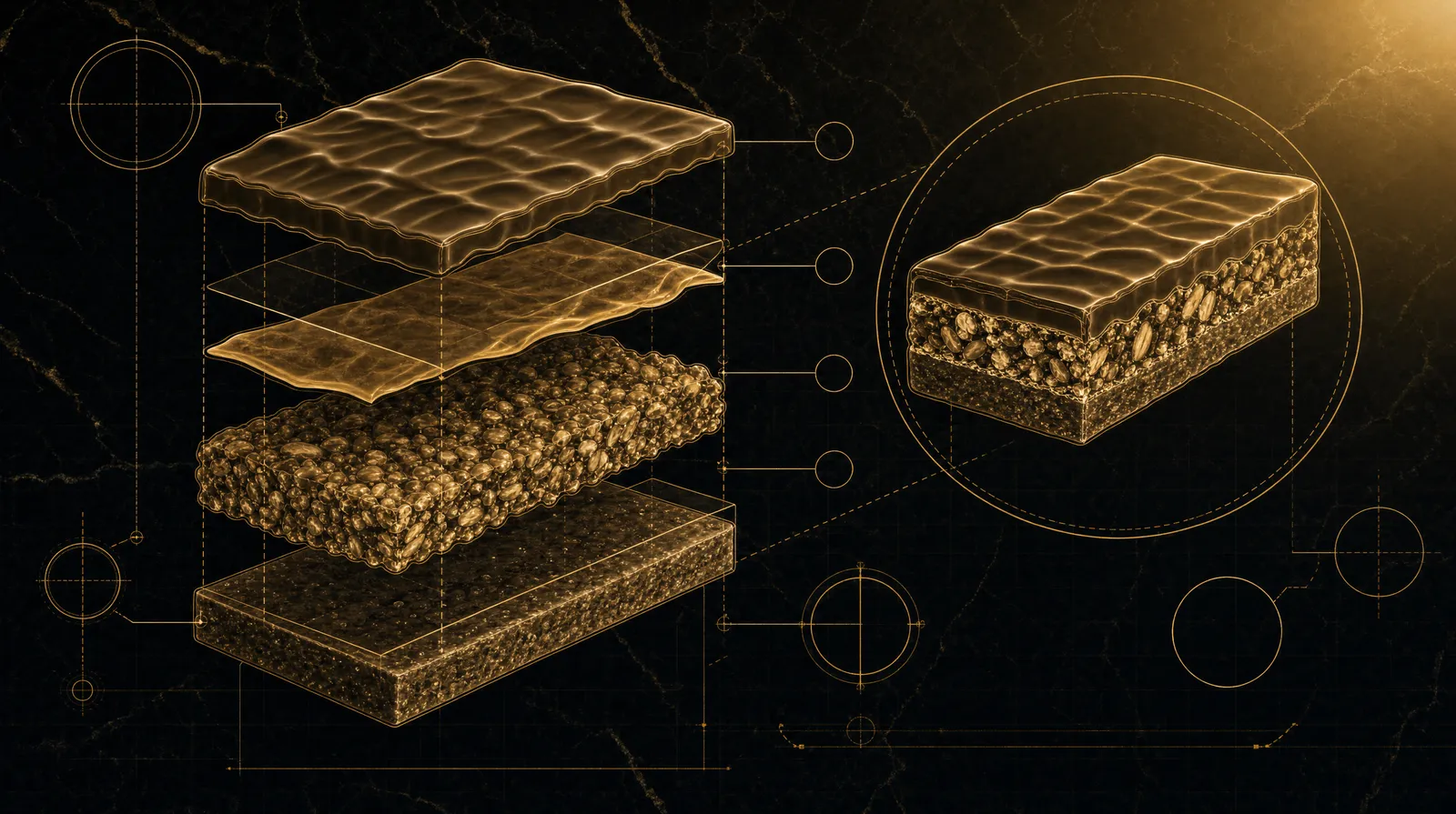
How protein bars actually work
- 1
Protein is the active ingredient
Muscle repair and satiety run on essential amino acids, especially leucine. A bar with ~20 g of complete protein (whey, milk, or egg based) delivers a meaningful dose; collagen-padded or 10 g bars mostly deliver candy.
- 2
Satiety mechanics
Protein is the most satiating macro, and the fiber many bars add slows digestion further. That is why a good bar bridges a 4-hour gap that a chocolate bar cannot — fewer vending-machine decisions.
- 3
The sweetener trade
Low-sugar bars lean on sugar alcohols and fibers like IMO. They keep calories honest but can bloat sensitive guts in multiples — treat serious GI rumbling as a signal to switch bars, not to push through.
- 4
Where bars fit the day
Total daily protein (~1.6-2.2 g per kg) plus training drives results; the bar is just a delivery vehicle. Whole food and powder are cheaper per gram — the bar earns its premium only where convenience is the constraint.
What to expect from adding protein bars
A better gap-filler
Swap the pastry-shaped snack for a ~20 g protein bar and the afternoon hunger dip flattens noticeably. That satiety difference is the most immediate, repeatable effect bars deliver.
Protein target gets easier
The real win shows in your tracking app: days that used to land 30-40 g short of your protein target now hit it. Gut check: if sugar alcohols bloat you, switch to a lower-polyol pick.
Body-composition support
With training and total protein in place, bars help preserve or build muscle exactly as well as the same protein from any source. No bar accelerates that beyond its protein content — ignore fat-burning bar marketing.
Convenience budget
Bars cost 2-4x more per gram of protein than powder. Keep them for travel, drawers and gym bags; let whole food and a shake carry the daily baseline.
The bottom line
The default: David Protein Bar (#1).
The most usable protein for the calories here, from a complete source — the bar that best does the one job.
Buy it for the gap, not the gains.
It's the portable way to hit your protein number on a day whole food won't get you there.
Judge macros and source honestly.
Skip the candy bars wearing a protein label — the sugar-alcohol bloat and incomplete protein give them away.
Quick Answers
Which pick is the best overall?
David Protein Bar, Chocolate Chip Cookie Dough by David is our #1 pick (SAC score 9.3/10). If your complaint about protein bars is that you're paying for a candy bar with a protein number stapled on, David is the rebuttal: 28 grams of mostly-complete protein for just 150 calories and zero sugar, the best protein-to-calorie ratio of anything in this lineup, from a brand built around an actual science team. It exists to do one thing — pack maximum usable protein into minimum calories — and it does it better than anyone. The catches are honest ones: it's the most expensive bar here at around $3.25, and the maltitol-and-glycerin binder can bother sensitive stomachs. But for a transparency-and-protein-first ranking, the bar that delivers the most real protein per calorie is the right number one.
What is the best budget option?
Pure Protein Bar at $16 (12-pack). Pure Protein is the value play, plain and simple: 21 grams of mostly-complete dairy protein for roughly $1.30 a bar, the best price per gram of protein in this entire lineup and a fraction of what David or Legion cost. If budget is your binding constraint and you just need convenient protein, it does the job. The honest caveats are why it sits at the bottom rather than the top: it leans hard on maltitol and maltitol syrup — the sugar alcohol most likely to cause gas and stomach upset — uses hydrolyzed gelatin as a binder, and tastes more processed than the bars above it. For the cheapest 20-plus grams in bar form, though, nothing here beats it on cost.
How much do these picks cost?
Across our ranked picks, prices run from about $16 to $39 — exact price and cost per serving are listed on every pick card above.
How were these picks ranked?
Protein bars are deceptively hard to compare because the front of the wrapper is engineered to sell a feeling of health while the panel often tells a candy-bar story. So we weighted protein quality and amount the heaviest at 35%: we want roughly 20 grams from a complete source — whey, milk protein or egg white that carries real leucine — and we actively dock bars that inflate the protein figure with collagen, an incomplete protein that contributes little to muscle growth. Ingredient quality is next at 30%, because this is where 'protein bar' and 'glorified candy' part ways: we scrutinize added sugar, the sugar-alcohol load (maltitol is the worst offender for GI distress), the IMO and soluble-corn-fiber tricks used to make net carbs look lower than they behave, and we credit whole-food formulas and naturally-sweetened bars over artificially-sweetened ones. Value per gram of protein is worth 20%, judged honestly — bars range from about $1.30 to over $3.00 each, and we say openly that a tub of whey or plain whole food beats every one of them on cost per gram, so the bar has to justify its premium on convenience. Taste and texture round it out at 15%, because the best protein bar is the one you'll actually eat on a busy day; a 'cleaner' bar you never reach for does nothing for your protein total. Every bar was assessed on its real product panel and Amazon listing; we did not invent a single protein, sugar or calorie figure, and where a bar pads with collagen or carries a high natural-sugar load — RXBAR's 13 g from dates — we recorded it as it is rather than rounding the inconvenient number away.
Every Claim Ranked Above Traces Back To One Of These
3 peer-reviewed sources, each linked to PubMed
- [1] Morton 2018 PMID 28698222 — A systematic review, meta-analysis and meta-regression of the effect of protein supplementation on resistance training-induced gains in muscle mass and strength in healthy adults. Pooling 49 studies (1,863 participants), protein supplementation significantly increased strength (1RM) and muscle size during resistance training — but with a breakpoint: intakes beyond ~1.62 g/kg/day (95% CI 1.03-2.20) produced no further gains in fat-free mass. The foundational evidence behind this page's core message: it's TOTAL daily protein (~1.6-2.2 g/kg) that builds muscle, and a bar is just one convenient ~20 g contribution toward that total, not a muscle-builder in itself.
- [2] Schoenfeld 2013 PMID 24299050 — The effect of protein timing on muscle strength and hypertrophy: a meta-analysis. A meta-analysis finding that the apparent benefit of protein 'timing' on hypertrophy disappeared once total daily protein intake was controlled for — total protein was the strongest predictor of muscle growth, not the narrow post-workout 'anabolic window.' The basis for this page's stance that when you eat a protein bar matters far less than whether it helps you hit your daily protein target.
- [3] Schoenfeld 2018 PMID 29497353 — How much protein can the body use in a single meal for muscle-building? Implications for daily protein distribution. A review concluding that to maximize muscle building one should aim for roughly 0.4 g/kg of protein per meal across at least four meals to reach a minimum of ~1.6 g/kg/day. This is why a ~20 g protein bar is genuinely useful as one of those distributed feedings when whole food isn't available — it helps you reach a per-meal and daily protein target, which is the only job it needs to do.
Affiliate disclosure: every Amazon link uses our Associates tag (superachieverclub-20). We earn a small commission at no cost to you; it funds independent reviews. We never accept payment to change a ranking.