
David Protein Bar, Chocolate Chip Cookie Dough Review
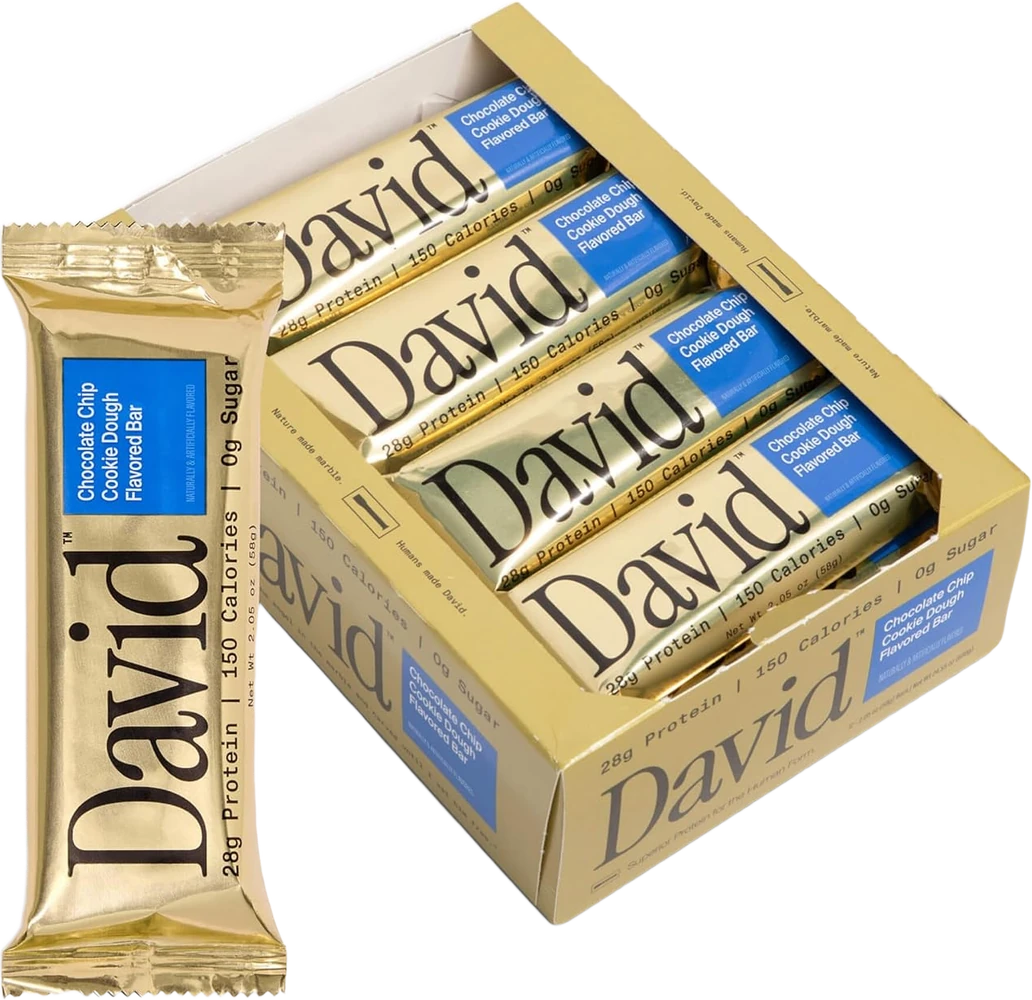 #1 of 8 · Best overall✓ Label verified · Supplement Facts read Sep 7, 2026
Real retailer photo, cut out. Label unedited.
Buy it. The best protein-per-calorie bar on the market — 28 g for 150 calories, if you can stomach the price and the maltitol binder. 28 g of mostly-complete protein (milk isolate + whey + egg white), 0 g sugar, 150 calories — roughly 75% of calories from protein, the best ratio in the lineup, and comfortably above the ~20 g that maximally stimulates muscle protein synthesis (Moore 2009).
$39 (12-pack)$3.25 / bar
Why It Scores 9.3 — And The Label Line Behind Each Number
Protein quality & amount
35% of score28 g from a complete milk-isolate/whey/egg-white blend — well above the ~20 g category standard and the ~20 g that maximally stimulates MPS (Moore 2009). Collagen is present only in the binder, not as a primary protein, so the leucine-carrying, muscle-relevant protein is largely real. The highest, most usable protein load in the lineup.
- Protein
- 28 g (milk protein isolate + whey + egg white blend)
- Certifications
- None stated (brand-led science team; no third-party seal stated)
Ingredient quality
30% of score0 g sugar, allulose-sweetened, no dyes, and no collagen padding of the front-of-pack number. The one deduction: the binder uses maltitol and glycerin, and maltitol is the sugar alcohol most associated with GI upset. Otherwise a clean, protein-dense deck.
Value per gram of protein
20% of score~$3.25/bar for 28 g works out to about $0.12 per gram — competitive per-gram despite the highest sticker price here, because the protein count is so high. As with every bar, whey powder and whole food still beat it per gram; you pay the premium for calorie efficiency, not cheap protein.
- Count / price
- 12-count box, ~$39
- Cost per bar
- ~$3.25 — the priciest here
Taste & texture
15% of scoreChocolate Chip Cookie Dough is genuinely good for a 0-sugar, 150-calorie bar — soft, not chalky. It doesn't quite reach ONE or Barebells candy-bar indulgence, but it's impressive given how tight the macros are.
Source-provenance & label honesty
0% of scoreNon-weighted SAC transparency gate. David is upfront that collagen sits in the binder rather than hiding it, and the 0-g-sugar / 150-cal claims check out on the panel. Minor knock: the 'complete protein' framing glosses the collagen presence, which is why we describe it as 'mostly-complete' throughout.
- More Specs
- Sugar
- 0 g (allulose; maltitol/glycerin in the binder)
- Calories
- 150
- Protein source
- Complete — milk isolate, whey, egg white (collagen present, not primary)
- Protein-to-calorie ratio
- ~75% of calories from protein — highest in the lineup
- Sweeteners
- Allulose (maltitol + glycerin in binder)
Label verified. Every figure read from the Supplement Facts photo, Sep 7, 2026.
Marketing Claims Vs. Reality
28 g of protein for just 150 calories.
The 28 g / 150 cal / 0 g sugar macros are stated on the panel and are the highest protein-to-calorie ratio in this lineup. Independent of marketing, ~20 g maximally stimulates MPS (Moore 2009), so 28 g clears the useful per-serving threshold with room to spare.
Complete protein.
The primary blend (milk isolate, whey, egg white) is complete and leucine-rich, but collagen — an incomplete protein — is present in the binder, so 'complete' is true of the main sources but not of literally every gram. We describe it as 'mostly-complete' for that reason.
0 g sugar.
Sweetened with allulose (a rare sugar the body largely doesn't metabolize) plus sugar alcohols; the 0 g figure is accurate. Note the maltitol/glycerin binder is a sugar-alcohol load, not sugar — a real GI consideration, but the sugar claim itself holds.
Backed by a serious science team.
David publicizes a science-led team including Peter Attia as Chief Science Officer — verifiable as a brand structure and a signal of formulation rigor. But it's a company credential, not peer-reviewed evidence that the bar outperforms rivals for muscle growth; total daily protein still does the work (Morton 2018).
What Our Test Actually Found
The protein-per-calorie ratio is genuinely category-redefining
At roughly 75% of calories from protein, David delivers more usable protein per calorie than anything else here — the single reason it takes the top slot. In a cut, where every calorie is contested, a 28 g / 150 cal bar is close to a cheat code.
The catch is the sugar-alcohol binder, not the sugar
The 0 g sugar figure is real, but the binder leans on maltitol and glycerin. Maltitol is the sugar alcohol most likely to cause gas and GI distress, so sensitive stomachs should ease in and size portions accordingly rather than eat two back-to-back.
'Complete' deserves an asterisk — collagen is in the binder
Collagen is present but not the primary protein, so the muscle-relevant, leucine-carrying protein is largely intact — unlike Barebells, where collagen pads the headline number. We still call it 'mostly-complete' because leucine, not total grams, drives MPS (Morton 2018).
It's the priciest bar here — the premium buys calorie efficiency, not cheaper protein
At ~$3.25 a bar it's roughly two and a half times Pure Protein's price. Per gram of protein it's actually competitive because the count is so high, but whole food and whey powder still win on cost. You're paying for the macro, not the value.
Even this bar is a convenience — total daily protein builds the muscle
David is the best vehicle in the category, but it's still a vehicle. Muscle is built by hitting ~1.6-2.2 g/kg/day paired with progressive overload (Morton 2018); the bar just makes one ~28 g feeding easy when real food isn't around.
Full analysis: all pros & cons (7), buy if / skip if
- 28 g of mostly-complete protein for only 150 calories — an unmatched protein-to-calorie ratio
- 0 g sugar, allulose-sweetened; engineered for maximum protein density
- Clears the ~20 g per-serving MPS-maximizing dose with room to spare (Moore 2009)
- No collagen padding of the headline protein number — collagen sits only in the binder
- Science-led formulation (Peter Attia as Chief Science Officer)
- The most expensive bar here at roughly $3.25 each
- Maltitol-and-glycerin binder can trigger GI upset in sensitive users
- You want maximum usable protein for minimum calories — nothing here beats its ratio
- You're in a cut or calorie-controlled diet where every calorie has to earn its place
- You want a science-led formula and don't mind paying a premium for it
- You're price-sensitive — at ~$3.25/bar it's the most expensive here (Pure Protein is a third the cost)
- Maltitol and glycerin upset your stomach — the binder relies on both
28 g of mostly-complete protein (milk isolate + whey + egg white), 0 g sugar, 150 calories — roughly 75% of calories from protein, the best ratio in the lineup, and comfortably above the ~20 g that maximally stimulates muscle protein synthesis (Moore 2009). Allulose-sweetened with a maltitol/glycerin binder. The price (~$3.25/bar) and the sugar-alcohol binder are the only real knocks. The bar is a convenience; your total daily protein still does the muscle work (Morton 2018).
David is the rebuttal to the oldest complaint about protein bars: that you're paying for a candy bar with a protein number stapled on. It packs 28 grams of mostly-complete protein — a milk protein isolate, whey and egg-white blend — into just 150 calories with 0 grams of sugar, so roughly three-quarters of its calories come from protein, the best protein-to-calorie ratio in this entire lineup. It's built by a brand with a real science team, with Peter Attia listed as Chief Science Officer, and it's engineered single-mindedly for protein density. The honest catches are the price — at about $3.25 a bar it's the most expensive here — and a binder that uses maltitol and glycerin alongside allulose, which can bother sensitive stomachs. For a transparency-and-protein-first ranking, the bar that delivers the most usable protein per calorie is the right number one.
The protein-density benchmark — and a deserving number one for a protein-first ranking.

If your complaint about protein bars is that they're candy with a protein number stapled on, David is the answer: 28 grams of mostly-complete protein for just 150 calories and zero sugar, the best protein-to-calorie ratio of anything here, from a brand built around an actual science team. The catches are honest — it's the priciest bar in the lineup at around $3.25, and the maltitol-and-glycerin binder can bother sensitive stomachs. But it exists to pack maximum usable protein into minimum calories, and it does that better than anyone. Use it to fill the gaps in your day; your total daily protein and your training do the real work.
If This Doesn’t Fit — Try These
 02
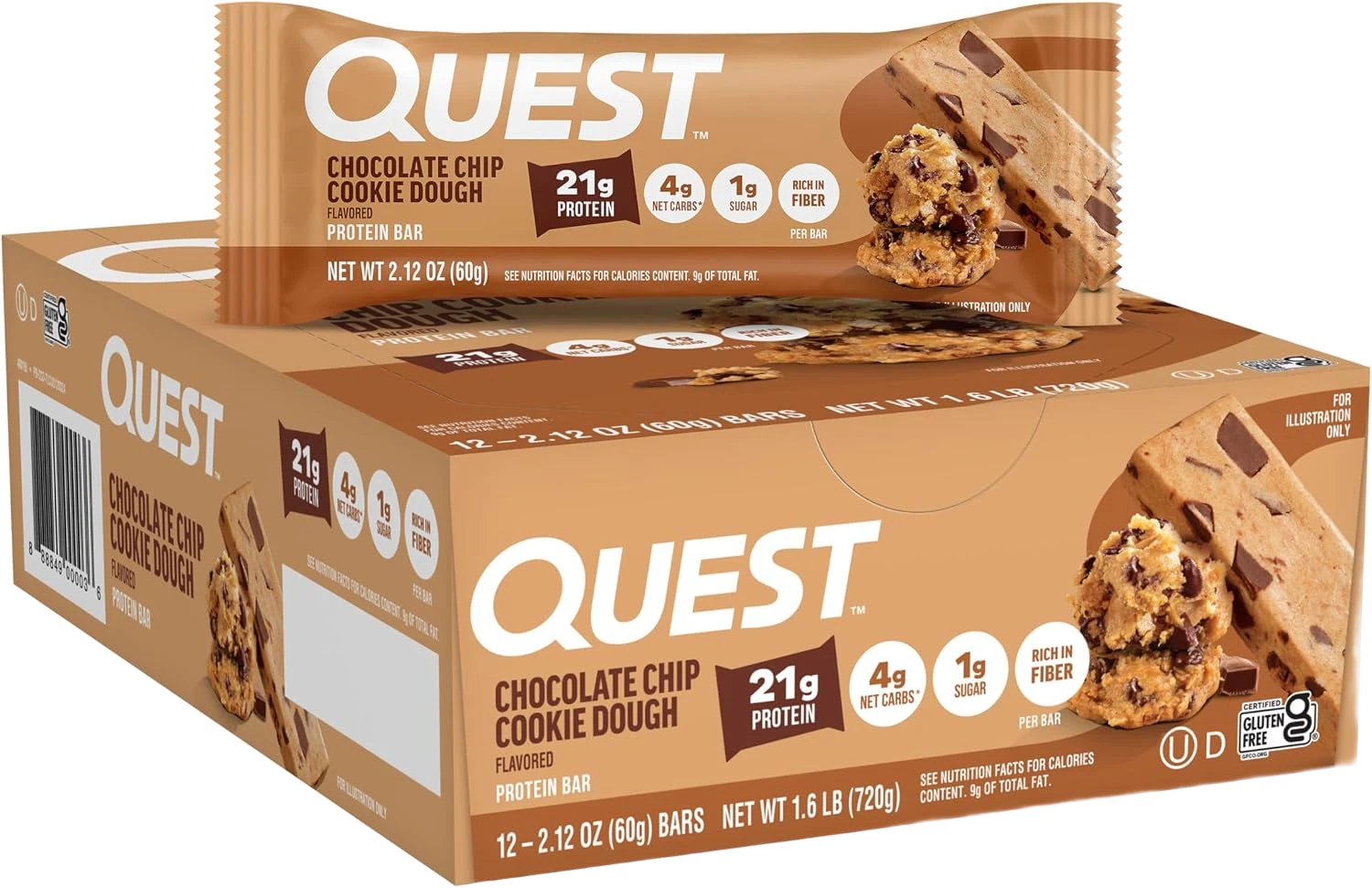
02Quest Protein Bar
Quest is the bar most people should default to, and it earns that: 21 grams of genuinely complete protein from whey and milk isolate with no collagen padding, just 1 gram of sugar and 4 grams of net carbs, in flavors you can find at virtually any store.
 04
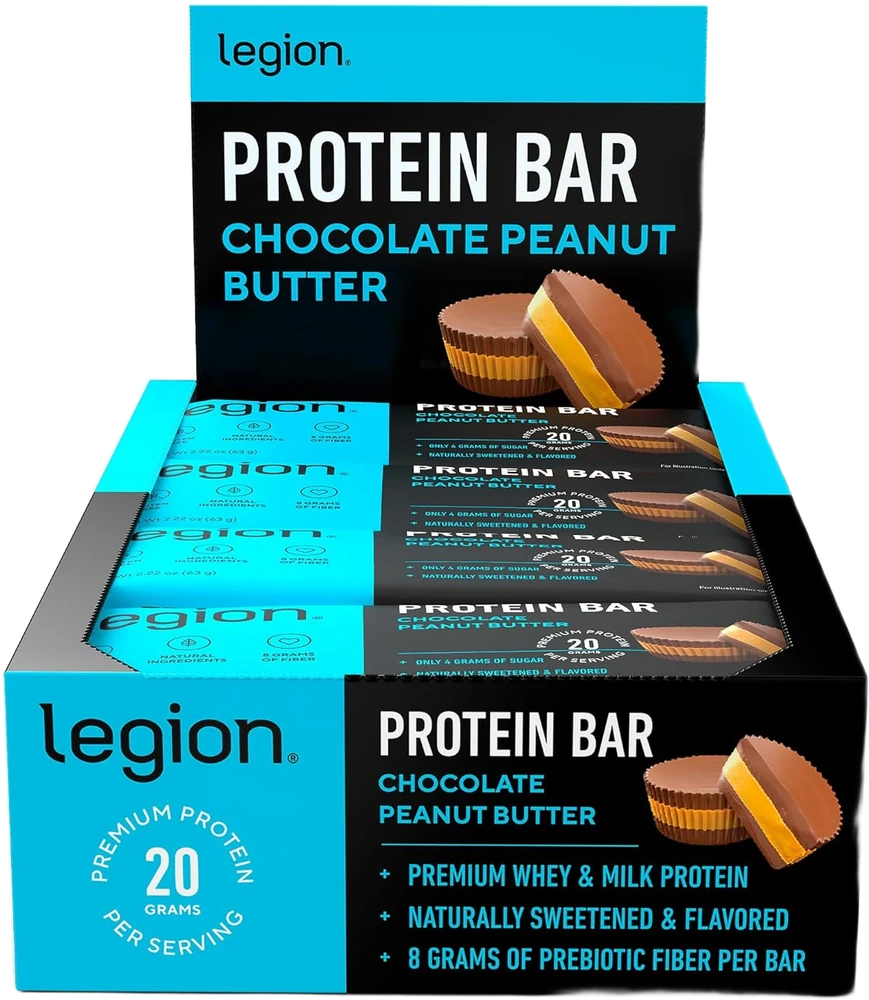
04Legion Protein Bar
Legion is the pick for anyone who wants their 20 grams of protein without the artificial-sweetener-and-dye chemistry set: a complete whey and milk blend sweetened only with stevia, allulose and monk fruit, built on real chicory-root prebiotic fiber, and third-party tested by Labdoor.
 07
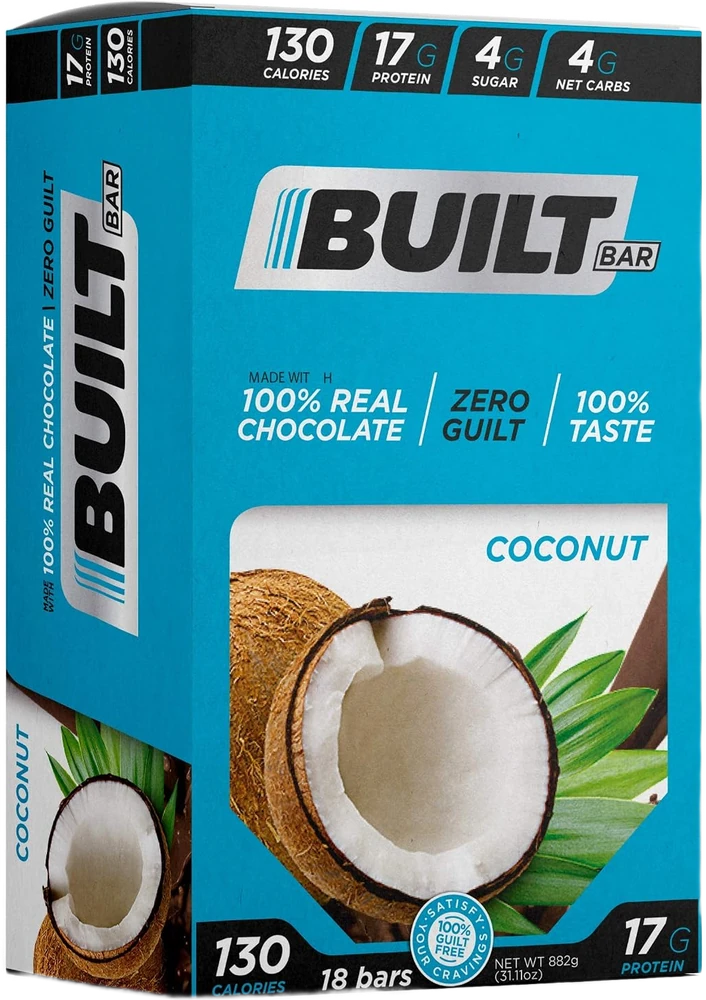
07Built Bar Coconut
Built is the bar for when you want something that eats like a candy bar but barely touches your calorie budget: a light, marshmallowy nougat dipped in real chocolate at only about 130 calories, carrying 17 grams of complete whey-isolate protein.
Quick Answers
Is David actually all complete protein?
Mostly. The main blend — milk protein isolate, whey and egg white — is complete and leucine-rich, which is what matters for muscle protein synthesis. There is collagen in the binder, an incomplete protein, but it isn't the headline source the way it is in Barebells, so the muscle-relevant protein is largely intact. That's why we say 'mostly-complete' rather than pretending every gram is.
How is it only 150 calories with 28 g of protein?
By stripping the fat and sugar a normal bar carries and sweetening with allulose plus sugar alcohols instead. Protein is 4 calories per gram, so 28 g is ~112 calories; the remaining ~38 come from a minimal fat/fiber/binder load. That's the whole design — maximize protein, minimize everything else.
Will the maltitol binder upset my stomach?
It can, for sensitive people. Maltitol is the sugar alcohol most associated with gas and GI distress, and glycerin adds to the load. Most people tolerate one bar fine; if your gut is reactive, start with half and don't eat two in a row.
Is it worth $3.25 a bar?
If you value protein per calorie, yes — nothing else here matches its macro. If you value protein per dollar, no — Pure Protein delivers 21 g for about $1.30, and a tub of whey or plain whole food beats every bar per gram. Buy David for the calorie efficiency, not the value.
Sources & Further Reading
3 peer-reviewed sources, each linked to PubMed
- [1] Moore 2009 PMID 19056590 — Ingested protein dose response of muscle and albumin protein synthesis after resistance exercise in young men. ~20 g of high-quality protein maximally stimulated muscle protein synthesis after resistance exercise; beyond ~20 g, MPS plateaued and amino acids were increasingly oxidized. The evidence behind the ~20 g per-feeding target this category is built around — which David's 28 g clears comfortably.
- [2] Morton 2018 PMID 28698222 — A systematic review, meta-analysis and meta-regression of the effect of protein supplementation on resistance training-induced gains in muscle mass and strength in healthy adults. Across 49 studies, protein supplementation increased strength and muscle size, but gains in fat-free mass plateaued beyond ~1.62 g/kg/day. It's total daily protein that builds muscle; a bar is one convenient contribution toward that total, not a muscle-builder in itself.
- [3] Schoenfeld 2018 PMID 29497353 — How much protein can the body use in a single meal for muscle-building? Implications for daily protein distribution. Recommends ~0.4 g/kg protein per meal across at least four meals to reach ≥1.6 g/kg/day. A ~28 g bar is one convenient distributed feeding toward that daily target when whole food isn't available.
Affiliate disclosure: every Amazon link uses our Associates tag (superachieverclub-20). We earn a small commission at no cost to you; it funds independent reviews. We never accept payment to change a ranking.