
Barebells Protein Bar, Cookies & Cream Review
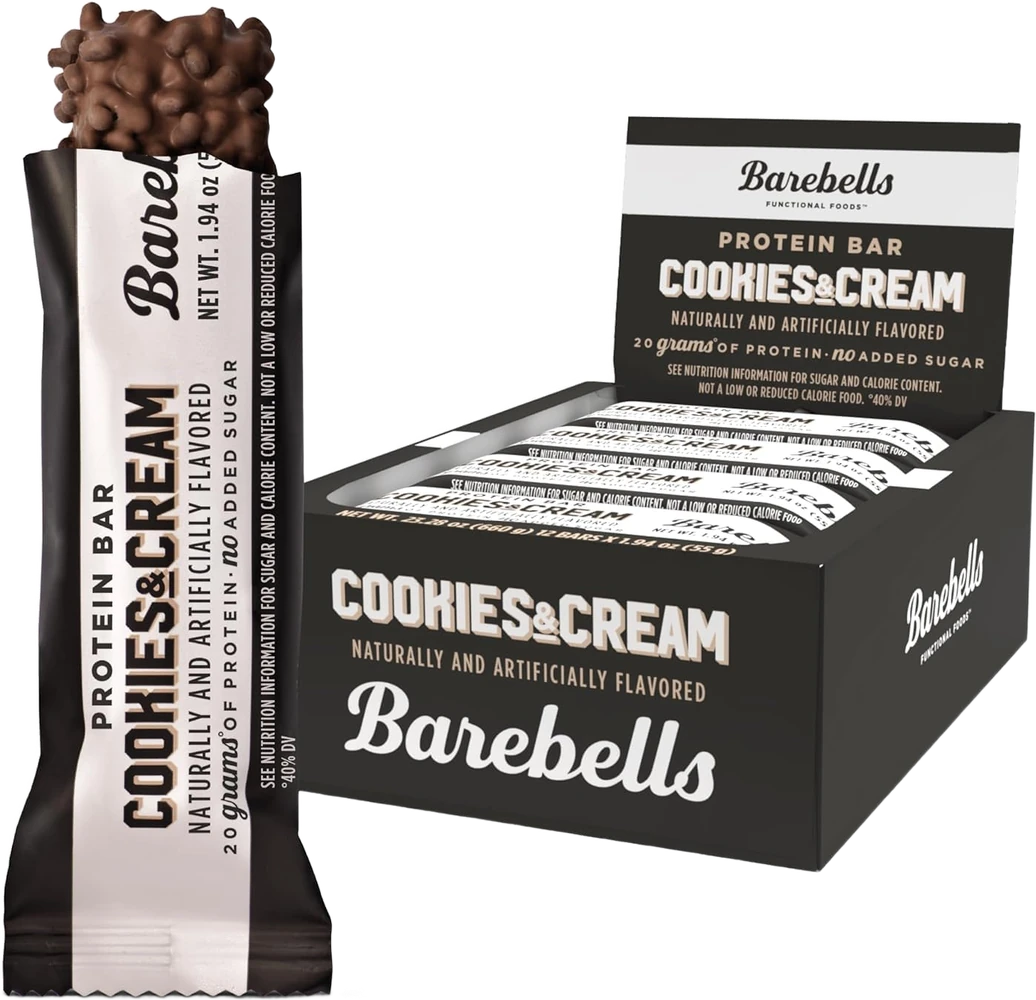 #5 of 8 · Best taste✓ Label verified · Supplement Facts read Sep 7, 2026
Real retailer photo, cut out. Label unedited.
Consider it. The best-tasting bar here — but part of its 20 g is collagen, so it's a treat, not a primary protein source. Chocolate-coated, soft, genuinely candy-bar-like, with 20 g protein, 0 g added sugar and only 1 g total sugar.
$28 (12-pack)$2.33 / bar
Why It Scores 8.2 — And The Label Line Behind Each Number
Protein quality & amount
35% of scoreThe 20 g figure is padded with bovine collagen alongside milk and soy protein — collagen is incomplete and low in leucine, so the usable, MPS-relevant protein is meaningfully below the label. Docked hard on this, the most important axis, because leucine content, not headline grams, drives muscle protein synthesis (Morton 2018).
- Protein
- 20 g (milk protein + soy isolate + bovine collagen — partly collagen-padded)
Ingredient quality
30% of scoreGenuinely strong on sugar — 1 g total, 0 g added — but it leans on about 5 g of maltitol, the sugar alcohol most likely to cause GI upset, plus sucralose and soy. Good sugar story, dinged for the maltitol load and the collagen.
Value per gram of protein
20% of score~$2.33/bar is reasonable for how good it tastes, but the honest per-gram value is worse than the label implies because a share of the 20 g is collagen — you're paying for grams that do less muscle work. Fair value as a treat, not as protein.
- Count / price
- 12-count box, ~$28
- Cost per bar
- ~$2.33
Taste & texture
15% of scoreArguably the best-tasting bar in the lineup — soft, satisfying, chocolate-coated, and genuinely close to a real candy bar. This is where Barebells earns its badge and most of its score.
- Texture
- Soft, chocolate-coated, candy-bar-like
Source-provenance & label honesty
0% of scoreNon-weighted SAC transparency gate — the lowest among the leaders. The front-of-pack '20 g protein' overstates the usable, muscle-relevant protein because a meaningful portion is collagen. This is exactly the collagen-padding flag SAC docks for; the number is technically on the panel but misleading in what it implies.
- More Specs
- Sugar
- 1 g total, 0 g added (maltitol + sucralose)
- Calories
- 200
- Protein source
- Mixed — milk/soy protein plus collagen (collagen pads the 20 g figure)
- Net carbs / sugar alcohol
- ~16 g net carbs; ~5 g maltitol
Label verified. Every figure read from the Supplement Facts photo, Sep 7, 2026.
Marketing Claims Vs. Reality
20 g of protein.
The 20 g is on the panel, but a meaningful share is bovine collagen — an incomplete protein low in leucine — so the usable, muscle-relevant protein is below what '20 g protein' implies. Since leucine drives MPS (Morton 2018; Moore 2009), the front-of-pack number overstates the muscle value. This is the category's collagen-padding trick.
0 g added sugar.
1 g total sugar and 0 g added is accurate; sweetness comes from maltitol and sucralose. Note that's a sugar-alcohol load, not sugar — a GI consideration for some — but the added-sugar claim itself holds.
Tastes like a real candy bar.
Subjective but well-earned: Barebells is consistently rated among the most candy-bar-like protein bars, with a soft, chocolate-coated texture. It's the taste benchmark of the category.
High-protein snack.
It carries protein and works as a snack, but 'high-protein' is inflated by collagen; the complete, muscle-relevant protein is lower than the 20 g suggests. Accurate as a treat with protein, overstated as a protein source.
What Our Test Actually Found
The best-tasting bar here — full stop
If the only axis were taste, Barebells would win. Soft, chocolate-coated, and genuinely close to a candy bar, it's the bar you hand a skeptic. That's why it holds a top-half spot despite the protein-quality knock.
The collagen padding is the reason it isn't higher
A meaningful share of the 20 g is bovine collagen — incomplete and low in leucine — so the usable protein is below the label. The complete-protein bars above it (Quest, ONE, Legion) give you more muscle-relevant protein for a similar count. That's precisely why it ranks below them.
About 5 g of maltitol is the other caveat
Barebells keeps sugar at 1 g partly with maltitol, the sugar alcohol most associated with gas and GI distress. Most people tolerate one bar; eating two, or having a sensitive gut, is where the maltitol shows up.
Perfect as a treat, wrong as a staple
Judge Barebells for what it is — an indulgent, zero-added-sugar treat that happens to carry protein — and it's excellent. Rely on it as your main protein source and the collagen padding means you're getting less than you think. Use it to satisfy a craving, not to hit your protein target.
Full analysis: all pros & cons (6), buy if / skip if
- Arguably the best-tasting bar here — genuinely candy-bar-like and chocolate-coated
- 20 g protein with 0 g added sugar and only 1 g total sugar
- Soft, satisfying texture that doesn't taste 'healthy'
- Reasonable price at ~$2.33 a bar for the indulgence
- Part of the 20 g is collagen, an incomplete protein — the usable, muscle-relevant protein is lower than the label implies
- Uses ~5 g maltitol (notorious for GI upset) plus sucralose and soy
- You want the closest thing to a real candy bar with zero added sugar
- You want a soft, chocolate-coated treat that doesn't taste 'healthy'
- You're using it as an occasional treat, not your main protein source
- You want the full 20 g to be complete, muscle-relevant protein — a chunk is collagen
- Maltitol upsets your stomach — it uses about 5 g
Chocolate-coated, soft, genuinely candy-bar-like, with 20 g protein, 0 g added sugar and only 1 g total sugar. The catch is real: a meaningful share of the 20 g is bovine collagen — incomplete and low in leucine — so the usable, muscle-relevant protein is below the label, and leucine is what drives MPS (Morton 2018). It also uses ~5 g maltitol, the sugar alcohol most likely to cause GI upset. Superb as a treat; not your muscle-building staple.
Barebells is the bar you give someone who swears they hate protein bars: chocolate-coated, soft, and genuinely close to a real candy bar, with 20 grams of protein and zero added sugar. It's the taste benchmark of the category. The honest mark against it is protein quality — a meaningful share of that 20 grams is bovine collagen, an incomplete protein low in leucine, so the muscle-relevant protein is lower than the front of the wrapper suggests. It also leans on about 5 grams of maltitol, the sugar alcohol most likely to upset your stomach. As a treat that happens to carry protein, it's excellent; as your primary protein source, the complete-protein bars above it do more for muscle.
The taste benchmark — an excellent treat, but the collagen padding keeps it out of the top tier.
Barebells is the bar for someone who swears they hate protein bars: chocolate-coated, soft, and genuinely close to a real candy bar, with 20 grams of protein and zero added sugar. It's the best-tasting bar here. The honest mark against it is protein quality — a meaningful share of that 20 grams is bovine collagen, an incomplete protein low in leucine, so the muscle-relevant protein is lower than the wrapper suggests, and it leans on about 5 grams of maltitol. As a treat that carries protein, it's superb; as your primary protein source, the complete-protein bars above it do more for muscle.
If This Doesn’t Fit — Try These
 03
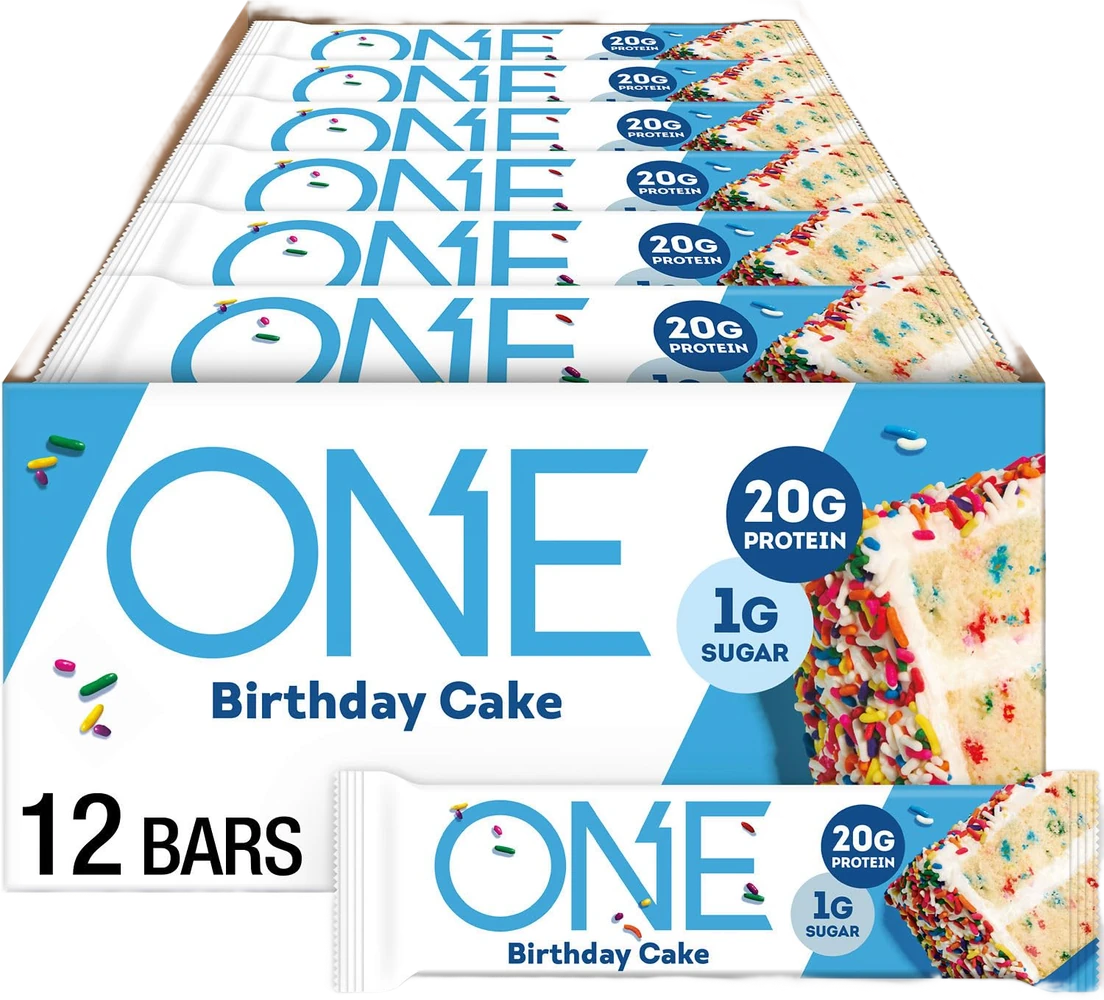
ONE Protein Bar
ONE is the bar to reach for when you want dessert and protein in the same wrapper: 20 grams of complete whey and milk isolate with just 1 gram of sugar, in flavors like Birthday Cake and Maple Glazed Doughnut that genuinely taste like the thing they're named after, with a soft candy-bar chew most bars can't match.
 02
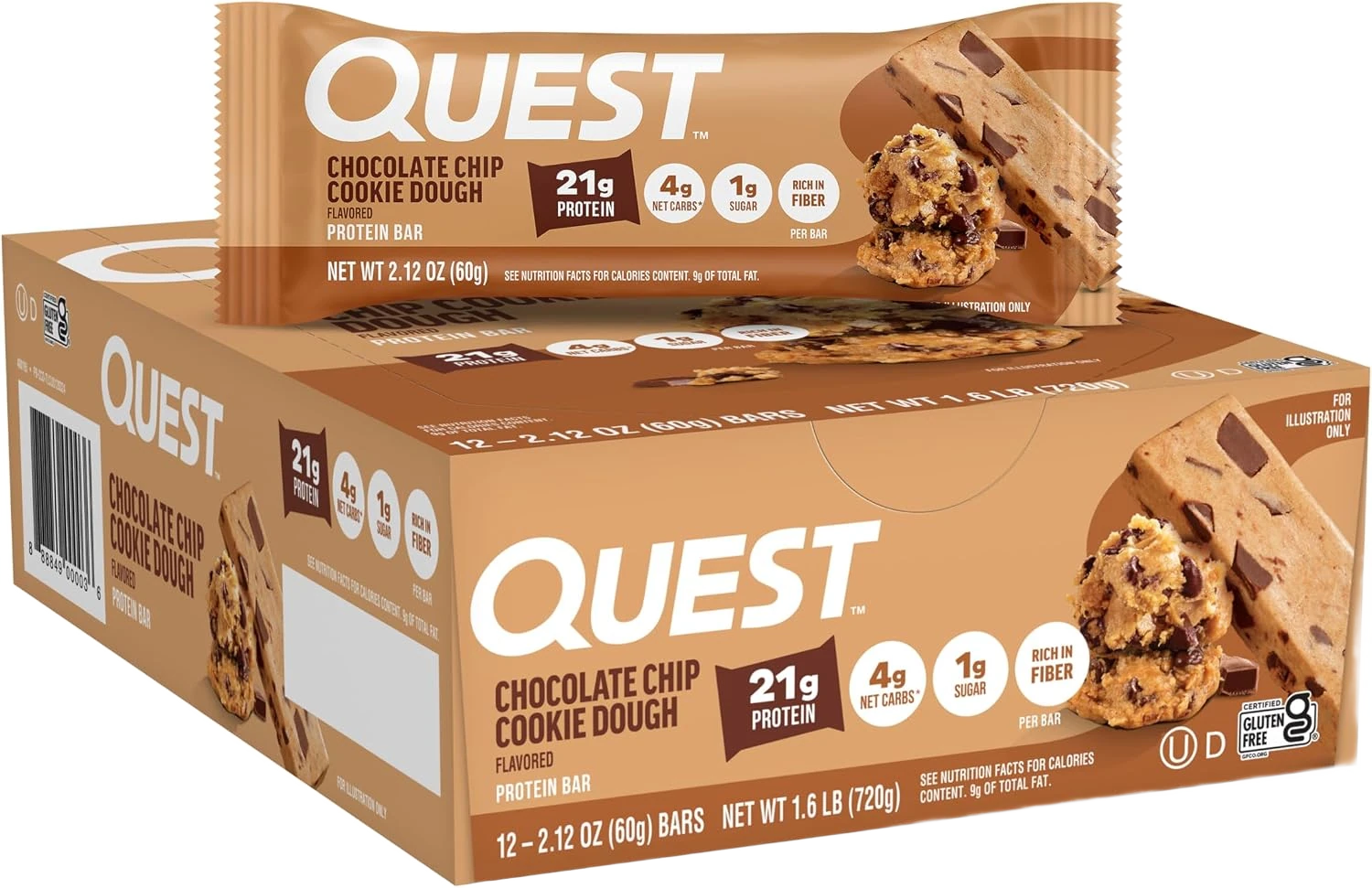
Quest Protein Bar
Quest is the bar most people should default to, and it earns that: 21 grams of genuinely complete protein from whey and milk isolate with no collagen padding, just 1 gram of sugar and 4 grams of net carbs, in flavors you can find at virtually any store.
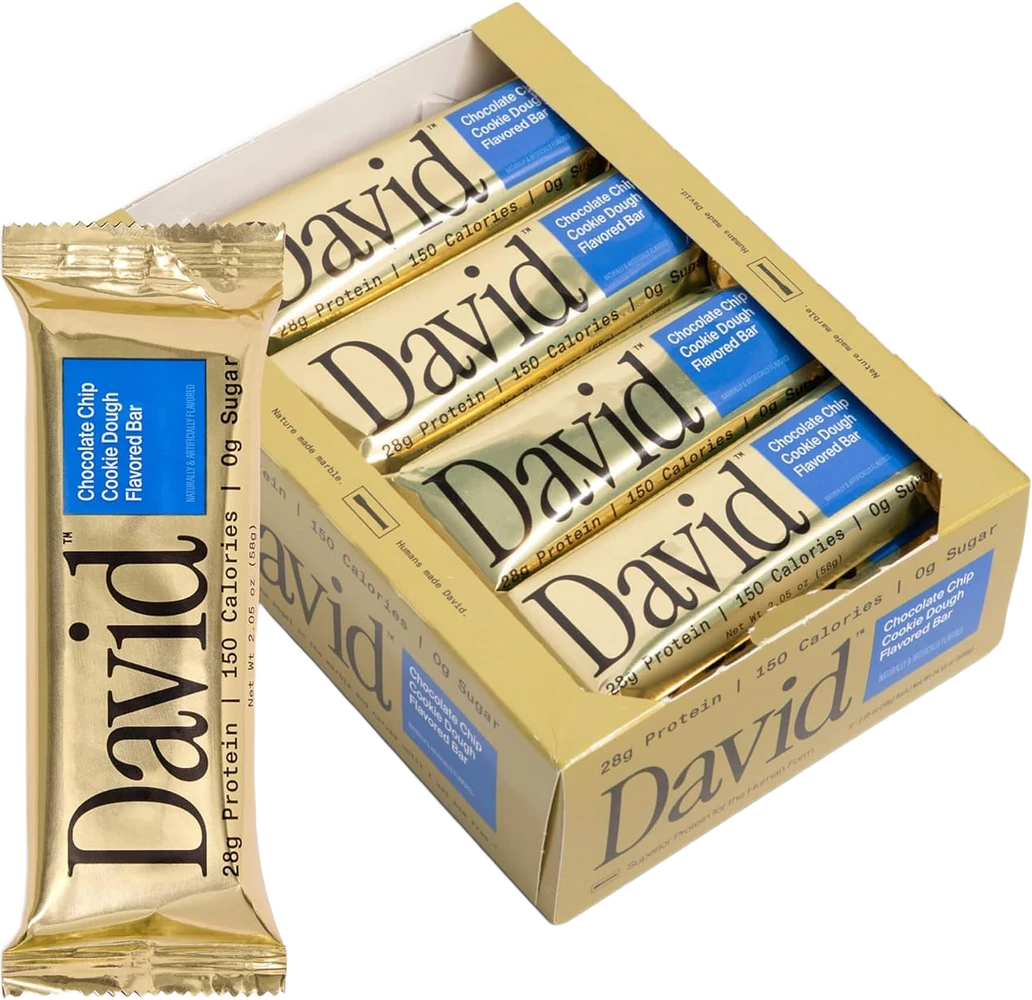 01
David Protein Bar
If your complaint about protein bars is that you're paying for a candy bar with a protein number stapled on, David is the rebuttal: 28 grams of mostly-complete protein for just 150 calories and zero sugar, the best protein-to-calorie ratio of anything in this lineup, from a brand built around an actual science team.
Quick Answers
Is Barebells' 20 g of protein 'real'?
Partly. It comes from milk and soy protein plus bovine collagen, and collagen is an incomplete protein low in leucine — the amino acid that drives muscle protein synthesis. So the 20 g is on the label, but the usable, muscle-relevant protein is lower. The complete-protein bars above it don't have this issue.
Why is it ranked below worse-tasting bars?
Because the ranking weights protein quality highest (35%) and taste lowest (15%). Barebells wins on taste but loses on protein quality due to the collagen padding, so bars like Quest, ONE and Legion — which deliver complete, un-padded protein — score higher overall even if some taste slightly less indulgent.
Will the maltitol bother my stomach?
It might. Barebells uses about 5 g of maltitol, the sugar alcohol most associated with gas and GI distress. One bar is usually fine; a sensitive gut, or eating two, is where problems tend to show up.
So should I buy it or not?
Buy it as a treat — as a zero-added-sugar dessert that happens to carry some protein, it's the best-tasting option here. Don't rely on it as your main protein source; for that, the collagen padding means you'd do better with ONE, Quest or David.
Sources & Further Reading
2 peer-reviewed sources, each linked to PubMed
- [1] Morton 2018 PMID 28698222 — A systematic review, meta-analysis and meta-regression of the effect of protein supplementation on resistance training-induced gains in muscle mass and strength in healthy adults. Muscle gains track total high-quality protein intake. Because collagen is incomplete and low in leucine, a bar whose 20 g is partly collagen contributes less usable protein than the number implies — the basis for docking Barebells on quality.
- [2] Moore 2009 PMID 19056590 — Ingested protein dose response of muscle and albumin protein synthesis after resistance exercise in young men. ~20 g of high-quality protein maximally stimulated MPS — 'high-quality' being the operative term. Collagen-padded grams don't carry the same leucine load, so Barebells' effective dose is below its 20 g label.
Affiliate disclosure: every Amazon link uses our Associates tag (superachieverclub-20). We earn a small commission at no cost to you; it funds independent reviews. We never accept payment to change a ranking.