
Quest Protein Bar, Chocolate Chip Cookie Dough Review
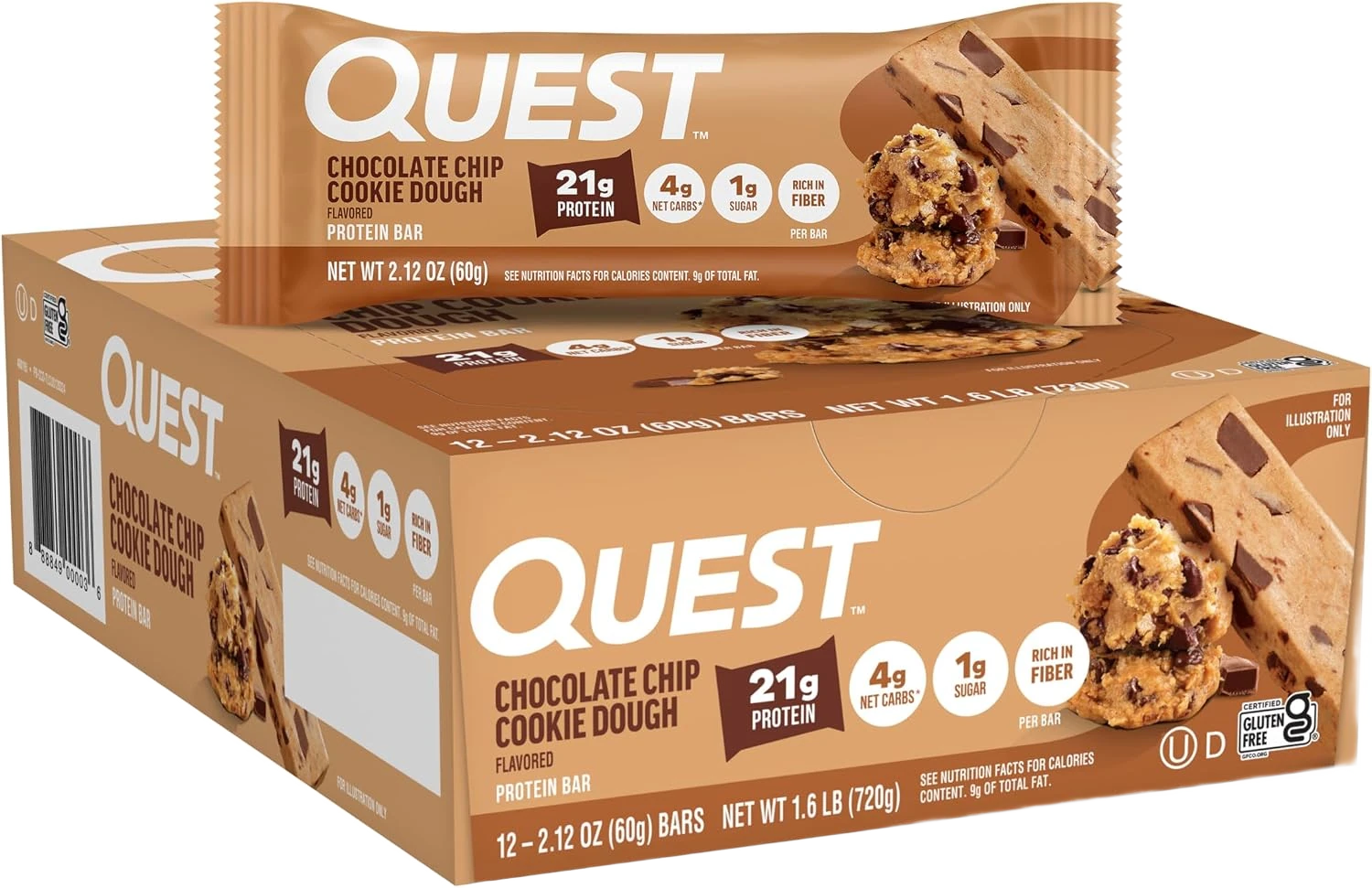 #2 of 8 · Best all-around✓ Label verified · Supplement Facts read Sep 7, 2026
Real retailer photo, cut out. Label unedited.
Buy it. The easiest recommendation in the category — complete protein, low sugar, available everywhere. 21 g of complete whey + milk isolate (no collagen), 1 g sugar, 4 g net carbs, ~$2.10 a bar, in dozens of flavors at any store.
$25 (12-pack)$2.10 / bar
Why It Scores 9.0 — And The Label Line Behind Each Number
Protein quality & amount
35% of score21 g of genuinely complete protein from milk and whey isolate, with no collagen padding of the number — exactly what this axis rewards. It clears the ~20 g that maximally stimulates MPS (Moore 2009). Docked only fractionally against David's higher count.
- Protein
- 21 g (milk protein isolate + whey protein isolate)
Ingredient quality
30% of score1 g sugar and 4 g net carbs, with fiber from soluble corn fiber after Quest reformulated off the much-criticized IMO years ago — a real point in its favor. Uses erythritol (gentler than maltitol) plus sucralose; the sucralose is the only reason it isn't a perfect ingredient story.
Value per gram of protein
20% of score~$2.10/bar for 21 g is about $0.10 per gram — reasonable for the quality and frequently discounted, given how widely it's sold. Still, as with every bar, a tub of whey or whole food beats it per gram, so it earns its price on availability and consistency rather than raw cost.
- Count / price
- 12-count box, ~$25
- Cost per bar
- ~$2.10
Taste & texture
15% of scoreThe strongest taste score here for a low-sugar bar: flavor-accurate across an enormous range, and while the chew is dense, most people find it satisfying rather than chalky. The bar you'll actually keep reaching for.
Source-provenance & label honesty
0% of scoreNon-weighted SAC transparency gate. Honest, no-collagen macros, and Quest is transparent about its move off IMO onto soluble corn fiber — the label matches what's inside. Among the most trustworthy panels in the lineup.
- More Specs
- Sugar
- 1 g (erythritol + stevia + sucralose)
- Calories
- 190
- Protein source
- Complete — dairy isolates, no collagen padding
- Net carbs
- 4 g; fiber from soluble corn fiber (reformulated off IMO years ago)
- Sweeteners
- Erythritol + stevia + sucralose
- Availability
- Sold nationwide in dozens of flavors
Label verified. Every figure read from the Supplement Facts photo, Sep 7, 2026.
Marketing Claims Vs. Reality
21 g of complete protein.
Protein comes from milk and whey isolate — both complete, leucine-rich dairy sources — with no collagen padding. At 21 g it clears the ~20 g that maximally stimulates MPS (Moore 2009), so both the amount and the quality claim hold.
1 g sugar, 4 g net carbs.
The 1 g sugar and 4 g net carb figures are on the panel, and the fiber is soluble corn fiber rather than the more heavily criticized IMO Quest used to run. A legitimately low-sugar macro profile, not a fiber sleight-of-hand.
Reformulated onto cleaner prebiotic fiber.
Quest's move off IMO onto soluble corn fiber years ago is documented brand history and reflected on current panels. It's a genuine improvement over the version that drew the original IMO criticism.
Keto-friendly / low carb.
At 4 g net carbs it fits most low-carb and keto approaches, and that's accurate on paper. The caveat is individual tolerance: soluble corn fiber and erythritol/sucralose affect people differently, so 'keto-friendly' is true for the macros but not a guarantee for every gut.
What Our Test Actually Found
The safest default in the whole category
Complete protein, low sugar, no collagen, sold everywhere, at a fair price — Quest ticks every box that matters without excelling dangerously at any single one. If you want to stop thinking about it and just buy a good bar, this is the one.
The IMO reformulation genuinely matters
Much of the historical criticism of Quest was about IMO fiber behaving more like sugar than the label implied. Moving to soluble corn fiber years ago addressed that, which is why its low-net-carb number is more trustworthy than a bar like ONE that still leans on IMO.
It's not all-natural — and doesn't pretend to be
Sucralose plus erythritol keep it sweet at 1 g sugar. Erythritol is among the gentler sugar alcohols, but if your line is 'no artificial sweeteners,' Legion (#4) is the pick. Quest's trade is availability and consistency for a slightly synthetic deck.
Value is good, not great — because it's still a bar
At ~$0.10 per gram of protein it's mid-pack on cost, cheaper than David or Legion but well above Pure Protein. And a tub of whey beats it per gram every time. Quest justifies its price on being genuinely everywhere and genuinely complete, not on being cheap.
Full analysis: all pros & cons (7), buy if / skip if
- 21 g of genuinely complete protein from whey + milk isolate, no collagen padding
- Just 1 g sugar and 4 g net carbs — a legitimately low-sugar macro profile
- Reformulated off IMO onto soluble corn fiber — a cleaner fiber than many rivals
- Sold everywhere, in dozens of flavors, at a reasonable per-bar price
- Clears the ~20 g per-serving MPS-maximizing dose (Moore 2009)
- Uses sucralose plus erythritol — fine for most, but not 'all-natural'
- Dense, slightly chewy texture that not everyone loves
- You want one reliable, complete-protein bar you can buy anywhere in any flavor
- You want a legitimately low-sugar, low-net-carb macro profile
- You want a sensible price without sacrificing protein quality
- You want an all-natural bar with no artificial sweeteners — it uses sucralose
- You dislike a dense, slightly chewy texture
21 g of complete whey + milk isolate (no collagen), 1 g sugar, 4 g net carbs, ~$2.10 a bar, in dozens of flavors at any store. Reformulated off IMO onto soluble corn fiber. The trade-offs are minor: sucralose plus erythritol (not all-natural) and a dense chew. It clears the ~20 g MPS-maximizing dose (Moore 2009), making it a reliable everyday protein vehicle.
Quest is the bar most people should simply default to, and it earns that status. It delivers 21 grams of genuinely complete protein from whey and milk isolate with no collagen padding, just 1 gram of sugar and 4 grams of net carbs, in flavors you can find at virtually any store. It quietly reformulated off the much-criticized IMO fiber years ago onto soluble corn fiber, so the macro story holds up better than most of its low-sugar rivals. It does lean on sucralose and erythritol, so it isn't an all-natural pick, and the texture is on the dense, chewy side. But for a complete-protein, low-sugar bar that's affordable and available everywhere, it's the easiest recommendation in the category.
The bar most people should buy — complete protein, low sugar, everywhere, no drama.

Quest earns 'best all-around' by being excellent at the things that matter and mediocre at nothing: 21 grams of genuinely complete protein with no collagen padding, 1 gram of sugar, 4 grams of net carbs, and a taste and flavor range that keep it in your bag. It reformulated off the criticized IMO fiber years ago, so its low-carb number holds up better than most low-sugar rivals. It isn't all-natural and the texture is dense, but for an affordable, available, complete-protein bar you can recommend to almost anyone, nothing else here is easier to reach for.
If This Doesn’t Fit — Try These
 01
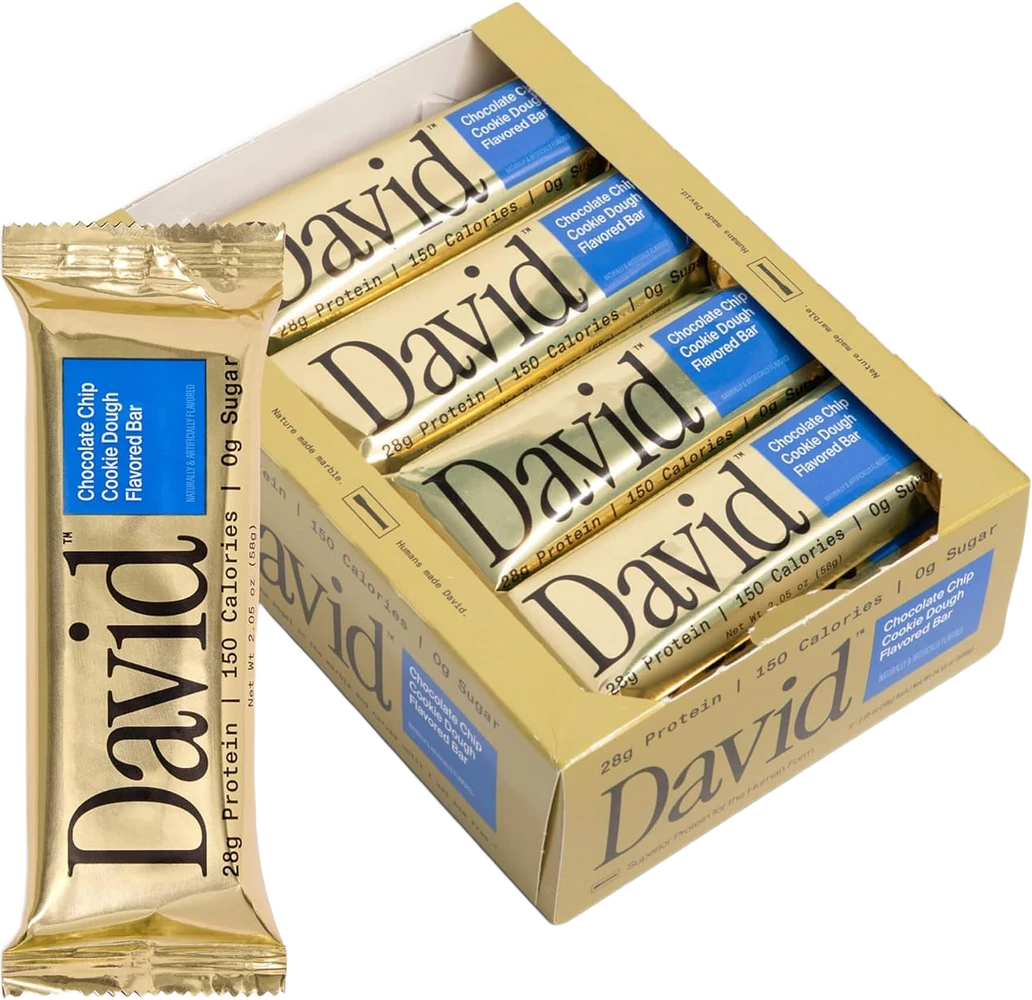
David Protein Bar
If your complaint about protein bars is that you're paying for a candy bar with a protein number stapled on, David is the rebuttal: 28 grams of mostly-complete protein for just 150 calories and zero sugar, the best protein-to-calorie ratio of anything in this lineup, from a brand built around an actual science team.
 03
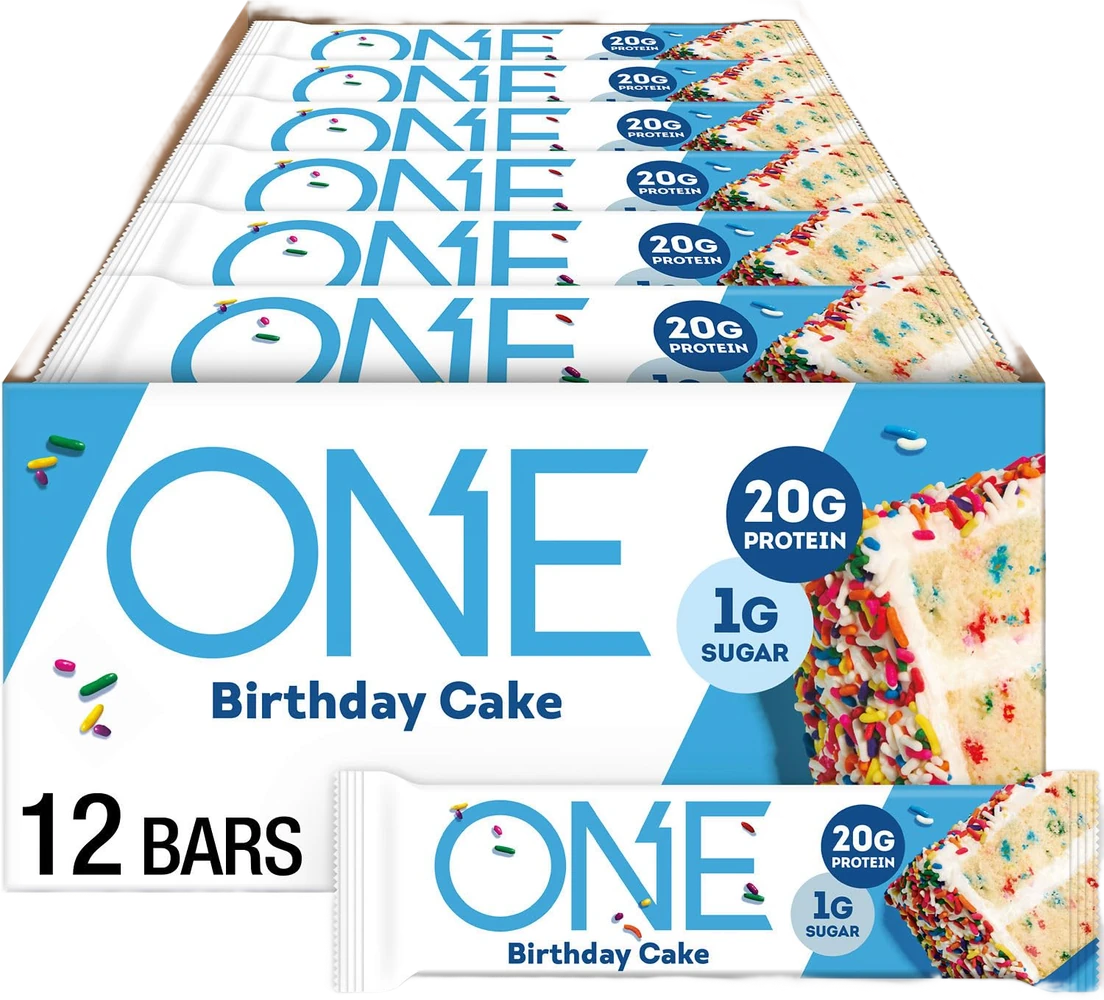
ONE Protein Bar
ONE is the bar to reach for when you want dessert and protein in the same wrapper: 20 grams of complete whey and milk isolate with just 1 gram of sugar, in flavors like Birthday Cake and Maple Glazed Doughnut that genuinely taste like the thing they're named after, with a soft candy-bar chew most bars can't match.
 04
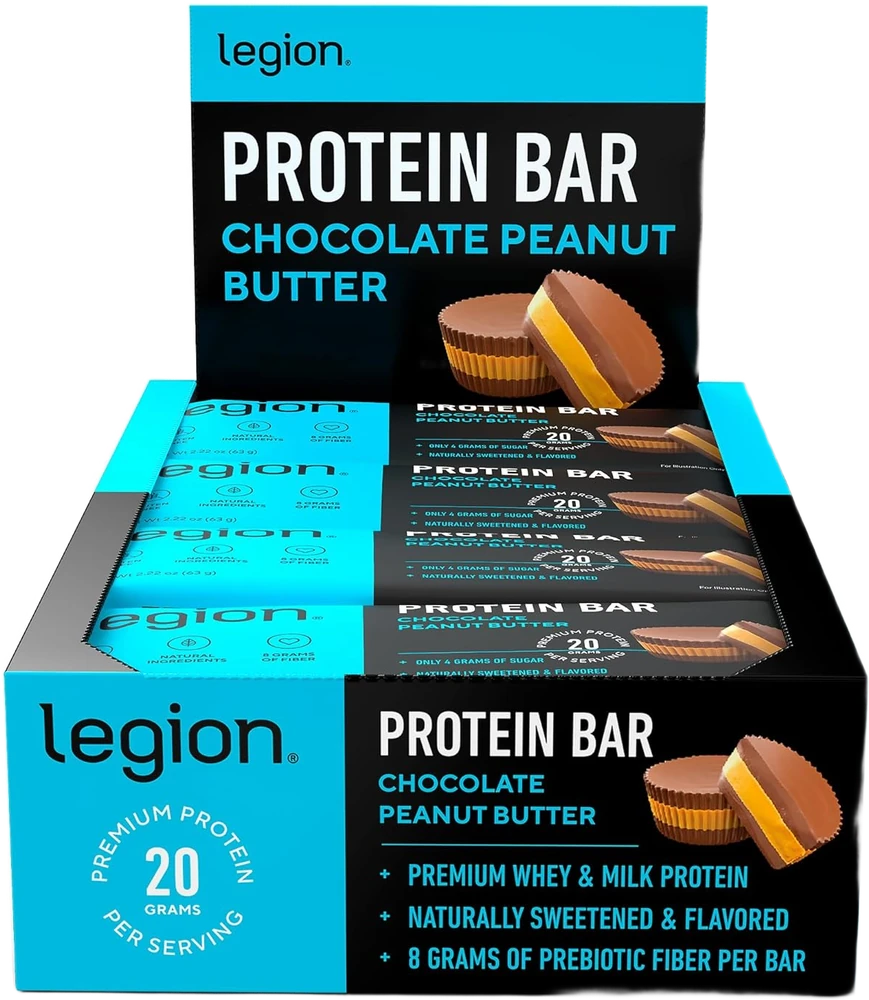
Legion Protein Bar
Legion is the pick for anyone who wants their 20 grams of protein without the artificial-sweetener-and-dye chemistry set: a complete whey and milk blend sweetened only with stevia, allulose and monk fruit, built on real chicory-root prebiotic fiber, and third-party tested by Labdoor.
Quick Answers
Is Quest actually low in sugar, or is that a fiber trick?
It's genuinely low. The 1 g sugar and 4 g net carbs are real, and importantly Quest reformulated off IMO — the fiber that behaves more like sugar than its label suggests — onto soluble corn fiber years ago. That makes its low-carb number more trustworthy than rivals still using IMO.
Is the whole 21 g real, usable protein?
Yes. It comes from milk and whey isolate, both complete, leucine-rich dairy proteins, with no collagen padding. At 21 g it sits right at the dose that maximally stimulates muscle protein synthesis (Moore 2009).
It uses sucralose — is that a problem?
For most people, no. Quest uses sucralose plus erythritol to stay at 1 g sugar. If you specifically want to avoid artificial sweeteners, Legion (#4) is naturally sweetened with stevia, allulose and monk fruit instead. Quest's trade is that it's everywhere and cheaper.
Why isn't Quest ranked #2?
David edges it on pure macro — 28 g for 150 calories versus Quest's 21 g for 190. But for most people Quest is the more sensible everyday buy: complete protein, low sugar, half the price, and available at any store. It's #2 on the numbers and arguably #1 on practicality.
Sources & Further Reading
3 peer-reviewed sources, each linked to PubMed
- [1] Moore 2009 PMID 19056590 — Ingested protein dose response of muscle and albumin protein synthesis after resistance exercise in young men. ~20 g of high-quality protein maximally stimulated MPS after resistance exercise. Quest's 21 g of complete dairy isolate lands right at that dose, making it an efficient single-feeding protein vehicle.
- [2] Morton 2018 PMID 28698222 — A systematic review, meta-analysis and meta-regression of the effect of protein supplementation on resistance training-induced gains in muscle mass and strength in healthy adults. Total daily protein (~1.6-2.2 g/kg/day) drives resistance-training gains. A 21 g Quest bar is one convenient contribution toward that total, not a standalone muscle-builder.
- [3] Schoenfeld 2013 PMID 24299050 — The effect of protein timing on muscle strength and hypertrophy: a meta-analysis. The apparent benefit of protein 'timing' disappeared once total daily intake was controlled. When you eat a Quest bar matters far less than whether it helps you hit your daily protein target.
Affiliate disclosure: every Amazon link uses our Associates tag (superachieverclub-20). We earn a small commission at no cost to you; it funds independent reviews. We never accept payment to change a ranking.