
Legion Protein Bar, Chocolate Peanut Butter Review
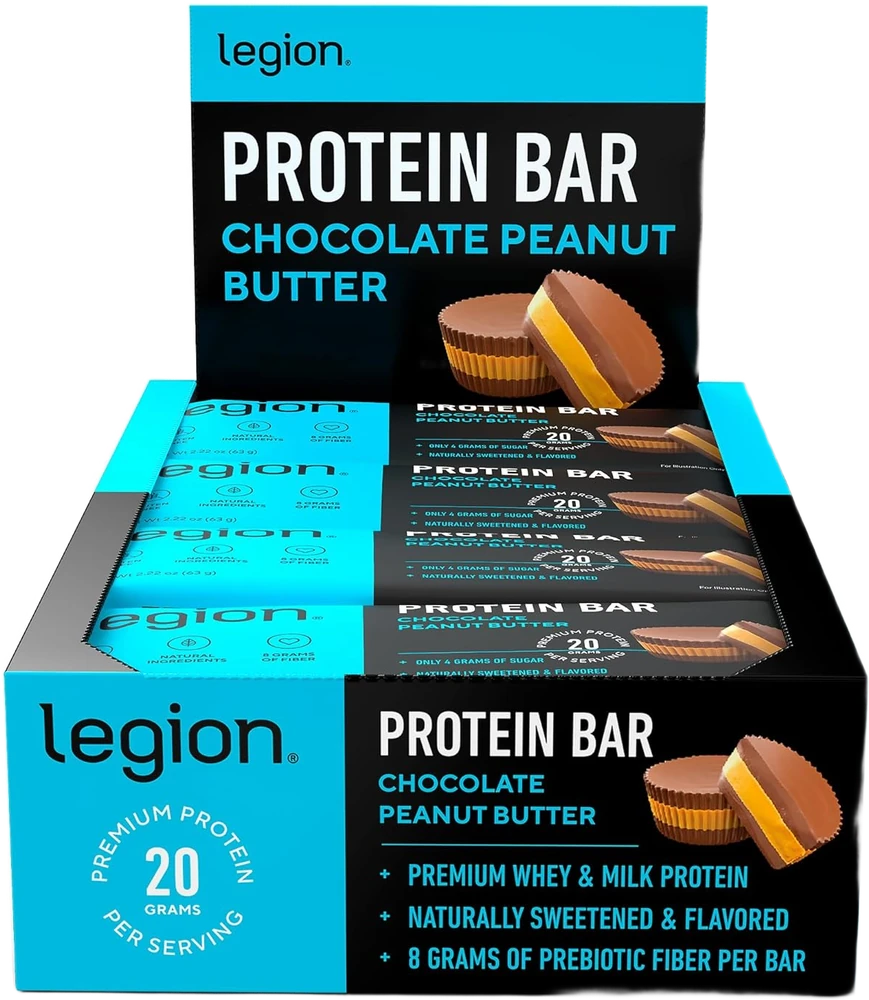 #4 of 8 · Best all-natural✓ Label verified · Supplement Facts read Sep 7, 2026
Real retailer photo, cut out. Label unedited.
Buy it. The no-junk, naturally-sweetened complete-protein bar — clean panel, premium price. 20 g of complete whey/milk protein (no collagen), ~3 g sugar from stevia, allulose and monk fruit, no artificial sweeteners, dyes or fillers, real chicory-root prebiotic fiber, and third-party tested by Labdoor.
$38 (12-pack)$3.17 / bar
Why It Scores 8.5 — And The Label Line Behind Each Number
Protein quality & amount
35% of score20 g from a complete whey concentrate + milk isolate + whey isolate blend with no collagen padding — real, leucine-rich protein that clears the ~20 g MPS-maximizing dose (Moore 2009). Docked slightly against the higher-count leaders on amount, but the quality is top-tier.
- Protein
- 20 g (whey concentrate + milk protein isolate + whey isolate)
- Testing
- Third-party tested (Labdoor); no artificial dyes or flavors
Ingredient quality
30% of scoreThe cleanest deck in the lineup: ~3 g sugar from stevia, allulose and monk fruit, zero artificial sweeteners or dyes, real chicory-root prebiotic fiber, and Labdoor third-party testing. This is exactly what this axis rewards, and only the tiny sugar count keeps it off a perfect mark.
Value per gram of protein
20% of score~$3.17/bar for 20 g is about $0.16 per gram — a premium, and the lowest value score among the top picks. You pay for the clean, naturally-sweetened, third-party-tested formulation; on raw cost, powder and whole food win as always.
- Count / price
- 12-count box, ~$38 (~$3.17/bar)
Taste & texture
15% of scoreChocolate Peanut Butter is a solid, satisfying flavor, but at ~250 calories and 11 g fat it eats richer and denser — more of a real snack than the airy candy-bar treats above it. Good, not category-leading, on taste.
Source-provenance & label honesty
0% of scoreNon-weighted SAC transparency gate — Legion tops it. Third-party Labdoor testing, no artificial anything, no collagen padding, and a naturally-sweetened panel that matches its marketing. Note per SAC policy: Labdoor is independent testing, not peer-reviewed evidence, but it's a genuine, verifiable transparency credential.
- More Specs
- Sugar
- ~3 g (stevia + allulose + monk fruit; no artificial sweeteners)
- Calories
- ~250
- Fat
- ~11 g
- Protein source
- Complete — whey/milk blend, no collagen padding
- Fiber
- Prebiotic fiber from chicory root + tapioca
Label verified. Every figure read from the Supplement Facts photo, Sep 7, 2026.
Marketing Claims Vs. Reality
No artificial sweeteners, dyes, or fillers.
The panel is sweetened with stevia, allulose and monk fruit, with no artificial sweeteners or dyes — a genuinely clean deck, rare in this category, and consistent with the marketing.
Naturally sweetened.
Stevia, allulose and monk fruit are all non-artificial sweeteners, and at ~3 g sugar the bar is legitimately low-sugar without leaning on sucralose or heavy maltitol. The claim is accurate.
Third-party tested (Labdoor).
Labdoor testing is a verifiable, independent credential — a real transparency signal. Per SAC source-provenance policy we note it's third-party product testing, not peer-reviewed research, but as a testing claim it holds.
20 g of high-quality complete protein.
The whey/milk blend is complete and leucine-rich with no collagen padding, and 20 g clears the ~20 g MPS-maximizing dose (Moore 2009). Both the quality and amount claims check out.
What Our Test Actually Found
The cleanest panel in the lineup
No artificial sweeteners, no dyes, no fillers, no collagen padding, and real chicory-root prebiotic fiber instead of IMO. If your objection to protein bars is the chemistry set on the back, Legion is the direct answer — and it's third-party tested to back it up.
It eats like a snack, not a diet treat
At ~250 calories with 11 g of fat, Legion is the most calorie-dense bar among the top picks. That's a feature if you want a satisfying real-food-style snack, and a drawback if you're chasing a low-calorie treat — for that, David or Built do far more per calorie.
The premium is real — and it's for the formulation
At ~$3.17 a bar it's near the top of the price range, and per gram of protein it's the priciest of the leaders. You're paying for the clean, naturally-sweetened, Labdoor-tested deck rather than for more protein; Quest gives you the same completeness for a dollar less.
Labdoor testing is a credential, not proof of superiority
Third-party testing verifies that what's on the label is in the bar, which is a genuine trust signal most rivals lack. But per SAC policy it isn't peer-reviewed evidence that the bar builds more muscle — total daily protein still does that (Morton 2018).
Full analysis: all pros & cons (7), buy if / skip if
- 20 g of complete whey/milk protein with zero artificial sweeteners, dyes, or fillers
- Naturally sweetened with stevia, allulose, and monk fruit; real prebiotic fiber
- Third-party tested (Labdoor) — a transparent, no-junk formulation
- No collagen padding — the full 20 g is complete, usable protein
- Clears the ~20 g per-serving MPS-maximizing dose (Moore 2009)
- Premium price at roughly $3.17 per bar
- ~250 calories and ~11 g fat make it more of a snack than a low-cal treat
- You want zero artificial sweeteners, dyes or fillers on the panel
- You want a complete 20 g of protein with no collagen padding
- You value third-party testing (Labdoor) and a transparent formulation
- You want a low-calorie treat — at ~250 cal and 11 g fat it eats like a snack
- You're price-sensitive — at ~$3.17 a bar it's among the priciest here
20 g of complete whey/milk protein (no collagen), ~3 g sugar from stevia, allulose and monk fruit, no artificial sweeteners, dyes or fillers, real chicory-root prebiotic fiber, and third-party tested by Labdoor. The trade-offs: ~$3.17 a bar and ~250 calories with 11 g fat, so it's more snack than treat. It clears the ~20 g MPS dose (Moore 2009) with the cleanest deck here.
Legion is the pick for anyone who wants their 20 grams of protein without the artificial-sweetener-and-dye chemistry set. It's a complete whey and milk blend sweetened only with stevia, allulose and monk fruit, built on real chicory-root prebiotic fiber, with no collagen padding and nothing artificial on the panel — a genuinely rare combination in this category. It's also third-party tested by Labdoor, which is a testing credential rather than peer-reviewed proof, but a real transparency signal. The trade-offs are straightforward: it's a premium bar at around $3.17, and at roughly 250 calories with 11 grams of fat it eats more like a real snack than a diet treat. For a clean, naturally-sweetened, complete-protein bar, it's the best of the bunch.
The clean-panel pick — the best bar if you want no artificial anything.

Legion is for the buyer who wants 20 grams of complete protein without the artificial-sweetener-and-dye chemistry set: a whey and milk blend sweetened only with stevia, allulose and monk fruit, built on real chicory-root prebiotic fiber, with no collagen padding and Labdoor third-party testing behind it. The trade-offs are honest — it's a premium bar at around $3.17, and at ~250 calories with 11 grams of fat it eats more like a real snack than a diet treat. For a clean, naturally-sweetened, complete-protein bar, nothing here does it better.
If This Doesn’t Fit — Try These
 02
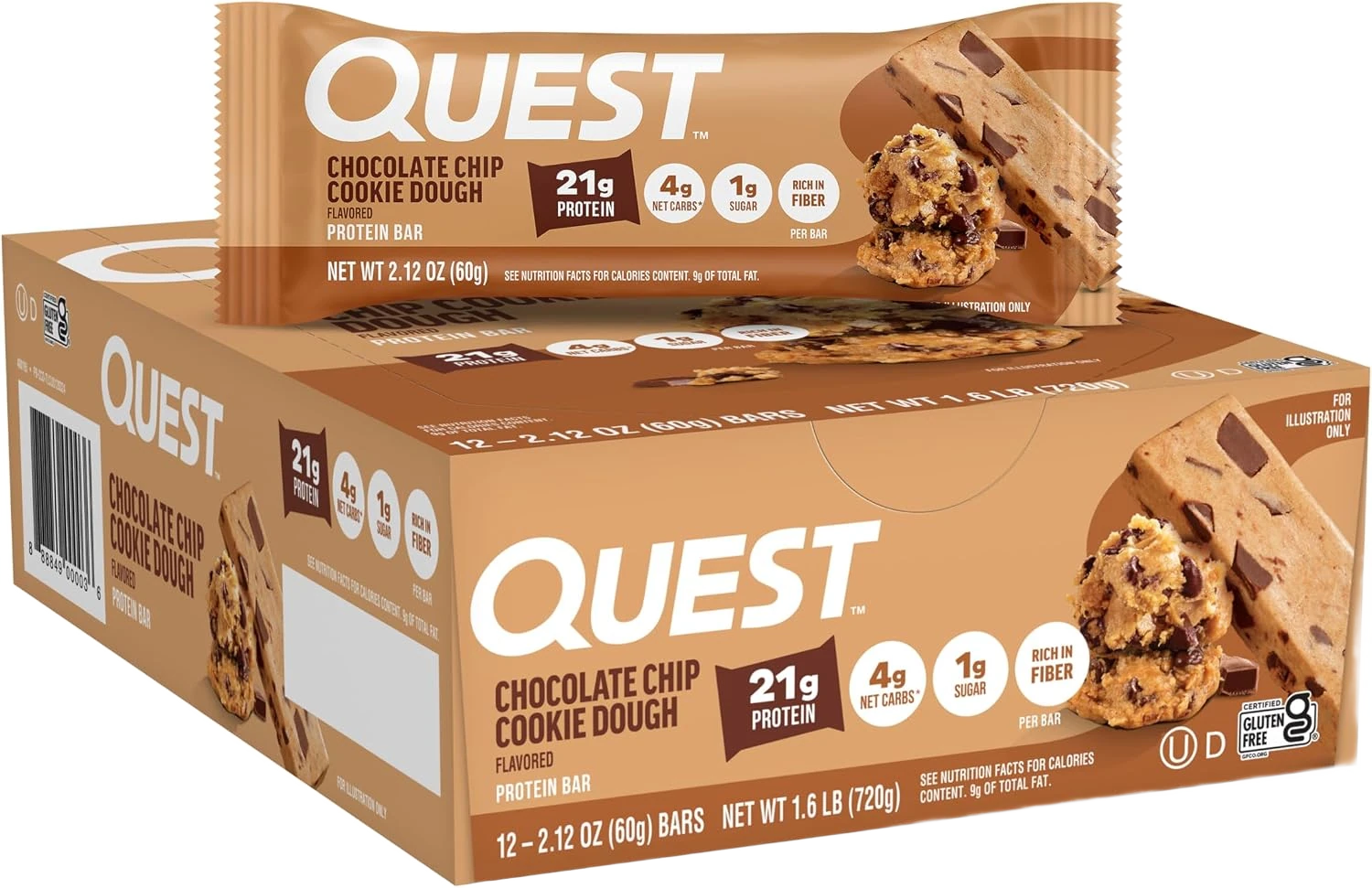
Quest Protein Bar
Quest is the bar most people should default to, and it earns that: 21 grams of genuinely complete protein from whey and milk isolate with no collagen padding, just 1 gram of sugar and 4 grams of net carbs, in flavors you can find at virtually any store.
 01
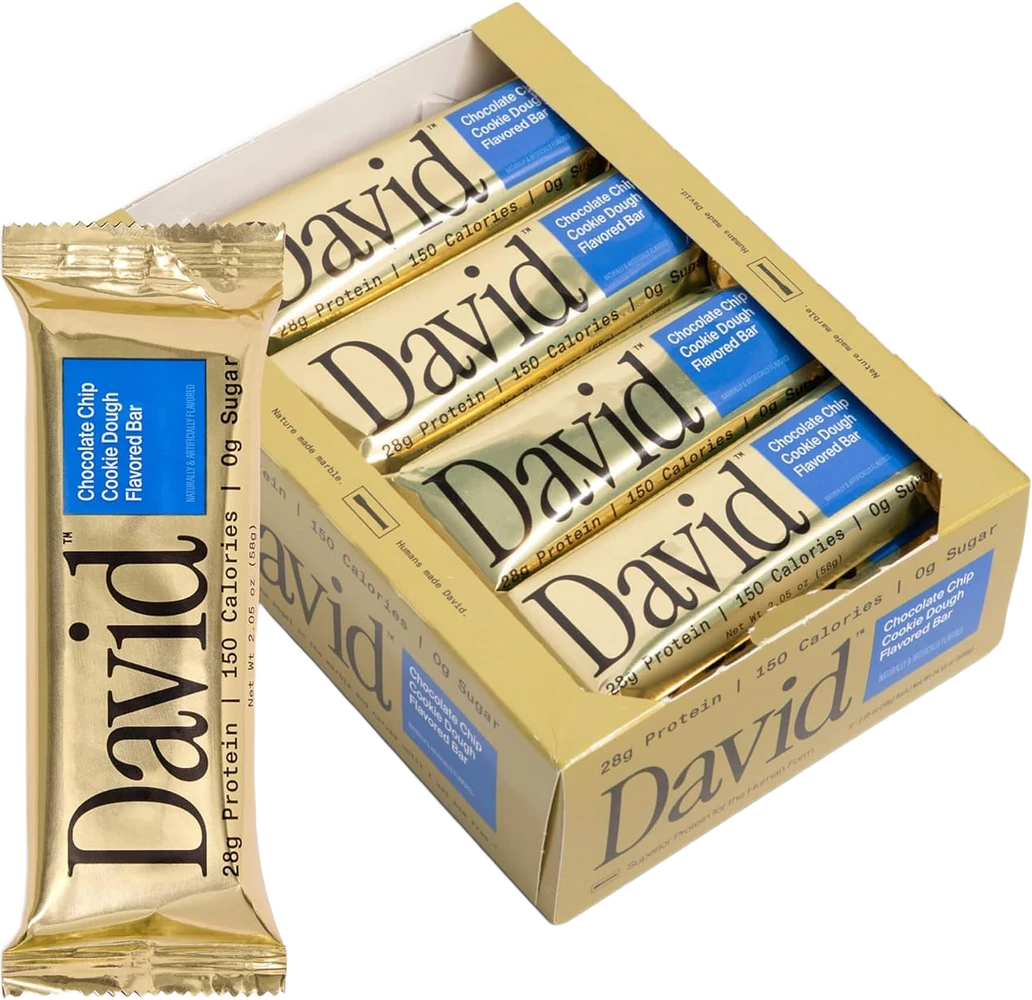
David Protein Bar
If your complaint about protein bars is that you're paying for a candy bar with a protein number stapled on, David is the rebuttal: 28 grams of mostly-complete protein for just 150 calories and zero sugar, the best protein-to-calorie ratio of anything in this lineup, from a brand built around an actual science team.
 06
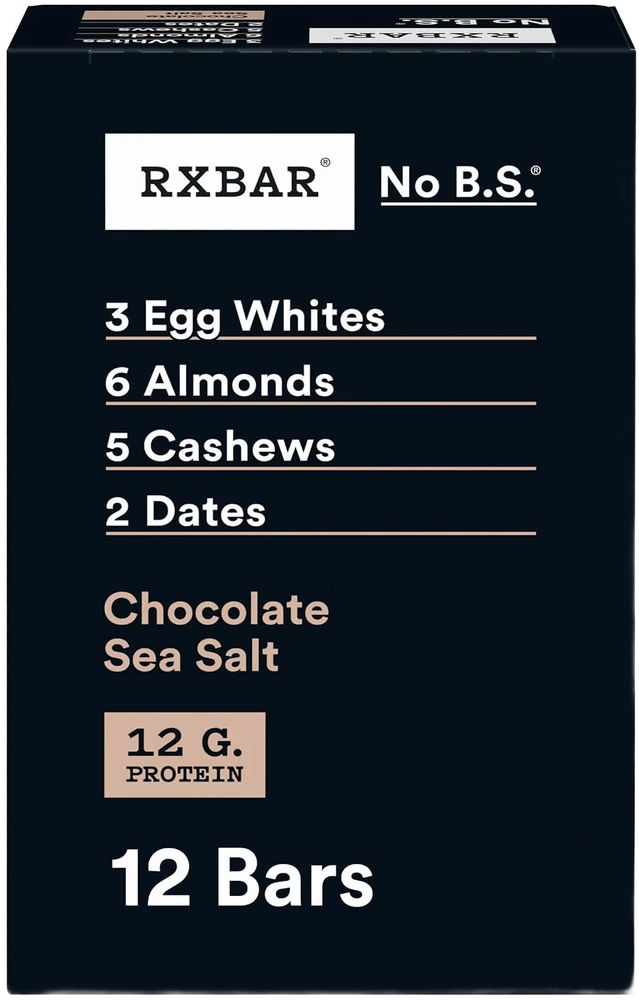
RXBAR Chocolate Sea Salt
RXBAR is the pick for anyone who'd rather eat food than chemistry: a five-ingredient bar of egg whites, dates, nuts, cocoa and sea salt, with no sugar alcohols, no artificial sweeteners and no IMO fiber — which also means none of the GI baggage that comes with them.
Quick Answers
What makes Legion 'all-natural' when other bars aren't?
It's sweetened with stevia, allulose and monk fruit instead of sucralose, uses real chicory-root prebiotic fiber instead of IMO, and carries no artificial dyes, flavors or collagen fillers. Most bars here rely on at least one of those; Legion avoids all of them, and Labdoor tests to confirm the label.
Why does it have more calories than Quest or David?
Because it's less processed and carries real fat — about 11 g, versus the stripped-down, sugar-alcohol-heavy formulas that keep David at 150 calories. At ~250 calories Legion eats like a genuine snack. That's the trade for a clean, naturally-sweetened deck.
Is Labdoor testing the same as peer-reviewed proof?
No, and we're careful about that. Labdoor is independent third-party product testing that verifies what's on the label is actually in the bar — a real trust signal most rivals lack. It is not peer-reviewed research showing the bar builds more muscle; total daily protein does that.
Is it worth the premium over Quest?
If avoiding artificial sweeteners and dyes matters to you, yes — Legion gives you the same complete 20 g with a far cleaner panel and third-party testing. If you just want complete protein at low sugar and don't mind sucralose, Quest is a dollar cheaper and does the core job just as well.
Sources & Further Reading
3 peer-reviewed sources, each linked to PubMed
- [1] Morton 2018 PMID 28698222 — A systematic review, meta-analysis and meta-regression of the effect of protein supplementation on resistance training-induced gains in muscle mass and strength in healthy adults. Total daily protein (~1.6-2.2 g/kg/day) drives resistance-training gains, and supplemental protein helps only insofar as it raises that total. Legion's clean 20 g is one convenient contribution, not a muscle-builder in itself.
- [2] Moore 2009 PMID 19056590 — Ingested protein dose response of muscle and albumin protein synthesis after resistance exercise in young men. ~20 g of high-quality protein maximally stimulated MPS. Legion's complete 20 g whey/milk blend lands right at that dose.
- [3] Schoenfeld 2018 PMID 29497353 — How much protein can the body use in a single meal for muscle-building? Implications for daily protein distribution. Aim for ~0.4 g/kg per meal across ≥4 meals to reach ≥1.6 g/kg/day. A clean 20 g Legion bar covers one distributed feeding toward that total.
Affiliate disclosure: every Amazon link uses our Associates tag (superachieverclub-20). We earn a small commission at no cost to you; it funds independent reviews. We never accept payment to change a ranking.