
Top 8 Best Meal Replacement Shakes for Weight Loss (2026)
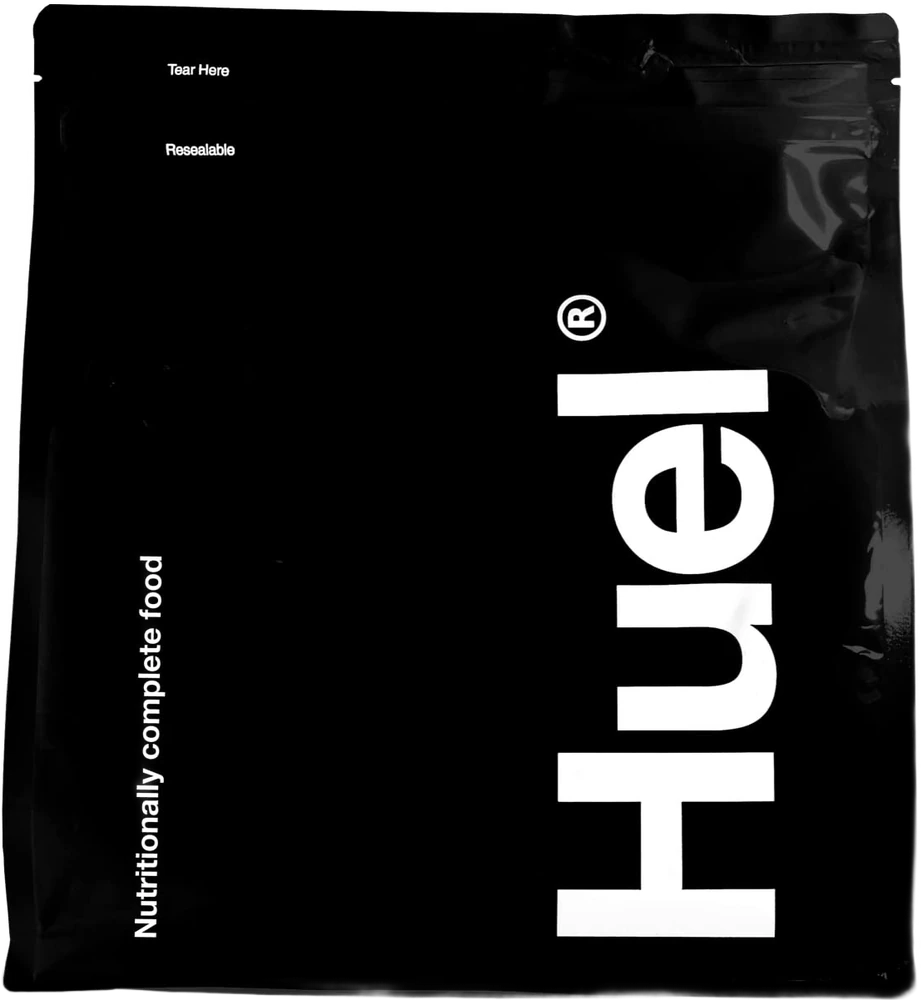 01 · Best overall✓ Label verified · Supplement Facts read Sep 7, 2026
Best overall: Huel Black Edition Meal Replacement Powder
The most complete, highest-protein, lowest-sugar full-meal replacement here — 40 g of protein and 8 g of fiber per meal, nutritionally complete and low-carb. The safest default when you actually want to replace a meal and hold a deficit.
Premium — but a fair cost per full mealPremium per serving; fair per complete meal (34 scoops/bag)
Why it wins: all four scores, pros & cons, full label
- Highest protein on the list (40 g) plus 8 g fiber — the best satiety per calorie here
- Nutritionally complete, low sugar (~1 g) and lower-carb — genuinely engineered to replace a meal
- Whole-food base (oats, peas, flax, MCTs) with 27 vitamins and minerals
- Vegan, gluten-free; a true full-meal swap, not a thin protein top-up
- Premium price, and the powdered/whole-food texture is thicker than a dessert-style shake
- At ~400 kcal it's a full meal — you must replace a meal with it, not add it on, or it adds calories
- Protein
- 40 g vegan protein per serving
- Sugar / fiber
- ~1 g sugar; 8 g fiber per serving
- Nutrition
- Nutritionally complete; 27 vitamins & minerals; lower-carb
- Calories
- ~400 kcal — built to fully replace a meal

Our take — If you want one meal replacement and you want it to do the actual job — stand in for a full meal and make a calorie deficit easy — Huel Black Edition is the best-made option here, and that's why it's #1. With 40 g of protein and 8 g of fiber in a nutritionally complete, low-sugar, lower-carb formula, it's the most filling shake per calorie on the list, and it's engineered to be a meal rather than a supplement. Two honest caveats keep it grounded: it's a premium price, and the whole-food texture is thicker and earthier than a sweet dessert shake (worth knowing if taste is your top priority). And remember the rule that applies to every pick here: it's a ~400-calorie meal, so it helps weight loss only when you replace a meal with it, not when you add it on. Used that way, it's the closest thing to a foolproof, deficit-friendly meal in a bag.
 02
02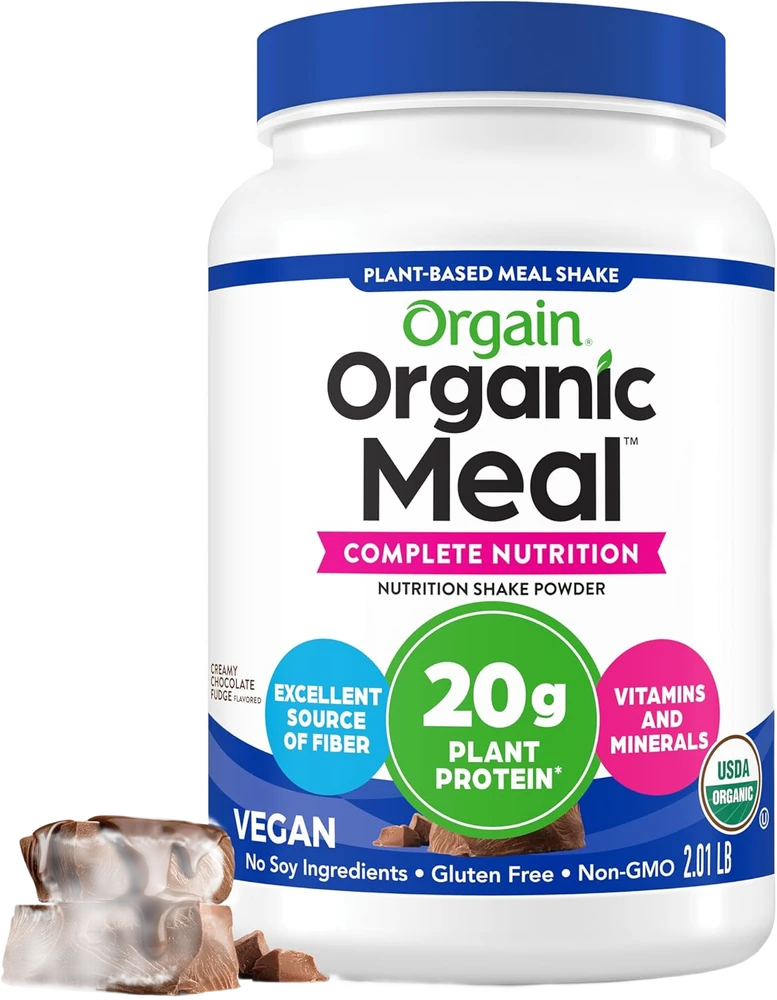 03
03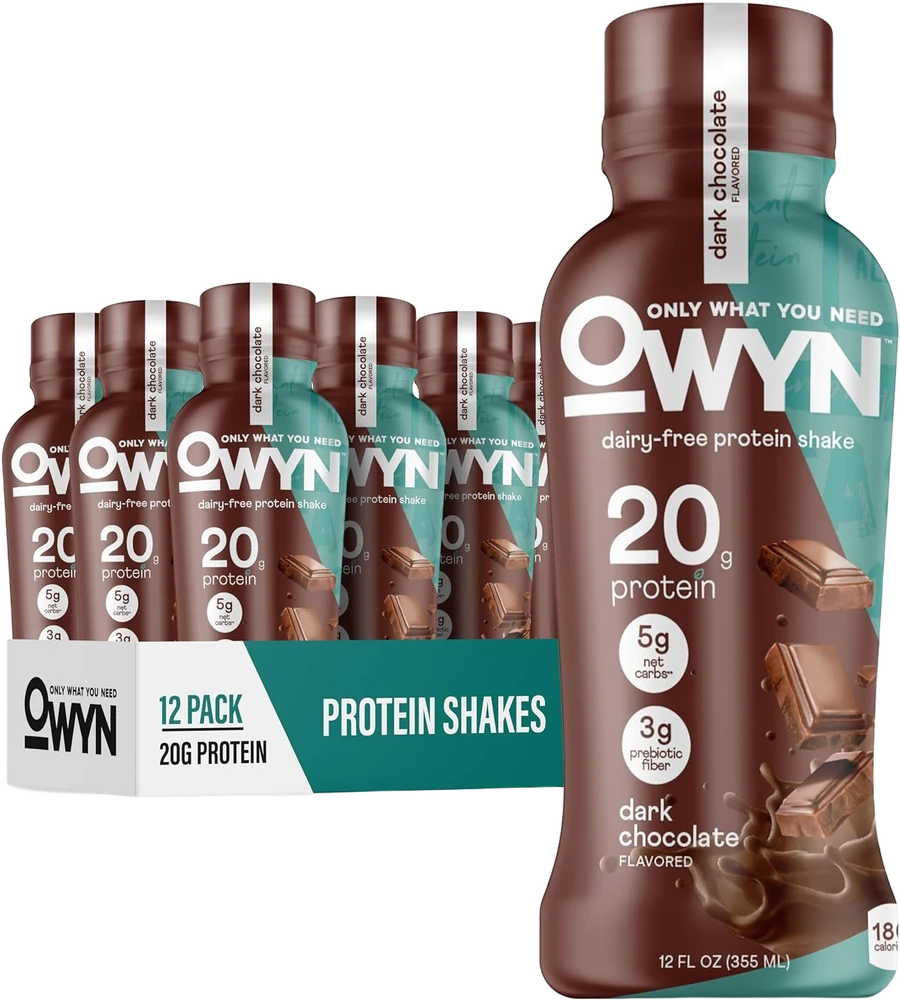 04
04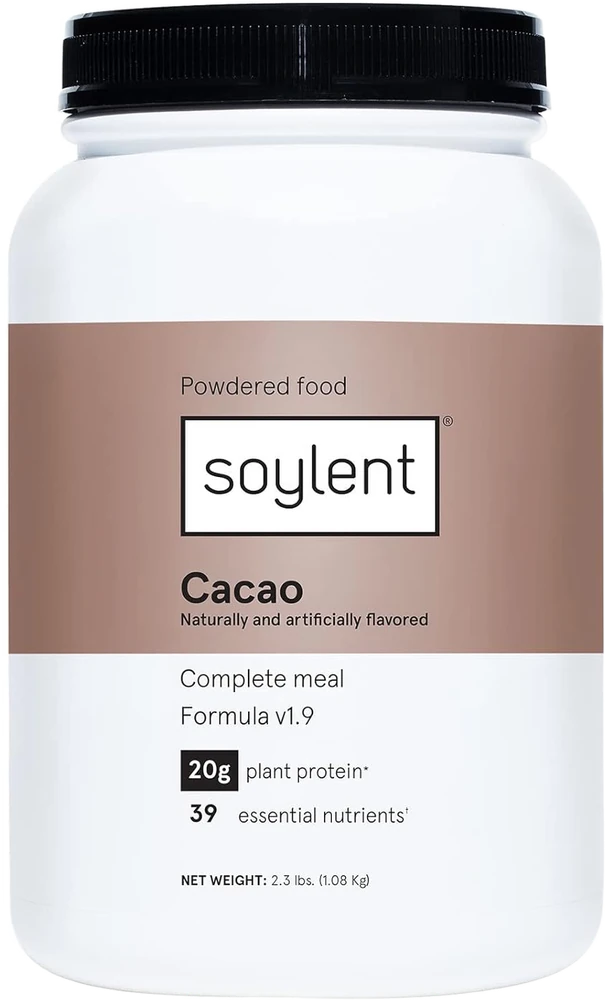 05
05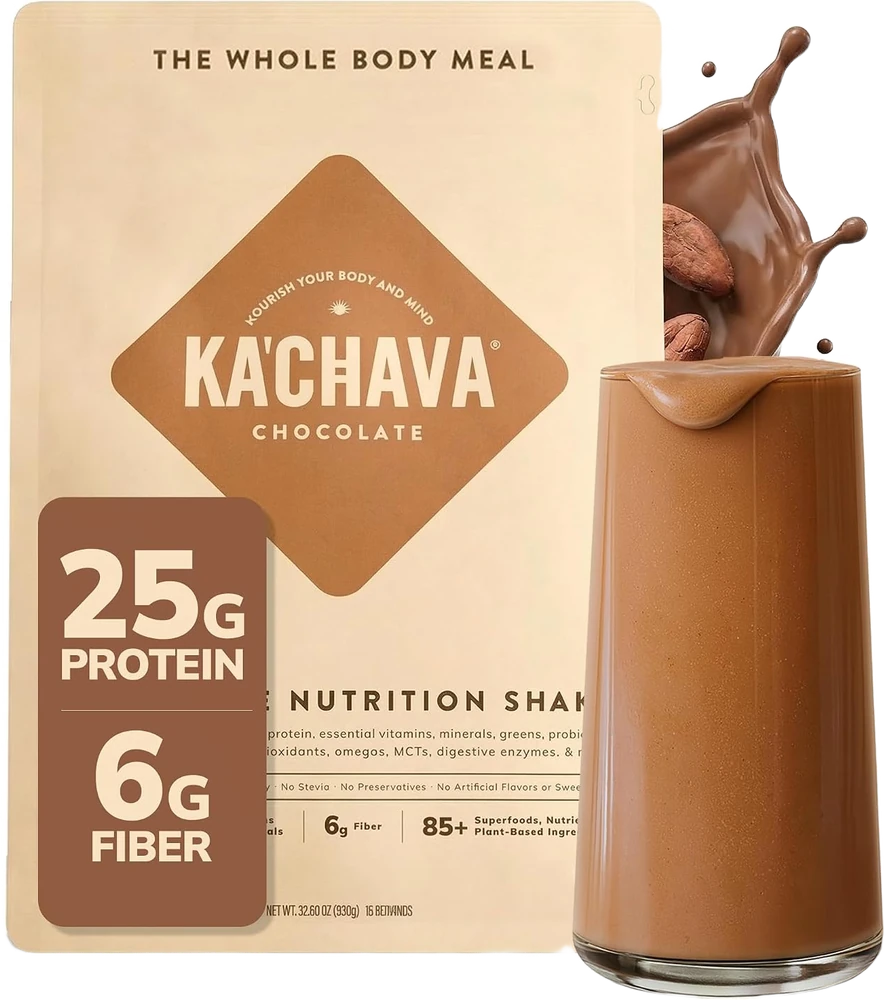 06
06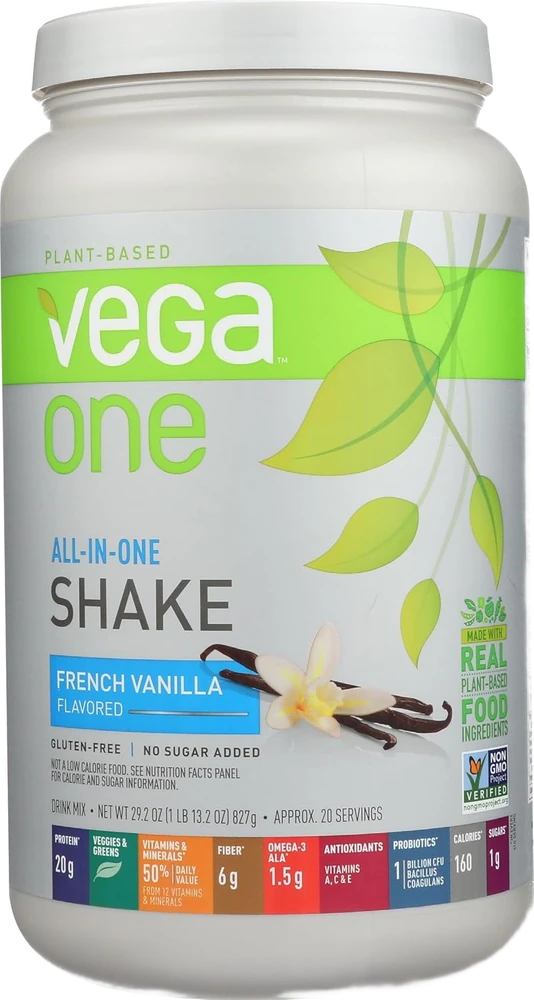 07
07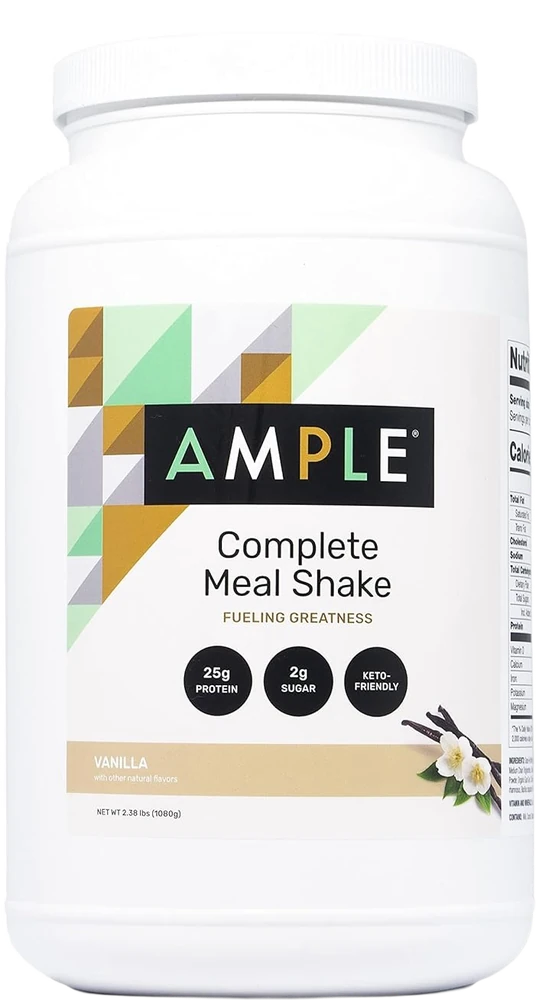 08
08Who Wins Which Aspect
Sorted by overall SAC Product Score™ — the official ranking.
| # | Pick | Score | Nutrition35% | Satiety25% | Value (cost per serving)20% | Taste & mixability (rep)20% | Buy |
|---|---|---|---|---|---|---|---|
| 01 | | 9.0 | 9.41 | 9.31 | 8.42 | 8.63 | Check price |
| Highest protein on the list (40 g) plus 8 g fiber — the best satiety per calorie herePremium price, and the powdered/whole-food texture is thicker than a dessert-style shake | |||||||
| 02 | | 8.7 | 9.22 | 9.02 | 8.23 | 8.0 | Check price |
| USDA Organic, Non-GMO, raw and sprouted whole-food base — the cleanest label on the listThe raw, organic plant base is grittier and earthier than dessert-style shakes (texture divides reviews) | |||||||
| 03 | | 8.6 | 8.73 | 8.83 | 8.81 | 8.0 | Check price |
| USDA Organic and widely stocked at the lowest cost per serving of the powders hereUses erythritol/stevia for sweetness, which a few people taste or find causes mild GI upset | |||||||
| 04 | | 8.4 | 8.6 | 8.4 | 7.8 | 8.82 | Check price |
| Ready-to-drink convenience — the format you're most likely to actually use on a busy dayCosts more per serving than any powder here — you pay for the convenience and the bottle | |||||||
| 05 | | 8.1 | 8.1 | 8.0 | 8.0 | 8.2 | Check price |
| Nutritionally complete with 39 essential nutrients and a deliberately balanced macro splitHighly engineered/processed feel — fewer whole-food or organic credentials than the picks above | |||||||
| 06 | | 7.9 | 8.0 | 7.8 | 6.8 | 9.21 | Check price |
| 25 g plant protein plus an 85+ superfood blend (greens, adaptogens, probiotics, enzymes)Easily the most expensive per serving on this list — value is its clear weak point | |||||||
| 07 | | 7.7 | 7.8 | 7.8 | 7.8 | 7.4 | Check price |
| 20 g plant protein with very low sugar (~1.5 g) and a broad 50% DV vitamin/mineral hitTaste and grittiness divide reviews more than the leaders — the earthy 'greens' note isn't for everyone | |||||||
| 08 | | 7.5 | 8.2 | 8.0 | 5.6 | 7.8 | Check price |
| Excellent low-carb macros: 25 g protein and only ~3 g net carbs — ideal for a keto-leaning deficitBy far the most expensive per serving here — value is the clear reason it ranks last | |||||||
The Other 7, Ranked
- 02
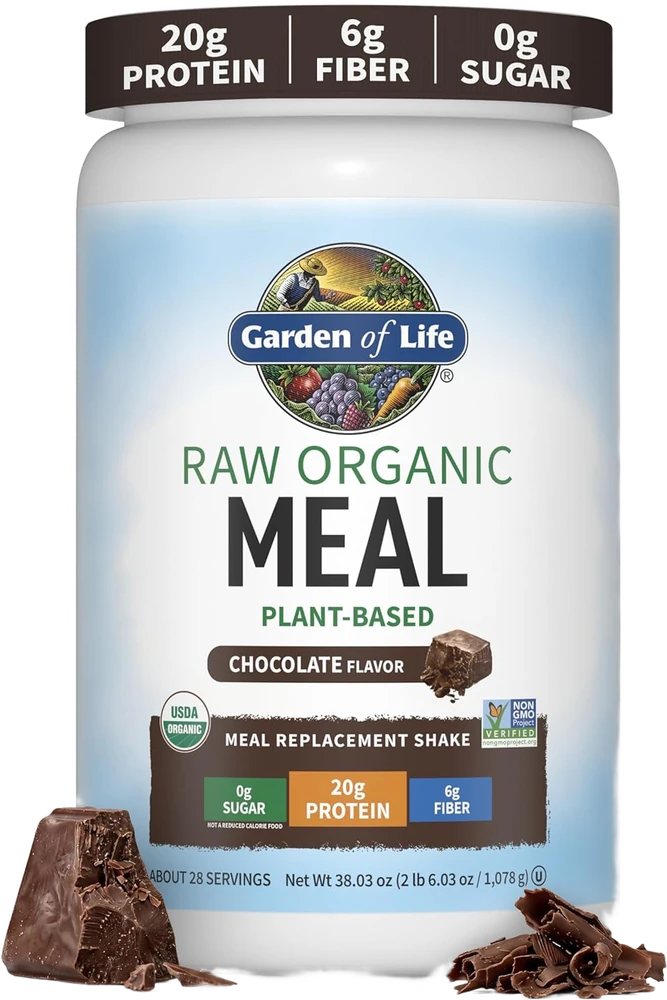
Best whole-food / organic: Garden of Life Raw Organic Meal
8.7SAC Score™The cleanest-label shake here: USDA Organic, raw and sprouted, 20 g protein and 6 g fiber at only ~150 kcal, with probiotics, enzymes and 21 vitamins. Outstanding satiety per calorie from a whole-food base.
StrongestNutrition9.22WeakestTaste & mixability (rep)8.0- Protein
- 20 g organic plant protein (pea + sprouts)
- Sugar / fiber
- ~1 g sugar; 6 g fiber per serving
- Nutrition
- USDA Organic, raw, sprouted; 21 vitamins + probiotics + enzymes
All four scores, pros & cons, full label
What We Like- USDA Organic, Non-GMO, raw and sprouted whole-food base — the cleanest label on the list
- 20 g protein + 6 g fiber at only ~150 kcal = excellent fullness per calorie for a deficit
- Adds live probiotics and enzymes plus 21 vitamins and minerals
- Naturally low sugar (~1 g); NSF Certified for purity
What You Live With- The raw, organic plant base is grittier and earthier than dessert-style shakes (texture divides reviews)
- At ~150 kcal some will want to pair it with fruit to feel it's a full meal
- Calories
- ~150 kcal — a light, very filling meal swap
Our take — Garden of Life Raw Organic Meal is the pick for anyone who wants the cleanest possible label, and it ranks #2 on nutrition alone. It's USDA Organic, raw, and built on sprouted whole foods, with 20 g of protein and 6 g of fiber in just ~150 calories — which is genuinely excellent satiety per calorie, exactly what makes a deficit easier to hold — plus probiotics, enzymes, and 21 vitamins and minerals. The honest knock is texture: a raw, organic, sprouted base is grittier and more 'green' than a sweet, smooth shake, and reviews split on the taste, which is the main reason it sits behind Huel rather than level with it. If clean organic sourcing matters more to you than dessert-like flavor, it's the best whole-food meal replacement here. As always, swap it in for a meal and let the deficit do the work.
- 03
Best value: Orgain Organic Vegan Meal Replacement Powder
8.6SAC Score™The best-value organic everyday shake: USDA Organic, 20 g plant protein and a big 9 g of prebiotic fiber with no sugar added, at the lowest cost per serving of the powders here. An easy, affordable meal swap.
StrongestSatiety8.83WeakestTaste & mixability (rep)8.0- Protein
- 20 g organic plant protein (pea/brown rice/chia)
- Sugar / fiber
- No sugar added; 9 g prebiotic fiber
- Nutrition
- USDA Organic, plant-based, fruits/veggies/greens
All four scores, pros & cons, full label
What We Like- USDA Organic and widely stocked at the lowest cost per serving of the powders here
- 20 g plant protein and an unusually high 9 g of prebiotic fiber for strong fullness
- No sugar added — works with a deficit rather than against it
- Mixes more smoothly than most organic plant shakes; reliable mainstream brand
What You Live With- Uses erythritol/stevia for sweetness, which a few people taste or find causes mild GI upset
- 20 g protein is solid but below the higher-protein picks like Huel
- Calories
- ~150-160 kcal per serving (mixed in water)
Our take — Orgain Organic Meal is the value champion and a genuinely smart default. You get a USDA Organic, plant-based shake with 20 g of protein and a big 9 g of prebiotic fiber, no sugar added, at the lowest cost per serving of any powder on this list — and it mixes more smoothly than most organic options, which helps you actually keep drinking it. The high fiber plus solid protein make it filling for the calories, so it's an easy, affordable meal swap to hold a deficit. It sits at #3 only because the protein (20 g) is good rather than great next to Huel, and the erythritol/stevia sweetening isn't to everyone's taste. But for the cheapest, most sustainable organic meal replacement from a brand you can trust, this is the one to buy. Replace a meal with it and pair it with a sensible deficit.
- 04
Best grab-and-go (RTD): OWYN Plant-Based Protein Shake
8.4SAC Score™The grab-and-go pick: a ready-to-drink bottle with 20 g plant protein and only 4 g sugar, free of the top allergens. Nothing to mix — the bottle in your bag is what stops a skipped meal turning into a drive-thru.
StrongestTaste & mixability (rep)8.82WeakestValue (cost per serving)7.8- Protein
- 20 g plant protein (pea/pumpkin/flax)
- Sugar / fiber
- 4 g sugar; 3 g fiber per bottle
- Nutrition
- Allergen-free (top 8); monk-fruit sweetened; added greens/omega-3
All four scores, pros & cons, full label
What We Like- Ready-to-drink convenience — the format you're most likely to actually use on a busy day
- 20 g plant protein with only 4 g sugar — a clean macro profile for a deficit
- Free of the top 8 allergens (dairy, soy, gluten, tree nut, egg…) and third-party allergen-tested
- Smooth, well-liked taste — a genuine strength for adherence
What You Live With- Costs more per serving than any powder here — you pay for the convenience and the bottle
- It's more of a high-protein mini-meal/snack than a full ~400 kcal meal; pair with fruit if replacing a big meal
- Format
- Ready-to-drink bottle — no mixing
Our take — OWYN is the best grab-and-go option, and convenience is a more legitimate weight-loss factor than people admit: the whole benefit of a meal replacement is adherence, and a ready-to-drink bottle you can throw in a bag is the difference between replacing breakfast and skipping it for a drive-thru. The macros are genuinely good for a deficit — 20 g of plant protein with just 4 g of sugar — and it's free of the top 8 allergens and third-party tested, with a smooth taste people actually like. It ranks #4 rather than higher for two honest reasons: it's the priciest per serving (you're paying for the bottle and the convenience), and a single bottle is a high-protein mini-meal rather than a full ~400-calorie meal, so for a big meal you may want to add a piece of fruit. If a bottle in your bag keeps you on plan, that premium is well spent.
- 05
Best balanced budget: Soylent Complete Nutrition Powder
8.1SAC Score™A balanced, no-nonsense complete meal: 20 g plant protein, 39 essential nutrients, low sugar, and one of the lowest costs per serving here. The straightforward, affordable everyday meal swap.
StrongestTaste & mixability (rep)8.2WeakestSatiety8.0- Protein
- 20 g plant protein per serving
- Sugar / fiber
- Low sugar; with fiber, omega-3s and BCAAs
- Nutrition
- Nutritionally complete; 39 essential nutrients; low-GI carbs
All four scores, pros & cons, full label
What We Like- Nutritionally complete with 39 essential nutrients and a deliberately balanced macro split
- 20 g plant protein, low sugar, low glycemic — a sensible profile for a deficit
- One of the lowest costs per serving; mixes smoothly (a frequent praise point)
- Neutral, easy taste that many find more drinkable than 'greens'-forward shakes
What You Live With- Highly engineered/processed feel — fewer whole-food or organic credentials than the picks above
- 20 g protein is solid but not high; a full-meal serving is ~400 kcal, so portion it as a meal
- Calories
- ~400 kcal per 2-scoop full-meal serving
Our take — Soylent Complete is the balanced, budget-friendly workhorse — the meal replacement for someone who just wants a cheap, complete, drinkable meal without fuss. It delivers 20 g of plant protein, 39 essential nutrients, low sugar, and a deliberately balanced macro split, at one of the lowest costs per serving on the list, and it mixes smoothly with a neutral taste that's easy to drink daily (which, for adherence, matters). It ranks #5 because it leans 'engineered food' rather than whole-food or organic — there's nothing wrong with that, but the picks above offer more nutritional pedigree, and its 20 g of protein is good rather than standout. For an affordable, balanced, no-drama meal swap to support a deficit, it's a smart buy. Replace a meal with the full ~400-calorie serving and keep the rest of your day in a deficit.
- 06
Best taste / superfood (premium): Ka'Chava Whole Body Meal Shake
7.9SAC Score™The superfood, best-tasting option: 25 g plant protein plus 85+ superfoods, probiotics and adaptogens, with the smoothest, most milkshake-like flavor here. A premium experience — at a premium price and a bit more sugar.
StrongestTaste & mixability (rep)9.21WeakestValue (cost per serving)6.8- Protein
- 25 g plant protein (pea/sacha inchi/rice/quinoa)
- Sugar / fiber
- ~6 g sugar; 6 g fiber per serving
- Nutrition
- 85+ superfoods, greens, probiotics, enzymes, adaptogens
All four scores, pros & cons, full label
What We Like- 25 g plant protein plus an 85+ superfood blend (greens, adaptogens, probiotics, enzymes)
- Consistently rated the best-tasting, smoothest, most milkshake-like shake here — a real adherence edge
- No artificial sweeteners, colors or flavors; non-GMO and dairy/gluten/soy-free
- 6 g of fiber adds to fullness alongside the protein
What You Live With- Easily the most expensive per serving on this list — value is its clear weak point
- ~6 g sugar is higher than the leaders (still moderate, but read it if weight loss is the goal)
- Calories
- ~240 kcal per 2-scoop serving
Our take — Ka'Chava is the premium, superfood-forward pick, and its standout strength is taste: it's consistently rated the smoothest, most genuinely enjoyable shake here, which is no small thing when the entire benefit of a meal replacement is whether you keep drinking it. The formula is legitimately good — 25 g of plant protein, 6 g of fiber, and an 85+ ingredient blend of greens, probiotics, enzymes and adaptogens, with no artificial sweeteners. Two honest caveats drop it to #6: it's by far the most expensive per serving on this list, so it loses heavily on value, and at ~6 g of sugar it's a touch sweeter than the leaders (still moderate, but worth reading for a weight-loss goal). If taste and a 'feel-good' superfood profile are what keep you consistent and the price doesn't bother you, it's a fine choice — just don't mistake the superfoods for a weight-loss mechanism. The deficit still does the work.
- 07
Best greens-forward all-in-one: Vega One All-in-One Shake
7.7SAC Score™A greens-forward all-in-one: 20 g plant protein, 6 servings of greens, 50% DV of vitamins/minerals, fiber, omega-3s and probiotics. A solid, low-sugar meal swap for shoppers who want the veggie/greens angle.
StrongestNutrition7.8WeakestTaste & mixability (rep)7.4- Protein
- 20 g plant protein (pea/hemp/sacha inchi/flax)
- Sugar / fiber
- ~1.5 g sugar; ~25% DV fiber
- Nutrition
- 6 servings of greens; 50% DV vitamins/minerals; probiotics; omega-3s
All four scores, pros & cons, full label
What We Like- 20 g plant protein with very low sugar (~1.5 g) and a broad 50% DV vitamin/mineral hit
- Adds 6 servings of greens, fiber, omega-3s and probiotics — a real 'all-in-one' profile
- Non-GMO Project Verified and vegan; an established all-in-one brand
- Low-calorie per serving, so it fits a deficit easily
What You Live With- Taste and grittiness divide reviews more than the leaders — the earthy 'greens' note isn't for everyone
- 20 g protein is fine but not high, and per-serving value is only average
- Calories
- ~160 kcal per serving (in water)
Our take — Vega One is the greens-forward all-in-one, and a perfectly sound low-sugar meal replacement that lands at #7 mostly on taste and value rather than any nutritional flaw. On paper it's strong: 20 g of plant protein, only ~1.5 g of sugar, 50% of your daily vitamins and minerals, plus 6 servings of greens, fiber, omega-3s and probiotics — a genuinely complete profile that fits a deficit at ~160 calories. The honest reasons it sits here are sensory and economic: its earthy, 'green' taste and grittier texture divide reviews more than the smoother picks above, and its per-serving value is only average. If you specifically want the veggie/greens-forward all-in-one and don't mind the flavor, it's a good, low-sugar choice. As ever, swap it in for a meal and let the deficit, not the greens, drive the loss.
- 08
Best low-carb / keto-leaning: Ample Complete Meal Shake
7.5SAC Score™The keto-leaning, real-food pick: 25 g protein and just 3 g net carbs from a whole-food base with probiotics and healthy fats. Excellent macros for a low-carb deficit — but the priciest per serving on the list.
StrongestNutrition8.2WeakestValue (cost per serving)5.6- Protein
- 25 g protein per serving (whey + pea + collagen)
- Sugar / carbs
- Low sugar; only ~3 g net carbs
- Nutrition
- Real-food base; healthy fats, organic greens, fiber, probiotics
All four scores, pros & cons, full label
What We Like- Excellent low-carb macros: 25 g protein and only ~3 g net carbs — ideal for a keto-leaning deficit
- Real-food base (coconut, macadamia, organic greens) with probiotics and fiber
- Non-GMO, gluten-free, no artificial sweeteners; a 'clean' keto meal
- Genuinely filling — high protein and healthy fats hold you well per meal
What You Live With- By far the most expensive per serving here — value is the clear reason it ranks last
- Higher-fat/keto profile is a niche fit; the original blend isn't vegan (a separate Ample V is)
- Calories
- ~400 kcal per full-meal serving
Our take — Ample rounds out the list as the low-carb / keto-leaning specialist, and it's a quality product held back almost entirely by price. The macros are excellent for a low-carb deficit — 25 g of protein and just ~3 g of net carbs from a genuine real-food base of coconut, macadamia, organic greens, fiber and probiotics, with no artificial sweeteners — and it's properly filling, which is exactly what you want from a meal swap. It ranks #8 for two honest reasons: it's by far the most expensive per serving on this list, so it loses heavily on value, and its higher-fat keto profile is a niche fit rather than an everyday all-rounder (and the original blend isn't vegan, though a separate plant-based Ample V exists). If you're eating low-carb and want a clean, real-food, very-low-carb meal in a bottle and the cost doesn't faze you, it's a strong fit. For most people chasing a straightforward deficit, the higher picks deliver more shake per dollar.
The Guide In Four Short Lessons
What the evidence actually shows (and doesn't)
- +1.44 kg
- MORE weight loss at one year with meal-replacement programs vs food-based diets, across 23 RCTs (Astbury 2019)
- ≥20 g
- Protein per serving is the bar — the most satiating macronutrient, and it protects muscle in a deficit
- Read it
- Many 'meal'/'weight-loss' shakes hide 15-30 g of sugar — check the label; a sugar-bomb works against you
- Deficit
- A shake only helps INSIDE a calorie deficit — it replaces a meal, it doesn't burn fat
Sources: Astbury 2019 (PMID 30675990; meal-replacement meta-analysis, 23 RCTs / 7,884 adults); Min 2021 (PMID 34144920; MR vs food-based calorie restriction meta-analysis).
Look for at least 20 g of protein and low sugar.
Plenty of 'meal' shakes carry 15-30 g of sugar with a thin 8-10 g of protein. That is closer to a milkshake than a meal.
Use it instead of a meal, never on top.
Swapped in for breakfast or lunch, a shake helps hold a deficit. Added to three full meals it is 150-400 extra calories a day.
Expect a modest edge.
Across 23 trials, meal-replacement programs produced about 1.44 kg more weight loss at one year than food-based diets (Astbury 2019). The structure does the work.
Astbury 2019 (PMID 30675990; 23 RCTs / 7,884 adults) and Min 2021 (PMID 34144920) — full scoring in the methodology below.
Each pick was scored 0-10 across four criteria, then weighted to a final composite. Nutrition carries the most weight (35%) because that's the whole point of a weight-loss meal replacement: real protein (we want ≥20 g, and reward more), genuine whole-food / micronutrient quality, and LOW added sugar — we penalize sugar-bombs hard, because a sugary, low-protein shake works against a deficit. Satiety per calorie (25%) asks how full the shake actually keeps you for its calories: protein and fiber drive this, so a 40 g-protein, 8 g-fiber meal scores far above a thin one. Value (20%) is cost per serving (and per gram of protein), accounting for tub size and serving size. Taste & mixability (20%) earns real weight for one honest reason: a meal replacement only helps if you keep drinking it — adherence IS the benefit — so a pleasant, smooth shake you'll actually have every day beats a gritty, chalky one that ends up in the cupboard. We do not invent numbers; the only clinical figures we cite are the published meal-replacement meta-analyses, and we state plainly that the effect is modest and depends on a calorie deficit. Sugar content is reported on every pick.
Nutrition (protein & whole-food quality, low junk) · 35%
How much real protein the shake has (≥20 g is the bar; 30-40 g scores higher), the quality of the rest of the formula (whole-food/organic base, sensible fats, real fiber, broad vitamins/minerals), and — critically — how low the added sugar is. A high-protein, low-sugar, whole-food shake works with a deficit; a sugar-bomb is demoted hard.
Satiety / fullness per calorie · 25%
How full and satisfied the shake keeps you for the calories it costs. Protein and fiber drive this, so a 400 kcal meal with 40 g protein and 8 g fiber, or a 150 kcal one with 20 g protein and 6 g fiber, scores well; a low-protein, low-fiber shake that leaves you hungry an hour later does not. Satiety is what makes a deficit liveable.
Value (cost per serving) · 20%
Price divided by the number of servings, and per gram of protein, accounting for tub size and serving size. A well-priced powder usually beats a premium superfood tub or an RTD bottle on pure value — though convenience can justify a premium for some buyers, which we note rather than over-penalize.
Taste & mixability (rep) · 20%
How pleasant and smooth the shake is to drink, based on the strong weight of user reviews. This earns real weight because, with a tool whose benefit is adherence, a shake you enjoy is one you'll keep replacing meals with — and a gritty, chalky, or off-tasting one is one you'll abandon, at which point its macros are irrelevant.

How a meal replacement helps weight loss (honestly)
- 1
It removes guesswork and decision fatigue
A meal replacement is a fixed, known-calorie meal you can make in 60 seconds. You don't estimate portions, you don't decide what to eat, and you can't accidentally turn 'lunch' into a 900-calorie order. That certainty is the core mechanism — it makes a calorie deficit far easier to plan and hold than free-form eating.
- 2
Protein + fiber keep you full per calorie
A good shake packs 20-40 g of protein and several grams of fiber into 150-400 calories. Protein is the most satiating macronutrient and protects muscle in a deficit, and fiber adds fullness — so a high-protein, higher-fiber shake holds your appetite better, calorie for calorie, than a sugary low-protein one.
- 3
But it only works inside a deficit
Meta-analyses (Astbury 2019; Min 2021) show meal-replacement PROGRAMS beat food-based diets by a modest margin — because they make the deficit easier to keep, not because the shake burns fat. Replace a meal and it helps; add it on top of your meals and it's just extra calories. The deficit does the work; the shake makes it easier.
What to honestly expect with a meal replacement
One meal becomes foolproof
The first thing you'll notice isn't the scale — it's that a meal you used to skip or overeat is now a 60-second, known-calorie event. Less decision fatigue, fewer drive-thru caves. Make sure you're replacing a meal, not adding the shake on top.
Easier to hold the deficit
With one or two meals locked to a fixed calorie count and high protein, staying in a deficit takes less willpower, and the scale should start to move — driven by the deficit, not the shake itself. If you're hungry soon after, choose a higher-protein, higher-fiber pick.
Decide honestly
Track weight, waist, and fullness. If the shake is genuinely helping you eat less without feeling deprived, keep it — that's the adherence benefit the research points to. Use the time to learn sensible whole-food portions too, so you don't rebound when you stop.
The bottom line
Buy Huel Black Edition (#1) — the safest default.
It's the overall winner: the most complete, highest-protein (40 g) and lowest-sugar full-meal replacement here. The 40 g protein plus 8 g fiber give the best satiety per calorie on the list, so it's the closest thing to a foolproof, deficit-friendly meal in a bag.
Pick by need: organic #2, value #3, grab-and-go #4, keto #8.
Garden of Life Raw Organic Meal (#2) is the cleanest whole-food organic shake; Orgain Organic Meal (#3) is the value champion with high fiber and no added sugar. Want a bottle so you never skip a meal, OWYN (#4); cheap and drinkable, Soylent (#5); best taste, Ka'Chava (#6); keto-leaning, Ample (#8) with excellent macros but the highest price per serving.
Whatever you pick, the deficit does the fat loss — not the shake.
It only works inside a calorie deficit: replace a meal with it and it helps; add it on top and you'll gain. Keep protein high (≥20 g) and sugar low, and choose the one you'll actually keep drinking, because adherence is the whole point. Used as a calorie-controlled convenience tool it's genuinely useful; sold as a shortcut, it isn't one.
Quick Answers
Do meal replacement shakes actually help you lose weight?
Yes — modestly, and only when used correctly. The honest mechanism isn't metabolic magic; it's that a shake turns a meal into a known-calorie, high-protein event, which removes guesswork and decision fatigue and makes a calorie deficit much easier to hold. There's real randomized evidence: an Oxford systematic review and meta-analysis of 23 RCTs in nearly 8,000 adults (Astbury 2019) found meal-replacement programs produced about 1.44 kg more weight loss at one year than food-based diets, and a separate meta-analysis (Min 2021) found meal-replacement calorie-restricted diets beat food-based ones. The catch: a shake REPLACES a meal — it doesn't burn fat. Swap it in for breakfast or lunch and it helps; drink it on top of three full meals and you'll gain weight.
Are meal replacement shakes just protein shakes?
No — that's the key difference, and it matters for weight loss. A protein shake is mostly protein and meant to supplement a meal. A meal replacement is built to stand in FOR a meal: it has protein plus carbohydrates, fats, fiber, and a fuller set of vitamins and minerals, at a calorie level (roughly 150-400 kcal) meant to be filling and 'complete.' For holding a deficit, that completeness is the point — it keeps you fuller and more satisfied than a thin protein drink, so you're less likely to raid the kitchen an hour later. Just remember it's still food: it has to fit inside your calorie budget like any other meal.
How much protein and sugar should a good meal replacement have?
Aim for at least 20 g of protein per serving — and more (30-40 g) is genuinely better, because protein is the most satiating macronutrient and it protects muscle while you're losing fat. On sugar, less is better: a good weight-loss shake keeps added sugar low (ideally under ~5 g), and the best options here sit around 1 g. This is where label-reading saves you: a lot of products marketed as 'meal' or 'weight-loss' shakes actually carry 15-30 g of sugar with only 8-10 g of protein, which is closer to a milkshake than a meal. High protein, low added sugar is the combination that works with a deficit instead of against it.
Can I replace all my meals with shakes to lose weight faster?
You can replace one or two meals a day comfortably, and that's where the evidence is strongest — partial meal replacement is sustainable and effective. Replacing ALL your meals (a total meal-replacement / very-low-calorie approach) can drive faster short-term loss and has been studied, but it's harder to stick to, can feel restrictive, and is best done only with proper products and ideally medical guidance, especially if you have any health conditions. For most people the smart, sustainable play is to swap a shake in for the meal you most often get wrong (a skipped breakfast or a fast-food lunch), keep at least one real, balanced whole-food meal, and let the deficit — not the number of shakes — do the work.
Will I regain the weight when I stop drinking the shakes?
You can, if the shake was the only thing changing — and that's an honest caveat. A meal replacement works by making a calorie deficit easier to maintain; if you go back to the exact eating patterns that caused the gain, the weight tends to come back, just like with any diet. The way to avoid that is to treat the shake as a training tool: while you use it, learn what a sensible portion and a high-protein, lower-calorie meal feel like, and build those habits into your real-food meals. Then the shake becomes optional — a convenient fallback for busy days — rather than a crutch you can never put down.
Are meal replacement shakes healthy, or are they processed junk?
It depends entirely on the product — which is why this list ranks nutrition quality so heavily. A good meal replacement is genuinely nutritious: high protein, real fiber, a sensible fat profile, low added sugar, and a full complement of vitamins and minerals, often from whole-food or organic sources. Those are a perfectly healthy stand-in for a meal you'd otherwise skip or eat badly. A bad one is essentially a sweetened protein-light dessert with a long additive list. Read the label, favor the transparent and certified products (USDA Organic, NSF, third-party tested) over proprietary 'fat-burn' blends, and you'll get a convenient, nutritious meal — not junk.
Powder or ready-to-drink — which is better for weight loss?
Both work; the choice is about cost versus convenience, not effectiveness. Powders are cheaper per serving, let you control the exact scoop and calories, and usually offer the highest protein and lowest sugar — the best 'value per gram of protein.' Ready-to-drink bottles cost more per serving but win decisively on convenience: there's nothing to mix, they travel, and a grab-and-go bottle is the difference between replacing a meal and caving to a drive-thru when you're busy. Since adherence is the whole benefit, the honest answer is: pick the format you'll actually use consistently. If a bottle in your bag stops you skipping breakfast, it's worth the premium.
Every Claim Ranked Above Traces Back To One Of These
2 peer-reviewed sources, each linked to PubMed
- [1] Astbury 2019 PMID 30675990 — A systematic review and meta-analysis of the effectiveness of meal replacements for weight loss. Oxford systematic review and meta-analysis of 23 randomized controlled trials in 7,884 adults. Meal-replacement programs produced about 1.44 kg (95% CI -2.48 to -0.39) more weight loss at one year than alternative, food-based diets. This is the core evidence that meal replacements aid weight loss — modest but real and replicated — and it works because a known-calorie, structured meal makes a deficit easier to maintain, not through any metabolic effect.
- [2] Min 2021 PMID 34144920 — The effect of meal replacement on weight loss according to calorie-restriction type and proportion of energy intake: a systematic review and meta-analysis of randomized controlled trials. Systematic review and meta-analysis of RCTs comparing meal-replacement calorie-restricted diets with food-based calorie-restricted diets. Meal-replacement diets favored greater weight loss, with the largest effect when meal replacements supplied at least 60% of daily energy intake. Reinforces that meal replacements help most as a structured way to control calories — confirming the deficit, not the shake, is the mechanism.
Affiliate disclosure: every Amazon link uses our Associates tag (superachieverclub-20). We earn a small commission at no cost to you; it funds independent reviews. We never accept payment to change a ranking.