
Garden of Life Raw Organic Meal Review
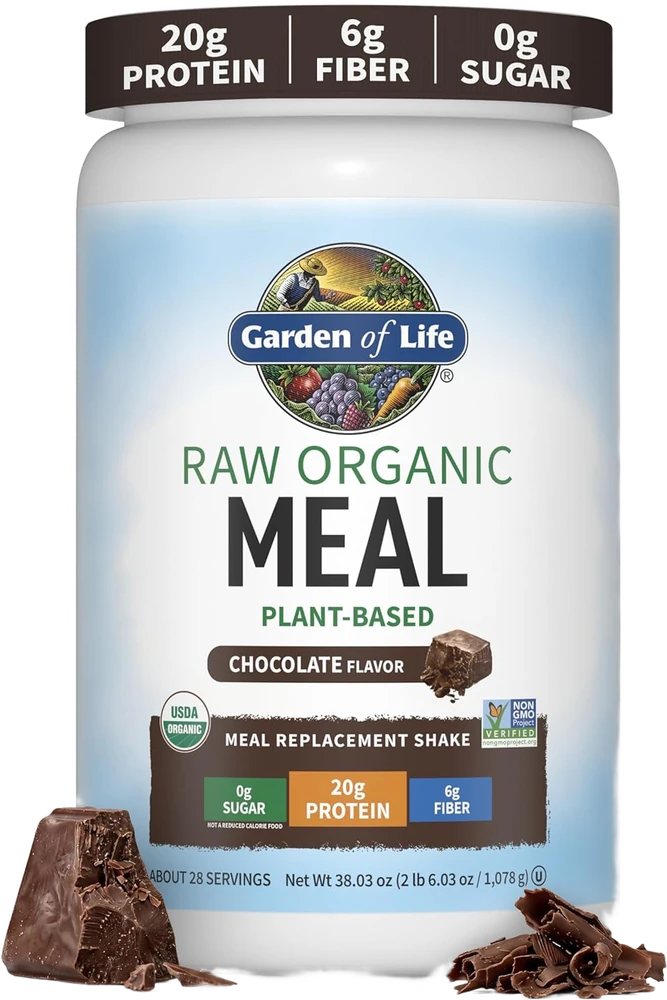 #2 of 8 · Best whole-food / organic✓ Label verified · Supplement Facts read Sep 7, 2026
Real retailer photo, cut out. Label unedited.
Buy it. The cleanest-label organic shake in the lineup — outstanding fullness per calorie, if you accept the earthy texture. USDA Organic, raw, sprouted, NSF-certified, with 20 g organic protein and 6 g fiber at only ~150 kcal, ~1 g sugar, plus probiotics and 21 vitamins.
Mid-priced organic (28-serving tub)Mid per serving (28 servings/tub)
Why It Scores 8.7 — And The Label Line Behind Each Number
Nutrition (protein & whole-food quality, low junk)
35% of scoreThe best whole-food credentials in the lineup: USDA Organic, Non-GMO, raw and sprouted, with 20 g of organic pea-and-sprout protein, 21 vitamins and minerals, live probiotics and enzymes, and only ~1 g of naturally low sugar. It hits our ≥20 g protein bar with the cleanest sourcing of any pick — only Huel's sheer 40 g protein load outscores it on this axis.
- Protein
- 20 g organic plant protein (pea + sprouted grains/seeds/legumes)
- Certifications
- USDA Organic, Non-GMO, NSF-certified; raw (low-heat processed)
Satiety / fullness per calorie
25% of score20 g of protein plus 6 g of fiber at only ~150 kcal is one of the strongest fullness-to-calorie ratios we ranked — you get real meal-grade satiety while banking hundreds of calories versus the meal it replaces. The only reason it trails Huel here is absolute load: a ~400 kcal, 40 g-protein meal simply holds longer for bigger appetites.
Value (cost per serving)
20% of scoreMid-priced organic: a 28-serving tub lands it comfortably below the premium picks (Ka'Chava, Ample) but above the value powders. You're paying for certification depth — organic, raw, sprouted, NSF — rather than marketing. Fair for what it is; Orgain remains the cheaper organic route.
- Price
- Mid-priced organic — between the value powders and the premium picks
Taste & mixability (rep)
20% of scoreThe honest weak axis. The raw, sprouted, whole-food base makes a grittier, earthier shake than the engineered competition, and user reviews split on it — some like the 'real food' character, others never finish the tub. Blending with a banana or berries improves it markedly. Since adherence is the whole benefit, know your taste tolerance before buying.
- More Specs
- Sugar
- ~1 g — naturally low; stevia-sweetened
- Fiber
- 6 g per serving
- Micronutrients
- 21 vitamins and minerals
- Extras
- Live probiotics + digestive enzymes
- Calories
- ~150 kcal per scoop — a light, very filling meal swap
- Format
- Powder, 28 servings per tub (Chocolate verified on Amazon)
Label verified. Every figure read from the Supplement Facts photo, Sep 7, 2026.
Marketing Claims Vs. Reality
USDA Organic, raw, plant-based meal replacement with pea protein, sprouts, greens and probiotics.
The live Amazon listing confirms the positioning: Raw Organic Meal, chocolate plant-based protein powder with pea protein, sprouts, greens and probiotics, dairy-free, 28 servings. The organic/raw/sprouted whole-food identity is the product's core claim and it holds as stated.
20 g of clean, organic plant protein with 6 g of fiber at roughly 150 calories.
The label numbers used in our ranking — 20 g protein, 6 g fiber, ~150 kcal, ~1 g sugar — are the listing's stated per-serving values and clear our category bar (≥20 g protein, low added sugar). This satiety-per-calorie profile is the main quantitative reason it ranks #2.
Supports healthy weight management.
True only via the category's honest mechanism: a known-calorie, high-protein, high-fiber shake makes a calorie deficit easier to hold, and meal-replacement programs modestly beat food-based diets in randomized trials (Astbury 2019; Min 2021). No shake — this one included — burns fat. It must replace a meal inside a deficit; the probiotics and enzymes are nutrition extras, not weight-loss mechanisms.
What Our Test Actually Found
The certification stack is the real differentiator
Most shakes in this category ask you to trust marketing language; Garden of Life stacks third-party checkmarks instead — USDA Organic, Non-GMO Project Verified, NSF certification, plus a raw, sprouted whole-food ingredient list you can read. In a market where 'meal shake' often means a sweetened isolate with a vitamin dusting, that's the strongest verifiable label in our lineup, and it's why this product wins the whole-food slot outright.
150 calories of genuine satiety is a deficit superpower — with a size caveat
The arithmetic is the appeal: replace a 700 kcal lunch with a 150 kcal shake that still delivers 20 g of protein and 6 g of fiber and you've banked over 500 calories while staying genuinely full for a light meal. That's the best calorie-banking ratio in our ranking. The caveat is honest: for bigger, hungrier or highly active users, 150 kcal may not hold until dinner — pair it with fruit, or pick the ~400 kcal Huel Black if you need a full meal's staying power in one serving.
Texture is the tax on 'raw and sprouted' — decide before you buy
The same whole-food base that earns the nutrition score produces the lineup's most divisive texture: grittier, earthier, more 'green' than the smooth engineered shakes. Review sentiment splits accordingly. Practical fixes that consistently help: blend rather than shake, use cold milk or a milk alternative instead of water, and add a banana or berries. If you already know gritty textures end up abandoned in your cupboard, buy for your palate — Orgain mixes smoother, Ka'Chava tastes best — because an undrunk shake has a nutrition score of zero.
Probiotics and enzymes are nice extras — not weight-loss levers
Raw Organic Meal includes live probiotics and digestive enzymes, and some users report easier digestion versus standard protein shakes. Take that as a comfort-and-nutrition bonus, not a mechanism: no probiotic blend makes a shake burn fat, and we don't score it as if it did. The weight-loss math remains protein, fiber, calories and — above all — whether the shake replaces a meal inside your deficit. On those honest terms this product stands on its own.
Full analysis: all pros & cons (8), buy if / skip if
- Strongest certification stack in the lineup: USDA Organic, Non-GMO, NSF, raw and sprouted
- Excellent satiety per calorie — 20 g protein + 6 g fiber at only ~150 kcal
- Naturally low sugar (~1 g) with stevia — no sugar-bomb compromise
- Live probiotics, digestive enzymes and 21 vitamins/minerals as verifiable extras
- 28-serving tub at a fair mid-range organic price
- Gritty, earthy raw/sprouted texture divides reviews — the main reason it isn't #1
- ~150 kcal is a light meal; bigger appetites may need to pair it with fruit
- Orgain delivers a similar organic 20 g profile for less per serving
- Clean sourcing is your top filter — USDA Organic, Non-GMO, raw, sprouted, NSF-certified is the strongest certification stack here
- You want maximum fullness for minimum calories (20 g protein + 6 g fiber at ~150 kcal)
- You value extras a label can verify: live probiotics, enzymes, 21 vitamins and minerals
- You're replacing a meal you'd otherwise skip or eat badly, and keeping a calorie budget
- You want a smooth, dessert-like shake — the raw sprouted texture is gritty and earthy (Ka'Chava #6 wins taste)
- You want a true ~400 kcal full meal in one serving — Huel Black (#1) is built for that
- You want the cheapest organic option per serving — Orgain (#3) undercuts it
USDA Organic, raw, sprouted, NSF-certified, with 20 g organic protein and 6 g fiber at only ~150 kcal, ~1 g sugar, plus probiotics and 21 vitamins. It's the best whole-food nutrition in our ranking and superb satiety per calorie. It sits at #2 because the gritty, earthy texture divides reviews and a 150 kcal serving is a light meal. Replace a meal with it inside a deficit and it's an excellent tool.
Garden of Life Raw Organic Meal is the pick for the buyer whose first question is 'what's actually in it?' It's the cleanest label in our eight-pick lineup: USDA Organic, Non-GMO, raw and sprouted, built from a whole-food base with 20 g of organic pea-and-sprout protein, 6 g of fiber, 21 vitamins and minerals, live probiotics and enzymes — at only ~150 kcal and ~1 g of naturally low sugar per serving. That combination produces one of the best satiety-per-calorie ratios we ranked: 20 g of protein and 6 g of fiber for 150 calories is exactly the math that makes a calorie deficit feel liveable. Why #2 and not #1? Two honest reasons. Texture: the raw, sprouted, whole-food base makes a grittier, earthier shake than the smooth engineered options, and reviews genuinely split on it — and since adherence is the entire benefit of a meal replacement, taste counts. And size: ~150 kcal is a light meal — excellent for banking calories, but bigger or hungrier users may want to pair it with fruit where a ~400 kcal Huel Black stands alone. Neither caveat touches the core case: if you want the most credible whole-food, certified-organic meal replacement on Amazon for a weight-loss deficit, this is it. Full breakdown below.
Buy it if clean sourcing is your top filter — the best whole-food shake here, texture permitting.

Garden of Life Raw Organic Meal is the answer to a specific, legitimate question: 'which meal replacement can prove what's in it?' USDA Organic, Non-GMO, NSF-certified, raw and sprouted, with 20 g of organic protein, 6 g of fiber, probiotics, enzymes and 21 micronutrients at ~150 kcal and ~1 g sugar — no other pick in our lineup matches that verifiable label depth, and the fullness-per-calorie math is superb for holding a deficit. Buy it knowing the two trade-offs. The raw whole-food texture is gritty and earthy — blend it cold with fruit, and if you're a taste-first buyer be honest with yourself and look at Ka'Chava or Orgain instead. And a 150 kcal serving is a light meal: perfect for calorie banking, but pair it with fruit if you need it to hold you through a long afternoon. The category rule closes every review we write here: this is food, not a fat-burner. Replace a meal with it, keep the day inside a calorie budget, and the modest, real, evidence-backed edge of meal-replacement structure (Astbury 2019) is yours.
If This Doesn’t Fit — Try These
 01
01Huel Black Edition
If you want one meal replacement and you want it to do the actual job — stand in for a full meal and make a calorie deficit easy — Huel Black Edition is the best-made option here, and that's why it's #1.
 03
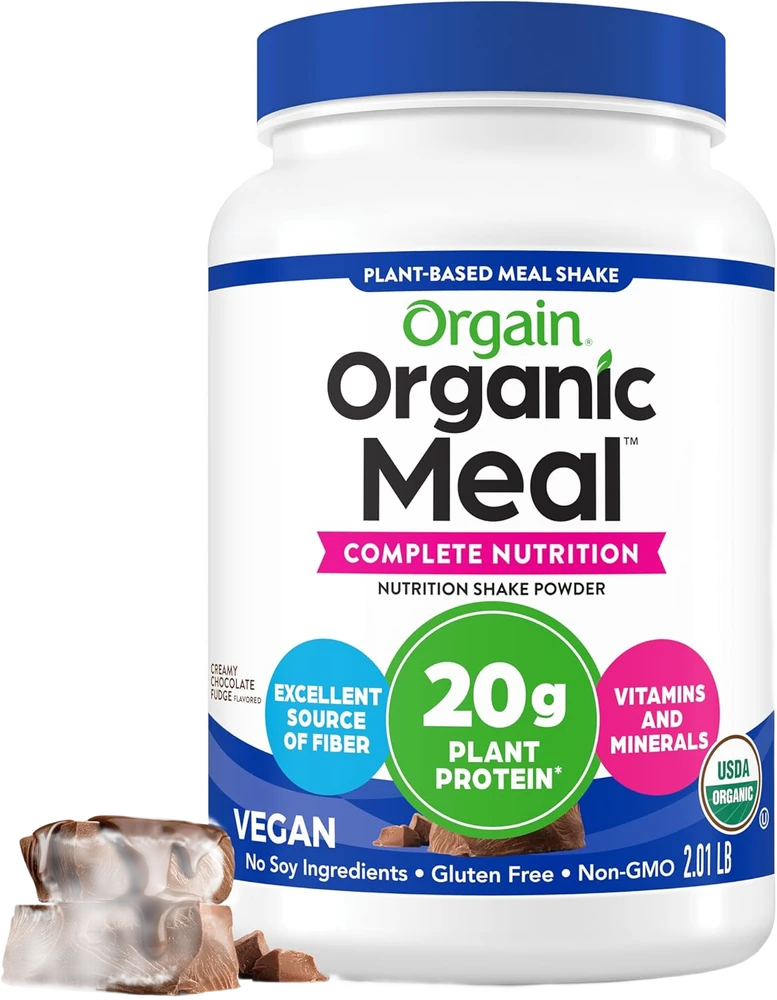
03Orgain Organic Vegan Meal
Orgain Organic Meal is the value champion and a genuinely smart default.
 06
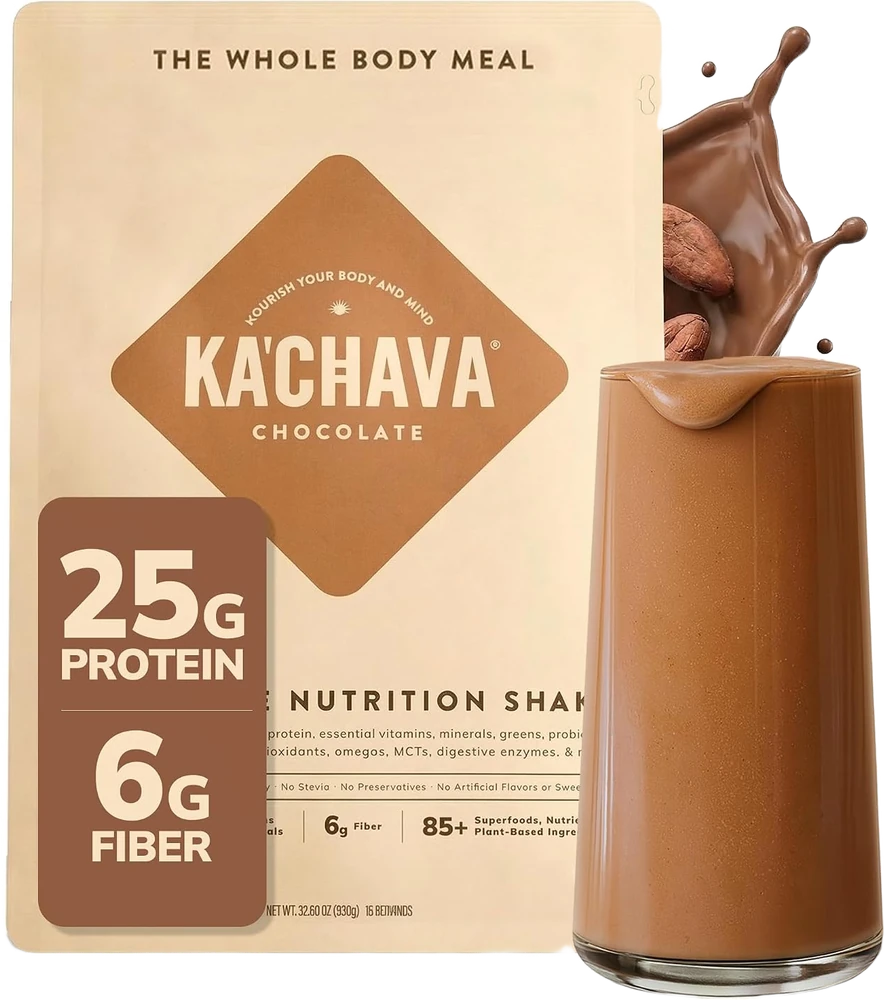
06Ka'Chava Whole Body Meal Shake
Ka'Chava is the premium, superfood-forward pick, and its standout strength is taste: it's consistently rated the smoothest, most genuinely enjoyable shake here, which is no small thing when the entire benefit of a meal replacement is whether you keep drinking it.
Quick Answers
Is Garden of Life Raw Organic Meal good for weight loss?
Yes — for the honest reason any meal replacement is: it turns a meal into a fixed, known-calorie, high-protein event, which makes a calorie deficit far easier to hold. Its specific edge is satiety per calorie: 20 g of protein plus 6 g of fiber at only ~150 kcal is one of the best fullness-to-calorie ratios in our lineup, so it banks a large calorie saving versus a typical 600-900 kcal meal. The randomized evidence for the category (Astbury 2019, 23 RCTs) shows meal-replacement programs beat food-based diets by a modest ~1.44 kg at one year. The rule is unchanged: replace a meal with it inside a deficit — never drink it on top of your normal meals.
What does 'raw' and 'sprouted' actually mean here?
Garden of Life builds this formula from over 40 organic ingredients including sprouted grains, seeds and legumes, processed at low temperatures ('raw') to preserve heat-sensitive nutrients, enzymes and probiotics. In practice it means you're drinking a whole-food powder rather than an engineered isolate blend — the reason it wins our nutrition-quality axis over everything except Huel. It's USDA Organic, Non-GMO and NSF-certified. Two honest notes: 'raw' is a processing philosophy, not a weight-loss mechanism, and the same whole-food base is why the texture is grittier than smoother engineered shakes.
Is 150 calories enough to count as a meal?
It's a light meal — and that cuts both ways. At ~150 kcal with 20 g of protein and 6 g of fiber, it delivers strong fullness for very few calories, which makes holding a deficit easy. But if you're replacing a genuinely large meal or you're a bigger, more active person, a lone 150 kcal shake may leave you hungry sooner than a ~400 kcal complete meal like Huel Black. The practical fix most users land on: pair it with a piece of fruit or blend it with berries and still come in far below the meal you replaced. If you want the full-meal calorie load in one scoop-and-shake, Huel (#1) or Ample (#8) are built for that.
How does it compare to Orgain — both are organic 20 g shakes?
They're close, and the split is quality versus price. Garden of Life is the deeper whole-food formula: raw, sprouted, with live probiotics, enzymes and 21 vitamins and minerals, NSF-certified — the cleanest label in our lineup. Orgain (#3) matches the 20 g of organic plant protein, adds more fiber (9 g prebiotic), mixes more smoothly, and costs meaningfully less per serving — which is why it's our value pick. If you want the maximum whole-food, certified-organic pedigree and don't mind a grittier texture, choose Garden of Life. If you want 90% of the organic story at the lowest price per serving of the powders, choose Orgain. For weight loss itself, both work identically: replace a meal, hold the deficit.
Sources & Further Reading
2 peer-reviewed sources, each linked to PubMed
- [1] Astbury 2019 PMID 30675990 — A systematic review and meta-analysis of the effectiveness of meal replacements for weight loss. 23 RCTs / 7,884 adults: meal-replacement programs produced ~1.44 kg more weight loss at one year than food-based diets. The evidence base for using a known-calorie shake like Raw Organic Meal to replace a meal — the effect is modest, real, and works through easier adherence to a calorie deficit.
- [2] Min 2021 PMID 34144920 — The effect of meal replacement on weight loss according to calorie-restriction type and proportion of energy intake: a systematic review and meta-analysis of randomized controlled trials. Meta-analysis of RCTs: meal-replacement calorie-restricted diets beat food-based calorie restriction, strongest when meal replacements supplied a larger share of daily energy. Supports the one-to-two-meal partial replacement pattern this light, high-satiety shake fits best.
Affiliate disclosure: every Amazon link uses our Associates tag (superachieverclub-20). We earn a small commission at no cost to you; it funds independent reviews. We never accept payment to change a ranking.