Reviewed
Verified by SAC team
+10
XP on completion
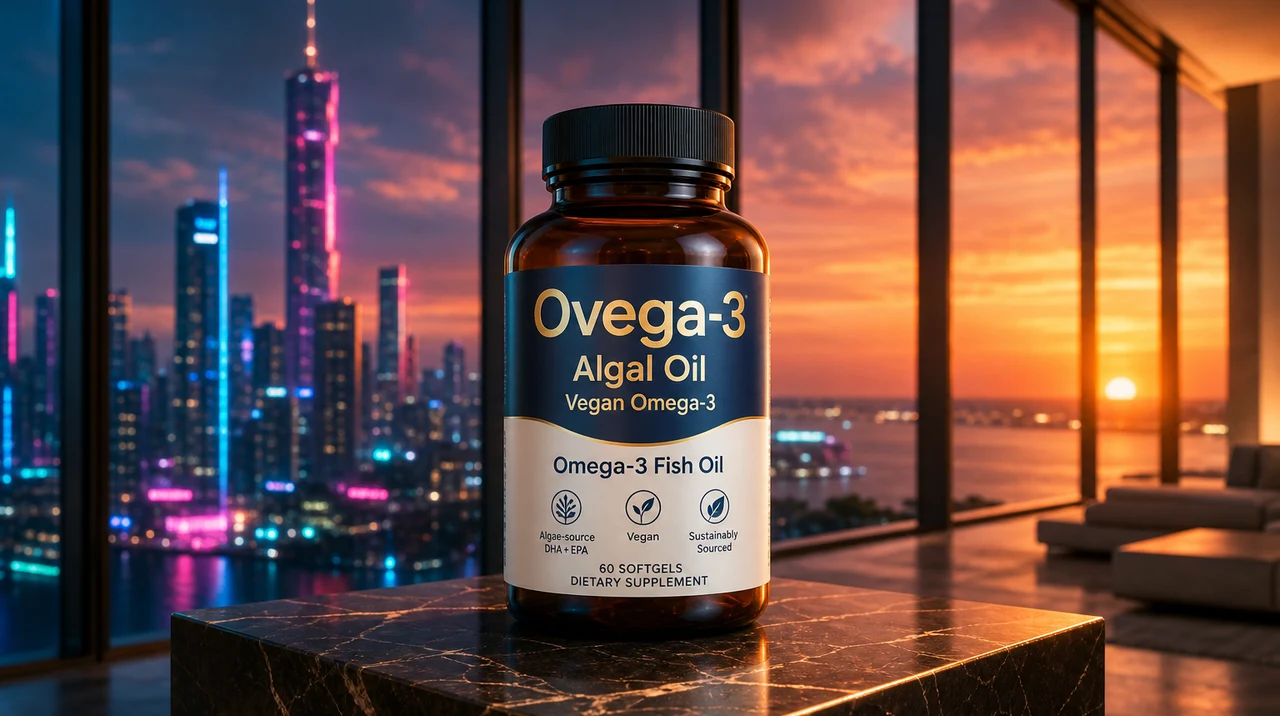
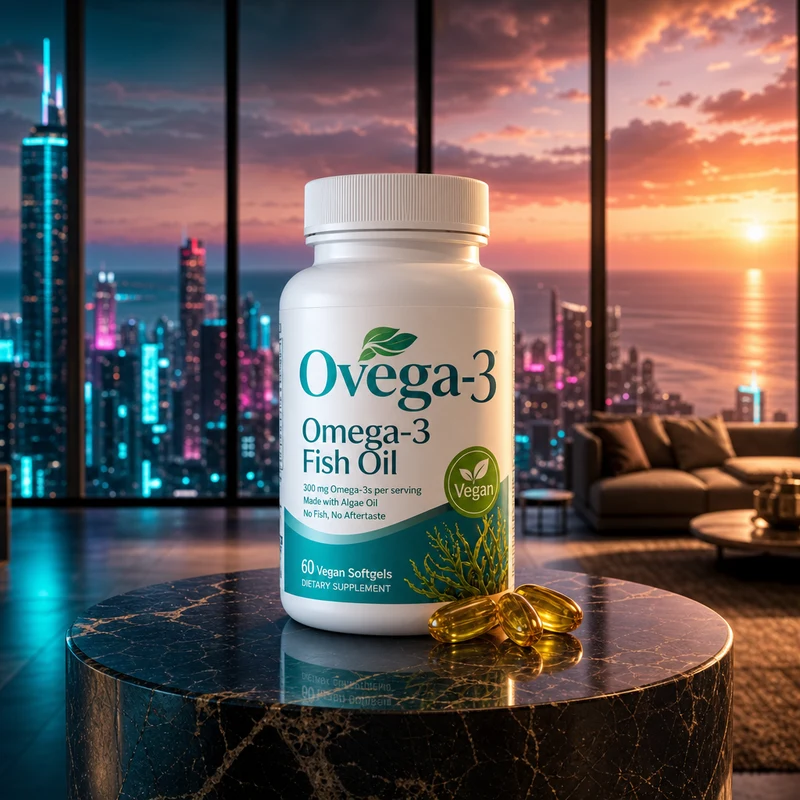
Ovega-3 Algal Oil 500 mg vegan omega-3, 60 softgels — algae-source bottle in the SAC luxe-interior scene
Best Vegan / Algal
Ovega-3 · Algae-source DHA + EPA · 60 softgels

Ovega-3 Algal Oil Vegan Omega-3 Review

Ovega-3 Algal Oil is the bottle to buy if you're vegetarian, vegan, fish-allergic, shellfish-allergic, or specifically prioritise the cleanest possible omega-3 source. At $42 for 60 softgels (1-2 months depending on dose), it ships triglyceride-form DHA + EPA derived from cultivated microalgae (Schizochytrium genus) — the same chemical actives that fish oil contains, with zero marine pollutant exposure because the algae are grown in controlled tank fermentation rather than caught in the ocean. The 320 DHA / 130 EPA per-softgel balance makes this specifically the right pick for cognitive preservation (Yurko-Mauro 2010 DHA-cognition protocol), pregnancy + lactation, and DHA-targeted protocols. Eight weeks running 1-2 softgels/day with breakfast, here's the breakdown.

Check on Amazon

Affiliate link — Super Achiever Club earns a small commission at no extra cost to you.

Read the complete Omega-3 guide →
▸ THE SCORE

How we built the SAC Product Score™7.7/10

EPA+DHA dose + form30%8/10

Triglyceride-form algal oil (Schizochytrium-derived) at 500 mg combined DHA + EPA per softgel (320 DHA / 130 EPA, DHA-dominant). Chemically identical actives to fish oil — same EPA and DHA molecules, derived from the same algal source fish would eat in the wild. Per-cap dose is lower than fish-oil triple-strength competitors; 2-3 caps/day lands clinical-dose window.

IFOS / oxidation + heavy-metal testing25%7/10

Vegan-certified + non-GMO + lot-coded third-party testing for potency. Not IFOS-certified (IFOS is fish-oil-specific; algal omega-3 falls under different testing protocols). Cultivated algae have zero ocean-pollutant exposure by design — no mercury, PCBs, dioxins, microplastics — which arguably matters more than IFOS heavy-metal verification.

Source sustainability + provenance20%10/10

Cultivated marine microalgae in controlled tank fermentation — zero ocean impact, zero overfishing concern, zero bycatch, zero ecosystem disruption. The only omega-3 source with literally zero marine impact. Sustainable by design, not by management. Top-of-class on the sustainability dimension.

Cost per gram EPA+DHA15%5.5/10

$42/month at 1000 mg DHA+EPA/day (2 softgels) = ~$1.40/g of DHA+EPA — premium pricing reflecting algae cultivation economics. Most expensive per-gram fish-oil-equivalent on the list but functionally the only correct answer for vegan/allergic buyers. For non-vegan users with fish-oil access, the $/g math heavily favours IFOS-certified fish picks.

Real-world response + tolerance10%8.5/10

Zero fishy burp profile — algal oil doesn't contain the marine-fish lipid byproducts that produce fishy reflux. Smaller softgel size, vegan-acceptable softgel shell (typically tapioca starch or modified plant cellulose, not animal gelatin). Clean tolerance profile even at 2-3 caps/day on empty stomach.

▸ SPECS

The product at a glance

Active form
Triglyceride algal oil — Schizochytrium sp. cultivated microalgae
Per softgel
500 mg DHA + EPA (320 DHA / 130 EPA, DHA-dominant)
Bottle size
60 softgels · 30-60 days depending on dose (1-2 caps/day typical)
Form purity
Triglyceride algal oil + sunflower oil carrier, no fish source
Trial-dose alignment
Lands pregnancy DHA at 1 cap; cognitive preservation (Yurko-Mauro 900 mg DHA) at 3 caps
Inactives
Plant-based softgel shell (tapioca starch / modified cellulose), glycerin, water
Certifications
Vegan-certified, non-GMO Project verified, kosher, gluten-free
Manufacturer
Ovega-3 (Garden of Life / Nestlé Health Science · pioneered consumer algal omega-3)
Lab transparency
Third-party COA + vegan certification chain
Price
$42 / month at 2 softgels/day = $0.70 per 500 mg softgel
▸ TRUTH CHECK

Marketing claims vs. reality

Verified

100% vegan — no fish, no shellfish, no animal products.

Ovega-3 carries multiple vegan certifications and the algal sourcing eliminates all marine animal exposure. The softgel shell is plant-based (typically tapioca starch or modified cellulose, not animal gelatin). Real, auditable, and the only correct answer for strict vegan/vegetarian buyers in the omega-3 category.

Verified

Pure DHA + EPA from sustainably-cultivated algae.

Ovega-3's source algae are Schizochytrium genus marine microalgae cultivated in controlled tank fermentation. The 320 DHA / 130 EPA per-softgel content is verifiable on third-party COAs. Real, mechanistically grounded, and the foundational claim of the algal omega-3 category.

Verified

Zero ocean pollutants — no mercury, PCBs, or microplastics.

Cultivated microalgae in controlled tank fermentation have zero exposure to ocean pollutants by design. Multiple third-party heavy-metal screens consistently show below-detection levels for mercury, lead, cadmium, arsenic, PCBs, and dioxins. The cleanest possible source on the entire 10-pick list — meaningful for pregnancy, hyper-sensitive users, and zero-pollutant priority buyers.

Partial

Supports heart, brain, and vision health.

All three are real DHA + EPA effects backed by the broader literature (Mozaffarian 2008 cardiovascular, Yurko-Mauro 2010 cognition, DHA in retinal photoreceptor membranes for vision). The framing accurately reflects the DHA-dominant ratio's strengths — brain and vision claims are most accurate for DHA-dominant formulations specifically. Heart claim is weaker at this DHA-dominant ratio vs EPA-leaning picks.

Verified

Non-GMO, gluten-free, kosher certified.

All three claims are on the Ovega-3 label and verifiable via the brand's certification chain (Non-GMO Project, KOF-K kosher certification, gluten-free verification). Standard at the vegan-certified tier and consistent with the broader Garden of Life / Nestlé Health Science portfolio.

▸ THE DEEP DIVE

What our test actually found

01Algae oil is chemically identical to fish oil — that's the foundational point

Confusion in the algal omega-3 category often stems from a misunderstanding: EPA and DHA from algae are not 'similar to' EPA and DHA from fish — they are literally the same molecules. Fish accumulate omega-3 by eating algae (or eating smaller fish that ate algae). Modern algal oil supplements skip the fish entirely, cultivating the source microalgae directly. Once extracted, the actives are bioidentical to what fish oil delivers. There's no 'inferior algal omega-3 vs superior fish omega-3' — the molecules are the same. Differences are purely about source, pollutant load, and cost.

02DHA-dominant ratio makes Ovega-3 the right pregnancy and cognition pick

The 320 DHA / 130 EPA per-softgel split is specifically calibrated for the use cases where DHA-dominance is the correct direction. For pregnancy + lactation, DHA is the dominant fatty acid in fetal brain development; the conventional 200-300 mg DHA/day pregnancy recommendation is reached at 1 Ovega-3 softgel/day. For cognitive preservation in older adults, Yurko-Mauro 2010 (PMID 20434961) showed 900 mg DHA/day improved verbal memory — Ovega-3 at 3 softgels/day delivers ~960 mg DHA, right at the trial dose. For EPA-driven mood or REDUCE-IT CV, the DHA-dominance is wrong direction.

03Zero-pollutant is meaningful for pregnancy specifically

The main reason fish oil during pregnancy is sometimes flagged is mercury concern — even IFOS-certified fish oil has detectable (well-below-limit) mercury traces, and pregnant women are the most-sensitive population to mercury exposure due to fetal neural development. Algae oil sidesteps this entirely — zero mercury, zero PCBs, zero exposure by design. Combined with the DHA-dominant ratio appropriate for fetal brain development, Ovega-3 is the consensus-cleanest pregnancy omega-3 option. The premium pricing is the cost of the safety margin.

04Don't buy algae if you eat fish 3+ servings/week

If you regularly eat fatty fish (salmon, sardines, mackerel, anchovies, herring) at 3+ servings per week, the dose-per-dollar math doesn't favour algae oil. Your Omega-3 Index is likely already near target from diet alone, and incremental supplementation effects are negligible. Algae oil's premium pricing is justified specifically for users who can't or won't eat fish — vegans, vegetarians, allergic users, religious dietary restrictions. For omnivore fish-eaters, the right supplement strategy is to eat the fish and skip the omega-3 capsule entirely.

05Vegan capsule + smaller size = best tolerance profile in the category

Ovega-3's softgel shell is plant-based (tapioca starch or modified cellulose, not animal gelatin) — the only category-appropriate format for strict vegan buyers. The softgel size is also notably smaller than fish-oil triple-strength competitors, making it easier to swallow. Zero fishy burp profile (algae oil doesn't contain the marine-fish lipid byproducts that produce fishy reflux). For tolerance-priority buyers — sensitive swallowers, fishy-burp-averse users, mainstream consumers trying omega-3 for the first time — the format itself is a meaningful advantage even setting aside the vegan use case.

▸ THE TRADE-OFFS

Pros & cons, no sugar-coating

Pros
  • Vegan, vegetarian, fish-allergic, and shellfish-allergic safe — only correct answer for these users
  • Zero ocean pollutant load — no mercury, PCBs, dioxins, or microplastics
  • DHA-dominant ratio appropriate for cognitive preservation and pregnancy use cases
  • Bioidentical EPA + DHA to fish oil — same molecules, cleaner source
  • Best burp profile + smaller cap size — high tolerance and 12-week adherence
Cons
  • $1.40/g of DHA+EPA — roughly 2-3× more expensive than IFOS-certified fish oil
  • DHA-dominant ratio is wrong direction for EPA-driven mood or REDUCE-IT CV protocols
  • Smaller-volume brand — occasional Amazon stock gaps possible
  • Not Informed Sport or NSF Certified for Sport — drug-tested athletes need #4 or #5
▸ THE BOTTOM LINE

The vegan, fish-free, zero-pollutant omega-3.

Ovega-3 Algal Oil is what we recommend to anyone who can't or won't take fish-source omega-3 — vegetarian, vegan, fish-allergic, shellfish-allergic, or specifically prioritising the absolute cleanest source. The chemistry is identical to fish oil (same EPA + DHA molecules), the sourcing is fundamentally cleaner (zero ocean pollutant exposure by design), and the DHA-dominant ratio is specifically calibrated for cognitive preservation and pregnancy use cases where DHA-led formulations are the correct direction. For pregnant users, Ovega-3 is the consensus-cleanest pregnancy omega-3 option by virtue of eliminating mercury concerns that even IFOS-certified fish oil carries. What you trade for the algal source is cost — at $1.40/g of DHA+EPA, Ovega-3 is roughly 2-3× more expensive per gram than IFOS-certified fish oil. The premium is real production economics (algae cultivation is more expensive than fish harvesting), not marketing markup. For non-vegan omnivore buyers who eat fish, the $/g math heavily favours fish-oil picks (#1-#8). For vegan / fish-allergic buyers, Ovega-3 is the only correct answer in the category and the premium is the cost of having any omega-3 option at all. Buy without hesitation if you fit the niche.

Check Ovega-3 · Algae-source DHA + EPA · 60 softgels on Amazon
▸ ALTERNATIVES

If this doesn’t fit — try these

▸ RESEARCH

Sources & further reading

  1. Yurko-Mauro 2010Yurko-Mauro K, McCarthy D, Rom D, Nelson EB, Ryan AS, Blackwell A, Salem N Jr, Stedman M · 2010 · Alzheimer's & Dementia · PMID 20434961

    Beneficial effects of docosahexaenoic acid on cognition in age-related cognitive decline

    900 mg/day of DHA over 24 weeks improved verbal recognition memory in older adults with age-related cognitive decline vs placebo. The cornerstone DHA-cognition trial — Ovega-3 at 3 softgels/day delivers ~960 mg DHA, landing right at the trial dose. The DHA-dominant ratio is calibrated for this protocol.

  2. Harris 2008 (Omega-3 Index)Harris WS · 2008 · Preventive Medicine · PMID 18774613

    The omega-3 index: a new risk factor for death from coronary heart disease?

    Defined the Omega-3 Index as a CV risk biomarker. Index of 8%+ associated with lowest CHD mortality. Algae oil at 2-3 caps/day raises the index identically to fish oil — bioidentical actives produce identical biomarker movement.

  3. Mozaffarian 2008Mozaffarian D, Wu JH · 2008 · Journal of the American College of Cardiology · PMID 18606981

    Omega-3 fatty acids and cardiovascular disease: effects on risk factors, molecular pathways, and clinical events

    Comprehensive omega-3 cardiovascular review — establishes 10-33% triglyceride reduction at 2-4 g/day combined EPA+DHA. Ovega-3's DHA-dominance is less optimal for the cardiovascular endpoint specifically vs EPA-leaning picks, but the bioidentical algal source produces equivalent biomarker effects for the DHA-led mechanisms.

  4. Serhan 2014 (resolvins)Serhan CN · 2014 · Nature · PMID 24899309

    Pro-resolving lipid mediators are leads for resolution physiology

    Mapped the resolvin and protectin biosynthesis pathway from EPA + DHA — the molecular mechanism behind omega-3's anti-inflammatory effect. The pathway runs identically regardless of whether the source EPA+DHA came from fish or algae — bioidentical actives produce bioidentical resolvin/protectin biosynthesis downstream.

  5. Dyerberg 2010 (TG vs EE bioavailability)Dyerberg J, Madsen P, Møller JM, Aardestrup I, Schmidt EB · 2010 · Prostaglandins, Leukotrienes & Essential Fatty Acids · PMID 20638827

    Bioavailability of marine n-3 fatty acid formulations

    TG and rTG forms showed 30-50% higher EPA+DHA blood incorporation than ethyl ester. Algal oil is naturally triglyceride-form — the actives are delivered in the best-absorbed carrier without requiring re-esterification, which is part of the algae source's structural quality advantage.

▸ Build your character

Stop reading. Start leveling.

One free quiz · personalized AI Coach path · 4 missions this week. Build your character, build your life.

  • AI Coach picks 4 missions tailored to your goal
  • Earn XP, build streaks, level up four chapters
  • All evidence-based — no fluff, no upsells