
Nature's Way Ginkgold Max 120 mg Review
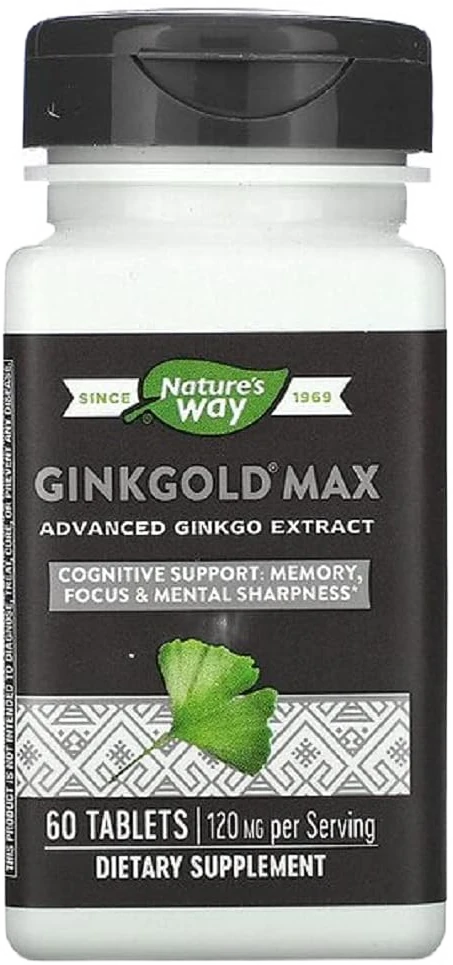 #2 of 9 · Best clinically-studied extract✓ Label verified · Supplement Facts read Sep 7, 2026
Real retailer photo, cut out. Label unedited.
Consider it. The most clinically-pedigreed ginkgo extract — at a premium price. Branded Ginkgold extract, standardised to the full 24%/6% spec, at a clean 120 mg per once-daily tablet — one of the most-referenced ginkgo materials in the US.
$22 / 60 tablets (~60 days at 1/day)~$0.37 per 120 mg tablet
Why It Scores 8.9 — And The Label Line Behind Each Number
Extract standardisation
30% of scoreBranded Ginkgold extract standardised to the full 24% flavone glycosides / 6% terpene lactones — the clinical spec, in one of the most research-referenced ginkgo materials on the US market. Essentially top marks; the named provenance is a genuine plus over an anonymous commodity extract at the same numbers.
- Standardisation
- 24% flavone glycosides / 6% terpene lactones
- Trial-dose alignment
- 120 mg matches Le Bars 1997; inside the 120-240 mg studied range
Dose vs the studied 120-240 mg range
25% of scoreA full 120 mg in a single once-daily tablet — the trial-standard dose, no two-tablet math. Squarely inside the studied 120-240 mg range and the cleanest possible dosing for the clinical floor.
- Dose
- 120 mg (1 tablet)
Purity & third-party testing
20% of scoreGluten-free and vegan, from a long-established herbal brand with a real quality reputation. Held below the top because, like nearly all ginkgo, it doesn't carry an independent third-party (NSF/USP) seal or a printed ginkgolic-acid limit on this listing. Solid brand-level quality rather than documented best-in-class purity.
- Testing
- Established-brand QC; no independent third-party seal stated
Value per effective day
15% of scoreRoughly $0.37 per 120 mg tablet — the premium end of the list, about 3× the cost of commodity ginkgo at the same spec. You're paying for the branded Ginkgold material and the Nature's Way name, not a stronger dose. The weakest axis, and the main reason it sits at #2 rather than #1.
- Count
- 60 tablets (~60 days at 1/day)
- Price
- ~$22 / 60 tablets = ~$0.37 per 120 mg serving
Real-world response
10% of scoreOne tablet a day at the full clinical dose, from a trusted brand with deep ginkgo pedigree — easy to take consistently, which matters for a slow botanical. Loses a touch only for the small 60-count bottle (a two-month supply) and the off-putting reseller-style listing title.
- Active form
- Ginkgold branded ginkgo leaf extract
- More Specs
- Free from
- Gluten-free, vegan
- Best for
- Buyers who want named, clinically-referenced extract provenance
Label verified. Every figure read from the Supplement Facts photo, Sep 7, 2026.
Marketing Claims Vs. Reality
Ginkgold is a clinically-studied ginkgo extract.
Ginkgold is a named branded ginkgo extract with a documented research pedigree and the full 24%/6% standardisation. The clinical-extract provenance claim is accurate and is the product's core differentiator.
Standardized to 24% flavone glycosides and 6% terpene lactones.
The full EGb 761-class spec is stated on the listing. This is the standardisation the trials used, and it's the most important thing to verify on a ginkgo bottle.
120 mg once-daily for mental sharpness and circulation.
The 120 mg once-daily dose is verified and trial-standard. The benefit is real but modest — standardised ginkgo helped cognition/circulation in impaired populations (Le Bars 1997; Herrschaft 2012; Pittler & Ernst 2000), not as a strong sharpener for healthy brains, and it does not prevent decline (GEM, DeKosky 2008).
From a trusted, long-established herbal brand.
Nature's Way is a long-established US herbal supplement brand, and Ginkgold is its flagship ginkgo line. The brand-heritage claim is accurate; note this specific listing is a reseller-style title for the genuine product.
What Our Test Actually Found
Ginkgold's provenance is the whole reason to buy it
The case for Ginkgold Max isn't a stronger dose — it's knowing exactly which extract you're taking. Ginkgold is a named, clinically-referenced ginkgo material standardised to the full 24%/6% spec, where a commodity bottle gives you an anonymous extract at the same numbers. For buyers who want traceable, brand-name provenance behind their ginkgo, that documented identity is worth something. It's the same logic as buying a branded creatine (Creapure) over a generic: same molecule, named pedigree.
You pay roughly 3× the commodity price for that provenance
At about thirty-seven cents per 120 mg tablet, Ginkgold Max is one of the most expensive ginkgos on the list per effective day — roughly triple Doctor's Best (#1) at the identical 24%/6% spec and 120 mg dose. The premium buys the branded material and the Nature's Way name, not a different effect; both are standardised 120 mg ginkgo. If provenance justifies the markup for you, fine; if you're cost-driven, the value picks deliver the same clinical spec for far less.
The reseller-style listing title undersells a genuine product
This particular Amazon listing is named in a clunky reseller style ('120 Mg 60 Tab'), which can make a careful shopper second-guess authenticity. It is the genuine 120 mg, 60-tablet Ginkgold Max — the awkward title is just how the listing is presented, and packaging may vary. Worth flagging so you're not deterred, but it doesn't change the standardised Ginkgold extract you receive.
60 tablets is only a two-month run at the clinical dose
Because ginkgo needs months of consistent dosing to show its modest effect, the 60-tablet bottle is on the small side: one tablet a day empties it in two months, roughly the minimum window of the trials. Plan to re-buy if you're giving Ginkgold a fair test. The bulk value picks (Nutricost #9, Life Extension #4) last far longer per bottle — another reason this is a provenance choice, not a value one.
Same honest ceiling as every ginkgo — symptomatic, not preventive
Ginkgold's pedigree doesn't change ginkgo's biology. The replicated benefit is modest and symptomatic: memory and circulation support in people with measurable impairment (Le Bars 1997; Herrschaft 2012; Pittler & Ernst 2000). The GEM Study (DeKosky 2008) showed 240 mg/day didn't prevent dementia over six years. So buy Ginkgold Max for well-pedigreed symptomatic support, run it patiently, and keep the expectation grounded.
Full analysis: all pros & cons (9), buy if / skip if
- Branded Ginkgold extract — one of the most clinically-referenced ginkgo materials in the US
- Full 24%/6% standardisation at a clean 120 mg per once-daily tablet
- Named, traceable extract provenance rather than an anonymous commodity
- Gluten-free and vegan, from a long-established herbal brand
- Once-daily tablet makes consistent dosing easy
- Premium price — roughly 3× commodity ginkgo at the same spec and dose
- Only 60 tablets per bottle — a two-month supply at the clinical dose
- Sold under a reseller-style listing title; packaging may vary
- Like all ginkgo, a modest symptomatic support — not a prevention drug
- You want the named, clinically-referenced Ginkgold extract rather than an anonymous commodity
- You value brand-name extract provenance and traceability over rock-bottom price
- You want a full 120 mg in one once-daily tablet at the full 24%/6% spec
- You're a Nature's Way loyalist who trusts the brand's herbal pedigree
- You're optimising cost-per-effective-day — Doctor's Best (#1) gives the same spec/dose at ~1/3 the price
- You want a big supply per bottle — 60 tablets is only a two-month run at one a day
- The reseller-style listing title makes you uneasy about authenticity
Branded Ginkgold extract, standardised to the full 24%/6% spec, at a clean 120 mg per once-daily tablet — one of the most-referenced ginkgo materials in the US. The catch is cost: roughly 3× the per-serving price of commodity ginkgo at the same spec, sold under a reseller-style listing title. Worth it if you specifically want named extract provenance; if you're optimising value, Doctor's Best (#1) or NOW (#3) delivers the same 120 mg 24%/6% spec for far less.
Nature's Way Ginkgold Max is the pick for buyers who want the ginkgo extract with the deepest research pedigree. Ginkgold is a specific, branded ginkgo leaf material — one of the most clinically-referenced ginkgo extracts on the US market — standardised to the full 24% flavone glycosides and 6% terpene lactones, and delivered here at a clean 120 mg in a single once-daily tablet. If extract provenance is what you care about, this is the bottle. The trade-off is price. Ginkgold Max runs roughly three times the per-serving cost of commodity ginkgo at the identical spec and dose, and it's sold on Amazon under a reseller-style title that undersells the genuine product inside. The material isn't 'stronger' than a well-made generic — both are standardised 120 mg ginkgo — so the premium buys named provenance, not a different effect. And like all ginkgo, it's a modest symptomatic support, not a prevention drug. Here's the full breakdown.
The pedigree pick — buy it for provenance, not for value.

Nature's Way Ginkgold Max is the ginkgo to buy when you specifically want the extract with the deepest research pedigree. Ginkgold is a named, clinically-referenced material standardised to the full 24%/6% spec, delivered at a clean 120 mg per once-daily tablet. For a buyer who values knowing exactly which branded extract is in the bottle, that traceability is the draw, and it's a genuine, well-made product. What it is not is a value pick. At roughly three times the per-serving cost of commodity ginkgo at the identical spec and dose, the premium buys provenance, not potency — both are standardised 120 mg ginkgo. If cost-per-effective-day is your priority, Doctor's Best (#1) or NOW (#3) gives you the same clinical spec for far less. And the honest frame that applies to every ginkgo applies here too: this is a modest symptomatic support for memory and circulation (Le Bars 1997; Herrschaft 2012; Pittler & Ernst 2000), not a dementia-prevention drug — the GEM Study (DeKosky 2008) settled that. Buy Ginkgold Max for the pedigree, run it daily for 6-8 weeks, and judge it honestly.
If This Doesn’t Fit — Try These
 01
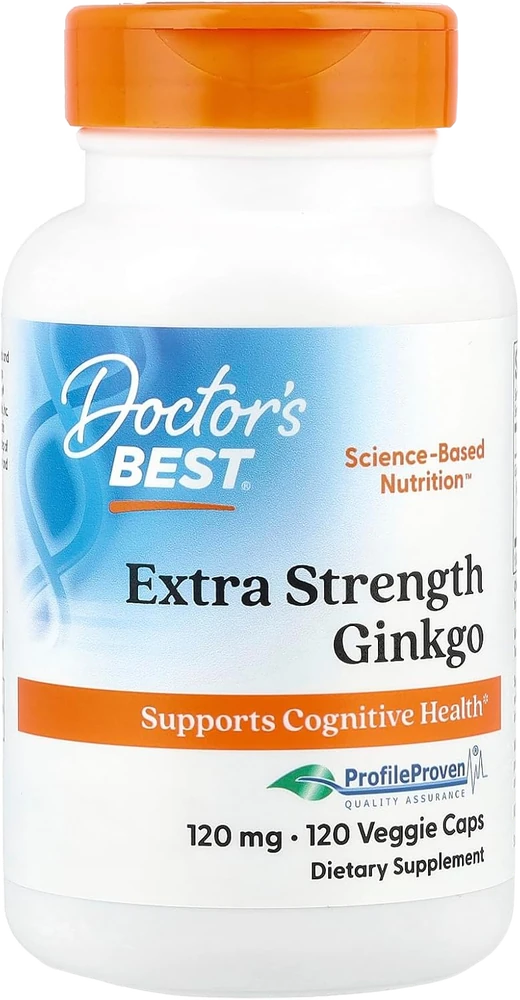
Doctor's Best Extra Strength Ginkgo
If you want one ginkgo bottle that matches what the studies actually tested, this is it.
 03
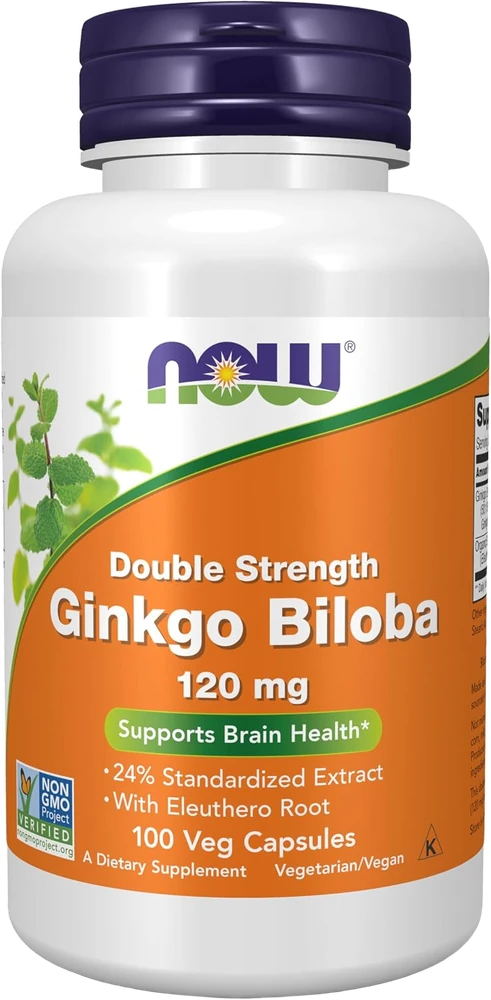
NOW Ginkgo Biloba 120 mg
NOW is the trust-and-value sweet spot.
 04
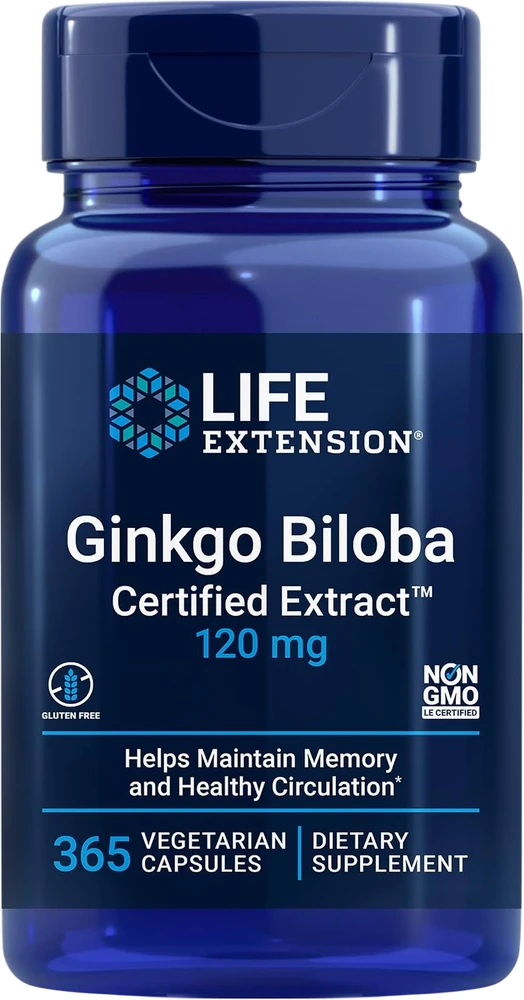
Life Extension Ginkgo Certified Extract
This is the connoisseur's purity pick.
Quick Answers
What makes Ginkgold different from a generic ginkgo extract?
Ginkgold is a specific, branded ginkgo leaf extract that has been used in clinical research and standardised to the full 24% flavone glycosides / 6% terpene lactones spec. Generic ginkgo extracts can also hit 24%/6%, but Ginkgold's appeal is its documented, named provenance — it's one of the most-referenced branded ginkgo materials in the US, so you know precisely which extract you're taking. For a buyer who wants brand-name extract pedigree rather than an anonymous commodity, that traceability is the differentiator. Functionally it's still standardised ginkgo at the clinical dose; the premium buys provenance, not a different mechanism.
Is it worth paying roughly 3× more than Doctor's Best for the same 120 mg dose?
Only if extract provenance matters to you. Doctor's Best (#1) delivers the same 24%/6% spec and 120 mg dose at about eleven cents a serving; Ginkgold Max runs closer to thirty-seven cents. The peptide-grade material isn't 'stronger' — both are standardised 120 mg ginkgo. What you're paying for is the named, clinically-referenced Ginkgold extract and the Nature's Way brand. If you value knowing exactly which branded material is in the bottle, the premium is defensible. If you're optimising cost-per-effective-day, Doctor's Best or NOW (#3) is the rational pick.
Why is it sold under a strange title like '120 Mg 60 Tab'?
That's a reseller-style Amazon listing title, not Nature's Way's official packaging language — it's the genuine 120 mg, 60-tablet Ginkgold Max sold through a third-party listing. The product inside is the real thing; the awkward title is just how this particular listing is named, and packaging may vary from what you see in the photo. It's worth knowing so you're not thrown by the title, but it doesn't change what you receive: standardised Ginkgold extract at 120 mg per tablet.
How many tablets a day, and for how long?
One tablet a day gives you the full 120 mg clinical dose — no two-tablet math. Take it consistently for at least 6-8 weeks before judging, because ginkgo is slow: the trials that found benefit ran for months (Le Bars 1997 over 52 weeks; Herrschaft 2012 over 24 weeks). A 60-tablet bottle is a two-month supply at one a day, which is roughly the minimum trial window — plan to re-buy if you're giving it a fair test. Same-time-daily dosing helps adherence with a botanical whose effect is real but modest.
Will Ginkgold prevent dementia or Alzheimer's?
No ginkgo has been shown to do that, Ginkgold included. The honest evidence is symptomatic: standardised ginkgo modestly helped cognition and neuropsychiatric symptoms in people who already had dementia (Le Bars 1997; Herrschaft 2012). But the large GEM Study (DeKosky 2008, JAMA) followed 3,000+ older adults for six years on 240 mg/day and found ginkgo no better than placebo at preventing dementia. So buy Ginkgold Max as a well-pedigreed symptomatic memory-and-circulation support, not as a prevention drug — and treat any 'prevents Alzheimer's' marketing as unproven.
Sources & Further Reading
3 peer-reviewed sources, each linked to PubMed
- [1] Le Bars 1997 PMID 9343463 — A placebo-controlled, double-blind, randomized trial of an extract of Ginkgo biloba for dementia. 52-week RCT of standardised EGb 761 (120 mg/day) in dementia: modest cognitive/functional benefit vs placebo. The reference for the 120 mg standardised dose Ginkgold Max delivers.
- [2] Herrschaft 2012 PMID 22459264 — Ginkgo biloba extract EGb 761 in dementia with neuropsychiatric features: a randomised, placebo-controlled trial to confirm the efficacy and safety of a daily dose of 240 mg. 24-week RCT, 410 patients: 240 mg/day EGb 761 beat placebo on cognition and neuropsychiatric symptoms. Confirms standardised ginkgo's symptomatic benefit at the upper end of the studied dose range.
- [3] DeKosky 2008 (GEM Study) PMID 19017911 — Ginkgo biloba for prevention of dementia: a randomized controlled trial. GEM Study: 3,069 older adults, ~6 years, 240 mg/day vs placebo — ginkgo did NOT prevent dementia. The honesty caveat for even a pedigreed extract like Ginkgold.
Affiliate disclosure: every Amazon link uses our Associates tag (superachieverclub-20). We earn a small commission at no cost to you; it funds independent reviews. We never accept payment to change a ranking.