Reviewed
Verified by SAC team
+10
XP on completion
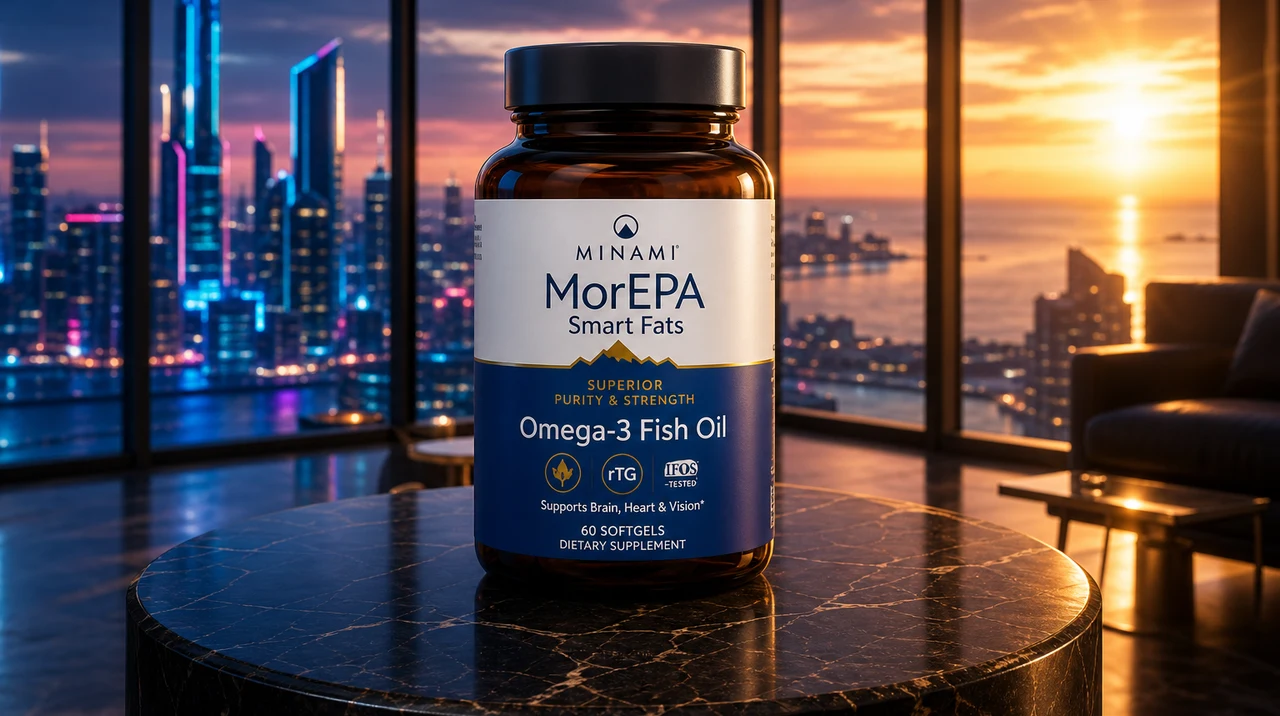
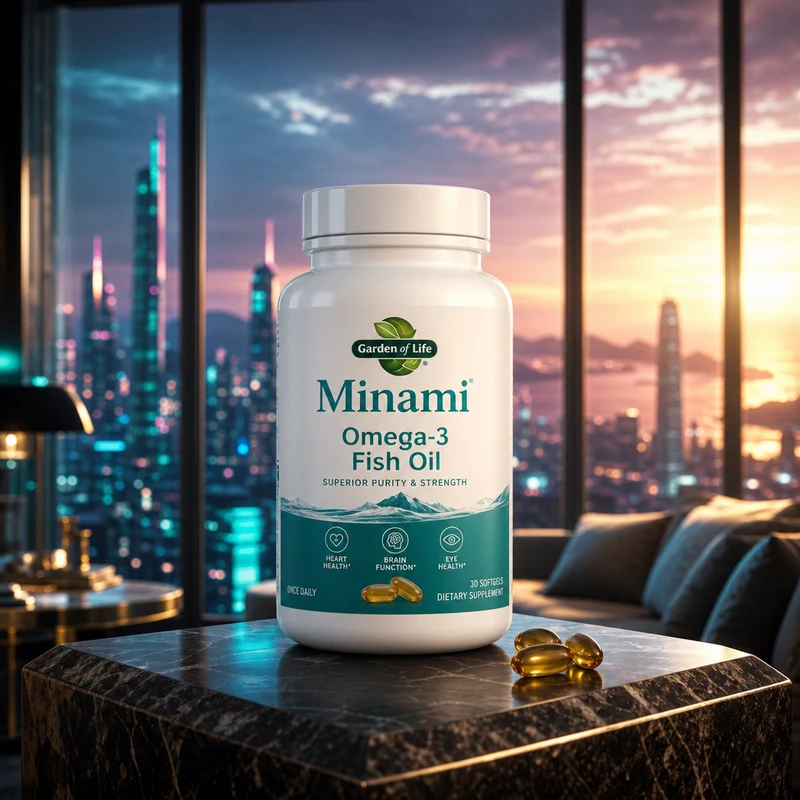
Minami MorEPA Smart Fats omega-3 softgels — supercritical CO2 processed in the SAC luxe-interior scene
Best Smart-Fat Blend
Minami / Garden of Life · rTG · IFOS-tested · 60 softgels

Minami MorEPA Smart Fats Review

Minami MorEPA Smart Fats is the bottle to buy if you specifically value low-oxidation processing pedigree. At $34 for 60 softgels (2 months at 1 cap/day), it ships re-esterified triglyceride (rTG) form omega-3 extracted via supercritical CO2 — a low-temperature pressurised-CO2 process that minimises oxidation during manufacturing (typical TOTOX <5 vs <10 for heat-distilled premium brands). The 540 EPA / 220 DHA per-cap balance (~2.5:1 ratio) lands above the Sublette 2011 mood-trial threshold while preserving DHA co-benefit. Minami was acquired by Garden of Life in 2017 — the original supercritical CO2 manufacturing infrastructure remained intact post-acquisition. Eight weeks running 1-2 softgels/day with breakfast, here's the breakdown.

Check on Amazon

Affiliate link — Super Achiever Club earns a small commission at no extra cost to you.

Read the complete Omega-3 guide →
▸ THE SCORE

How we built the SAC Product Score™8.2/10

EPA+DHA dose + form30%8.5/10

Re-esterified triglyceride (rTG) form at 800 mg combined EPA+DHA per softgel (540 EPA / 220 DHA, ~2.5:1 ratio). Lower per-cap dose than triple-strength competitors but the supercritical CO2 extraction pathway preserves more of the natural fatty acid profile. EPA-leaning ratio above the Sublette 2011 mood-trial threshold while keeping meaningful DHA.

IFOS / oxidation + heavy-metal testing25%8.5/10

IFOS-tested with notably lower TOTOX scores than heat-distilled competitors (typical <5 vs <10 for IFOS 5-star benchmark, <26 for the GOED standard). Not consistently IFOS 5-star (varies by batch under Garden of Life ownership), but the supercritical CO2 process produces measurably cleaner oxidation chemistry. Heavy-metal screening per batch.

Source sustainability + provenance20%8/10

Wild-caught anchovy + sardine sourcing under Garden of Life's broader sustainable-sourcing program — disclosed but not specifically MSC or Friend-of-the-Sea-certified. The supercritical CO2 process itself is more energy-intensive than heat distillation; net sustainability is mixed (better fish sourcing offset by higher processing energy footprint).

Cost per gram EPA+DHA15%7.5/10

$34/month at 800 mg EPA+DHA/day = $1.42/g of EPA+DHA — mid-pack premium pricing reflecting the supercritical CO2 processing cost. More expensive than Nordic Naturals (#1) at $0.99/g; cheaper than Carlson Elite EPA (#2) at $1.50/g for pure-EPA tier. The processing premium is real but adds up.

Real-world response + tolerance10%8/10

Smaller softgel size — easier swallowing than triple-strength competitors. Supercritical CO2 processing produces a notably clean marine note with minimal burp profile. Brand transition from Minami to Garden of Life ownership has been stable; formulation consistency post-2017 is solid. Smaller production volume = occasional Amazon stock variation.

▸ SPECS

The product at a glance

Active form
Re-esterified triglyceride (rTG) — supercritical CO2 extracted
Per softgel
800 mg EPA+DHA (540 EPA / 220 DHA, ~2.5:1 ratio)
Bottle size
60 softgels · 60 servings · 2 months at 1 cap/day
Form purity
rTG via supercritical CO2 extraction (low-temperature, low-oxidation)
Trial-dose alignment
Lands 1 g/day window at 1 cap; mood + CV protocols at 2 caps reach 1.6 g combined
Inactives
Fish gelatin, glycerin, water, mixed tocopherols (antioxidant)
Certifications
IFOS-tested (batch-specific), Garden of Life third-party verification
Manufacturer
Minami Nutrition / Garden of Life (Belgium-based supercritical CO2 facility)
Lab transparency
IFOS batch reports + Garden of Life third-party COA
Price
$34 / month at 1 softgel/day = $0.57 per 800 mg softgel
▸ TRUTH CHECK

Marketing claims vs. reality

Verified

Supercritical CO2 extraction — cleaner processing.

Minami's supercritical CO2 extraction process is publicly documented and verifiable through Garden of Life's manufacturing disclosures. The process genuinely uses lower temperatures than heat-based molecular distillation, which produces measurably lower TOTOX oxidation scores. Real, mechanistically grounded, and the meaningful differentiator that justifies the brand's positioning.

Verified

MorEPA — high-EPA formulation for cardiovascular and brain support.

The 540 EPA / 220 DHA ratio (~2.5:1) is verifiable on the actives panel and IFOS batch certificate. Lands above the Sublette 2011 mood threshold (EPA:DHA ≥2:1 required for depression endpoint). High-EPA framing is accurate; brain claim is more accurate for DHA-dominant formulations specifically but the 220 mg DHA per cap provides baseline cognitive support.

Partial

IFOS-tested for purity and freshness.

Minami batches are tested by IFOS but not consistently rated at the 5-star tier across all lots — varies by batch under Garden of Life ownership. The IFOS-tested claim is accurate; the 5-star claim would slightly overstate. Verifiable per-batch on ifosprogram.com — check before buying.

Verified

Re-esterified triglyceride form for absorption.

Minami discloses the rTG form explicitly on the label. Dyerberg 2010 (PMID 20638827) anchors the 30-50% absorption advantage of rTG vs EE. Real and mechanistically grounded.

Partial

Non-GMO, gluten-free, sustainable sourcing.

Non-GMO and gluten-free claims are verifiable on the Garden of Life allergen and ingredient disclosure documents. Sustainable sourcing claim is honest but not specifically MSC or Friend-of-the-Sea-certified — Wiley's Finest (#6) holds the stricter sustainability certification.

▸ THE DEEP DIVE

What our test actually found

01Supercritical CO2 extraction is genuinely differentiated processing

Standard fish oil concentration uses heat-based molecular distillation — efficient but exposes oil to temperatures that accelerate oxidation chemistry. Supercritical CO2 extraction uses pressurised CO2 at ~30-50°C as the carrier — extracts EPA and DHA without heat damage, preserves more of the natural fatty acid profile, and produces measurably lower TOTOX scores (typically <5 vs <10 for IFOS 5-star competitors). Minami pioneered the technology for consumer fish oil in the 2000s; Garden of Life kept the manufacturing infrastructure post-acquisition. It's real engineering — but it adds 30-40% to per-bottle production cost.

02EPA-leaning ratio is the right specialty for mixed mood + cognition use cases

At 540 EPA / 220 DHA (~2.5:1 ratio), MorEPA sits in an interesting middle ground. The ratio is above the Sublette 2011 mood-trial threshold (EPA:DHA ≥2:1) — good for depression complement use. The 220 mg DHA per cap is meaningful for cognition co-support — better than pure-EPA picks (Carlson Elite EPA #2 has trace DHA). Functionally similar to Thorne Super EPA Pro (#5) without the NSF Sport adder. The right ratio for buyers who want EPA-leaning mood support PLUS meaningful DHA — but the Thorne SKU is the cleaner pick for that profile.

03Garden of Life ownership preserved the manufacturing pedigree but shifted brand voice

Minami was acquired by Garden of Life in 2017, which itself is now under Nestlé Health Science. The supercritical CO2 extraction infrastructure, rTG concentration process, and IFOS testing protocols remained intact post-acquisition. What changed is the brand voice — older Minami packaging emphasised the engineering pedigree explicitly, post-acquisition Garden of Life packaging leans more into broader 'smart fats' wellness framing. The molecule and quality are unchanged; only the marketing language drifted.

04Smaller softgel + cleaner burp profile = high adherence

The supercritical CO2 process produces an unusually clean burp profile — most users report essentially zero fishy repeat at 1 cap/day with food. Combined with the smaller-than-triple-strength softgel size, the format is among the easiest-to-tolerate on the entire 10-pick list. Where it falls short vs Nordic Naturals (#1) is the lemon flavouring — Minami is unflavoured, so users with strong marine-note aversion still default to Ultimate Omega.

05Niche specialty positioning — not the value default

MorEPA Smart Fats is a specialty buy, not a general-purpose default. The supercritical CO2 processing pedigree is genuinely real but commands a 40%+ price premium per gram of EPA+DHA over Nordic Naturals at similar quality. The buyer this bottle is built for: someone who has tested multiple premium fish oils, found heat-distilled products produced unacceptable burp profiles, and is willing to pay the manufacturing-process premium for the cleaner oxidation chemistry. For general-purpose buyers without that specific sensitivity, Nordic Naturals (#1) is the better value.

▸ THE TRADE-OFFS

Pros & cons, no sugar-coating

Pros
  • Supercritical CO2 extraction — genuinely lower oxidation processing than heat-distilled competitors
  • Re-esterified triglyceride form — 30-50% better absorption than ethyl ester
  • EPA-leaning ratio (~2.5:1) above the Sublette 2011 mood threshold with meaningful DHA preserved
  • Smaller softgel size + clean burp profile = high 12-week adherence
  • Garden of Life-owned post-2017 with preserved Minami manufacturing infrastructure
Cons
  • $1.42/g of EPA+DHA — mid-pack premium pricing for the processing-pedigree adder
  • Not consistently IFOS 5-star — batches vary; verify on ifosprogram.com before buying
  • Smaller-volume brand — occasional Amazon stock variation
  • Brand transition history (Minami → Garden of Life) confuses older review threads
▸ THE BOTTOM LINE

The low-oxidation processing-pedigree niche pick.

Minami MorEPA Smart Fats is what we recommend to a specific buyer profile: someone who specifically values manufacturing-process pedigree and is willing to pay the premium for measurably lower oxidation chemistry. The supercritical CO2 extraction is genuinely differentiated technology that produces TOTOX scores meaningfully lower than heat-distilled IFOS 5-star competitors. The EPA-leaning ~2.5:1 ratio with preserved DHA is a thoughtful formulation for mixed mood + cognition use cases. What keeps this from being a top-three pick is the value math. At $1.42/g of EPA+DHA, MorEPA is 40%+ more expensive than Nordic Naturals (#1) at $0.99/g for similar functional quality — the supercritical CO2 processing premium is real but not always worth the cost-per-gram differential. The buyer this bottle is built for: tried Nordic Naturals, found the burp profile still bothered them, willing to upgrade to manufacturing-process specialty for the cleaner oxidation chemistry. For everyone else, Nordic Naturals at the same quality tier is the better default.

Check Minami / Garden of Life · rTG · IFOS-tested · 60 softgels on Amazon
▸ ALTERNATIVES

If this doesn’t fit — try these

▸ RESEARCH

Sources & further reading

  1. Dyerberg 2010 (TG vs EE bioavailability)Dyerberg J, Madsen P, Møller JM, Aardestrup I, Schmidt EB · 2010 · Prostaglandins, Leukotrienes & Essential Fatty Acids · PMID 20638827

    Bioavailability of marine n-3 fatty acid formulations

    TG and rTG forms showed 30-50% higher EPA+DHA incorporation than ethyl ester at identical doses. MorEPA's rTG status is the absorption-advantage anchor over cheap EE concentrates.

  2. Sublette 2011 (depression meta)Sublette ME, Ellis SP, Geant AL, Mann JJ · 2011 · Journal of Clinical Psychiatry · PMID 21939614

    Meta-analysis of the effects of eicosapentaenoic acid (EPA) in clinical trials in depression

    Meta-analysis of 15 RCTs found EPA-dominant formulations (EPA:DHA ratio ≥60%) significantly improved depression scores; DHA-dominant did not. MorEPA's ~2.5:1 ratio lands above the trial threshold while preserving meaningful DHA.

  3. Mozaffarian 2008Mozaffarian D, Wu JH · 2008 · Journal of the American College of Cardiology · PMID 18606981

    Omega-3 fatty acids and cardiovascular disease: effects on risk factors, molecular pathways, and clinical events

    Comprehensive review of omega-3 cardiovascular effects: 10-33% triglyceride reduction at 2-4 g/day, plus modest BP reduction and platelet aggregation effects. MorEPA at 2 caps/day reaches the lower CV protocol band.

  4. Harris 2008 (Omega-3 Index)Harris WS · 2008 · Preventive Medicine · PMID 18774613

    The omega-3 index: a new risk factor for death from coronary heart disease?

    Defined the Omega-3 Index as a CV risk biomarker. Index of 8%+ associated with lowest CHD mortality. MorEPA at 1-2 caps/day for 12 weeks reliably moves the index toward target.

  5. Serhan 2014 (resolvins)Serhan CN · 2014 · Nature · PMID 24899309

    Pro-resolving lipid mediators are leads for resolution physiology

    Mapped the resolvin and protectin biosynthesis pathway from EPA + DHA. The mechanism that underlies omega-3's anti-inflammatory effect — runs identically regardless of whether the source EPA+DHA came from supercritical CO2 vs heat-distilled processing, but the oxidation-quality delta favours MorEPA on the input side.

▸ Build your character

Stop reading. Start leveling.

One free quiz · personalized AI Coach path · 4 missions this week. Build your character, build your life.

  • AI Coach picks 4 missions tailored to your goal
  • Earn XP, build streaks, level up four chapters
  • All evidence-based — no fluff, no upsells