
Ginger Gummies, 200mg Organic Ginger Root per 3-Gummy Serving, 90 Count Review
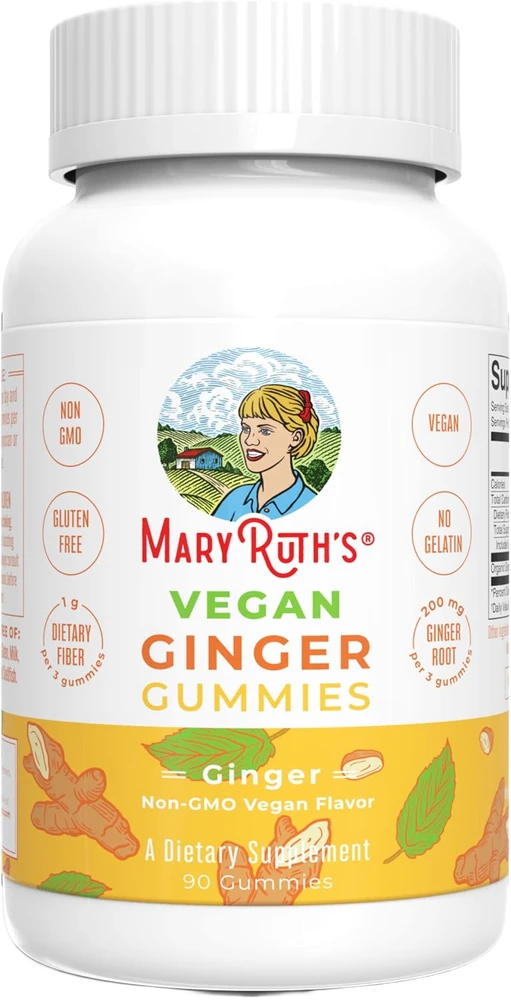 #7 of 9 · Most Palatable✓ Label verified · Supplement Facts read Sep 7, 2026
Real retailer photo, cut out. Label unedited.
Consider it. Most palatable format, but a sub-therapeutic dose with added sugar. Genuinely easy and pleasant to take, which matters for compliance.
$19~$0.63 per 3-gummy serving
Why It Scores 6.2 — And The Label Line Behind Each Number
Form, Bioavailability & Standardization
25% of scoreA pectin gummy is easy to chew and swallow, aiding compliance for capsule-averse users. The format is fine; the ginger content is simply low, and sugar comes along for the ride. Whole ginger root, no gingerol standardization. The label is clear about the 200mg per 3-gummy serving, so accuracy is fine — the amount is just small.
- Form
- Vegan pectin gummy
- Standardization
- None (whole root); contains added cane sugar
Dose vs. Clinical Range
25% of score200mg per serving is one-fifth of the ~1g used in nausea trials. Even doubling servings falls short, and more gummies means more sugar. This is the limiting axis.
- Dose
- 200mg ginger root per 3-gummy serving
Third-Party Testing & Purity
20% of scoreVegan, non-GMO, gluten-free with MaryRuth's generally solid QC and clean-label positioning. Reasonable assurance for a gummy.
- Testing
- Vegan, non-GMO, gluten-free (no gelatin)
Tolerability & Safety
15% of scoreA sweet, chewable pectin gummy is markedly easier to take than pungent capsules or raw powder, which genuinely improves compliance for gag-sensitive users. The added cane sugar is the caveat — relevant for anyone limiting sugar.
Value
15% of score~$19 for 30 servings is fair for a gummy, but you're paying premium per milligram of ginger given the low dose.
- Count
- 90 gummies (30 servings)
- Cost per serving
- ~$0.63
Label verified. Every figure read from the Supplement Facts photo, Sep 7, 2026.
Marketing Claims Vs. Reality
Most palatable format on the list
A sweet, chewable pectin gummy is markedly easier to take than pungent capsules or raw powder, which genuinely improves compliance for gag-sensitive users.
Delivers a therapeutic nausea dose
200mg per serving is roughly one-fifth of the ~1g used in nausea RCTs (Viljoen 2014). It's a taste/convenience product, not a clinical dose.
Sugar-free
The gummies contain added cane sugar, as is typical for the format — a relevant caveat for anyone limiting sugar or managing nausea from GI conditions.
What Our Test Actually Found
Compliance is a real benefit — for the right person
A supplement you'll actually take beats a stronger one you avoid. For someone who can't tolerate capsules, a low-dose gummy taken consistently may beat a full-dose capsule left in the cupboard.
Sugar and dose cap its ceiling
You can't simply eat more gummies to reach 1g without loading meaningful sugar. That practical limit is why it can't compete with the capsule picks for real nausea or inflammation control.
Full analysis: all pros & cons (6), buy if / skip if
- Most palatable, easiest-to-take format on the list
- Vegan pectin base with no gelatin
- Non-GMO, gluten-free, convenient for travel
- Clear labeling of the per-serving amount
- Only 200mg per serving — one-fifth of the studied dose
- Contains added cane sugar; can't scale up without more sugar
- Most palatable, easiest-to-take format on the list
- Vegan pectin base with no gelatin
- Non-GMO, gluten-free, convenient for travel
- Only 200mg per serving — one-fifth of the studied dose
- Contains added cane sugar; can't scale up without more sugar
Genuinely easy and pleasant to take, which matters for compliance. The catch is 200mg per serving — one-fifth of the studied dose — plus cane sugar. Good for mild, occasional queasiness or gag-sensitive users; not a real therapeutic dose.
For people who gag on capsules or hate ginger's bite, MaryRuth's gummies solve the compliance problem: a pleasant, vegan pectin-based chew with 200mg organic ginger per 3-gummy serving, non-GMO and gelatin-free. That palatability is the whole value proposition. But be clear-eyed — 200mg is one-fifth of the ~1g studied nausea dose, and each serving carries added cane sugar. It can take the edge off mild queasiness and it's convenient on the go, but it won't deliver a therapeutic anti-nausea or anti-inflammatory dose.
Consider it for palatability, not for a real dose

If you or a family member won't take capsules, these gummies are a pleasant way to get some ginger for mild, occasional queasiness. Just don't expect trial-level nausea or anti-inflammatory results at 200mg with added sugar. A convenience pick, honestly ranked below the therapeutic-dose options.
If This Doesn’t Fit — Try These
 09
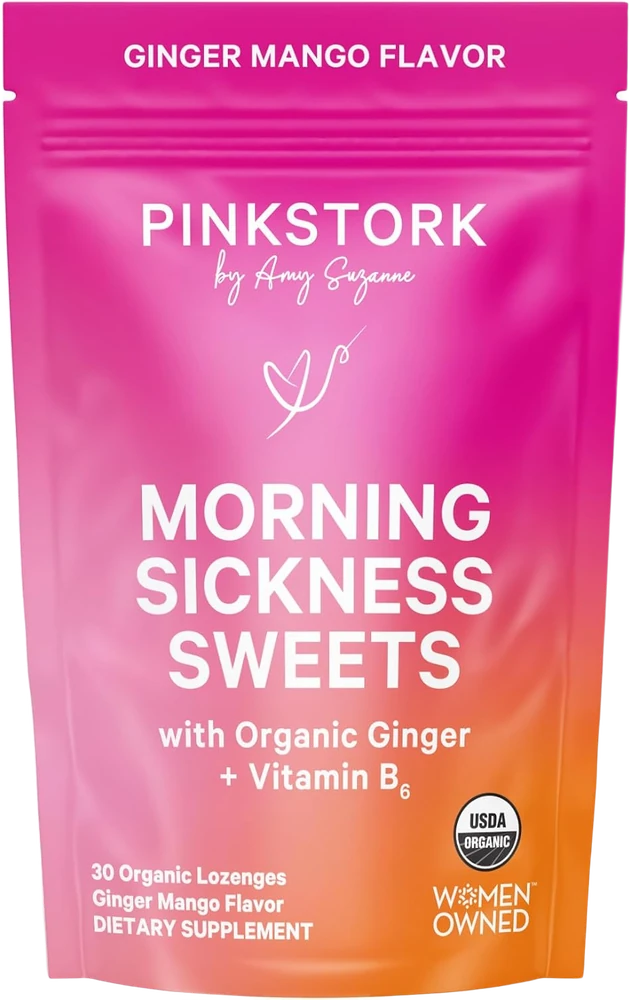
09Pink Stork Morning Sickness Sweets
Judged as a daily ginger supplement it finishes last because the per-drop dose is small and unmeasured.
 02
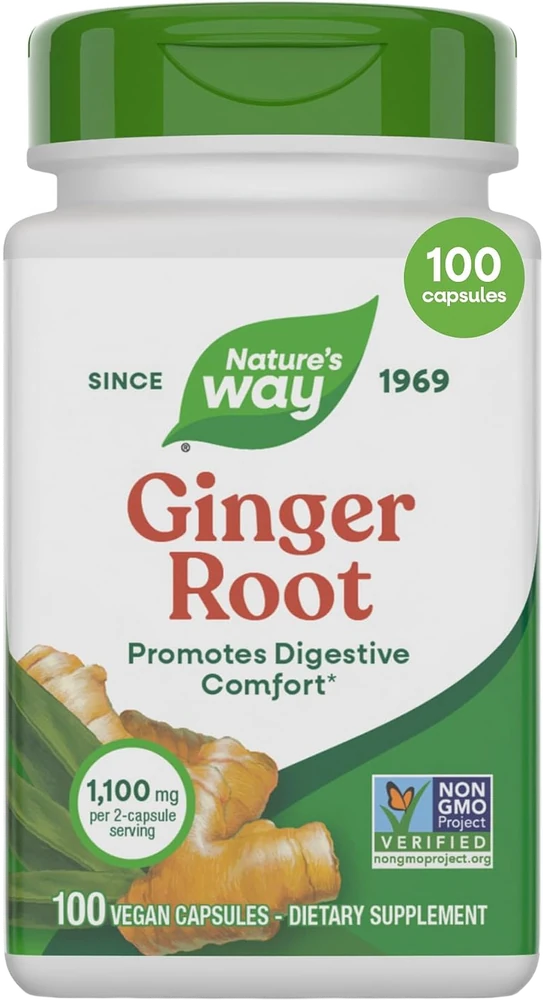
02Nature's Way Ginger Root
The best choice for people who want a real, on-label ~1g dose without paying extract prices.
Quick Answers
Can gummies help my nausea at all?
Possibly for mild, occasional queasiness. But at 200mg they're well under the studied dose, so don't expect them to match a full-dose capsule for real nausea.
How many gummies to reach 1g of ginger?
About 15, which would deliver a lot of added sugar. That's why gummies aren't a practical way to hit the therapeutic dose.
Sources & Further Reading
2 peer-reviewed sources, each linked to PubMed
- [1] Viljoen E, et al. A systematic review and meta-analysis of the effect and safety of ginger in the treatment of pregnancy-associated nausea and vomiting. Nutr J. 2014;13:20. PMID 24642205 — A systematic review and meta-analysis of the effect and safety of ginger in the treatment of pregnancy-associated nausea and vomiting. Nausea benefit occurred near ~1g/day, five times this product's per-serving ginger content.
- [2] Nikkhah Bodagh M, et al. Ginger in gastrointestinal disorders: A systematic review of clinical trials. Food Sci Nutr. 2018;7(1):96-108. PMID 30680163 — Ginger in gastrointestinal disorders: A systematic review of clinical trials. Ginger's GI benefits appeared at doses well above 200mg, generally in the ~1g range.
Affiliate disclosure: every Amazon link uses our Associates tag (superachieverclub-20). We earn a small commission at no cost to you; it funds independent reviews. We never accept payment to change a ranking.