
Jarrow Formulas Ginkgo Biloba 50:1, 60 mg Review
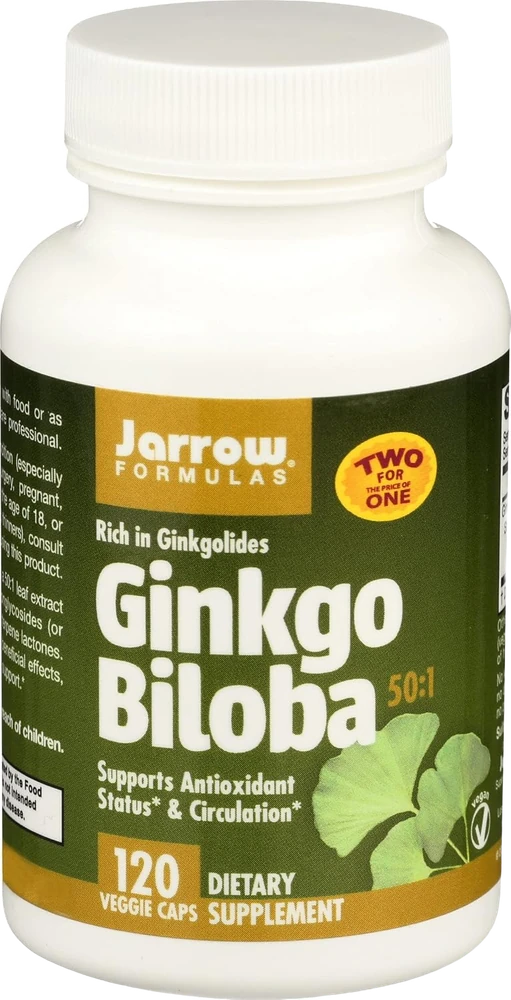 #7 of 9 · Best for flexible dosing✓ Label verified · Supplement Facts read Sep 7, 2026
Real retailer photo, cut out. Label unedited.
Consider it. The flexible-dosing pick — good extract, but mind the two-capsule math. 60 mg of standardised 24%/6% extract per capsule lets you titrate (one cap for 60 mg, two for the 120 mg clinical dose), from a reliable allergen-free value brand.
$13 / 120 veg capsules (~60 days at 120 mg/day)~$0.22 per 120 mg serving (2 capsules)
Why It Scores 8.1 — And The Label Line Behind Each Number
Extract standardisation
30% of scoreA 50:1 extract standardised to 24% ginkgoflavonglycosides (the same as flavone glycosides) and 6% terpene lactones — the full EGb 761-class spec, from an established value brand. The extract quality is genuinely strong and right alongside the higher-ranked picks; standardisation is not where this loses ground.
- Standardisation
- 24% ginkgoflavonglycosides / 6% terpene lactones
- Trial-dose alignment
- Two capsules reach the 120 mg trial-standard dose (Le Bars 1997)
Dose vs the studied 120-240 mg range
25% of score60 mg per capsule means the trial-standard 120 mg dose requires two capsules. The flexibility to run 60 or 120 mg is a genuine plus, but reaching the clinical dose isn't a one-capsule action, and the dose math is left to the buyer. Marked down for the two-capsule requirement and the under-dosing risk, not for being outside the range.
- Dose
- 60 mg per capsule; 120 mg = 2 capsules (clinical dose)
Purity & third-party testing
20% of scoreFree from major allergens (wheat, gluten, soy, dairy, egg, nuts) from a reputable value brand — a clean formula. Held back by the absence of an independent third-party seal and no printed ginkgolic-acid limit, the same gap as most picks here. Solid, not best-in-class on documented purity.
Value per effective day
15% of scoreAbout $0.22 per 120 mg serving (two capsules), with a 120-count bottle lasting only ~2 months at the clinical dose. Cheap bottle, but the two-capsule requirement raises the per-effective-day cost and halves the apparent supply. Better value if you run the gentle 60 mg dose; weaker at the full 120 mg.
- Count
- 120 veg capsules (~60 days at 120 mg/day, ~120 days at 60 mg/day)
- Price
- ~$13 / 120 caps = ~$0.22 per 120 mg serving (2 caps)
Real-world response
10% of scoreThe titration flexibility is a real-world plus for dose-tinkerers, but the two-capsule clinical dose and the potentially-confusing '60 MG' listing label add friction and an under-dosing risk that the one-capsule picks don't have. Net: convenient for deliberate dosers, fiddlier for everyone else.
- Active form
- Ginkgo biloba leaf extract (50:1)
- More Specs
- Free from
- Major allergens — wheat, gluten, soy, dairy, egg, nuts
- Best for
- Dose-titrators who want 60-or-120 mg flexibility
Label verified. Every figure read from the Supplement Facts photo, Sep 7, 2026.
Marketing Claims Vs. Reality
50:1 extract standardized to 24% ginkgoflavonglycosides and 6% terpene lactones.
The full EGb 761-class spec is stated, as a 50:1 extract. 'Ginkgoflavonglycosides' is the same marker class as flavone glycosides — the clinical standardisation. Accurate and clearly disclosed.
60 mg per capsule for flexible dosing.
Each capsule is 60 mg, enabling 60 mg (one capsule) or 120 mg (two capsules) dosing. The flexibility claim is accurate — and the reason buyers must read the per-serving math to hit the clinical dose.
120 mg ginkgo supports cognition and circulation.
True at the 120 mg dose (two capsules), but modest like all ginkgo — standardised ginkgo helped cognition/circulation in impaired populations (Le Bars 1997; Herrschaft 2012; Pittler & Ernst 2000), not as a strong sharpener for healthy brains, and it does not prevent decline (GEM, DeKosky 2008). Note the dose requires two capsules.
Free from common allergens.
The listing states it's free from wheat, gluten, soy, dairy, egg, and nuts — consistent with Jarrow's formulation standards. No reason to doubt it.
What Our Test Actually Found
The extract is good — the dosing format is the issue
Don't mistake the #7 ranking for a weak product. The 50:1, 24%/6% standardised extract is right alongside the leaders on spec, from a reputable value brand, free from major allergens. What holds it back is purely the dosing format: 60 mg per capsule means the clinical 120 mg dose takes two capsules. If you judged this on extract quality alone it would rank higher; the format is the differentiator.
The '60 MG' label is a genuine under-dosing trap
This is the practical warning that matters most: the live listing is labelled '60 MG,' and a shopper used to one-capsule ginkgo could easily take a single capsule and assume they're at the clinical dose — when they're at half of it. To replicate the evidence (120 mg/day, Le Bars 1997) you take two Jarrow capsules. The flexibility is a feature, but it shifts the dose-math responsibility onto you, and the label makes it easy to get wrong if you're not paying attention.
Flexibility is the real, legitimate benefit
For the right buyer, the 60 mg capsule is genuinely useful. You can ease into ginkgo at a gentle 60 mg/day, step up to 120 mg once you're comfortable, or split the dose morning and evening. If you value that granular control — to assess tolerance or spread the dose — Jarrow gives it to you where one-capsule 120 mg products can't. The pick makes most sense specifically for deliberate dose-titrators.
The bottle empties twice as fast as the count implies
A 120-count bottle sounds generous, but at the clinical 120 mg dose (two capsules) it's only a two-month supply — and the per-effective-day cost rises to about twenty-two cents accordingly. If you run the gentle 60 mg dose, the same bottle lasts four months and the cost halves. So the value depends entirely on your dose: reasonable at 60 mg/day, middling at the full 120 mg versus the one-capsule picks.
Same honest ceiling — a modest symptomatic support
Once you're dosing correctly, the expectation is the same as any ginkgo: a modest symptomatic helper, not a prevention drug. The replicated benefit is in memory and circulation for people with measurable impairment (Le Bars 1997; Herrschaft 2012; Pittler & Ernst 2000), and the GEM Study (DeKosky 2008) showed 240 mg/day didn't prevent decline over six years. Take the clinical 120 mg (two capsules) daily for 6-8 weeks, and judge it honestly.
Full analysis: all pros & cons (9), buy if / skip if
- 60 mg per capsule allows flexible 60-or-120 mg dosing and dose-splitting
- Solid 50:1, 24%/6% standardised extract — right alongside the top picks on spec
- Free from major allergens (wheat, gluten, soy, dairy, egg, nuts)
- Established, reliable value brand at a low bottle price
- Useful for easing into ginkgo or assessing tolerance at a gentle dose
- Clinical 120 mg dose requires two capsules — halves the bottle's effective supply
- Live listing labels it '60 MG' — easy to under-dose by taking just one capsule
- Pricier per effective day at the full 120 mg than one-capsule picks
- No third-party seal or printed ginkgolic-acid limit; modest effect like all ginkgo
- You want flexible dosing — a gentle 60 mg/day or the full 120 mg (two capsules)
- You like to titrate up slowly, or split your dose across the day
- You want a solid 24%/6% extract from a reliable, allergen-free value brand
- You understand the per-serving math and will dose deliberately
- You just want the trial-standard 120 mg in one capsule — Doctor's Best (#1) or NOW (#3) are simpler
- You want a bottle that lasts — 120 caps is only a two-month run at the clinical dose
- You might forget it's 60 mg/cap and accidentally under-dose at one capsule
60 mg of standardised 24%/6% extract per capsule lets you titrate (one cap for 60 mg, two for the 120 mg clinical dose), from a reliable allergen-free value brand. The catch: the clinical dose needs two capsules, so a 120-count bottle is only a two-month supply at 120 mg, and the '60 MG' label can mislead a careless buyer into under-dosing. Good for dose-tinkerers; for straight 120 mg daily use, a one-capsule pick (Doctor's Best #1) is simpler.
Jarrow Formulas Ginkgo Biloba is the titration-friendly option. Each capsule is 60 mg of standardised 24%/6% extract (a 50:1 extract, labelled '24% ginkgoflavonglycosides / 6% terpene lactones'), which lets you run a gentle 60 mg dose with one capsule or take two for the full 120 mg clinical dose. From a reliable value brand, free from major allergens, it's a sound choice for anyone who wants granular control over how much ginkgo they take. The trade-off is real and worth stating plainly. Reaching the trial-standard 120 mg dose takes two capsules, so a 120-count bottle is only a two-month supply at the clinical dose — and the live listing labels it '60 MG,' so a careless shopper could under-dose by taking just one. The extract spec is genuinely good; it's the two-capsule dosing and the easy-to-misread label that hold it at #7. Here's the full breakdown.
The titration pick — buy it for dose flexibility, mind the math.

Jarrow Formulas Ginkgo Biloba is the ginkgo for deliberate dose-titrators. The 60 mg capsule lets you run a gentle 60 mg/day or take two for the full 120 mg clinical dose, the extract is a solid 50:1 24%/6% standardisation right alongside the leaders, and it's free from major allergens from a reliable value brand. If you specifically value granular control over your dose, it's a sound, sensibly-priced choice. The reasons it sits at #7 are all about the dosing format, not the extract. Reaching the clinical 120 mg dose takes two capsules, so a 120-count bottle is only a two-month supply at that dose and costs more per effective day than the one-capsule picks. And the '60 MG' listing label is a genuine under-dosing trap — a careless buyer could take one capsule and think they're at the clinical dose when they're at half. If you just want the trial-standard 120 mg in one go, Doctor's Best (#1) or NOW (#3) is simpler and more efficient. As with all ginkgo, keep the expectation honest: it's a modest symptomatic support for memory and circulation (Le Bars 1997; Herrschaft 2012; Pittler & Ernst 2000), not a prevention drug — the GEM Study (DeKosky 2008) settled that. Dose it deliberately at 120 mg/day, run it for 6-8 weeks, and judge it then.
If This Doesn’t Fit — Try These
 01
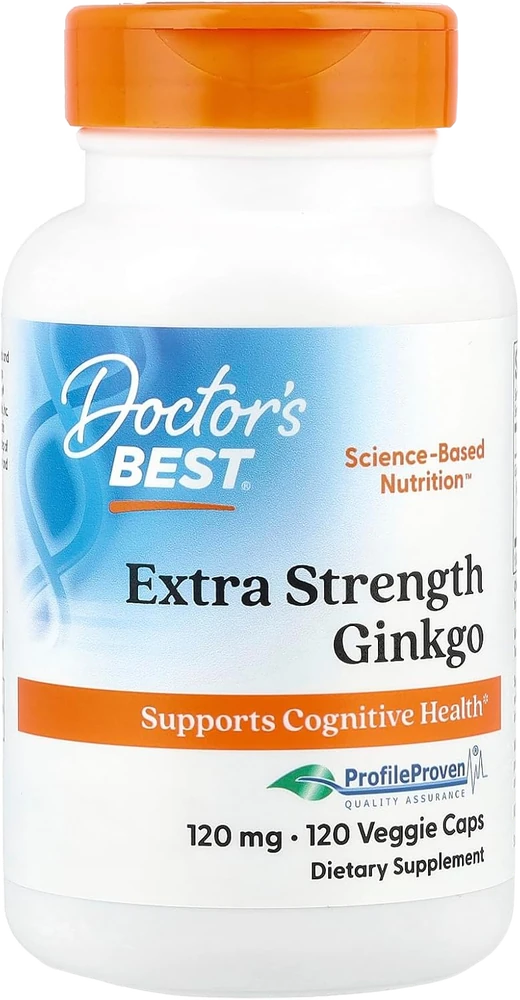
Doctor's Best Extra Strength Ginkgo
If you want one ginkgo bottle that matches what the studies actually tested, this is it.
 03
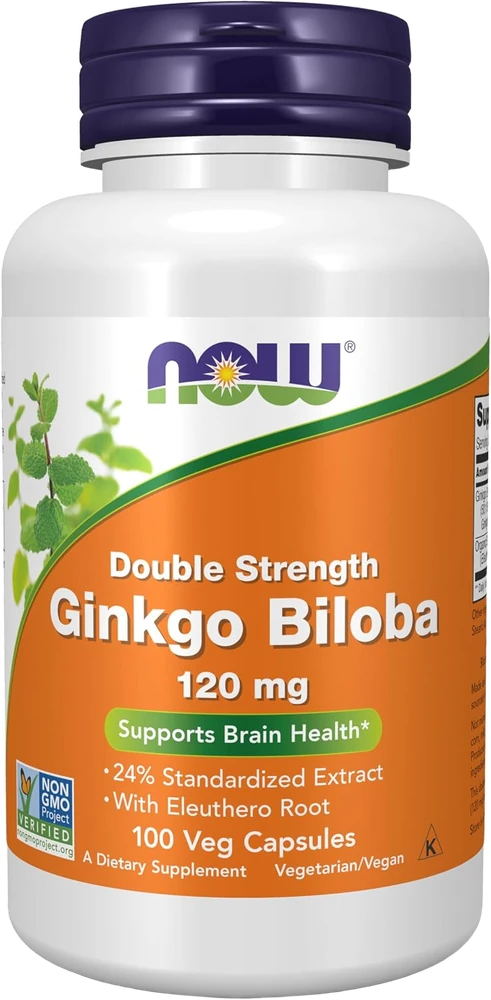
NOW Ginkgo Biloba 120 mg
NOW is the trust-and-value sweet spot.
 09
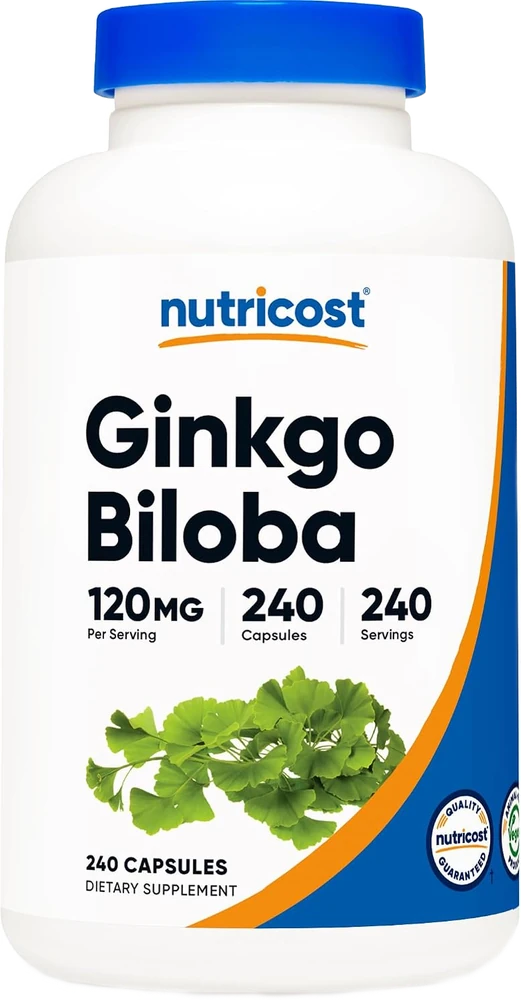
Nutricost Ginkgo Biloba 120 mg
Nutricost is the cost-per-day champion.
Quick Answers
Wait — is this 60 mg or 120 mg of ginkgo?
It's 60 mg per capsule. The clinical dose of 120 mg/day requires two capsules. This is the single most important thing to understand before buying: the live Amazon listing labels it '60 MG,' and the per-serving math is on you. If you want the trial-standard 120 mg dose (the one behind Le Bars 1997 and most ginkgo evidence), you take two Jarrow capsules. If you want a gentler 60 mg dose, you take one. The flexibility is the point of this product, but it also means a careless shopper could under-dose by taking just one capsule and thinking they're at the clinical dose. Read the label and do the math.
Why would I want 60 mg per capsule instead of a 120 mg cap?
For dosing flexibility. A 60 mg capsule lets you titrate: start at a gentle 60 mg/day to assess tolerance, then step up to 120 mg (two capsules) if you want the full clinical dose. Some people prefer easing into a botanical, or splitting their dose across the day (one capsule morning, one evening). If you specifically value that granular control, the 60 mg cap is useful. If you just want the trial-standard 120 mg in one go, a 120 mg-per-capsule product (Doctor's Best #1, NOW #3) is simpler and more efficient — no doubling up.
Does the two-capsule requirement make it more expensive?
Effectively yes, at the clinical dose. The bottle is cheap (~$13), but because you need two capsules for 120 mg, a 120-count bottle is only a two-month supply at the clinical dose — about twenty-two cents per 120 mg serving. That's still reasonable, but it's pricier per effective day than the one-capsule 120 mg picks, and the bottle empties twice as fast as the count suggests. If you run the gentle 60 mg dose (one capsule), the bottle lasts four months and the per-day cost halves — so the value depends entirely on which dose you take.
Is the standardisation as good as the top picks?
Yes — the extract spec itself is solid. Jarrow uses a 50:1 extract standardised to 24% ginkgoflavonglycosides (the same as flavone glycosides) and 6% terpene lactones — the full EGb 761-class spec, the same standardisation as the higher-ranked picks. It's also free from major allergens (wheat, gluten, soy, dairy, egg, nuts) from an established value brand. The extract quality isn't why it ranks lower; the two-capsule dosing and the potentially-confusing '60 MG' label are. On spec alone, it's right there with the leaders.
What should I realistically expect from it?
The same modest, honest outcome as any well-standardised ginkgo — provided you actually take the clinical dose. If you run 120 mg/day (two capsules) consistently for 6-8 weeks, you're where the evidence sits: standardised ginkgo has shown modest memory and circulation benefit in people with measurable impairment (Le Bars 1997; Herrschaft 2012; Pittler & Ernst 2000). It does not prevent decline in healthy people (GEM Study, DeKosky 2008). The one pitfall unique to this product: if you take only one capsule (60 mg) thinking it's the full dose, you're under-dosing — so mind the math, then judge it patiently.
Sources & Further Reading
3 peer-reviewed sources, each linked to PubMed
- [1] Le Bars 1997 PMID 9343463 — A placebo-controlled, double-blind, randomized trial of an extract of Ginkgo biloba for dementia. 52-week RCT of standardised EGb 761 (120 mg/day) in dementia: modest cognitive/functional benefit vs placebo. The 120 mg dose here requires two Jarrow capsules.
- [2] Herrschaft 2012 PMID 22459264 — Ginkgo biloba extract EGb 761 in dementia with neuropsychiatric features: a randomised, placebo-controlled trial to confirm the efficacy and safety of a daily dose of 240 mg. 24-week RCT, 410 patients: 240 mg/day EGb 761 beat placebo on cognition and neuropsychiatric symptoms. Confirms standardised ginkgo's symptomatic benefit at the upper dose end.
- [3] DeKosky 2008 (GEM Study) PMID 19017911 — Ginkgo biloba for prevention of dementia: a randomized controlled trial. GEM Study: 3,069 older adults, ~6 years, 240 mg/day vs placebo — ginkgo did NOT prevent dementia. The honesty caveat for every ginkgo, this one included.
Affiliate disclosure: every Amazon link uses our Associates tag (superachieverclub-20). We earn a small commission at no cost to you; it funds independent reviews. We never accept payment to change a ranking.