
Top 8 Best Mass Gainer for Muscle Gain (2026)
 01 · Best overall✓ Label verified · Supplement Facts read Sep 7, 2026
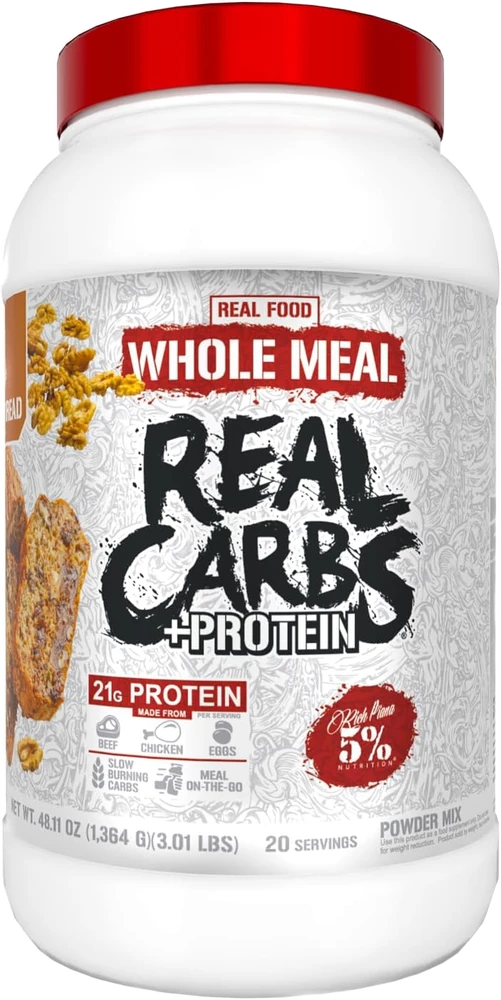
Best overall: 5% Nutrition (Rich Piana) Real Carbs + Protein, Banana Nut Bread
The anti-sugar-bomb: a real-food meal in a tub. Whole-grain oats, sweet potato and rice for the carbs, a beef-egg-chicken-chickpea protein blend, 6 g of fiber and just 2-3 g of sugar — no maltodextrin, no dextrin derivatives, dairy-free.
$45$2.25 / serving ($0.87 / 100 kcal)
Why it wins: all five scores, pros & cons, full label
- Genuine whole-food carbs (oats + sweet potato + rice) and only 2-3 g sugar — no maltodextrin at all
- Dairy-free, lactose-free, whey-free animal+plant protein blend with 6 g real fiber
- Closest thing on the list to eating a clean meal; ideal for stacking servings to taste
- Only ~260 calories per scoop — you must take multiple servings to create a real surplus (not a one-shake bomb)
- 20-serving tub is smaller; per-meal cost adds up when you scale the dose
- Calories
- ~260 kcal per serving (1 scoop) — scale up servings to hit a surplus
- Protein
- 21 g whole-food blend (beef, egg, chicken, chickpea)
- Carbs / Sugar
- 30 g total / 2-3 g sugar, 6 g fiber
- Carb source
- Whole-food: whole-grain oats, sweet potato, brown rice
- Extras
- Dairy-free / lactose-free / whey-free; iron, magnesium, potassium, vitamin A

Our take — Real Carbs + Protein is the honest hardgainer's pick: instead of chasing a giant calorie headline with maltodextrin and sugar, it's a clean whole-food meal you control the size of. The carbs are actual oats, sweet potato and rice; the protein is a dairy-free beef-egg-chicken-chickpea blend; there's 6 g of fiber and only 2-3 g of sugar. At ~260 calories a scoop it isn't a one-shake bomb — you stack servings through the day to build your surplus, which is exactly how a thoughtful bulk should work. It loses the top spot only because hitting a big surplus takes several scoops and the cost mounts. For anyone who refuses to drink a sugar-bomb, it's the best clean gainer here.
 02
02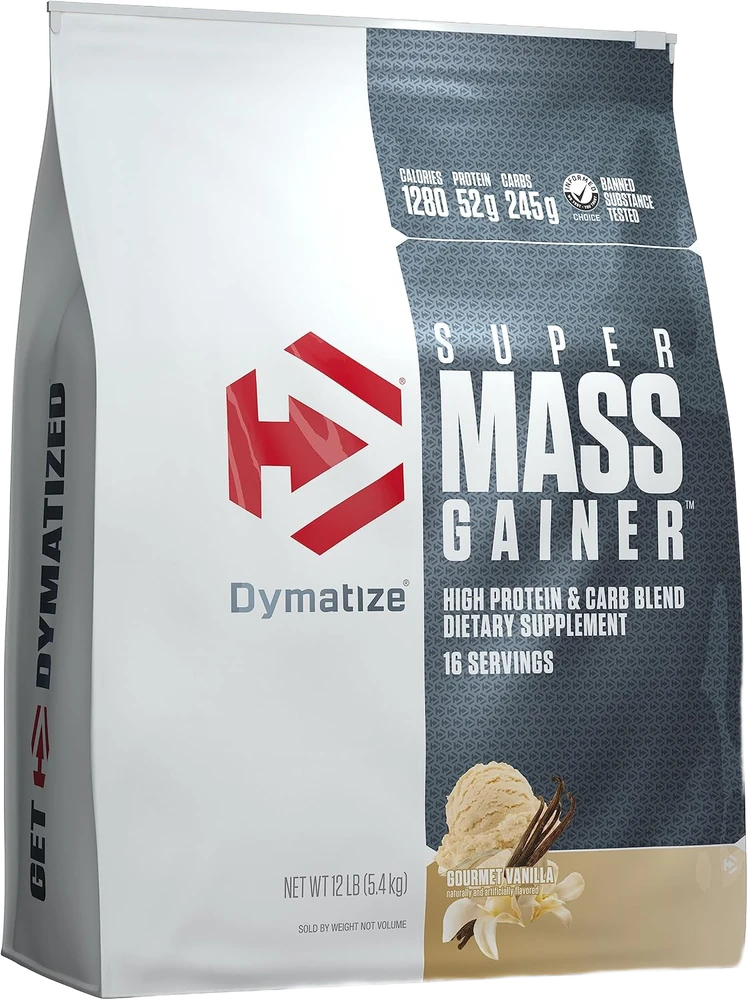 03
03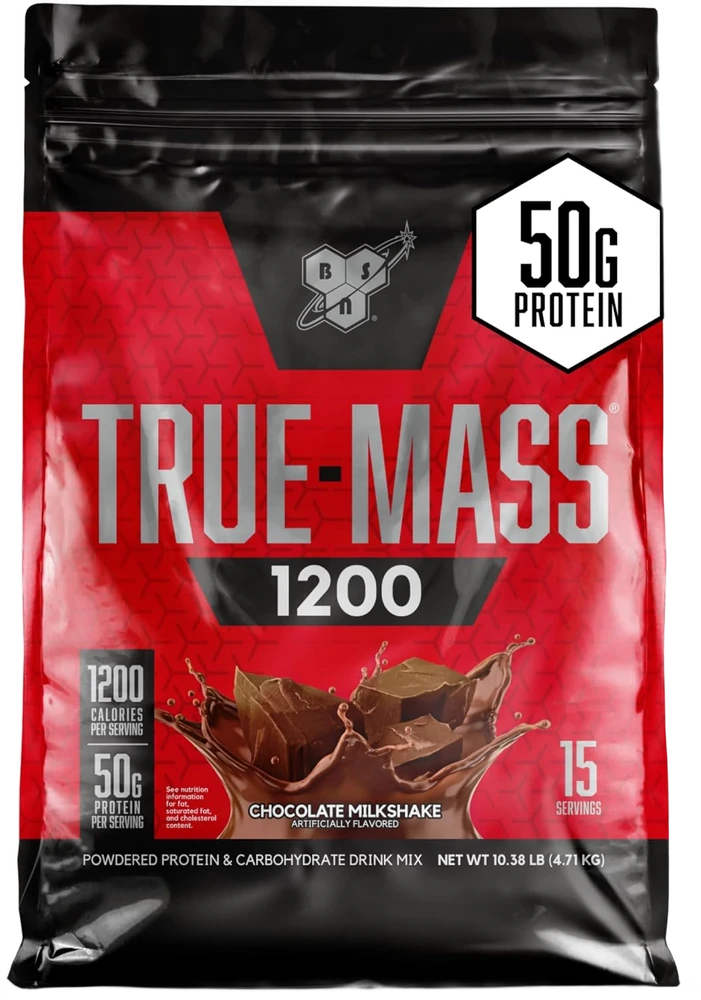 04
04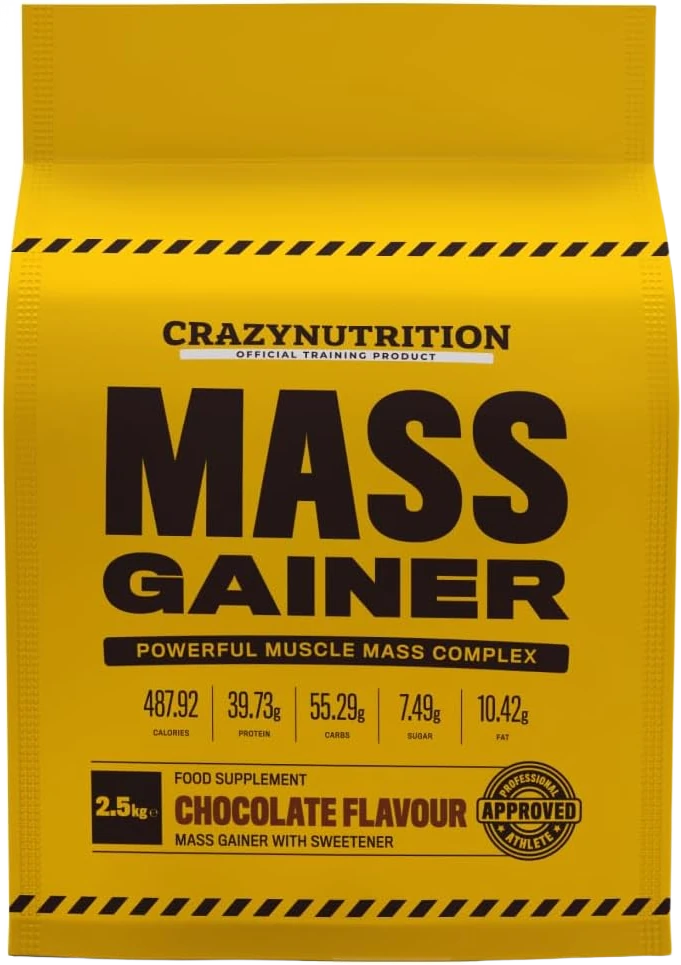 05
05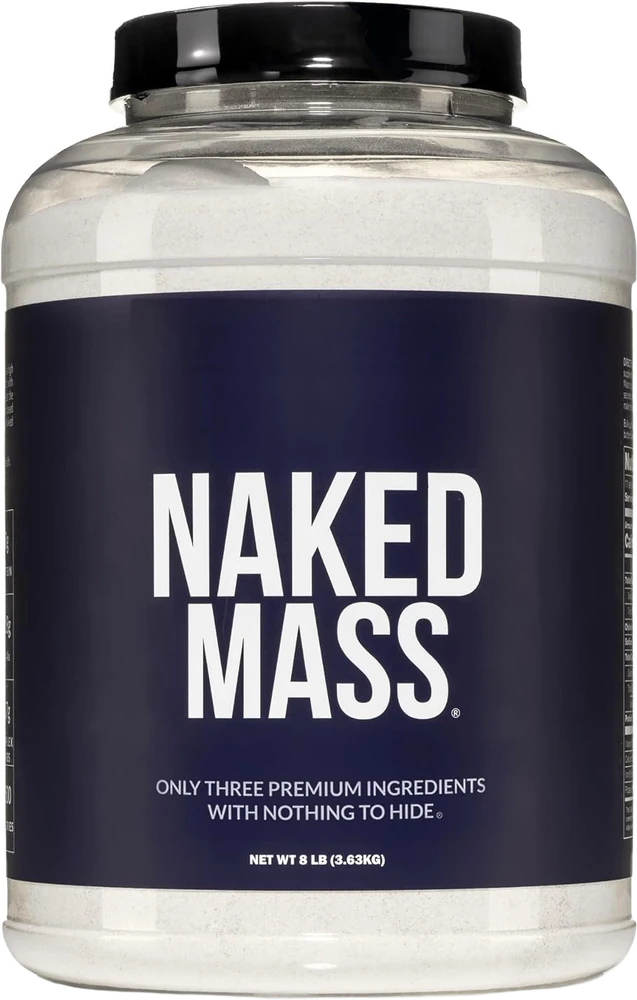 06
06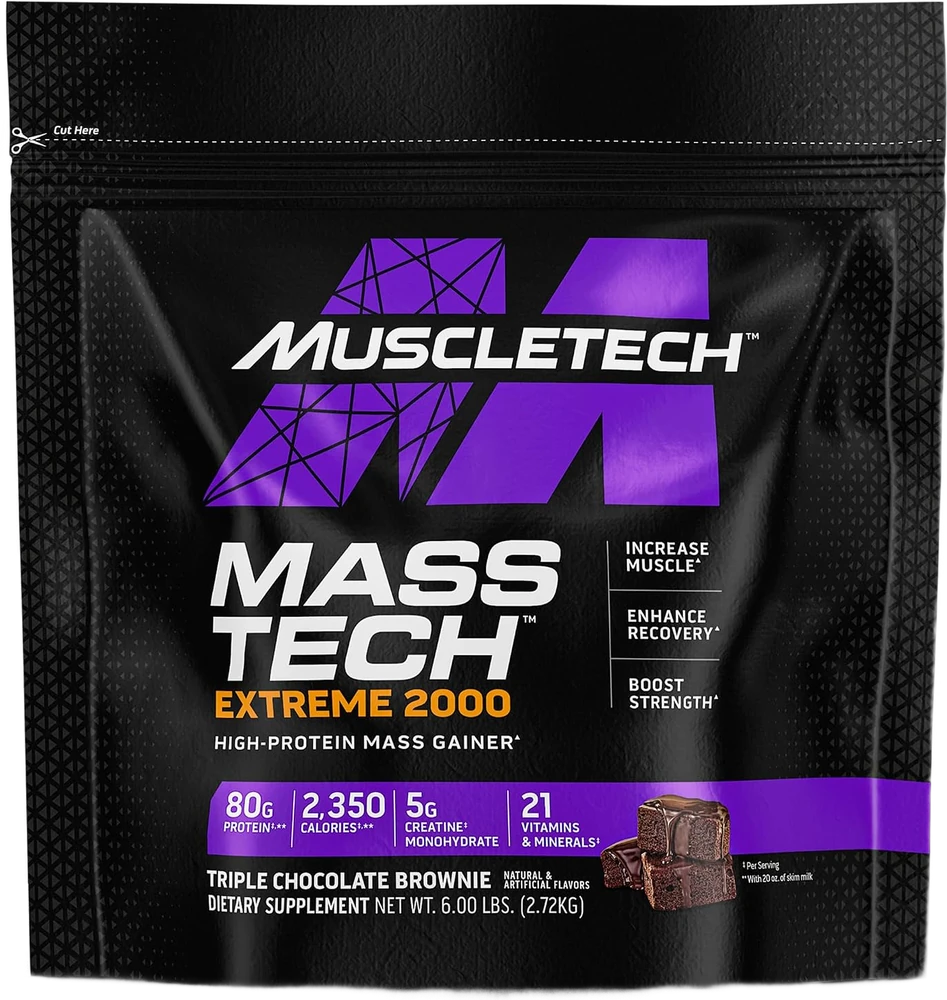 07
07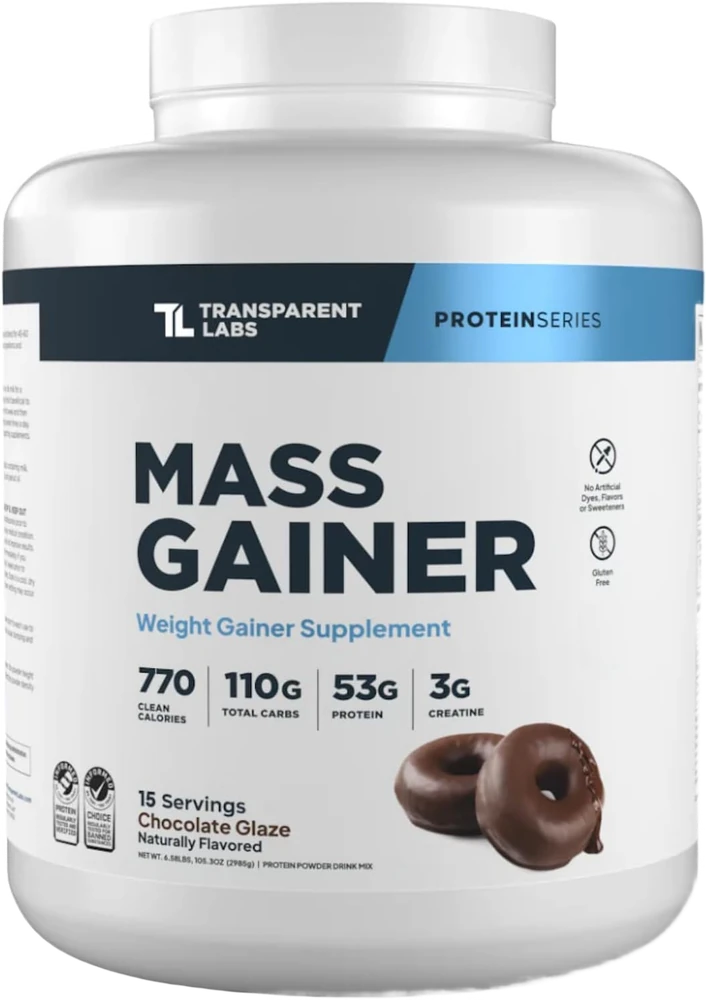 08
08Who Wins Which Aspect
Sorted by overall SAC Product Score™ — the official ranking.
| # | Pick | Score | Carb ratio & carb quality30% | Calorie & protein density25% | Ingredient quality20% | Value per calorie15% | Mixability & taste10% | Cost Per Dose | Buy |
|---|---|---|---|---|---|---|---|---|---|
| 01 | | 8.8 | 8.91 | 8.13 | 9.41 | 8.91 | 8.92 | $2.25 / serving | Check price |
| Genuine whole-food carbs (oats + sweet potato + rice) and only 2-3 g sugar — no maltodextrin at allOnly ~260 calories per scoop — you must take multiple servings to create a real surplus (not a one-shake bomb) | |||||||||
| 02 | | 7.8 | 7.1 | 8.41 | 7.92 | 7.92 | 7.9 | $4.69 / serving | Check price |
| Cheapest calories on the list at roughly $0.38 per 100 kcal — the value benchmarkAround 31 g of added sugar per serving — a genuine sugar load | |||||||||
| 03 | | 7.6 | 6.9 | 8.22 | 7.73 | 7.7 | 7.7 | $3.44 / serving | Check price |
| Highest per-scoop calories (1,280) and protein (52 g) of the mainstream tubsMaltodextrin-based carbs with ~26 g sugar — same sugar-bomb category as ON | |||||||||
| 04 | | 7.5 | 7.62 | 7.6 | 7.6 | 6.8 | 8.13 | $4.33 / serving | Check price |
| Six-source sustained-release protein blend (24 g EAAs) — the best protein quality among the bulk tubsCarbs are still maltodextrin-led despite the added oats; no creatine | |||||||||
| 05 | | 7.2 | 7.33 | 7.3 | 6.5 | 7.83 | 7.3 | $4.50 / serving | Check price |
| Oat-flour-led carbs with only ~8 g sugar — cleaner carb base than the maltodextrin bombsMost expensive per calorie of any tub here, and a premium sticker price | |||||||||
| 06 | | 7.1 | 6.5 | 7.3 | 7.0 | 7.83 | 7.7 | $6.36 / serving | Check price |
| Full 1,250-calorie bulk shake with only 5 g sugar — by far the lowest sugar in the high-calorie tierCarbs are tapioca maltodextrin — clean and unsweetened, but still a refined starch, not whole food | |||||||||
| 07 | | 6.9 | 6.9 | 7.5 | 6.2 | 6.9 | 6.9 | $10.00 / serving | Check price |
| The genuine extra: a full 5 g of creatine monohydrate (most gainers under-dose this)The '2,000 calorie' / 80 g protein headline requires blending with 20 oz of skim milk — the powder, not the product, supplies the rest | |||||||||
| 08 | | 6.6 | 6.0 | 7.0 | 5.0 | 7.92 | 9.01 | $5.13 / serving | Check price |
| Whole-food carbs (oat flour + sweet potato + tapioca) with no added sugar — the cleanest carb profile hereMost expensive per calorie on the list — you pay a real premium for the clean formula | |||||||||
The Other 7, Ranked
- 02
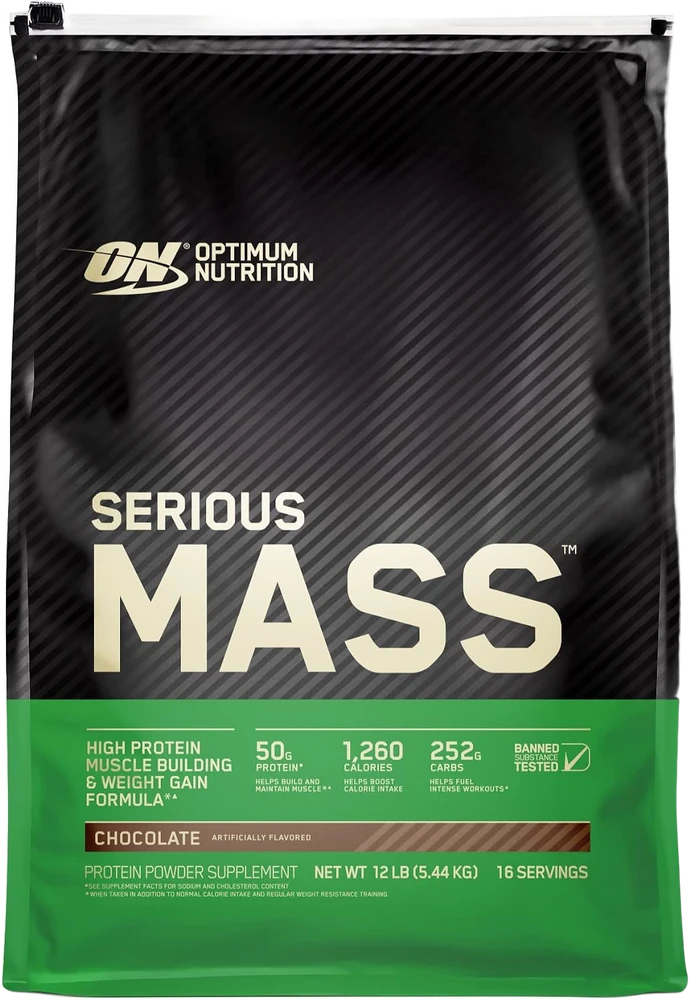
Best value (cheapest calories): Optimum Nutrition Serious Mass, Chocolate
7.8SAC Score™The default best-seller and the cheapest serious calories on the list: 1,250 calories, 50 g protein, 25 vitamins and minerals and 3 g of creatine for roughly $0.06 per 100 calories. The trade-off is honest — maltodextrin carbs and around 31 g of sugar.
StrongestCalorie & protein density8.41WeakestCarb ratio & carb quality7.1- Calories
- 1,250 kcal per serving (2 heaping scoops)
- Protein
- 50 g protein blend (whey concentrate, casein, egg albumen)
- Carbs / Sugar
- 252 g total / ~31 g sugar
All five scores, pros & cons, full label
What We Like- Cheapest calories on the list at roughly $0.38 per 100 kcal — the value benchmark
- Trusted best-selling brand; 25 vitamins and minerals plus ~3 g creatine included
- Reliable mixability and a flavor people actually finish
What You Live With- Around 31 g of added sugar per serving — a genuine sugar load
- Carbs are maltodextrin, not whole food; minor formula drift on vitamin/creatine counts across versions
- Carb source
- Maltodextrin (refined starch) — primary carbohydrate
- Extras
- 25 vitamins & minerals, ~3 g creatine (formula version varies)
Our take — Serious Mass is the category's default for a reason — it's the cheapest way to add real calories, at roughly six cents per 100, from a brand you can trust, with 50 g of protein, 25 vitamins and minerals and 3 g of creatine in the tub. If your only goal is maximum calories for minimum money, nothing here beats it. But it's also the picture of the category's compromise: the carbs are maltodextrin and there's about 31 g of sugar in every serving, which is exactly the sugar-bomb profile our framing warns about. Buy it if value per calorie is your top priority and you'll manage the sugar elsewhere in your diet — but know the three picks above it are cleaner fuel for the same job.
- 03
Most calories per scoop (whey blend): Dymatize Super Mass Gainer, Gourmet Vanilla
7.6SAC Score™A slightly higher-calorie, higher-protein maltodextrin tub: 1,280 calories and 52 g of a whey-isolate-and-casein blend with 10.7 g of BCAAs and 1 g of creatine. Mixes well and tastes good — but it's the same maltodextrin-and-sugar template.
StrongestCalorie & protein density8.22WeakestCarb ratio & carb quality6.9- Calories
- 1,280 kcal per serving (2 scoops)
- Protein
- 52 g (whey concentrate + whey isolate + casein blend)
- Carbs / Sugar
- 245 g total / ~26 g sugar, 10.7 g BCAAs
All five scores, pros & cons, full label
What We Like- Highest per-scoop calories (1,280) and protein (52 g) of the mainstream tubs
- Quality protein blend — whey concentrate, isolate and casein — with 10.7 g BCAAs
- Strong mixability and well-liked flavors; often the cheapest per calorie here
What You Live With- Maltodextrin-based carbs with ~26 g sugar — same sugar-bomb category as ON
- Only 1 g creatine (a token dose versus the effective 3-5 g)
- Carb source
- Maltodextrin (refined starch) — primary carbohydrate
- Extras
- 1 g creatine, 14 essential vitamins & minerals
Our take — Super Mass Gainer is essentially ON Serious Mass's closest rival, and on raw numbers it edges ahead — 1,280 calories and 52 g of a genuinely good whey-isolate-and-casein blend with 10.7 g of BCAAs, and it's frequently the cheapest tub per calorie on the whole list. Mixability and flavor are strong. It sits one rung below ON only on the extras: the creatine is a token 1 g rather than an effective dose, and ON's broader vitamin panel and best-seller value edge it out. The core caveat is identical, though — the carbs are maltodextrin and there's about 26 g of sugar a serving. A fine high-calorie, high-protein tub for someone who wants maximum macros per scoop and isn't bothered by the sugar.
- 04
Best protein blend: BSN TRUE-MASS 1200, Chocolate Milkshake
7.5SAC Score™The sustained-release protein pick: a six-source blend (whey, casein, milk and egg proteins) for 50 g protein and 24 g EAAs, with whole oat flour cut into the carbs and a lower 16 g of sugar than the pure-maltodextrin tubs.
StrongestMixability & taste8.13WeakestValue per calorie6.8- Calories
- 1,230 kcal per serving (2 scoops)
- Protein
- 50 g, 6-source blend (whey, casein, milk & egg proteins) — 24 g EAAs
- Carbs / Sugar
- 215 g total / 16 g sugar, 16 g fiber
All five scores, pros & cons, full label
What We Like- Six-source sustained-release protein blend (24 g EAAs) — the best protein quality among the bulk tubs
- Whole oat flour blended into the carbs and 16 g fiber; lower 16 g sugar than the maltodextrin-only tubs
- MCT powder included; well-regarded milkshake flavors
What You Live With- Carbs are still maltodextrin-led despite the added oats; no creatine
- Lower calories (1,230) at a higher per-calorie price than ON or Dymatize
- Carb source
- Maltodextrin + whole oat flour (partial whole-food)
- Extras
- 11 g naturally occurring BCAAs, MCT powder; no added creatine
Our take — TRUE-MASS 1200 is the connoisseur's bulk tub: instead of bargain concentrate, it uses a six-source protein blend — whey, casein, milk and egg proteins — for 50 g of sustained-release protein and 24 g of EAAs, the best protein quality in the high-calorie tier. It also nudges toward the clean side, cutting whole oat flour into the carbs, carrying 16 g of fiber and holding sugar to 16 g, noticeably below the pure-maltodextrin tubs. The reasons it lands mid-pack: the carbs are still maltodextrin-led despite the oats, there's no creatine, and at 1,230 calories it costs more per calorie than ON or Dymatize. For someone who cares most about protein quality in a gainer, it's the standout.
- 05
Best lean gainer (lower calorie): Crazy Nutrition Mass Gainer, Chocolate
7.2SAC Score™A moderate 'lean gainer' for adding controlled calories without a 1,200-calorie bomb: ~488 calories, 40 g protein, oat-flour-led carbs with only ~8 g sugar, plus a DigeZyme enzyme complex for easier digestion.
StrongestValue per calorie7.83WeakestIngredient quality6.5- Calories
- ~488 kcal per serving (~125 g)
- Protein
- 40 g (whey concentrate + milk protein concentrate)
- Carbs / Sugar
- 55 g total / ~8 g sugar, ~6 g fiber
All five scores, pros & cons, full label
What We Like- Oat-flour-led carbs with only ~8 g sugar — cleaner carb base than the maltodextrin bombs
- Moderate ~488 calories suits a controlled 'lean bulk' rather than rapid mass
- DigeZyme enzyme complex and MCTs for easier digestion; added B-vitamins, zinc, magnesium
What You Live With- Most expensive per calorie of any tub here, and a premium sticker price
- Sweetened with sucralose (artificial); no creatine; dairy-based (not vegan)
- Carb source
- Gluten-free oat flour (lead) + maltodextrin
- Extras
- DigeZyme digestive enzymes, MCT oil, B6/B12/zinc/magnesium; sucralose-sweetened
Our take — Crazy Nutrition Mass Gainer is the 'lean gainer' of the group: at ~488 calories it's built for adding a controlled surplus rather than dumping 1,200 calories at once, and its carbs lead with gluten-free oat flour for a cleaner base and only ~8 g of sugar. The DigeZyme enzyme blend and MCTs make it sit easier than the heavy tubs. The honest reasons it ranks low: it's the priciest per calorie on the entire list, it's sweetened with artificial sucralose, and there's no creatine. If you specifically want a lighter, easier-digesting gainer for a slow lean bulk and don't mind paying for it, it has a real niche — but it's poor value as pure calories.
- 06
Best low-sugar bulk calories: Naked Mass, Unflavored
7.1SAC Score™The cleanest way to get a full 1,250-calorie bulk shake: just three ingredients — grass-fed whey, micellar casein and organic tapioca maltodextrin — with 50 g protein and only 5 g of sugar. No artificial anything, NSF Certified.
StrongestValue per calorie7.83WeakestCarb ratio & carb quality6.5- Calories
- 1,250 kcal per serving (~7 scoops)
- Protein
- 50 g (grass-fed whey + micellar casein blend)
- Carbs / Sugar
- 252 g total / only 5 g sugar, 11.5 g naturally occurring BCAAs
All five scores, pros & cons, full label
What We Like- Full 1,250-calorie bulk shake with only 5 g sugar — by far the lowest sugar in the high-calorie tier
- Three ingredients only; grass-fed whey + micellar casein blend, NSF Certified for purity
- No artificial sweeteners, flavors or colors
What You Live With- Carbs are tapioca maltodextrin — clean and unsweetened, but still a refined starch, not whole food
- Very large ~7-scoop serving is thick; unflavored is bland; no creatine included
- Carb source
- Organic tapioca maltodextrin (gluten-free) — refined, but no added sugar
- Extras
- Just 3 ingredients; NSF Certified, GMO-free, gluten-free, soy-free; no creatine
Our take — If you want a true 1,250-calorie bulk shake but refuse the sugar that usually comes with it, Naked Mass is the answer: three ingredients — grass-fed whey, micellar casein and organic tapioca maltodextrin — 50 g of protein, and just 5 g of sugar, with NSF certification and zero artificial additives. It's the cleanest of the genuine high-calorie tubs. The honest qualifier that keeps it at #3: the carbs are still maltodextrin — unsweetened and clean, but a refined starch rather than the whole-food oats and sweet potato the two picks above it use — and the unflavored, seven-scoop serving is thick and plain, with no creatine. For low-sugar bulk calories from a trustworthy label, it's excellent.
- 07
Most calories (with milk): MuscleTech Mass-Tech Extreme 2000, Triple Chocolate Brownie
6.9SAC Score™The maximum-calorie bomb with the one genuinely useful edge: a full 5 g of creatine. But read the fine print — the headline '2,000 calories' only happens when you blend it with 20 oz of skim milk; the powder itself is ~2,060 with water and built on maltodextrin.
StrongestCalorie & protein density7.5WeakestIngredient quality6.2- Calories
- ~2,060 kcal (powder, 6 scoops) / ~2,270 with 20 oz skim milk
- Protein
- 60 g (powder) → 80 g when mixed with 20 oz skim milk
- Carbs / Sugar
- ~441 g total (multi-phase carb complex); low intrinsic sugar
All five scores, pros & cons, full label
What We Like- The genuine extra: a full 5 g of creatine monohydrate (most gainers under-dose this)
- Enormous calorie and protein ceiling for the most extreme hardgainers (~2,060 kcal, 60 g protein from powder alone)
- 8.4 g leucine and 20+ vitamins and minerals
What You Live With- The '2,000 calorie' / 80 g protein headline requires blending with 20 oz of skim milk — the powder, not the product, supplies the rest
- Maltodextrin-led carbs; a huge 6-scoop serving means only ~5 servings per bag (expensive per serving)
- Carb source
- Maltodextrin + oat bran + isomaltulose (maltodextrin-led)
- Extras
- 5 g creatine monohydrate, 8.4 g leucine, 20+ vitamins & minerals
Our take — Mass-Tech Extreme 2000 is the maximum-calorie option, and it has one feature the others mostly lack — a full, effective 5 g of creatine plus 8.4 g of leucine. For the rare hardgainer who genuinely struggles to eat and wants the highest possible calorie ceiling, that's a real draw. But it ranks last on honesty grounds, and we'll be plain about why: the marquee '2,000 calories' and '80 g protein' only materialize when you blend it with 20 ounces of skim milk — the powder itself is the engine, but the milk is doing real work in that headline, so it's partly selling you your own groceries. The carbs are maltodextrin-led, and the six-scoop serving means a bag is gone in about five uses. Powerful for an extreme bulk; the least clean and least honest label on the list.
- 08
Label not verifiable: Transparent Labs Mass Gainer, Chocolate Glaze
6.6SAC Score™The cleanest gainer in the category: 770 calories built from whole-food carbs — oat flour, organic tapioca and sweet potato — with 53 g of grass-fed whey, 3 g creatine, zero artificial sweeteners and no added sugar. Proof a mass gainer doesn't have to be a sugar-bomb.
StrongestMixability & taste9.01WeakestIngredient quality5.0- Calories
- 770 kcal per serving (2 scoops, no milk needed)
- Protein
- 53 g grass-fed whey concentrate
- Carbs / Sugar
- 110 g total / 0 g added sugar (~15 g naturally occurring), 8 g fiber
All five scores, pros & cons, full label
What We Like- Whole-food carbs (oat flour + sweet potato + tapioca) with no added sugar — the cleanest carb profile here
- 53 g grass-fed whey plus 3 g creatine built in
- No artificial sweeteners, dyes or fillers — stevia and monk fruit only
What You Live With- Most expensive per calorie on the list — you pay a real premium for the clean formula
- 770 calories is moderate for a 'mass' gainer; a true hardgainer may need two servings
- Carb source
- Whole-food: oat flour, organic tapioca, sweet potato
- Extras
- 3 g creatine monohydrate, MCTs; stevia + monk fruit only
Our take — If you've genuinely decided you need a gainer, this is the one to buy: Transparent Labs proves the whole category's sugar habit is a choice, not a necessity. Its 770 calories come from real food — oat flour, sweet potato and tapioca — alongside 53 g of grass-fed whey and 3 g of creatine, with no added sugar and not a single artificial sweetener or dye. It's the formula closest to the clean DIY shake we keep recommending, just in a convenient tub. The honest catches: it's the priciest per calorie here, and at 770 calories a serious hardgainer may need two scoops a day. But for a transparency-and-quality-first ranking, the cleanest gainer in the category is the right number one.
The Guide In Four Short Lessons
Check that you can use the calories.
A gainer is a 700-1,250 kcal shake. Without a sustained surplus plus hard training and about 1.6 g/kg of protein, it adds fat, not muscle.
Read the carb quality and the sugar.
Carb ratio and carb quality carry 30% of our score, ahead of calorie and protein density.
Compare the cost per calorie with food.
The calories do not build muscle differently from the same calories on a plate. You are paying for convenience.
Surplus + training + protein — the honest mechanism; full scoring below.
Mass gainers are easy to rank badly: line them up by calories per scoop, crown the 2,000-calorie tub and call it a day. That's exactly the mistake the category wants you to make, because the cheapest way to hit a huge calorie number is to pour in maltodextrin and sugar. So we weighted carb-to-protein ratio AND carb quality the heaviest, at 30%: a gainer built on whole-food carbs (oats, sweet potato, rice) with low added sugar beats one built on a wall of maltodextrin and 30 grams of sugar, even if the maltodextrin tub has a bigger calorie headline — because for everyone who isn't an elite endurance athlete, slower whole-food carbs and minimal sugar are simply the better fuel. Calorie and protein density comes next at 25%, judged together: enough calories to actually create a surplus (the entire point of the product), with a protein dose — ideally 40-55 g — high enough that you're building on protein, not just dumping sugar. Ingredient quality is worth 20%: the protein source (grass-fed whey and multi-source blends over bargain concentrate), useful extras like creatine, digestive enzymes and real micronutrients, and natural over artificial sweeteners and dyes. Value per calorie is 15% and it's measured honestly — cost per 100 calories, not sticker price, because a gainer's job is calories and the bulk maltodextrin tubs are genuinely cheaper per calorie than the clean ones; we credit that even as we dock them on quality. Mixability and taste round it out at 10%, because a thick 1,250-calorie shake you dread drinking is one you'll quit. Every macro was read off the product's real label; we did not invent a single calorie, sugar gram or protein figure, and where a headline depends on added milk — MuscleTech's 2,000 calories assumes 20 oz of skim milk — we judged the powder on its own, not the milk's.
Carb ratio & carb quality · 30%
The axis the category hides from: not just how many carbs, but what kind. Whole-food carbohydrates (oat flour, sweet potato, brown rice) with low added sugar score high; a base of maltodextrin (cheap, high-glycemic refined starch) plus 25-35 g of added sugar scores low — no matter how big the calorie number it produces. Highest weight, because the difference between a quality gainer and a sugar-bomb is almost entirely here.
Calorie & protein density · 25%
Judged together. A gainer must deliver enough calories to actually create the surplus that is its whole reason to exist, paired with a serious protein dose — ideally 40-55 g — so you're building on protein rather than coasting on sugar. We credit honest, label-stated calories from the powder itself, not inflated 'with whole milk' headlines.
Ingredient quality · 20%
What's actually in the tub beyond carbs and calories: the protein source (grass-fed whey and multi-source blends beat bargain-grade concentrate), genuinely useful extras (creatine at ~3-5 g, digestive enzymes, real vitamins and minerals), and natural sweeteners over artificial dyes and sucralose. The marker that separates a thoughtfully formulated gainer from a tub of filler.
Value per calorie · 15%
Cost efficiency measured the right way — price per 100 calories, not sticker price — because a gainer's core job is supplying calories. The honest tension here: bulk maltodextrin tubs (ON Serious Mass, Dymatize) are genuinely the cheapest calories on the list, and we credit that even while docking them on quality; the clean whole-food formulas cost meaningfully more per calorie.
Mixability & taste · 10%
How cleanly a very large serving blends without clumping into paste, and whether you can stand to drink 1,000-plus calories of it day after day. The compliance factor — a gainer you dread is a gainer you abandon — but the lowest weight, because a great-tasting sugar-bomb still loses to a cleaner formula on the axes that matter more.

How mass gainers work
- 1
The surplus is the mechanism
Muscle gain needs a calorie surplus plus progressive training. A gainer does exactly one thing: it makes 700-1,250 extra calories drinkable for people whose appetite fails before their target does.
- 2
Liquid bypasses fullness
Chewing 1,000 calories of rice and chicken triggers strong satiety; drinking them barely registers. That appetite bypass is why gainers work for true hardgainers — and why they quietly overshoot everyone else into fat gain.
- 3
Carb quality decides the crash
Cheap gainers run on maltodextrin and sugar — fast, bloating, glycemically loud. Oat- and whole-food-carb formulas digest calmer and spare you the slump; that is the axis this ranking weights hardest.
- 4
Protein floor, not ceiling
A real serving should carry ~40-60 g protein so the surplus builds muscle rather than just weight. Past that, extra shake protein adds little — total daily protein and training volume do the heavy lifting.
What to expect on a mass gainer
Scale jumps — mostly water and glycogen
The first 1-2 kg arrive fast: carbs pull water into muscle and gut content increases. It is not fat, and it is not muscle yet. GI note: if a serving bloats you, split it into two half-shakes.
Trend line, not day line
Weigh daily, judge weekly. A gain of ~0.25-0.5 kg per week is the sweet spot for mostly-lean gaining; much faster than that and the surplus is buying fat, not muscle — trim the shake, not the training.
Visible mass with training
With progressive overload, strength moves first, then measurable size. The gainer deserves credit only for making the surplus reachable — the barbell did the building.
Exit strategy
Most people should DIY once appetite adapts: oats, milk, whey and peanut butter beat any tub per calorie. Keep the gainer for the weeks your appetite or schedule genuinely cannot keep up.
The bottom line
The default: 5% Nutrition Real Carbs + Protein (#1).
Real food in a tub: whole-grain oats, sweet potato and rice for the carbs, a beef-egg-chicken-chickpea protein blend, no junk-sugar bulk padding the calorie count. Transparent Labs (#8) lost the top spot on Sep 7, 2026: its listing shows no legible Supplement Facts photo, so its numbers cannot be verified against the label.
Only buy one if you genuinely can't eat enough.
It's a hard-gainer's convenience for hitting a surplus, never a shortcut around training.
A gainer without a surplus and training just adds fat.
That's the whole rule — the tub amplifies what you're already doing, or it amplifies nothing.
Quick Answers
Which pick is the best overall?
Real Carbs + Protein, Banana Nut Bread by 5% Nutrition (Rich Piana) is our #1 pick (SAC score 8.8/10). Real Carbs + Protein is the honest hardgainer's pick: instead of chasing a giant calorie headline with maltodextrin and sugar, it's a clean whole-food meal you control the size of. The carbs are actual oats, sweet potato and rice; the protein is a dairy-free beef-egg-chicken-chickpea blend; there's 6 g of fiber and only 2-3 g of sugar. At ~260 calories a scoop it isn't a one-shake bomb — you stack servings through the day to build your surplus, which is exactly how a thoughtful bulk should work. It loses the top spot only because hitting a big surplus takes several scoops and the cost mounts. For anyone who refuses to drink a sugar-bomb, it's the best clean gainer here.
What is the best budget option?
Optimum Nutrition Serious Mass — see its pick card above for price and details.
How much do these picks cost?
Across our ranked picks, prices run from about $45 to $90 — exact price and cost per serving are listed on every pick card above.
How were these picks ranked?
Mass gainers are easy to rank badly: line them up by calories per scoop, crown the 2,000-calorie tub and call it a day. That's exactly the mistake the category wants you to make, because the cheapest way to hit a huge calorie number is to pour in maltodextrin and sugar. So we weighted carb-to-protein ratio AND carb quality the heaviest, at 30%: a gainer built on whole-food carbs (oats, sweet potato, rice) with low added sugar beats one built on a wall of maltodextrin and 30 grams of sugar, even if the maltodextrin tub has a bigger calorie headline — because for everyone who isn't an elite endurance athlete, slower whole-food carbs and minimal sugar are simply the better fuel. Calorie and protein density comes next at 25%, judged together: enough calories to actually create a surplus (the entire point of the product), with a protein dose — ideally 40-55 g — high enough that you're building on protein, not just dumping sugar. Ingredient quality is worth 20%: the protein source (grass-fed whey and multi-source blends over bargain concentrate), useful extras like creatine, digestive enzymes and real micronutrients, and natural over artificial sweeteners and dyes. Value per calorie is 15% and it's measured honestly — cost per 100 calories, not sticker price, because a gainer's job is calories and the bulk maltodextrin tubs are genuinely cheaper per calorie than the clean ones; we credit that even as we dock them on quality. Mixability and taste round it out at 10%, because a thick 1,250-calorie shake you dread drinking is one you'll quit. Every macro was read off the product's real label; we did not invent a single calorie, sugar gram or protein figure, and where a headline depends on added milk — MuscleTech's 2,000 calories assumes 20 oz of skim milk — we judged the powder on its own, not the milk's.
Every Claim Ranked Above Traces Back To One Of These
2 peer-reviewed sources, each linked to PubMed
- [1] Morton 2018 PMID 28698222 — A systematic review, meta-analysis and meta-regression of the effect of protein supplementation on resistance training-induced gains in muscle mass and strength in healthy adults. Pooling 49 studies (1,863 participants), protein supplementation significantly increased resistance-training-induced gains in muscle mass and strength — but the benefit plateaued: total protein intakes above ~1.6 g/kg/day produced no further gains in fat-free mass. The basis for this page's core honesty point — a mass gainer's protein helps build muscle only up to a defined ceiling, and dumping extra calories (or sugar) past that point adds fat, not muscle.
- [2] Slater 2019 PMID 31482093 — Is an energy surplus required to maximize skeletal muscle hypertrophy associated with resistance training. This review concludes that while a positive energy balance (a calorie surplus) provides an anabolic environment that supports muscle hypertrophy alongside resistance training, the magnitude of surplus required is modest and individual, and a large surplus mainly adds fat rather than extra muscle. The evidence basis for treating a mass gainer as nothing more than a convenient way to add a measured surplus — useful only for those who can't reach it through food, and never a substitute for training.
Affiliate disclosure: every Amazon link uses our Associates tag (superachieverclub-20). We earn a small commission at no cost to you; it funds independent reviews. We never accept payment to change a ranking.