
Top 8 Best Fitness Trackers for Weight Loss (2026)
 01 · Best overall✓ Product photos checked Sep 7, 2026
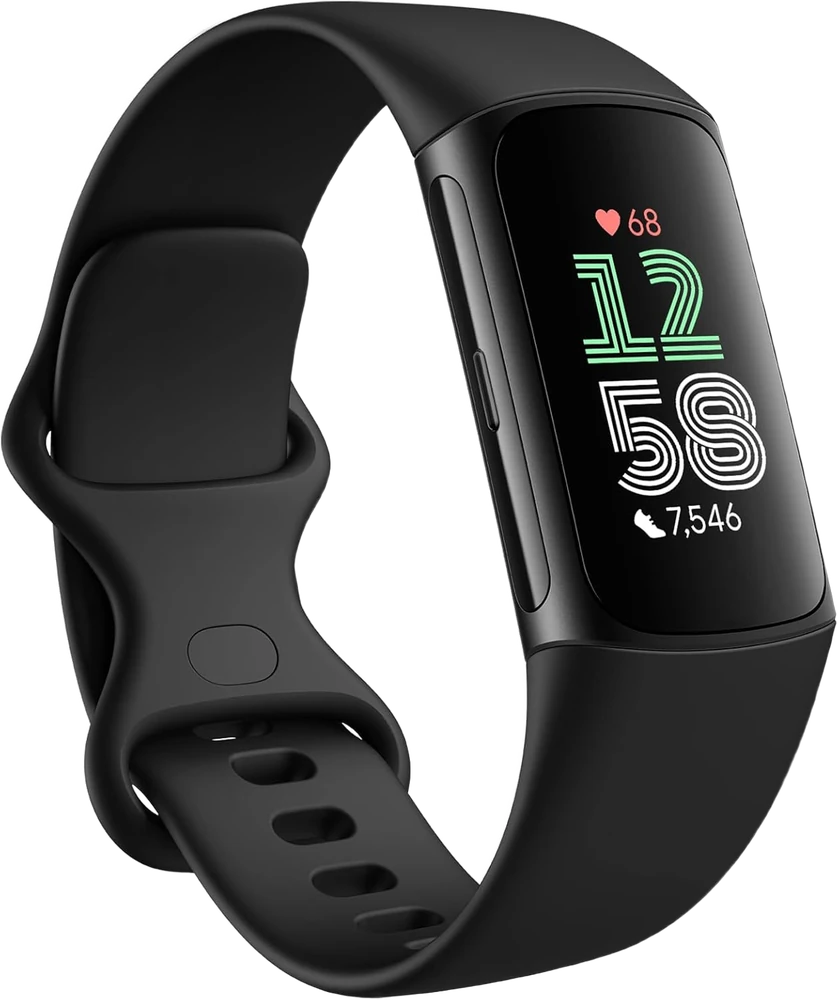
Best overall: Fitbit Charge 6 Fitness Tracker
The best dedicated habit-building tracker — Fitbit's most accurate heart rate yet plus the category's best nudges, streaks, and sleep, in a slim all-day-and-night band.
~$160
Why it wins: all four scores, pros & cons, full label
- The best habit-building experience here — Fitbit's nudges, streaks, and sleep tracking build genuine consistency
- Fitbit's most accurate heart rate to date, reliable steps, and Active Zone Minutes for honest activity goals
- Slim, light, and comfortable to wear overnight; up to 7-day battery so it stays on
- Built-in GPS plus Google apps; a focused tracker, not a distracting smartwatch
- Best features (e.g. some health insights) lean on a Fitbit Premium subscription
- Smaller screen than a smartwatch, and the calorie-burn number is approximate like all wrist devices
- Habit app
- Best-in-class nudges, streaks, sleep, Active Zone Minutes
- Accuracy
- Fitbit's most accurate HR yet; reliable steps
- Battery
- Up to 7 days; comfortable overnight wear
- Extras
- Built-in GPS, Google Maps/Wallet/YouTube Music

Our take — The Charge 6 is the pick for someone who wants the activity habit without a full smartwatch. Fitbit's app is the best in the category at the thing that actually drives weight loss — nudges, streaks, sleep, and a beginner-friendly on-ramp that builds consistency — and the Charge 6 pairs it with Fitbit's most accurate heart rate yet, reliable steps, Active Zone Minutes, and built-in GPS in a slim band that's comfortable to wear day and night for up to a week per charge. It lands at #3 because some insights nudge you toward Fitbit Premium and a band can't match a smartwatch's do-everything breadth, but as a focused, honest, habit-first tracker, it's outstanding value.
Who Wins Which Aspect
Sorted by overall SAC Product Score™ — the official ranking.
| # | Pick | Score | Step & heart-rate accuracy35% | App & ecosystem25% | Battery & wearability25% | Value15% | Buy |
|---|---|---|---|---|---|---|---|
| 01 | | 9.0 | 9.03 | 9.42 | 8.83 | 8.6 | Check price |
| The best habit-building experience here — Fitbit's nudges, streaks, and sleep tracking build genuine consistencyBest features (e.g. some health insights) lean on a Fitbit Premium subscription | |||||||
| 02 | 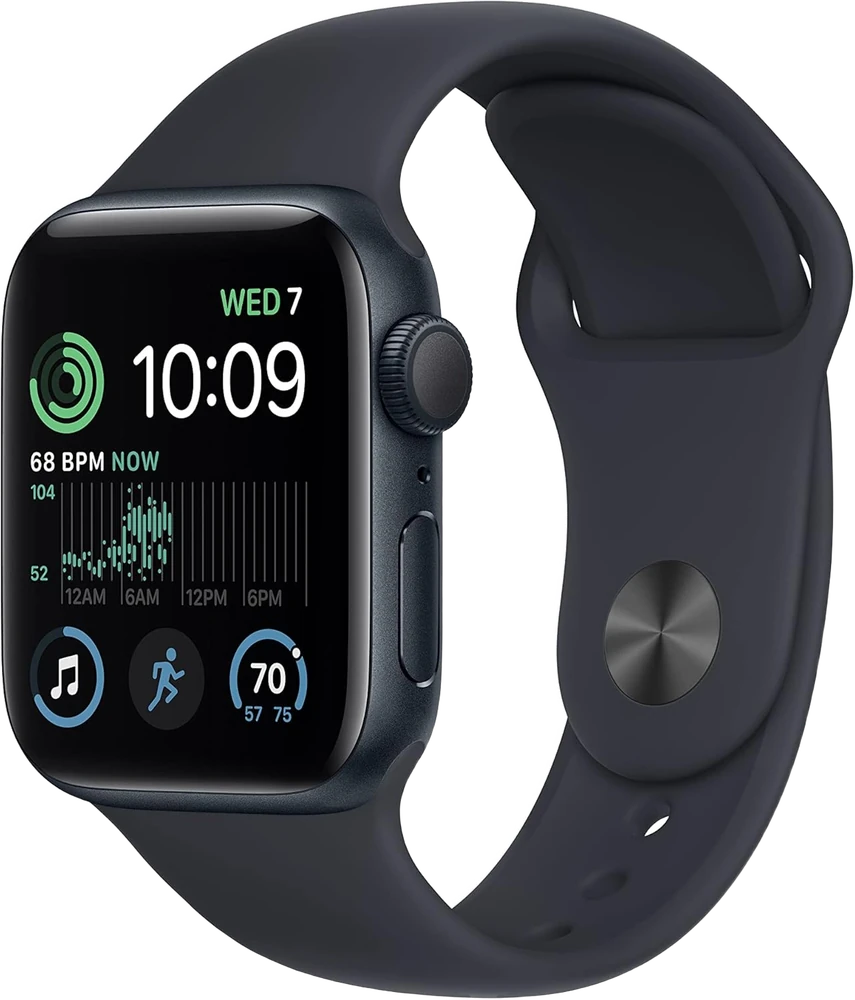 | 8.9 | 9.61 | 9.51 | 7.6 | 8.4 | Check price |
| Benchmark-grade accuracy — the lowest wrist HR and energy-expenditure error of the seven devices in Shcherbina 2017~18 hr battery means daily charging — a real adherence trade-off versus multi-day trackers | |||||||
| 03 | 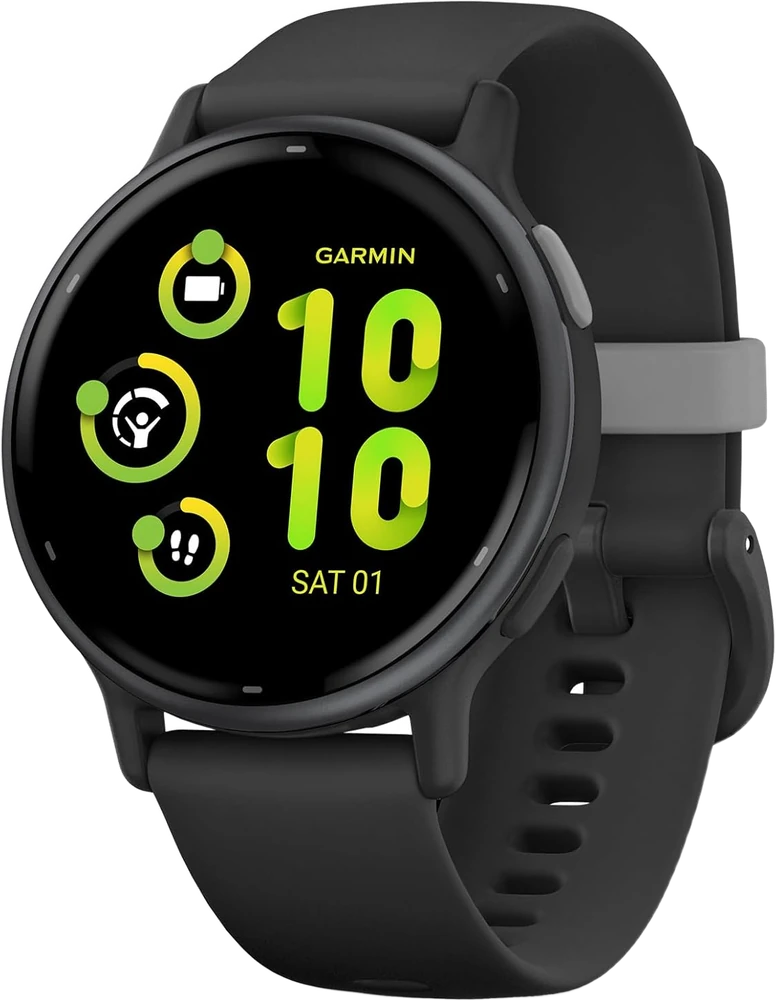 | 8.9 | 9.22 | 9.03 | 9.21 | 7.4 | Check price |
| Up to 11-day battery is the standout — it stays on your wrist all day and overnight, the best adherence of the premium picksThe priciest pick, so it scores lower on value | |||||||
| 04 | 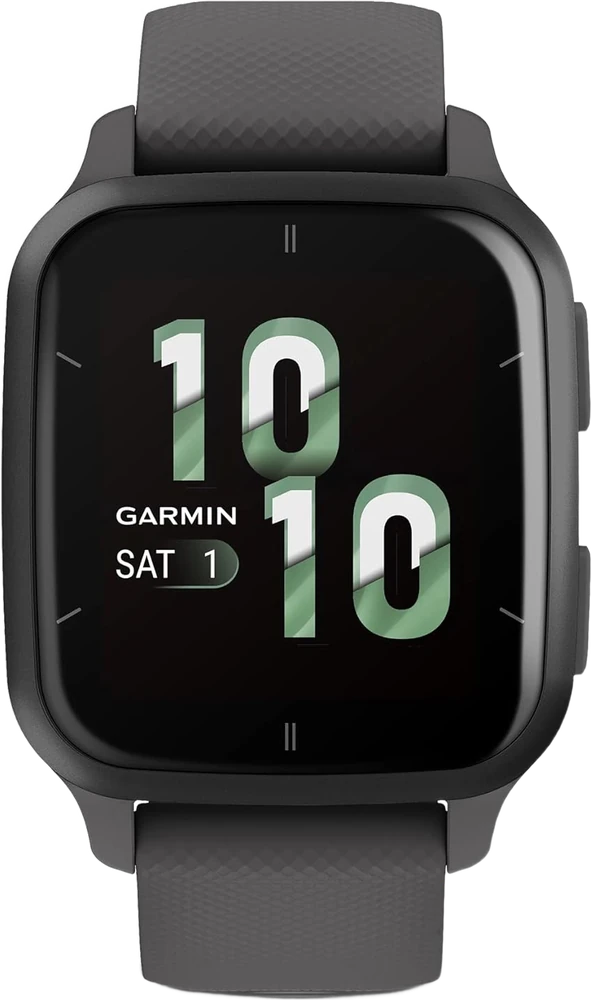 | 8.8 | 8.8 | 8.8 | 9.02 | 8.4 | Check price |
| Up to 11-day battery, so it stays on your wrist day and night like the pricier GarminSquare design and slightly fewer features than the Vívoactive 5 | |||||||
| 05 | 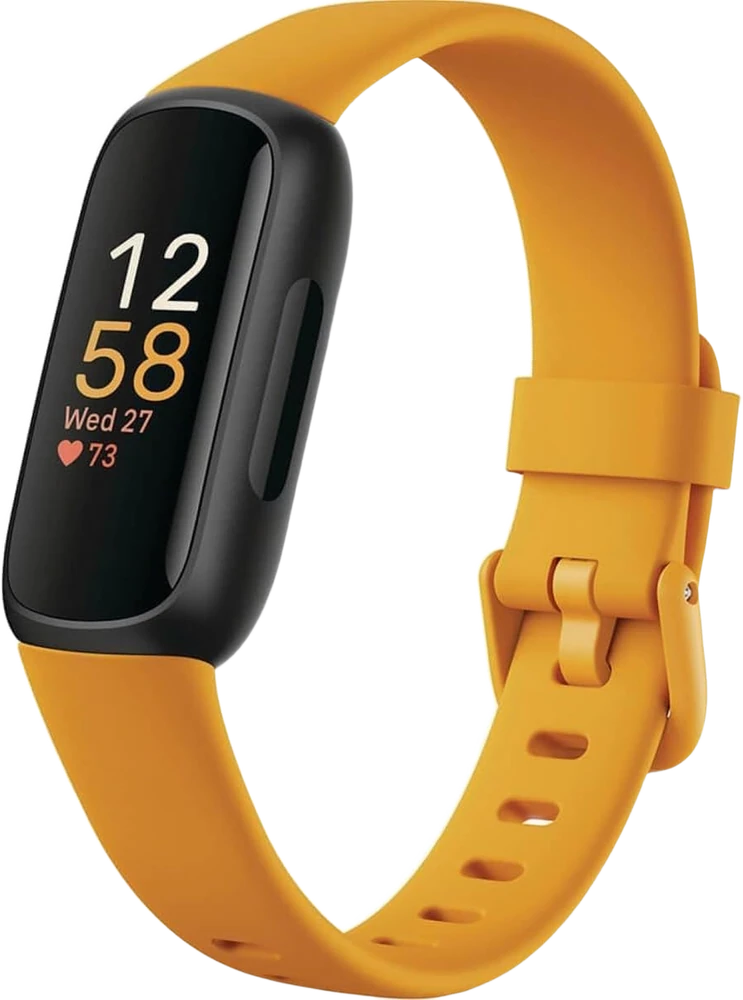 | 8.8 | 8.6 | 9.03 | 9.02 | 8.83 | Check price |
| Ultra-slim and light — the most comfortable to wear all day and overnight, which means you keep it onConnected GPS only (needs your phone) and a small screen; no built-in GPS | |||||||
| 06 | 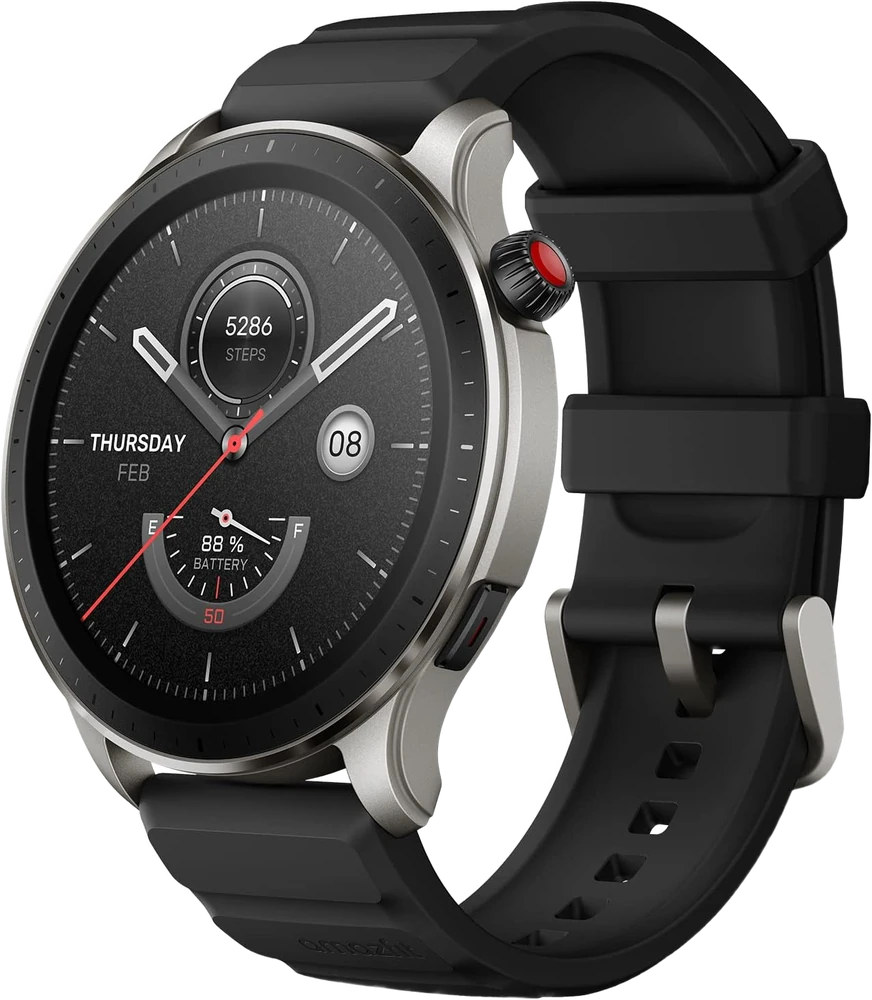 | 8.6 | 8.2 | 8.2 | 9.21 | 9.02 | Check price |
| Up to 14-day battery — the longest on the list, so it's almost never off your wristStep/HR accuracy and app polish are good rather than benchmark-grade (Apple/Garmin/Fitbit lead) | |||||||
| 07 | 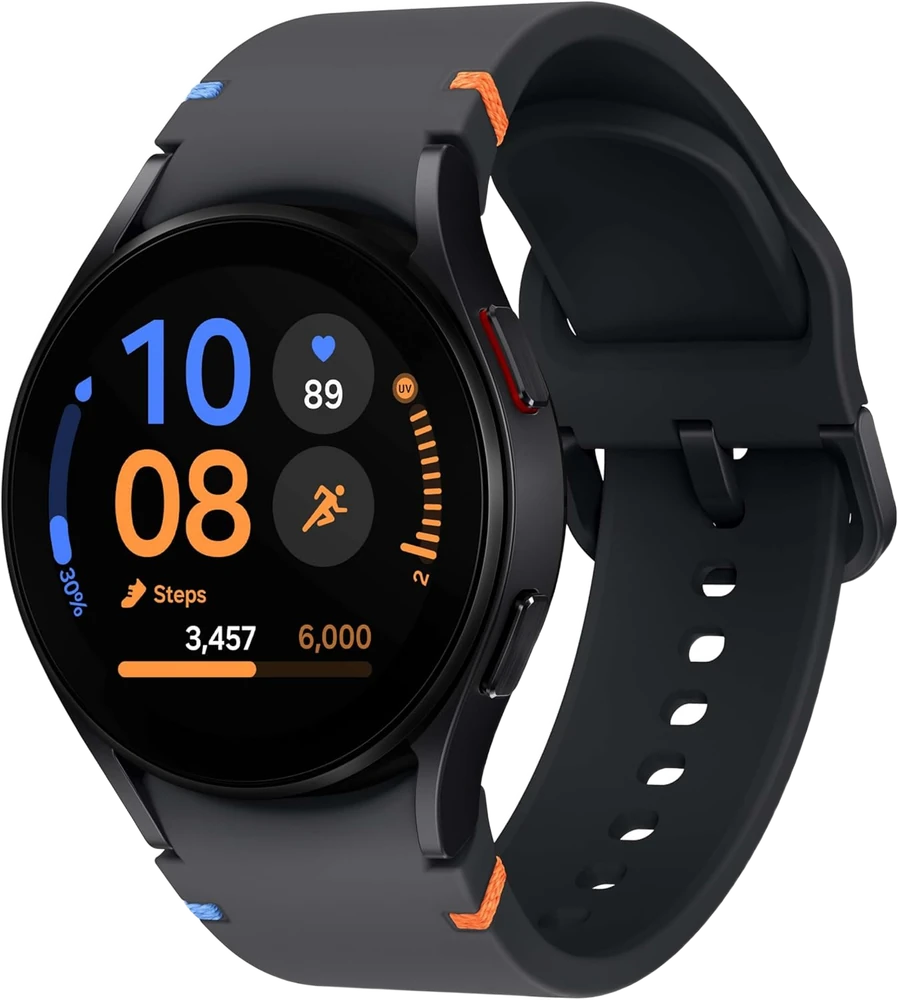 | 8.4 | 8.8 | 8.8 | 7.6 | 8.2 | Check price |
| The best-fitting full smartwatch for Samsung and Android users — Wear OS apps, calls, texts~1-2 day battery means daily charging — the same adherence trade-off as the Apple Watch | |||||||
| 08 | 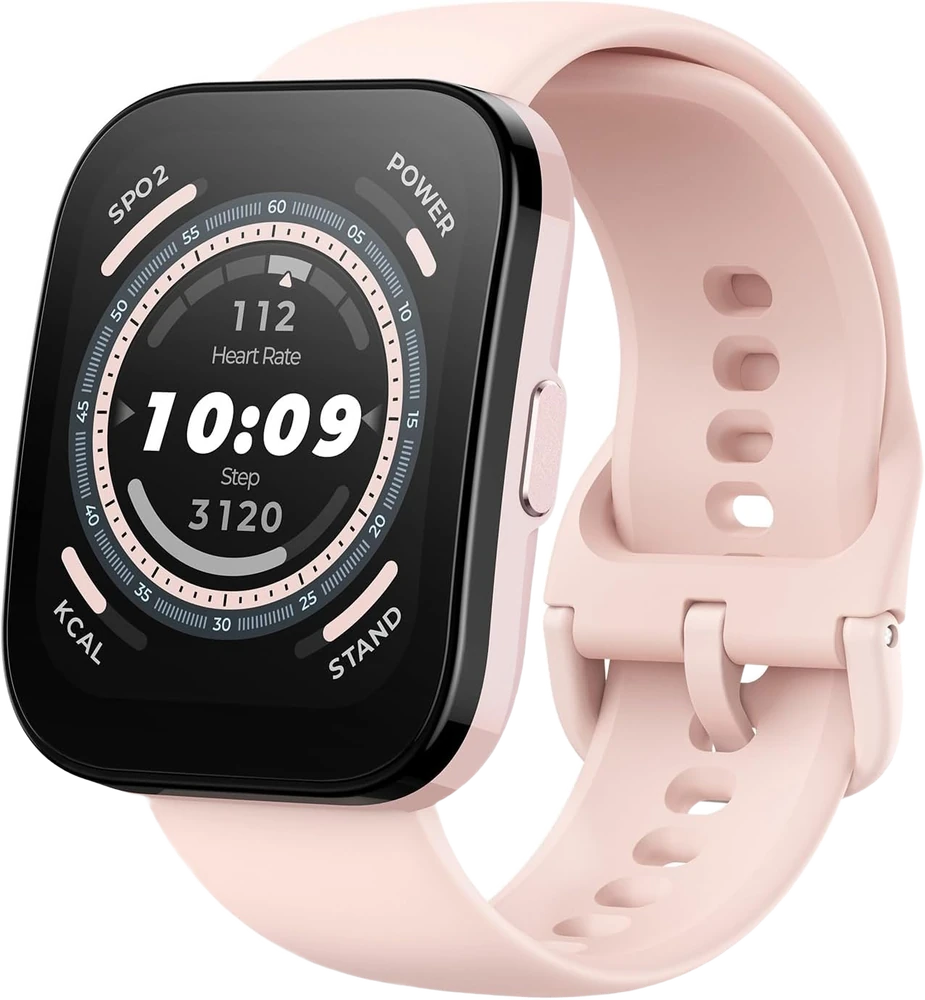 | 8.3 | 7.9 | 7.8 | 8.83 | 9.41 | Check price |
| Cheapest way here to get steps, 24/7 heart rate, sleep, GPS, and a big screen — the activity awareness that does the real workStep/HR accuracy and app polish are the most basic here — good enough for trends, not benchmark-grade | |||||||
The Other 7, Ranked
- 02
Best dedicated tracker: Apple Watch SE (2nd Gen) — GPS Smartwatch & Fitness Tracker
8.9SAC Score™The accuracy-first default for iPhone users — the most accurate wrist HR and calorie estimate tested, plus the tightest habit loop in the business with Activity rings.
StrongestStep & heart-rate accuracy9.61WeakestBattery & wearability7.6- Accuracy
- Best wrist HR & EE in Shcherbina 2017 (burn still a trend)
- App / habit
- Activity rings, Apple Fitness + Apple Health
- Battery
- ~18 hr (charge daily); fast-charge
All four scores, pros & cons, full label
What We Like- Benchmark-grade accuracy — the lowest wrist HR and energy-expenditure error of the seven devices in Shcherbina 2017
- Activity rings and Apple Fitness are the tightest, most motivating habit loop on iPhone
- Full smartwatch: calls, texts, apps, GPS, crash and fall detection in one device
- Bright always-there display and the slickest, most reliable everyday experience here
What You Live With- ~18 hr battery means daily charging — a real adherence trade-off versus multi-day trackers
- iPhone only, and the 'calories burned' figure, while best-in-class, is still only accurate to ~20%
- Smart features
- Calls, texts, apps, GPS, crash & fall detection
Our take — This is the tracker to buy if you have an iPhone and want one that's right. Apple is the accuracy-benchmark device — in the Stanford seven-wearable test it had the lowest heart-rate AND lowest energy-expenditure error of the group — and it pairs that with Activity rings and Apple Fitness, the most motivating habit loop on the platform, plus a full smartwatch's calls, apps, and safety features. On our criteria it leads on accuracy and ties for the top on app/habit-building, which is exactly what drives weight-loss consistency, so it wins on merit. It sits below the long-battery picks only on wearability — ~18 hr means daily charging — and even its class-leading calorie number is a trend, not a truth. The accuracy-first default for iPhone.
- 03
Best battery / serious tracking: Garmin Vívoactive 5 GPS Smartwatch
8.9SAC Score™The premium pick for adherence and data — up to 11-day battery so it never leaves your wrist, plus Garmin-grade accuracy and the deepest activity stats here.
StrongestStep & heart-rate accuracy9.22WeakestValue7.4- Battery
- Up to 11 days — no nightly charging
- Accuracy
- Garmin-grade optical HR + reliable steps
- App / data
- Garmin Connect: Body Battery, sleep, 30+ sports
All four scores, pros & cons, full label
What We Like- Up to 11-day battery is the standout — it stays on your wrist all day and overnight, the best adherence of the premium picks
- Garmin-grade step and heart-rate accuracy with serious, trustworthy sports tracking
- Garmin Connect is the deepest activity app — Body Battery, sleep, stress, 30+ sports
- Bright AMOLED display; exports to Apple Health, Google Fit, and Strava
What You Live With- The priciest pick, so it scores lower on value
- Garmin Connect's depth has a learning curve, and the calorie-burn estimate is rough like every wrist device
- Exports to
- Apple Health, Google Fit, Strava
Our take — The Vívoactive 5 is the pick for someone who wants premium accuracy AND to never think about charging. Its up-to-11-day battery means it's rarely off your wrist — the single biggest real-world driver of tracker adherence — and Garmin's step and heart-rate accuracy is benchmark-adjacent, backed by the richest activity data here (Body Battery, sleep, dozens of sports). It exports cleanly to Apple Health, Google Fit, and Strava, so it fits any phone. It ranks #2 rather than #1 on value (it's the most expensive) and because Apple's habit loop edges it for sheer stickiness, but for long battery plus serious data, it's the best on the list. As always, read the burn number as a trend.
- 04
Best value Garmin: Garmin Venu Sq 2 GPS Smartwatch
8.8SAC Score™Garmin accuracy and long battery for less — an up-to-11-day square smartwatch with Garmin Connect's deep data at a friendlier price than the Vívoactive 5.
StrongestBattery & wearability9.02WeakestValue8.4- Battery
- Up to 11 days — no nightly charging
- Accuracy
- Garmin-grade optical HR + steps
- App / data
- Garmin Connect: Body Battery, sleep, 25+ sports
All four scores, pros & cons, full label
What We Like- Up to 11-day battery, so it stays on your wrist day and night like the pricier Garmin
- Garmin-grade step and heart-rate accuracy plus Garmin Connect's deep activity data
- Bright square AMOLED display; 25+ sports modes and Body Battery energy tracking
- Strong value — most of the Vívoactive 5's strengths for a lower price
What You Live With- Square design and slightly fewer features than the Vívoactive 5
- Garmin Connect's depth has a learning curve; calorie burn is approximate as ever
- Exports to
- Apple Health, Google Fit, Strava
Our take — The Venu Sq 2 is the value route into the Garmin ecosystem and a genuinely smart buy. It keeps the things that matter most for weight-loss adherence — up-to-11-day battery so it's rarely off your wrist, Garmin-grade step and heart-rate accuracy, and Garmin Connect's deep activity data with Body Battery and 25+ sports — on a bright square AMOLED display for noticeably less than the Vívoactive 5. The trade-offs that put it at #5 are modest: a squarer look and a slightly trimmed feature set versus its sibling. But if you want long Garmin battery and serious data without paying the top price, this is the one — and, as with every tracker here, treat the calorie number as a trend.
- 05
Best slim band: Fitbit Inspire 3 Health & Fitness Tracker
8.8SAC Score™The lightest wear-and-forget habit band — tiny and comfortable for all-day-and-night wear, up to 10-day battery, with Fitbit's excellent nudges and sleep tracking.
StrongestApp & ecosystem9.03WeakestStep & heart-rate accuracy8.6- Wearability
- Ultra-slim, light; comfortable overnight
- Battery
- Up to 10 days
- Habit app
- Fitbit nudges, streaks, sleep; 24/7 HR
All four scores, pros & cons, full label
What We Like- Ultra-slim and light — the most comfortable to wear all day and overnight, which means you keep it on
- Up to 10-day battery; Fitbit's excellent habit nudges, streaks, and sleep tracking
- 24/7 heart rate and stress tools in a tiny, unobtrusive package
- Excellent value for a focused, beginner-friendly activity habit tracker
What You Live With- Connected GPS only (needs your phone) and a small screen; no built-in GPS
- Some insights nudge toward Fitbit Premium; calorie burn is approximate
- GPS
- Connected GPS (uses your phone)
Our take — The Inspire 3 is the pick for someone who wants the activity habit in the most minimal, wear-and-forget form. It's the slimmest, lightest tracker here, which matters more than it sounds: a band you barely feel is one you actually keep on all day and overnight, and that consistency is the whole point. You get Fitbit's class-leading nudges, streaks, and sleep tracking, 24/7 heart rate, and up to 10-day battery, all at a friendly price. It ranks #6 because it uses connected (phone) GPS rather than built-in, has a small screen, and leans on Premium for some insights — but as a focused, comfortable, honest habit band for beginners and minimalists, it's hard to beat for the money.
- 06
Best feature-packed value: Amazfit GTR 4 Smart Watch
8.6SAC Score™A feature-packed smartwatch with two-week battery at a mid price — dual-band GPS, 150+ sports, Alexa, and broad app export, for far less than the big brands.
StrongestBattery & wearability9.21WeakestStep & heart-rate accuracy8.2- Battery
- Up to 14 days — the longest here
- GPS / sports
- Dual-band GPS; 150+ sports modes
- App
- Zepp + Apple Health, Google Fit, Strava
All four scores, pros & cons, full label
What We Like- Up to 14-day battery — the longest on the list, so it's almost never off your wrist
- Loaded for the price: dual-band GPS, 150+ sports, Alexa, Bluetooth calls, bright AMOLED
- Zepp app exports to Apple Health, Google Fit, and Strava; works with iPhone and Android
- Excellent feature-per-dollar value as a near-smartwatch experience
What You Live With- Step/HR accuracy and app polish are good rather than benchmark-grade (Apple/Garmin/Fitbit lead)
- Zepp's habit-building isn't as motivating as Fitbit/Apple; calorie burn is approximate
- Extras
- Alexa built-in, Bluetooth calls, AMOLED
Our take — The GTR 4 is the value-feature champion: it delivers a near-smartwatch experience — dual-band GPS, 150+ sports modes, Alexa, Bluetooth calls, and a gorgeous AMOLED display — with the longest battery here (up to 14 days), all for a mid price. It exports to Apple Health, Google Fit, and Strava, so your activity fits your existing stack. It ranks #7 because its step and heart-rate accuracy and its app's habit-building are good rather than class-leading — the accuracy-benchmark brands and Fitbit's nudge engine still edge it on the criteria that matter most for weight loss. But if you want the most watch and the longest battery per dollar, and you'll supply your own consistency, it's a superb buy; read the burn number as a trend as always.
- 07
Best for Samsung / Android: Samsung Galaxy Watch FE Smartwatch
8.4SAC Score™The full-smartwatch pick for Samsung and Android users — Wear OS apps, Samsung Health tracking, and a bright round display that fits the Galaxy ecosystem best.
StrongestStep & heart-rate accuracy8.8WeakestBattery & wearability7.6- Best for
- Samsung / Android phones (Wear OS)
- Accuracy
- Solid optical HR + steps; BIA body-comp sensor
- App / habit
- Samsung Health; exports via Health Connect
All four scores, pros & cons, full label
What We Like- The best-fitting full smartwatch for Samsung and Android users — Wear OS apps, calls, texts
- Solid step and heart-rate tracking plus Samsung Health's activity and sleep features
- Bright round AMOLED display and a premium smartwatch experience at a fair price
- Includes a BIA body-composition sensor and ECG/HR features for extra context
What You Live With- ~1-2 day battery means daily charging — the same adherence trade-off as the Apple Watch
- Best experience needs a Samsung/Galaxy phone; calorie-burn and BIA readings are approximate
- Battery
- ~1-2 days (charge daily)
Our take — The Galaxy Watch FE is the Apple Watch's natural counterpart for the other side of the phone aisle: if you're on a Samsung or Android device and want a full smartwatch, it's the obvious fit. You get Wear OS apps, calls and texts, solid step and heart-rate tracking, Samsung Health's activity and sleep tools, and even a BIA body-composition sensor, all on a bright round display at a sensible price. It ranks #4 because its ~1-2 day battery brings the same nightly-charging trade-off as the Apple Watch, its best experience assumes a Galaxy phone, and — like every wrist device — its calorie and BIA numbers are approximate. But for Android-ecosystem buyers who want one do-everything wearable, it's the right call.
- 08
Best budget: Amazfit Bip 5 Smart Watch
8.3SAC Score™The honest budget pick — steps, heart rate, sleep, GPS, a big screen, and 10-day battery with broad app export, at the lowest price, with good-not-benchmark accuracy as the trade-off.
StrongestValue9.41WeakestApp & ecosystem7.8- Battery
- Up to 10 days
- Display / GPS
- Large 1.91" screen; built-in GPS
- App
- Zepp + Apple Health, Google Fit, Strava
All four scores, pros & cons, full label
What We Like- Cheapest way here to get steps, 24/7 heart rate, sleep, GPS, and a big screen — the activity awareness that does the real work
- Up to 10-day battery and a large 1.91" display at a budget price
- Alexa, Bluetooth calls, and 120+ sports modes; exports to Apple Health, Google Fit, and Strava
- A lot of tracker for the money — the honest budget entry point
What You Live With- Step/HR accuracy and app polish are the most basic here — good enough for trends, not benchmark-grade
- Plasticky build and a less refined experience; calorie burn is approximate like every wrist device
- Extras
- Alexa, Bluetooth calls; 120+ sports modes
Our take — The Bip 5 rounds out the list as the honest budget pick — and an honest budget pick is exactly what it is, not a flimsy one we're punishing. It tracks steps, 24/7 heart rate, and sleep, has built-in GPS and a big bright screen, runs up to 10 days per charge, and even adds Alexa and Bluetooth calls — exporting to Apple Health, Google Fit, and Strava — all at the lowest price here. So on the tightest budget it still delivers the thing that actually drives weight loss: visible activity that keeps you consistent. It ranks #8 squarely on our criteria — its step/HR accuracy and app habit-building are good-enough rather than benchmark-grade, and the build is plasticky — which is the real trade-off for the price. We deliberately did not crown it for being cheap, but if budget is the deciding factor, buy it without worry: the activity awareness is what matters, and it gives you that.
The Guide In Four Short Lessons
What a tracker's numbers are really worth (the evidence)
- Awareness
- The real weight-loss value of a tracker is making activity visible and keeping you consistent — not the calorie number
- >20%
- Calorie-burn error of the BEST device in Shcherbina 2017 — and no wrist device beat 20%
- <5%
- Heart-rate median error most devices hit during cycling (Shcherbina 2017) — HR is the part you can lean on
- Deficit
- The tracker shows activity; it doesn't create the deficit — run that off intake, not off the watch
Sources: Shcherbina A, Mattsson CM, Waggott D, et al. Accuracy in Wrist-Worn, Sensor-Based Measurements of Heart Rate and Energy Expenditure in a Diverse Cohort. J Pers Med 2017 (PMID 28538708). Gillinov S, Etiwy M, Wang R, et al. Variable Accuracy of Wearable Heart Rate Monitors during Aerobic Exercise. Med Sci Sports Exerc 2017 (PMID 28709155).
Buy it for steps and heart rate.
Steps and heart rate are the metrics the better devices get reasonably right. Accuracy on those two carries 35% of our score.
Never eat back the calories-burned number.
In the Stanford test of seven wearables, none estimated calorie burn to better than 20% (Shcherbina 2017). Read that figure as a trend, not an allowance.
Choose one you will wear all day and night.
A tracker only helps if it stays on your wrist. Multi-day battery and comfort are adherence features and count for a quarter of the score.
Wearable-accuracy evidence: Shcherbina 2017 (PMID 28538708) and Gillinov 2017 (PMID 28709155). Per-pick figures are manufacturer specs; ranked on step/HR accuracy (35%), app & habit-building (25%), battery & wearability (25%), and value (15%) — full scoring in the methodology below.
Each pick was scored 0-10 across four criteria, then weighted to a final composite. Step and heart-rate accuracy carries the most weight — 30% — because those are the metrics a tracker actually gets reasonably right, and they're the foundation of a trustworthy activity signal: we reward reliable step counting, good resting and steady-state optical heart rate, and the track record of accuracy-benchmark brands (Apple, Garmin, Fitbit). Crucially, this is NOT calorie-burn accuracy — no wrist device estimates energy expenditure to better than ~20% (Shcherbina 2017), so we never reward a bigger calorie number; the burn figure is a trend, not a score input. App and ecosystem / habit-building is next (25%): the goals, move-reminders, streaks, and clear activity views that actually build CONSISTENCY — the real mechanism by which a tracker supports weight loss — plus multi-user-friendly export to Apple Health, Google Fit, Fitbit, and Strava. Battery and wearability is also weighted 25% because it's an adherence axis: a tracker only helps if you keep it on all day and overnight, so we reward multi-day-to-weeks battery, comfort, low weight, and water resistance. Value (15%) is the tie-breaker: price for the accuracy, app, and battery delivered. Crucially, PRICE IS SUBORDINATE — the best pick can cost more, and affordability is recognized with a 'Best budget' badge rather than by crowning the cheapest tracker #1. We do not invent numbers: every per-pick spec is the manufacturer's own, and the only research cited is the wearable-accuracy evidence (Shcherbina 2017, Gillinov 2017) that justifies reading calorie burn as a trend, each with a verified PMID.
Step & heart-rate accuracy · 35%
The most important factor — and explicitly step/HR accuracy, NOT calorie-burn accuracy. We reward reliable step counting and good optical heart rate (at rest and steady activity), where the accuracy-benchmark brands (Apple, Garmin, Fitbit) lead. The 'calories burned' estimate is rough on every wrist device (Shcherbina 2017), so we never score a tracker higher for a bigger burn number.
App & ecosystem / habit-building · 25%
The real mechanism: goals, move-reminders, streaks, and clear activity views that build CONSISTENCY, plus export to Apple Health, Google Fit, Fitbit, and Strava so activity sits beside your calories. Fitbit leads on habit nudges and sleep, Apple on the iPhone habit loop, Garmin on data depth — the awareness loop is the product.
Battery & wearability · 25%
An adherence axis: a tracker only works if you keep it on all day and overnight. We reward multi-day-to-weeks battery (Garmin, Amazfit, Fitbit), comfort, low weight, and water resistance. A full smartwatch's ~1-2 day battery and nightly charging is a real trade-off, weighted honestly here.
Value (price) · 15%
Price for the accuracy, app, and battery delivered. Tie-breaker — the first three criteria do most of the ranking. PRICE IS SUBORDINATE: a more accurate, more wearable, better-app tracker can rank higher even if it costs more, while affordability is recognized with a 'Best budget' badge rather than by crowning the cheapest device.
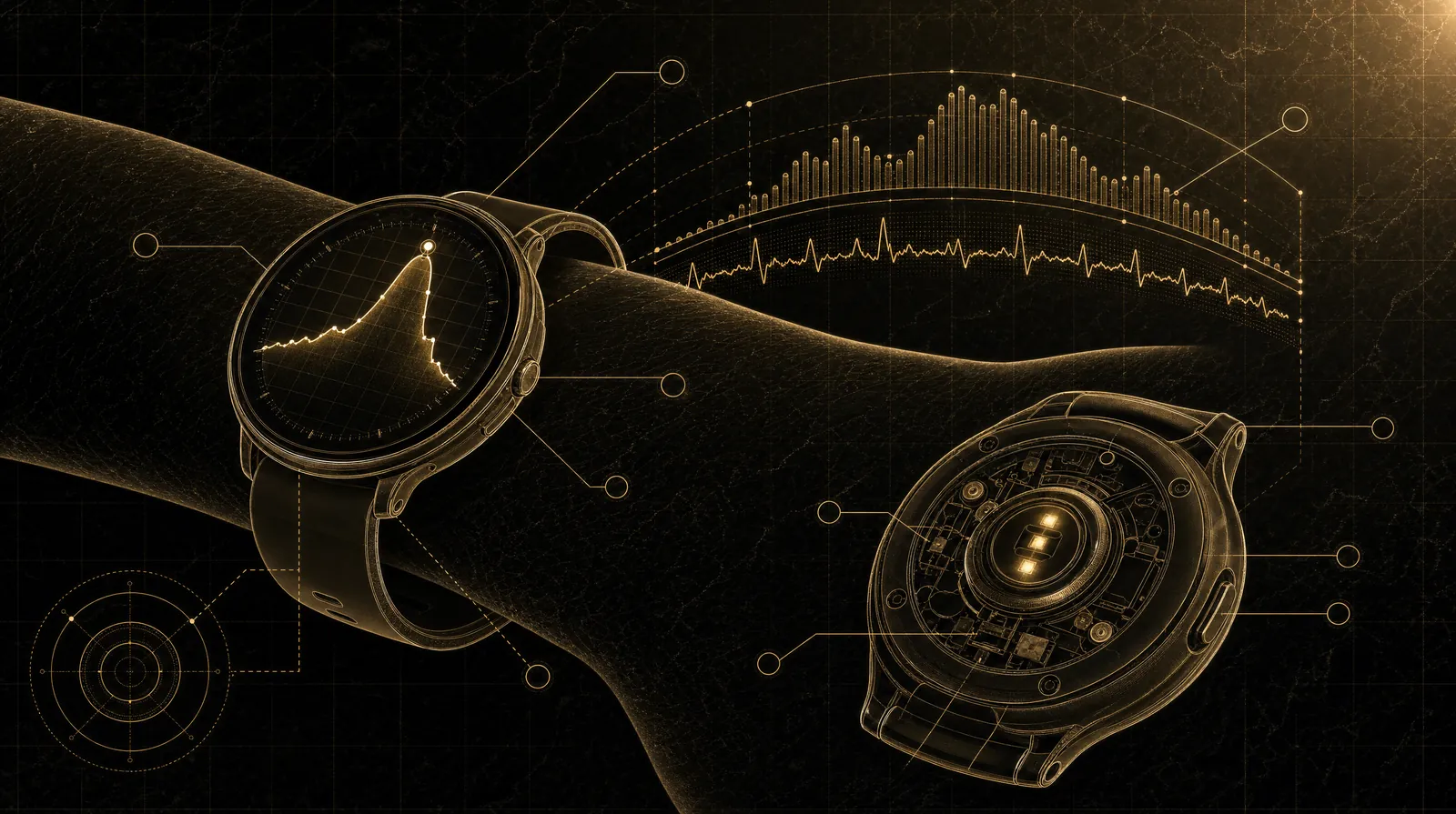
How a fitness tracker drives weight loss
- 1
It makes your activity visible
Most people have no real sense of how much they move day to day. A tracker turns that invisible activity into a number you see — steps, active minutes, a closing ring — which is the necessary first step to changing it. The visibility itself, not any calorie figure, is what the device reliably provides.
- 2
Goals, nudges, and streaks build consistency
A visible daily target plus reminders-to-move and an unbroken streak pulls you to move a little more, a little more often. That repeated, low-friction activity — accumulated across weeks — is what genuinely adds to the output side of your energy balance. The habit is the mechanism; the app is how you feel it.
- 3
Read the burn as a trend, run the deficit off intake
The 'calories burned' number is rough (no wrist device beats ~20% error), so it can't be eaten back safely. Use it only to compare today vs your baseline, run your actual deficit off honest INTAKE (food scale + app), and confirm progress on the smart scale's weight trend. The tracker keeps you moving and aware; the deficit does the work.
What to expect in your first few weeks with a tracker
The 'oh, that's it?' moment
Your first days reveal how few steps a normal day actually contains — often far below the goal you assumed you hit. That single realization, like the food scale's portion shock, is the most valuable thing the tracker does early on. Resist obsessing over the calorie-burn number; it's noisy.
The habit takes hold
Once a step or active-minute goal and move reminders are set, the streak starts pulling you to close the ring — a short walk here, the stairs there. Activity becomes something you can see trending up, independent of the loose calorie estimate. This is the consistency engine doing its job.
Activity becomes a baseline you keep
With a few weeks of trend, a higher daily activity level becomes your normal, and resting heart rate and sleep TRENDS (read as direction, not absolutes) add honest context for recovery and adherence. Paired with an honest deficit, the sustained movement supports a weight trend you can actually confirm.
The bottom line
On iPhone, the Apple Watch SE (#2) is the pick.
It's the accuracy-benchmark device — the lowest wrist HR and energy-expenditure error in the Stanford test — paired with the tightest habit loop in the business via Activity rings and Apple Fitness. The trade-off is ~18 hr battery, so you charge it daily.
Pick by battery, app, or ecosystem: there's an honest choice for each buyer.
Want long battery and the deepest activity data: the Garmin Vívoactive 5 (#2). Want the best dedicated habit-building tracker — nudges, streaks, sleep: the Fitbit Charge 6 (#1). On Samsung/Android: the Galaxy Watch FE (#4); tightest budget that still tracks well: the Amazfit Bip 5 (#8).
Whichever you buy, read the burn as a trend and run your deficit off intake.
The 'calories burned' figure is rough (no wrist device beat 20% error in Shcherbina 2017; wearables commonly miss by 20-40%), so never eat it back. Set a step goal, keep the tracker on so it stays consistent, and run your actual deficit off honest intake — confirming progress on the smart scale's weight trend. The tracker keeps you moving and aware; the deficit does the work.
Quick Answers
Do fitness trackers actually help with weight loss?
Indirectly, yes — through CONSISTENCY and AWARENESS, which is their real, honest value, not through anything they do to your body. Wearing a tracker makes your steps and active minutes visible, and the goals, streaks, and move-reminders nudge most people to move a little more, a little more often — and that repeated, visible activity adds to the output side of your energy balance. What a tracker is NOT is a precise calorie meter: the 'calories burned' number is rough (more below), so the win is the daily movement habit it builds, not the figure on the screen. Pair it with an honest deficit from a food scale and a calorie app, and the tracker keeps the activity consistent.
How accurate is the 'calories burned' number on a fitness tracker?
Honestly: not very. The heart-rate side is reasonably good on the better devices, but the energy-expenditure (calorie-burn) estimate is loose. In a Stanford study of seven wrist wearables (Shcherbina 2017, Journal of Personalized Medicine) six hit a median heart-rate error under 5% during cycling, but NOT ONE estimated calorie burn to better than 20% — the Apple Watch was the most accurate and was still off by around 20%+, and the worst device missed by far more. Independent testing routinely finds wearables mis-estimate burn by 20-40%. So don't treat the number as exact. Use it as a TREND — is today more active than yesterday? — and run your actual calorie deficit off what you EAT, not off what the watch says you burned.
Should I 'eat back' the calories my tracker says I burned?
No — this is the single most common way people stall a deficit with a tracker. Because the burn estimate can be 20-40% too high, eating back what the watch reports often erases the deficit you carefully created. The honest method is to set your calorie target from your intake (food scale + app) and a sensible activity estimate, keep that target fixed, and use the tracker only to stay consistent and active — not to unlock extra food. If your weight trend on the smart scale isn't moving, tighten intake; don't reward a big 'calories burned' day with a big meal. The tracker keeps you moving; it doesn't hand you a reliable calorie allowance.
Are the steps and heart rate accurate, even if the calories aren't?
Largely yes, on the better devices — and that's exactly why we weight step and heart-rate accuracy most heavily and treat calorie burn as a trend. Step counting is mature and reliable, and wrist optical heart rate is good at rest and during steady activity, with the accuracy-benchmark brands (Apple, Garmin, Fitbit) leading; six of seven devices in Shcherbina 2017 kept heart-rate error under 5% during cycling. The caveats are that wrist HR can lag or wander during high-intensity intervals or weightlifting (Gillinov 2017 found accuracy varies by activity, and a chest strap is better for hard training), and that accurate steps and HR still don't make the derived calorie number accurate. So lean on steps and resting HR trends; distrust the absolute burn.
Do I need a full smartwatch (Apple/Samsung) or is a fitness band enough?
Depends on whether you want apps and notifications or just the activity habit. A full smartwatch (Apple Watch SE, Samsung Galaxy Watch FE) adds calls, texts, apps, and a bright always-there screen — great if you want one device for everything, at the cost of ~1-2 day battery and daily charging. A dedicated tracker or band (Fitbit Charge 6, Fitbit Inspire 3, Amazfit Bip 5) focuses on activity, sleep, and habit-building, is lighter and comfier to wear overnight, and lasts many days to weeks on a charge — which often means better adherence for weight loss, because you actually keep it on. For pure 'move more, stay consistent', a band is plenty; for a do-everything wrist computer, get the smartwatch.
How is a fitness tracker different from a smart scale for weight loss?
They measure opposite sides of the equation, which is why both sit in the same weight-loss gear set. A SMART scale measures PROGRESS — what your body weight is actually doing in response to your deficit, as an automatic trend line. A fitness TRACKER measures ACTIVITY/OUTPUT — how much you move — and keeps that consistent and visible. Add the food scale (which makes the calorie INPUT honest) and a calorie app, and you have the full loop: control intake, keep activity up, and confirm the weight trend is responding. None of them creates the deficit — a sustained calorie deficit does — but together they make every part of it measurable. The tracker's specific job is the movement habit.
Which ecosystem should I pick — Apple, Fitbit, Garmin, or Samsung?
Pick the one you'll actually live in, because the app is where the habit forms. If you have an iPhone and want the best all-round device plus the tightest habit loop (Activity rings), the Apple Watch SE is the default. If you want the best dedicated habit-building app — nudges, streaks, sleep, a gentle on-ramp for beginners — Fitbit (Charge 6 or the slim Inspire 3) is excellent and works on iPhone and Android. If you want the deepest data, multi-day battery, and serious sports tracking, Garmin (Vívoactive 5, Venu Sq 2) is the pick. If you're on a Samsung/Android phone and want a full smartwatch, the Galaxy Watch FE fits best. Amazfit (GTR 4, Bip 5) is the value route with long battery and broad app export. Most export to Apple Health, Google Fit, or Strava, so your activity can sit beside your calories either way.
Will a tracker's sleep and resting heart rate help my weight loss?
As honest TREND signals, yes — they're useful context, not precision instruments. Resting heart rate and sleep duration trends (read over weeks, under consistent conditions) can reflect recovery, stress, and adherence: poor sleep and elevated resting HR often track with the kind of weeks where a diet slips, so watching the direction can prompt a useful course-correct. The same caveat as everything else applies: a single night's sleep score or one day's resting HR is noisy, and the absolute numbers from a wrist device are approximate. Treat them as a dashboard for your habits — is sleep trending down, is resting HR creeping up? — rather than as exact measurements, and the trends can genuinely support a sustainable deficit.
Every Claim Ranked Above Traces Back To One Of These
2 peer-reviewed sources, each linked to PubMed
- [1] Shcherbina 2017 PMID 28538708 — Accuracy in Wrist-Worn, Sensor-Based Measurements of Heart Rate and Energy Expenditure in a Diverse Cohort. Across seven consumer wrist wearables (incl. Apple Watch, Fitbit Surge, Samsung Gear S2) tested against gold-standard references in 60 people, six achieved a median heart-rate error under 5% during cycling — but NOT ONE estimated energy expenditure (calories burned) to better than 20%. The Apple Watch had the lowest error in both, the Samsung Gear S2 the highest. This is the evidence that a tracker's heart rate is usable but its calorie-burn number is rough and should be read as a trend, not an absolute — the core honesty of this page. (Evidence about the devices' measurement accuracy; not a product spec.)
- [2] Gillinov 2017 PMID 28709155 — Variable Accuracy of Wearable Heart Rate Monitors during Aerobic Exercise. Wrist-worn optical heart-rate monitors were accurate at rest and on a treadmill but their accuracy varied by activity — degrading notably during cycling and elliptical (especially arm-driven) exercise, where a chest-strap electrode monitor remained the reference. This supports reading wrist HR (and anything derived from it, like calorie burn) as good-for-trends but not as a precise measurement during hard or arm-heavy training. (Evidence about wrist-HR accuracy, not a manufacturer claim.)
Affiliate disclosure: every Amazon link uses our Associates tag (superachieverclub-20). We earn a small commission at no cost to you; it funds independent reviews. We never accept payment to change a ranking.