
Apple Watch SE (2nd Gen) Review
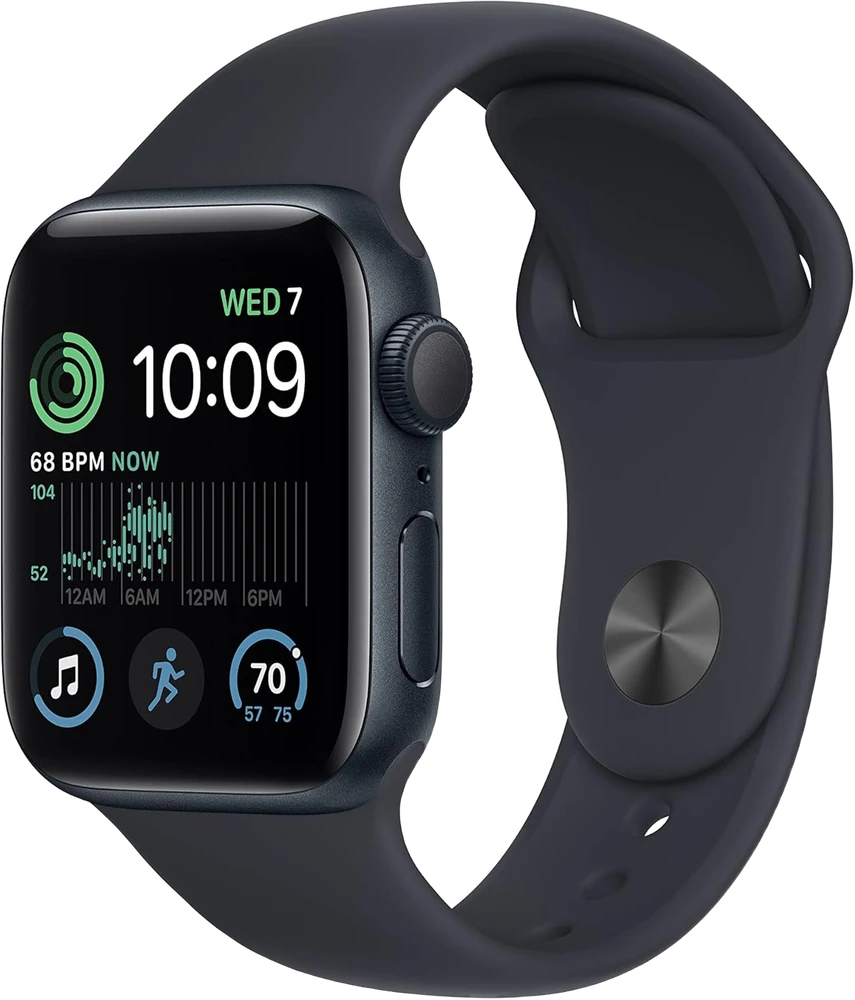 #2 of 8 · Best dedicated tracker✓ Product photos checked Sep 7, 2026
Real retailer photo, cut out. Label unedited.
Buy it. The accuracy benchmark plus the best habit loop — the default tracker for iPhone users. The SE (2nd Gen) had the lowest wrist HR and energy-expenditure error of the seven devices in the Stanford wearable test, and Activity rings + Apple Fitness are the most motivating consistency engine in the category. ~$249 buys a full smartwatch with GPS, crash/fall detection, and water resistance.
~$249
Why It Scores 8.9 — And The Label Line Behind Each Number
Step & heart-rate accuracy
35% of scoreThe benchmark. In Shcherbina 2017 the Apple Watch had the lowest heart-rate error and the lowest energy-expenditure error of all seven devices tested against gold-standard references. Steps and optical HR — the metrics a tracker can actually get right — are as good as the wrist category offers. The one honest asterisk applies to everyone: even the best calorie estimate was ~20%+ off, so the burn figure stays a trend.
App & ecosystem / habit-building
25% of scoreActivity rings, streaks, move nudges, and Apple Fitness form the most motivating habit loop on any platform, and everything lands automatically in Apple Health where your calorie app can read it. The consistency engine — the honest mechanism by which a tracker supports weight loss — is simply best-in-class here. Deduction only because the ecosystem is closed: iPhone-only, and data flows out through Apple Health rather than directly to Google Fit.
- Ecosystem
- iPhone-only; auto-syncs to Apple Health (calorie apps read from there)
Battery & wearability
25% of scoreThe weak axis, scored honestly: ~18 hours means daily charging, the biggest adherence risk on the list — a watch on the charger at bedtime tracks no sleep and builds no streak. Fast charging and a comfortable, water-resistant aluminum case (standard fluoroelastomer sport band, a proven skin-safe wearable material) soften it, but the multi-day Garmins, Fitbits, and Amazfits are simply better at never leaving your wrist.
- Battery
- ~18 hours — charge daily; fast-charge capable
Value
15% of score~$249 for benchmark accuracy, the best habit app, GPS, crash/fall detection, and a full smartwatch is strong value — it undercuts the Vívoactive 5 while beating it on accuracy and app stickiness. It isn't the cheap route (the Charge 6 delivers the core weight-loss job for ~$160, the Bip 5 for ~$70), but per our methodology price is a tie-breaker, and what the SE delivers per dollar earns its crown.
- Price
- ~$249 (GPS, 40mm)
- More Specs
- Type
- Full GPS smartwatch (40mm aluminum case, Retina display)
- Accuracy record
- Lowest wrist HR + energy-expenditure error of 7 devices in Shcherbina 2017 (burn still ~20%+ off — trend, not truth)
- Habit engine
- Activity rings, streaks, move reminders, Apple Fitness
- Safety features
- Crash detection, fall detection, emergency SOS
- Water resistance
- Water resistant (swim-proof per Apple's listing)
- Band material
- Fluoroelastomer sport band — proven, skin-friendly wearable standard
Photos checked.This product has no Supplement Facts panel; the retailer's listing photos were reviewed Sep 7, 2026.
Marketing Claims Vs. Reality
Fitness and sleep tracker with heart-rate monitor.
As listed, and independently the strongest-tested claim in the category: the Apple Watch posted the lowest heart-rate error of the seven devices in Shcherbina 2017, and step/sleep tracking are core, mature functions. This is the part of the spec sheet the science genuinely backs.
Tracks calories burned for your daily activity.
It displays an active-calories estimate, and it was the MOST accurate device tested — but 'most accurate' still meant roughly 20%+ error, and no wrist wearable beat 20% (Shcherbina 2017). Real as a trend indicator, not as an exact figure; we mark every tracker's calorie claim partial for the same reason.
Crash detection, fall detection, and water resistance.
Stated on the live Amazon listing and standard Apple SE (2nd Gen) hardware features. Genuine safety extras that no dedicated fitness band in our lineup matches — part of why the SE's price is justified despite cheaper trackers doing the core job.
Retina display, all-day battery.
The display claim is accurate. 'All-day' battery is technically true at ~18 hours but the honest framing is 'charge every day' — a real adherence trade-off versus the 7-14 day trackers in our ranking, which is why the SE scores lowest of our top picks on the battery axis.
What Our Test Actually Found
The Stanford test is the reason this watch is #1
Rankings in this category usually run on brand feel; ours runs on the one dataset that measured these devices against gold standards. In Shcherbina 2017, seven wrist wearables were tested on 60 diverse subjects, and the Apple Watch came out with the lowest error on BOTH heart rate and energy expenditure. Steps and heart rate are the trustworthy foundation of everything a tracker does — active minutes, zones, trends — so buying the device that measures them best is the rational default. That's an accuracy claim about the measurement floor, not a promise the watch melts fat: the mechanism is still awareness and consistency.
Even the best calorie number is ~20% off — plan around it
The same study is why we refuse to sell the calorie figure: not one of the seven devices estimated energy expenditure to better than 20% error, and the Apple Watch's class-leading result was still ~20%+ off. Practically: if the Move ring says you burned 600 active calories, the honest range is wide, so 'eating back' those calories can quietly erase a deficit. Use the ring to compare today against your baseline, keep your calorie target anchored to measured intake, and let the smart scale's weight trend be the referee. The SE's edge is that its trend line is built on the most accurate raw signals available on a wrist.
Activity rings are the best habit engine in consumer fitness
A tracker helps you lose weight only if it changes behavior, and the rings are the most refined behavior loop in the category: three visible daily goals, a streak you don't want to break, badges, and gentle stand/move nudges. Because they're on your wrist and on your phone, closing the rings becomes a daily game — exactly the low-friction, repeatable movement that adds to the output side of the energy balance across weeks. Fitbit's app is the closest rival for pure habit-building (and better for beginners who want sleep-first coaching), but on iPhone the rings plus Apple Health integration is the stickiest loop we've used.
Daily charging is the adherence tax — decide honestly
The SE's ~18-hour battery is not a footnote; it's the one axis where this watch is genuinely beaten by cheaper devices. A tracker off your wrist tracks nothing, and the classic failure mode is a watch that dies mid-evening, goes on the charger, and never comes back. The workaround that works: charge during a fixed daily slot (shower + coffee covers it with fast charging), never overnight — so the watch is on for sleep and the streak survives. If you already know that ritual won't stick, don't fight your nature: the Vívoactive 5's 11 days or the Charge 6's 7 days will serve your consistency better than a more accurate watch that's dead.
Full analysis: all pros & cons (8), buy if / skip if
- Accuracy benchmark — lowest wrist HR and energy-expenditure error of the seven devices in the Stanford test
- Activity rings + Apple Fitness: the most motivating habit loop in consumer fitness
- Full smartwatch: calls, texts, apps, GPS, crash and fall detection, water resistance
- Auto-syncs to Apple Health, so your calorie app sees steps and workouts automatically
- Bright Retina display and the most polished everyday experience in the ranking
- ~18-hour battery — daily charging is a real adherence trade-off versus 7-14 day trackers
- iPhone-only; Android users need the Galaxy Watch FE (#4) or an ecosystem-neutral pick
- Even its best-in-class calorie estimate is ~20%+ off — a trend, never a number to eat back
- You're on iPhone and want the most accurate steps and heart rate tested in the Stanford seven-wearable study
- You respond to visible goals and streaks — Activity rings are the tightest habit loop in consumer fitness
- You want one do-everything device: calls, texts, apps, GPS, crash and fall detection
- You'll actually charge it daily (shower or desk time covers it with fast charging)
- You're on Android — the Apple Watch requires an iPhone; see the Galaxy Watch FE (#4) or Fitbit Charge 6 (#1)
- Nightly charging will make you take it off — the Garmin Vívoactive 5 (#3) runs up to 11 days
- You want a slim, screen-light band rather than a full smartwatch — the Fitbit Inspire 3 (#5) is that pick
The SE (2nd Gen) had the lowest wrist HR and energy-expenditure error of the seven devices in the Stanford wearable test, and Activity rings + Apple Fitness are the most motivating consistency engine in the category. ~$249 buys a full smartwatch with GPS, crash/fall detection, and water resistance. The trade-offs: daily charging (~18 hr battery), iPhone-only, and — like every wrist device — a calorie-burn number that's a trend, not a truth.
The Apple Watch SE (2nd Gen) wins our fitness-tracker ranking for one reason above all: when Stanford researchers strapped seven consumer wearables onto 60 people and tested them against gold-standard references (Shcherbina 2017), the Apple Watch posted the lowest heart-rate error AND the lowest energy-expenditure error of the group. That makes it the accuracy benchmark for the two metrics a tracker can actually get right — and it pairs that hardware with the tightest habit loop in consumer fitness: Activity rings, streaks, move reminders, and Apple Fitness/Health integration that makes your daily activity impossible to ignore. Add GPS, crash and fall detection, a bright Retina display, and water resistance at ~$249, and you get a genuinely complete smartwatch, not just a step counter. The honest limits are exactly two. First, the ~18-hour battery: this watch charges every day, which is a real adherence trade-off against the multi-day Garmins and Fitbits below it — a tracker on the charger tracks nothing. Second, the category-wide caveat that applies even to the benchmark device: 'most accurate calorie estimate tested' still meant ~20%+ error, because no wrist wearable beat 20% in that study. So buy the SE for its reliable steps and heart rate and its best-in-class habit engine, read the burn number as a trend, and run your actual deficit off intake. For iPhone users, this is the default — here's the full breakdown.
Buy it if you're on iPhone — the benchmark tracker, with daily charging as the honest price.

The Apple Watch SE (2nd Gen) is our #1 because it leads on the two things a fitness tracker can genuinely deliver for weight loss: trustworthy measurement and behavior change. It's the accuracy-benchmark device from the Stanford seven-wearable test — lowest heart-rate and energy-expenditure error of the group — and Activity rings plus Apple Fitness form the most effective consistency engine we've used. At ~$249 you also get a complete smartwatch with GPS, crash and fall detection, and water resistance, which no dedicated band here matches. Be equally clear about what you're accepting. It charges every day (~18 hours), which is the biggest adherence risk on the list — build a fixed daily charging slot or buy long battery instead. It requires an iPhone. And its calorie-burn number, though the most accurate tested, is still ~20%+ off — so use it for trends and streaks, set your deficit from measured intake, and let your weight trend confirm progress. Within those honest limits, this is the best fitness tracker you can buy for weight loss on iPhone, and it wins on merit, not brand.
If This Doesn’t Fit — Try These
 03
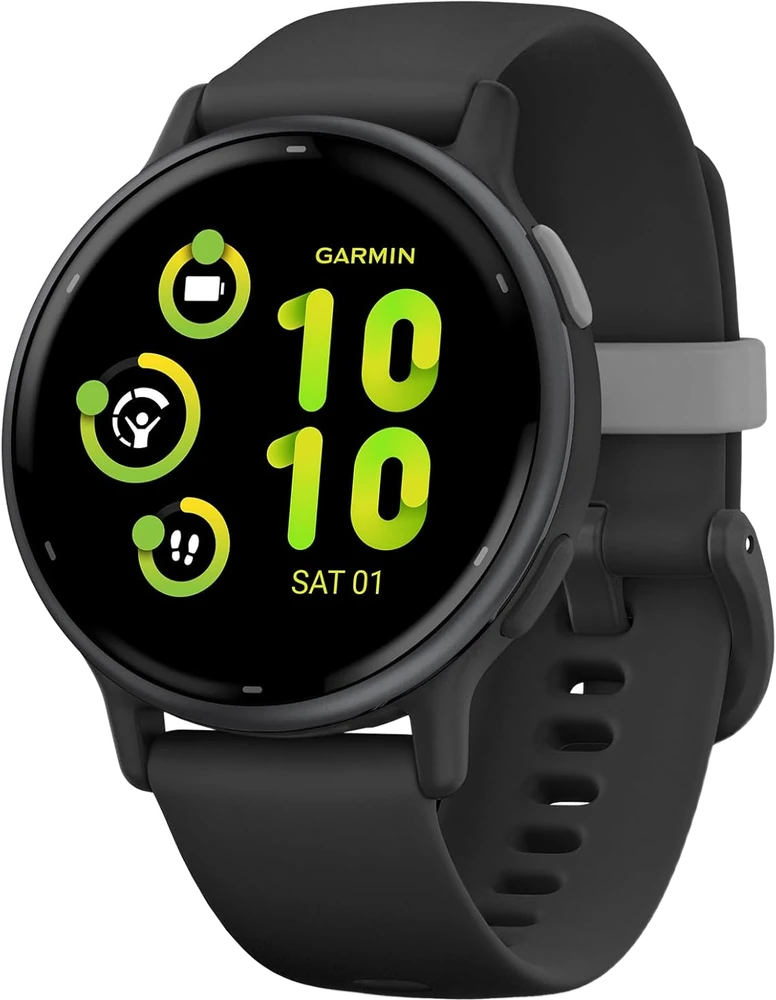
Garmin Vívoactive 5
The Vívoactive 5 is the pick for someone who wants premium accuracy AND to never think about charging.
 01
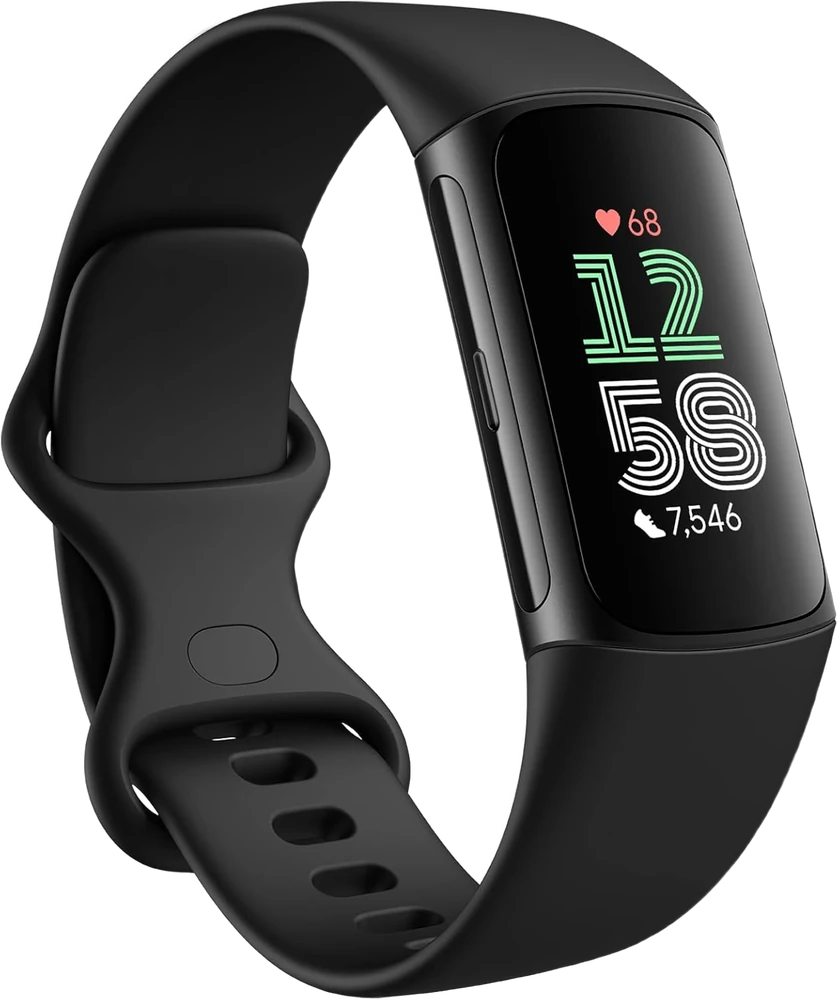
Fitbit Charge 6
The Charge 6 is the pick for someone who wants the activity habit without a full smartwatch.
 07
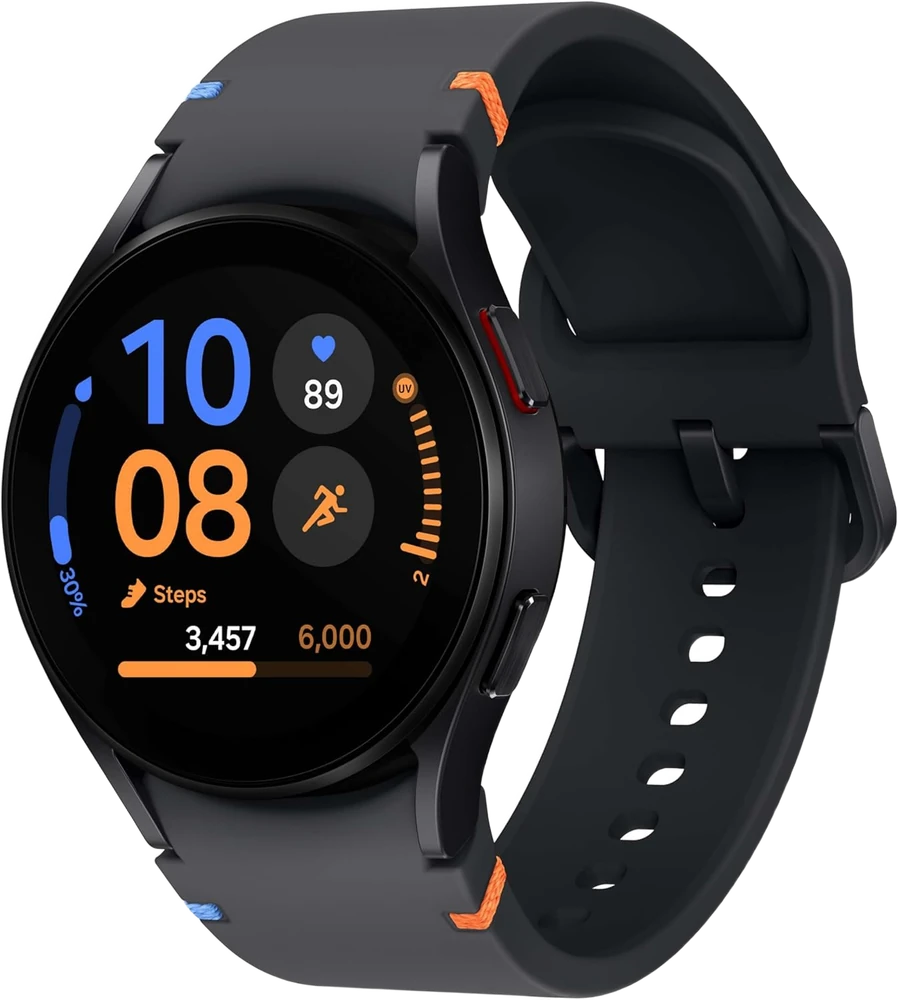
Samsung Galaxy Watch FE
The Galaxy Watch FE is the Apple Watch's natural counterpart for the other side of the phone aisle: if you're on a Samsung or Android device and want a full smartwatch, it's the obvious fit.
Quick Answers
Is the Apple Watch SE accurate enough for weight loss?
For the metrics that matter, it's the best-tested wrist device you can buy. In the Stanford seven-wearable study (Shcherbina 2017, Journal of Personalized Medicine), the Apple Watch had the lowest heart-rate error AND the lowest energy-expenditure error of the group — the accuracy benchmark. The crucial honesty: 'lowest error' on calories still meant roughly 20%+ off, because NO wrist device estimated calorie burn to better than 20%. So trust its steps, trust its heart rate at rest and steady activity, use the Move ring and burn number to compare today against yesterday — and never treat the calorie figure as an exact number to eat back. Your deficit runs off honest intake; the watch's job is keeping your activity visible and consistent.
How bad is the ~18-hour battery in practice?
It's the single real trade-off of this pick, and you should decide on it honestly. ~18 hours means the SE charges every day — usually while you shower or sit at a desk — and fast charging makes a 30-45 minute top-up enough for most people. The risk for weight loss specifically is adherence: a tracker only builds the movement habit if it's actually on your wrist, and a watch that's dead or on the charger at bedtime tracks nothing. If you know yourself well enough to say a daily charging ritual won't stick, buy long battery instead — the Garmin Vívoactive 5 (#3, up to 11 days) or Fitbit Charge 6 (#1, up to 7 days) exist for exactly that buyer.
Does it work with Android?
No — the Apple Watch requires an iPhone, full stop. That's not a soft limitation you can work around; pairing, setup, and the Fitness/Health apps all live on iOS. If you're on Android or a Samsung phone, the equivalent full-smartwatch pick in our ranking is the Samsung Galaxy Watch FE (#7), and the ecosystem-neutral picks are the Fitbit Charge 6 (#1), Garmin Vívoactive 5 (#3), and the Amazfit options — all of which work on both platforms and export to Google Fit or Health Connect. On iPhone, though, the SE's Activity rings plus Apple Health integration is the tightest habit loop in the category — the reason it wins our #1 spot.
Do the Activity rings actually help you lose weight?
They're the most proven habit mechanic in consumer fitness, and habit is the honest mechanism by which any tracker supports weight loss. The rings give you three visible daily targets (Move, Exercise, Stand), the streak pulls you to close them, and reminders nudge you when you're behind — that's precisely the awareness-and-consistency loop that gets people moving a little more, a little more often. What the rings do NOT do is create a calorie deficit: the Move ring's calorie figure is an estimate (rough on every wrist device), so set your deficit from measured food intake, use the rings to keep daily activity up, and confirm progress on your scale's weight trend. Awareness is the product; the deficit still comes from eating less than you burn.
Sources & Further Reading
3 sources — studies link to PubMed, product specs to the manufacturer
- [1] Shcherbina 2017 PMID 28538708 — Accuracy in Wrist-Worn, Sensor-Based Measurements of Heart Rate and Energy Expenditure in a Diverse Cohort. Seven consumer wrist wearables tested against gold-standard references in 60 people: the Apple Watch had the lowest error in both heart rate and energy expenditure — but no device estimated calorie burn to better than 20%. The basis for both this watch's #1 accuracy score and our 'burn is a trend' rule.
- [2] Gillinov 2017 PMID 28709155 — Variable Accuracy of Wearable Heart Rate Monitors during Aerobic Exercise. Wrist optical heart-rate accuracy varies by activity — solid at rest and on the treadmill, degraded during arm-driven exercise, where a chest strap remains the reference. Why we frame even benchmark wrist HR as good-for-trends during hard training.
- [3] Amazon listing (manufacturer specs) — Apple Watch SE (2nd Gen) [GPS 40mm] Smart Watch — Fitness & Sleep Tracker, Crash Detection, Heart Rate Monitor, Retina Display, Water Resistant. Source for the product specs cited in this review (display, battery, safety features, water resistance, price). Manufacturer specifications, not peer-reviewed research — listed here for transparency, verified live on the listing.
Affiliate disclosure: every Amazon link uses our Associates tag (superachieverclub-20). We earn a small commission at no cost to you; it funds independent reviews. We never accept payment to change a ranking.