
UPAKARMA Pure Shilajit Resin Review
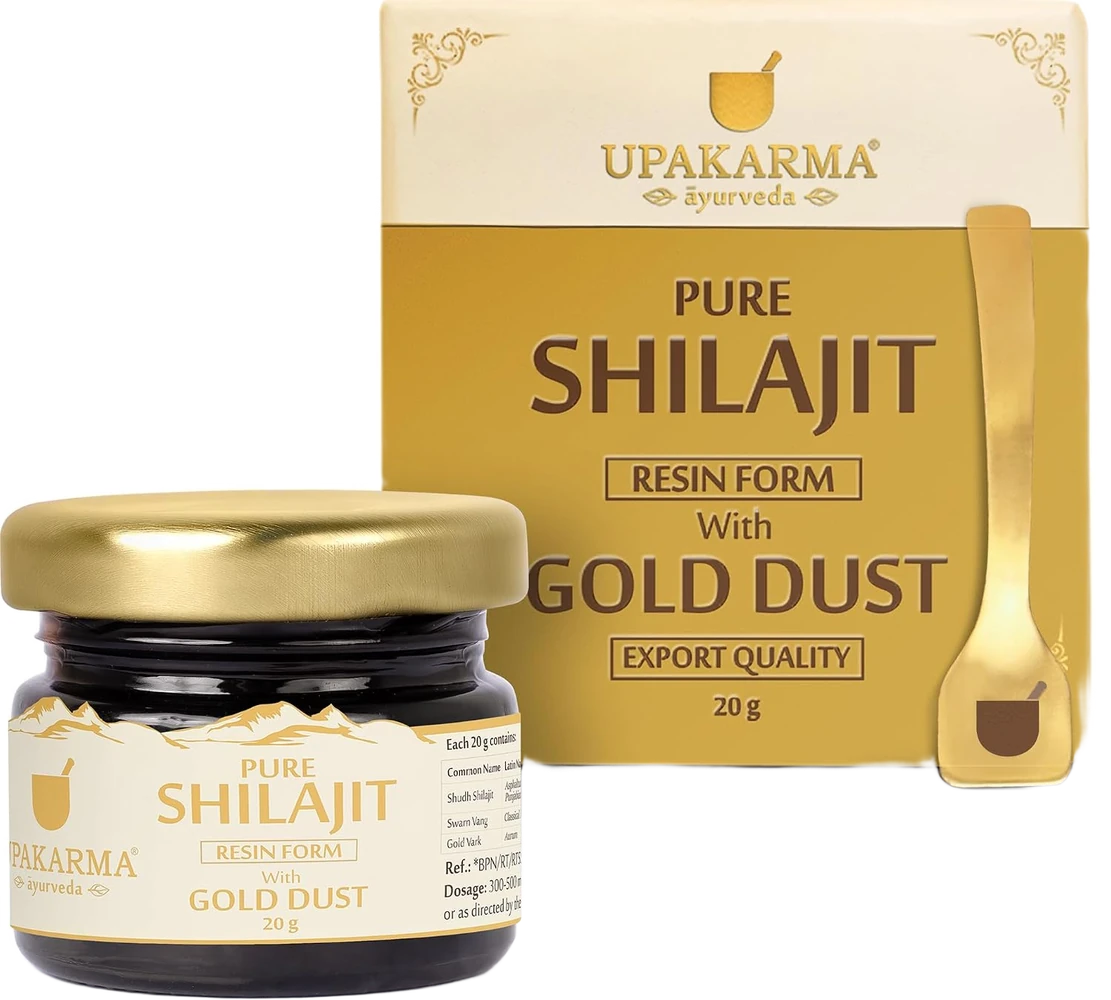 #5 of 9 · Best Ayurvedic-heritage value✓ Label verified · Supplement Facts read Sep 7, 2026
Real retailer photo, cut out. Label unedited.
Consider it. The credible budget Ayurvedic resin — cites a NABL lab report, but doesn't show it. An Indian Ayurveda brand whose listing cites a 3rd-party NABL-accredited lab-test report and Ayush approval, with 85+ minerals and urolithin A mentioned, at about $22 for 20 g.
$22 / 20 g jarPea-sized ball, twice daily after meals (per listing)
Why It Scores 7.3 — And The Label Line Behind Each Number
Purity & source transparency
30% of scoreAn authentic Ayurvedic semi-liquid resin positioning with 85+ minerals and a cited NABL lab-test report gives it real credibility on substance. It scores in the middle of the pack because the listing is rougher and less origin-specific than the US heritage resins, and the lab report it cites isn't shown — so the transparency is asserted more than demonstrated. Credible Ayurvedic provenance, modest documentation.
- Source
- Ayurvedic (India); origin detail lighter than US heritage resins
- Heavy-metal panel
- Not published on the listing (no Pb/As/Hg/Cd/Tl numbers shown)
Form & dose honesty
25% of score100% semi-liquid resin with a spoon — authentic and filler-free. But it states neither a per-serving mg nor a fulvic-acid percentage, and the dose is a pea-sized ball twice daily after meals, which is both imprecise and a more demanding routine than a single capsule. Honest about being traditional resin, light on the numbers that let you dose precisely.
- Form
- 100% Ayurvedic semi-liquid resin (spoon included)
- Per serving
- Pea-sized ball in lukewarm water/milk/tea, twice daily after meals (per listing); no mg stated
Safety & testing disclosure
20% of scoreBetter than the bottom of the lineup: the listing cites a 3rd-party NABL-accredited lab-test report and Ayush approval, which is real testing language rather than an in-house claim. But the report isn't published on the page, and a 'NABL report' isn't necessarily a full heavy-metal panel with numbers — so it's capped like the rest of the category. Encouraging credentials, no readable metals data.
- Testing
- Title states a 3rd-party lab-test report; bullets cite NABL-accredited lab testing + Ayush approval — report not shown on-page
Value per month
15% of scoreStrong: about $22 for 20 g of resin that comes with a cited third-party testing claim is one of the better value-plus-testing combinations among the resins. It undercuts the US and premium resins substantially while offering more testing language than the cheapest capsules. A genuine budget-resin bargain.
- Jar
- 20 g
- Price
- ~$22 / 20 g jar — strong value for tested resin
Real-world use
10% of scoreA semi-liquid resin with an included spoon is reasonably manageable, but the twice-daily-after-meals routine and the rougher overall experience put it slightly behind the cleaner setups. Sticky, bitter, and dosed by eye like all resin, with a more demanding schedule than a once-daily capsule.
- More Specs
- Fulvic %
- Not disclosed (no number stated)
- Extras
- 85+ essential minerals, magnesium, and urolithin A cited
Label verified. Every figure read from the Supplement Facts photo, Sep 7, 2026.
Marketing Claims Vs. Reality
3rd-party lab-test report from a NABL-accredited lab; Ayush approved.
The listing cites a NABL-accredited lab-test report and Ayush approval, which are genuine Indian credentials and more than the in-house claims on the cheapest picks. We mark it PARTIAL because the report itself isn't shown on the page, and a cited NABL report isn't necessarily a full heavy-metal panel with published numbers — the credentials are real, the readable data isn't there.
100% pure Ayurvedic semi-liquid resin.
Consistent with the product's positioning and form — a semi-liquid resin presented as authentic Ayurvedic shilajit with no fillers. Accurate as described; the semi-liquid texture is a real characteristic buyers should expect.
85+ essential minerals plus urolithin A.
85+ minerals is a standard, plausible claim for authentic resin; urolithin A is an unusual addition to call out and isn't quantified. No fulvic percentage or mineral breakdown is given, so these are directionally credible feature claims rather than verified, quantified specs.
Supports energy, stamina, and vitality.
Directionally supported by the human evidence on PURIFIED shilajit (Pandit 2016, Keller 2019), but those trials used patented purified extracts at 500 mg/day, not this specific resin, and the evidence base is small. Reasonable as a traditional-use claim; not a product-specific proven outcome.
What Our Test Actually Found
It names its testing — which sets it apart from the cheapest picks
The reason UPAKARMA outranks the bottom of the lineup is simple: it cites a third-party NABL-accredited lab-test report and Ayush approval, where the cheapest picks (Carlyle) offer only an in-house 'laboratory tested' claim, and a premium one (Cymbiotika) says nothing about testing at all. NABL is India's lab-accreditation body and AYUSH is the government ministry for Ayurveda, so these are real credentials, not invented badges. For a budget Ayurvedic resin, naming a credentialed external lab is a genuine point of credibility and the core reason it earns #6.
But 'a report exists' is not 'here are the numbers'
The honest limit is that the lab report is cited, not shown. You're told a NABL-accredited lab tested the product and that it has Ayush approval, but you can't see what was tested or the results on the page. And a NABL lab-test report for an Ayurvedic product isn't automatically a full lead/arsenic/mercury/thallium screen with published values. Given that a 2025 study found thallium up to ~0.5 µg/g in commercial shilajit, the document that would fully reassure a buyer is a readable metals panel — which, like every pick in this lineup, this product doesn't publish.
Strong value, rougher execution
At about $22 for 20 g, UPAKARMA is one of the cheapest resins here, and it pairs that price with more testing language than the budget capsules — a good combination. What you trade for the value is polish: the listing copy is rougher than the US brands, there's no fulvic percentage or per-serving mg, and the dosing is a pea-sized ball twice daily after meals. None of that makes it a bad product; it makes it a value product with the rough edges value products tend to have. Buy it for authentic Ayurvedic resin on a budget, not for the cleanest presentation.
Dose it toward the studied 500 mg/day, by eye
Like all resin, dosing here is approximate — no mg is stated, and the listing's instruction is a pea-sized ball twice daily after meals. To align with the human evidence (Pandit 2016 and Keller 2019 used 500 mg/day of a purified extract), aim for roughly that total across the day, recognizing you're estimating. Take it consistently, give it the 90 days the testosterone trial ran, and set expectations for modest, gradual effects. The twice-daily routine is more demanding than a capsule, so build it into a meal habit to stay consistent.
Full analysis: all pros & cons (7), buy if / skip if
- Cites a 3rd-party NABL-accredited lab-test report and Ayush approval — real credentials, more than in-house claims
- Strong value: about $22 for 20 g of authentic Ayurvedic resin with a stated testing claim
- 100% semi-liquid resin positioning with 85+ minerals and urolithin A cited
- A credible budget option for buyers who want authentic Ayurvedic resin
- The NABL lab report is cited but not shown on the page — you can't read the results
- No fulvic percentage and no per-serving mg; pea-sized, twice-daily dosing is imprecise and demanding
- A cited NABL report is still not a published heavy-metal panel — none is shown
- You want authentic Ayurvedic resin on a budget (~$22 for 20 g)
- You value a cited third-party NABL lab-test report and Ayush approval over an in-house-only claim
- You're fine with a semi-liquid resin and a twice-daily-after-meals routine
- You want strong value resin and don't need US-brand polish or a disclosed fulvic percentage
- You want to actually read the lab results — the NABL report is cited but not shown on the page
- You want exact dosing or a disclosed potency number — there's no per-serving mg and no fulvic percentage
- Your standard is a published heavy-metal panel — a cited NABL report isn't a readable Pb/As/Hg/Tl panel
An Indian Ayurveda brand whose listing cites a 3rd-party NABL-accredited lab-test report and Ayush approval, with 85+ minerals and urolithin A mentioned, at about $22 for 20 g. It's the best testing language among the budget resins — but the report isn't shown, there's no fulvic percentage or per-serving mg, the dosing is pea-sized twice daily, and a cited report still isn't a published metals panel. Strong value, rough edges.
UPAKARMA Pure Shilajit Resin is the most credible of the budget Ayurvedic resins, and it earns that standing by doing something the cheapest picks don't: it names its testing. This is an Indian Ayurveda brand whose listing cites a 3rd-party NABL-accredited lab-test report and Ayush approval, positions itself as a 100% semi-liquid resin with 85+ minerals (and even mentions urolithin A), and sells for about $22 for 20 g — a strong value for resin that comes with a stated third-party testing claim. It sits at #6 because the execution is rougher than the US brands and the disclosure stops short of the ideal. The lab report is cited but not shown on the page, there's no fulvic-acid percentage and no per-serving mg, the dosing is pea-sized twice daily, and the listing copy is less polished than the premium options. And the category-wide caveat applies: a cited NABL report is more than an in-house claim, but it's still not a published heavy-metal panel with numbers. For a buyer who wants authentic Ayurvedic resin on a budget with a genuine testing claim behind it, this is a credible pick. Here's the full breakdown.
The credible Ayurvedic budget resin — buy it for value and a real testing claim, accept the rough edges.

UPAKARMA Pure Shilajit Resin is the pick for a buyer who wants authentic Ayurvedic resin on a budget and cares that there's at least a genuine testing claim behind it. Unlike the cheapest picks, it cites a third-party NABL-accredited lab-test report and Ayush approval rather than an in-house claim, positions itself as a 100% semi-liquid resin with 85+ minerals, and sells for about $22 for 20 g. As budget resins go, that's a credible combination of authenticity, value, and testing language. It sits at #6 because of execution and disclosure, not credibility of intent. The NABL report is cited but not shown, so you can't read what was actually tested; there's no fulvic percentage or per-serving mg, so dosing is pea-sized guesswork twice daily; and the listing is rougher than the polished US brands. The category caveat applies too — a cited NABL report is more than most budget resins offer, but it's still not a published heavy-metal panel with numbers. So buy it for what it is: the most credible of the budget Ayurvedic resins. Dose toward 500 mg/day, give it 90 days, and if you want to see the actual lead/arsenic/mercury/thallium results, ask the brand for the current COA.
If This Doesn’t Fit — Try These
05UPAKARMA Resin
UPAKARMA is the most credible of the budget Ayurvedic resins: an Indian heritage brand whose listing actually names a third-party NABL-accredited lab-test report and Ayush approval, with the traditional 85+ minerals positioning and urolithin A called out, all for around $22.
 02
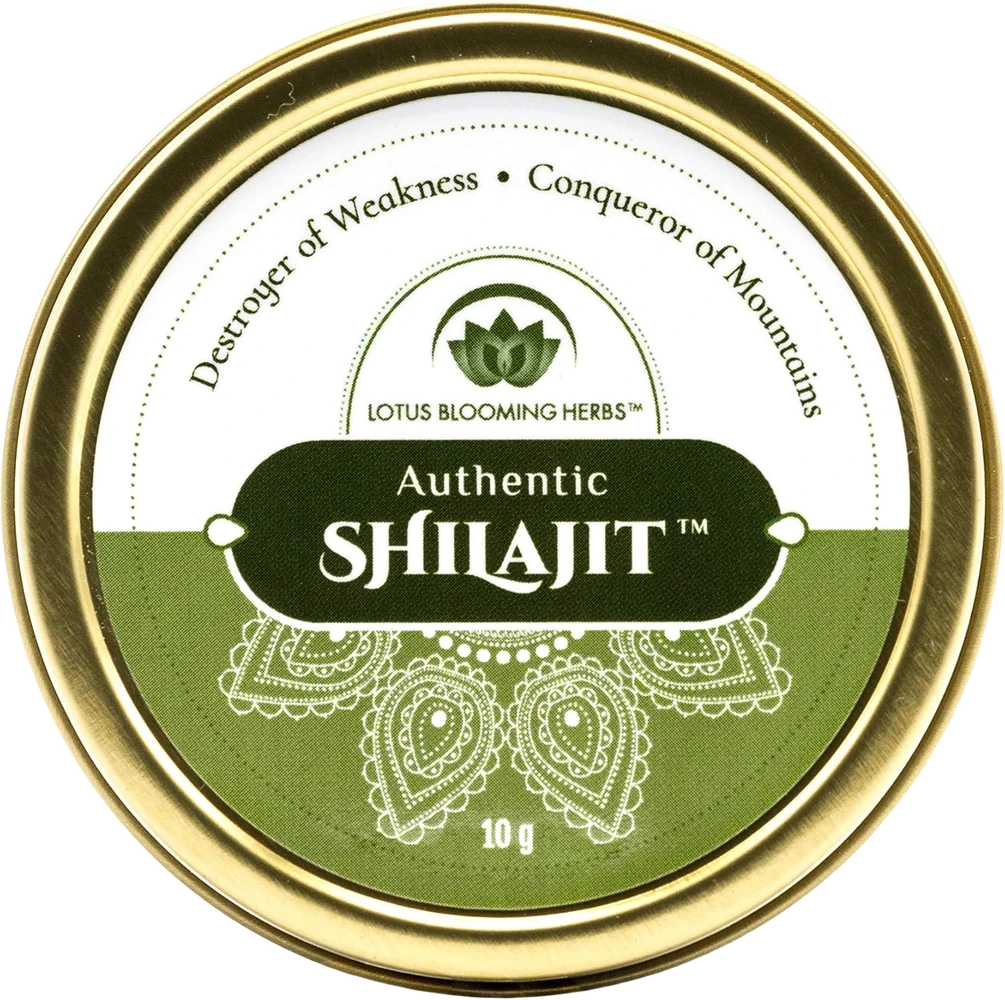
02Lotus Blooming Herbs
If you want the real thing — authentic, traditionally purified Himalayan resin from a brand that has been doing this longer than almost anyone in the US — Lotus Blooming Herbs is the pick.
 01
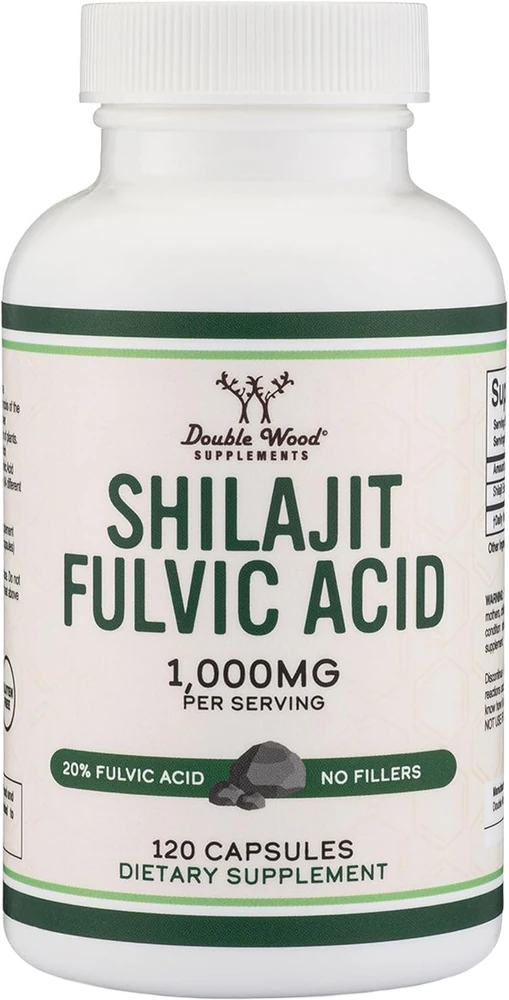
01Double Wood Capsules
Double Wood is what you buy when you're tired of shilajit brands refusing to tell you anything.
Quick Answers
What is NABL accreditation and Ayush approval — do they mean it's safe?
They're real Indian credentials, and they're a point in the product's favor — but they're not a substitute for a heavy-metal panel you can read. NABL (National Accreditation Board for Testing and Calibration Laboratories) is India's lab-accreditation body, so a 'NABL-accredited lab-test report' means the testing lab is credentialed; AYUSH is the Indian government ministry overseeing Ayurveda, so 'Ayush approval' signals regulatory recognition. UPAKARMA's listing cites both, which is more than most budget resins offer. The honest limits: the actual lab report isn't shown on the page, so you can't see what was tested or the results, and a 'NABL lab-test report' for an Ayurvedic product doesn't necessarily mean a full lead/arsenic/mercury/thallium screen with published numbers. Encouraging credentials, not a readable metals panel.
Is it tested for heavy metals?
Its listing cites a 3rd-party NABL-accredited lab-test report, but it does NOT publish a heavy-metal panel with numbers for lead, arsenic, mercury, cadmium, or thallium on the page. That's the same gap across this whole category — and it matters especially for shilajit, since a 2025 BMC Chemistry study (PMID 39827344) found thallium up to ~0.5 µg/g in commercial supplements. A cited NABL report is genuinely more than the in-house-only claims on the cheapest picks, but 'a report exists' is not the same as 'here are the numbers.' If you want to see the actual lead/arsenic/mercury/thallium results, ask UPAKARMA to provide the current COA before buying.
How do I take a semi-liquid resin?
Per the listing, you take a pea-sized ball mixed in lukewarm water, milk, or tea, twice daily after meals. 'Semi-liquid' means it's softer and stickier than a hard resin, which can make it a little easier to scoop with the included spoon but also messier. The honest downsides are precision and routine: there's no per-serving mg or fulvic percentage stated, so the dose is by eye, and twice-daily-after-meals is a more demanding routine than a once-a-day capsule. If you want exact dosing or minimal fuss, a capsule (Double Wood, Youtheory) is easier; if you want authentic Ayurvedic resin at a budget price, this is a credible choice.
Is it worth it versus the US resins?
For a value-and-testing-claim buyer, yes — with caveats. At about $22 for 20 g, UPAKARMA is one of the cheapest resins here, and unlike the bottom-of-the-lineup picks it actually cites a third-party NABL lab-test report and Ayush approval rather than an in-house claim. What you give up versus the polished US brands is execution: the listing copy is rougher, the lab report isn't shown, there's no fulvic percentage, and the dosing is pea-sized twice daily. So it's the credible budget Ayurvedic resin — better testing language than the cheapest picks, less polish and disclosure than the premium ones. Buy it for authentic Ayurvedic resin on a budget, not for the cleanest paperwork.
Sources & Further Reading
3 peer-reviewed sources, each linked to PubMed
- [1] Pandit 2016 PMID 26395129 — Clinical evaluation of purified Shilajit on testosterone levels in healthy volunteers. ~75 men, 90 days: purified shilajit 500 mg/day raised total and free testosterone and DHEAS. The studied dose to target across this resin's twice-daily dosing — by eye, since no mg is stated.
- [2] Stohs 2014 PMID 23733436 — Safety and efficacy of shilajit (mumie, moomiyo). Review identifying fulvic acid and dibenzo-α-pyrones as the actives and concluding purified shilajit is safe in clinical use. Underlines that purification — not just a cited testing credential — is what makes resin safe.
- [3] Kamgar 2025 PMID 39827344 — Quantifying of thallium in Shilajit and its supplements to unveil the potential risk of consumption of this popular traditional medicine. Thallium up to ~0.5 µg/g in commercial shilajit, sometimes above the raw source. Why a cited NABL report (not shown, not necessarily a metals panel) is marked partial.
Affiliate disclosure: every Amazon link uses our Associates tag (superachieverclub-20). We earn a small commission at no cost to you; it funds independent reviews. We never accept payment to change a ranking.