
Naturium Niacinamide Serum 12% Plus Zinc 2% Review
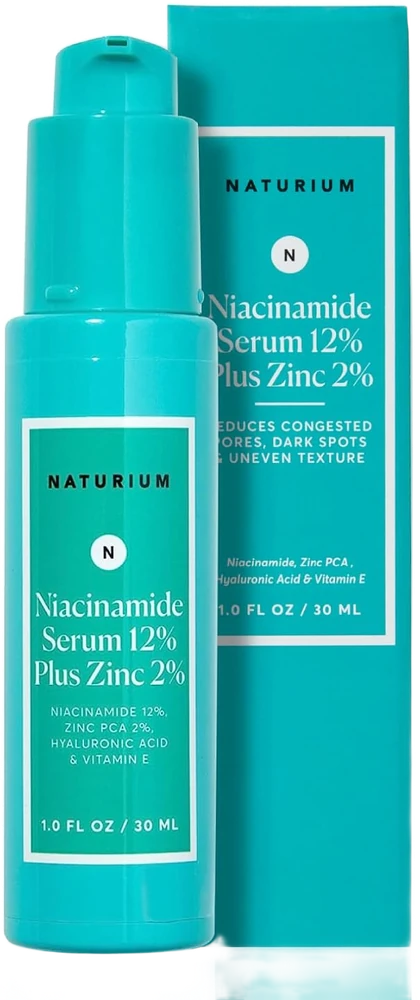 #6 of 8 · Best high-strength✓ Product photos checked Sep 7, 2026
Real retailer photo, cut out. Label unedited.
Consider it. A well-built high-strength serum — 12% niacinamide + 2% zinc + HA + vitamin E — but 12% is above the sweet spot. One of the better-formulated high-strength serums: 12% niacinamide buffered with 2% zinc, hyaluronic acid and vitamin E, at good value per ml (~$0.67/ml).
$20 / 30 ml bottle≈ $0.67 / ml
Why It Scores 7.7 — And The Label Line Behind Each Number
Effective concentration (matched to evidence)
30% of score12% is above the studied sweet spot (Bissett 2005 worked at 5%, Draelos 2006 at 2%), so under the guide's rule it gets NO bonus for the extra percentage and a deliberate penalty — the benefit curve flattens above ~10% while irritation risk climbs. This is the axis that pulls its overall score down.
Barrier-supporting formula
25% of scoreThis is where it earns its keep: 2% zinc for sebum, plus hyaluronic acid and vitamin E to cushion the higher niacinamide load — one of the better-formulated high-strength bases on the page, and the support ingredients partly offset the irritation risk of 12%.
Tolerability + real-world response
20% of scoreThe HA/vitamin E cushion helps, but 12% is above the sweet spot, so tingle, flush or purging risk is higher than the moderate-strength picks. It's tolerable for resilient, oily skin but not a good starting serum for sensitive or reactive skin.
Value (cost per ml / per course)
15% of scoreAt roughly $20 for 30 ml (~$0.67/ml) it's good value for a loaded, multi-ingredient formula — more actives per dollar than the premium picks, and a genuine strength on this axis.
- Size
- 30 ml bottle
- Price
- ≈ $20 / 30 ml bottle
- Cost per ml
- ≈ $0.67 / ml
Formulation extras + finish
10% of scoreA cushioned, multi-ingredient formula with disclosed percentages and a pleasant finish — well-built and transparent, held back only by the fragrance-conscious rather than fully fragrance-free base.
- More Specs
- Niacinamide
- 12% (above the ~5-10% studied sweet spot)
- Key support
- 2% zinc + hyaluronic acid + vitamin E
- Base
- Cushioned, fragrance-conscious serum
- Format
- Cushioned multi-ingredient serum, once or twice daily
- Best for
- Oily, resilient skin already tolerating 10% — a step-up, not a starter
Photos checked.This product has no Supplement Facts panel; the retailer's listing photos were reviewed Sep 7, 2026.
Marketing Claims Vs. Reality
Contains 12% niacinamide, 2% zinc, plus hyaluronic acid and vitamin E.
The 12% niacinamide + 2% zinc formula with added hyaluronic acid and vitamin E is stated on the label and matches the product's documented composition and the specs shown.
12% niacinamide delivers superior results to lower-strength serums.
There's no clinical evidence that 12% outperforms 10%. The studied doses were far lower (Bissett 2005 at 5%, Draelos 2006 at 2%); above roughly 10% the benefit curve flattens while irritation risk rises. The higher number is doing marketing work — the added zinc, HA and vitamin E are what actually earn the formula its place.
Controls oil and minimizes the appearance of pores.
Niacinamide and zinc have genuine sebum-control evidence (Draelos 2006 cut facial sebum at just 2%), so strong oil/pore support is credible, especially at 2% zinc. But the specific pore-minimizing claim for this finished product is a manufacturer statement, not a measured trial outcome for this serum.
Hydrating and antioxidant-supported with HA and vitamin E.
Hyaluronic acid is an established humectant and vitamin E an antioxidant, so their inclusion genuinely cushions and supports the formula — a real, if modest, benefit that partly offsets the irritation potential of the higher niacinamide load.
What Our Test Actually Found
Genuinely well-built — the support ingredients earn its place
This isn't a lazy 'big number' serum. The 2% zinc, hyaluronic acid and vitamin E form one of the better high-strength bases here, cushioning the load and adding real sebum and hydration support. If you're going to run a higher strength, this is a responsible way to do it.
But 12% is above the sweet spot — and that's the demotion
The whole guide argues against buying on the percentage, and this is where the rule bites. The clinical work used 2-5%; roughly 4-5% is the sweet spot and 10% the sensible retail ceiling. Going to 12% buys no proven benefit over 10% and adds irritation risk, so it's ranked below the moderate-strength picks on principle, not because it's poorly made.
The higher number is doing marketing work
The '12%' on the front is the selling point, but the added zinc, HA and vitamin E are what actually make this a good serum. Read it that way: you're buying a well-cushioned multi-ingredient formula that happens to run a bit hot, not a serum that's better because of the extra two percent.
Good value for a loaded formula
At roughly $0.67/ml it packs more actives per dollar than the premium picks. Under the quality-over-price rule that value is a real point in its favour — it just can't lift the serum above the moderate-strength leaders, because value is a tie-breaker within a strength tier, not a reason to chase irritation.
A step-up, not a starter — and not for sensitive skin
Buy this as a deliberate upgrade once your skin has already made friends with 10% and you want a bit more oil control. For beginners, and for anyone with sensitive or reactive skin, the moderate-strength picks above are the smarter, safer call.
Full analysis: all pros & cons (8), buy if / skip if
- One of the better-formulated high-strength serums — 2% zinc plus HA and vitamin E cushion the higher niacinamide load
- Strong oil and pore control for genuinely oily, resilient skin that tolerates more
- Good value per ml for a loaded, multi-ingredient formula
- The support ingredients partly offset the irritation risk that comes with 12%
- Disclosed percentages — a transparent actives panel
- 12% is above the clinically studied sweet spot — no proven upside over 10%, and a higher chance of tingle, flush or purging
- Not a good starting serum for sensitive or reactive skin — better as a step-up once 10% is tolerated
- The higher number is doing marketing work; the added zinc/HA/vitamin E is what actually earns its place
- You have oily, resilient skin that has already tolerated 10% and wants more oil control
- You want a loaded, multi-ingredient formula (zinc + HA + vitamin E) at good value
- You specifically want a higher strength and understand the trade-off
- You want strong sebum and pore support in one bottle
- Your skin is sensitive or reactive — start with a moderate-strength pick
- You're new to niacinamide — this is a step-up, not a starter
- You believe a higher percentage means better results — it doesn't above ~10%
One of the better-formulated high-strength serums: 12% niacinamide buffered with 2% zinc, hyaluronic acid and vitamin E, at good value per ml (~$0.67/ml). It works for oily, resilient skin — but 12% is above the studied sweet spot, buys no proven benefit over 10%, and raises irritation risk. Buy it as a deliberate step-up once you tolerate 10%, not as a first serum.
Naturium is the honest way to rank a high-strength serum. It's genuinely well-built — 12% niacinamide buffered with 2% zinc, plus hyaluronic acid and vitamin E to cushion the higher load — and it delivers strong oil and pore control for resilient skin that tolerates more. But it's demoted on principle, because 12% is above the clinically studied sweet spot (roughly 4-5%, with 10% the sensible retail ceiling), and the extra percentage buys no proven benefit over 10% while adding irritation risk. The support ingredients partly offset that risk, and the value per ml is good for a loaded formula. This is a sensible step-up for oily, resilient skin that has already made friends with 10% and wants a bit more oil control — not a first niacinamide serum, and not for sensitive skin.
The considered high-strength pick — well-built, but a step-up, not a default.

Naturium is the honest way to rank a high-strength serum: it's genuinely well-built — 12% niacinamide buffered with 2% zinc, hyaluronic acid and vitamin E — but it's demoted on principle, because 12% is above the sweet spot and buys no proven benefit over 10% while adding irritation risk. For oily, resilient skin that has already made friends with 10% and wants a bit more oil control, it's a sensible step-up and a good value. For everyone else, and for anyone with sensitive skin, the moderate-strength picks above are the smarter call. Buy it as a deliberate upgrade, not as your first niacinamide serum — and read the '12%' as marketing, with the zinc, HA and vitamin E doing the real work.
If This Doesn’t Fit — Try These
 01
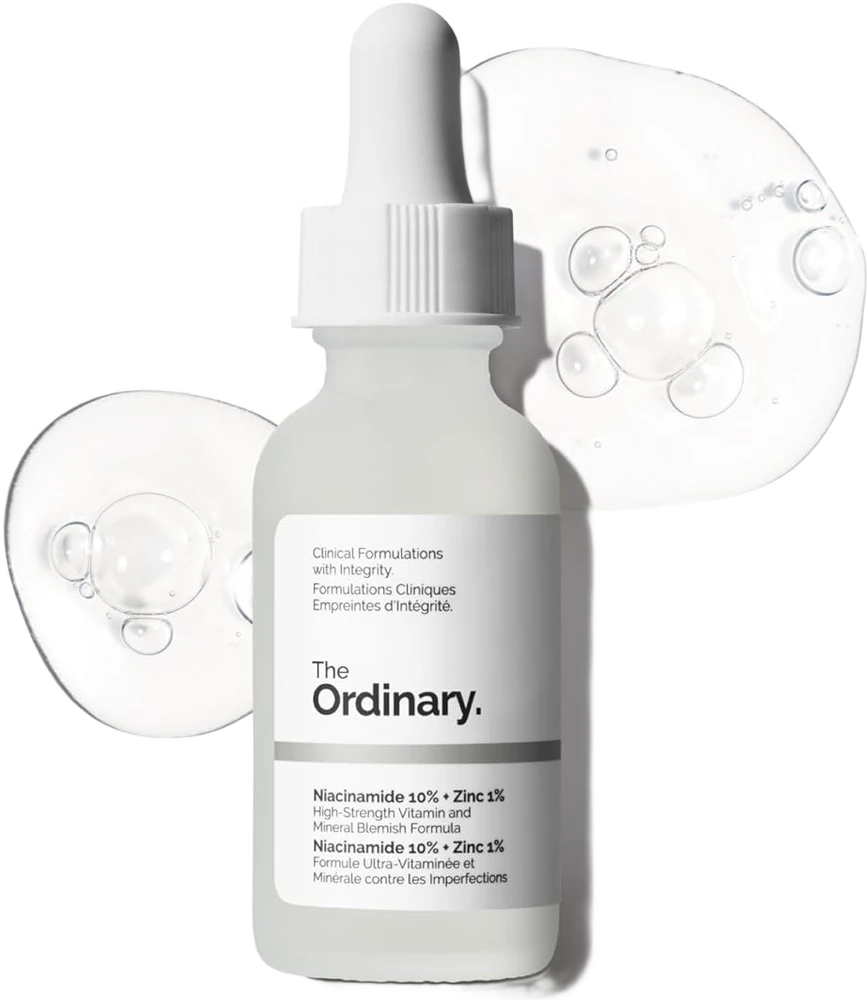
01The Ordinary Niacinamide 10% + Zinc 1%
If you want one niacinamide serum and don't want to overthink it, this is the answer and has been for years.
 08
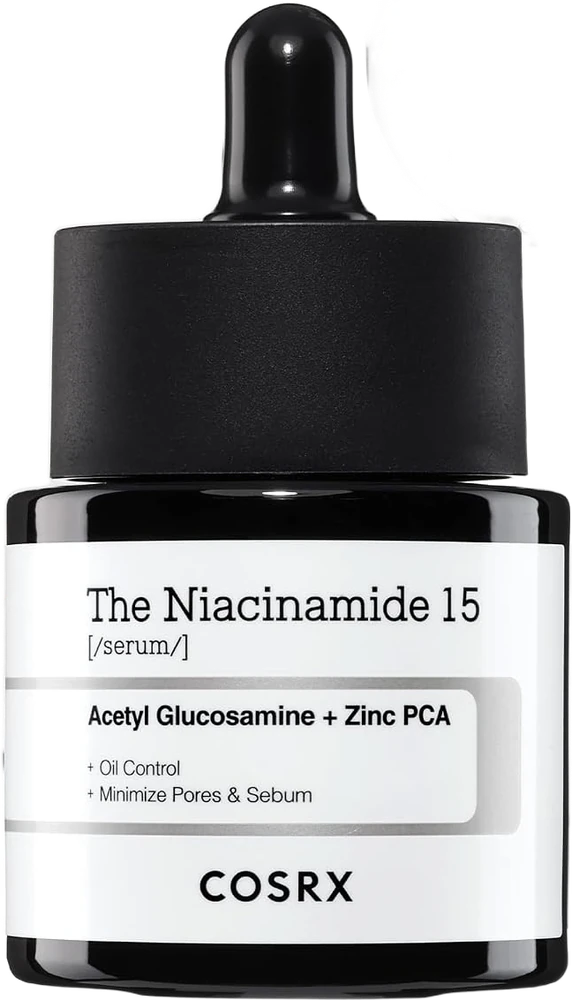
08COSRX The Niacinamide 15 Serum
COSRX makes a good serum and formulates it responsibly — fragrance-free, zinc-supported, derm-tested — which is the only reason a 15% niacinamide product ranks respectably rather than last.
 03
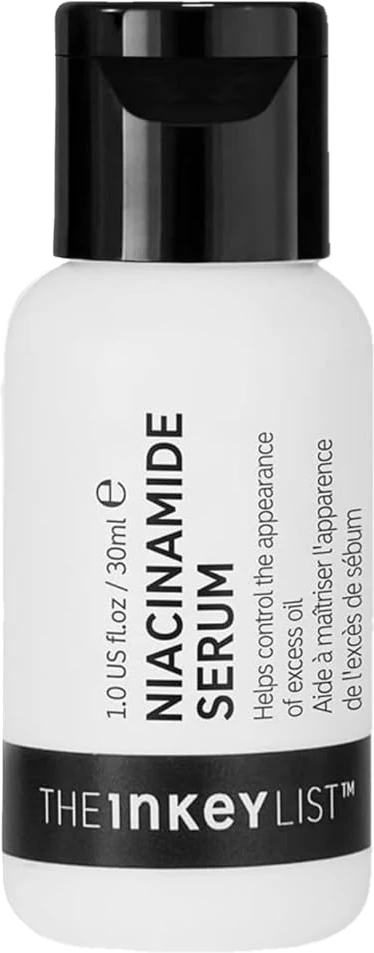
03The Inkey List Niacinamide
The Inkey List is the budget pick that doesn't feel like a compromise.
Quick Answers
Is 12% niacinamide better than 10%?
No — there's no clinical evidence it is. The research that built niacinamide's reputation used far lower doses (2-5%), and above roughly 10% the benefit curve flattens while the chance of stinging, flushing or purging goes up. The 12% here is a marketing number; the zinc, hyaluronic acid and vitamin E are what actually make it a good serum.
Who should actually buy this over a 10% serum?
Oily, resilient skin that has already used 10% comfortably and wants a bit more oil control, and specifically wants the loaded formula with 2% zinc. It's a deliberate step-up. If you're new to niacinamide, or your skin is sensitive, start with a moderate-strength pick instead.
Will the hyaluronic acid and vitamin E stop it from irritating my skin?
They help, but they don't cancel the higher strength. HA cushions and vitamin E is an antioxidant, so the base is gentler than a bare 12% solution would be — but 12% still carries more irritation risk than 10%. Introduce it slowly, every other day at first, and stop if you flush or purge.
Is it good value?
Yes, for a loaded formula — roughly $0.67/ml gets you niacinamide, zinc, HA and vitamin E, more actives per dollar than the premium picks. That value is a genuine plus, but under our methodology it can't lift the serum above the moderate-strength leaders, because we don't reward chasing an unnecessary strength on price alone.
Sources & Further Reading
2 peer-reviewed sources, each linked to PubMed
- [1] Bissett 2005 PMID 16029679 — Niacinamide: A B vitamin that improves aging facial skin appearance. 5% topical niacinamide delivered measurable tone, line and redness improvements over 12 weeks — the evidence that the sweet spot is modest, and the basis for penalizing this serum's above-sweet-spot 12% rather than rewarding it.
- [2] Draelos 2006 PMID 16766489 — The effect of 2% niacinamide on facial sebum production. Topical 2% niacinamide reduced facial sebum excretion — showing the oil-control benefit lands at very low concentrations, which is why chasing 12% for sebum control is unnecessary.
Affiliate disclosure: every Amazon link uses our Associates tag (superachieverclub-20). We earn a small commission at no cost to you; it funds independent reviews. We never accept payment to change a ranking.