
COSRX The Niacinamide 15 Serum Review
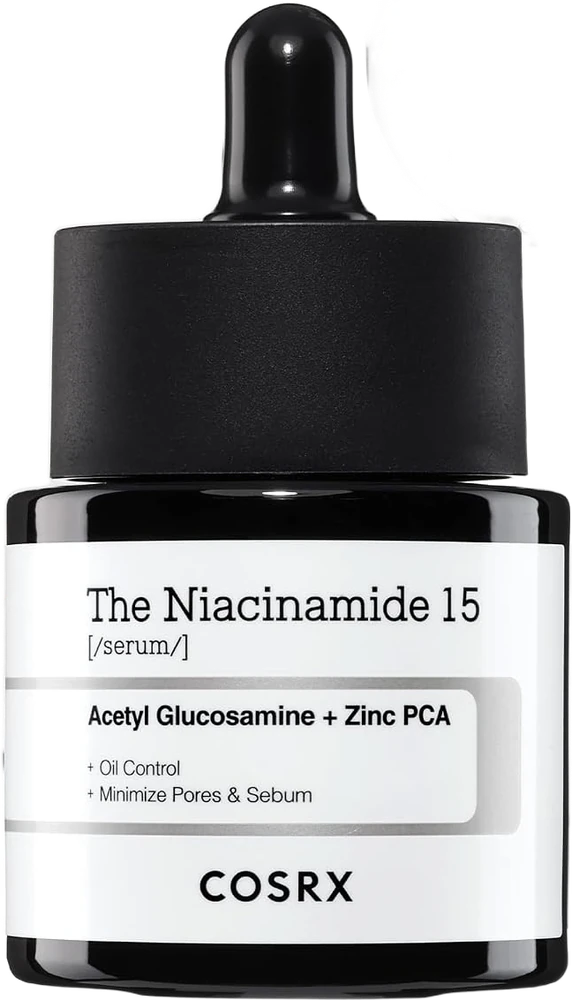 #8 of 8 · Best K-beauty✓ Product photos checked Sep 7, 2026
Real retailer photo, cut out. Label unedited.
Consider it. The highest strength here — 15% niacinamide + 1% zinc, responsibly formulated but a 'more is not better' pick. Fragrance-free, paraben-free, dermatologist-tested, with 1% zinc PCA for oil support — a capable, well-made pore-and-sebum treatment.
$18 / 20 ml bottle≈ $0.90 / ml
Why It Scores 7.6 — And The Label Line Behind Each Number
Effective concentration (matched to evidence)
30% of score15% is the highest on the page and above every dose in the clinical literature (which tops out around 5%), so under the guide's rule it gets no bonus and the largest penalty — no proven upside over 10%, and the greatest irritation risk. This is the axis that keeps it near the bottom.
Barrier-supporting formula
25% of scoreA genuinely sensible base: 1% zinc PCA for sebum, fragrance-free and paraben-free, which partly tames the 15% load. This is where COSRX earns respect and why a 15% serum ranks respectably rather than last.
Tolerability + real-world response
20% of scoreDermatologist-tested for non-irritation and fragrance-free, which helps — but 15% still carries the highest sting/flush/purge risk on the page. Fine for resilient skin that has stepped up, emphatically not for sensitive skin or beginners.
Value (cost per ml / per course)
15% of scoreAt roughly $18 for 20 ml (~$0.90/ml) it's reasonable value for a loaded high-strength K-beauty serum, though the small 20 ml bottle means a higher effective cost per use than the 30 ml value leaders.
- Size
- 20 ml bottle
- Price
- ≈ $18 / 20 ml bottle
- Cost per ml
- ≈ $0.90 / ml
Formulation extras + finish
10% of scoreA well-made, fragrance-free, paraben-free, derm-tested formula with a sensible finish and disclosed strength — responsibly built, which is exactly why it isn't ranked last despite the strength.
- More Specs
- Niacinamide
- 15% (well above the ~5-10% studied sweet spot)
- Key support
- 1% zinc PCA (sebum + blemish support)
- Base
- Fragrance-free, paraben-free, dermatologist-tested
- Format
- High-strength K-beauty treatment serum
- Best for
- Resilient, oily skin already tolerating lower strengths — a step-up only
Photos checked.This product has no Supplement Facts panel; the retailer's listing photos were reviewed Sep 7, 2026.
Marketing Claims Vs. Reality
Contains 15% niacinamide and 1% zinc PCA.
The 15% niacinamide + 1% zinc PCA composition is stated on the label and matches the product's documented formula and the specs shown.
Dermatologist-tested for non-irritation.
'Dermatologist-tested' is a brand testing claim, not peer-reviewed evidence, and it doesn't erase the higher irritation risk of a 15% strength. The fragrance-free, paraben-free base is a real mitigation, but at this concentration the sting/flush/purge risk is still the highest on the page — so the claim is true in a limited sense but shouldn't be read as 'gentle.'
Higher strength delivers stronger results.
15% is above every concentration in the clinical literature and there's no evidence it beats 10%. The studied doses were 2-5% (Draelos 2006, Bissett 2005); above ~10% the benefit curve flattens while irritation climbs. The '15' is a positioning number, not a proven efficacy advantage.
Supports oil control and reduces the look of pores.
Niacinamide and zinc PCA have real sebum-control evidence (Draelos 2006 cut facial sebum at 2%), so the oil/pore direction is well-founded. But the specific pore claim for this finished product is a manufacturer statement, not a measured trial outcome for this serum.
What Our Test Actually Found
Responsibly formulated — which is why it isn't last
COSRX does the high-strength thing about as well as it can be done: fragrance-free, paraben-free, dermatologist-tested, with 1% zinc PCA for sebum support. That responsible base is the entire reason a 15% niacinamide serum ranks respectably rather than at the bottom of the page.
But 15% is exactly what the guide argues against
Every concentration in the research sits at or below 5%; roughly 4-5% is the sweet spot and 10% the sensible ceiling. 15% is above all of it, offers no proven upside over 10%, and carries the highest sting, flush and purge risk here. The strength is the whole reason it's ranked low, by design.
A treatment for a specific buyer, not a default
This is for resilient, oily skin that specifically wants maximum niacinamide and has already tolerated lower strengths. Used that way, eyes open, it's a capable targeted oil-and-pore treatment. Used as a first serum or on sensitive skin, it's the wrong tool.
The small bottle raises the real cost
At 20 ml it's a smaller bottle than the 30 ml value leaders, so even at roughly $0.90/ml the effective cost per use runs higher. It's reasonable value for a loaded K-beauty serum, but it isn't a value play.
'Dermatologist-tested' isn't the same as gentle
The label reassurance is a brand testing claim, not peer-reviewed proof, and it doesn't lower the strength. The fragrance-free base helps, but at 15% you should still introduce it slowly and stop if your skin flushes or purges. Treat the claim as a floor, not a guarantee.
Full analysis: all pros & cons (8), buy if / skip if
- Fragrance-free, paraben-free and dermatologist-tested for non-irritation despite the high strength
- 1% zinc PCA supports the oil/blemish use case — a focused pore-and-sebum treatment
- A well-known, well-reviewed K-beauty option for skin that specifically wants maximum niacinamide
- Sensible base formulation that partly tames the 15% load
- Disclosed strength and a responsibly-built formula
- 15% is the highest here and above every dose in the clinical literature — no proven added benefit over 10%, and the greatest sting/flush/purge risk on the list
- Emphatically not a beginner or sensitive-skin serum — a step-up treatment only
- Small 20 ml bottle; higher effective cost per use than the 30 ml value leaders
- You specifically want maximum niacinamide and have already tolerated lower strengths
- You have resilient, oily skin targeting stubborn oil and pores
- You want a responsibly-formulated high-strength option (fragrance-free, zinc-supported)
- You understand you're choosing the highest number on purpose
- You're a beginner or have sensitive/reactive skin — this is not a starter
- You believe higher strength means better results — 15% has no proven upside over 10%
- You want the lowest cost per use — the 20 ml bottle is pricier per ml than the value leaders
Fragrance-free, paraben-free, dermatologist-tested, with 1% zinc PCA for oil support — a capable, well-made pore-and-sebum treatment. But 15% is above every dose in the research, offers no proven benefit over 10%, and carries the highest sting/flush/purge risk on the list. A deliberate step-up for resilient skin only, never a first serum.
COSRX makes a good serum and formulates it responsibly — fragrance-free, zinc-supported and dermatologist-tested — which is the only reason a 15% niacinamide product ranks respectably rather than last. But the strength is exactly what the whole guide argues against: 15% sits above every concentration in the clinical literature, offers no proven upside over 10%, and carries the highest irritation risk on the page. The 1% zinc PCA supports the oil and blemish use case, and the sensible base partly tames the high load, but this is emphatically a step-up treatment, not a beginner or sensitive-skin serum. It earns its spot as the deliberate, eyes-open K-beauty pick for resilient skin that specifically wants maximum niacinamide and has already tolerated lower strengths. For everyone else, the moderate-strength serums above are the better and safer buy.
The eyes-open maximum-strength pick — capable and responsible, but low by design.

COSRX makes a good serum and formulates it responsibly — fragrance-free, zinc-supported, derm-tested — which is the only reason a 15% niacinamide product ranks respectably rather than last. But the strength is exactly what the whole guide argues against: 15% sits above every concentration in the research, offers no proven upside over 10%, and carries the highest irritation risk here. It earns its spot as the deliberate, eyes-open K-beauty pick for resilient skin that specifically wants maximum niacinamide and has already tolerated lower strengths. Introduce it slowly and stop if you flush or purge. If you're not chasing the highest number on purpose, the moderate-strength serums above are the better and safer buy.
If This Doesn’t Fit — Try These
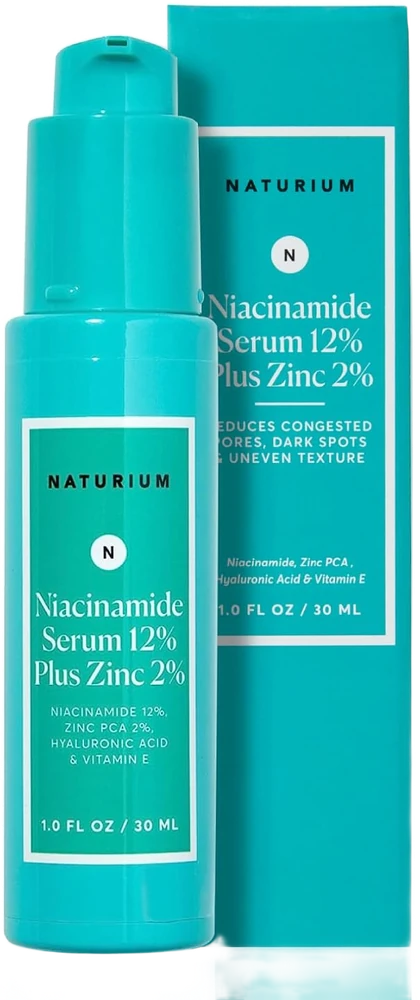 06
06Naturium Niacinamide 12% + Zinc 2%
Naturium is the honest way to rank a high-strength serum: it's genuinely well-built — 12% niacinamide buffered with 2% zinc, hyaluronic acid and vitamin E — but it's demoted on principle, because 12% is above the sweet spot and buys no proven benefit over 10% while adding irritation risk.
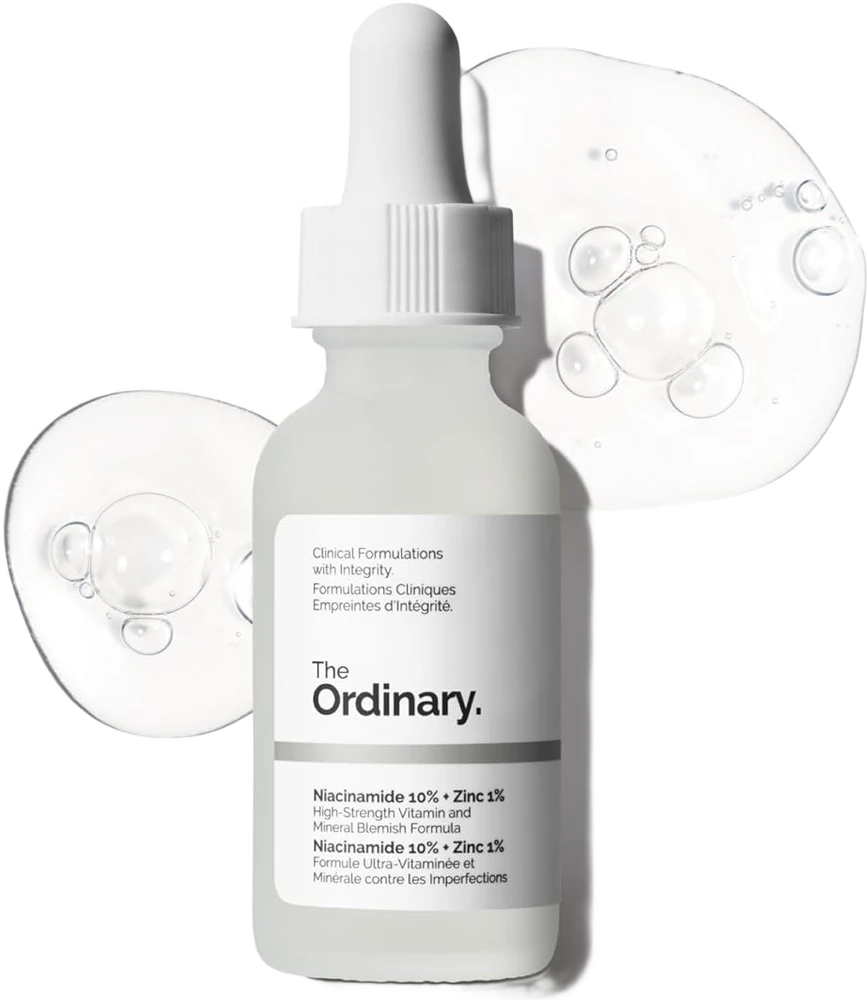 01
01The Ordinary Niacinamide 10% + Zinc 1%
If you want one niacinamide serum and don't want to overthink it, this is the answer and has been for years.
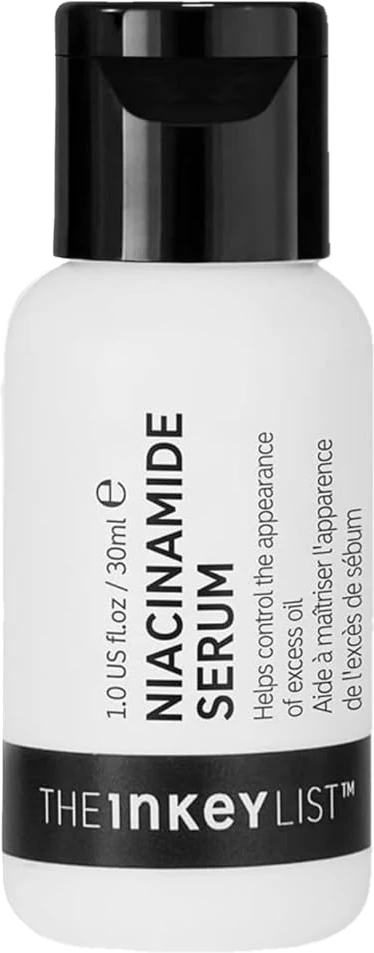 03
03The Inkey List Niacinamide
The Inkey List is the budget pick that doesn't feel like a compromise.
Quick Answers
Is 15% niacinamide too strong?
For most people, it's more than you need. Every concentration in the research is at or below 5%, and above roughly 10% the benefit curve flattens while irritation risk climbs. 15% has no proven advantage over 10% and the highest chance of stinging, flushing or purging on this list. If you don't specifically want maximum strength, a 10% serum is the smarter buy.
Does 'dermatologist-tested' mean it won't irritate me?
No — it's a brand testing claim, not a guarantee, and it doesn't lower the 15% strength. The fragrance-free, paraben-free base genuinely helps, but at this concentration you should still introduce it slowly, every other day at first, and stop if your skin flushes or purges. Treat the label as reassurance, not proof of gentleness.
Who is this serum actually for?
Resilient, oily skin that has already used 10% comfortably, specifically wants maximum niacinamide, and is targeting stubborn oil and pores. It's a deliberate step-up treatment. Beginners and anyone with sensitive skin should start with one of the moderate-strength picks above.
How does it compare to the Naturium 12%?
They're the two high-strength picks. COSRX runs hotter at 15% in a fragrance-free, derm-tested base with 1% zinc; Naturium is 12% with 2% zinc plus HA and vitamin E, so it's more cushioned. If you want higher strength with more buffering, Naturium; if you specifically want the highest number and a K-beauty formula, COSRX. Neither beats a good 10% serum for most people.
Sources & Further Reading
2 peer-reviewed sources, each linked to PubMed
- [1] Bissett 2005 PMID 16029679 — Niacinamide: A B vitamin that improves aging facial skin appearance. 5% topical niacinamide delivered measurable improvements over 12 weeks — the evidence that the effective dose is modest, and the basis for penalizing this serum's 15% as above-and-beyond the studied range with no proven added benefit.
- [2] Draelos 2006 PMID 16766489 — The effect of 2% niacinamide on facial sebum production. Topical 2% niacinamide reduced facial sebum excretion — demonstrating the oil-control benefit lands at very low concentrations, so 15% is unnecessary for the sebum and pore benefits this serum targets.
Affiliate disclosure: every Amazon link uses our Associates tag (superachieverclub-20). We earn a small commission at no cost to you; it funds independent reviews. We never accept payment to change a ranking.