
Pure North Naturals Magnesium L-Threonate Review
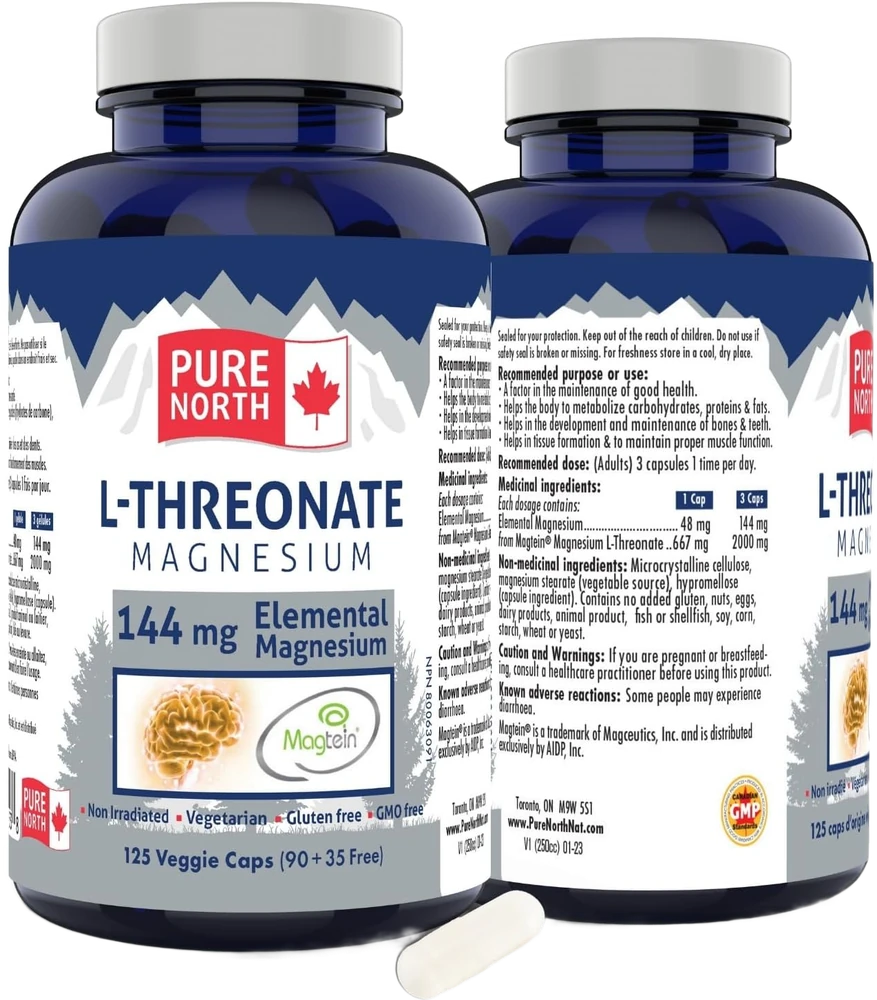 #8 of 8 · Budget✓ Label verified · Supplement Facts read Sep 7, 2026
Real retailer photo, cut out. Label unedited.
Consider it. A defensible budget threonate — but only after you verify the Magtein trademark on the live label. The sticker price is low (~$25) and the elemental dose is on-spec (~144 mg).
$25 / 125 caps (~25-day supply)~$1.00 / 5-cap serving
Why It Scores 7.0 — And The Label Line Behind Each Number
Form / Magtein verification
30% of scoreThe label references Magtein, but we could not independently confirm a licensed supply with documented chain-of-custody the way the premium brands provide. Only the patented Magtein stereoisomer has RCT backing (Slutsky 2010, Liu 2016); generic L-threonate has no comparative data. The form MAY be genuine — but unverified sourcing on a form whose whole value is brain delivery is the core reason this scores below the verified-Magtein tier.
- Active form
- Magnesium L-Threonate (Magtein referenced on label — verify trademark)
- Capsule shell
- Vegetarian
Elemental Mg + dose honesty
25% of scoreHits the ~144 mg elemental magnesium trial-dose target on label — good. But the serving is 5 capsules, the heaviest load on the list, so the 125-count bottle is only a ~25-day supply, not a month and nowhere near 125 days. A first-time buyer who assumes '125 capsules = long supply' gets surprised. The dose is honest on elemental yield; the supply math is easy to misread.
- Per serving
- 144 mg elemental Mg (5 capsules)
- Caps per dose
- 5 capsules — the heaviest pill load on the list
- Trial-dose alignment
- ~144 mg elemental matches the Liu 2016 protocol target
Third-party testing + QC
20% of scoreListed as third-party tested, which is the expected floor — but with no published per-batch COA, no NSF certification, and no established QC track record like NOW's in-house labs or Life Extension's per-batch transparency. 'Third-party tested' as an unbacked claim is weaker than documented testing. Not disqualifying for a budget pick, but a clear step down from the tier above.
- Testing
- States third-party tested — no published per-batch COA or NSF certification
Cost per elemental mg
15% of scoreLow sticker price (~$25), but the 5-caps-per-day dose and ~25-day supply push the true cost to about $1.00 per trial-dose serving — roughly level with Jarrow and Source Naturals, and MORE than Double Wood's ~$0.77. The upfront number is the cheapest-looking on the list; the cost-per-effective-dose is mid-pack. Honest scoring credits the low entry price but not a false 'cheapest overall' claim.
- Bottle size
- 125 capsules — ~25-day supply at 5 caps/day
- Price
- ~$25 / 125 caps · ~$1.00 per 5-cap trial-dose serving
Real-world response + value
10% of scoreIf the Magtein is genuine, it should deliver the same trial-validated cognitive effect as any other licensed-Magtein bottle — the molecule is the molecule. The entire caveat is that 'if': without verified sourcing, real-world response can't be assumed with the confidence the documented brands earn. Reasonable value for a budget buyer who verifies the label; a gamble for one who doesn't.
- More Specs
- Brand
- Pure North Naturals (smaller online brand · limited public QC history)
- Sourcing transparency
- Magtein chain-of-custody NOT independently documented (vs premium tier)
Label verified. Every figure read from the Supplement Facts photo, Sep 7, 2026.
Marketing Claims Vs. Reality
Magtein magnesium L-threonate — clinically studied brain magnesium.
The Magtein name and the clinical studies behind it (Slutsky 2010, Liu 2016) are real — but those trials measured the licensed, quality-controlled Magtein stereoisomer specifically. We could not independently confirm this brand's supply is that licensed form with documented chain-of-custody. The claim is plausible but unverified at the sourcing level, so it earns 'partial,' not 'verified.'
144 mg of elemental magnesium per serving.
The elemental magnesium figure is on-label and consistent with a ~2000 mg threonate-compound trial dose. This is the standard, honest way to state threonate's elemental yield, and it matches the rest of the category.
Crosses the blood-brain barrier to support memory and focus.
True of genuine magnesium L-threonate at the mechanism level (Slutsky 2010 showed brain-magnesium elevation only with threonate). But the BBB-crossing, trial-grade evidence attaches to the licensed Magtein form — which this product's sourcing doesn't independently confirm. Mechanistically sound; conditional on the form actually being verified Magtein.
Third-party tested for purity and potency.
The listing states third-party testing, but we found no published certificate of analysis, batch results, or third-party certification (e.g. NSF) to substantiate it. The claim may well be accurate — but with nothing public to verify, it stays 'not-verified' rather than confirmed.
Better value than the major brands.
True on sticker price (~$25 vs $28-35), but misleading once you account for the 5-caps-per-day dose and ~25-day supply — the real cost is ~$1.00 per serving, level with mid-tier picks and higher than Double Wood's ~$0.77. The upfront price is lower; the cost-per-effective-dose is not the best on the list.
What Our Test Actually Found
The Magtein sourcing is the whole story — and it's unconfirmed
Everything that makes magnesium L-threonate worth its premium — the BBB crossing, the cognitive effect — rests on the patented Magtein stereoisomer the RCTs actually measured. The premium brands (Life Extension, NOW, Jarrow) either publish or document their licensed Magtein supply. This brand references Magtein on the label but provides no independent chain-of-custody or COA we could verify. That's not proof it's fake — smaller brands often genuinely use licensed material — but for a $25 product whose entire value depends on the form being real, 'we couldn't confirm it' is the honest finding, and it's why this is #7. Verify the trademark on the live label before buying.
The 5-capsule dose quietly inflates the real cost
At 5 capsules per serving, the 125-count bottle is a ~25-day supply — less than a month. Most of the list runs 3 caps (Double Wood runs 4). So the per-day pill burden is the highest here, and the true monthly cost works out to roughly $1.00 per trial-dose serving once you do the math. The sticker price is the cheapest-looking on the list; the cost-per-effective-dose lands mid-pack. The 'budget pick' label is only half-earned — buyers should run the caps-per-dose math before they're swayed by the low number on the bottle.
'Third-party tested' is a claim, not a document here
The listing says third-party tested, which is the right floor to expect — but there's no published per-batch certificate of analysis, no NSF mark, and no QC track record to back it up. Compare that to NOW's three decades of in-house labs or Life Extension's published batch testing. An unbacked testing claim isn't a red flag on its own for a budget supplement, but it can't be weighted the same as documented, verifiable testing. We score transparency conservatively for exactly this reason.
If the form is genuine, the effect is genuine — that's the only upside
The one thing working in this product's favor: magnesium L-threonate is the molecule, and if the Magtein is real, it should deliver the same trial-validated cognitive effect as the name brands at a slightly lower entry price. There's no mechanism by which a verified Magtein from a small brand would work less well than the same Magtein from a large one. The entire risk is upstream — in whether the sourcing is what the label says. Resolve that, and it's a reasonable budget buy; leave it unresolved, and you're paying for an unverified bet.
The cheaper, safer step-up is real and close
The strongest argument against this pick is how small the gap is to a fully verified one. Double Wood (#4) is licensed Magtein, NSF Certified, with third-party batch testing — and it works out to LESS per serving (~$0.77) than this product's ~$1.00 once you account for capsule load. Life Extension Neuro-Mag (#2) is the benchmark at ~$0.93 with published testing. When verified sourcing costs the same or less per effective dose, the budget case for an unverified bottle gets thin. This is a 'consider,' not a 'buy,' largely because of that proximity.
Full analysis: all pros & cons (8), buy if / skip if
- Low sticker price (~$25) — the cheapest-looking entry point on the list
- On-label ~144 mg elemental magnesium, matching the trial-dose target
- Same molecule as the premium picks IF the licensed Magtein checks out
- Reasonable budget option once you've verified the Magtein trademark on the label
- Magtein sourcing NOT independently confirmed — the core risk for a brain-delivery form
- Heaviest pill load on the list (5 caps/day); 125-count bottle is only a ~25-day supply
- 'Third-party tested' stated but unbacked — no published COA, no NSF certification
- Real cost (~$1.00/serving) is mid-pack, not actually cheaper than better-documented bottles
- Budget is genuinely the deciding factor and you've confirmed the Magtein trademark on the current label
- You understand threonate is the cognition form — not for sleep, cramps, or deficiency
- You're comfortable with thinner testing documentation than the name brands
- You don't mind a 5-capsule-per-day dose, the heaviest pill load on the list
- You can't verify the Magtein trademark on the label — the form's entire value depends on it
- You want documented, published testing — go Life Extension Neuro-Mag (#2)
- You want the genuinely lowest cost per serving — Double Wood (#4) is cheaper AND NSF Certified
- Your goal is sleep, cramps, or general magnesium — buy a glycinate instead
The sticker price is low (~$25) and the elemental dose is on-spec (~144 mg). But the Magtein sourcing isn't independently confirmed, the testing transparency is thinner than the premium tier, and the 5-caps-per-day dose means the 125-count bottle is only a ~25-day supply — which pushes the real per-serving cost (~$1.00) up to mid-pack, not actually the cheapest. Consider it only if budget is the deciding factor and you've checked the Magtein trademark on the current label. Otherwise the small step up to Double Wood (#4) or Neuro-Mag (#1) buys real verification for marginally more.
Pure North Naturals sits at the budget end of the magnesium L-threonate market — a smaller online brand with a low sticker price and a heavier capsule load. On paper it delivers the same ~144 mg of elemental magnesium per serving as the name brands, and if the Magtein on its label is the genuine licensed form, it works the same way: the one magnesium that meaningfully crosses the blood-brain barrier to support cognition (Slutsky 2010, Liu 2016). The honest problem is that 'if.' Unlike Life Extension, NOW, or Jarrow, this brand's Magtein sourcing and testing aren't independently documented — the label states it, but there's no published chain-of-custody or per-batch COA to confirm it. For a form whose entire value proposition is brain delivery, that uncertainty is the reason it ranks #7, not the price.
A budget threonate that's only worth it once you've verified the label — and the verified alternatives are barely pricier.

Pure North Naturals is an honest budget play with an honest budget caveat. If you confirm the Magtein trademark on the current supplement-facts panel and your goal really is cognition, it should deliver the same brain-magnesium effect as any licensed-Magtein bottle, at a slightly lower entry price. That's the case for it, and it's genuine. The case against it is the documentation gap. Magnesium L-threonate's entire premium exists because the patented Magtein stereoisomer — the one in Slutsky 2010 and Liu 2016 — is the only form with trial evidence for crossing the blood-brain barrier. The premium brands document their licensed supply; this one references Magtein on the label but offers no independent chain-of-custody or published testing we could verify. Pair that with a 5-capsule dose that turns a 125-count bottle into a ~25-day supply (pushing the real cost to ~$1.00 per serving), and the 'budget' advantage mostly evaporates. That's why this is a 'consider,' not a 'buy.' It's not a bad product — it may be perfectly genuine Magtein — but the small step up to Double Wood (#4), which is licensed Magtein, NSF Certified, and actually cheaper per effective dose, or to Life Extension Neuro-Mag (#2), the documented benchmark, buys real verification for marginally more money. Buy this only if budget is the deciding factor and you've checked the label yourself. And if your goal is sleep, cramps, or general magnesium rather than cognition, skip the entire threonate category and buy a glycinate instead.
If This Doesn’t Fit — Try These
 03
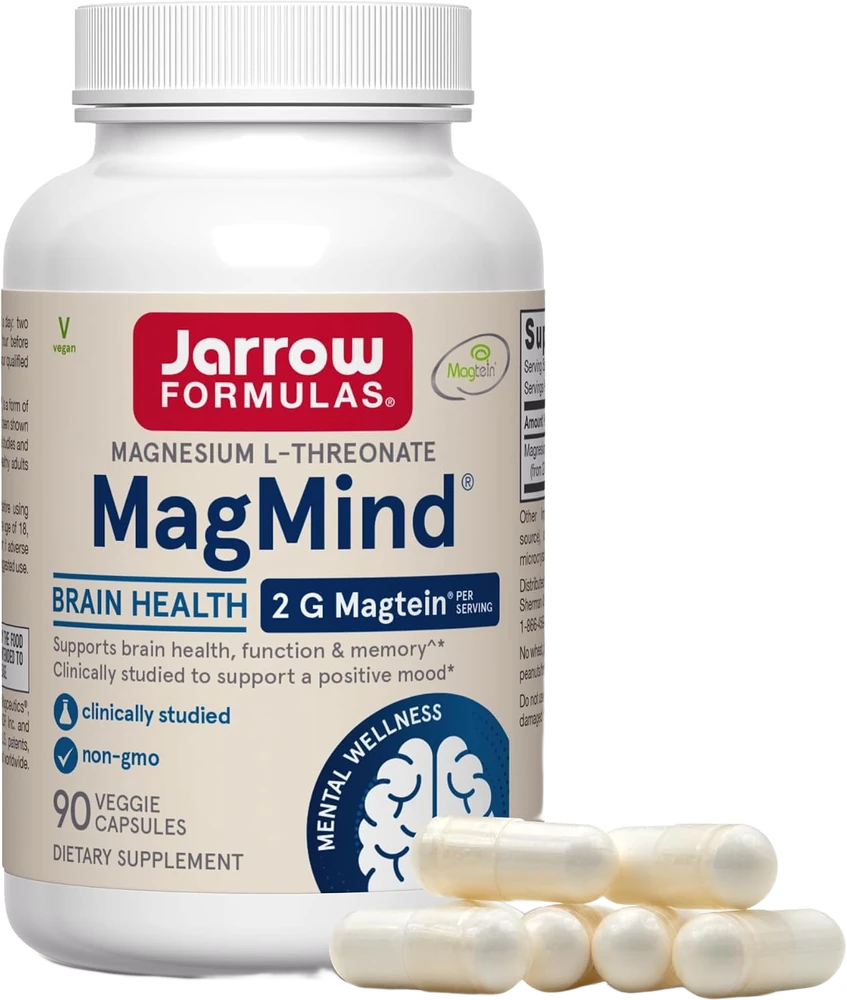
Jarrow MagMind
A long-trusted, no-surprises Magtein.
 01
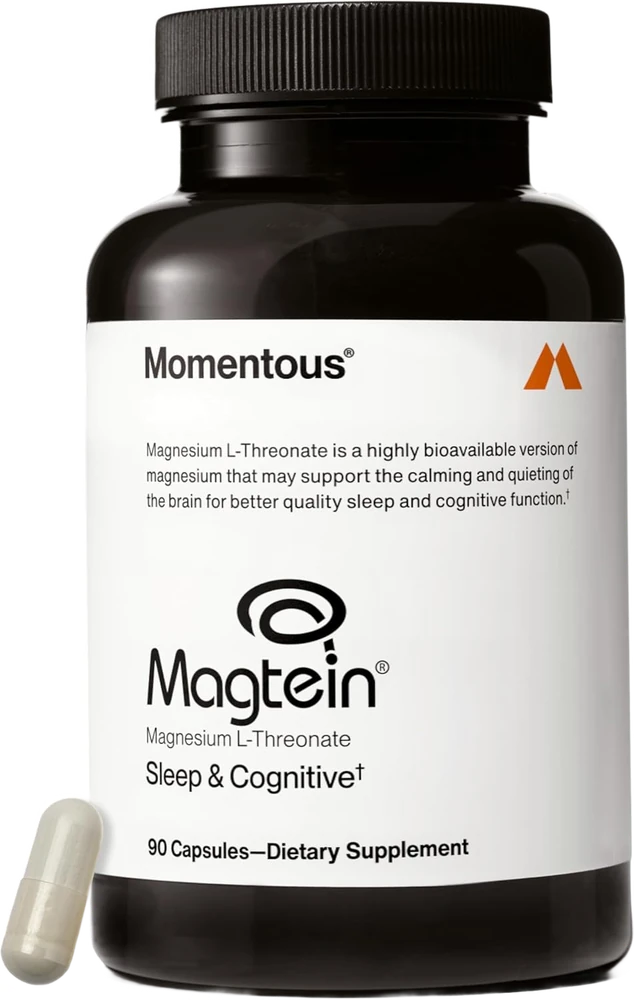
Momentous Magnesium L-Threonate
If you're drug-tested, this is the answer.
 04
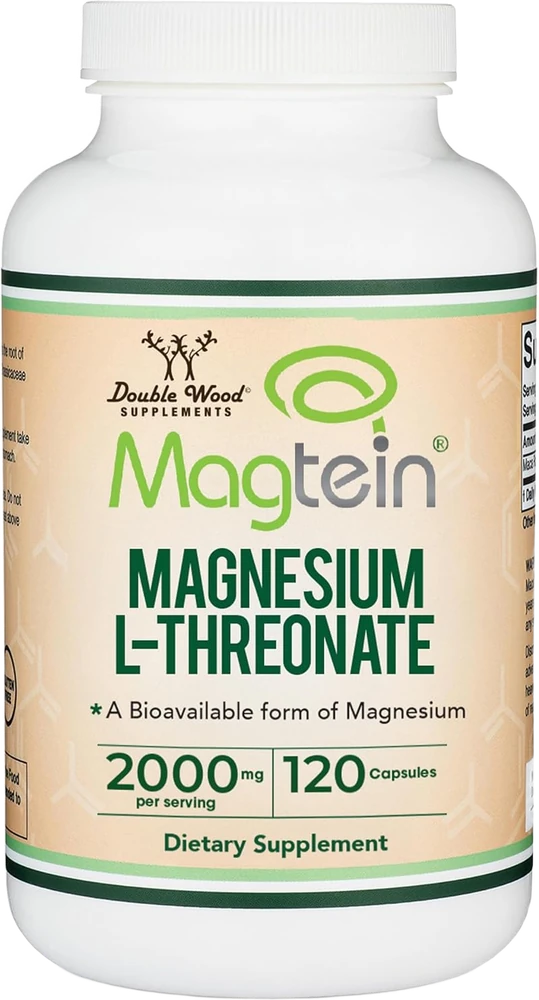
Double Wood Magnesium L-Threonate
The value pick, and it doesn't cut the corner that matters: it's licensed Magtein, NSF Certified, at the full trial dose.
Quick Answers
Does Pure North Naturals actually use licensed Magtein, or generic L-threonate?
The label references Magtein, but — and this is the honest core of the review — we could not independently confirm a licensed Magtein supply with documented chain-of-custody the way we can for Life Extension, NOW, or Jarrow. Those premium brands publish or document their Magtein sourcing; a smaller brand like this one relies on what the label states. The molecule MAY be genuine licensed Magtein. It MAY be generic magnesium L-threonate carrying the name loosely. For a form whose entire value is brain delivery — and where only the patented Magtein stereoisomer has RCT backing (Slutsky 2010, Liu 2016) — that uncertainty is the single biggest reason this sits at #7. Verify the Magtein trademark on the current supplement-facts panel before you buy.
How much elemental magnesium do I actually get, and how many capsules?
The label lists 144 mg of elemental magnesium per serving — the same ~2000 mg-Magtein-equivalent trial dose as the other picks. The catch is the capsule load: this is a 5-capsule-per-day serving, the heaviest on the entire list (most brands are 3 caps; Double Wood is 4). So the 125-count bottle is roughly a 25-day supply, not 125 days and not even a full month. Do that math before you compare it to a 90-count, 3-cap bottle — the per-day pill burden and the true monthly cost are both higher than the sticker price suggests.
Is this actually cheaper than the bigger brands?
On the sticker, yes — about $25 versus $28-35 for the name brands. But once you account for the 5-caps-per-day dose and the ~25-day supply, the real cost lands around $1.00 per trial-dose serving — roughly the same as Jarrow or Source Naturals, and MORE than Double Wood's ~$0.77. So the 'budget' framing is half-true: the upfront number is low, but the cost-per-effective-dose is mid-pack, not bottom. You're not actually saving much over a better-documented bottle.
What testing and quality control does it have?
The listing states third-party tested, which is the floor we'd expect — but we found no published per-batch certificate of analysis, no NSF certification, and no long QC track record the way NOW (30+ years of in-house labs) or Life Extension (per-batch transparency) carry. 'Third-party tested' with nothing public to back it is a claim, not a verified document. For a budget supplement that's not disqualifying, but it's a real step down from the tier above, and it's why we rate testing/transparency conservatively here.
Should I buy this or spend a little more on a verified-Magtein brand?
If your budget is genuinely the deciding factor AND you've confirmed the Magtein trademark on the live label, it's a defensible buy — the same form should deliver the same trial-validated cognitive effect. But the gap to a fully verified bottle is small: Double Wood (#4) is licensed Magtein, NSF Certified, and works out to LESS per serving (~$0.77) once you account for capsule load. Life Extension Neuro-Mag (#2) is the category benchmark at ~$0.93. Given that the real cost difference is marginal, most buyers are better served paying a few dollars more for confirmed sourcing and published testing than rolling the dice on thinner documentation.
Is magnesium L-threonate even the right form for me?
Only if your goal is cognition — memory, focus, executive function. L-threonate is the one magnesium form with trial data (Slutsky 2010, Liu 2016) showing it meaningfully raises BRAIN magnesium. But it delivers only ~144 mg of elemental magnesium per serving — far too little for sleep, cramps, constipation, or correcting a deficiency. If that's what you actually want, threonate (this bottle or any other) is the wrong, expensive tool: buy a magnesium glycinate instead. Brand verification only matters once you've confirmed threonate is the form you need.
When will I notice anything if I do take it?
Assuming genuine Magtein, expect subtle and slow — not a same-day stimulant. The Liu 2016 trial measured executive-function improvement at 12 weeks; subjective reports of sharper recall and less brain fog tend to surface around weeks 4-6. The mechanism is structural (brain magnesium regulating NMDA-receptor density and synaptic plasticity), so the benefit accrues over time. Take the dose in the morning or early afternoon — threonate can be mildly activating, so evening dosing may interfere with sleep in sensitive users.
Sources & Further Reading
4 peer-reviewed sources, each linked to PubMed
- [1] Slutsky 2010 PMID 20152124 — Enhancement of learning and memory by elevating brain magnesium. The MIT paper that founded the magnesium L-threonate category. Brain-magnesium levels rose only with L-threonate (not other forms), with downstream increases in NMDA-receptor density, synaptic plasticity, and learning + memory. The foundational evidence — and the reason verified Magtein sourcing matters: the effect attaches to this specific form.
- [2] Liu 2016 PMID 26519439 — Efficacy and safety of MMFS-01, a synapse density enhancer, for treating cognitive impairment in older adults: a randomized, double-blind, placebo-controlled trial. The human RCT (MMFS-01) anchoring the cognitive evidence: 2000 mg Magtein/day for 12 weeks improved executive function ~9% vs placebo in older adults. Establishes the ~144 mg elemental trial dose — and that the measured benefit used the licensed Magtein form, not generic threonate.
- [3] Abumaria 2011 PMID 22016520 — Effects of elevation of brain magnesium on fear conditioning, fear extinction, and synaptic plasticity. Follow-up to Slutsky 2010: L-threonate-driven brain-magnesium elevation enhanced fear extinction and synaptic plasticity in prefrontal cortex. Extends the mechanistic case beyond memory — but again on the specific threonate form the research measured.
- [4] Rosanoff 2012 PMID 22364157 — Suboptimal magnesium status in the United States: are the health consequences underestimated?. Population-level evidence that a large share of US adults fall below the magnesium RDA. Important context: that peripheral magnesium gap is best closed with a high-elemental form like glycinate, NOT threonate — which delivers only ~144 mg elemental and is the wrong tool for deficiency.
Affiliate disclosure: every Amazon link uses our Associates tag (superachieverclub-20). We earn a small commission at no cost to you; it funds independent reviews. We never accept payment to change a ranking.