
MaryRuth's Organic Prenatal Gummies (Methylfolate 800 mcg DFE) Review
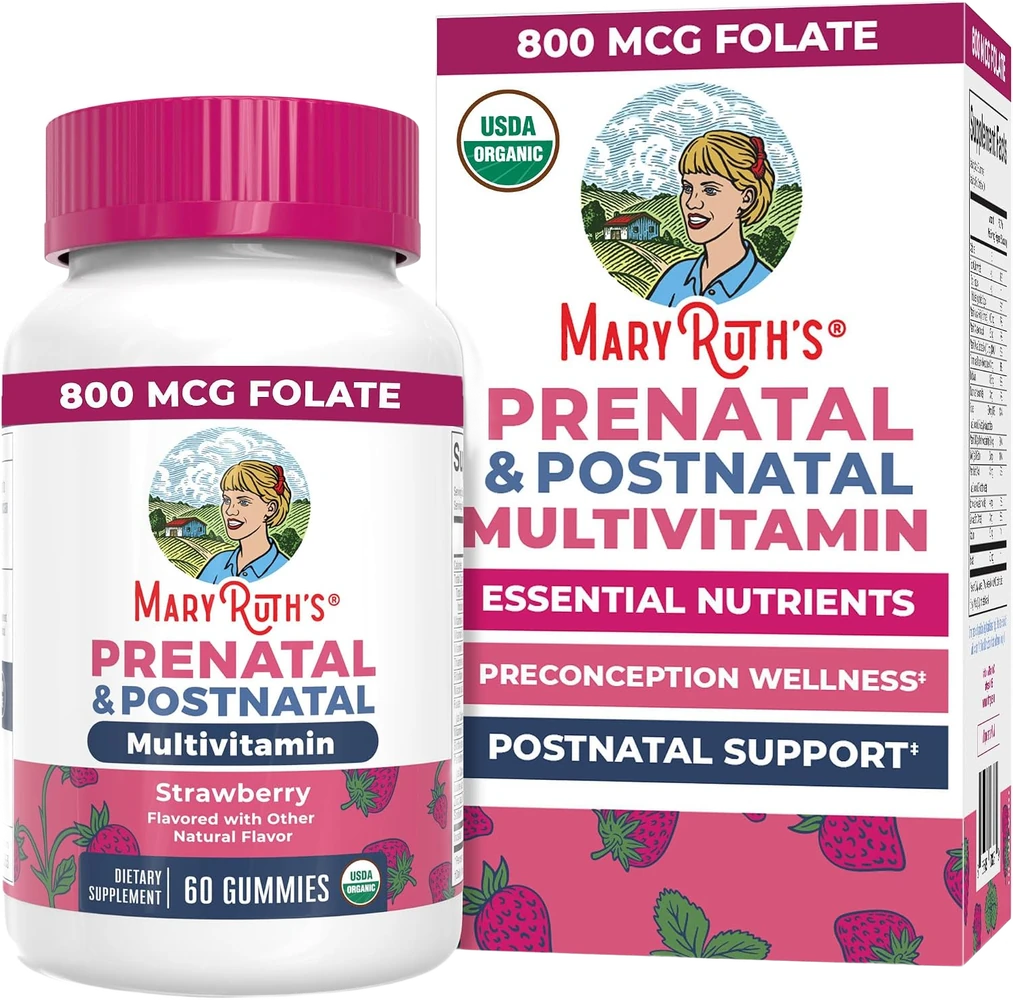 #9 of 9 · Best Gummy✓ Label verified · Supplement Facts read Sep 7, 2026
Real retailer photo, cut out. Label unedited.
Consider it. The pick when you can't take a pill. A palatable organic prenatal gummy at the 800 mcg DFE target.
$28 approx~$0.93 / serving
Why It Scores 5.6 — And The Label Line Behind Each Number
Form & Evidence Base
30% of scoreFolate is delivered as methylfolate, which has no NTD-prevention trial data — the same evidence gap as the other active-folate picks. Methylfolate is well-absorbed, but gummy matrices are more prone to potency variability and degradation than tablets or capsules.
- Form
- Gummy (methylfolate + prenatal nutrients)
Dose vs Clinical Target
25% of score800 mcg DFE is on the prenatal target, and it bundles other prenatal nutrients, though not a complete prenatal on its own.
- Dose
- 800 mcg DFE methylfolate per serving
Third-Party Testing & Purity
20% of scoreUSDA Organic and non-GMO certified, but no independent USP/NSF potency verification — a concern given gummies' known label-drift issues.
- Testing / Certification
- USDA Organic, Non-GMO, Vegan
Tolerability & Safety
15% of scoreA palatable format that genuinely improves adherence for the pill-averse, but gummies add sugar.
Value
10% of scoreAbout $28 for 30 servings — by far the highest cost per day on the list, plus added sugar.
- Count
- 30 servings
- Cost per dose
- ~$0.93 per serving
Label verified. Every figure read from the Supplement Facts photo, Sep 7, 2026.
Marketing Claims Vs. Reality
Organic gummies are a healthier prenatal choice
USDA Organic certifies farming inputs, not clinical benefit; it does not make the folate more effective and doesn't offset added sugar.
800 mcg DFE meets the prenatal folate target
800 mcg DFE falls within the 400–800 mcg recommended prenatal range (PMID 28097362); the shortfall is form and delivery, not the labeled dose.
What Our Test Actually Found
A real solution to a real problem
For women who cannot tolerate swallowing pills — a common early-pregnancy issue — a palatable gummy that they will actually take beats a superior tablet they skip. That is the honest upside.
Gummies carry a potency-and-sugar penalty
Gummy supplements are documented to lose potency and vary from label over shelf life more than tablets, and they add sugar. Without independent testing, that variability is a legitimate concern for a nutrient this important.
Full analysis: all pros & cons (7), buy if / skip if
- Palatable option for those who can't or won't swallow pills
- On-target 800 mcg DFE folate plus other prenatal nutrients
- USDA Organic, vegan and non-GMO
- Genuinely improves adherence for the pill-averse
- Convenient once-daily serving
- Folate is methylfolate — no NTD-prevention evidence
- Added sugar, highest cost per serving, and no independent potency testing
- Palatable option for those who can't or won't swallow pills
- On-target 800 mcg DFE folate plus other prenatal nutrients
- USDA Organic, vegan and non-GMO
- Folate is methylfolate — no NTD-prevention evidence
- Added sugar, highest cost per serving, and no independent potency testing
A palatable organic prenatal gummy at the 800 mcg DFE target. Reasonable if tablets make you gag, but it's methylfolate (unproven for NTDs), adds sugar, costs the most per serving, and gummies are prone to potency drift.
MaryRuth's organic prenatal gummies solve one real problem: pill fatigue and nausea. Many women in early pregnancy struggle to swallow tablets, and a USDA Organic gummy that delivers 800 mcg DFE of folate plus other prenatal nutrients is a legitimate convenience option. That is the case for it — and it is the whole case. It ranks last because it stacks the most compromises: folate delivered as methylfolate (no NTD-prevention trials), added sugar, the highest cost per serving here, and gummy formulations that are notoriously prone to label-potency drift over shelf life. Buy it for swallowing difficulty, not because it is the best folate.
A convenience pick, ranked honestly

This earns its place only as the answer for women who cannot take pills — and for that person, the gummy they actually swallow beats the tablet they avoid. But it stacks the most compromises of any pick: unproven form, added sugar, top price, and no independent potency check on a format prone to drift. If you can take a tablet, a plain folic acid pill delivers proven protection for a fraction of the cost.
If This Doesn’t Fit — Try These
 01
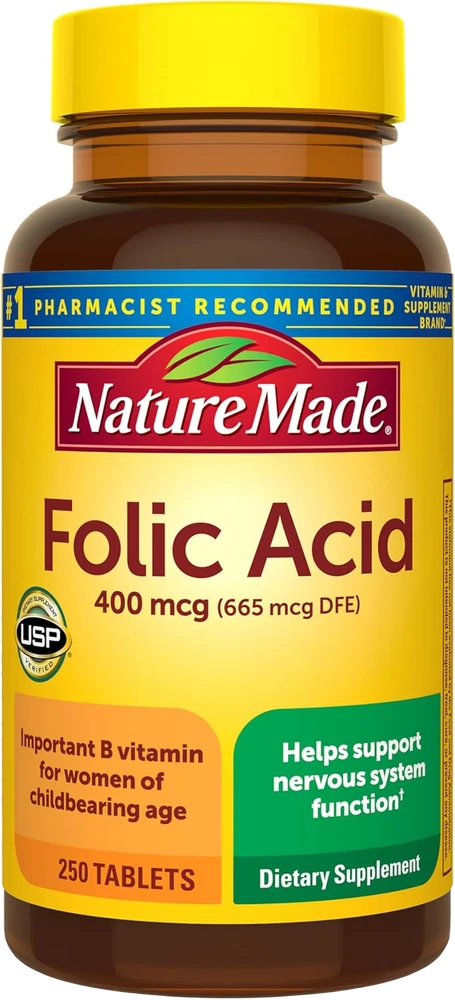
01Nature Made 400 mcg
This is the default folate for nearly every woman: the proven form, the proven dose, and the one product here carrying USP verification.
 02
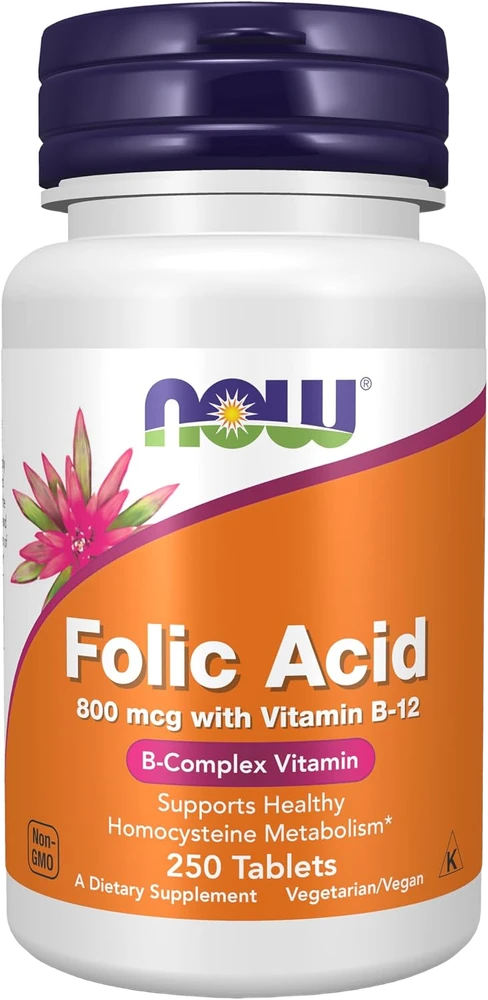
02NOW Folic Acid 800 + B-12
A near-perfect value play: the proven form, a sensible added B12, and the cheapest daily cost on the board.
Quick Answers
Are prenatal gummies as good as tablets?
For adherence, sometimes better — if pills make you gag, the gummy you take beats the tablet you skip. But gummies add sugar, cost more, and are more prone to potency drift, and this one uses methylfolate rather than the NTD-proven folic acid.
Does this replace a full prenatal vitamin?
Not necessarily. It includes some prenatal nutrients but check the label for iron and iodine, which gummies often lack. Confirm coverage with your provider.
Sources & Further Reading
2 peer-reviewed sources, each linked to PubMed
- [1] US Preventive Services Task Force. Folic Acid Supplementation for the Prevention of Neural Tube Defects. JAMA. 2017;317(2):183-189. PMID 28097362 — Folic Acid Supplementation for the Prevention of Neural Tube Defects. Recommends 400–800 mcg folic acid daily; the trial evidence rests on folic acid, not methylfolate.
- [2] Obeid R, Holzgreve W, Pietrzik K. Is 5-methyltetrahydrofolate an alternative to folic acid for the prevention of neural tube defects? J Perinat Med. 2013;41(5):469-83. PMID 23482308 — Is 5-methyltetrahydrofolate an alternative to folic acid for the prevention of neural tube defects?. Methylfolate is an unproven alternative for NTD prevention; folic acid retains the evidence.
Affiliate disclosure: every Amazon link uses our Associates tag (superachieverclub-20). We earn a small commission at no cost to you; it funds independent reviews. We never accept payment to change a ranking.