
Top 8 Best Weight-Loss Books (2026)
 01 · Best overall
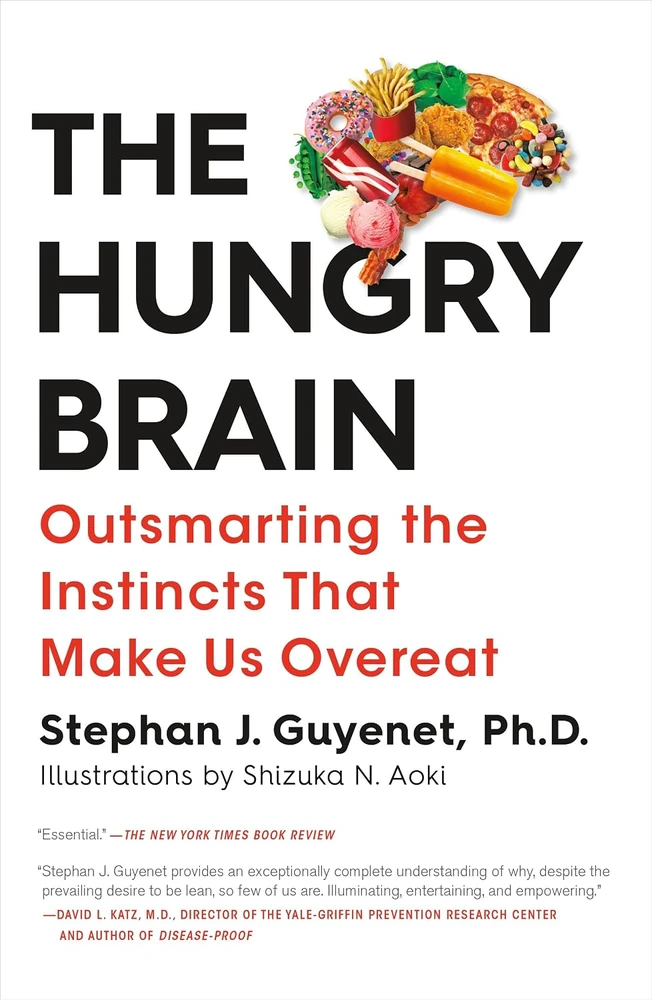
Best overall: The Hungry Brain — Stephan J. Guyenet, PhD
The clearest evidence-based account of WHY we overeat, from an obesity neuroscientist — the root-cause understanding that every successful calorie deficit is built on.
Paperback ~$18
Why it wins: all four scores, pros & cons, full label
- The single best evidence-based explanation of why we overeat — the foundation of any deficit
- Written by an obesity neuroscientist with a PhD; grounded in mainstream research, not a fad
- Reframes overeating as appetite biology you can work WITH, not a willpower failure
- Translates the science into practical principles for eating in a way that quiets cravings
- Explains the WHY brilliantly but isn't a day-by-day meal plan — you apply the principles yourself
- More science-explainer than step-by-step program; pair it with a habit system to execute
- Author
- Stephan J. Guyenet, PhD (obesity neuroscientist)
- Focus
- Why we overeat — appetite, reward, and energy regulation
- Evidence
- Grounded in mainstream obesity neuroscience
- Best for
- Understanding the root cause before you pick a diet

Our take — If you read only one book to actually lose weight, make it this one. Stephan Guyenet is an obesity neuroscientist, and The Hungry Brain is the clearest, most honest account of the question that decides everything downstream: why we overeat. He explains the appetite and reward circuitry quietly working against your calorie deficit — and crucially, what to do about it — without selling a fad or a forbidden food. It tops the list because understanding the root cause is the highest-leverage thing you can do before choosing how to eat; willpower fails when you don't grasp the biology you're fighting. The honest caveat is that it's an understanding book, not a meal plan, so pair it with food logging and a habit system (Atomic Habits, #2) to execute. For the best science-to-action read in the category, start here.
Who Wins Which Aspect
Sorted by overall SAC Product Score™ — the official ranking.
| # | Pick | Score | Method / skill it builds35% | Evidence & author authority30% | Actionability25% | Readability / accessibility10% | Buy |
|---|---|---|---|---|---|---|---|
| 01 | | 9.3 | 9.51 | 9.61 | 8.62 | 8.8 | Check price |
| The single best evidence-based explanation of why we overeat — the foundation of any deficitExplains the WHY brilliantly but isn't a day-by-day meal plan — you apply the principles yourself | |||||||
| 02 | 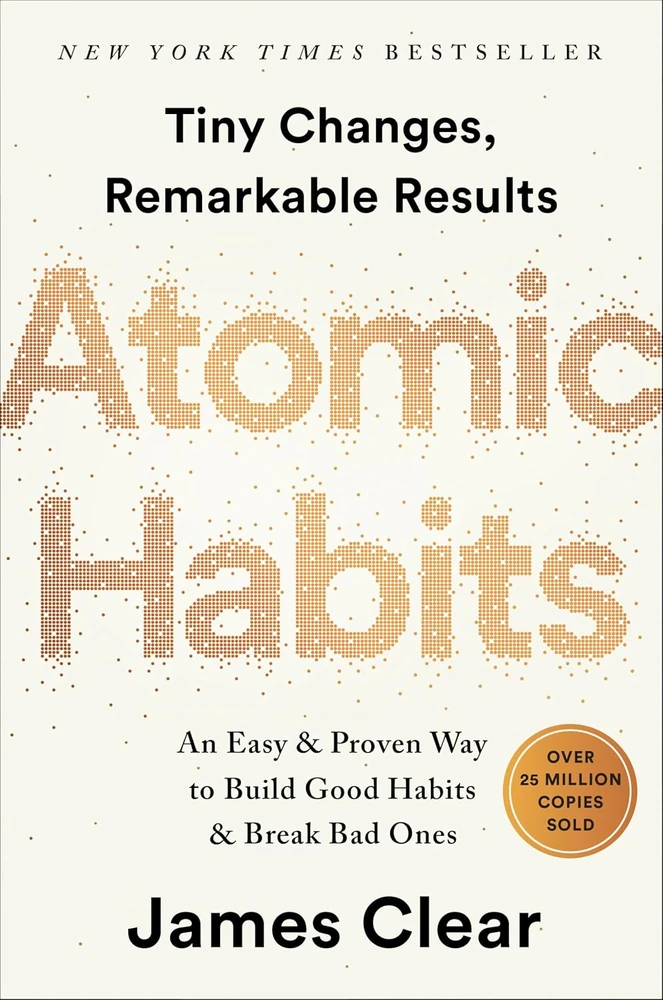 | 9.1 | 9.02 | 8.4 | 9.61 | 9.61 | Check price |
| The best book for the adherence that actually decides weight loss — the real bottleneckHonest caveat: it is NOT a diet book — it tells you HOW to stick with things, not WHAT to eat | |||||||
| 03 | 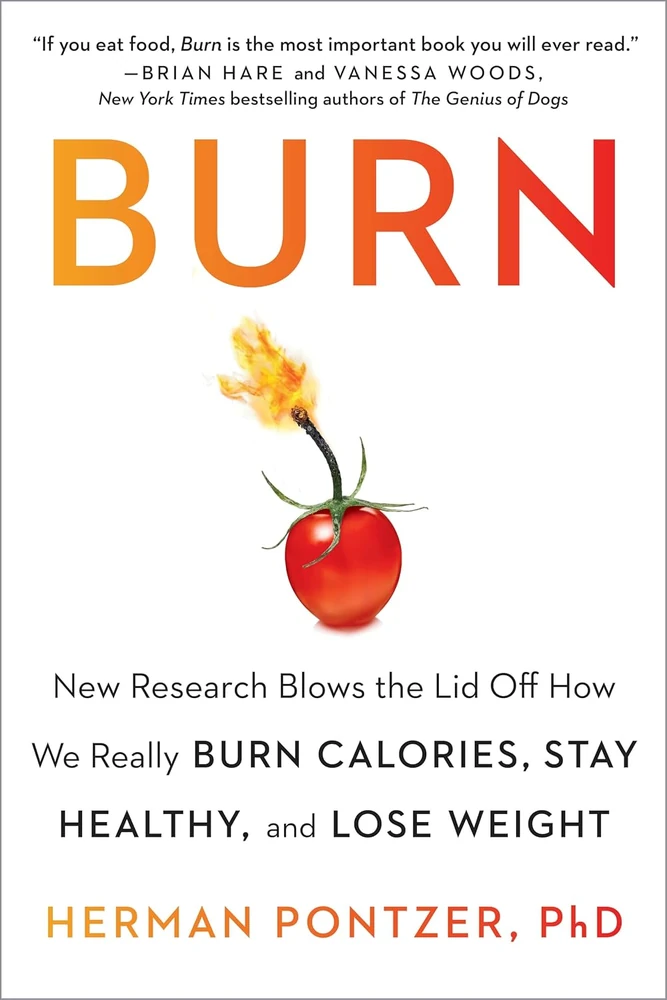 | 8.8 | 8.83 | 9.42 | 8.0 | 9.0 | Check price |
| Corrects the single most expensive misconception in weight loss — that exercise creates the deficitMore 'how metabolism works' than a step-by-step weight-loss plan — it reframes, it doesn't prescribe | |||||||
| 04 | 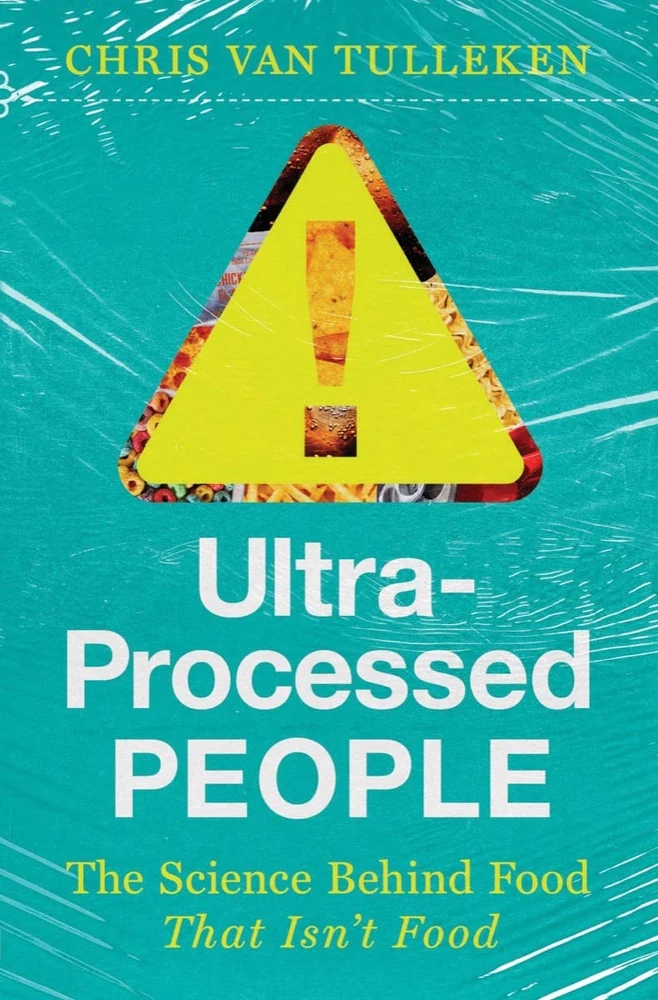 | 8.5 | 8.4 | 9.03 | 7.8 | 9.23 | Check price |
| The clearest modern, evidence-led case on why UPF makes you eat more — a real lever, honestly arguedIts emphasis on processing over calories can be read as downplaying energy balance — keep both in view | |||||||
| 05 | 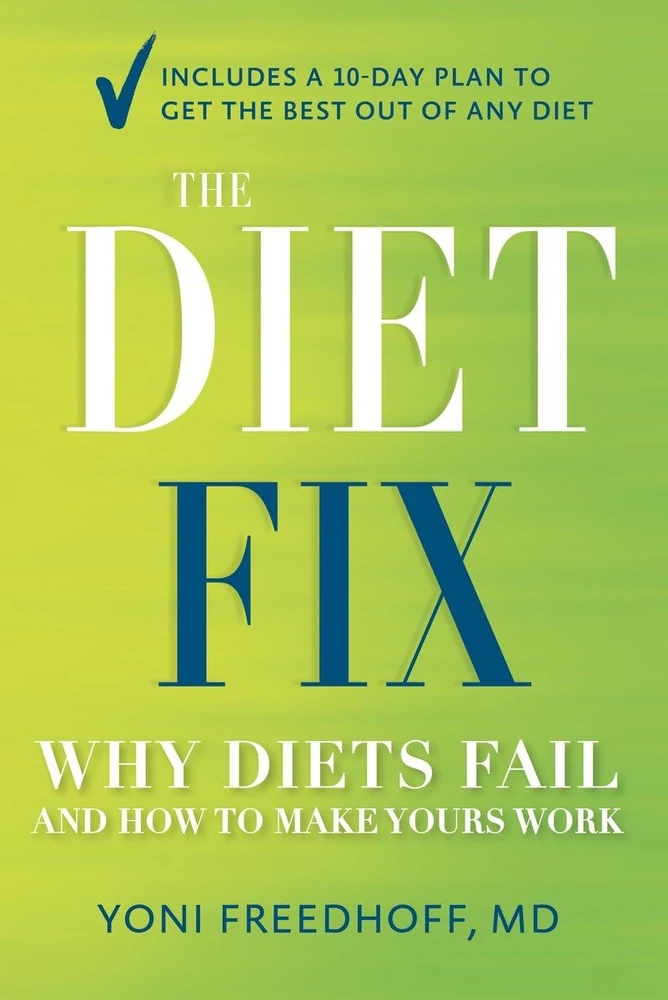 | 8.4 | 8.4 | 8.4 | 8.53 | 8.4 | Check price |
| Highly actionable on the nutrition side — a concrete reset, not just theoryLighter on the deep biology than Guyenet (#1) or Pontzer (#3) — it's a practical guide, by design | |||||||
| 06 | 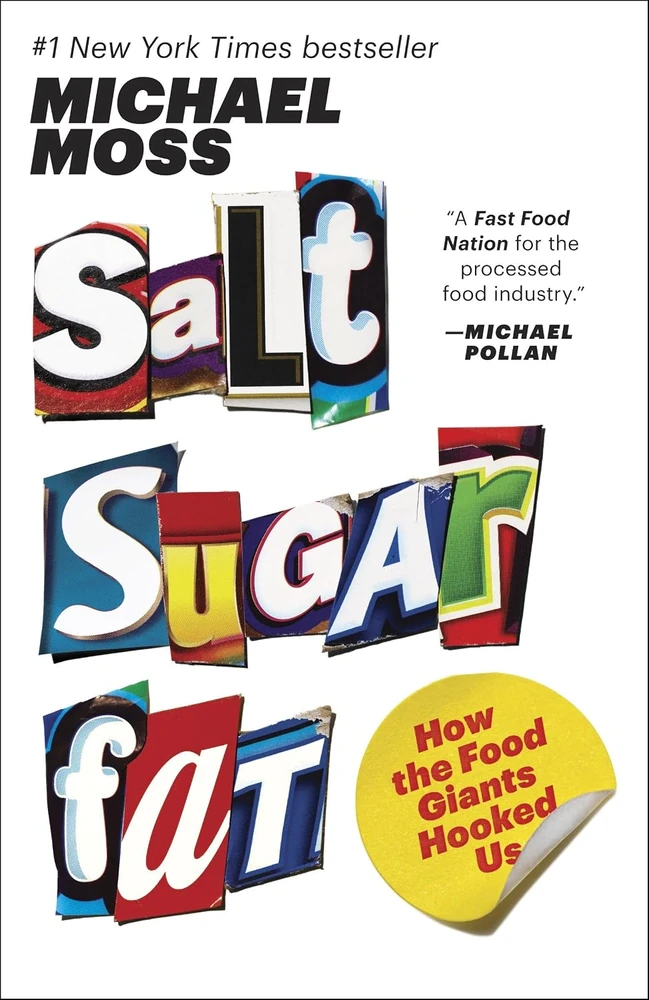 | 8.1 | 7.6 | 8.8 | 7.2 | 9.42 | Check price |
| Gripping, rigorously reported account of how food is engineered to be overeatenIt's investigative journalism, not a weight-loss method — no plan, deficit guidance, or steps | |||||||
| 07 | 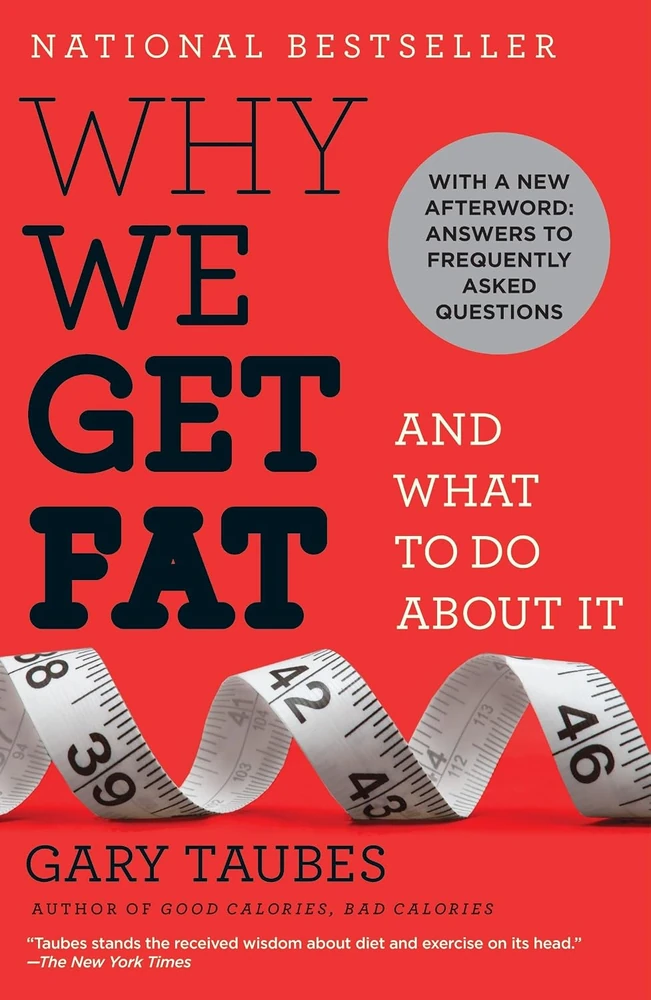 | 6.4 | 5.5 | 6.0 | 7.4 | 9.0 | Check price |
| Persuasive, clearly written, and genuinely influential — worth knowing for the cultural debateHonest caveat: its core carbohydrate-insulin model is NOT supported by the best controlled feeding evidence (Hall 2017) | |||||||
| 08 | 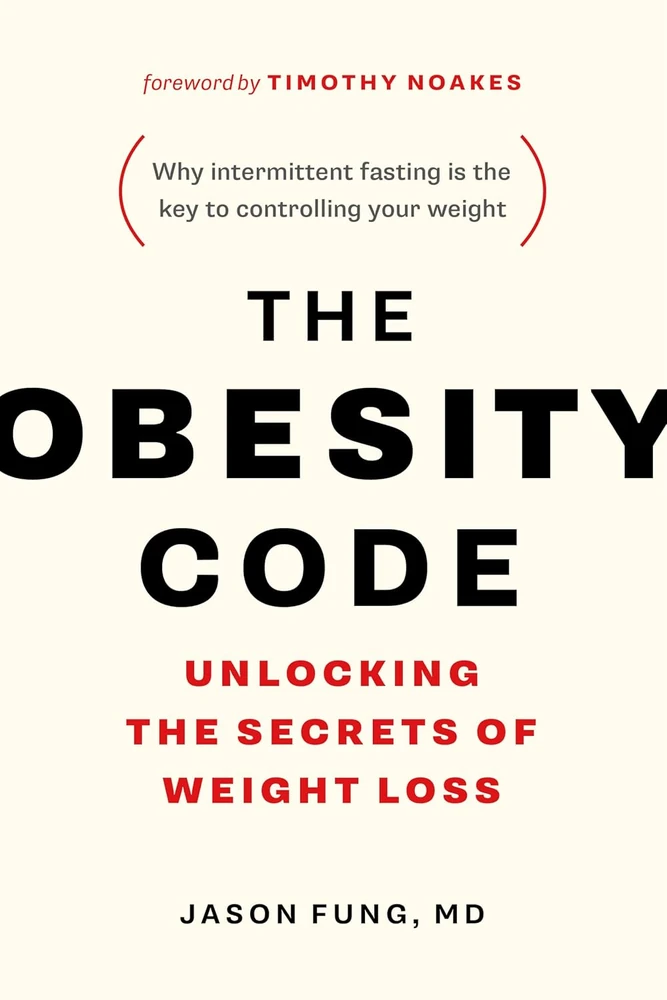 | 6.2 | 5.2 | 5.8 | 7.2 | 8.6 | Check price |
| Clear, confident, and hugely popular — useful to understand because so many readers cite itHonest caveat: its central claim that insulin (not calories) drives obesity rests on the contested carb-insulin model (Hall 2017) | |||||||
The Other 7, Ranked
- 02
Best for adherence: Atomic Habits — James Clear
9.1SAC Score™Not a diet book — honestly framed as the adherence engine. The best system for making the keystone weight-loss behaviours automatic, which is the real bottleneck of losing weight.
StrongestActionability9.61WeakestEvidence & author authority8.4- Author
- James Clear (behaviour-change writer)
- Focus
- Building and sustaining habits — the adherence layer
- Honest framing
- NOT a nutrition guide — the behaviour engine on top of one
Check price on AmazonHardcover ~$27All four scores, pros & cons, full label
What We Like- The best book for the adherence that actually decides weight loss — the real bottleneck
- Turns keystone behaviours (food logging, protein, training) into automatic habits
- Exceptionally practical and readable — you can apply the framework immediately
- Removes reliance on willpower, which always fades in the boring middle of a cut
What You Live With- Honest caveat: it is NOT a diet book — it tells you HOW to stick with things, not WHAT to eat
- Needs to be paired with a nutrition plan (Guyenet #1 or Freedhoff #5) to point the habits at fat loss
- Best for
- Anyone who starts diets and can't sustain them
Our take — Ranked #2 with full transparency: this is not a diet book, and we won't pretend it is. It earns the spot because the number-one reason weight loss fails isn't choosing the wrong foods — it's not sustaining the calorie deficit, and that is a behaviour problem. No book operationalises behaviour change better than Atomic Habits. James Clear's framework — make the keystone behaviours small, obvious, and automatic — is exactly what turns 'I know I should log my food and hit my protein' into something you actually do on week six, when motivation is gone. The caveat is the whole point: it supplies the HOW, not the WHAT, so pair it with a nutrition book that tells you what to eat. As the adherence engine layered on a sensible deficit, it may be the most practically useful book on this page.
- 03
Best on metabolism: Burn — Herman Pontzer, PhD
8.8SAC Score™A metabolism researcher's myth-correcting account of how the body really spends energy — the book that stops you over-relying on exercise to lose fat.
StrongestEvidence & author authority9.42WeakestActionability8.0- Author
- Herman Pontzer, PhD (evolutionary metabolism researcher)
- Focus
- How metabolism really works; why exercise alone won't slim you
- Evidence
- Original doubly-labelled-water research (gold standard)
Check price on AmazonPaperback ~$18All four scores, pros & cons, full label
What We Like- Corrects the single most expensive misconception in weight loss — that exercise creates the deficit
- Built on Pontzer's own gold-standard energy-expenditure research, not speculation
- Reframes your strategy: deficit in the kitchen, train for muscle, health, and maintenance
- Genuinely fascinating and readable popular science from a leading researcher
What You Live With- More 'how metabolism works' than a step-by-step weight-loss plan — it reframes, it doesn't prescribe
- Could leave an action-focused reader wanting the explicit 'so here's what to do' chapter
- Best for
- Anyone who believes 'just exercise more' is the answer
Our take — The best book on the list for understanding metabolism, and the antidote to the most costly weight-loss myth: that you can out-exercise your fork. Herman Pontzer is an evolutionary metabolism researcher, and Burn is built on his own gold-standard measurements (doubly-labelled water) showing that the body adapts to higher activity by spending less energy elsewhere — so total daily burn stays in a surprisingly narrow band. The practical payoff is a corrected strategy: create the deficit primarily through how you eat, and train for muscle, health, and keeping the weight off rather than as your main fat-loss tool. It ranks #3 because it's a paradigm-shifting explainer rather than a do-this plan, but the reframe it delivers is worth more than most diet books' instructions.
- 04
Best on the food environment: Ultra-Processed People — Chris van Tulleken, MD
8.5SAC Score™An infectious-disease doctor's evidence-led account of why ultra-processed food makes us overeat — the modern, mainstream-grounded book on the environment fighting your deficit.
StrongestReadability / accessibility9.23WeakestActionability7.8- Author
- Chris van Tulleken, MD, PhD (physician, UCL academic)
- Focus
- How ultra-processed food (UPF) drives overconsumption
- Evidence
- Grounded in current nutrition science (incl. Hall's UPF trial)
Check price on AmazonPaperback ~$20All four scores, pros & cons, full label
What We Like- The clearest modern, evidence-led case on why UPF makes you eat more — a real lever, honestly argued
- Written by a physician and academic; draws on solid research including controlled UPF trials
- Shifts the focus from blaming yourself to changing your food environment — practical and humane
- Compelling, well-told, and genuinely changes how you shop and eat
What You Live With- Its emphasis on processing over calories can be read as downplaying energy balance — keep both in view
- Diagnoses the problem powerfully but is lighter on a structured personal weight-loss plan
- Best for
- Understanding why your food environment derails the deficit
Our take — The best book on the modern food environment, and the one that explains — with mainstream evidence — why holding a calorie deficit is so much harder than it should be. Dr Chris van Tulleken is a physician and academic, and his case is that ultra-processed foods are engineered to override your fullness signals and drive overconsumption; he leans on real research, including controlled trials showing people eat more on a UPF diet. The practical value is a smarter food environment: shift toward whole, less-processed foods and the deficit gets easier to hold almost automatically. The honest caveat is one of emphasis — processing matters enormously for APPETITE, but energy balance still governs the scale, so read it alongside The Hungry Brain (#1) rather than as a replacement for the calorie picture. As a why-the-environment-beats-you book, it's excellent.
- 05
Best practical reset: The Diet Fix — Yoni Freedhoff, MD
8.4SAC Score™An obesity doctor's practical, behaviour-first reset built around WHY diets fail and how to break the yo-yo cycle — one of the most directly actionable books here for chronic dieters.
StrongestActionability8.53WeakestMethod / skill it builds8.4- Author
- Yoni Freedhoff, MD (obesity physician)
- Focus
- Why diets fail; a sustainable, non-restrictive reset
- Approach
- Behaviour-first, mainstream, anti-fad
Check price on AmazonPaperback ~$17All four scores, pros & cons, full label
What We Like- Highly actionable on the nutrition side — a concrete reset, not just theory
- Written by an obesity physician who treats weight loss clinically every day
- Tackles the real failure mode head-on: the psychology and behaviour of yo-yo dieting
- Anti-fad and sustainable — builds a livable approach instead of a punishing crash
What You Live With- Lighter on the deep biology than Guyenet (#1) or Pontzer (#3) — it's a practical guide, by design
- Less famous than the bestsellers, so it's the one readers most often overlook
- Best for
- Chronic dieters caught in the diet-and-regain cycle
Our take — The most practical NUTRITION-side book on the list, and the one to hand a chronic dieter. Dr Yoni Freedhoff is an obesity physician, and The Diet Fix is built around the question that matters most for people who've lost and regained the same weight many times: why do diets fail, and how do you build one that doesn't? His answer is a sustainable, non-restrictive reset that fixes the behaviours and mindset behind the yo-yo cycle rather than prescribing another crash. It ranks #5 because it's lighter on deep mechanism than the science-first picks above it, but it's highly actionable — and paired with Atomic Habits (#2) for the habit layer, it's arguably the most useful real-world combo here for someone who keeps starting over.
- 06
Best investigative read: Salt Sugar Fat — Michael Moss
8.1SAC Score™A Pulitzer-winning journalist's investigation into how processed food is engineered to be irresistible — the story behind the cravings that sabotage your deficit.
StrongestReadability / accessibility9.42WeakestActionability7.2- Author
- Michael Moss (Pulitzer Prize-winning journalist)
- Focus
- How the food industry engineers craveable, overeaten products
- Type
- Investigative journalism — context, not a diet plan
Check price on AmazonPaperback ~$19All four scores, pros & cons, full label
What We Like- Gripping, rigorously reported account of how food is engineered to be overeaten
- Pulitzer-winning journalism — credible, deeply sourced, and hard to put down
- Reframes cravings as deliberate design, which is genuinely motivating and de-shaming
- Pairs perfectly with Ultra-Processed People (#4) for the full food-environment picture
What You Live With- It's investigative journalism, not a weight-loss method — no plan, deficit guidance, or steps
- Tells you why the food environment is hostile, but leaves the 'what to do' to other books
- Best for
- Understanding why cravings are designed, not personal failings
Our take — The best pure read on the list, and a powerful motivator — but understand what it is. Michael Moss won a Pulitzer for investigative reporting, and Salt Sugar Fat is his deeply sourced exposé of how the food industry deliberately engineers products around the 'bliss point' to make you eat more. The value for weight loss is reframing: your cravings aren't a character flaw, they're the intended result of billions in product design — which is both de-shaming and clarifying. It ranks #6 because it's context, not a method: it brilliantly explains why the deficit is hard to hold but doesn't hand you a plan to hold it. Read it alongside Ultra-Processed People (#4) for the environment and a method book for the doing. As journalism it's superb; as a standalone weight-loss guide it's incomplete by design.
- 07
Popular but contested: Why We Get Fat — Gary Taubes
6.4SAC Score™The famous, persuasive low-carb case — included because you'll encounter it everywhere, but ranked low because its core carbohydrate-insulin mechanism isn't supported by controlled feeding trials.
StrongestReadability / accessibility9.0WeakestMethod / skill it builds5.5- Author
- Gary Taubes (science journalist)
- Thesis
- Carbohydrates and insulin — not calories — drive fat gain
- Evidence status
- CONTESTED — not supported by controlled feeding trials (Hall 2017)
Check price on AmazonPaperback ~$18All four scores, pros & cons, full label
What We Like- Persuasive, clearly written, and genuinely influential — worth knowing for the cultural debate
- Its practical advice to cut refined carbs and sugar often does help — by reducing calories and appetite
- Accessible entry point to thinking about diet, if read with the caveat in mind
What You Live With- Honest caveat: its core carbohydrate-insulin model is NOT supported by the best controlled feeding evidence (Hall 2017)
- Frames carbs as uniquely fattening and downplays calories — the mechanism the controlled-feeding literature contradicts
- Can lead readers to ignore energy balance, the lever that actually governs fat loss
- Best for
- Understanding the low-carb debate — read critically
Our take — Ranked #7 on purpose, and with a clear caveat. Why We Get Fat is famous, persuasive, and beautifully argued — which is exactly why we include it: you will encounter its ideas everywhere, and it helps to understand them. Gary Taubes's thesis is the carbohydrate-insulin model: that carbs and the insulin they raise, not calories, make us fat. The problem is the evidence. The best controlled feeding research, including Kevin Hall's 2017 review, does not support that mechanism — when calories and protein are matched, cutting carbs gives no special metabolic advantage. Many readers DO lose weight on low-carb plans, but because cutting refined carbs cuts calories and curbs hunger, not because carbs are uniquely fattening. So read this for the debate and the genuinely useful habit of reducing ultra-processed carbs — but don't take the core mechanism as settled science. We rank it low for the simple reason that we won't endorse a contested model as fact.
- 08
Popular but contested: The Obesity Code — Jason Fung, MD
6.2SAC Score™The bestselling insulin-and-fasting argument — included because readers meet it constantly, but ranked last because it rests on the same contested carbohydrate-insulin model the controlled evidence doesn't support.
StrongestReadability / accessibility8.6WeakestMethod / skill it builds5.2- Author
- Jason Fung, MD (nephrologist)
- Thesis
- Insulin is the master driver of obesity; fasting is the fix
- Evidence status
- CONTESTED — leans on the carb-insulin model (Hall 2017 counters)
Check price on AmazonPaperback ~$20All four scores, pros & cons, full label
What We Like- Clear, confident, and hugely popular — useful to understand because so many readers cite it
- Popularised intermittent fasting, which can be a legitimate, effective way to EAT FEWER CALORIES
- Readable and motivating, with practical structure some people find easy to follow
What You Live With- Honest caveat: its central claim that insulin (not calories) drives obesity rests on the contested carb-insulin model (Hall 2017)
- Overstates insulin's causal role and underplays energy balance — the mechanism the evidence doesn't bear out
- Can imply you can ignore calories if you manage insulin — which the controlled-feeding data contradicts
- Best for
- Understanding the insulin/fasting argument — read critically
Our take — Ranked last, deliberately, and with the same honesty we owe every reader. The Obesity Code is a phenomenon, and Dr Jason Fung writes with real clarity and conviction — which is precisely why it's worth understanding: its ideas are everywhere. His thesis is that insulin is the master hormone of obesity and that controlling it (largely through fasting) is the key to weight loss. But the science underneath is the contested carbohydrate-insulin model, and the best controlled feeding evidence — Kevin Hall's 2017 review among it — does not support insulin as the primary driver of fat gain over calories. Here's the fair part: intermittent fasting, which the book popularised, genuinely can work — as a practical way to eat fewer calories, i.e. through energy balance, not a special insulin effect. So take the useful structure (a fasting pattern that helps you hold a deficit) and leave the overstated mechanism. We rank it #8 for the same reason as Taubes: we won't present a contested model as settled science, however popular the book.
The Guide In Four Short Lessons
Why a calorie deficit — and why self-monitoring is the skill that wins
- Deficit
- Sustained energy deficit is the lever every credible method here works through — not a specific macronutrient
- Hall 2017
- Controlled feeding review: matching calories + protein, swapping carbs for fat gives no metabolic advantage — the carb-insulin model isn't supported
- Log = lose
- Burke 2011 & Hollis 2008: the people who self-monitored food most consistently lost the most weight — the #1 behaviour
- Adherence
- The deficit only works if it lasts — which is why behaviour/habit skill (Atomic Habits) is on this list at all
Sources: Hall KD. Obesity Energetics: Body Weight Regulation and the Effects of Diet Composition. Gastroenterology 2017 (PMID 28193517). Burke LE, et al. Self-monitoring in weight loss: a systematic review of the literature. J Am Diet Assoc 2011 (PMID 21185970). Hollis JF, et al. Weight loss during the intensive intervention phase of the weight-loss maintenance trial. Am J Prev Med 2008 (PMID 18617080).
Pick a book that builds a method.
The lever is a sustained calorie deficit, kept alive by adherence. A good book teaches why you overeat, how energy balance works or how to make a deficit stick.
Be wary of contested science.
Books built on the carbohydrate-insulin model are famous, but the best controlled feeding evidence does not support it (Hall 2017).
Check that you can act on it.
Actionability carries a quarter of our score. A habit book can do more for adherence than a diet book.
Ranked by method, evidence, actionability and readability (full weighting in the methodology below); the clinical claims rest on three verified sources — Hall 2017 (PMID 28193517), Burke 2011 (PMID 21185970), Hollis 2008 (PMID 18617080).
Each book was scored 0-10 across four criteria, then weighted to a final composite. The method/skill the book builds carries the most weight (35%) because the entire point of this page is helping you actually lose weight: does the book build a real lever — understanding why you overeat, how energy balance and metabolism work, or the behaviour change that sustains a deficit — or does it sell a single 'magic macronutrient' story? This is where the evidence-grounded books pull ahead and where a contested-mechanism book scores low no matter how popular it is. Evidence and author authority (30%) rewards mainstream-evidence grounding and real credentials — an obesity neuroscientist, a metabolism researcher, an obesity physician — and penalises reliance on a model the controlled-feeding literature doesn't support. Actionability (25%) asks whether a reader can turn the book into what they DO this week — a deficit they can hold, protein targets, habits, food logging. Readability (10%) is the lightest weight and the tie-breaker: a book you'll actually finish beats a rigorous one you abandon. We do not invent figures; the clinical claims on this page rest on three verified sources (Hall 2017, Burke 2011, Hollis 2008), and we rank by how well each book operationalises that evidence — not by Amazon popularity. Where a hugely popular book rests on contested science, we include it for completeness and rank it honestly, with the caveat stated plainly.
Method / skill it builds · 35%
The most important factor: does the book build a real weight-loss lever — understanding appetite and energy balance, how metabolism actually works, the food environment, or the behaviour change that makes a deficit last? Books that build durable skills score highest. A book selling a single contested mechanism (carbs/insulin as THE cause) scores low here by design, however popular.
Evidence & author authority · 30%
Mainstream-evidence grounding and credentials. An obesity neuroscientist, a metabolism researcher running gold-standard studies, an obesity physician — these score highest. This is the Trust axis: is the book grounded in the actual evidence base, and does it earn authority — or does it lean on a model controlled feeding trials (Hall 2017) don't support?
Actionability · 25%
Can a reader turn the book into what they DO this week — a livable deficit, a protein target, food logging, automatic habits? Practical resets and habit systems score highest. Brilliant-but-abstract books score a touch lower; understanding is necessary, but a plan you can run is what changes the scale.
Readability / accessibility · 10%
How approachable and motivating the book is to actually finish. The lightest weight and the tie-breaker: an engaging book you complete beats a dense one you quit. This is where the narrative bestsellers — including the contested ones — earn back some ground on sheer page-turning craft.

Why a calorie deficit works — the chain the best books walk you through
- 1
Fat loss requires a sustained energy deficit
To lose fat you must, over time, take in less energy than you expend. This is the thermodynamic core that The Hungry Brain and Burn explain — and it's true regardless of which foods you cut. No macronutrient is uniquely fattening; the deficit is the lever.
- 2
Your biology and food environment fight the deficit
Appetite and reward circuitry push you to eat more (The Hungry Brain), metabolism adapts to defend your weight (Burn), and ultra-processed foods are engineered to override fullness (Ultra-Processed People, Salt Sugar Fat). This is why a deficit is hard to hold — and why understanding it matters more than another diet.
- 3
Adherence + self-monitoring is what makes it actually happen
The deficit only works if it lasts. Behaviour skill (Atomic Habits) makes the keystone actions automatic, and self-monitoring — the behaviour most associated with success in Burke 2011 and Hollis 2008 — turns the abstract deficit into a number you can hold. That's the difference between losing weight and joining the regain statistics.
What to expect putting these books into practice
Understand, then set the deficit
You read the root-cause book (Guyenet / Pontzer), set a modest calorie deficit and a protein target, and start logging your food. Early loss is partly water and feels fast — useful for motivation, but not the real signal yet.
The boring middle — where adherence decides
Loss settles to a steadier, slower pace and the novelty wears off. This is exactly where Atomic Habits earns its keep: if logging, protein, and training have become automatic, you keep going; if they depend on motivation, this is where most people quit.
It compounds — and you build the maintainer
With the deficit held and habits locked in, fat loss accumulates into a visible change. Now the books that reframed metabolism and the food environment pay off again — they're what let you transition from losing to keeping it off, the part diets ignore.
The bottom line — read for the lever, then make it last
Read only one? The Hungry Brain (#1).
Make it The Hungry Brain (#1) by Stephan Guyenet, PhD: the clearest evidence-based account of why we overeat, which is the foundation every successful calorie deficit is built on. Understand the appetite biology working against your deficit first, then choose an eating approach you can hold. It's an understanding book, not a meal plan, so pair it with food logging.
Can't stick with it? Add Atomic Habits (#2) and The Diet Fix (#5).
Add Atomic Habits (#2) as the adherence engine (not a diet book) and The Diet Fix (#5) for a practical, behaviour-first reset. Burn (#3) corrects the costly myth that exercise alone slims you; Ultra-Processed People (#4) and Salt Sugar Fat (#6) explain why the modern food environment makes the deficit so hard to hold.
Rank by method, not fame — and spend your effort on the deficit, not the macronutrient.
That's the one rule that ties this list together: rank by method, not fame. Read Why We Get Fat (#7) and The Obesity Code (#8) for the debate and the useful habits, not as settled science, because the deficit, not the macronutrient, is the lever (Hall 2017). Then pair whatever you read with a calorie-tracking app and a food scale — self-monitoring (Burke 2011; Hollis 2008) is the behaviour that actually wins.
Quick Answers
What actually causes weight loss — and what's the single most important book to start with?
Weight loss comes from a sustained calorie deficit: eating fewer calories than you burn, over enough weeks to matter. Protein and resistance training make that deficit work better (you keep muscle and feel fuller), and adherence — sticking with it — is what separates success from the diet-and-regain cycle. No specific macronutrient is magic; the deficit is the lever. The best single book to start with is The Hungry Brain by Stephan Guyenet, PhD (#1), because it explains the part most diets ignore: WHY your appetite fights the deficit. Understand the biology of overeating first, then choose an eating approach you can actually hold, and pair it with food logging.
Why is Atomic Habits on a weight-loss list — it's not a diet book?
You're right that it isn't a diet book, and we don't pretend it is — we rank it at #2 honestly as the adherence/behaviour engine, not a nutrition guide. Here's the logic: the #1 reason diets fail isn't choosing the wrong foods, it's not sustaining the calorie deficit long enough. That's a behaviour problem, and no book operationalises behaviour change better than Atomic Habits. It teaches you to make the keystone weight-loss behaviours — logging your food, hitting protein, training — small, obvious, and automatic, so adherence doesn't depend on willpower, which always runs out. Pair it with a book that tells you WHAT to do (Guyenet #1, or Freedhoff #5 for a practical reset) and you've covered both halves: the plan and the follow-through.
Are Why We Get Fat and The Obesity Code good books for losing weight?
They're hugely popular, well-written, and many readers do lose weight after reading them — but be clear-eyed about WHY, because we rank them at #7 and #8 for a reason. Both lean on the carbohydrate-insulin model of obesity: the claim that carbs and the insulin they trigger — not calories — are what make us fat. The best controlled evidence does not support that mechanism. Kevin Hall's authoritative review (Hall 2017) shows that when calories and protein are held equal, swapping carbohydrate for fat produces no meaningful metabolic advantage. So why do people lose weight on these plans? Because cutting refined carbs usually cuts calories and curbs appetite — a real, useful effect, but through energy balance, not a special property of carbs. Read them for the genuinely useful habits (fewer ultra-processed carbs, more whole foods) and for the debate itself, but don't take the carb-insulin mechanism as settled science. We include them because you'll encounter them everywhere; we rank them lower because the science underneath is contested.
Doesn't 'a calorie is a calorie' ignore that food quality matters?
Both things are true, and the good books here hold them together. Energy balance — calories in versus out — is what determines whether you gain or lose fat; that's the physics, and it's why the deficit is the lever. But food QUALITY massively affects how easy that deficit is to maintain: protein keeps you full and protects muscle, fibre and whole foods blunt hunger, and ultra-processed foods (the subject of van Tulleken's #4 and Moss's #6) are engineered to make you eat more calories before you feel satisfied. So 'a calorie is a calorie' for the thermodynamics, but NOT for appetite, adherence, or health. The Hungry Brain (#1) and Burn (#3) explain the energy side; Ultra-Processed People (#4) and Salt Sugar Fat (#6) explain why the modern food environment makes the deficit so hard to hold.
Which book should I read if I keep starting diets and quitting?
Your problem is adherence, not information — so prioritise the behaviour-first combo. Atomic Habits (#2) is the habit engine: it makes the keystone behaviours automatic so you stop relying on motivation. Pair it with The Diet Fix by Dr Yoni Freedhoff (#5), which is built specifically around why diets fail and how to break the cycle of yo-yo dieting — it's a practical reset rather than a new fad. Add The Hungry Brain (#1) if you want to understand the appetite biology that keeps derailing you. The pattern to internalise: you don't need a stricter diet, you need a deficit gentle and well-supported enough that you'll actually keep it — and habits that carry you through the weeks when motivation is gone.
Is exercise enough to lose weight on its own?
Largely no, and Burn by Herman Pontzer (#3) is the book that explains why with original research. Pontzer's metabolic studies (using doubly-labelled water, the gold standard for measuring energy expenditure) found that the body adapts to higher activity by quietly spending less energy elsewhere, so total daily burn stays in a surprisingly narrow band — which is why 'just exercise more' rarely produces the weight loss people expect. The takeaway isn't that exercise is useless: resistance training protects muscle in a deficit, and activity is powerfully good for health and weight MAINTENANCE. But for losing fat, the deficit is created mostly in the kitchen. Train for muscle, health, and keeping the weight off; create the deficit primarily through how you eat.
How do these books fit with calorie tracking and a food scale?
They're the perfect pairing, because the most evidence-backed behaviour in all of weight loss is self-monitoring. Two studies make the point: Burke 2011, a systematic review, found consistent self-monitoring strongly associated with weight-loss success; and Hollis 2008 found that in a large trial, the single best predictor of how much weight people lost was how many days they kept a food record. The books give you the WHY and the strategy; a calorie-tracking app and a food scale turn the abstract 'deficit' into a number you can actually see, hit, and adjust. Read the book to understand and stay motivated; log your food to make the deficit real. That's also why we link a tracking app and a scale as the suggested stack.
I only want to read ONE book — which one?
The Hungry Brain by Stephan Guyenet, PhD (#1). It's the clearest, most evidence-grounded single book on the question that actually decides whether you lose weight: why we overeat. Guyenet is an obesity neuroscientist, and he explains the appetite and reward circuitry working against your deficit — then what to do about it — without selling a fad. If you're more of a doer than a reader and your real problem is sticking with it, swap to Atomic Habits (#2) for the habit system, or The Diet Fix (#5) for a practical, behaviour-first reset. But for the single best understanding-to-action read, start with The Hungry Brain — then pair it with food logging.
Every Claim Ranked Above Traces Back To One Of These
3 peer-reviewed sources, each linked to PubMed
- [1] Hall 2017 PMID 28193517 — Obesity Energetics: Body Weight Regulation and the Effects of Diet Composition. Authoritative review of human energetics and controlled feeding trials: when calories and protein are matched, varying carbohydrate-to-fat ratio produces no meaningful advantage for fat loss, and the data do not support the carbohydrate-insulin model of obesity as the primary driver of body fat. The evidence counterweight to Why We Get Fat (#7) and The Obesity Code (#8) — and why we rank those books lower.
- [2] Burke 2011 PMID 21185970 — Self-monitoring in weight loss: a systematic review of the literature. Systematic review of self-monitoring (food diaries, weighing, activity logs) in weight-loss interventions: consistent self-monitoring was significantly and repeatedly associated with greater weight-loss success. The evidence behind pairing every book here with a calorie-tracking app and a food scale.
- [3] Hollis 2008 PMID 18617080 — Weight loss during the intensive intervention phase of the weight-loss maintenance trial. In 1,685 participants, the single best predictor of weight loss was the number of daily food records kept: those who logged most consistently lost roughly twice as much weight as those who logged least. The strongest single demonstration that self-monitoring — not a particular diet — is the behaviour that drives results.
Affiliate disclosure: every Amazon link uses our Associates tag (superachieverclub-20). We earn a small commission at no cost to you; it funds independent reviews. We never accept payment to change a ranking.