
Top 9 Best Muscle-Building Programs for Muscle Gain (2026)
 01 · Best overall
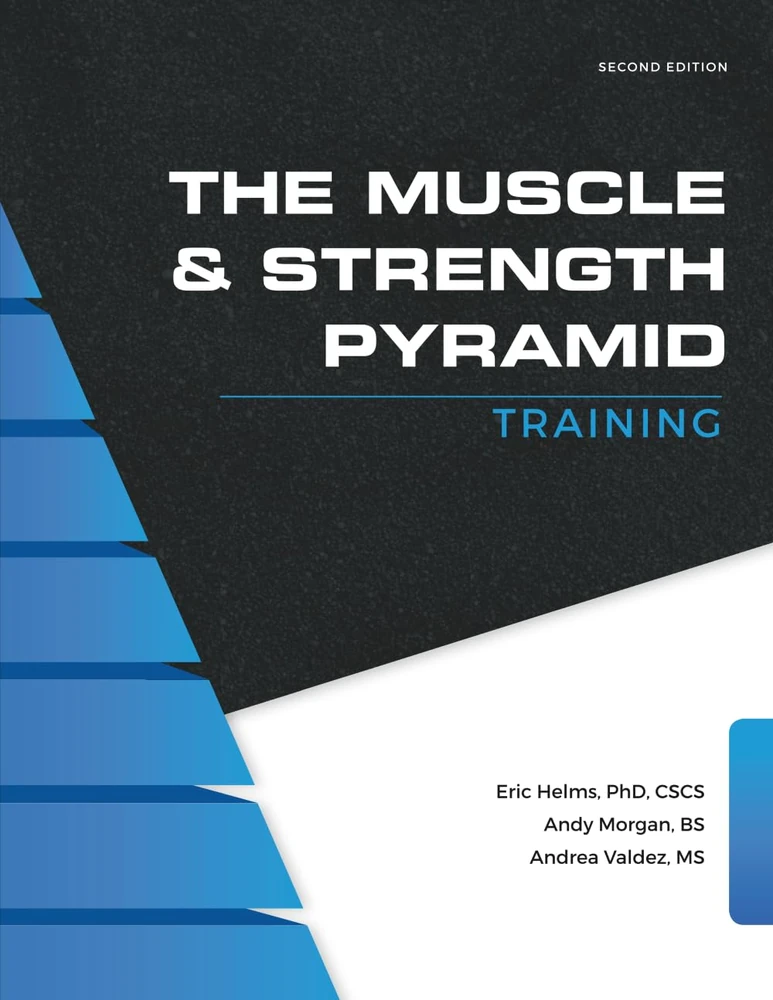
Best overall: The Muscle and Strength Pyramid: Training — Eric Helms, PhD et al.
The clearest evidence-based hierarchy of the training variables that actually build muscle and strength, in order of importance — from a researcher who is also a drug-free pro bodybuilder.
Paperback ~$30
Why it wins: all four scores, pros & cons, full label
- Ranks the training variables by importance, so you spend effort where it actually counts
- Written by Eric Helms, PhD — researcher, coach, and natural pro bodybuilder; rigorous and practical
- Teaches the real levers — overload, volume, intensity, frequency, technique, periodization
- Scales from beginner to advanced; the single best 'understand the whole picture' book
- It's a framework for building your own program, not a single done-for-you routine to copy
- Slightly technical for an absolute beginner who just wants 'tell me what to do today' — pair it with Starting Strength (#4)
- Authors
- Eric Helms, PhD; Andy Morgan; Andrea Valdez
- Focus
- Training variables that drive muscle & strength, prioritised
- Evidence
- Built on the resistance-training research base
- Best for
- Understanding the levers before you pick a program

Our take — If you read only one book to actually build muscle and strength, make it this one. Eric Helms is a researcher, a coach, and a drug-free professional bodybuilder, and The Muscle and Strength Pyramid: Training is the clearest, most honest account of what actually matters in the gym — and crucially, in what order. It puts progressive overload and adequate volume at the base of the pyramid and exercise selection and the fiddly details near the top, so you stop wasting effort on things that barely move the needle. It tops the list because understanding the hierarchy of levers is the highest-leverage thing you can do before choosing a program; most stalled lifters are missing a base-of-the-pyramid variable, not a magic technique. The honest caveat is that it's a framework, not a copy-this routine, so a complete beginner should pair it with Starting Strength (#4) for technique and a starting plan. For the best science-to-action read in the category, start here.
 02
02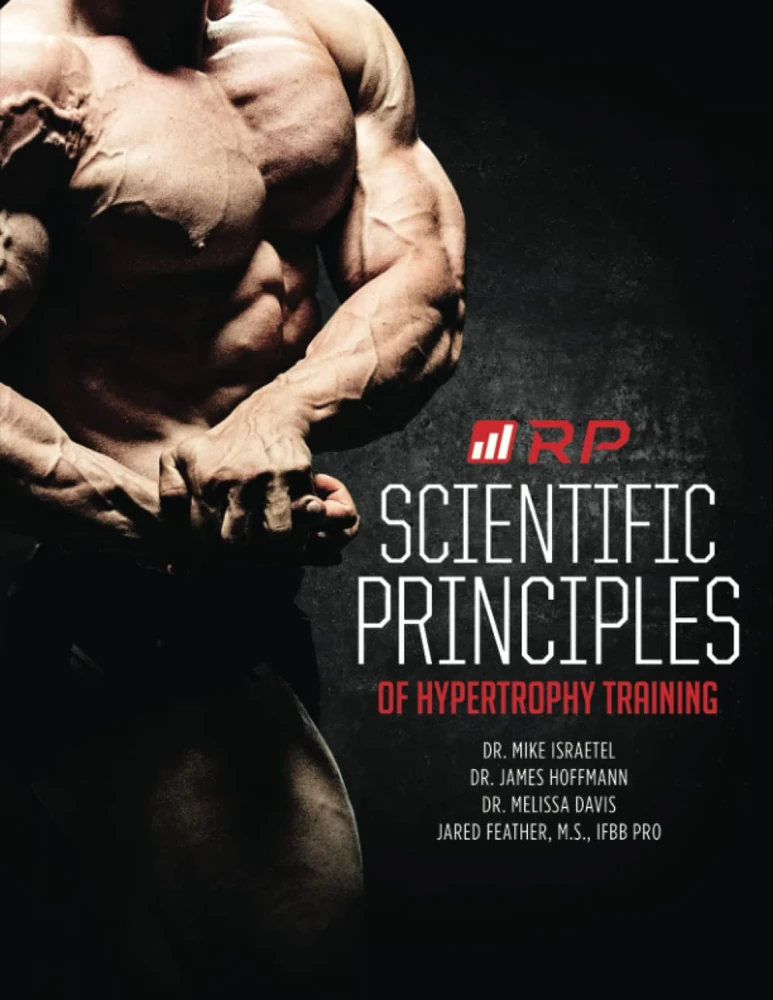 03
03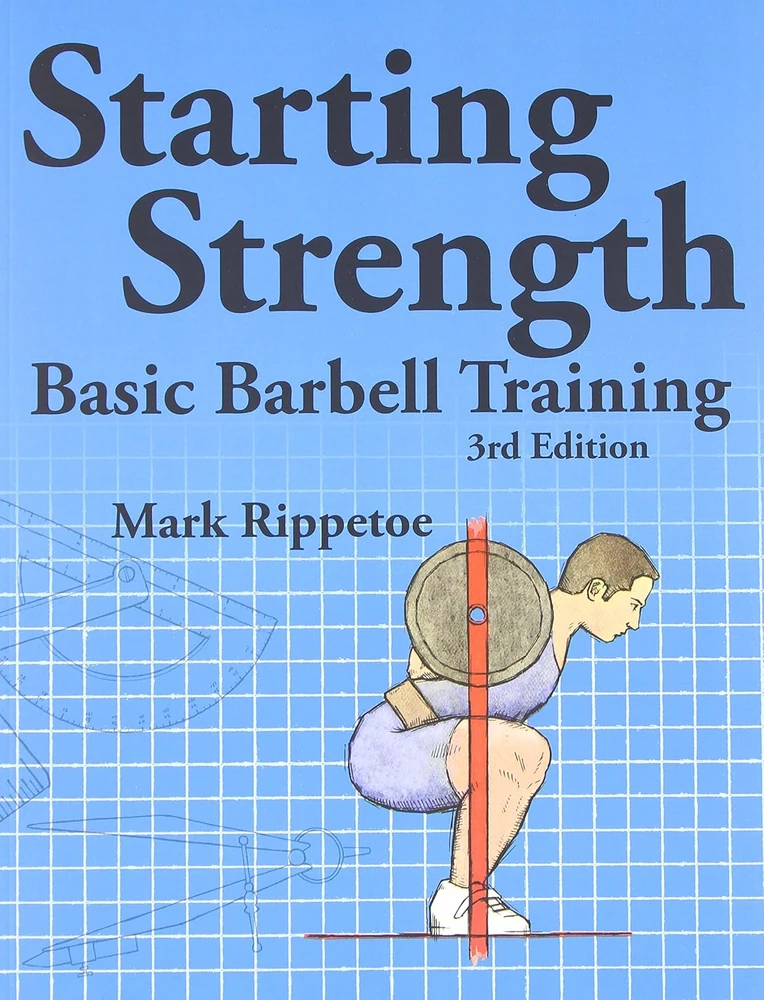 04
04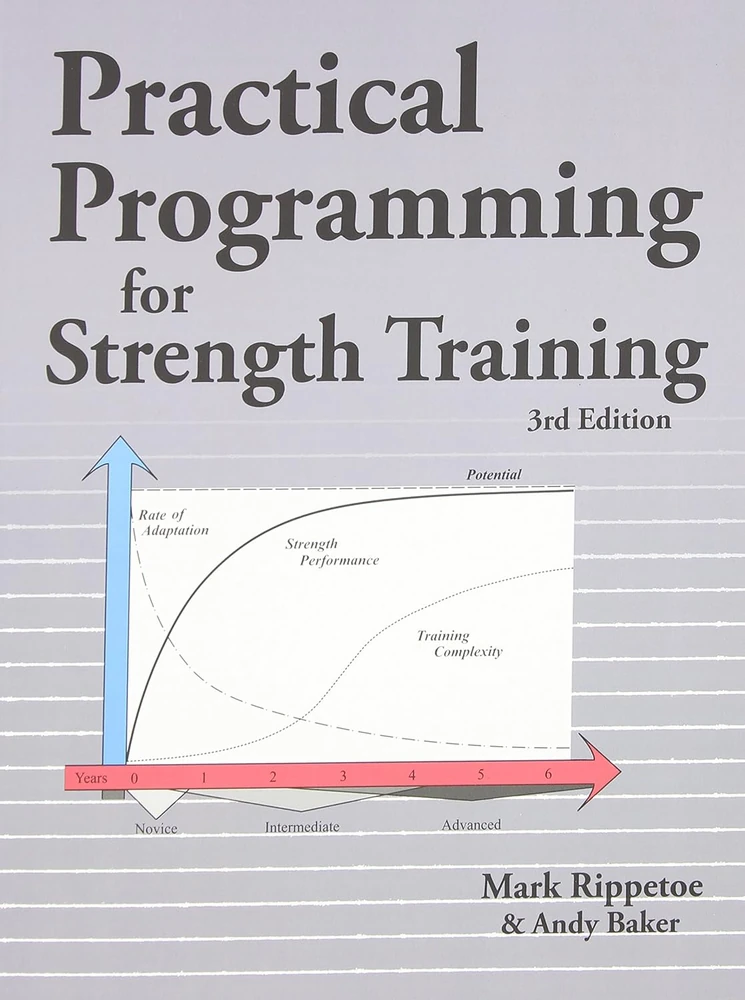 05
05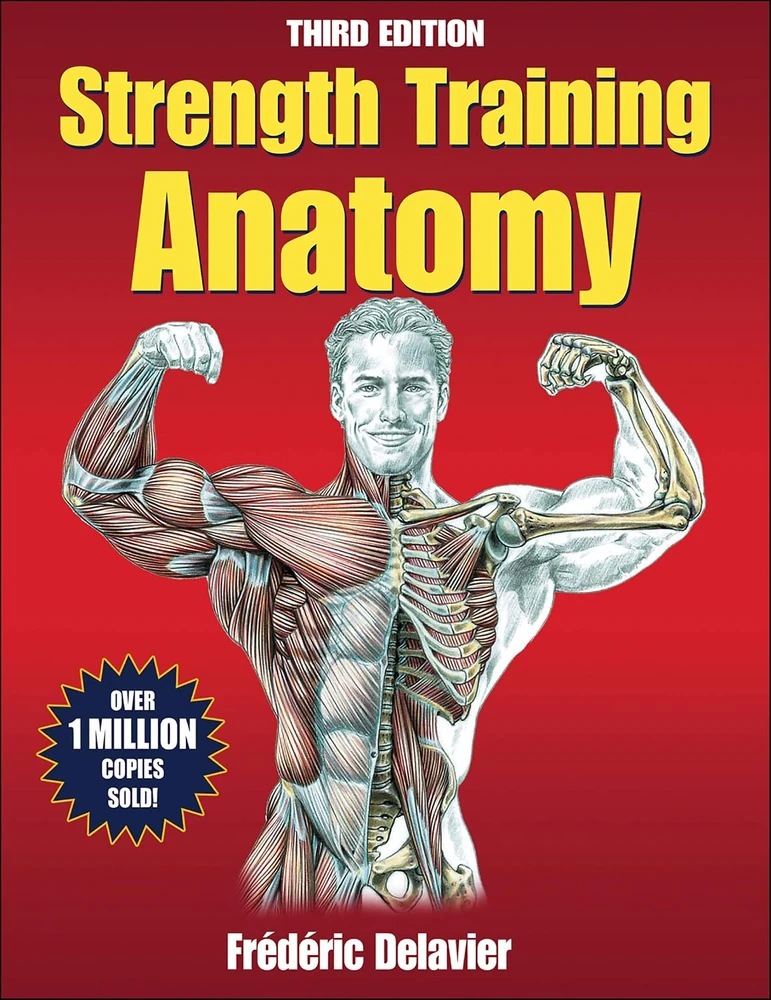 06
06 07
07 08
08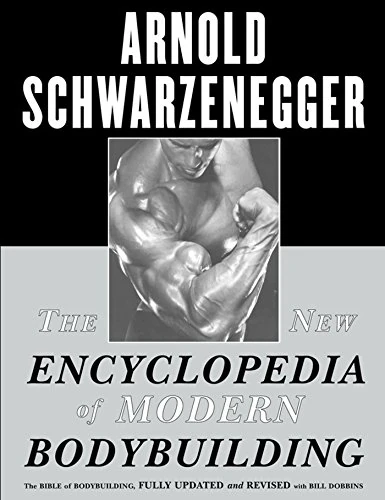 09
09Who Wins Which Aspect
Sorted by overall SAC Product Score™ — the official ranking.
| # | Pick | Score | Method / skill it builds35% | Evidence & author authority30% | Actionability25% | Readability / accessibility10% | Buy |
|---|---|---|---|---|---|---|---|
| 01 | | 9.4 | 9.61 | 9.61 | 8.83 | 8.6 | Check price |
| Ranks the training variables by importance, so you spend effort where it actually countsIt's a framework for building your own program, not a single done-for-you routine to copy | |||||||
| 02 | | 9.2 | 9.23 | 8.83 | 9.61 | 9.22 | Check price |
| A complete, unambiguous system — exact workouts, effort standard, and rest days; nothing left to interpretThe low-volume claim is contested — modern meta-analyses (Schoenfeld 2017) find a dose-response favouring MORE weekly volume for maximal growth | |||||||
| 03 | | 9.1 | 9.42 | 9.42 | 8.4 | 8.0 | Check price |
| The deepest, most rigorous treatment of hypertrophy programming you can buyDense and technical — it's a manual to study, not a light read; pair it with the Pyramid (#1) for the overview | |||||||
| 04 | | 8.9 | 8.8 | 8.6 | 9.42 | 8.6 | Check price |
| The most detailed, teachable breakdown of the core barbell lifts in printDeliberately narrow: it's a barbell-strength foundation, not a complete hypertrophy program | |||||||
| 05 | | 8.8 | 9.0 | 8.83 | 8.6 | 8.4 | Check price |
| The best explanation of WHY your program must change as you progress — and howMore strength- and barbell-focused than pure hypertrophy; pair with Scientific Principles (#3) for size-specific detail | |||||||
| 06 | | 8.3 | 8.0 | 8.4 | 8.2 | 9.41 | Check price |
| Unmatched visual reference — see exactly which muscles each lift works, in detailIt's a reference, not a program — it shows you the exercises but doesn't tell you how to periodize them | |||||||
| 07 | | 8.2 | 7.8 | 7.6 | 9.42 | 9.41 | Check price |
| The most actionable single book here — a complete plan you can start immediatelyLess deep on the 'why' and programming theory than the evidence-based texts above it | |||||||
| 08 | | 8.0 | 7.6 | 7.4 | 8.83 | 8.4 | Check price |
| A genuinely effective, time-tested template millions of lifters have made progress onHonest caveat: it's a thin, self-published book and assumes you already know how to lift — not a beginner's manual | |||||||
| 09 | | 7.0 | 6.4 | 7.0 | 6.6 | 9.03 | Check price |
| An unmatched encyclopedia of exercises, technique cues, and bodybuilding historyHonest caveat: last updated in 1999 — it predates much of the modern training-volume and recovery research | |||||||
The Other 8, Ranked
- 02
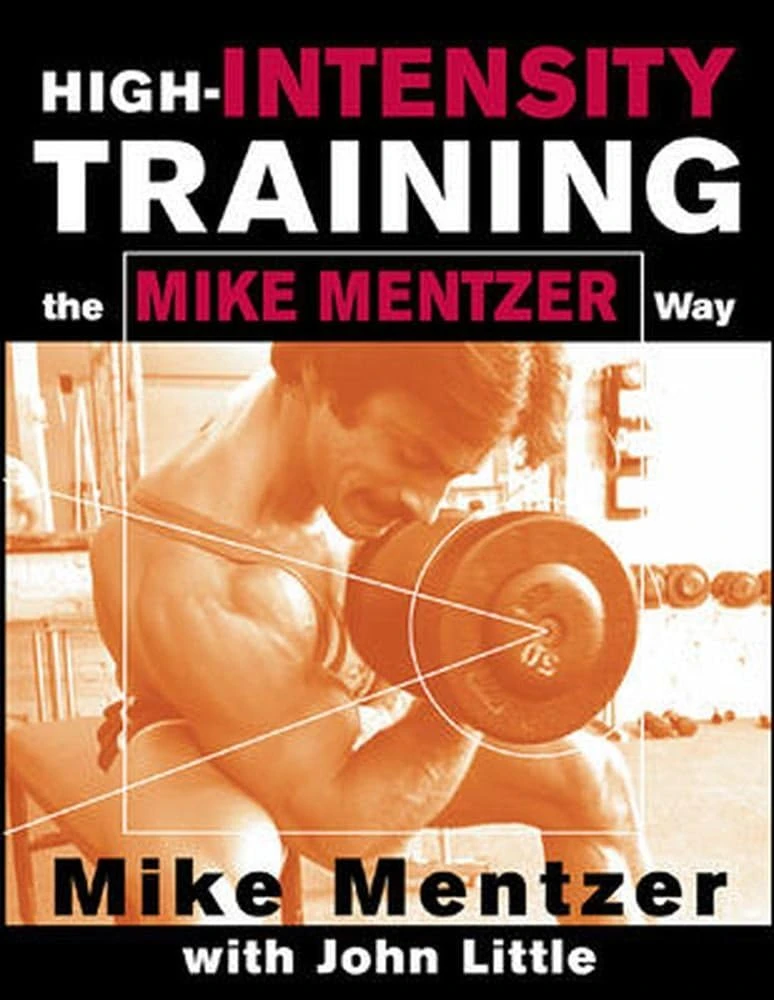
Founder's pick: High-Intensity Training the Mike Mentzer Way — Mike Mentzer with John Little
9.2SAC Score™Mentzer's Heavy Duty system in its definitive form — brief, infrequent workouts taken to absolute failure, with recovery treated as seriously as the training. Our founder trains by it.
StrongestActionability9.61WeakestEvidence & author authority8.8- Authors
- Mike Mentzer with John Little
- Focus
- Heavy Duty HIT — one all-out working set, brief and infrequent sessions
- Method
- Train to absolute failure, then recover fully — typically 2–3 short sessions a week or fewer
Check price on AmazonPaperback from ~$11All four scores, pros & cons, full label
What We Like- A complete, unambiguous system — exact workouts, effort standard, and rest days; nothing left to interpret
- The most time-efficient serious method in the category: short, hard sessions instead of volume marathons
- Takes recovery seriously — the half of training most stalled lifters ignore
- The founder's personal pick: Felix has trained by Mentzer's system and credits it for his consistency
What You Live With- The low-volume claim is contested — modern meta-analyses (Schoenfeld 2017) find a dose-response favouring MORE weekly volume for maximal growth
- True all-out failure is hard to calibrate as a beginner — most people who think they train to failure stop short
- Sparse on technique instruction — pair it with a form resource like Starting Strength (#4)
- Best for
- Lifters who want one complete, time-efficient system to execute
Our take — This is the founder's pick, and it earns the slot on its own merits: High-Intensity Training the Mike Mentzer Way is the clearest 'here is a complete system — now execute it' book on this list. Mentzer's Heavy Duty method — brief, infrequent workouts taken to genuine muscular failure, followed by real recovery — is the antidote to the two failure modes that stall most lifters: program-hopping and chronic under-recovery. Felix has trained by this system for years, and his rule stands: pick a system and see it through. The honest caveat is the science — modern meta-analyses support a dose-response for weekly volume, so Mentzer's minimal-volume position is contested; we say so plainly rather than pretending the debate is settled. What is NOT contested: effort drives adaptation, recovery is where growth happens, and a system you actually execute beats the perfect program you keep replacing. Read it for the discipline of doing less, perfectly.
- 03
Best on the science: Renaissance Periodization Scientific Principles of Hypertrophy Training — Dr Mike Israetel et al.
9.1SAC Score™The most thorough evidence-based treatment of hypertrophy programming in print — how to set and progress volume, intensity, and frequency specifically to grow muscle.
StrongestMethod / skill it builds9.42WeakestReadability / accessibility8.0- Authors
- Dr Mike Israetel, Dr James Hoffmann, Dr Melissa Davis, Jared Feather
- Focus
- Hypertrophy-specific programming (volume, intensity, frequency)
- Evidence
- Heavily referenced; research-led, by a sport-physiology PhD team
Check price on AmazonPaperback ~$40All four scores, pros & cons, full label
What We Like- The deepest, most rigorous treatment of hypertrophy programming you can buy
- By Dr Mike Israetel (PhD, sport physiology) and the Renaissance Periodization team
- Operationalises the volume/frequency research (e.g. Schoenfeld 2017, 2016) into a system
- Teaches you to autoregulate — to adjust volume to your own recovery, not a fixed number
What You Live With- Dense and technical — it's a manual to study, not a light read; pair it with the Pyramid (#1) for the overview
- More 'how to think about programming' than a single fill-in-the-blanks routine for day one
- Best for
- Lifters who want the deep 'how to program for size' science
Our take — The best book on the list for understanding muscle growth at depth. Dr Mike Israetel holds a PhD in sport physiology, and with the Renaissance Periodization team he has written the most thorough evidence-based account of hypertrophy programming available — the volume, intensity, and frequency levers, how to progress them, and how to autoregulate to your own recovery. The practical payoff is that you stop guessing: you learn to set a sensible starting volume, push it progressively, and back off before you dig a recovery hole. It ranks just behind the Pyramid only because its depth is also its cost — it's a manual you study, denser and less prioritised-for-you than Helms's pyramid, which is why we'd hand a newcomer the Pyramid first. But for the lifter who wants to truly understand how to program for size, nothing here goes deeper.
- 04
Best for beginners (technique): Starting Strength: Basic Barbell Training — Mark Rippetoe
8.9SAC Score™The definitive teach-yourself manual for the main barbell lifts plus a foolproof linear-progression program — the single most actionable starting point for a complete beginner.
StrongestActionability9.42WeakestEvidence & author authority8.6- Author
- Mark Rippetoe (veteran strength coach)
- Focus
- Squat, press, bench, deadlift technique + novice linear progression
- Approach
- Master the basics, add weight every session
Check price on AmazonPaperback ~$30All four scores, pros & cons, full label
What We Like- The most detailed, teachable breakdown of the core barbell lifts in print
- Comes with a simple, proven linear-progression program a beginner can run immediately
- Builds the strength base that all later muscle-building work is leveraged on
- Hugely actionable — by far the fastest way to start lifting correctly and progressing
What You Live With- Deliberately narrow: it's a barbell-strength foundation, not a complete hypertrophy program
- Its linear progression is a starting phase you'll outgrow — that's the signal to move to Practical Programming (#5)
- Best for
- Absolute beginners who want to lift correctly from day one
Our take — The best book to put in a complete beginner's hands, and the most actionable on the list. Mark Rippetoe's Starting Strength is the definitive manual for learning the squat, press, bench press, and deadlift — the lifts are broken down in a level of teachable detail nothing else matches — and it comes with a simple linear-progression program you can start this week and progress on every session. It ranks #4 (not higher) on purpose: it's a deliberately narrow strength foundation, not a complete muscle-building system, and you will outgrow its novice progression. But that's exactly its strength — it builds the technique and base strength that every later hypertrophy program is leveraged on, then hands you off to Practical Programming (#5) when you stall. For 'I'm new and want to start correctly today,' this is the answer.
- 05
Best on programming: Practical Programming for Strength Training — Rippetoe & Baker
8.8SAC Score™The clearest manual on how training must change as you advance — from novice linear progression to intermediate and advanced periodization. The antidote to program-hopping.
StrongestMethod / skill it builds9.0WeakestReadability / accessibility8.4- Authors
- Mark Rippetoe & Andy Baker (veteran strength coaches)
- Focus
- Programming for novice, intermediate, and advanced lifters
- Evidence
- Physiology of adaptation applied to real programming
Check price on AmazonPaperback ~$30All four scores, pros & cons, full label
What We Like- The best explanation of WHY your program must change as you progress — and how
- By Mark Rippetoe and Andy Baker, strength coaches with decades of lifters between them
- Walks through novice, intermediate, and advanced programming concretely
- Cures the most common mistake — program-hopping — by teaching the logic of progression
What You Live With- More strength- and barbell-focused than pure hypertrophy; pair with Scientific Principles (#3) for size-specific detail
- A programming textbook in tone — valuable, but not a light read
- Best for
- Lifters who've stalled and need periodization
Our take — The best book on the list for the question that stops most lifters cold: what do I do once linear progression runs out? Mark Rippetoe and Andy Baker are veteran strength coaches, and Practical Programming for Strength Training is the clearest manual on how programming must evolve as you advance — from the novice linear progression of Starting Strength through intermediate and advanced periodization. The practical value is that it kills program-hopping: instead of chasing the next shiny routine when you stall, you understand the logic of progression and adjust your own plan. It ranks #3 because it leans more strength- and barbell-focused than pure hypertrophy, so the size-obsessed reader should pair it with Scientific Principles (#3). But as a programming education, it's outstanding — and the natural next book after Starting Strength.
- 06
Best technique reference: Strength Training Anatomy — Frédéric Delavier
8.3SAC Score™The illustrated reference that shows exactly which muscles each exercise works and how form changes the emphasis — the best book for understanding and refining technique.
StrongestReadability / accessibility9.41WeakestMethod / skill it builds8.0- Author
- Frédéric Delavier (anatomist and illustrator)
- Focus
- Exercise technique and the anatomy each movement trains
- Format
- 600+ full-colour anatomical illustrations
Check price on AmazonPaperback ~$25All four scores, pros & cons, full label
What We Like- Unmatched visual reference — see exactly which muscles each lift works, in detail
- Helps you fix form and choose exercises that target what you intend to grow
- Genuinely beautiful and easy to use; a book you'll keep returning to for years
- A perfect companion to any program book, deepening your technique and mind-muscle understanding
What You Live With- It's a reference, not a program — it shows you the exercises but doesn't tell you how to periodize them
- On its own it won't build a plan; pair it with a programming book higher on this list
- Best for
- Understanding form and which muscles an exercise targets
Our take — The best pure technique-and-anatomy reference on the list, and a book almost every serious lifter ends up owning. Frédéric Delavier is an anatomist and illustrator, and Strength Training Anatomy uses 600+ full-colour illustrations to show exactly which muscles each exercise works and how form tweaks shift the emphasis — like an X-ray for every lift. The value for muscle-building is precision: you select exercises that actually target what you want to grow and refine your form so the right muscles do the work. It ranks #5 because it's a reference, not a method: it brilliantly shows you the exercises but doesn't program them for you. Read it alongside a program book (Helms #1, Rippetoe & Baker #5) — the program tells you what to do, Delavier shows you how to do it right. As an illustrated technique reference, nothing here is better.
- 07
Best plug-and-play for beginners: Bigger Leaner Stronger — Michael Matthews
8.2SAC Score™The most popular all-in-one beginner program — training plus straightforward nutrition in one done-for-you plan. The most plug-and-play book here for someone who just wants to start.
StrongestActionability9.42WeakestEvidence & author authority7.6- Author
- Michael Matthews (fitness author and coach)
- Focus
- A complete beginner-to-intermediate training + nutrition program
- Approach
- Heavy compound lifts, progressive overload, simple macros
Check price on AmazonPaperback ~$23All four scores, pros & cons, full label
What We Like- The most actionable single book here — a complete plan you can start immediately
- Combines training and straightforward nutrition, so beginners aren't left guessing
- Built sensibly on heavy compound lifts and progressive overload, with evidence-based protein targets
- Highly readable and motivating — a popular on-ramp that has genuinely helped many beginners
What You Live With- Less deep on the 'why' and programming theory than the evidence-based texts above it
- The author founded a supplement company (Legion), so weigh supplement recommendations with that context
- Best for
- Beginners who want one done-for-you plan to follow
Our take — The most plug-and-play book on the list, and an excellent on-ramp for a beginner who wants one complete plan rather than a framework. Michael Matthews built Bigger Leaner Stronger around the right fundamentals — heavy compound lifts, progressive overload, and protein targets in the evidence-based ballpark — and packaged them with straightforward nutrition into a single done-for-you program you can start this week. It earns #6 because it's lighter on programming theory and the deep 'why' than the texts above it, and because Matthews founded a supplement company (Legion), so his supplement recommendations are worth reading with that context in mind. But none of that stops it being genuinely useful: for a beginner whose real need is to stop researching and start training, it's one of the most actionable books here. Pair it with the Pyramid (#1) when you're ready to understand the levers underneath the plan.
- 08
Best intermediate template: 5/3/1: The Simplest and Most Effective Training System for Raw Strength — Jim Wendler
8.0SAC Score™A battle-tested, percentage-based programming template for steady strength gains — simple to run and hugely popular with intermediates, though thin and not a beginner's manual.
StrongestActionability8.83WeakestEvidence & author authority7.4- Author
- Jim Wendler (elite powerlifter and coach)
- Focus
- A simple percentage-based template for the main lifts
- Approach
- Submaximal training, gradual progression, autoregulated AMRAP sets
Check price on AmazonPaperback ~$20All four scores, pros & cons, full label
What We Like- A genuinely effective, time-tested template millions of lifters have made progress on
- Simple to run — clear percentages and a built-in, sustainable progression scheme
- By Jim Wendler, an elite powerlifter; its submaximal approach is easy to recover from and stick with
- Flexible — adapts to strength or size goals with assistance-work choices
What You Live With- Honest caveat: it's a thin, self-published book and assumes you already know how to lift — not a beginner's manual
- It's one template rather than a programming education; pair it with Practical Programming (#5) to understand the logic
- Best for
- Intermediates who can already lift and want a proven template
Our take — The best ready-to-run template on the list for an intermediate, with an honest caveat about what it is. Jim Wendler is an elite powerlifter, and 5/3/1 is his deliberately simple, percentage-based programming system: you train submaximally, progress gradually, and push an autoregulated last set — an approach that's easy to recover from and easy to stick with, which is why millions of lifters have built real strength on it. It ranks #7 not because it doesn't work, but because of what it isn't: a relatively thin, self-published book that assumes you already know how to lift, and a single template rather than a programming education. So it's a poor first book for a true beginner (start with Starting Strength #4), but an excellent next step once you've stalled — ideally read alongside Practical Programming (#5) so you understand the logic behind the percentages, not just the percentages.
- 09
Classic reference (dated): The New Encyclopedia of Modern Bodybuilding — Arnold Schwarzenegger
7.0SAC Score™The beloved, encyclopedic reference of exercises, technique, and bodybuilding history — included for that reference value, but ranked last because it's dated (1999) and its routines suit advanced competitors, not most natural lifters.
StrongestReadability / accessibility9.03WeakestMethod / skill it builds6.4- Author
- Arnold Schwarzenegger with Bill Dobbins
- Focus
- Encyclopedic exercise reference, technique, and bodybuilding history
- Edition status
- DATED — last updated 1999; predates much modern training research
Check price on AmazonPaperback ~$30All four scores, pros & cons, full label
What We Like- An unmatched encyclopedia of exercises, technique cues, and bodybuilding history
- Genuinely inspiring, beautifully produced, and a joy to read and browse
- Useful as a reference to look up how to perform a huge range of movements
- Captures hard-won training wisdom from the sport's most iconic figure
What You Live With- Honest caveat: last updated in 1999 — it predates much of the modern training-volume and recovery research
- Its routines are written for advanced, often enhanced, competitive bodybuilders — very high volumes most natural lifters can't recover from
- A reference, not a program for the average lifter — copying its splits is a common beginner mistake
- Best for
- Using as an exercise reference and for inspiration — not a program to copy
Our take — Ranked last on purpose, and with a clear caveat — but included because it earns its place as a reference. The New Encyclopedia of Modern Bodybuilding is a beloved classic: an encyclopedic catalogue of exercises, technique, and bodybuilding history, written by the sport's most iconic figure, and genuinely inspiring to read. The honest problems are why it sits at #8. First, it was last updated in 1999, so it predates much of the modern research on training volume, frequency, and recovery that the evidence-based books higher on this list are built on. Second — and more important — its routines are written for advanced, often enhanced, competitive bodybuilders, prescribing very high training volumes that most natural lifters neither need nor can recover from; copying its splits is a classic beginner mistake. So use it the right way: as a reference to look up exercises and absorb technique and history, and for inspiration. Build your actual program from the evidence-based texts above (Helms #1, Israetel #3, Rippetoe & Baker #5). As a library it's superb; as a program to copy, it's the wrong tool for almost everyone reading this.
The Guide In Four Short Lessons
The case in four numbers
- Overload
- The lever every credible program works through
- Volume
- Weekly hard sets show a dose-response (Schoenfeld 2017)
- ~1.6 g/kg
- Protein that supports the gains (Morton 2018)
- Frequency
- Spreading volume across sessions can help (Schoenfeld 2016)
Sources: Morton RW, et al. A systematic review, meta-analysis and meta-regression of the effect of protein supplementation on resistance training-induced gains in muscle mass and strength in healthy adults. Br J Sports Med 2018 (PMID 28698222). Schoenfeld BJ, Ogborn D, Krieger JW. Dose-response relationship between weekly resistance training volume and increases in muscle mass. J Sports Sci 2017 (PMID 27433992). Schoenfeld BJ, Ogborn D, Krieger JW. Effects of Resistance Training Frequency on Measures of Muscle Hypertrophy. Sports Med 2016 (PMID 27102172).
Pick a method, not a famous name.
Every pick is judged on whether it gets you running progressive overload. A superb encyclopedia is a library, not a program to copy.
Check that you can act on it tomorrow.
Actionability carries a quarter of our score. The plan has to tell you what to do in the next session.
Commit to one program.
Programs mostly fail from hopping, not from bad templates. Stay long enough to matter, and eat about 1.6 g/kg of protein.
Study references (Schoenfeld 2016/2017, Morton 2018) link in Research & sources below.
Each book was scored 0–10 across the five criteria below, then weighted to a final composite — actionable method leads because a program you actually run beats a famous one you don't, and price is a subordinate tie-breaker. Study claims cite the named research (Schoenfeld, Morton); rankings are editorial judgment of the books themselves.
Method / skill it builds · 35%
The most important factor: does the book build a real muscle-building lever — evidence-based programming, progressive overload, sound technique, volume/intensity/frequency management, periodization? Books that build durable, transferable skill score highest. A book that just prescribes one fixed routine, or one built on dated assumptions, scores lower here by design, however popular or beloved.
Evidence & author authority · 30%
Research grounding and credentials. A sport-physiology PhD, a researcher who is also a drug-free competitor, veteran strength coaches with decades of athletes — these score highest. This is the Trust axis: is the book grounded in the actual resistance-training evidence base, or does it lean on tradition and bro-science the literature has since refined?
Actionability · 25%
Can a reader turn the book into what they DO in the gym this week — a program to run, a protein target, progressive overload to log? Plug-and-play programs and clear programming manuals score highest. Brilliant-but-abstract science books score a touch lower; understanding is necessary, but a plan you can run is what adds the muscle.
Readability / accessibility · 10%
How approachable and motivating the book is to actually finish and apply. The lightest weight and the tie-breaker: an engaging book you complete beats a dense one you quit. This is where the well-written popular titles — including the classic — earn back some ground on sheer craft and inspiration.

Why progressive overload works — the chain the best books walk you through
- 1
A hard training stimulus drives the adaptation
To build muscle and strength you must challenge the muscle with enough hard training volume at a sufficient effort — and then do a little more over time (progressive overload). This is the core every credible program here is built on, and no supplement substitutes for it. The book's job is to teach you how to apply overload without stalling or getting hurt.
- 2
The right variables, set and progressed correctly, decide your results
Volume (Schoenfeld 2017), frequency (Schoenfeld 2016), intensity, technique, and exercise selection are the levers — and periodization is how you progress them once linear gains run out. This is exactly what the evidence-based programming books (Helms #1, Israetel #3, Rippetoe & Baker #5) teach, and why understanding them beats copying a routine.
- 3
Protein and recovery let the adaptation actually happen
Muscle is built during recovery, not during the set. Adequate protein (~1.6 g/kg/day, Morton 2018), enough sleep, and volume you can actually recover from turn the training stimulus into growth. This is where supplements play their small, honest role — protein helps you hit the target and creatine adds a little on top — but they support the program, they don't replace it.
What to expect putting these books into practice
Learn the lifts and start the program
You read the levers (Pyramid #1) and learn technique (Starting Strength #4 / Delavier #5), set a protein target (~1.6 g/kg), and start running one program with a training log. Strength climbs fast as your nervous system learns the lifts — exciting, but it's mostly skill, not size yet.
Newbie gains — progress on the logbook
If you're a beginner, this is the linear-progression sweet spot: you add weight or reps most sessions and put on real muscle and strength quickly. The job is simple and unglamorous — beat the logbook, hit your protein, recover. Don't program-hop; the muscle is in the consistency.
The stall — and the move to periodization
Linear progression runs out (it's supposed to). This is where Practical Programming (#5), 5/3/1 (#8), and Scientific Principles (#3) earn their place: you periodize volume and intensity to keep progressing over months, and visible muscle accumulates. Patience and overload, fed by protein and recovery, are what compound into the physique.
The bottom line — learn the levers, run one program, then make it progress
Read one book? The Muscle and Strength Pyramid: Training (#1).
Eric Helms' evidence hierarchy puts your effort on overload and volume before exercise-selection fuss — the clearest method book in the category.
Complete beginner? Starting Strength (#4) or Bigger Leaner Stronger (#7).
Technique + linear progression vs a plug-and-play first plan; when newbie gains stop, Practical Programming (#5) and 5/3/1 (#8) teach the periodization that keeps you moving.
The Arnold encyclopedia (#9) is last on purpose.
Last updated 1999, routines written for advanced, often enhanced competitors — browse it as a library, don't copy it as a program.
Quick Answers
What actually builds muscle — and what's the single most important book to start with?
Muscle and strength come from progressive-overload resistance training: doing more over time — more load, more reps, or more quality hard sets — for a given muscle, with enough weekly training volume at a hard effort, sound technique, and sensible frequency. That stimulus is then supported by adequate protein (~1.6 g/kg/day, per Morton 2018) and recovery, and it only works if you sustain it for months. No supplement is the engine; the program is. The best single book to start with is The Muscle and Strength Pyramid: Training (#1) by Eric Helms, PhD and colleagues, because it lays out exactly these levers in their order of importance, so you spend your effort where it actually moves the needle. Then pick a program that matches your level and run it with a training log.
Don't I need supplements to build muscle? Where do creatine and protein fit?
You need a good program and enough protein far more than you need supplements. The honest hierarchy is: progressive-overload training first, then total protein and recovery, then — a distant but real third — a couple of well-evidenced supplements. Protein supplementation helps you reach the intake that supports the training adaptation, with benefits levelling off around ~1.6 g/kg/day (Morton 2018) — but whole-food protein counts just the same. Creatine monohydrate (3-5 g/day) is the one supplement with strong evidence for a small, genuine boost to strength and lean mass on top of a sound program. That's why we list protein and creatine as the suggested stack, but rank a PROGRAM at #1: the supplements are an accelerant, not the engine. Skip the fat-burners and 'test boosters'; nail the program.
I'm a complete beginner — which book should I start with?
Pick one of two, depending on how you like to learn. If you want to master technique and run a foolproof, fast-progressing first plan, start with Starting Strength (#4) by Mark Rippetoe — it teaches the main barbell lifts in detail and a simple linear progression where you add weight every session. If you'd rather have a more plug-and-play, all-in-one program (training plus straightforward nutrition) aimed squarely at beginners, Bigger Leaner Stronger (#7) by Michael Matthews is the most actionable single book. Either way, add The Muscle and Strength Pyramid: Training (#1) once you want to understand WHY the program works, and Strength Training Anatomy (#6) as a visual reference for getting each exercise right. Run one plan, log your sessions, and progress on it before switching anything.
I've stalled — my newbie gains are gone. What now?
Stalling after the beginner phase is normal: linear progression runs out because you can no longer recover from adding weight every session. The fix is periodization — managing volume, intensity, and frequency in waves so you keep progressing over weeks and months instead of workouts. The best books for this are Practical Programming for Strength Training (#5) by Rippetoe and Baker, which walks through programming for novice, intermediate, and advanced lifters, and 5/3/1 (#8) by Jim Wendler, a proven, simple percentage-based template for intermediates. For the deepest treatment of hypertrophy-specific programming — how to set and progress volume to keep building muscle — Scientific Principles of Hypertrophy Training (#3) is the most thorough. Use a training log so you can actually see the stall and program around it.
Is Arnold's Encyclopedia of Modern Bodybuilding a good program to follow?
It's a beloved classic and an unmatched reference — but be clear-eyed about why we rank it #9 and don't recommend copying its routines. The New Encyclopedia of Modern Bodybuilding is a superb encyclopedia of exercises, bodybuilding history, and technique, and it's genuinely inspiring. The caveats: it was last updated in 1999, so it predates much of the modern training-volume and recovery research; and it's written for advanced, often enhanced, competitive bodybuilders, prescribing very high training volumes that most natural lifters neither need nor can recover from. So use it the right way — as a reference to look up exercises and learn technique and history — but build your actual program from the evidence-based books higher on this list (Helms #1, Israetel #3, Rippetoe & Baker #5). Treat it as a library, not a lesson plan.
How much protein do I actually need, and does the book's advice match the science?
For building muscle while training hard, the evidence points to roughly 1.6 g of protein per kg of bodyweight per day, with little added benefit beyond that for most people — that's the headline from Morton 2018, a meta-analysis of protein supplementation and resistance-training gains. A common practical range is about 1.6-2.2 g/kg, which gives a margin for dieting or older lifters. The better books on this list (the Pyramid #1, Scientific Principles #3, Bigger Leaner Stronger #7) give targets in this evidence-based ballpark; be more skeptical of older or bodybuilding-lore sources that push much higher 'the more the better' numbers, which the research doesn't support. The simplest action: set a daily protein target around 1.6 g/kg, hit it mostly from whole foods, and use a shake only to top up if you fall short.
How many sets and how often should I train each muscle?
These are the volume and frequency levers, and the good books teach you to set them rather than handing you one fixed answer. On volume, Schoenfeld 2017 found a dose-response relationship between weekly hard sets per muscle and hypertrophy — more (well-recovered) volume tends to build more muscle, which is why programs often start around 10 or more hard sets per muscle per week and adjust from there. On frequency, Schoenfeld 2016 found that spreading that volume across more sessions per week can help, so training each muscle roughly twice a week is a sensible default for many lifters. The key word is 'recovered': volume only counts if you can recover from it and keep progressing, which is exactly what a training log plus a periodized program (Practical Programming #5, Scientific Principles #3) helps you manage. Start moderate, add volume gradually, and let your logbook and recovery tell you when you've found your sweet spot.
I only want to read ONE book — which one?
The Muscle and Strength Pyramid: Training (#1) by Eric Helms, PhD and colleagues. It's the clearest, most evidence-grounded single book on the question that actually decides whether you build muscle: which training variables matter, and in what order of importance. Helms is a researcher, coach, and drug-free pro bodybuilder, so it's both rigorous and practical — it tells you to spend your effort on overload and volume before fussing over exercise selection or supplements. If you're a complete beginner who wants a plan to start TODAY rather than a framework, swap to Starting Strength (#4) for technique and linear progression, or Bigger Leaner Stronger (#7) for a plug-and-play program. But for the single best understanding-to-action read, start with the Pyramid — then run one program and log it.
Every Claim Ranked Above Traces Back To One Of These
3 peer-reviewed sources, each linked to PubMed
- [1] Morton 2018 PMID 28698222 — A systematic review, meta-analysis and meta-regression of the effect of protein supplementation on resistance training-induced gains in muscle mass and strength in healthy adults. Meta-analysis of 49 studies (1,863 participants): dietary protein supplementation significantly augmented gains in muscle mass and strength from resistance training, with benefits plateauing around a total intake of ~1.6 g/kg/day. The evidence behind setting a protein target to support training — the dietary lever the better books on this page teach, and why protein (not a fat-burner) is on our stack.
- [2] Schoenfeld 2017 PMID 27433992 — Dose-response relationship between weekly resistance training volume and increases in muscle mass: A systematic review and meta-analysis. Meta-analysis showing a graded dose-response between weekly resistance-training volume (hard sets per muscle) and muscle hypertrophy: higher weekly volumes were associated with greater gains. The evidence behind training volume as a primary, programmable lever — exactly what Scientific Principles (#3) and the Pyramid (#1) teach you to set and progress.
- [3] Schoenfeld 2016 PMID 27102172 — Effects of Resistance Training Frequency on Measures of Muscle Hypertrophy: A Systematic Review and Meta-Analysis. Meta-analysis finding that training a muscle group more frequently (e.g. roughly twice per week versus once), when volume is accounted for, tended to produce greater hypertrophy. The evidence behind frequency as a programming variable — a lever the programming books (Practical Programming #5, Scientific Principles #3) teach you to set deliberately rather than by default.
Affiliate disclosure: every Amazon link uses our Associates tag (superachieverclub-20). We earn a small commission at no cost to you; it funds independent reviews. We never accept payment to change a ranking.