
NusaPure Caralluma Fimbriata 1600 mg Review
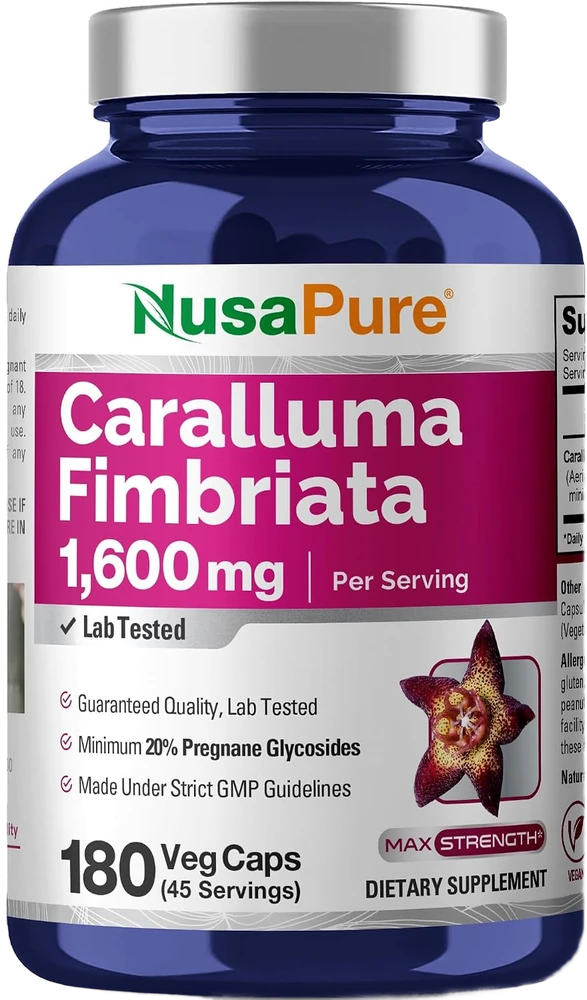 #7 of 8 · Best-evidenced herbal✓ Label verified · Supplement Facts read Sep 7, 2026
Real retailer photo, cut out. Label unedited.
Consider it. The best-evidenced herbal here — one decent RCT, a thin wider field, and a modest effect at best. Caralluma has one genuinely decent 16-week RCT (Rao 2021: ~245 fewer calories, reduced waist vs placebo), which is more than most herbals show — but the broader literature is thin and conflicting, so it's a 'maybe,' not a proven tool.
Moderate cost per servingModerate per serving (180 caps)
Why It Scores 7.1 — And The Label Line Behind Each Number
Evidence for satiety
40% of scoreThe best of the herbals on this axis, but still weak in absolute terms. One reasonably good 16-week RCT (Rao 2021) found reduced caloric intake and waist versus placebo — genuinely more than most botanicals show — but the wider literature is thin and conflicting, so a single positive trial keeps the score modest on this dominant criterion.
- Active
- Caralluma fimbriata extract, 1,600 mg per serving
Mechanism & dose
25% of scoreA plausible (if unproven) central appetite mechanism from a traditional appetite botanical, delivered at a 1,600 mg per serving dose. The mechanism is a reasonable hypothesis backed by one trial rather than firmly established, which caps the score in the middle.
- Dose
- Per label, typically before meals
Purity & testing
20% of scoreNon-GMO and vegan in a generous 180-capsule bottle, stimulant-free — a clean positioning. It scores below the NOW and Metamucil picks because NusaPure is a smaller brand with less testing transparency, but the product itself is straightforward and additive-free.
Value (cost per serving)
15% of scoreA fair price with a generous 180-capsule count keeps the cost per serving reasonable for an experimental botanical. Good value if you decide to try it, though the modest evidence means any spend here is more of a gamble than the cheap, effective fibers.
- Size
- 180 veggie capsules
- Value
- Moderate cost per serving (180-capsule bottle)
- More Specs
- Type
- Stimulant-free botanical
- Quality
- Non-GMO, vegan; NusaPure standard (smaller-brand testing transparency)
Label verified. Every figure read from the Supplement Facts photo, Sep 7, 2026.
Marketing Claims Vs. Reality
Caralluma fimbriata supports appetite control.
We mark this PARTIAL. One decent 16-week RCT (Rao 2021) found reduced caloric intake and waist versus placebo, which supports the claim directionally — but the wider human literature is thin and conflicting, so it's a 'maybe,' not a proven appetite outcome.
Traditional, stimulant-free appetite-suppressant botanical.
Caralluma fimbriata is indeed a traditional appetite-control botanical and this product is stimulant-free, unlike many 'diet pills.' Both parts of the claim are accurate; what's uncertain is the magnitude of the effect.
Non-GMO, vegan formula.
The product is a non-GMO, vegan Caralluma extract in a 180-capsule bottle, consistent with the listing. A clean-label point in its favor, even though brand testing transparency is below the mainstream picks.
What Our Test Actually Found
One decent trial is its whole case — and it's a real one
What separates Caralluma from the other herbals is that it has an actual, reasonably good study behind it. In Rao 2021, a 16-week double-blind RCT of 83 overweight adults, the extract group cut caloric intake by about 245 calories and reduced waist circumference versus placebo. That's a genuine positive result, and more than most botanical appetite pills can point to. It's the reason Caralluma is the best-evidenced herbal on this list — but 'one decent trial' is still the ceiling of its evidence, not a foundation.
The wider field is thin and conflicting
The honest counterweight to that trial is the rest of the literature, which is sparse and mixed. A single positive study, however good, doesn't establish a reliable effect on its own — replication is what turns a 'maybe' into a 'yes,' and Caralluma doesn't have it yet. That's why we rank it as an experiment worth trying with modest expectations rather than a tool you can count on. Treat the Rao result as encouraging, not conclusive.
Stimulant-free is a genuine advantage
Many products in the weight-loss aisle lean on caffeine or other stimulants to create a feeling of reduced appetite. Caralluma doesn't — it's a stimulant-free botanical, so you avoid the jitters, sleep disruption, and tolerance issues that come with stimulant 'fat burners.' For someone who wants to experiment with an appetite botanical without stimulants, that's a real point in its favor and part of why it's a reasonable pick within the herbal tier.
Keep it in its place — an add-on, not the plan
The most important framing is where Caralluma sits in your approach. It is, at best, a modest optional experiment on top of the things that actually work: soluble fiber before meals, adequate protein, and a sustained calorie deficit. If you try it, give it a fair run of several weeks, track honestly, and drop it if nothing changes beyond what your diet explains. Never let a botanical with one trial behind it substitute for the evidence-backed foundation.
Full analysis: all pros & cons (7), buy if / skip if
- One reasonably good 16-week RCT (Rao 2021) found lower caloric intake + reduced waist vs placebo
- Traditional appetite-suppressant botanical with a plausible (if unproven) mechanism
- Non-GMO, vegan, generous 180-capsule bottle
- Stimulant-free, unlike many 'diet pills'
- The broader human evidence is thin and conflicting — one positive trial is not a strong base
- Smaller brand; testing transparency below the NOW / mainstream picks
- Effect is modest at best — an experiment, not a reliable tool
- You specifically want to experiment with a stimulant-free appetite botanical
- You're reassured by one decent RCT and go in with modest expectations
- You want a non-GMO, vegan, generously sized bottle at a fair price
- You'll keep fiber, protein, and a calorie deficit as your real foundation
- You want a proven appetite tool — fiber (#1, #2, #5) and protein (#3, #4) are far stronger
- You expect a reliable, non-modest effect from one study
- You want mainstream-brand testing transparency (NusaPure is a smaller brand)
Caralluma has one genuinely decent 16-week RCT (Rao 2021: ~245 fewer calories, reduced waist vs placebo), which is more than most herbals show — but the broader literature is thin and conflicting, so it's a 'maybe,' not a proven tool. NusaPure's is stimulant-free, non-GMO, vegan, and generously sized at a fair price. Consider it as an experiment with modest expectations, and keep fiber, protein, and a deficit as the foundation.
Caralluma fimbriata is the best-evidenced of the herbal appetite suppressants here — and that's a low bar we want to be honest about. It does have one genuinely decent study in its favor: a 16-week randomized controlled trial (Rao 2021) in which participants taking the extract reduced their caloric intake by roughly 245 calories and trimmed waist circumference versus placebo. That's more than most herbals can show. But a single positive trial against a thin and conflicting wider literature is a 'maybe,' not a proven tool, and the effect is modest. NusaPure's is a stimulant-free, non-GMO, vegan, generously sized bottle at a fair price, so if you want to experiment with a botanical, this is a reasonable one to choose. Just rank your expectations accordingly — and keep fiber, protein, and a calorie deficit as the real foundation. It sits at #7 because plausible-plus-one-study still loses to the genuinely evidence-backed picks above. Here's the full breakdown.
The best-evidenced herbal — consider it as a modest experiment, keep fiber, protein, and a deficit as the foundation.

Caralluma fimbriata is the best-evidenced of the herbal appetite suppressants here — and that's a low bar we want to be honest about. It does have one genuinely decent study in its favor: a 16-week randomized controlled trial (Rao 2021) in which participants taking the extract reduced their caloric intake by roughly 245 calories and trimmed waist circumference versus placebo. That's more than most herbals can show. But a single positive trial against a thin and conflicting wider literature is a 'maybe,' not a proven tool, and the effect is modest. NusaPure's is a stimulant-free, non-GMO, vegan, generously sized bottle at a fair price, so if you want to experiment with a botanical, this is a reasonable one to choose. Just rank your expectations accordingly — and keep fiber, protein, and a calorie deficit as the real foundation. It sits at #7 because plausible-plus-one-study still loses to the genuinely evidence-backed picks above.
If This Doesn’t Fit — Try These
 01
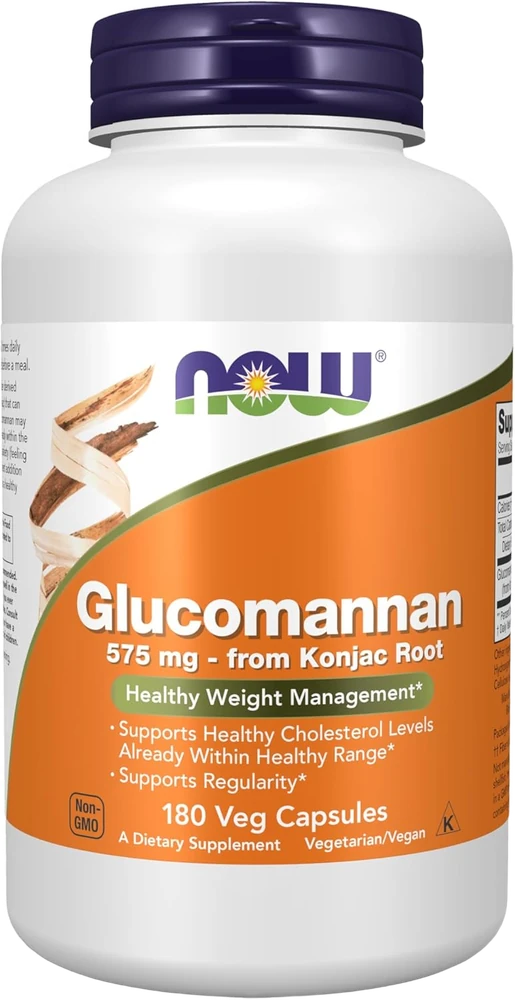
01NOW Glucomannan 575 mg
For an honest, evidence-first appetite tool, glucomannan is the one to start with — and NOW's is the trustworthy, affordable version.
 02
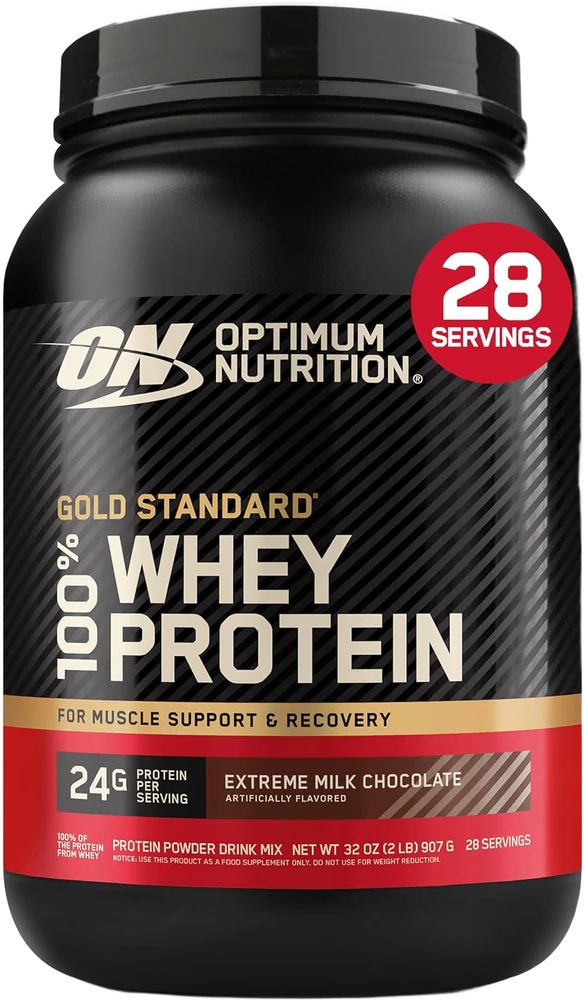
02ON Gold Standard Whey
This is the pick that follows the evidence to its logical end: the single most reliable, best-tolerated 'appetite suppressant' available over the counter is protein, and a quality whey is the easiest way to get more of it.
 03
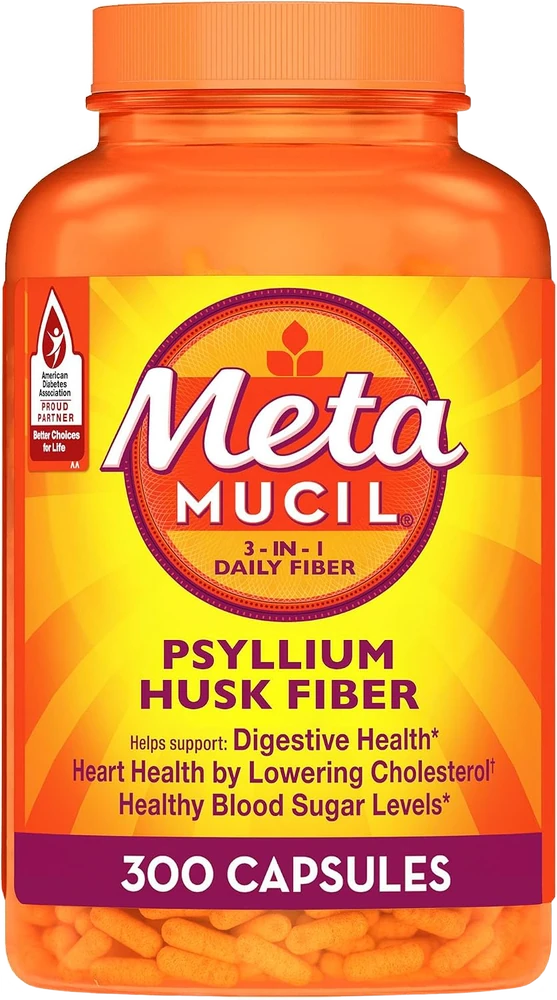
03Metamucil 3-in-1 Psyllium Capsules
If you want the appetite tool with the cleanest pre-meal satiety evidence, psyllium is it, and Metamucil is the brand that was actually studied.
Quick Answers
Is there real evidence Caralluma fimbriata suppresses appetite?
There's one genuinely decent study, which is more than most herbal appetite suppressants can show — but not enough to call it proven. In a 16-week double-blind, randomized, placebo-controlled trial (Rao 2021, PMID 33762661) of 83 overweight adults, the Caralluma extract group reduced caloric intake by roughly 245 calories and trimmed waist circumference versus placebo. That's a real positive result. The honest caveat is that the broader human evidence is thin and conflicting, so a single positive trial makes it a 'maybe' worth experimenting with, not a reliable tool like fiber or protein.
How is it supposed to work?
Caralluma fimbriata is a traditional appetite-suppressant botanical, historically used to blunt hunger during long journeys or famine. The proposed mechanism is a central, hypothalamic effect on appetite signaling, though that mechanism is plausible rather than firmly established. It's stimulant-free, which distinguishes it from many 'diet pills' that rely on caffeine or other stimulants. Treat the mechanism as an interesting hypothesis backed by one decent trial, not a settled science.
Should I choose this over fiber or protein?
No — keep fiber, protein, and a calorie deficit as your foundation, and treat Caralluma as an optional experiment on top. The evidence-backed picks (glucomannan, psyllium, protein) have far stronger, better-replicated satiety evidence. Caralluma is the best of the herbals, but 'best of the herbals' still loses to the genuinely evidence-backed options. If you specifically want to try a stimulant-free botanical and go in with modest expectations, this is a reasonable one to pick.
Is NusaPure a trustworthy brand?
NusaPure is a smaller brand than NOW or Metamucil, and its testing transparency is below those mainstream picks, but the product itself is non-GMO, vegan, and comes in a generous 180-capsule bottle at a fair price. For an experimental botanical, it's a reasonable, stimulant-free choice. Just rank your expectations to match the evidence: one decent trial, a thin wider field, and a modest effect at best.
Sources & Further Reading
2 peer-reviewed sources, each linked to PubMed
- [1] Rao 2021 PMID 33762661 — The effect of an orally-dosed Caralluma Fimbriata extract on appetite control and body composition in overweight adults. Double-blind, randomized, placebo-controlled trial; 83 overweight adults completed 16 weeks of Caralluma fimbriata extract or placebo. The extract group reduced caloric intake by ~245 kcal, decreased waist circumference and maintained body weight while placebo gained — one genuinely positive trial, but the wider literature is thin and conflicting.
- [2] Astrup 2013 (Bendtsen) PMID 23858091 — Effect of dairy proteins on appetite, energy expenditure, body weight, and composition: a review of the evidence from controlled clinical trials. Review of controlled clinical trials showing protein induces satiety and raises gut satiety hormones — cited as the benchmark of strong, replicated appetite evidence against which Caralluma's single-trial data is judged a 'maybe.'
Affiliate disclosure: every Amazon link uses our Associates tag (superachieverclub-20). We earn a small commission at no cost to you; it funds independent reviews. We never accept payment to change a ranking.